2027 Nutrition Transfer Credit Trends: How Schools Are Adapting for Adult Learners

Co-Founder and Chief Data Scientist
When Jenna, a working military spouse, sought to transfer credits earned from an online community college into a bachelor's nutrition program, she encountered unexpected roadblocks. Nearly 40% of her previously completed courses were rejected or deemed irrelevant by the receiving institution, a figure mirrored in a 2024 study by the National Student Clearinghouse Research Center showing a stagnation of credit mobility despite increased transfer student enrollment.
Key Things to Know About Nutrition Transfer Credit Trends for Adult Learners
- Institutions increasingly accept alternative credit sources like badges and workforce training, yet transfer evaluation timelines can delay enrollment decisions, forcing adult learners to balance immediate job demands against academic planning.
- Recognition of military and prior learning credits reflects workforce alignment trends, but variability in employer acceptance of embedded credentials may limit transfer value for nutrition professionals seeking advanced roles.
- Expanded community college pathways boost access and lower upfront cost, yet inconsistent articulation agreements with four-year programs create tradeoffs in transferability that impact time-to-degree completion.
- Key Things to Know About Nutrition Transfer Credit Trends for Adult Learners Key Things to Know About Nutrition Transfer Credit Trends for Adult Learners
- How Are Nutrition Programs Changing Transfer Credit Policies for Adult Learners? Evolving Adult Transfer Policies
- Why Are More Nutrition Schools Accepting Credit for Prior Learning and Work Experience? Prior Learning Credit Benefits
- How Do Nutrition Colleges Evaluate and Award Transfer Credits Today? Transfer Credit Evaluation Process
- Which Alternative Credits Are Most Commonly Accepted by Nutrition Programs? Accepted Alternative Credits
- How Are Nutrition Schools Improving Transfer Pathways for Community College Students? Improved Community College Pathways
- How Can Transfer Credits Help Nutrition Students Graduate Faster? Accelerating Degree Completion
- How Much Money Can Students Save Through Nutrition Transfer Credit Opportunities? Cost Saving Through Transfers
- How Are Nutrition Programs Supporting Military Students and Workforce Learners Through Transfer Credits? How Are Nutrition Programs Supporting Military Students and Workforce Learners Through Transfer Credits?
- What Transfer Credit Innovations Are Shaping the Future of Nutrition Education? What Transfer Credit Innovations Are Shaping the Future of Nutrition Education?
- How Can Adult Learners Maximize Transfer Credits in a Nutrition Program? Maximizing Your Transfer Credits
How Are Nutrition Programs Changing Transfer Credit Policies for Adult Learners?
Nutrition programs are increasingly revising transfer credit policies to address the specific needs of adult learners, working professionals, and military-affiliated students by expanding acceptance of prior learning and non-traditional credits. This broader shift aims to reduce time-to-degree and improve affordability by recognizing certifications, military training, and workforce experience relevant to nutrition and health sciences.
However, these adaptations often require students to navigate institutional nuances where credit mobility and course sequencing depend heavily on articulation agreements and individualized transcript evaluations. For example, transfer students moving from community colleges must carefully assess whether foundational nutrition courses will be fully recognized to avoid redundant coursework and prolonged degree timelines.
Despite gains in credit acceptance, there remain practical tradeoffs as not all nutrition programs equally value military or alternative education credits, leading to uneven transfer experiences and potential credit loss. Many working professionals benefit from streamlined transcript review technologies and alternative credit pathways, but they must still weigh program eligibility criteria and counseling resources to maximize credit transfer effectively.
According to the National Center for Education Statistics, approximately 62% of transfer students experience some credit loss, underscoring the importance of transparent and flexible credit policies for nutrition transfer credit policies for adult learners. Students comparing programs should also consider how these policies affect access to applied learning opportunities and alignment with employer expectations, especially in a labor market increasingly demanding validated competencies supported by programs like FNP programs.
Why Are More Nutrition Schools Accepting Credit for Prior Learning and Work Experience?
The increasing recognition of credit for prior learning and work experience in nutrition programs signals a broader institutional recalibration toward competency-based evaluation rather than merely easing transfer policies. Programs now routinely assess professional certifications, military training, employer-endorsed skill development, and portfolio-based demonstrations to credit nontraditional learning, reflecting workforce realities that prioritize applied knowledge.
This responds not only to financial pressures but also to enrollment strategies aimed at nontraditional and adult learners who balance multiple responsibilities, enabling them to shorten their time to degree completion while maintaining academic standards. According to the Council for Adult and Experiential Learning (CAEL) data from 2024, students receiving CPL credits graduate at a rate 20% higher than peers without such recognition, illustrating how credential flexibility can directly impact student persistence and degree planning.
However, the expansion of prior learning credit comes with tradeoffs that adult students must navigate carefully. Institutional variations in credit acceptance and evaluation rigor mean that not all prior experiences apply equally, and some schools require stringent competency assessments to preserve academic validity. For professionals considering how their military or industry credentials fit into program requirements, transfer policy inconsistencies may complicate pathway planning, resulting in extended degree timelines or unexpected course loads.
Moreover, employers in nutrition-related fields increasingly look beyond mere credit accumulation toward verified competencies, which means that credit policies must balance recognition with ensuring graduates meet practical standards needed for employment in a competitive healthcare environment.
One working professional returning to complete a nutrition degree found that her military medical training and industry certifications did not automatically translate into expected academic credits. While encouraged by the school's willingness to evaluate her portfolio, she faced detailed documentation requests and multiple competency interviews, prolonging transfer credit approval beyond initial estimates. This experience highlighted how evolving institutional policies require proactive student engagement and flexible planning, as the recognition of prior learning can both remove barriers and introduce administrative complexities along the path to graduation.
How Do Nutrition Colleges Evaluate and Award Transfer Credits Today?
Transfer credit evaluation in nutrition colleges has shifted from a purely procedural task to a strategic function tied closely to student retention and timely degree completion. Institutions do more than check transcripts; they engage in detailed analysis of course equivalencies, learning outcomes, and accreditation status, recognizing that how prior credits align with program-specific competencies directly impacts whether a transfer accelerates or delays graduation.
For example, a military-affiliated student relying on Joint Services Transcript credits may find some credits accepted for elective requirements but not for core nutrition courses, forcing additional enrollment and extending time and cost. This nuanced approach reflects the balance institutions strike between maintaining academic rigor and catering to increasingly diverse educational backgrounds.
Accreditation standards heavily influence credit acceptance, with regional accreditation remaining a gatekeeper that often excludes vocational or military training without established credentials, despite growing employer demand for nontraditional pathways. Credit for prior learning (CPL) is increasingly used to acknowledge proficiency via exams or portfolios, yet variability in CPL policies means some students benefit more than others depending on the institution.
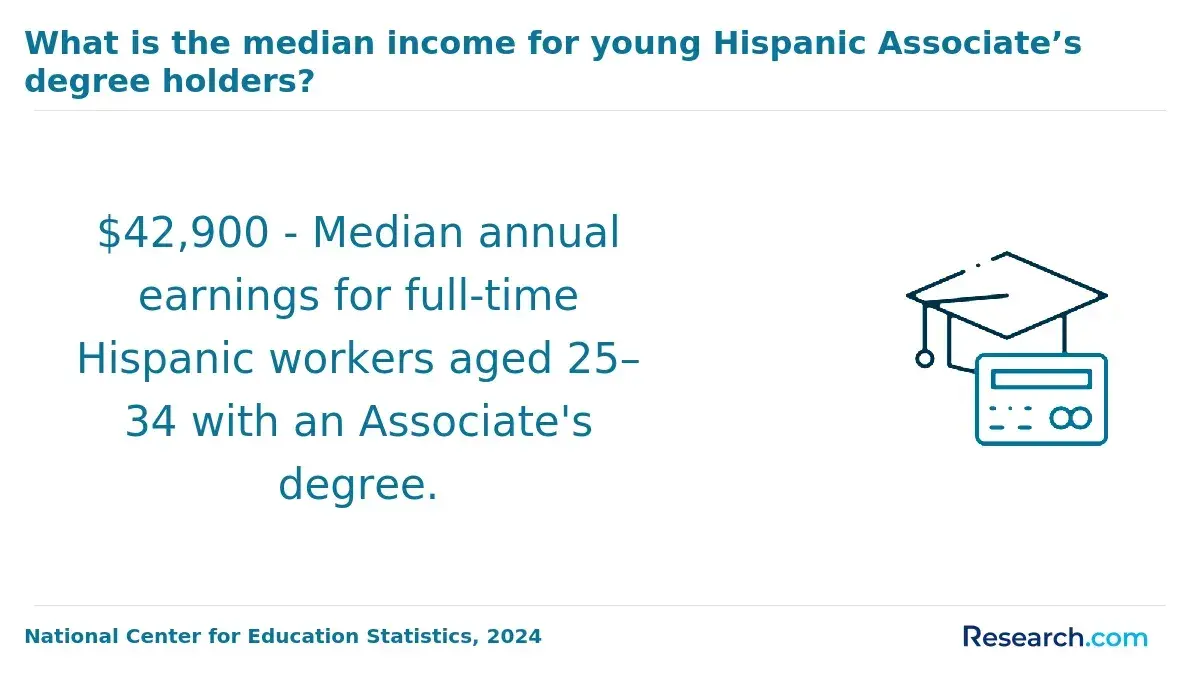
Data from the National Center for Education Statistics in 2024 shows that over 60% of public universities now include CPL in transfer evaluations, underscoring the gradual shift toward flexible credit recognition. However, transfer articulation agreements and emerging AI-assisted evaluation tools help mitigate unpredictability, allowing adult learners to better strategize academic plans that minimize redundant coursework and control educational costs across institutions and states.
Which Alternative Credits Are Most Commonly Accepted by Nutrition Programs?
Acceptance of alternative credits has evolved into a strategic approach within nutrition programs to enhance degree accessibility and accelerate completion for adult learners, rather than simply serving as a transfer procedure. Many institutions prioritize credit for prior learning (CPL) portfolios and military training due to their direct alignment with experiential knowledge, which often shortens program timelines while maintaining academic standards.
However, program-specific policies such as residency rules, upper-division credit limits, and equivalency reviews can restrict the full application of these credits, requiring students to navigate complex transfer planning to ensure credits advance core nutrition requirements effectively.
Military and workforce credit acceptance in nutrition degrees remains a significant factor, with programs commonly recognizing American Council on Education (ACE) recommendations that validate formal military and employer-sponsored training. Standardized exams such as CLEP and DANTES continue to hold substantial weight, endorsed by over 65% of programs for foundational courses. Yet, emerging sources like competency-based assessments from providers including Sophia Learning face more variable acceptance due to rigorous accreditation checks and curriculum fit, which can affect affordability and flexibility for working professionals seeking to leverage prior learning efficiently.
Adult learners must consider how these transfer credit policies impact long-term career readiness within nutrition fields, emphasizing thorough analysis of transfer guides and advisement. Institutions balance the demand for flexible credit pathways with accountability to ensure employability outcomes and program integrity. For those aiming to integrate diverse credits while minimizing time and cost, examining options such as community college articulation or leveraging specialized certification pathways can be crucial steps.
Prospective students researching advanced degrees often find relevant guidance in resources clustered around programs like masters healthcare administration, highlighting the broader context of healthcare education affordability and pathway design.
How Are Nutrition Schools Improving Transfer Pathways for Community College Students?
Nutrition programs have increasingly prioritized streamlined transfer pathways as a strategic response to the persistent challenges transfer students face in preserving academic momentum. By developing detailed articulation agreements and aligned degree maps, schools reduce uncertainty over credit acceptance, directly impacting how quickly students can complete their studies.
A 2024 report from the National Student Clearinghouse Research Center highlights that institutions with comprehensive transfer policies experience up to 25% less credit loss for students in health-related fields, underscoring the practical benefits of these adaptations. Yet, the reality remains that credit acceptance still varies significantly between schools, demanding students carefully evaluate each program's transfer framework—especially for upper-division courses critical to licensure and professional eligibility.
Many programs have supplemented these agreements with expanded prior learning assessments to recognize relevant professional or military experience, which can accelerate progress for non-traditional learners. Enhanced advising models employing specialized counselors and online tools further clarify prerequisites and transfer expectations early, helping students avoid unforeseen course redundancies.
However, integrating flexible scheduling options like part-time and hybrid formats introduces tradeoffs, as these can impact time-to-degree differently depending on student circumstances and institutional capacity. Transfer students must balance these variables while planning to minimize lost credits and extend their educational accessibility without sacrificing curriculum standards or licensure requirements.
One transfer student described navigating inconsistent credit evaluations between the community college and her target nutrition program as a source of significant anxiety. She initially encountered conflicting information about whether her anatomy and chemistry credits aligned with the bachelor's curriculum.
Repeated consultations with transfer advisors and review of an updated articulation agreement eventually offered clarity, allowing her to adjust her course load strategically and safeguard most of her credits. This experience highlighted how transparent transfer policies coupled with proactive advising can alleviate uncertainty but also underscored ongoing challenges in achieving consistent credit mobility across institutions.
How Can Transfer Credits Help Nutrition Students Graduate Faster?
Transfer credit policies for nutrition adult learners present a nuanced landscape where course applicability and institutional criteria significantly shape the acceleration of degree completion. While many transfer students bring credits from community colleges or workforce training, not all credits directly fulfill core requirements due to program-specific rigor or sequencing in biochemistry and food science courses. For example, a working professional transferring credits may find that military training or prior learning assessments count toward electives but not toward specialized nutrition science classes, highlighting the critical tradeoff between credit acceptance and meaningful degree progression.
Accelerated degree completion through nutrition transfer credits depends heavily on articulation agreements and the strategic planning required to navigate residency rules and upper-division coursework. Adult learners and military-affiliated students often benefit from up to 15 credits awarded through prior learning assessments, yet must carefully evaluate whether these credits reduce total time-to-degree or simply bypass general education components.
This evolving transfer-friendly environment impacts enrollment strategies and affordability, where students aiming for efficient degree pathways should thoroughly research course equivalencies, consult advisors, and consider programs designed for credit mobility rather than expecting automatic time savings. Those exploring pathways in health fields might also review alternatives like radiology tech online programs for differing transfer policies and timelines.
How Much Money Can Students Save Through Nutrition Transfer Credit Opportunities?
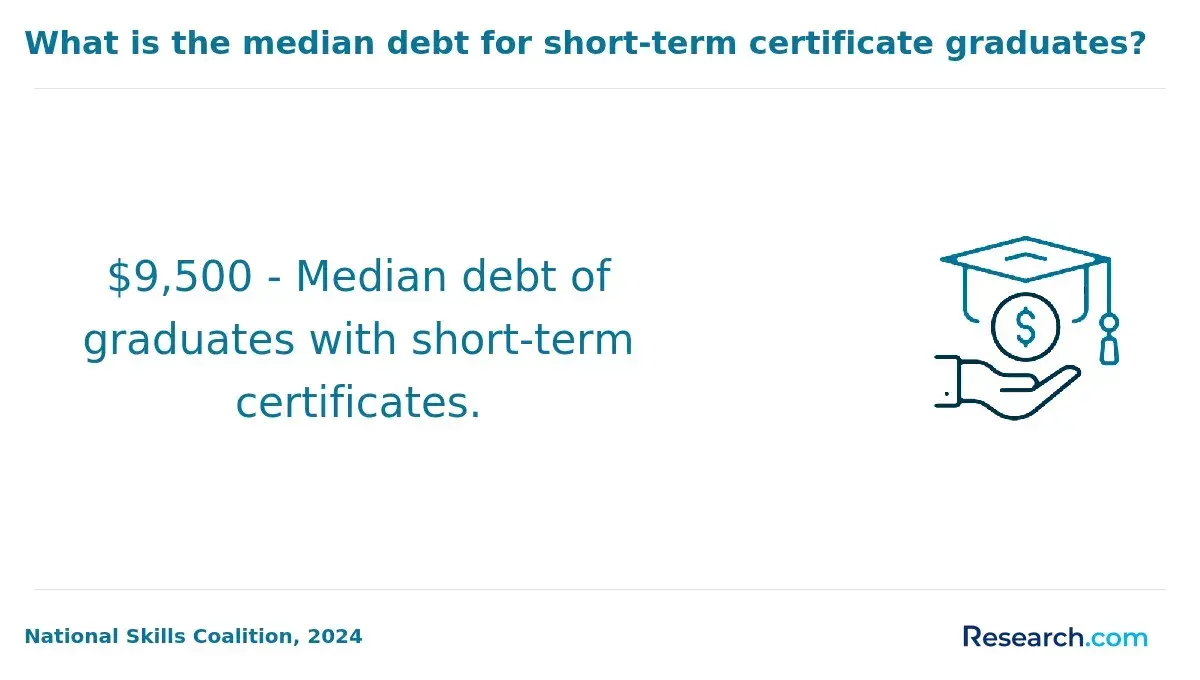
Transfer credits can substantially reduce the overall cost of Nutrition degrees, especially when factoring in prior learning assessments and military training credit recognitions. For example, working professionals or military-affiliated students may apply up to 30 credits through these pathways, potentially cutting tuition expenses by several thousand dollars and accelerating degree completion.
However, these savings are often moderated by institutional restrictions such as residency requirements and limits on what percentage of total credits can be transferred, typically between 50% and 75%. Nutrition programs may also enforce course-specific mandates that require students to complete core classes on-site, which can reduce credit applicability and necessitate retaking certain courses.
The financial impact of credit transfer hinges on nuanced institutional policies and how equivalency evaluations are conducted. Inconsistent assessments may force students to repeat coursework, undermining potential savings and prolonging time to degree. Despite these challenges, reducing degree length through successful credit transfer not only lowers direct tuition costs but also diminishes opportunity costs by enabling earlier workforce entry.
Adult learners and transfer students must therefore weigh the tangible benefits of transferred credits against possible limitations, considering how these decisions affect both education expenses and long-term employability within Nutrition fields that increasingly demand validated program rigor alongside flexible pathways.
How Are Nutrition Programs Supporting Military Students and Workforce Learners Through Transfer Credits?
Nutrition programs that evaluate military training and workforce credentials as part of transfer credit policies provide tangible pathways for reducing degree timelines, but the benefits hinge on alignment between prior learning and program-specific competencies. While the American Council on Education reports that 85% of institutions formally assess military training and certifications, the practical transferability in nutrition often depends on how closely occupational specialties or industry credentials match foundational and specialized course requirements.
For example, a military medic with documented clinical nutrition experience may bypass introductory courses, yet this advantage is uneven across programs due to variability in curriculum design and institutional discretion over credit applicability.
The impact on degree completion is notable: data from the National Center for Education Statistics indicates military-affiliated nutrition students leveraging such transfer credits graduate approximately 20% faster than peers without these credits. However, this acceleration is contingent on transparent, standardized prior learning assessments (PLAs) and articulation agreements that recognize licenses, apprenticeships, and workplace training relevant to nutrition fields.
Students must critically assess how their prior experiences translate into academic credit, as inconsistent recognition of professional certifications can limit advanced standing or course waivers, affecting both academic planning and long-term educational accessibility.
Incorporating flexible delivery models like online coursework and competency-based education further supports workforce learners balancing employment, yet the real-world value of accelerated pathways depends on employers' acceptance of credentials aligned with practical skills. Nutrition programs adapting transfer policies thus reflect broader tradeoffs between reducing redundant coursework and ensuring graduates meet evolving professional standards within healthcare and community nutrition environments.
What Transfer Credit Innovations Are Shaping the Future of Nutrition Education?
Emerging transfer credit practices are reshaping degree accessibility and completion pathways for adult learners in nutrition education, but they require critical evaluation of institutional capacity and student planning. AI-assisted transcript evaluations are expediting credit assessments, with a 2024 study by the National Center for Education Statistics revealing a 15% increase in accepted credits that can shorten time to degree.
However, these systems often remain out of reach for smaller institutions, creating disparities in credit recognition that adult learners must navigate carefully. Additionally, expanded credit for prior learning (CPL), including military training, offers real benefits by boosting degree completion rates by about 20%, yet learners must weigh the consistency of alternative credential acceptance against academic rigor and employer expectations in the nutrition workforce.
Transfer articulation agreements and technology-driven credit verification platforms improve portability across two- and four-year programs, enhancing planning clarity for working professionals. Still, evaluating how these innovations align with competency-based education models is crucial, as practical skill validation rather than seat time becomes increasingly emphasized.
These changes, integral to technology-driven credit assessment for adult nutrition learners, demand that students proactively assess how transfer policies correlate with both academic standards and labor market relevance. Prospective students can gain insight into flexible degree pathways by consulting resources such as top rated online nursing schools WGU, which provide comparative perspectives on credit acceptance frameworks relevant across health disciplines.
How Can Adult Learners Maximize Transfer Credits in a Nutrition Program?
Maximizing transfer credits in nutrition programs requires navigating institutional policies that often limit transferable coursework to around 60% of degree requirements, forcing adult learners to strategically decide which courses to retake or test out of to minimize time and cost.
For example, a working professional with military training and community college credits must prioritize submitting transcripts early and applying for prior learning assessments, as many programs recognize up to 40% of credits through workforce or experiential learning, according to the Council for Adult and Experiential Learning. These evaluations critically impact course sequencing and remaining residency requirements, influencing not just graduation timelines but also financial outlays and academic flexibility.
Transfer credit strategies for adult learners in nutrition demand careful scrutiny of articulation agreements, where clear partnerships between institutions can yield a 30% higher credit acceptance rate as reported by the National Student Clearinghouse Research Center in 2024.
Additionally, programs that incorporate alternative credit pathways like competency-based education or online modules provide valuable options to complement transferred coursework and reduce redundancy. Working professionals should balance institutional policies with employer expectations for practical skills, ensuring credits contribute to workforce-relevant qualifications rather than just academic progress.
Considering various transfer sources—from community colleges and universities to certifications and military experience—while understanding program caps and degree mapping tools helps optimize educational outcomes without sacrificing career alignment.
Those seeking the easiest MPH online programs to get into might also find similar flexibility and transfer policies applicable within nutrition pathways, underscoring the broader trend of adapting credit acceptance to adult learners' diverse backgrounds.
References
- How to Transfer College Credits and Finish Your Degree Faster https://www.park.edu/blog/transfer-college-credits-finish-degree-faster/
- Nutrition and Food (BASc) FAQs https://www.torontomu.ca/nutrition/undergraduate/nutrition-and-food-faqs/
- College Credit Transfer to Stretch Savings Further https://www.collegesavings.org/college-credit-transfer-to-stretch-savings-further
- Food Crediting in Child Nutrition Programs: Request for Information https://www.federalregister.gov/documents/2017/12/14/2017-26979/food-crediting-in-child-nutrition-programs-request-for-information
- Innovation in Dietetics: Shaping the Future of Nutrition Care - Council of Deans of Health https://www.councilofdeans.org.uk/resource/innovation-in-dietetics-shaping-the-future-of-nutrition-care/
- Childhood Food Insecurity - Blue Star Families https://bluestarfam.org/2022/04/military-kids-food-insecurity/
- Medschool, Academics, Nutrition Curriculum https://medschool.usuhs.edu/academics/md-program/nutrition-curriculum
- 3 Types of Nutrition Certifications | University of Bridgeport https://www.bridgeport.edu/news/nutrition-certifications/
- Innovations in Nutrition Education Archives – Food Tank https://foodtank.com/news/category/innovations-in-nutrition-education/
Other Things You Should Know About Nutrition
Transfer credits can significantly reduce the number of required courses, but the remaining curriculum often focuses on advanced or specialized topics that demand more intensive study. Adult learners should anticipate a shift in workload from basic foundational classes to more rigorous, applied courses. Prioritizing programs with clear credit articulation policies helps avoid unexpected course repetitions, enabling a more efficient path to degree completion without compromising mastery of critical nutrition competencies.
While transfer credits can expedite graduation, employers in nutrition often favor graduates who have completed comprehensive, standardized coursework that aligns with professional certifications and licensure. Accepting extensive transfer credits may limit exposure to program-specific training valued by employers. Students should target degree pathways that balance credit acceptance with ensuring their education meets key credentialing requirements relevant to nutrition roles in healthcare, community health, or food service management.
Hands-on learning like labs, internships, and practicums are critical in nutrition education but often cannot be substituted with transfer credits, even if prior coursework overlaps. Adult learners relying heavily on transfer credits may face dense practical components compressed into fewer semesters, which can increase scheduling stress. It's advisable to select programs that explicitly integrate flexible practicum options or offer credit for verified professional experience to balance academic demands with real-world training.
Military-affiliated students benefit most from nutrition programs that recognize diverse training backgrounds and provide streamlined credit evaluations, but flexibility can vary widely. Prioritizing programs with transparent credit assessment timelines and tailored advising support prevents delays in degree progress. Such programs better accommodate the unpredictability of military schedules and leverage prior learning without sacrificing essential nutrition coursework crucial for civilian credentials and employment.