2027 Nutrition Career Outcomes by Degree Level Report: Pay, Employment, and Advancement Patterns

Co-Founder and Chief Data Scientist
This article analyzes pay scales, employment trends, and advancement opportunities across nutrition degree levels to help readers make informed educational choices.
Key Things to Know About Nutrition Career Outcomes by Degree Level
- Associate degrees in nutrition tend to offer quicker job-market entry, but a 2024 USDA labor report shows they often limit advancement to entry-level roles, requiring later credential upgrades for growth.
- Employers increasingly favor master's credentials for clinical nutrition roles, reflecting a 15% rise in hiring preference since 2023, emphasizing that higher degrees signal specialized expertise and improved responsibility.
- The extended duration and cost of doctoral nutrition programs create opportunity costs; while doctorate holders access research careers, many professionals weigh this tradeoff against faster, less costly certificate options for credential stacking.
- Key Things to Know About Nutrition Career Outcomes by Degree Level Key Things to Know About Nutrition Career Outcomes by Degree Level
- What Career Outcomes Can Students Expect From Each Nutrition Degree Level? Career Outcomes by Degree
- How Much Do Nutrition Graduates Earn by Degree Level? Salary by Degree Level
- Which Nutrition Degree Level Offers the Strongest Employment Prospects? Best Degrees for Employment
- What Entry-Level Jobs Can You Get With a Nutrition Degree? Entry-Level Career Opportunities
- How Do Nutrition Degree Levels Affect Career Advancement and Promotion Opportunities? Career Growth by Degree
- Is a Nutrition Degree Worth It Based on Salary, Employment, and ROI? Salary, ROI, and Value
- How Do Associate, Bachelor's, Master's, and Doctoral Nutrition Degrees Compare? Comparing Degree Levels
- Which Industries and Employers Hire Nutrition Graduates by Degree Level? Which Industries and Employers Hire Nutrition Graduates by Degree Level?
- What Skills, Credentials, and Experience Improve Nutrition Career Outcomes? What Skills, Credentials, and Experience Improve Nutrition Career Outcomes?
- Which Nutrition Degree Level Is Best for Your Career Goals? Choosing the Right Degree
What Career Outcomes Can Students Expect From Each Nutrition Degree Level?
Nutrition career outcomes diverge sharply by degree level, with clear tradeoffs between time investment, credential rigor, and professional mobility. Associate degrees can efficiently position students for stable technician roles but often impose limits on advancement due to credentialing ceilings and employer expectations that favor further education for supervisory positions.
For many working adults or military-affiliated students, the bachelor's degree represents a critical pivot point, granting access to registered dietitian nutritionist certification and increased negotiating leverage in pay and specialty areas. Data from the U.S. Bureau of Labor Statistics highlights that employment rates climb significantly at this level, reflecting how higher credentials align with practical readiness and licensure requirements in a rapidly evolving healthcare context.
Master's and doctoral degrees tend to emphasize specialization, research, and leadership within nutrition careers, appealing to professionals eyeing senior clinical or academic roles where advanced qualifications are indispensable. While these degrees demand greater time and financial investment, they also enable access to program director roles or policy-influencing positions, which are increasingly targeted in labor market projections. However, doctoral candidates should consider prolonged time-to-employment and a narrower job market that favors research and scholarship.
Navigating these choices with a clear eye on articulation agreements and prior credit applications can optimize progression routes. Students interested in interdisciplinary credential pathways may also explore options such as a PharmD degree, where complementary expertise can widen applicable roles and enhance long-term career resilience within nutrition and allied health services.
Prospective students must weigh immediate employment needs against longer-term advancement potential, recognizing that entry-level certificates and associate degrees offer quicker access to employment but restrict upward mobility and pay growth in many settings. Conversely, bachelor's degrees act as a foundational gateway to higher pay tiers and leadership pathways, especially when combined with required national certifications. Choosing to pursue graduate degrees should be strategically aligned with the desire for specialized practice or research contributions, given the intensified educational commitment and evolving employer preferences.
Importantly, transfer students and adult learners should plan coursework carefully to maximize credit transfers and minimize redundancy, ensuring alignment with employer demand and credential expectations documented in 2024 workforce data on nutrition degree career outcomes by level.
How Much Do Nutrition Graduates Earn by Degree Level?
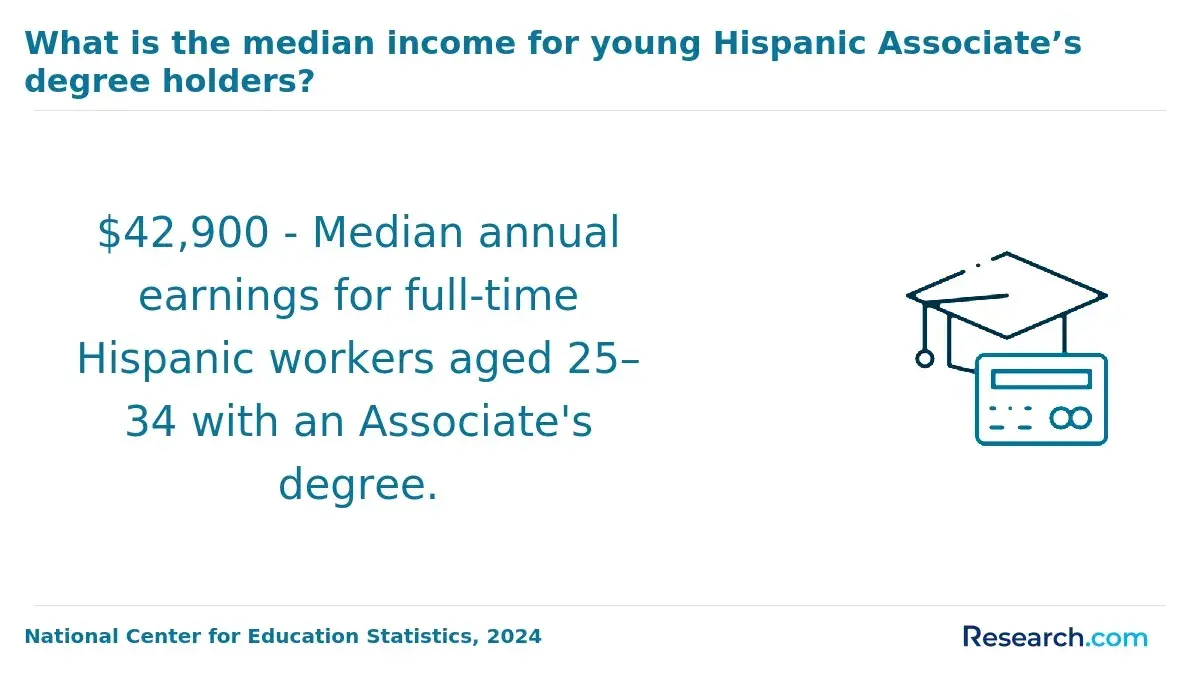
Wages among nutrition graduates reflect a complex interplay between credential level, licensure, and employment context rather than a straightforward stepwise increase. For example, those with an associate degree typically secure roles such as dietary technicians earning around $40,000 annually, but these positions often have limited pathways for salary growth or advancement, especially in healthcare settings where licensure is less critical.
Bachelor's degree holders, qualifying as registered dietitians (RDs), benefit not only from median salaries near $62,000 but also greater job stability and access to diverse clinical and corporate positions, driven by certification requirements and employer demand. However, the time and resources required to complete supervised practice and pass credentialing exams create important tradeoffs that adult learners and transfer students should consider alongside these wage patterns.
Advanced degrees introduce variation in earnings largely tied to role specialization and organizational level rather than degree title alone. Master's-level nutritionists often move into management, public health, or research roles with average salaries ranging from $70,000 to $80,000, reflecting both enhanced technical skills and broader policy or program oversight responsibilities.
Doctoral credentials open doors to top-tier positions paying more than $90,000 but involve extended education periods and higher upfront costs, potentially delaying entry into the workforce. Interpreting these figures requires attention to regional labor markets, employer preferences for graduate experience, and the practical implications of transfer credits or part-time study for working professionals balancing income needs and career priorities, as reflected in the U.S. Bureau of Labor Statistics data for 2024.
One recent nutrition graduate shared how initial considerations of immediate salary led to pursuing an associate pathway, but after reviewing local job listings and employer feedback, they recognized a bachelor's degree and RD credential were often prerequisites for sustainable employment with benefits. The graduate described hesitation about the additional two years and clinical hours required but ultimately viewed the investment as necessary to move beyond entry-level roles. This reflection underscored the importance of aligning education timelines and credentialing demands with realistic assessments of local market conditions and personal circumstances.
Which Nutrition Degree Level Offers the Strongest Employment Prospects?
The value of a nutrition credential varies sharply based on employer licensing requirements and the roles available at each education level. Certificate and associate degree holders often find expedited entry into support roles but encounter limited upward mobility and wage growth due to restricted eligibility for licensure, such as the Registered Dietitian Nutritionist (RDN) credential.
In regions where RDN certification is a baseline requirement, these candidates may face hiring barriers or stagnate in positions like dietary aides, while bachelor's degree holders qualify for a broader range of clinical and management roles. The U.S. Bureau of Labor Statistics projects an 11% growth rate from 2022 to 2032 in jobs suitable for those with bachelor's degrees, underlining the practical advantage of this credential as a stepping stone to meaningful nutrition careers.
Graduate degrees in nutrition unlock access to specialized, policy-driven, research, and academic opportunities unavailable to those with lower qualifications, often resulting in higher earnings and career flexibility. However, the longer training duration and fewer openings in doctorate-level roles can delay workforce entry, which may not suit all learners' financial or personal circumstances. For working adults evaluating whether to pause employment for advanced study or transfer credits from an associate degree upward, these tradeoffs are critical.
In essence, faster employment can come from lower credentials but at the cost of long-term advancement and licensure, whereas bachelor's and graduate credentials offer enhanced career paths aligned with employer expectations, credentialing bodies, and evolving healthcare demands.
What Entry-Level Jobs Can You Get With a Nutrition Degree?
Entry-level nutrition jobs in the United States vary considerably by educational attainment, with bachelor's degree holders typically positioned to access roles that serve as stepping stones toward licensure or advanced certification. Many employers expect candidates to complete supervised internships or practicum hours, making hands-on experience a deciding factor in hiring, particularly for positions like nutritionist assistants or dietary aides. Associate degrees tend to prepare graduates for technician or support roles with less direct patient interaction, which may limit upward mobility unless supplemented by further education or credentials. According to the U.S. Bureau of Labor Statistics (2024), positions requiring a bachelor's degree continue to dominate entry-level hiring, underscoring the competitive nature of the field.
For students weighing career options with a nutrition degree for beginners, understanding the tradeoffs between immediate job access and longer-term advancement is critical. Associate-level roles offer quicker entry but often emphasize operational skills over clinical knowledge, impacting stability and growth potential. Bachelor's graduates aiming for licensure pathways must factor in the time and financial investment of additional certifications or graduate study.
Practical workforce realities, such as geographic demand concentrated in urban centers and healthcare settings, also influence opportunities. Those considering accelerated options might explore fast track college programs that bridge the gap between education and employment with streamlined curriculum and integrated experiential learning. Navigating these elements effectively can position graduates for sustainable careers that balance immediate employment with future advancement possibilities.
How Do Nutrition Degree Levels Affect Career Advancement and Promotion Opportunities?
Advanced degrees in nutrition substantially affect access to supervisory and specialized roles, often accelerating promotion timelines in sectors where leadership and licensure standards apply. Employers frequently mandate graduate-level qualifications for management and clinical positions, reflecting both regulatory requirements and competitive hiring practices. For example, a 2024 analysis by Lightcast indicated that nearly 45% of supervisory nutrition job postings preferred candidates with master's degrees or higher, underscoring how credential level shapes eligibility and advancement speed. Conversely, bachelor's degree holders with relevant certifications and experience can remain competitive for entry and mid-level positions, although their trajectory toward leadership may be slower without additional education or targeted skill development.
Degree level also influences the timing and flexibility of career mobility, particularly for adult learners balancing work and education or those with transfer credits. Graduate programs that integrate evidence-based practice and interdisciplinary training tend to enhance readiness for senior roles and broaden specialization options, but the investment must be weighed against existing experience and employer expectations. Practical experience combined with certifications like Registered Dietitian Nutritionist credentials can mitigate degree gaps to some extent, though advancing beyond mid-tier positions often hinges on higher education credentials or continued professional development. This tradeoff is critical when deciding whether further education will meaningfully improve career outcomes or primarily delay immediate income and advancement opportunities.
A working nutrition graduate recounts deliberating whether pursuing a master's degree would significantly improve promotion prospects in a regional health system. Despite years of experience and a bachelor's degree, they hesitated due to the time and financial costs involved. After consulting supervisors and reviewing licensure criteria, the graduate recognized that without the master's credential, access to certain leadership roles and specialized clinical positions would remain limited. That awareness helped clarify the decision to pursue advanced study, balancing ambition and practical constraints while navigating employer prerequisites and promotion pathways.
Is a Nutrition Degree Worth It Based on Salary, Employment, and ROI?
Salary outcomes and employment stability for nutrition degree holders vary significantly by degree level and regional demand, affecting whether the degree's cost justifies the investment. Entry-level positions with a bachelor's degree often offer moderate salaries suitable for roles in clinical, community, or foodservice management, but the slower wage growth and potential regional job scarcity may constrain immediate return on investment for some students. Pursuing a master's or doctoral degree can unlock higher-paying specialist or leadership roles, yet this comes with greater upfront costs, longer time-to-completion, and opportunity costs that working adults or military-affiliated students should carefully weigh against their current income and career trajectory.
Evaluating nutrition degree salary and employment outcomes involves considering not just median pay but also how credentials such as Registered Dietitian Nutritionist status influence advancement possibilities in a competitive job market. Students balancing education with work or family commitments may find part-time or flexible programs more viable, while transfer credits can reduce debt burden and duration.
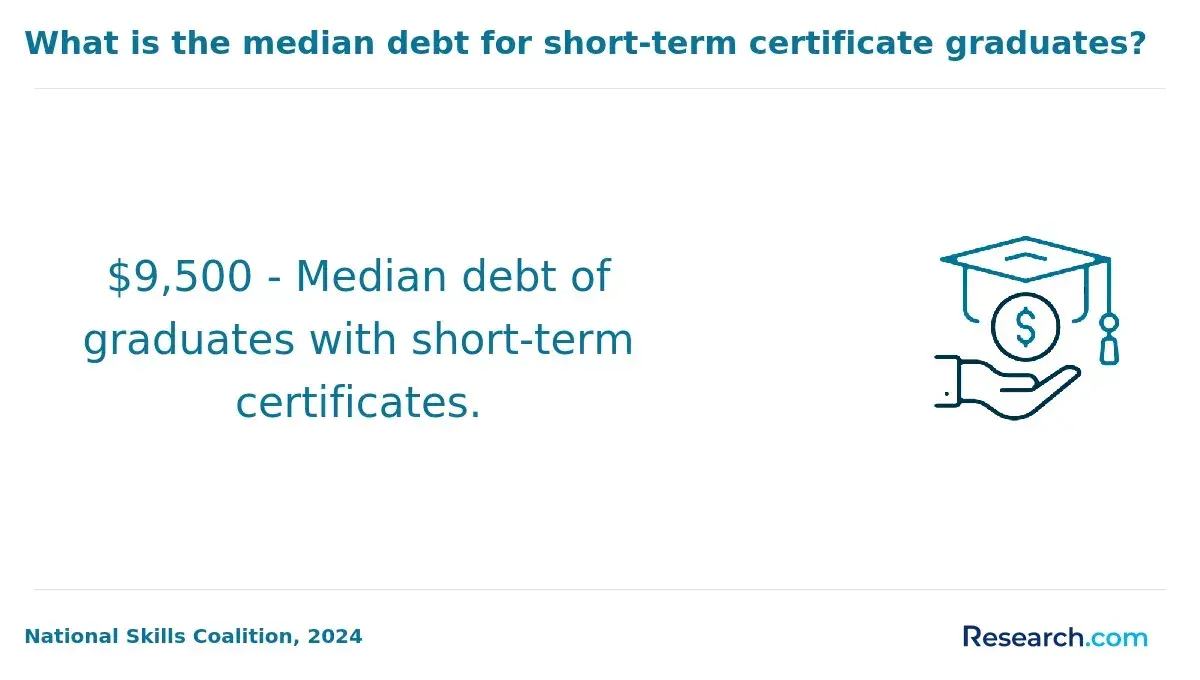
However, delayed workforce entry reduces immediate earnings, which impacts ROI, especially given that loan repayment difficulties occur for a notable minority of graduates, emphasizing the need for thorough financial planning. For those weighing additional credentials, assessing local labor market realities and employer preferences is crucial to ensure that further education enhances meaningful career mobility rather than simply extending academic cost and time.
For learners considering nontraditional pathways, exploring options like an online ASN may offer an alternative route into nutrition-related healthcare fields with different payoff structures. Ultimately, projecting the long-term benefits of a nutrition degree demands nuanced judgment about salary, job growth, and credential impact, aligning educational choices with realistic employment opportunities rather than optimistic assumptions.
How Do Associate, Bachelor's, Master's, and Doctoral Nutrition Degrees Compare?
Choosing an associate degree in nutrition offers a faster, cost-effective entry into roles such as dietary technicians or nutrition assistants, but this often caps wage growth and upward mobility due to employer preference for higher credentials and licensure requirements. For example, many healthcare settings require at least a bachelor's degree to qualify for registered dietitian nutritionist licensure, which restricts career progression for those stopping at the associate level. While transitioning from an associate to a bachelor's can improve credit transfer and broaden eligibility for professional roles, moving beyond a bachelor's degree is less straightforward, as graduate programs vary widely in credit acceptance and specialization pathways.
Bachelor's degrees remain the primary credential for clinical and professional practice, with employment projections rising about 11% through 2034 according to the U.S. Bureau of Labor Statistics, highlighting robust but competitive demand. This degree level allows better access to certification and leadership roles, while master's programs further expand opportunities in research, management, and policy, often providing stackable credentials and specializations like clinical or public health nutrition. However, the increased time and financial investment required for a master's may not translate into proportional gains for all students, especially if licensure or career aims do not necessitate advanced study.
Doctoral degrees primarily serve those pursuing academic leadership, specialized research, or high-level clinical roles, with the highest job stability and influence on nutrition policy reported by IPEDS in 2024. Yet, the substantial time commitment and limited direct application outside niche areas make this level less practical for most clinical or community nutrition careers. Ultimately, decisions to pursue master's or doctoral study require careful weighing of professional goals against the substantial resource expenditure and variable advancement rewards inherent in these advanced degrees.
Which Industries and Employers Hire Nutrition Graduates by Degree Level?
Employers clearly differentiate hiring expectations across degree levels in nutrition, reflecting varying demands for clinical expertise, leadership, and technical specialization. Associate degree holders typically find roles in food service management, community health, or entry-level clinical support where operational skills and client interactions dominate, but advancement often stalls without further credentials. For example, an associate graduate in a community agency may quickly secure employment but face limited upward mobility compared to bachelor's graduates entering healthcare settings that require Registered Dietitian Nutritionist (RDN) credentials—a credential that hinges on both degree completion and supervised practice, according to the U.S. Department of Labor.
Bachelor's degree holders commonly access positions in hospitals, public health departments, and corporate wellness programs, blending direct patient care and prevention efforts. Master's degree graduates, however, experience expanded opportunities in specialized clinical roles, research, and management, often employed by hospitals, academic institutions, or government agencies. Advanced degrees enable movement into supervisory positions and program development, where research skills and policy knowledge are prized. A 2024 report from the National Center for Education Statistics highlights that employers increasingly screen for such advanced proficiencies to fill leadership vacancies.
Doctoral-level nutrition professionals tend toward academic, advanced research, or public health policy positions at universities and research organizations, where deep scientific expertise drives innovation. Meanwhile, certificate programs funnel students into niche roles like nutrition coaching and food safety within private clinics or fitness centers, prioritizing focused skills over broad academic training. These distinctions underscore critical trade-offs: while shorter programs enable faster workforce entry, they often limit access to regulated or managerial jobs, reinforcing that educational investment must align with long-term career aspirations and employer requirements.
What Skills, Credentials, and Experience Improve Nutrition Career Outcomes?
Effective advancement in nutrition careers hinges less on degree titles alone and more on integrating practical skills, licensure, and relevant certifications that match role-specific demands. For example, employers consistently prioritize candidates holding the Registered Dietitian Nutritionist (RDN) credential because it signals clinical readiness and unlocks higher promotion potential at bachelor's and graduate degree levels.
In contrast, associate degree holders or those aiming for quick workforce entry benefit from certifications such as nutritional coaching or community health, which improve initial employability but often limit upward mobility. Incorporating applied experience—through internships or field placements—not only builds hands-on competencies but also creates portfolio evidence of project management or client engagement that distinguishes candidates during hiring and advancement decisions.
Nutrition certification programs for career advancement serve as crucial differentiators, especially for adult learners, military-affiliated students, or transfer candidates balancing prior credits and work experience. Soft skills like communication and leadership become pivotal when combined with technical expertise, reflecting employer preferences for well-rounded candidates capable of managing multidisciplinary responsibilities. Those weighing degree upgrades must consider how credential stacking through applied learning enhances career mobility and specialization, rather than assuming linear improvements through academic progression alone. This practical balance affects pay scales, access to licensure, and long-term market relevance within nutrition professions.
Students pursuing pathways that emphasize experiential learning can further explore options like the cheapest direct entry MSN programs as a model for accelerating licensure and specialization in allied health fields. Strategic decisions integrating credentials, experience, and communication prowess shape outcomes more decisively than degree level by itself, underscoring the value of targeted skill development aligned with employer expectations.
Which Nutrition Degree Level Is Best for Your Career Goals?
Choosing the appropriate nutrition degree level hinges on balancing immediate employability with long-term professional flexibility. An associate degree may enable entry into support roles with lower upfront cost and shorter time to credentialing but typically limits advancement and certification opportunities, which many employers expect for client-facing or clinical positions.
In contrast, a bachelor's degree is often the baseline for those seeking to qualify for certifications like the Registered Dietitian Nutritionist credential, which broadens career pathways and enhances job prospects; graduates in this category report approximately 12% higher employment rates than those holding associate degrees. These distinctions influence how working adults, transfer students, and military-affiliated learners strategize education investments, especially when transfer credits or part-time attendance can mitigate opportunity costs without sacrificing credential value.
Advancing to a master's degree frequently corresponds with gaining specialized expertise and supervisory roles, reflecting a roughly 15% wage premium over bachelor's holders and greater eligibility for leadership in clinical or public health nutrition settings. However, the increased time and debt burden must be weighed against potential gains, particularly for those balancing family or employment.
Doctoral degrees remain primarily suited for academic and research-intensive careers, where selective admission and completion challenges are significant hurdles. Effective decision-making about nutrition education requires careful alignment of degree level with employer expectations, licensure requirements, accessible program options, and realistic timelines for completion.
Prospective students may also explore alternatives through accelerated or multidisciplinary programs, including the best online bachelors in sociology programs, to complement their nutrition expertise and expand future career opportunities.
References
- Career FAQs https://www.bda.uk.com/about-dietetics/how-become-a-dietitian/career-faqs.html
- Master’s in Nutrition Salary Potential | University of Bridgeport https://www.bridgeport.edu/news/masters-in-nutrition-salary-how-much-can-you-earn/
- The Nutrition Institute https://www.thenutritioninstitute.com/za/en/blog-salary
- Cert VS Degree: What Type of Nutrition Credential is Best? | ISSA https://www.issaonline.com/blogs/nutrition/cert-vs-degree-what-type-of-nutrition-credential-is-best
- Nutrition Science Majors & Degrees: Degrees, Salary & Careers - Course Advisor https://courseadvisor.com/majors/multi-interdisciplinary-studies/nutrition-science/
- 2026 Nutrition Entry-level Jobs | WayUp https://www.wayup.com/s/entry-level-jobs/nutrition/
- Blog https://www.futuresmartcareers.co.uk/blog/a-complete-guide-to-careers-in-nutrition-health-and-wellness/
- Nutrition careers https://www.reading.ac.uk/food/undergraduate/nutrition-courses/nutrition-careers
- Nutrition Degree Programs Guide 2026 https://www.publichealthonline.org/nutrition/degree-programs/
- Nutritionist vs Dietitian https://www.publichealthdegrees.org/careers/become-registered-dietitian/dietitian-vs-nutritionist/
Other Things You Should Know About Nutrition
Part-time and online nutrition programs offer flexibility but often extend the time needed to graduate, which can delay entry into higher-paying roles or promotions. Employers may view traditional full-time degrees as more rigorous due to intensive clinical and lab experience, so students in non-traditional formats should seek programs with strong hands-on components and accredited internships to maintain competitiveness. Prioritizing programs with integrated practical experiences is key to mitigating potential drawbacks linked to program delivery mode.
Programs offering broad foundational knowledge provide versatility but may limit immediate specialization advantages relevant to specific employer needs. Specializing earlier imparts domain-specific skills highly valued in competitive areas like clinical nutrition or sports nutrition, which can fast-track career advancement in niche markets. Students focused on timely career entry with clear interests should prioritize specialized tracks to enhance employability, while those uncertain about career direction might benefit from broader programs despite longer-term positioning compromises.
Higher-degree nutrition programs generally demand greater academic rigor, research involvement, and clinical practice that build deeper competencies but increase risk of burnout or delayed completion for working students. Balancing workload with personal obligations influences not only graduation rates but also the ability to absorb practical skills critical for employment. Prospective students should realistically assess their capacity to manage intensive programs without sacrificing experiential learning opportunities that employers prioritize.
While advanced nutrition degrees often open doors to leadership, research, and specialized clinical roles, the financial and time investment is substantial and not universally necessary for all career paths. For roles centered on direct client counseling or wellness coaching, bachelor's-level qualifications frequently suffice, improving return on investment when weighed against graduate tuition and opportunity costs. Students aiming for direct impact roles or managerial positions should evaluate carefully whether the anticipated career trajectory aligns with the demands and benefits of further education.