2027 How to Compare Management Degree Programs Effectively

Co-Founder and Chief Data Scientist
Choosing the right management degree program can be overwhelming when each offers vastly different specializations, delivery formats, and career services. Many prospective students struggle to assess which program best aligns with their professional goals and personal circumstances. Recent data shows that 65% of management graduates find employment within six months, but this varies widely by program quality and network strength. This article examines key factors prospective students should evaluate, including curriculum relevance, experiential learning opportunities, and flexibility, to make well-informed decisions that enhance their career prospects and fit their unique needs.
Key Benefits of Comparing Management Degree Programs Effectively
- Check accreditation status to ensure program credibility; AACSB accreditation correlates with higher post-graduation employment rates in management fields.
- Evaluate curriculum focus and specialization options aligning with your career goals; 62% of employers prefer candidates with relevant, up-to-date coursework.
- Consider cost relative to expected return on investment; management graduates typically see a 20% salary increase within five years compared to non-degree holders.
What Types of Accreditation Should a Management Degree Program Have?
Accreditation provides a reliable way for prospective students to compare quality, credibility, and long-term value among management degree programs. Research shows students attending accredited institutions are 50% more likely to secure financial aid, reflecting the practical benefits accreditation offers in access and recognition.
The following types of accreditation are especially important when evaluating management degree accreditation standards in the United States.
- Regional Accreditation: This broad accreditation covers entire colleges or universities, ensuring they meet rigorous academic standards. It strongly affects credit transferability, eligibility for federal financial aid, and overall employer recognition.
- Programmatic or Specialized Accreditation: Agencies such as AACSB or ACBSP certify business and management programs specifically, focusing on curriculum quality, teaching effectiveness, and student outcomes. This accreditation signals strong industry alignment and program rigor.
- National Accreditation: Often applied to vocational or career-focused institutions, national accreditation may influence licensure and certification readiness. Though less common among research universities, it remains relevant within top regional and national accreditations for management programs.
For those changing careers or balancing work and study, accredited programs offer assurance that the education meets employer expectations and industry standards. Students interested in exploring affordable options can also consider MSW programs as part of their broader educational plans.
What Specializations Are Offered in Management Degree Programs?
Available specializations in management degree programs help prospective students compare options based on career alignment and academic focus. Specializing enables students to develop skills that meet market demands; for example, the U.S. Bureau of Labor Statistics projects a growth of 11% in project management roles from 2020 to 2030, highlighting the strong workforce trends favoring certain fields.
Here are some common specializations to consider when evaluating management degree program concentration options.
- Project Management: Focuses on planning, executing, and closing projects efficiently. Skills developed include risk management and resource allocation, preparing graduates for roles in various industries.
- Human Resource Management: Concentrates on recruitment, employee relations, and compliance. This specialization builds communication and organizational skills, fitting for careers in corporate HR departments.
- Operations Management: Emphasizes optimizing business processes and supply chains. Graduates learn process improvement and logistics, aligning with manufacturing and service sector roles.
- Entrepreneurship: Develops skills in business planning and innovation, ideal for those pursuing startup ventures or small business leadership.
Choosing the right specialization is crucial to enhancing employability and satisfaction in the workplace. Additionally, students seeking flexible and cost-effective education options may review lists of cheapest CACREP-accredited programs online that offer relevant management degree program concentration options.
How Can You Compare Courses Across Management Degree Programs?
Comparing courses across management degree programs is crucial for prospective students to evaluate program rigor, skill development, and how well each program aligns with career goals. Research indicates that programs with comprehensive curricula have a 15% higher course completion rate, emphasizing the value of well-structured course content.
Below are practical strategies to help assess and compare courses effectively.
- Reviewing Course Syllabi: This reveals the depth and breadth of topics covered, supporting students in assessing the robustness of the curriculum. A detailed syllabus often reflects a program's commitment to thorough education.
- Evaluating Learning Outcomes: Clear learning objectives indicate the competencies students can expect to gain, which helps align coursework with specific career ambitions and industry requirements.
- Considering Workload and Credit Hours: Understanding the intensity and time commitment of each program helps gauge whether the program fits a student's schedule and capacity for sustained effort, an important factor when comparing MBA course curriculum and flexibility.
- Examining Practical Components: Courses featuring case studies, internships, or real-world projects can enhance skill applicability and workforce readiness, a key aspect when looking for the best management degree programs in the US.
- Checking Course Sequencing and Prerequisites: This clarifies how foundational concepts build toward advanced knowledge, ensuring logical progression and cumulative skill development across semesters.
Additionally, students exploring similar degree options might find it useful to consider programs like the MFT degree for comparison in terms of flexibility and applicability within professional contexts.
Flexible scheduling is a crucial factor for students evaluating management degree programs, as it allows them to juggle education alongside work, family, and personal commitments. Here are key scheduling options to consider when comparing programs:
- Traditional Full-Time: These daytime classes follow a set schedule, ideal for students who can dedicate their weekdays to study. This format offers consistent in-person interaction and a structured learning environment.
- Part-Time Evening or Weekend: Designed for working professionals, these courses meet outside regular business hours. They offer the chance to advance education without sacrificing current job responsibilities.
- Fully Online: Offering asynchronous access to lectures and materials, online programs enable students to learn at their own pace from any location. This flexibility is beneficial for those balancing full-time work or living far from campuses.
- Hybrid Formats: Combining face-to-face instruction with online components, hybrid programs provide both personal engagement and convenience. This approach suits learners seeking interaction and adaptable scheduling.
Understanding these options helps prospective students select management programs that best align with their lifestyles and goals, increasing the likelihood of academic success and career advancement.
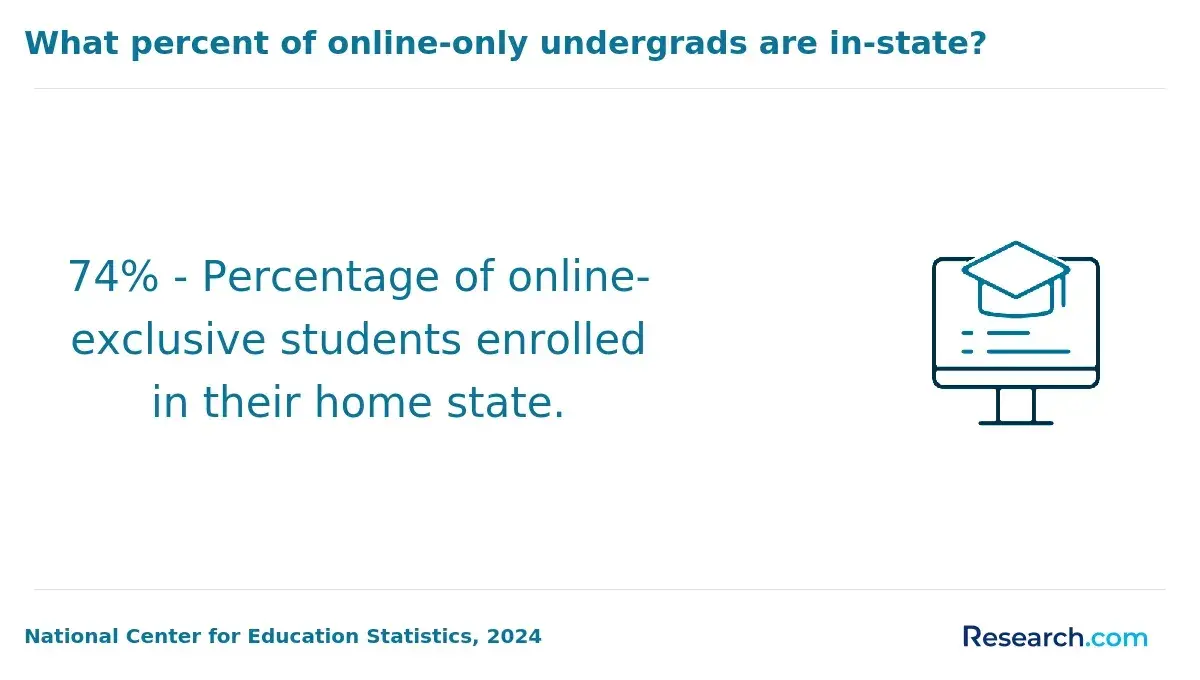
Choosing between online and campus-based delivery formats significantly influences how students experience their management degree. In 2021, nearly 37% of U.S. postsecondary students took at least one online course, underscoring a shift toward digital learning environments.
Below is a comparison of key factors affecting educational and career outcomes in each format.
Online Management Degrees
- Flexible Scheduling: Students can customize study times around work and family, enabling education without disrupting daily commitments.
- Wide Accessibility: Geographic boundaries are removed, granting access to programs nationwide regardless of location.
- Cost Efficiency: Typically lower tuition and no commuting expenses make online programs more affordable.
- Networking Limitations: Reduced face-to-face interaction can hinder relationship building and professional connections.
- Self-Motivation Required: Success depends heavily on discipline and time management without in-person supervision.
Campus-Based Management Degrees
- Direct Engagement: In-person classes foster immediate feedback, collaborative projects, and spontaneous discussions enhancing learning depth.
- Robust Networking: Events and social interactions offer rich opportunities to build valuable professional networks.
- Structured Learning: Fixed schedules create immersive environments that help students focus intensively on their studies.
- Limited Flexibility: Less adaptable timing can conflict with work or personal obligations.
- Higher Costs: Extra expenses such as commuting, housing, and campus fees increase financial burden.
GPA requirements play a key role in comparing management degree programs, as they reflect how programs assess academic readiness and compatibility with their standards. The following points highlight key differences in how GPA factors into admissions decisions across management curricula.
- Threshold Variability: Some programs enforce strict minimum GPA cutoffs, often around 3.0 on a 4.0 scale, prioritizing candidates with solid academic records. Others apply more lenient criteria, using GPA as one part of a broader evaluation.
- Flexible Admissions: Many management programs adopt holistic review processes, allowing applicants to balance a lower GPA with strengths like professional experience, strong recommendations, or essays that showcase leadership and potential.
- Program Level Differences: Undergraduate programs may have different GPA expectations compared to graduate-level studies, where rigorous academic foundation often carries greater weight to ensure student readiness.
- Transparency and Communication: Some programs are clear about their GPA expectations and how they weigh grades against other factors, which helps applicants align their profiles with program priorities and plan their applications strategically.
Comparing tuition costs is vital for students aiming to invest wisely in a management degree. With the average annual graduate tuition in the U.S. exceeding $19,000, evaluating comprehensive expenses helps in planning and avoiding unexpected financial burdens.
Here are key factors to examine when comparing programs:
- Total Cost: Consider the full tuition and mandatory fees required to complete the entire program, not just per-credit charges, to understand the overall investment.
- Cost Per Credit: Assessing the cost per credit hour is crucial if you prefer part-time study or want flexibility to accelerate your degree timeline.
- Additional Fees: Some programs charge extra for technology, activities, or resources; these can significantly impact your final cost.
- Financial Aid and Scholarships: Availability of grants, scholarships, and employer-sponsored tuition reimbursement can reduce your out-of-pocket expenses and should factor into your comparison.
- Long-Term Return: Beyond upfront costs, evaluate graduate success metrics such as employment rates and average salaries to gauge the program's value over time.
Aligning a management degree with licensure and certification standards is vital for students targeting careers that require official credentials or regulatory approval. Approximately 20% of U.S. occupations mandate professional licenses or certifications, highlighting the need to evaluate how a program supports these goals.
Consider these factors when comparing management degree programs:
- Curriculum Alignment: Review whether the coursework addresses essential skills and knowledge required by licensing agencies or professional bodies within your field of interest.
- Accreditation Standards: Check if the program holds regional or specialized accreditation, as this can affect your qualification for certifications and further educational opportunities.
- State-Specific Requirements: Some states impose unique rules for licensure or professional recognition; ensure the program meets these criteria if you plan to work in a particular jurisdiction.
- Supervised Experience: Certain certifications require documented practical training or internships, so verify if the degree provides or facilitates such opportunities.
- Exam Eligibility: Confirm whether completing the degree allows you to take recognized industry exams, like the Project Management Professional (PMP) or SHRM certification tests.
Career placement rates provide a clear measure of a program's ability to prepare students for successful employment. Programs with placement rates exceeding 90% within six months of graduation reflect strong industry ties and effective career preparation.
Several factors contribute to these outcomes, including the following key components prospective students should evaluate.
- Employer Partnerships: Close relationships with a diverse range of companies help create valuable internship opportunities and recruitment pathways. Programs that actively engage with industry leaders often offer students direct access to job openings that align with their skills.
- Internship Pipelines: Internships provide hands-on experience and often lead to permanent roles. Management degree programs with established pipelines allow students to gain practical knowledge and make professional connections before graduating.
- Alumni Outcomes: Tracking graduate employment data offers insight into long-term career success. Programs that share comprehensive alumni results enable prospective students to assess how well former graduates have transitioned into the workforce.
- Program Support Services: Career counseling, resume workshops, and job fairs enhance student readiness. Extensive support services improve graduates' competitiveness and ease the shift from academics to employment.
When researching management degree programs with top career placement rates, also consider how each institution's curriculum aligns with current market demands. Understanding these aspects can guide students in selecting the best management schools for job placement success that meet their ambitions.
Additionally, exploring majors that make the most money can provide perspective on choosing fields with strong income potential after graduation.
Post-graduation salary outcomes are a vital factor for prospective students comparing management degree programs because they reflect the financial return on educational investment. The average salaries for management degree graduates in the US vary, with the U.S. Bureau of Labor Statistics reporting a median annual wage of approximately $105,000 for management occupations in 2022.
Below are key factors influencing these salary outcomes.
- Role Variability: Entry-level positions such as management analysts often start around $60,000, whereas senior project managers and executives may earn upwards of $120,000. These differences highlight how career trajectory and specialization affect earning potential.
- Industry Impact: Salary outcomes by management program specialization show significant variance by industry. Fields like technology, finance, and healthcare typically offer higher wages compared to sectors such as education and non-profits.
- Geographic Influence: Location plays a crucial role, with management graduates in urban centers like New York and San Francisco earning 20-30% more than those in smaller cities and rural areas. This reflects the cost of living and regional economic factors.
- Experience Correlation: Salaries tend to increase with experience, rewarding professionals who develop deeper skills and leadership capabilities over time.
For prospective students seeking to maximize their return on investment, exploring top online degrees that pay well can offer additional insights into programs aligning with financial and career goals.
What Graduates Say About Comparing Management Degree Programs Effectively
- Halo: "Before enrolling in the management degree program, I weighed the cost carefully since the average attendance fees can be steep. However, the program's reasonable tuition compared to others convinced me it was a smart investment. Since graduating, I've seen a clear progression in leadership opportunities, proving the value beyond the initial costs."
- Tarian: "Choosing a management degree wasn't just about ambition; affordability was critical for me given the rising education expenses. Reflecting on my decision, the program balanced cost and quality better than many alternatives I researched. Completing the degree has equipped me with practical skills that significantly advanced my professional path."
- Ciro: "The decision to pursue a management degree came after considering multiple career tracks, with cost prominently influencing my choice. The program's competitive pricing aligned perfectly with my budget, especially when compared to other expensive options. Professionally, this degree has opened doors to strategic roles I previously thought were out of reach."
Other Things You Should Know About Management Degrees
Faculty expertise plays a critical role in program quality and learning outcomes. Reviewing faculty qualifications, industry experience, and research contributions can indicate the depth of knowledge and real-world insights students will gain. Programs with faculty actively engaged in current management practices or leadership research may better prepare students for evolving career demands.
Internships and experiential learning are vital for applying management theories in practical settings. When comparing programs, students should assess the availability, quality, and variety of these opportunities. Strong partnerships with businesses, structured internship programs, and applied projects enhance career readiness and networking potential.
Course specializations help you judge whether a program matches your career goal. Compare required credits in areas such as finance, human resources, operations, or analytics, plus the number of elective credits. A strong program shows a clear concentration path and a final capstone or practicum requirement.
- How to Compare University Majors and Choose the Right Path https://blog.myls.ai/how-to-compare-university-majors-and-choose-the-right-path/
- Online Degree vs. Traditional | University of Arkansas Grantham https://www.uagrantham.edu/blog/pros-cons-online-degree-vs-traditional-university/
- Undergrad GPAs At The Top 50 U.S. MBA Programs https://poetsandquants.com/2023/03/15/undergrad-gpas-at-the-top-50-u-s-mba-programs/
- MS in Business Management in the USA: Top Universities, Cost, Courses & Salary https://gradright.com/ms-in-business-management-in-the-usa-top-universities-cost-courses-salary/
- Management Specializations https://mgmt.wharton.upenn.edu/programs/undergraduate/management-specializations/
- Bachelor's in Management studies in Warsaw | Poland | Europe - SWPS University https://english.swps.pl/academics/warsaw/ba-programs/ibm
- Latest Resources https://wcetsan.wiche.edu/resources/professional-licensure
- Management - Vistula University https://vistula.edu.pl/en/major/management-ii
- Management - bachelor's degree - Wroclaw Business University https://wab.edu.pl/en/educational-offer/first-degree/management-bachelors-degree/
- What Does It Cost To Attend A Top 100 Business School? https://poetsandquantsforundergrads.com/financing/what-does-it-cost-to-attend-a-top-100-business-school/