2027 Information Systems Degree Completion Rates by Format: Online, Hybrid, and Campus Programs Compared

Co-Founder and Chief Data Scientist
Imagine a prospective student trying to decide how best to complete an information systems degree while balancing work and personal commitments. The choice between fully online, hybrid, or traditional campus formats hinges on more than convenience. Each path presents unique challenges that influence persistence and program completion. Understanding these challenges is vital before committing to a specific mode of study.
Completion rates vary across learning formats due to factors like engagement, support systems, and time management demands. The differences in outcomes carry implications for employability and long-term career prospects in information systems fields. This article compares online, hybrid, and campus program completion rates, explores what drives student success, and offers guidance on selecting the format best aligned with educational goals.
Key Things to Know About Information Systems Degree Completion Rates by Format
- Data from 2024 shows campus-based Information Systems programs have a 15% higher completion rate than fully online, reflecting increased peer engagement's role in sustaining student persistence.
- Hybrid formats combining online theory with on-site labs yield improved skill application, translating to a 10% higher graduation likelihood compared to fully online formats, particularly for technical concentrations.
- Online-only programs face dropout challenges linked to limited immediate feedback, implying that students should proactively build external support networks to mitigate isolation risks affecting completion.
- Key Things to Know About Information Systems Degree Completion Rates by Format Key Things to Know About Information Systems Degree Completion Rates by Format
- How Do Completion Rates Compare Across Online, Hybrid, and Campus Information Systems Programs? Completion Rate Comparison
- What Factors Have the Greatest Impact on Information Systems Degree Completion? Degree Completion Factors
- Which Information Systems Degree Format Is Hardest to Complete? Completion Difficulty
- How Does Each Information Systems Learning Format Affect Student Success? How Does Each Information Systems Learning Format Affect Student Success?
- How Does Enrollment Status Affect Information Systems Completion Rates? How Does Enrollment Status Affect Information Systems Completion Rates?
- Can Transfer Credits Improve Information Systems Degree Completion? Transfer Credits
- What Student Support Services Improve Information Systems Completion Rates? Student Support Services
- How Do Information Systems Completion Rates Affect Career Outcomes? Impact on Career Outcomes
- How Should Students Choose the Best Information Systems Learning Format? Choosing the Best Format
- What Are the Long-Term Pros and Cons of Each Information Systems Learning Format? Learning Format Pros & Cons
How Do Completion Rates Compare Across Online, Hybrid, and Campus Information Systems Programs?
Completion rates in information systems programs are best viewed as reflections of student circumstances and behaviors rather than direct indicators of a program's absolute quality. Differences in how students balance demands, their prior preparation, and access to resources shape these outcomes. For example, campus-based cohorts often show higher completion rates because students benefit from in-person engagement and structured environments that help sustain momentum. This emphasizes that reported rates illustrate the profile of learners in each format more than curriculum efficacy.
The variation in completion rates between online, hybrid, and campus information systems programs frequently stems from contrasting student life factors. Those enrolled online typically juggle work and family obligations alongside coursework, which can hinder consistent progress despite the flexibility provided. Hybrid programs offer a blend of remote convenience with some face-to-face support, often translating to moderately higher persistence. Ultimately, success depends on how well a student navigates their enrollment intensity, scheduling needs, and available support rather than the delivery mode alone.
Prospective students should integrate completion rate insights with their personal learning styles, time commitments, and professional goals to identify the best program format for them. For instance, a working professional seeking flexibility but also some direct interaction might lean toward a hybrid track. Meanwhile, those prioritizing immersive campus experiences could favor on-site programs that statistically show better completion outcomes. Carefully weighing these factors helps maximize the chance of finishing a degree, and those interested in specialized options might explore BCBA accredited programs online as an example of a focused pathway within flexible learning environments.
What Factors Have the Greatest Impact on Information Systems Degree Completion?
Successfully completing an information systems degree hinges on more than motivation alone; it requires navigating a complex mix of personal capabilities, academic readiness, and the support structures offered by educational programs. Students face varied challenges depending on whether their program is online, hybrid, or campus-based, each demanding different approaches to time management, engagement, and resource utilization. Recognizing what factors most strongly influence completion can help candidates realistically assess their chances and prepare accordingly. Below are key factors shaping persistence and graduation outcomes for information systems students.
- Academic preparedness and foundational skills: Mastery of quantitative reasoning, programming basics, and computing concepts significantly correlate with higher completion rates. Students lacking these skills often struggle early coursework, increasing dropout risk. Early assessment and targeted bridge courses can bolster readiness and improve long-term persistence.
- Access to institutional support services: Proactive academic advising, tutoring tailored to information systems curricula, and career counseling enhance persistence across learning formats. Research shows institutions offering personalized outreach see up to 25% higher degree completion, highlighting how ongoing engagement matters more than format alone.
- Effective time management and self-regulation: Particularly critical for online learners, who face a 15% lower completion rate compared to campus counterparts. Balancing work, family, and study requires disciplined scheduling and self-motivation, skills that can be learned through workshops and peer mentoring but are often challenging under competing demands.
- Program delivery format and structure: Hybrid programs tend to offer a beneficial balance-combining real-time feedback with flexible scheduling-that can improve persistence by up to 20% compared to fully online formats. Students who can leverage face-to-face engagement often feel more connected and supported, reducing isolation risks common in purely virtual settings.
- Social integration and peer networks: Connection to classmates and faculty fosters motivation and accountability. Campus-based students naturally build these interactions, while online learners must often seek them proactively through discussion boards and virtual study groups. Strong networks can buffer stress and improve problem-solving during challenging courses.
- Personal life circumstances and competing responsibilities: Students managing caregiving, employment, or health issues face greater hurdles completing degrees on time. Transparent communication with advisors and flexible scheduling options, where available, help mitigate these challenges but do not fully eliminate their impact on persistence.
- Realistic expectations and goal alignment: Students who understand the rigor of an information systems degree and align their personal situation accordingly tend to persist longer. For example, a working parent enrolled full-time online without established time management skills may benefit from switching to a hybrid program or part-time pacing. Assessing and adjusting plans in light of personal and academic realities is critical for sustained progress.
For students still exploring their options, reviewing programs identified among the easiest associate degrees can provide insight into manageable course loads and support resources tailored for degree completion success.
Which Information Systems Degree Format Is Hardest to Complete?
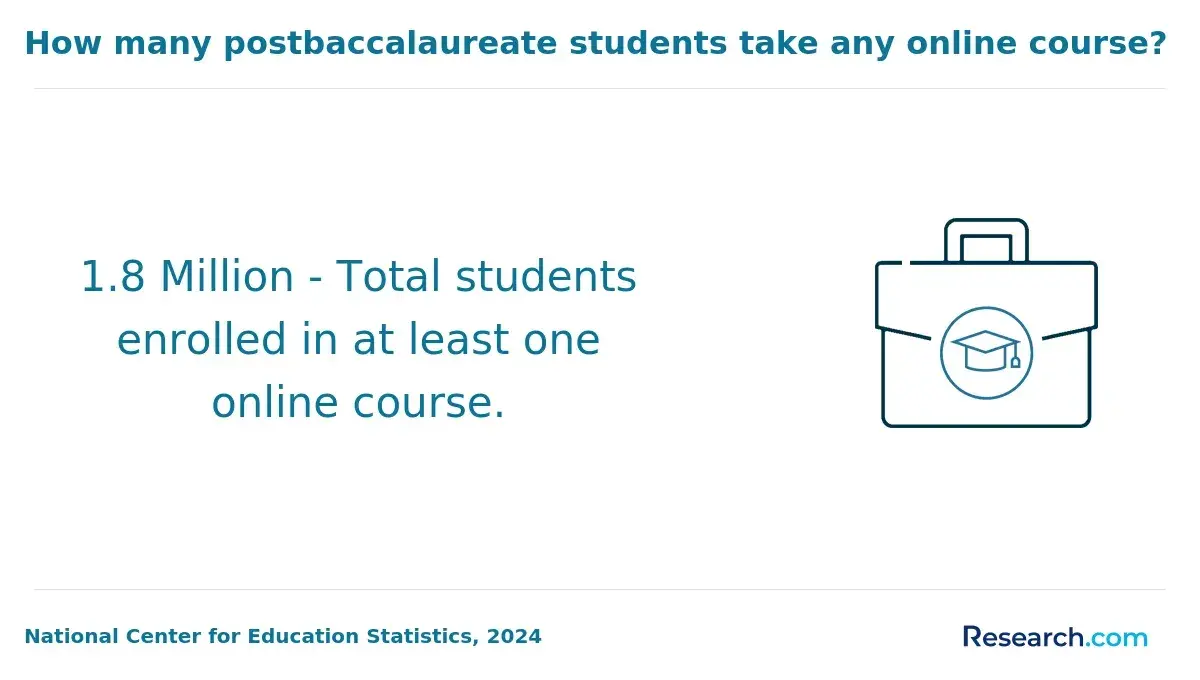
Completion rates differ notably among information systems degree formats, reflecting the varied demands each imposes. Traditional campus programs generally see the highest graduation rates, often between 60% and 75% within six years, benefiting from consistent in-person interaction and structured routines. Hybrid models typically fall about 5 to 10 percentage points behind campus programs, as students must adapt to both face-to-face and online learning, a challenge that demands strong self-discipline and time management. Fully online programs consistently report the lowest completion rates, frequently ranging from 40% to 50%, highlighting obstacles like limited real-time engagement and competing external responsibilities that can undermine sustained academic focus.
These statistics point to a tradeoff between flexibility and support. Students juggling work or family may find hybrid or online paths more accessible but must master navigating shifting environments and self-regulation. Conversely, campus environments offer clearer scaffolding but less adaptability for nontraditional learners. For example, a working parent in a hybrid program might struggle with the cognitive load of switching between online coursework late at night and daytime in-person sessions, increasing dropout risk despite greater scheduling flexibility. The reality is that the "hardest" format depends less on inherent difficulty and more on individual circumstances, including personal discipline, available time, and preferred learning style.
Reflecting on these dynamics, a recent information systems graduate who completed a hybrid degree recalls initially underestimating how taxing toggling between classroom and online work could be. Balancing a part-time job and family obligations, they found evenings reserved for asynchronous classes often rolled into late nights, making it difficult to maintain consistency. Yet, the face-to-face sessions provided critical opportunities for direct mentorship and peer support that prevented them from dropping out. Their experience underscores how a hybrid format's inherent complexity demands active time management and adaptability but can also offer vital engagement points that help sustain persistence over the long term.
How Does Each Information Systems Learning Format Affect Student Success?
Student success in information systems degree programs hinges less on the format itself and more on how well that format fits a learner's individual needs, availability, and personal responsibilities. Each format-online, hybrid, or campus-based-presents distinct advantages and obstacles that affect persistence and timely completion. For instance, a working parent juggling family commitments may thrive in a flexible online setting, while another student might require the structure and interaction of on-campus classes to stay motivated. Below are key factors that illustrate how learning formats influence academic outcomes in information systems programs.
- Engagement and Peer Interaction: Campus programs offer face-to-face interaction that fosters immediate problem-solving and collaboration, which are essential for mastering complex systems concepts. Students who rely on social learning often find these environments more conducive to retention and persistence.
- Flexibility for Life Demands: Online formats provide unparalleled scheduling flexibility, benefiting nontraditional students balancing work or family. However, this flexibility can lead to isolation and reduced accountability, which may hinder motivation and delay degree completion.
- Access to Academic Support: Physical presence on campus grants easier access to tutoring, advising, and study groups. Hybrid models attempt to blend this by offering periodic in-person support, crucial for students needing guided assistance while still managing flexible schedules.
- Time to Degree and Completion Rates: Recent 2024 data from the National Center for Education Statistics reveals campus-based cohorts have higher completion rates than fully online learners, partly because part-time enrollment is more common online, which often extends time to degree or increases dropout risk.
- Self-Motivation and Discipline: Online students benefit when they possess strong self-regulation skills to navigate without immediate oversight. Those lacking this may struggle, emphasizing why format alignment with personal study habits is critical for success.
- Hybrid's Balanced Approach: Hybrid programs often mitigate the extremes of online and campus formats by combining flexibility with occasional in-person engagement, which supports continuous motivation and reduces attrition for many students.
- Technology and Resource Access: Reliable internet and familiarity with digital tools impact online and hybrid learners more markedly. Students unprepared for this technical aspect may face obstacles that campus-based learners encounter less frequently.
How Does Enrollment Status Affect Information Systems Completion Rates?
Enrollment status is among the most significant factors influencing information systems degree completion rates, but its impact goes beyond simply the number of courses a student takes at once. How a student balances academic responsibilities with personal, work, and family demands often shapes whether full-time or part-time enrollment better suits their needs. Understanding this nuance helps prospective students make informed decisions about pacing that align with sustainable progress toward their degree. Key enrollment-related factors that affect completion outcomes include the following.
- Time Commitment and Academic Focus: Full-time students generally dedicate more consistent hours to coursework, fostering immersion that supports steady momentum. This is especially true for those without significant external obligations, helping explain why full-time enrollment often correlates with completion rates above 70% in campus settings.
- Competing Responsibilities for Part-Time Students: Many part-time enrollees juggle employment, childcare, or caregiving, which can fragment available study time and increase the risk of delays. While online and hybrid formats offer flexibility, these do not fully compensate for the cognitive load and organizational demands that part-time students face.
- Institutional Engagement and Support: Full-time students more frequently access faculty interaction, tutoring, and peer networks that reinforce persistence. Part-time students may experience less integration, especially in online classes, where fewer scheduled sessions can reduce opportunity for connection and academic encouragement.
- Delivery Format Interaction: Hybrid programs can balance structure and flexibility, somewhat mitigating part-time challenges. However, part-time students may still encounter extended timelines and engagement gaps. Online learning's asynchronous nature suits some learners but presents time-management hurdles that affect completion.
- Realistic Expectation Setting: Students aiming to balance a full-time job should anticipate a significantly longer path to graduation; data from the Council on Higher Education Accreditation (CHEA) show part-time online students complete degrees at roughly half the rate of their full-time peers. This underscores the importance of realistic planning for pacing and support resources.
- Academic Integration and Peer Networks: Campus full-time students benefit from direct, regular contact with faculty and peers that bolsters accountability. Part-time learners must proactively seek out community, as the reduced contact hours can lead to disengagement or fading motivation.
- Impact on Career Trajectory: Accelerated completion associated with full-time enrollment may enable earlier entry into or advancement within information systems roles. However, part-time enrollment allows continued income and experience accumulation, a tradeoff that prospective students should evaluate based on personal circumstances.
For those considering various pacing options, exploring flexible scheduling such as 6 week courses may provide a middle ground. Ultimately, understanding how enrollment status interacts with individual life demands and program format is critical to maximizing both degree completion outcomes and long-term employability for information systems students.
Can Transfer Credits Improve Information Systems Degree Completion?
Transfer credits can shorten degree timelines by eliminating redundant coursework, but their impact varies widely depending on course relevance and institutional policies. For example, a student entering an online information systems program with prior college credits or military training might bypass foundational classes, accelerating progress. However, if those credits only partially match program requirements or fail to align with critical technical courses, the time saved may be minimal.
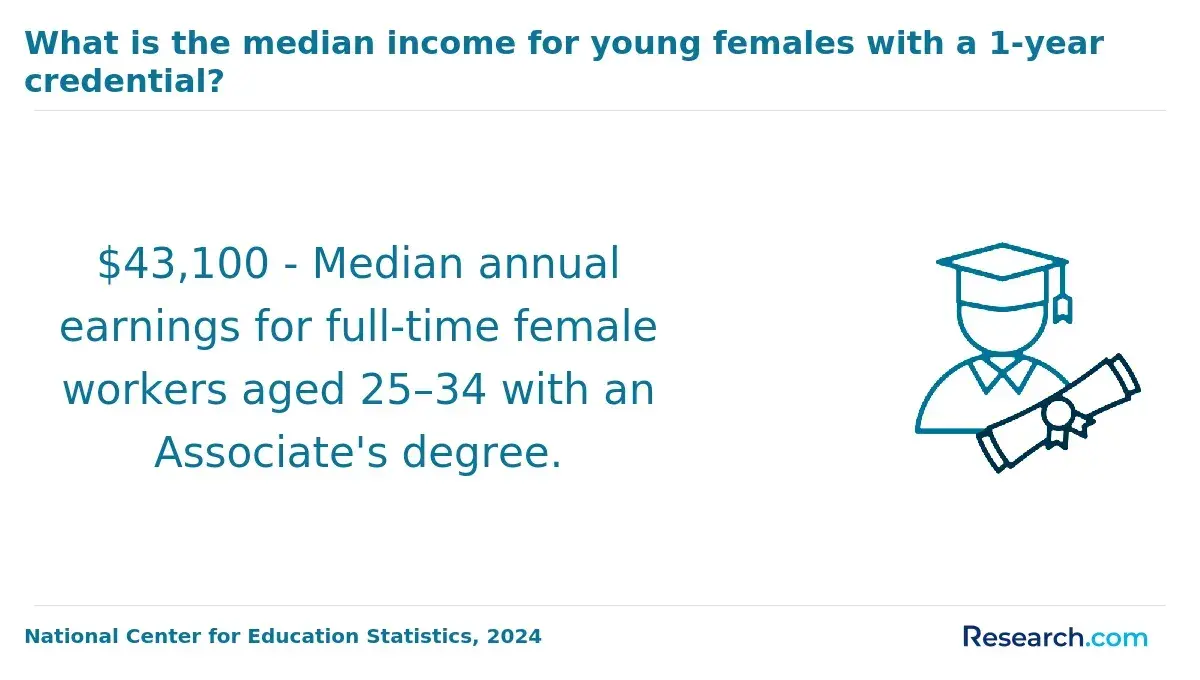
Data from the National Student Clearinghouse Research Center (2024) shows that students who transfer credits typically reduce their time to degree by about 20%. This reflects the advantage of applying previously earned credits toward graduation milestones. Yet, transfer credit benefits are not guaranteed; they hinge on the applicability of transferred coursework, the rigor and currency of the content, and how it fits into degree structures. Students in hybrid or campus formats may gain additional support from advising and prior learning assessments, which help maximize transfer potential.
Transfer credits also influence retention and motivation. Institutions with flexible transfer policies report a 15-25% improvement in graduation rates among non-traditional students balancing work and family responsibilities. Still, variability in credit evaluation means some students encounter administrative hurdles or need to fulfill unmet requirements, potentially delaying completion. A student working full-time might gain the most by transferring credits if those credits reduce the overall course load, enabling focus on advanced, career-relevant subjects.
Prospective students should carefully analyze program requirements alongside any official credit evaluations to estimate how many hours remain after transfer. Comparing these remaining credits with their ideal enrollment intensity will better forecast if transfer credits meaningfully speed graduation. Ultimately, transfer credits are an important factor but only one part of a complex equation involving academic support, individual circumstances, and program design that shapes degree completion in information systems.
What Student Support Services Improve Information Systems Completion Rates?
Completion rates for information systems degree programs are strongly influenced by the availability and quality of student support services tailored to each learning format. Data from 2024 government education reports show that while curriculum is foundational, student persistence hinges more on accessible, timely assistance that addresses the distinct challenges faced by online, hybrid, and campus learners. Here are key support services that have demonstrably improved degree completion.
- Personalized Academic Advising: Proactive advising delivered through multiple channels-including live video and chat-helps students clarify course selections and career alignment. For online learners, this service reduces attrition linked to confusion and indecision by providing guidance that adapts to evolving academic and professional goals.
- Flexible Office Hours and Access: Hybrid students benefit from advisors and faculty offering both in-person and virtual availability. This flexibility fosters steady engagement, helping students balance the demands of dual-mode learning and mitigating isolation that can cause dropout.
- Integrated Career Counseling: Campus programs that embed up-to-date labor market information into advising improve motivation by connecting academic progress with clear employment prospects in the information systems field. This reduces uncertainty about the value of degree completion.
- Technology and Tutoring Support: Online students frequently encounter technical hurdles; responsive virtual tutoring and IT assistance lower these barriers. Providing quick access to help with software or platforms maintains momentum and prevents frustration from derailing progress.
- Community-Building Initiatives: Hybrid formats often struggle with fragmentation. Structured peer mentoring and online forums enhance social connection, boosting emotional support and a sense of belonging shown to correlate with higher completion rates.
- Mental Health and Wellness Resources: Campus learners especially benefit when mental health services are integrated into student support frameworks. Addressing stress and burnout head-on contributes to sustained academic performance and persistence.
One recent online graduate recalled feeling overwhelmed as course choices and technical requirements mounted in her first semester. She hesitated on continuing until she accessed a video advising session that clarified her path and identified campus-based internship options relevant to her interests. This tailored support, combined with tech help resolving frequent login issues, gave her confidence to persist where many of her peers dropped out. Her experience reflects the tangible impact of thoughtfully delivered, format-specific support on keeping students on track toward their information systems degrees.
How Do Information Systems Completion Rates Affect Career Outcomes?
Completion rates for information systems degrees strongly influence long-term career success, as finishing the degree remains a critical predictor of employability and income growth. Recent 2024 research demonstrates that students who complete their programs-regardless of delivery format-are far more likely to obtain stable tech-sector jobs and achieve early promotions. However, differences in graduation rates between online, hybrid, and campus options create distinct career pathways, affecting outcomes in nuanced ways.
Consider a working adult pursuing an online degree who completes despite higher dropout risks; their persistence signals valuable self-discipline but may delay entry into higher-paying roles. The following points highlight key ways that degree completion shapes professional success within the information systems field.
- Stronger early employment prospects tied to higher completion rates in campus-based programs: Campus students typically benefit from structured environments and direct access to career resources like advising and networking. Successfully graduating often translates into smoother job placement and faster employer recognition of technical skills and perseverance.
- Enhanced adaptability and time-management skills developed through hybrid program completion: Graduates from hybrid formats often face retention challenges but emerge with flexibility prized in many workplaces. Although these students may take longer to graduate, their ability to balance online and in-person demands supports long-term career resilience.
- Critical technological fluency and access for non-traditional students via online degree completion: While online programs show lower completion rates, graduates gain unique strengths valuable in remote and asynchronous roles. Persistence to completion can mitigate initial promotion delays tied to prolonged study periods.
- Degree completion as a gateway to graduate education and higher earnings: According to 2024 labor market data, bachelor's degree holders have a 20% higher likelihood of enrolling in graduate programs and earn on average 30% more than non-completers, underscoring the economic importance of persistence.
Students weighing the impact of information systems degree completion and career success should reflect on how program format affects their likelihood of finishing and subsequent employment outcomes. Those interested in technical degrees might also explore rankings of the top online electrical engineering schools for comparative insights across related STEM fields. Ultimately, completion remains essential but works in tandem with real-world experience, skills, and labor market demands to shape career trajectories.
How Should Students Choose the Best Information Systems Learning Format?
Choosing the right format for an information systems degree requires realistic alignment between a student's circumstances and the intrinsic demands of online, hybrid, and campus programs. Research from the National Center for Education Statistics and the Postsecondary Education Research Institute in 2024 highlights how degree completion rates vary considerably by program type, often influenced by work commitments, learning preferences, and demographic traits. Below are key factors prospective students should weigh carefully to maximize their chances of completing their degree and meeting career objectives.
- Flexibility Versus Accountability: Online programs offer unmatched scheduling flexibility, ideal for working adults or those with family responsibilities. However, this format requires strong self-discipline and time-management skills since the absence of regular face-to-face interaction can reduce motivation, increasing dropout risk.
- Learning Style and Peer Interaction: Students who thrive on structured environments and peer engagement may perform better in campus or hybrid settings, where scheduled classes and direct professor interaction provide stronger academic support and a sense of community.
- Institutional Support Services: Access to advising, tutoring, and career counseling significantly impacts persistence and completion. Hybrid programs often provide a balance, combining the accessibility of online learning with on-campus resources.
- Work and Life Commitments: The ability to balance external responsibilities against academic demands directly affects degree completion. Students with unpredictable schedules might favor online formats, whereas those with more stable routines could benefit from campus or hybrid models.
- Networking and Employability Prospects: Campus and hybrid formats typically offer richer in-person networking opportunities with faculty and industry professionals, an important advantage when transitioning into the workforce after graduation.
- Completion Rates by Program Type: Data shows campus programs generally have higher completion rates than online ones, partly due to enhanced engagement and institutional interaction. Hybrid formats often strike a middle ground, mitigating attrition risks through blended delivery.
- Financial Considerations and ROI: While tuition costs differ, students should also consider long-term outcomes. Exploring options like a masters in digital marketing can illustrate how program choice impacts earnings and career trajectories beyond immediate costs.
What Are the Long-Term Pros and Cons of Each Information Systems Learning Format?
Completion rates and career outcomes for information systems degree formats vary notably by modality, reflecting distinct long-term advantages and trade-offs. Campus programs typically foster higher completion through immersive environments that support discipline and leadership development. Online formats offer unmatched scheduling flexibility but require strong self-motivation, often leading to lower persistence. Hybrid models blend these benefits, promoting adaptability but demanding effective time management. Below are key long-term considerations for choosing a format.
- Completion Rates and Engagement: Campus students benefit from structured schedules and direct faculty contact, increasing graduation likelihood. Online learners face challenges with self-regulation, reducing completion rates. Hybrid students often surpass online peers due to partial in-person interaction, appealing to those balancing work and study.
- Career Networking Opportunities: Campus formats support face-to-face networking vital for leadership paths and teamwork-focused roles. Hybrid provides some networking minus full immersion. Online environments limit organic connections, best suited to self-driven individuals targeting skill-focused tech jobs.
- Employer Perceptions: Although online degrees gain acceptance-especially in technical roles-employer bias persists in competitive fields preferring campus-based graduates. Hybrid credentials may signal versatility, blending traditional and digital learning experiences.
- Flexibility for Working Adults: Online programs excel at removing geographic and temporal constraints, essential for professionals managing jobs and families. Hybrid also offers part-time campus options but may strain those less adept at juggling mixed modalities.
- Skill Development Dynamics: Campus learners get hands-on teamwork experience and leadership training. Online students develop self-discipline and digital communication skills critical in remote work settings. Hybrid students often cultivate both, preparing for varied environments.
- Real-World Scenario Application: Consider a working parent: an online format may best fit their unpredictable schedule but requires high personal motivation. Conversely, a recent high school graduate aiming for on-site tech leadership may gain from a campus program's immersive environment. Hybrid suits students needing structure alongside flexibility.
References:
- New Data on Completion Rates | HESA https://higheredstrategy.com/new-data-on-completion-rates/
- Best Information Systems Degree Programs 2026 https://hakia.com/degrees/information-systems/
- Best Information Systems Degree Programs https://www.computerscience.org/degrees/information-systems/
- Computer Information Technology, B.A. Hybrid https://www.pointloma.edu/adult-degree-completion/programs/computer-information-technology-hybrid
- Graduate careers advice: you and your information systems degree https://gradireland.com/careers-advice/information-technology/graduate-careers-advice-you-and-your-information-systems-degree
- Is Computer Information Systems a Hard Major Difficulty Explained https://pcview.co.uk/is-computer-information-systems-a-hard-major-difficulty-explained/
- 2025's Best Online Master’s in Information Systems (MIS) Programs https://www.onlinemastersdegrees.org/best-programs/information-systems/
- Is Information Technology Hard? | CSU Global https://csuglobal.edu/blog/is-information-technology-hard
- Learn information systems | edX https://www.edx.org/learn/information-systems
- Graduation & Transfer Timeline by Credits https://southseattle.edu/transfer-resources/graduation-transfer-timeline-credits
Other Things You Should Know About Information Systems
Yes, the format can significantly influence how long students take to finish their degree. Online programs often offer greater scheduling flexibility, allowing students to balance work and study, which may extend their time to completion if not carefully managed. Campus programs usually have more structured timelines that promote steady progress but require fixed attendance. Hybrid formats can offer a middle ground, but students must handle varied pacing between in-person and online components, which can either support faster completion or cause delays depending on individual time management skills.
Employers increasingly recognize online and hybrid degrees, but some still favor campus-based credentials when considering candidate commitment and experiential learning. A slower or interrupted completion in online formats can raise concerns about perseverance or practical experience. Students aiming for roles where hands-on interaction or teamwork is emphasized should weigh the potential impact of program format on employer expectations. Prioritizing formats with strong industry connections and practical labs can mitigate these concerns, enhancing completion value.
Academic rigor tends to be consistent across accredited information systems programs but manifests differently by format. Campus programs may have more frequent assessments and real-time collaboration, which can keep students engaged but also increase immediate workload pressure. Online programs often compress material into modular lessons, allowing flexible pacing but requiring high self-discipline to avoid backlog. Hybrid programs present mixed demands, requiring adaptation to both independent and structured learning environments. Students prone to procrastination may find completion more challenging online, while those balancing full-time commitments might benefit from hybrid flexibility.
Absolutely. Students with strong digital literacy and comfort navigating learning management systems are more likely to persist in online or hybrid programs where self-directed technology use is essential. Those less proficient or preferring face-to-face interaction may struggle with online-only formats, risking delays or dropout. Prioritizing campus or hybrid programs with in-person support can lead to higher completion chances for these learners. Assessing one's tech skills candidly before choosing a format can directly influence both persistence and final graduation outcomes.