2027 Information Systems Degree Program Availability Report: Which States and Schools Offer the Most Options

Co-Founder and Chief Data Scientist
The availability of information systems degree programs across states reflects deeper trends in workforce demand and institutional strategy. States with diverse industry bases often support broader arrays of program options, responding to evolving employer needs in cybersecurity, data analytics, and enterprise systems.
According to the U. S. Bureau of Labor Statistics (2023), growth in IT-related roles is concentrated in metropolitan and tech-hub regions, influencing where educational institutions invest in expanding offerings. This pattern highlights how program availability aligns with regional economic priorities and workforce integration.
This report examines which states and schools provide the most degree options and explores what these patterns reveal about access and institutional focus within the field.
Key Benefits of States and Schools That Offer the Most Information Systems Degree Program Options
- Greater program variety enables specialization in niche areas, but students must balance curriculum complexity with industry relevance, as overly broad choices can dilute focused skill development.
- Employers increasingly prefer graduates from schools offering diverse information systems tracks, reflecting workforce demand for adaptable professionals capable of integrating emerging technologies.
- States with numerous programs often provide varied delivery formats, improving access and timing flexibility; however, this can introduce inconsistent credit transfer policies impacting total program duration.
- Key Benefits of States and Schools That Offer the Most Information Systems Degree Program Options Key Benefits
- Which States Offer the Most Information Systems Degree Programs? Top States
- Why Do Some States Have More Information Systems Programs Than Others? Program Availability
- Which Colleges Offer the Largest Number of Information Systems Degree Options? Top Schools
- How Do Online Programs Improve Access in States With Limited Options? Online Program Access
- How Much Does Information Systems Program Tuition Vary by State? Program Cost
- How Does Information Systems Program Demand Affect Admissions Decisions? Program Demand
- How Do Information Systems Specialization Options Vary by Region? Specialization Options
- How Does Regional Employer Demand Affect Career Outcomes? Employer Demand
- What Factors Matter Most When Comparing Information Systems Programs Across States? Key Comparison Factors
- Which Regions May See the Fastest Growth in Information Systems Education? Fastest Growing Region
Which States Offer the Most Information Systems Degree Programs?
Program availability for information systems degrees varies widely across the U.S., primarily influenced by local economic diversity, population size, and the density of higher education institutions. States with dynamic urban centers and evolving tech industries tend to support a broader array of programs designed to meet regional employer demands. This distribution shapes student access to varied specialization tracks and practical learning opportunities linked to strong local labor markets. According to 2024 data from accredited educational databases, states leading in the number of these programs reflect the interplay between institutional ecosystems and workforce requirements.
- California: Driven by Silicon Valley's technology cluster and a robust public and private university network, California stands out for its extensive range of information systems degree options. The state offers diverse specializations, from cybersecurity to data analytics, often integrating internships with top tech firms, which enhances practical skills and employment prospects. This concentration benefits students with flexible curricula and abundant research opportunities, aligned closely with one of the nation's largest tech economies.
- Texas: The growth of tech hubs in Austin and Dallas fuels demand for information systems programs tailored to industry needs, including enterprise systems and software development. Texas hosts a mix of flagship state universities and emerging private institutions that emphasize experiential learning and regional workforce integration. Students gain from access to programs designed to serve a rapidly expanding tech sector, with strong links to local employers supporting job placement.
- New York: With its blend of urban and suburban campuses, New York offers programs that reflect the diversity of its economy, extending beyond finance to include healthcare, cybersecurity, and analytics. Universities here focus on cohort diversity and curricula tailored to the state's varied labor markets, providing students with specialized tracks supported by extensive industry partnerships. This environment helps ensure graduates are well-prepared for current and emerging information systems roles.
Comparatively, states with smaller populations or less developed tech sectors present more limited program selections, restricting students' curricular flexibility and access to internships. For those evaluating the psychology degree online or other fields, understanding these geographic and institutional factors is critical for making informed decisions about study options and career trajectory within information systems.
Why Do Some States Have More Information Systems Programs Than Others?
Availability of information systems degree programs varies significantly across states largely due to differences in higher education infrastructure and localized demand for graduates. States with extensive public university systems and research institutions tend to offer a broader range of programs, reflecting their institutional capacity to develop specialized curricula responsive to workforce needs. Additionally, regional labor markets where employers require skilled information systems graduates incentivize universities to expand these offerings. This uneven distribution aligns with observed patterns in states with the highest information systems degree availability, where technological hubs and academic scale converge to support program diversity.
Key drivers of the variation stem from state funding priorities that influence the scale and focus of postsecondary institutions, as well as the presence of robust industry clusters that create sustained employer demand for graduates with information systems skills. States investing more heavily in STEM education, including per-student spending on technology programs, enable universities to enhance program quality and capacity, fostering alignment with evolving industry standards. Research capacity within universities also plays a critical role, as institutions with active technology research often integrate cutting-edge knowledge into curriculum development. The interplay of employer demand, especially in states with concentrated tech sectors, and institutional readiness further fuels disparities in the availability of programs catering to information systems fields.
These structural differences have broader implications for student access and regional workforce development. In states with limited program availability, prospective students may increasingly turn to online education alternatives, reflecting wider trends in digital learning expansion, including online engineering degree programs that often feature information systems components. However, geographic disparities in program provision can impact local talent pipelines, influencing employer recruitment and economic growth trajectories at the regional level. Understanding these systemic factors provides essential context for policymakers and education researchers examining regional factors affecting information systems program distribution and the resulting variation in academic and career opportunities nationwide.
Which Colleges Offer the Largest Number of Information Systems Degree Options?
The quantity of information systems degree options available at a college largely hinges on institutional scale, funding, and academic infrastructure rather than on geographic region alone. Larger or more research-intensive universities usually offer a broader array of specialized pathways, concentrations, and program delivery methods. These institutions benefit from interdisciplinary collaboration across business, computer science, and engineering faculties, enabling them to adapt curricula to evolving technology trends and employer demands efficiently.
- Large Public Research Universities: These universities often house distinct schools of business, computer science, and engineering, enabling a wide variety of information systems specializations. Institutions like those within major state systems can develop numerous degree tracks, from cybersecurity and data analytics to enterprise architecture, leveraging extensive funding and industry partnerships to continuously expand offerings.
- Comprehensive State Universities with Distributed Campuses: State systems with multiple campuses provide regional variants of information systems programs tailored to local labor market needs. This structure facilitates diverse delivery formats, including online and hybrid models, allowing institutions like the University of California system to maintain broad academic variety across campuses.
- Polytechnic and Technical Institutes: Focused on applied technology education, these schools emphasize hands-on information systems curricula that respond directly to workforce skill gaps. Their close ties with industry and emphasis on practical competencies often lead to distinct degrees that blend technical training with management and analytics.
- Private Research Universities with Interdisciplinary Faculties: Although fewer in number, well-funded private institutions tend to offer multiple interdisciplinary information systems programs driven by collaborative research centers. Ivy League and other research-intensive private universities expand degree options by integrating emerging fields such as healthcare informatics and cybersecurity policy.
According to 2024 data from the National Center for Education Statistics, universities with established business and technology schools report the highest number of distinct information systems degree variations. Their ability to innovate curricula and provide specialized tracks correlates with institutional resources, as well as robust connections to employers who demand graduates with targeted expertise. While this breadth affords students customized education pathways, it also introduces steeper competition and often higher tuition costs. Nonetheless, such diversity enhances internship opportunities and access to specialized networks, which many employers value when hiring in dynamic technical fields.
How Do Online Programs Improve Access in States With Limited Options?
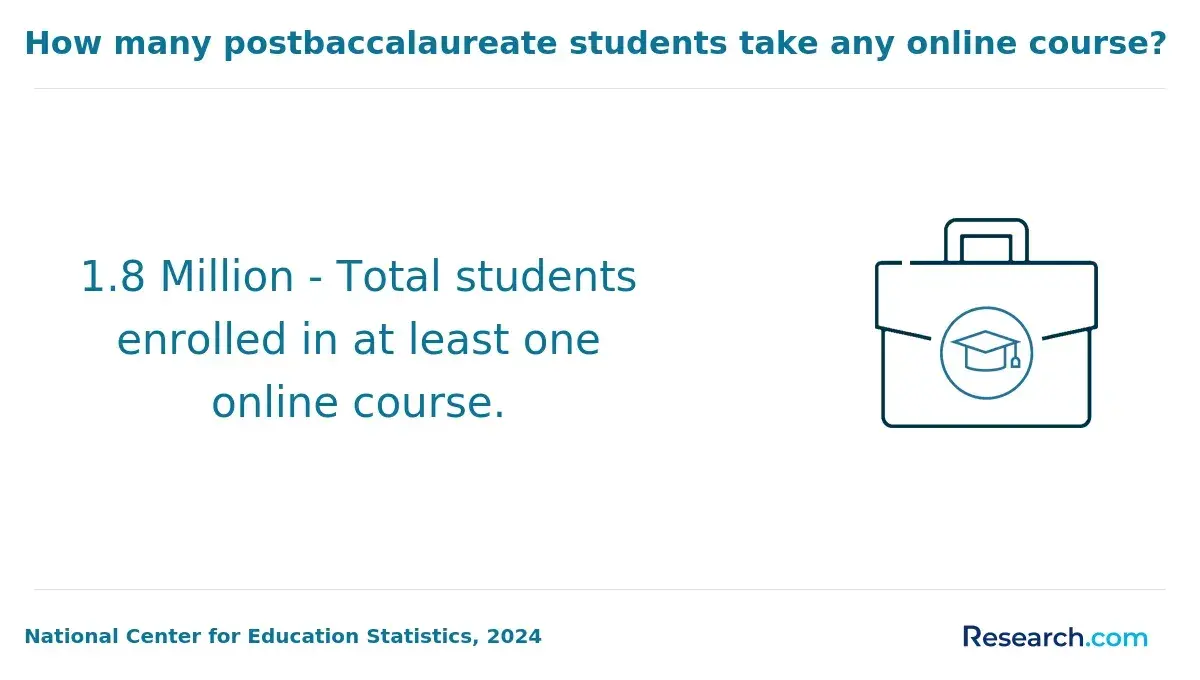
In states where physical campuses offering information systems degrees are scarce, online programs provide crucial expanded access by decoupling location from enrollment. Students who otherwise face limited local options-whether due to geographic isolation, work commitments, or financial constraints-can enroll in accredited programs nationwide without relocating. This reduces the geographic bottleneck that traditionally restricts access to technology-focused higher education, a barrier confirmed by recent data showing over 65% of students in underserved states choose online courses for tech degrees, according to the National Center for Education Statistics in 2024.
The expansion of access is enabled chiefly through asynchronous course delivery models that remove rigid scheduling demands, allowing students to balance studies with work and family obligations more effectively. Cross-state enrollment capabilities let institutions scale their offerings beyond physical boundaries, challenging the historical dependency on local university presence. Enhanced digital infrastructure, including virtual labs and interactive platforms, supports quality and engagement at scale, further incentivizing students in low-density program areas to pursue these degrees online rather than wait for limited in-person seats.
This structural shift also affects regional workforce dynamics by funneling a more geographically diverse pool of graduates into local economies that previously struggled to develop technology talent pipelines. As enrollment grows in historically underserved regions-demonstrated by a 12% year-over-year increase in such states reported by Educause Center for Analysis and Research-competition among institutions across state lines intensifies, potentially raising program quality and further eroding state-based disparities in educational offerings. Online availability therefore acts as a leverage point for educational equity and workforce readiness in information systems fields nationwide.
One information systems graduate recalled hesitating mid-application due to rolling admissions timelines and late communication from a distant university's online program. The uncertainty complicated his ability to prepare academically and financially, forcing him to weigh waiting for the response against applying elsewhere locally. Ultimately, the flexibility of the online pathway allowed him to adjust plans quickly after acceptance, an adaptability that would have been impossible with a traditional in-person-only program and enabled completion of his degree without relocation or extended delay.
How Much Does Information Systems Program Tuition Vary by State?
Tuition for information systems degree programs differs markedly across U.S. states, driven primarily by variations in public funding levels, institutional type, and residency-based pricing structures. Public universities tend to offer significantly lower tuition to residents, reflecting state subsidies that reduce costs for in-state students, while out-of-state attendees face higher fees intended to offset funding gaps. Private institutions, operating largely independent of state budgets, usually charge substantially more regardless of student residency but may provide specialized curricula or networks that public offerings lack. These systemic funding differences reflect distinct policy priorities, institutional missions, and the economic realities underpinning higher education finance rather than arbitrary cost-setting.
According to data from the National Center for Education Statistics and state university systems, in-state tuition for public universities offering information systems programs typically ranges from about $5,000 annually in states like Florida and Georgia to over $20,000 in California and New York, where higher operational costs and limited state subsidies exist. Out-of-state tuition often doubles or even triples these amounts, reflecting the market-driven strategy of charging non-residents more to compensate for reduced state support. Private institution tuition generally falls between $30,000 and $45,000 per year, representing a broad but consistently elevated price range across states. This variation in average cost of information systems degrees in US states aligns closely with broader regional economic factors and local higher education funding models.
These tuition disparities impact student mobility and program selection, often limiting access for those unable or unwilling to pay premium out-of-state or private fees. Programs in states with lower tuition may offer fewer specializations or weaker industry ties, while more expensive metropolitan institutions can leverage location to enhance employability prospects. Prospective students must balance affordability with factors such as graduation rates and practical experience opportunities, including internships, to maximize long-term career outcomes. Researchers and students looking to compare program availability across states should also consider alternatives like a construction management degree online as part of a broader strategy to navigate educational pathways and workforce demands.
How Does Information Systems Program Demand Affect Admissions Decisions?
Rising demand for Information Systems programs directly intensifies admissions selectivity, prompting institutions to tighten entry requirements and prioritize applicants with demonstrable skills and relevant experience. As application volumes swell, especially in regions anchored by vibrant tech industries, programs reduce open slots to balance educational quality with institutional resources. This heightened competitiveness filters candidates more rigorously, often favoring those who have already cultivated technical competence and clear alignment with workforce needs, rather than relying solely on academic metrics.
The dynamics behind this selectivity shift stem largely from capacity constraints including limited faculty bandwidth, classroom availability, and accreditation standards that govern cohort size and instructional quality. Programs are thus compelled to allocate seats strategically, responding not just to applicant demand but to evolving labor market expectations for graduates capable of adapting quickly to enterprise technologies and digital transformation challenges. This interplay means admissions committees increasingly evaluate applicants' practical readiness and career fit, reinforcing a feedback loop where labor market trends shape enrollment policies and vice versa.
Such demand-driven pressures ripple beyond selection, influencing applicant behavior and program reputation over time. Prospective students often tailor their preparation toward technical certifications and internships to strengthen candidacy, while institutions may invest in specialized tracks to maintain competitive standing and meet employer requirements. However, these trends can also restrict access for otherwise qualified individuals lacking early exposure to relevant experiences, potentially narrowing diversity within the Information Systems education pipeline.
One graduate recalls the admissions process as a tense balancing act against shifting deadlines and limited feedback. Initially hesitant to submit premature materials, they watched peers secure spots quickly, prompting a last-minute application overhaul to highlight internship work and technical credentials. The uncertainty of rolling admissions meant prolonged waiting, with admissions decisions arriving weeks later than hoped, underscoring how volume-driven selectivity and timing pressures can add unexpected complexity to candidate strategies in high-demand Information Systems programs.
How Do Information Systems Specialization Options Vary by Region?
Information systems specialization options closely reflect the economic priorities and industry concentrations unique to each region. Coastal technology hubs tend to develop programs rich in cybersecurity, data analytics, and cloud computing, areas that align with the intensive innovation and research activity prevalent there. In contrast, regions dominated by manufacturing and logistics emphasize practical applications such as enterprise resource planning and systems integration, directly responding to the operational demands of their local economies. This regional tailoring ensures that curricula remain relevant to workforce needs and employer expectations, influencing the types of expertise graduates bring to the labor market.
Key factors shaping these variations include dominant regional industries, university research strengths, and collaborative employer relationships. For instance, states with robust healthcare sectors increasingly offer specializations in healthcare information systems and business intelligence to meet growing demands in medical data management and analytics. Additionally, institutions embedded within technology clusters are more likely to integrate emerging technologies rapidly into their coursework. According to the 2024 National Center for Education Statistics, states with advanced tech economies provide approximately 25% more specialization options within information systems programs compared to states with less technology-focused industries, highlighting how economic ecosystems steer academic offering breadth and focus.
These regional differences have meaningful implications for students and workforce alignment. Selecting a program in a technology-intensive region can provide access to specialized knowledge and innovation-driven roles but might come with more competition and higher costs. Conversely, students in areas with fewer specialization options often build broad foundational skills that offer flexibility yet may require additional certifications to enter niche fields later. Understanding these dynamics enables more strategic decisions about program choice, balancing immediate employability with long-term career adaptability based on local and national labor market trends.
How Does Regional Employer Demand Affect Career Outcomes?
Regional employer demand for information systems careers plays a decisive role in shaping job availability and early career opportunities for graduates. Metropolitan areas with dense concentrations of technology firms and business operations naturally generate a larger volume of entry-level positions, internships, and project-based roles tailored to information systems graduates. These local hiring ecosystems facilitate smoother transitions from academic programs to employment by matching workforce supply with employer needs more efficiently than regions with less developed tech sectors. Graduates in states like California, Texas, and Virginia typically encounter wider options and may see starting salaries that exceed national averages by 15-20%, reflecting both local market competition and higher living costs.
The mechanisms behind these regional disparities include the clustering of industries that rely heavily on information systems expertise, as well as established partnerships between employers and educational institutions. States with robust technology hubs often feature universities that align curricula and practical training with employer demand, providing students with relevant skills and access to professional networks. Wage competition across different states creates pronounced salary differentials, driven by regional economic conditions and demand intensity. Specialized hiring ecosystems also foster opportunities for advancement into technical specialties or managerial roles, areas often underrepresented in less dynamic markets. This intersection of concentrated employer demand and institutional responsiveness significantly affects career outcomes in information systems by state.
These regional demand patterns have broader implications for geographic mobility and long-term career development. While remote work options have expanded, the preponderance of hiring still clusters near industry centers, influencing students' decisions about where to study and work. Graduates must weigh the value of local market strength against factors like cost of living and lifestyle preferences when considering career trajectories. For those interested in financial sector adaptability and cross-field skill sets, exploring an online masters in finance can complement information systems expertise and expand employment horizons beyond regional constraints.
What Factors Matter Most When Comparing Information Systems Programs Across States?
Comparing information systems degree programs across states requires analyzing factors beyond simple program availability. State-level variations directly affect educational access, tuition costs, specialization options, and alignment with regional employer demands. These differences can shape both the academic experience and long-term career prospects for graduates, especially when considering tuition disparities and workforce integration. Thorough evaluation is critical for understanding how effectively a program prepares students for local and national industry needs while managing affordability.
- Accreditation and Curriculum Rigor: Programs accredited by recognized bodies like ABET or CAHIM provide a baseline of quality and standardization that many employers explicitly prefer. In 2024, over 70% of employers prioritized candidates from accredited institutions to ensure core competency. State-level availability of accredited programs influences whether students have access to education that meets these industry standards, which affects graduate credibility and employability.
- Specialization and Program Diversity: States with schools offering diverse concentrations, such as cybersecurity, data analytics, or enterprise systems, allow students to tailor learning to emerging market demands. The presence of specialized tracks directly impacts the relevance of skills to regional industry trends and enhances adaptability in competitive job markets.
- Tuition and Cost Differences: Variations in in-state versus out-of-state tuition can create significant barriers or incentives for students depending on their residency. These differences shape the total cost of attendance and affect equitable access to programs, influencing decisions that balance educational value against financial constraints. Resources like online general studies degree affordable alternatives also factor into practical affordability.
- Employer Demand and Workforce Connectivity: Regional employer demand shapes practical training opportunities, internships, and job placements. States hosting programs integrated with local tech firms support experiential learning and create pipelines for graduates, directly improving employment outcomes. Data from the Bureau of Labor Statistics in 2024 confirms that such connections increase hiring rates among graduates.
- Experiential Learning and Regional Industry Alignment: Availability of internships, co-ops, or capstone projects varies by state and institution, influencing hands-on skills acquisition. Programs geographically aligned with regional tech hubs better position students for local employment and industry networking, reinforcing long-term career stability in the context of state-level economic ecosystems.
Which Regions May See the Fastest Growth in Information Systems Education?
Growth in Information Systems education typically occurs in regions where employer demand aligns with population increases and sustained higher education investment. These economic and workforce factors must coincide to enable institutions to expand or develop relevant degree programs and credentials. Expansion also reflects local industry needs for graduates who blend technological proficiency with business acumen, influencing program variety and delivery modes.
- Southeast: This region leads projected growth due to robust population increases and expanding tech hubs in states like Florida and Georgia. Universities here are responding to heightened demand by introducing flexible formats such as online and part-time degrees, appealing to nontraditional and working students. This growth reflects employer needs in healthcare, finance, and logistics sectors seeking versatile IT-business hybrid professionals.
- Southwest: With major urban centers like Texas and Arizona experiencing rapid economic diversification, information systems programs are expanding alongside. State higher education funding and partnerships with local tech industries drive program innovation and capacity growth, preparing students for evolving markets including energy, telecommunications, and manufacturing.
- Mountain West: Though smaller in population, this region benefits from targeted STEM investments and emerging tech communities. Public institutions are increasing offerings in stackable credentials and specialized concentrations, addressing workforce shortages in cybersecurity and data analytics that frame Information Systems education demand.
- Midwest: Traditional manufacturing bases are transforming, creating pockets of growth for information systems education tied to automation and supply chain integration. While growth is moderate, established university systems are enhancing cross-disciplinary curricula to meet employer expectations for adaptable skill sets.
- Northeast: Despite dense higher education infrastructure, growth potential is somewhat constrained by market saturation and slower population trends. However, focus on niche specializations and partnerships with financial and consultancy sectors sustains steady program renewal and graduate employability.
References
- States Leading on Data Use and Integration See Significant Results - Results for America https://results4america.org/tools/states-leading-data-use-integration-see-significant-results/
- The Future of Public Data Lies in the States, But It’s Complicated https://issues.org/public-data-states-bowen/
- ITEE Journal - International Transactions on Education Technology https://journal.pandawan.id/itee/article/view/686
- Best Bachelor's Degrees in Information Systems https://www.computerscience.org/degrees/bachelors/information-systems/
- Top 50 Online and Distance Learning Universities 2026 | EUCDL Distance Accreditation Council https://www.eucdl.com/ranking-2026
- The Role of Information Systems in Academic Success - United Ceres College | Quality & Future-Ready Education https://unitedceres.edu.sg/information-systems-in-academic-success-2/
- Best Information Systems Degree Programs 2026 https://hakia.com/degrees/information-systems/best-programs/
- Understanding and Comparing National Innovation Systems: The U.S., Korea, China, Japan, and Taiwan https://itif.org/publications/2025/02/20/understanding-comparing-national-innovation-systems-us-korea-china-japan-taiwan/
- IT or Information Systems? Here are the Key Differences https://www.uagrantham.edu/blog/it-or-information-systems-here-are-the-key-differences/
- Best Information Systems Bachelor's Degrees Degree Programs, Jobs, and Salaries https://careerkarma.com/blog/best-information-systems-bachelors-degrees/
Other Things You Should Know About Information Systems
The 2027 Information Systems Degree Program Availability Report shows that a higher number of degree options in a state does not necessarily equate to superior program quality. Program quality often depends on faculty expertise, industry partnerships, and curriculum alignment with current technological advancements, rather than sheer quantity.
Programs in states with abundant offerings often vary widely in intensity and pacing. High-volume states may include accelerated or highly specialized tracks demanding significant time commitments, which can affect work-study balance and burnout risk. Students must investigate course structures and credit requirements and prioritize programs that align with their capacity to manage workload alongside professional or personal obligations.
Generally, schools in states with integrated technology sectors tend to update curricula to reflect current industry standards, but this is not guaranteed by sheer program volume. Prospective students should prioritize program responsiveness to emerging tech trends and employer input, especially where multiple options allow for selective enrollment. Selecting schools with advisory boards or active partnerships often translates into better preparedness for evolving job market demands.
In most cases, no. While states with many programs provide choice, specialized schools with focused expertise in information systems often offer deeper technical training and stronger alumni networks in niche areas. Students targeting specific career paths benefit more from targeted programs that emphasize depth over breadth. Prioritizing quality and relevance to intended roles typically leads to better employment and advancement prospects than simply selecting based on geographic program density.