2027 Information Systems Degree Enrollment Trends by Age Group: Traditional Students vs Adult Learners

Co-Founder and Chief Data Scientist
The persistent 11% projected growth in the Information Systems workforce by 2031 reflects escalating employer demand, influencing the demographic makeup of degree enrollments. Traditional students often enter programs directly after secondary education, navigating rigorous technical curricula and foundational skill development. In contrast, adult learners typically enroll to reskill amidst economic disruptions or credential inflation, balancing program accessibility with workplace obligations.
These differing motivations shape enrollment timing and program completion rates. The age distribution within Information Systems degree programs signals shifting workforce pipelines and highlights evolving educational models adapting to both immediate industrial needs and the sector's expanding complexity.
Key Things to Know About Information Systems Degree Enrollment Trends by Age Group
- Enrollments skew younger, with 68% of students under 25, reflecting employer preference for recent foundational training but limiting immediate workforce reentry for adult learners.
- Adults over 30 face higher opportunity costs; longer completion times often increase overall expense despite flexible scheduling, influencing affordability and timing decisions distinct from traditional students.
- Employers increasingly value practical experience combined with degrees; younger enrollees benefit from internships, while older enrollees must supplement credentials with demonstrable project work to remain competitive.
- Key Things to Know About Information Systems Degree Enrollment Trends by Age Group Key Things to Know About Information Systems Degree Enrollment Trends by Age Group
- Which Age Groups Represent the Largest Share of Information Systems Students? Students by Age Group
- Why Do Traditional Students Choose Information Systems Degree Programs? Traditional Students
- Why Do Adult Learners Return to School for a Information Systems Degree? Adult Learners
- How Do Academic Goals Vary Between Younger and Older Information Systems Students? Academic Goals by Age Group
- How Do Financial Concerns Differ Between Traditional Students and Adult Learners? Financial Concerns by Age Group
- What Challenges Do Adult Learners and Traditional Students Face While Earning a Information Systems Degree? Student Challenges by Age Group
- How Does Age Affect Information Systems Degree Student Retention? Age and Student Retention
- Which Information Systems Specializations Are Most Popular Among Adult Learners? Top Specializations for Adult Learners
- How Does Age Affect Job Opportunities for Information Systems Graduates? Impact of Age in Job Opportunities
- What Do Current Information Systems Enrollment Trends Reveal About Future Demand? What Do Current Information Systems Enrollment Trends Reveal About Future Demand?
Which Age Groups Represent the Largest Share of Information Systems Students?
Information systems programs attract students from diverse age groups, but enrollment typically concentrates in certain segments shaped by career timing, financial readiness, and program accessibility. These enrollment patterns reflect broader workforce entry points and the structure of higher education rather than purely academic preference.
Recognizing which age groups dominate can clarify how labor market demands and educational opportunities interact to influence student decisions in information systems.
- Ages 18-24: This traditional college-age group accounts for the largest share of information systems students, largely because these individuals often enter higher education immediately after high school. Their full-time status and fewer external responsibilities allow for deeper engagement in foundational and broad curricula, aligning with early-career workforce entry and long-term adaptability needs.
- Ages 25-34: Adult learners in this bracket represent a growing portion of enrollment due to rising availability of flexible, online, and part-time program formats. Many pursue information systems education to pivot professionally or upgrade skills critical for evolving technology roles, balancing education with ongoing employment obligations.
- Ages 35 and above: While this group is smaller in proportion, it remains significant for certificate and continuing education programs focused on maintaining competitiveness. These learners often prioritize immediate applicability and measurable returns on investment, reflecting employer-driven demands for up-to-date technical expertise.
The different enrollment dynamics between traditional students and adult learners underscore how workforce transitions and economic factors affect participation. Adult learners often engage selectively, targeting career-focused content for swift integration into the labor market, whereas younger students invest more time in comprehensive education that supports long-term professional growth.
These patterns align with national trends tracked by the National Center for Education Statistics, affirming that information systems enrollment mirrors shifting workforce needs and educational accessibility.
For prospective students weighing options, such demographics highlight the importance of matching program structure with career stage and personal circumstances to optimize outcomes, especially in high-demand technology fields identified among the best bachelor's degrees.
Why Do Traditional Students Choose Information Systems Degree Programs?
Traditional students often select information systems degree programs because these degrees effectively signal a blend of technical proficiency and business acumen, supporting early career exploration in fields where these competencies intersect.
The decision to pursue this area usually reflects an alignment of academic interests with tangible outcomes such as job readiness and salary potential, appealing to those who seek clear and pragmatic pathways from education to employment.
Data from the National Center for Education Statistics in 2024 highlights that nearly 65% of traditional undergraduates in technology-related fields prioritize programs known for strong job placement prospects, emphasizing the benefits of information systems degrees for recent college students who weigh return on investment alongside academic engagement.
Deeper factors shaping enrollment include the role of university recruitment strategies that target students demonstrating aptitude in both math and business disciplines, as well as guidance counseling that channels students toward fields promising labor market stability amid economic uncertainty.
Secondary education exposure to introductory information systems coursework or related business technology classes also fosters early interest, acting as a critical touchpoint for subsequent program selection. The influence of peer networks and institutional pathways that integrate internships or cooperative education further steadies the appeal of information systems programs, reinforcing motivations for enrolling in information systems programs among younger students who seek structured transitions into evolving industries and pragmatic career trajectories.
These motivations interplay with broader student decision-making patterns shaped by labor market expectations and institutional pipelines, especially when considering opportunities like easy online associate degrees.
Why Do Adult Learners Return to School for an Information Systems Degree?
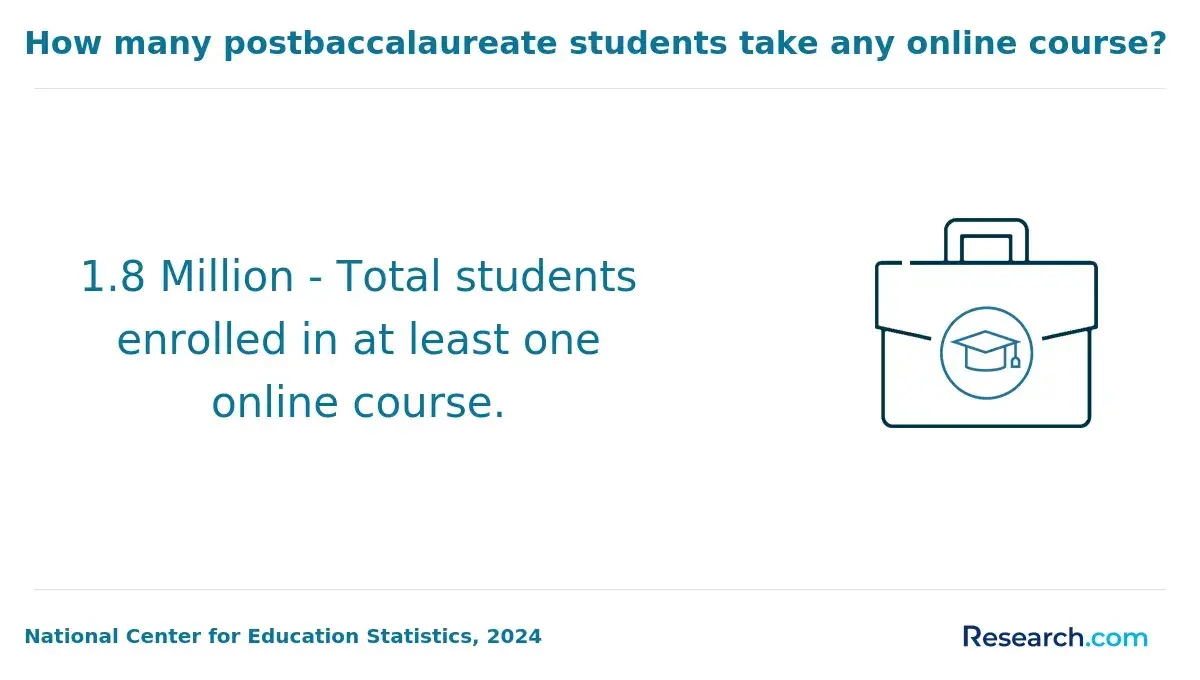
Adults returning to higher education for an Information Systems degree generally do so with clear, pragmatic objectives tied to their ongoing career trajectory. This group tends to prioritize obtaining credentials that can enable upward mobility, salary increases, or even a career pivot into technology-driven sectors where their prior experience may be insufficient.
A 2024 report from the National Center for Education Statistics notes that nearly 70% of adult learners cite employment-related reasons for re-enrolling, underscoring how labor market demands heavily shape their educational decisions. These learners often view the degree as a tool to meet employer expectations for technical proficiency, particularly as industries increasingly emphasize skills in data management, cybersecurity, and enterprise integration to remain competitive.
Additional factors influencing this return include the availability of employer tuition assistance programs, which lower the financial barrier to reskilling, and the expansion of flexible online offerings designed to accommodate work and family commitments. Changing industry standards and rapid technological evolution compel adults to continually update their expertise to avoid obsolescence and maintain relevance within their fields.
The need to demonstrate up-to-date professional competencies frequently drives enrollment, particularly in sectors facing automation challenges or undergoing digital transformation. Such structural and economic pressures make Information Systems degrees an attractive and necessary investment for many mid-career professionals.
The growing presence of adult learners reshapes program design, pushing institutions toward greater flexibility, credit for prior learning, and hybrid modalities. This demographic shift also affects classroom dynamics, fostering peer learning environments enriched by diverse professional backgrounds and experiences.
As these students bring applied perspectives into academic settings, the educational experience evolves into a more practice-oriented exchange, aligning curricula more closely with real-world workforce needs and accelerated industry changes.
How Do Academic Goals Vary Between Younger and Older Information Systems Students?
Younger students pursuing an information systems degree generally approach their education with a broad, exploratory mindset aimed at establishing a versatile foundation of skills. Their academic objectives often emphasize understanding core concepts that support entry-level employment or further graduate study, allowing flexibility in career pathways.
This demographic typically benefits from engaging in internships and extracurricular experiences to clarify long-term professional interests, reflecting a transition phase from education to workforce integration. Recent findings from the National Center for Education Statistics in 2024 indicate that about 68% of traditional-age students prioritize developing foundational competencies that are transferable across various technology sectors.
In contrast, older students usually pursue information systems studies with more narrowly defined goals linked to immediate workplace relevance, such as updating technical skills, preparing for promotion, or shifting roles within their current industries. Their academic planning tends to be driven by specific credentialing requirements or targeted course selections that address short-term career outcomes, often balancing coursework with existing financial and familial responsibilities.
This group's engagement frequently includes flexible learning options like online or evening classes to accommodate their schedules. Data from 2024 illustrates that around 72% of adult learners focus their education on applicable skill acquisition directly tied to current employment demands or advancement opportunities.
An adult learner described returning to information systems studies after years in a related field, hesitating initially due to uncertainty about the application timeline and how prior experience would count. Navigating a rolling admissions process, they delayed submitting materials while weighing the timing of course start dates against personal commitments.
Eventually, the decision to enroll was prompted by a late notice of program availability and the realization that immediate re-skilling was essential for an upcoming role change. This experience highlights how strategic planning and responsiveness to enrollment windows play a critical role in adult learners' academic goal-setting and pathway execution.
How Do Financial Concerns Differ Between Traditional Students and Adult Learners?
Traditional students pursuing an information systems degree generally depend on a combination of family support, scholarships, and federal student aid to manage educational expenses. Their primary financial concerns revolve around tuition costs and living expenses, often buffered by parental contributions or campus subsidies. This demographic tends to view student loans as manageable future obligations, given their typically limited prior debt and fewer immediate financial responsibilities.
According to data from the National Center for Education Statistics, about 75% of traditional undergraduates receive some form of financial assistance, reflecting how tuition funding differences for traditional and adult IS students influence their educational decision-making and debt tolerance.
Adult learners, by contrast, face a more complex financial equation shaped by ongoing employment, household expenses, and greater opportunity costs tied to education. The decision to reduce work hours or shift to part-time study involves lost wages that compound tuition concerns, while family and mortgage obligations add to cash flow challenges.
Employer tuition assistance programs are often a critical resource, but the burden of balancing work, study, and life frequently deters continuing education despite the recognized value. Over 60% of adult students report education-related debt, yet their financial planning must account for immediate income disruption and the compound effect of existing debt, highlighting the nuanced financial challenges faced by this cohort.
These divergent financial pressures significantly affect enrollment patterns and program accessibility, with adult learners gravitating toward flexible delivery models such as online programs to mitigate income loss and manage family commitments. The differing financial behaviors also shape how each group assesses the return on investment, with adult learners prioritizing immediate career impact and job security, while traditional students often focus on long-term employability.
Decisions about pursuing advanced credentials, including specialized paths like a PsyD program, similarly reflect these lifecycle financial priorities and opportunity cost calculations.
What Challenges Do Adult Learners and Traditional Students Face While Earning a Information Systems Degree?
Traditional students pursuing an information systems degree often encounter challenges rooted in adjusting to a structured academic environment while developing foundational skills critical to the discipline. Time management emerges as a key hurdle since many are navigating newfound independence with limited prior experience balancing coursework and personal commitments.
This group typically benefits from more direct access to campus resources and peer networks, yet may struggle to connect theoretical concepts with practical, workplace-relevant applications, which employers increasingly prioritize. According to 2024 data from the National Center for Education Statistics, about 28% of traditional students work full-time, underscoring that their primary constraint is less about employment demands and more related to mastering academic rigor and self-directed learning strategies.
Adult learners face a distinctly different set of obstacles shaped by external responsibilities and re-entry challenges. A majority of balance full-time jobs-56% per the latest NCES report, with their studies and often support families simultaneously. These demands compress available time for synchronous instruction and deepen financial strain, with 43% reporting economic hardships that can impede progress toward degree completion.
Academically, adult learners may wrestle with updating technology skills and integrating modern industry practices after time away from formal education, while also managing elder care and household duties. Their capacity to engage in campus life and leverage institutional supports is frequently limited, requiring flexible program structures that accommodate professional and personal commitments.
How Does Age Affect Information Systems Degree Student Retention?
Retention challenges for younger information systems students often stem from the transition to more rigorous academic expectations and the need to establish effective study habits within a structured campus setting. Many in this group, typically aged 18 to 24, encounter difficulties maintaining motivation and engagement during their first year, which aligns with documented retention rates near 70% according to the National Center for Education Statistics in 2024.
These students often rely on peer networks and institutionally provided resources, but early academic adjustment and social integration remain pivotal hurdles influencing their persistence.
In contrast, adult learners in information systems programs exhibit retention patterns shaped by their distinctive life circumstances. Despite generally possessing clearer career goals and motivation, learners aged 25 and older frequently balance schooling with substantial work and family commitments, factors that constrain their available time and focus.
This cohort's retention rates hover closer to 50-55%, reflecting challenges in managing external pressures alongside academic requirements. Programs that incorporate flexible scheduling and online options appear more successful in supporting these students, underscoring the necessity of institutional adaptation to diverse learner needs across age groups.
One information systems graduate shared navigating rolling admissions during a late decision to return to school after years in the workforce. Initially hesitant due to uncertainties about balancing studies with family duties and an unpredictable job schedule, the student delayed application submission until the final weeks before the quarter started.
The admissions team's timely responses and flexible enrollment options ultimately eased the process, allowing for a late but workable start. This experience highlighted how timing and institutional responsiveness can significantly affect retention prospects for adult learners, making strategic educational choices under pressure.
Which Information Systems Specializations Are Most Popular Among Adult Learners?
Adult learners enrolled in information systems degree programs frequently choose specializations that deliver practical benefits aligned with immediate career advancement or industry transitions. This focus reflects their need to balance education with existing professional and personal responsibilities, prioritizing areas that enhance tangible skills, salary prospects, and marketability.
Unlike traditional students who may explore broader theoretical fields, adult learners gravitate toward specializations directly tied to industry demand and skill application to maximize return on investment quickly. Analysis of enrollment patterns and workforce outcomes shows these tendencies clearly.
- Cybersecurity: This specialization attracts adult learners due to persistent industry shortages and the premium salaries associated with security expertise. Many professionals with IT backgrounds find cybersecurity credentials an efficient pathway to pivot toward roles critical to organizational risk management and compliance.
- Data Analytics: Adult learners pursuing data analytics benefit from its cross-sector relevance, enabling easier transitions into fields like finance, healthcare, and marketing. The skill set supports decision-making roles that reward data fluency and practical statistic knowledge, offering upward mobility without requiring deep technical coding backgrounds.
- Project Management: Information systems graduates often seek project management to leverage existing domain experience while moving into leadership functions. This specialization offers business process oversight skills valued across industries, facilitating salary growth and advancement beyond technical roles.
- IT Management: For mid-career professionals, IT management provides a blend of technical and administrative competencies needed to supervise teams and align IT strategy with business goals, supporting promotion into managerial tracks.
- Business Intelligence: Combining data-driven insight generation with operational efficiency, this field supports adult learners aiming to bridge analytics and decision-making with organizational strategy, appealing to those focused on practical upskilling and workforce relevance.
According to data from the National Center for Education Statistics (NCES) 2024 report, approximately 40% of adult learners in information systems programs select cybersecurity or related fields, underscoring the critical labor market pull toward security and applied skills specialization. Enrollment choices often reflect prior work experience and clear career reinvention or enhancement goals, with a strong preference for specializations that enable immediate workplace contributions.
These factors shape the most in-demand information systems specializations for adult learners, emphasizing applied knowledge, flexible credentials, and pathways aligned with evolving industry needs. Many working professionals weigh these trends heavily when selecting concentrations, seeking the best fit for their unique balance of skill updating and career mobility.
For students broadly considering options, including the easiest online MBA programs to get into, recognizing these enrollment patterns can provide valuable context for making informed program decisions.
How Does Age Affect Job Opportunities for Information Systems Graduates?
Younger information systems graduates often benefit from structured entry-level hiring practices, including internship pipelines and graduate training programs that prioritize candidates within typical college-age ranges. These traditional students usually enter the workforce earlier, positioning them for accelerated salary progression and enhanced exposure to evolving technologies during critical formative years.
According to the U.S. Bureau of Labor Statistics (2024), early career hires in tech-related fields experience faster salary growth within their initial five years, reflecting employer investment in long-term potential and adaptability. For those assessing age impact on information systems graduate employment, this early entry can facilitate networking advantages and access to roles tailored to recent academic preparation and foundational technical competencies.
Conversely, adult learners pursuing information systems degrees often bring significant prior work experience and transferable skills, positioning them differently within hiring structures. While this experience enriches candidacy for roles requiring leadership or cross-functional knowledge, some employers may exhibit implicit biases favoring younger hires due to assumptions about technological agility, despite evidence showing skill acquisition is not age-dependent.
A report from the National Center for Education Statistics (2024) notes that adult graduates typically face longer job search durations but secure comparable mid-level positions within three to five years post-graduation. Those evaluating career opportunities for adult learners in information systems should also consider program accessibility and duration, with some opting for accelerated tracks like the architect course duration model to expedite reentry into the workforce.
What Do Current Information Systems Enrollment Trends Reveal About Future Demand?
Enrollment growth patterns in information systems programs reflect evolving perceptions of career value and relevance among distinct student groups. Traditional students maintain steady participation, indicating continued confidence in these degrees as pathways to entry-level roles in technology and analytics.
Meanwhile, the marked increase-over 15% in the past five years-in adult learners pursuing information systems signals a broadening appeal driven by career transitions and professional upskilling. This demographic shift underscores growing recognition of information systems as a versatile foundation for multidisciplinary skill sets that blend technical knowledge with business insight.
These enrollment trends align closely with labor market demands shaped by rapid technological change and industry expansion. Employers prioritize candidates demonstrating practical competencies and the ability to adapt, which adults often bring through work experience combined with formal education.
The rise in online and hybrid program formats also corresponds to the need for flexible learning accommodating workforce participation. As demand for information systems expertise grows across sectors, these signals suggest continued program diversification, deeper specialization offerings, and sustained enrollment increases reflecting both current and future workforce shortages.
References
- Challenges Facing Adult Learners - Asher College https://asher.edu/challenges-facing-adult-learners/
- Graduate careers advice: you and your information systems degree https://gradireland.com/careers-advice/information-technology/graduate-careers-advice-you-and-your-information-systems-degree
- How Higher Education Institutions Can Address the Needs of Adult Learners https://www.higheredtoday.org/2022/04/18/how-higher-education-institutions-can-address-the-needs-of-adult-learners/
- Top 10 Information Management Trends for 2026 | Corodata https://corodata.com/blog/information-management-trends
- The End of the Traditional Student Era: Higher Ed’s New Enrollment Reality - Collegis Education https://collegiseducation.com/insights/end-of-traditional-student-era/
- A Comparison of Student Technology Acceptance between Traditional and Non-Traditional Students Using Online Learning Technologies - OJDLA https://ojdla.com/articles/a-comparison-of-student-technology-acceptance-between-traditional-and-non-traditional-students-using-online-learning-technologies
- AI's Impact on Graduate Jobs: A 2025 Data Analysis | IntuitionLabs https://intuitionlabs.ai/articles/ai-impact-graduate-jobs-2025
- Best Online Information Systems Degrees 2025 https://www.onlineu.com/degrees/information-systems
- Best Information Systems Degree Programs https://www.computerscience.org/degrees/information-systems/
- Strategic Trends in Information Technology Shaping Enterprise IT https://www.realvnc.com/en/blog/trends-in-information-technology/
Other Things You Should Know About Information Systems
Adult learners often juggle work, family, and other responsibilities that make flexible program formats critical. Programs offering evening, weekend, or asynchronous online classes tend to improve completion rates for this group by accommodating their schedules. Traditional students usually have fewer outside obligations, allowing them to engage more fully in on-campus experiences, which can enhance networking and hands-on learning. Choosing a program with a format that matches one's life circumstances is essential-adult learners should prioritize flexibility, while traditional students might benefit more from immersive, in-person options.
Traditional students often face pressure to explore a broad set of foundational topics, which can delay specialization but provide versatile skills. Adult learners typically prefer immediate relevance and may prioritize specialized tracks aligning with their career goals, such as cybersecurity or data analytics. This focus can accelerate career transitions but may limit broader theoretical grounding. Prospective students should weigh their career timeline: those seeking a comprehensive base should opt for broader curricula, whereas adult learners aiming for quick skill pivoting might favor targeted specializations.
In 2027, employers increasingly seek diverse skill sets that cater to real-world applications, prompting both traditional students and adult learners to enroll in information systems degrees. While traditional students focus on foundational skills, adult learners often leverage prior work experience to meet specific industry needs, aligning with employer expectations for practical, adaptable knowledge.
Workload demands in information systems programs can be intense, with programming assignments, case analyses, and group projects. Traditional students generally have more time to dedicate exclusively to coursework, allowing them to absorb and practice complex material more thoroughly. Adult learners, balancing multiple priorities, risk burnout if programs do not offer paced progression or support services. Therefore, adult learners should prioritize programs with modular courses or flexible deadlines, while traditional students can often handle more compressed, rigorous schedules to finish faster.