2027 Information Systems Degree Completion Time Report: How Long Students Actually Take to Graduate

Co-Founder and Chief Data Scientist
Many students pursuing an information systems degree face unpredictable completion timelines shaped by factors beyond course requirements. Work commitments, part-time enrollment, and changing technology standards often extend degree duration. Recent 2024 data from the National Center for Education Statistics reveals that nearly 40% of undergraduate students nationwide take more than six years to graduate, reflecting challenges in balancing academic progress with employment or family obligations.
Additionally, transfer credits and evolving curriculum demands in technology-oriented fields like information systems further complicate degree planning. This article examines how these realities affect actual graduation times, highlighting patterns and considerations essential for informed educational planning.
Key Things To Know About Information Systems Degree Completion Time
- More accurate salary and ROI planning: Information Systems completion time can vary based on internships, certifications (CompTIA, project management, cloud platforms), or co-op placements pursued alongside coursework — knowing the realistic timeline helps students project when they'll actually enter the workforce, since practical IT-business hybrid experience often correlates with stronger starting salaries.
- Smarter scheduling around cross-disciplinary coursework: Because Information Systems programs blend business fundamentals with technical coursework (databases, systems analysis, programming, networking), completion time data helps students and advisors plan course sequences that avoid prerequisite bottlenecks between business and IT-track requirements.
- Clearer career outcome tradeoffs: Comparing completion time against job placement rates and starting salaries across common paths (systems analyst, IT project management, business analytics, systems administration) can reveal whether students who take extra time for internships or specialized certifications land stronger job offers — helping future students weigh a faster degree against the technical-business hybrid skills employers in this field increasingly prioritize.
- What Is the Average Graduation Time for Information Systems Students? Average Graduation Timeline
- What Factors Have the Biggest Impact on Graduation Speed? Graduation Timeline Factors
- How Does Full-Time Versus Part-Time Enrollment Affect Graduation Timelines? Full-Time vs. Part-Time Graduation Timeline
- Do Online Information Systems Students Graduate Faster Than Campus-Based Students? Online vs. On-Campus Graduation Time
- How Many Months or Years Can Transfer Credits Save? Transfer Credit Impact
- Do Accelerated Information Systems Programs Significantly Reduce Completion Time? Accelerated Program Timeline
- Which Information Systems Program Requirements Most Often Extend Graduation Timelines? Factors Extending Graduation Timeline
- Does Taking Longer to Graduate Increase the Cost of a Information Systems Degree? Impact on Program Cost
- Does Graduating Faster Improve Career Prospects? Impact on Career Prospects
- Which Scheduling Mistakes Commonly Delay Graduation? Mistakes to Avoid
What Is the Average Graduation Time for Information Systems Students?
Completion times for an information systems degree typically range from four to six years, influenced heavily by enrollment status and student circumstances. Full-time students at traditional four-year institutions often graduate on schedule within four years, while part-time students, especially those balancing employment or transferring credits, frequently extend their studies closer to six years. According to data from the National Center for Education Statistics in 2024, only about 60% of students in STEM-related fields, which include information systems, finish within a six-year period.
The variations emphasize that the average graduation timeline for information systems students is shaped by more than the nominal program length, reflecting diverse educational paths and external pressures. Several factors contribute to the disparity in degree completion rates. Course load intensity and program structure, such as mandatory internships, co-op experiences, or capstone projects, can lengthen timeframes by integrating practical work demands alongside academic requirements.
Transfer students often face delays from credit evaluation or differing curriculum standards, though these hurdles can sometimes be mitigated with efficient planning. Additionally, the growing availability of accelerated or competency-based programs contrasts with traditional formats, offering faster completion at the cost of demanding learner commitment. Delivery modes-whether online or on-campus-also affect pacing, with online learners frequently juggling work and studies, which can extend timelines but foster better balance.
Graduation timing has tangible implications for academic planning and finances, as extended enrollment delays labor market entry and potential earnings growth, particularly in technology sectors that highly value timely skill acquisition alongside practical experience. Prospective learners might also explore options like cheap online MBA programs when considering broader educational investments, ensuring pathways that balance cost, duration, and employability outcomes effectively.
What Factors Have the Biggest Impact on Graduation Speed?
Graduation speed in information systems degree programs is shaped by a complex combination of academic planning decisions, institutional design, and personal circumstances. No single factor fully determines how long a student takes to finish their degree; rather, these variables interact dynamically to create diverse completion timelines.
Understanding the influence of enrollment patterns, curriculum flexibility, and external obligations helps prospective and current students make better choices regarding course load and program format. This nuanced perspective is essential given that data from the National Center for Education Statistics (NCES) in 2024 shows full-time undergraduates are almost twice as likely to graduate within six years compared to part-time students.
- Enrollment Status and Course Load: Full-time enrollment accelerates degree progress by allowing students to take more credits each term, condensing the overall timeline. Part-time students face extended durations due to fewer credits per semester, often driven by work or family demands, which elongate the time to completion in information systems degree programs.
- Transfer Credits and Prior Learning: Acceptance of transfer credits can significantly reduce degree length by bypassing general education or introductory requirements. However, variability in institutional articulation policies means that some transfer students must still complete redundant coursework, which delays graduation despite prior academic achievements.
- Curriculum Structure and Program Flexibility: Programs offering accelerated tracks, online delivery, or competency-based assessments allow students to progress more rapidly, especially if aligned with prior professional experience. Conversely, rigid curricula without options for credit testing or course substitutions can slow progression when students face scheduling conflicts or academic setbacks.
- External Obligations and Work-Life Balance: Many information systems students are working adults balancing jobs and family responsibilities, which constrains possible course loads and may require intermittent breaks from study. These real-world constraints increase the time needed to complete required credits, highlighting the tension between financial stability and graduation speed.
- Academic Support and Performance: Institutional support services and the student's academic readiness influence pacing by minimizing repeat coursework and reducing term retakes. Effective advising and tutoring can mitigate delays, but academic challenges often translate into longer timelines when remediation is necessary.
These factors do not operate in isolation; for example, students enrolling part-time due to external obligations may benefit from flexible program structures that accommodate reduced course loads without extending graduation excessively. Similarly, transfer credits can only expedite progress if clearly articulated within a curriculum that values prior learning. For those considering how to optimize their study pathway, reflecting on these interactive dynamics offers a realistic framework for setting expectations.
In discussions of degree pathways, it is also valuable to consider comparisons with fields that have different structural and labor market dynamics. For instance, evaluating how marriage and family therapy master's programs accommodate working adults' schedules can yield insights applicable to information systems education, particularly regarding flexibility and support mechanisms.
How Does Full-Time Versus Part-Time Enrollment Affect Graduation Timelines?
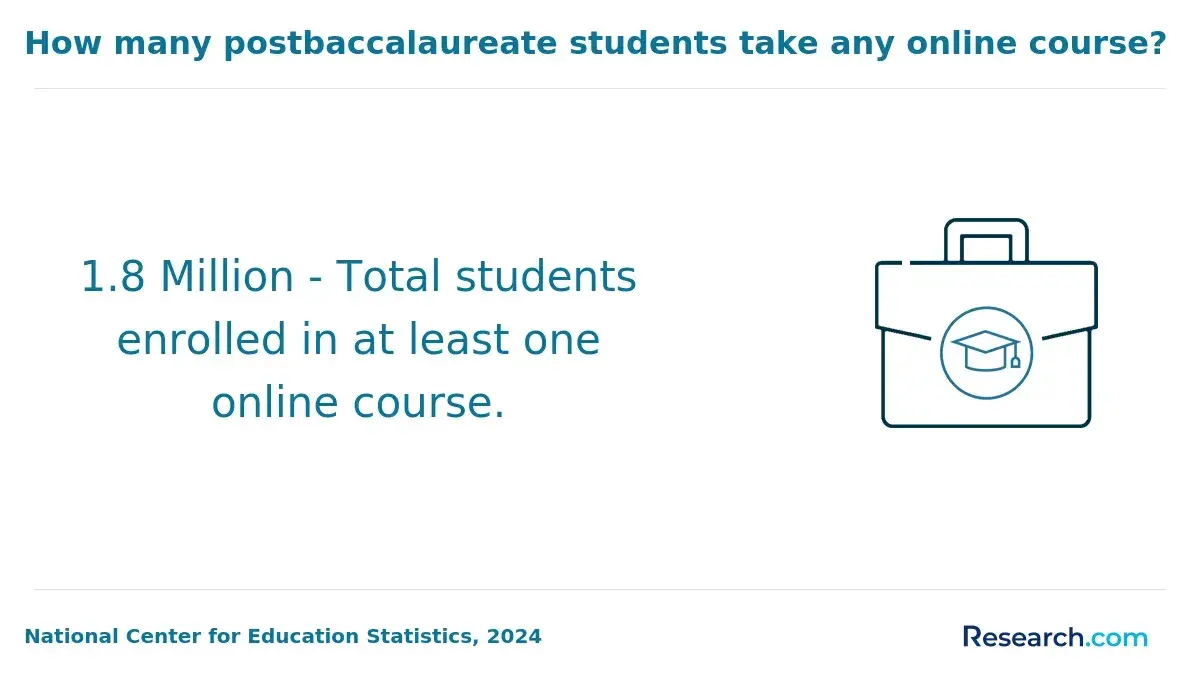
Students enrolled full-time in information systems programs generally complete their degrees more quickly, typically within four to five years, according to the 2024 National Center for Education Statistics. This expedited timeline reflects the structured pace and steady accumulation of credits common to full-time study. In contrast, part-time students often require six to eight years or more, as reported by the 2024 National Student Clearinghouse data, due to lighter course loads and intermittent enrollment patterns.
The differences are not simply a matter of credit quantity but also relate to sustained academic engagement and the ability to navigate sequential coursework without delay. The duration disparity arises from intersecting factors such as credit load per term, program design, and external life demands. Full-time students typically follow a consistent course sequence, facilitating cumulative learning and timely progression through core technical topics and electives essential in information systems.
Part-time students benefit from greater scheduling flexibility, which accommodates ongoing employment or family responsibilities, but this often results in stretched-out degree paths and potential risks of knowledge gaps amid rapid industry changes. Additionally, variations in program delivery formats-including online, hybrid, or traditional classroom models-affect how quickly students can enroll in requisite classes, further influencing graduation timelines. Enrollment status also has long-term implications beyond time-to-degree.
Full-time study usually demands concentrated financial investment and academic intensity but enables faster workforce entry, which is crucial given employer expectations for up-to-date technical skills and project experience. Conversely, part-time enrollment allows spreading tuition and managing work commitments but may delay salary increases tied to degree completion and reduce opportunities for continuous skill development. Such tradeoffs underscore the importance of aligning enrollment choices with personal circumstances and career timing goals within the evolving field of information systems.
Do Online Information Systems Students Graduate Faster Than Campus-Based Students?
The question of whether online information systems students consistently graduate faster than their campus-based counterparts is more complex than it initially appears. Data from the National Center for Education Statistics in 2024 indicates that those enrolled in online bachelor's programs tend to finish in roughly 4.1 years, slightly quicker than the 4.3 years typical for on-campus students. However, the difference is often modest and highly dependent on individual program structures and student circumstances.
Variability in pacing, enrollment intensity, and institutional policies means that generalizations about modality and speed can be misleading without considering underlying educational design and student life balance. Key drivers behind graduation timelines include the flexibility of course scheduling and the extent to which programs accommodate accelerated or continuous enrollment formats. Online offerings frequently allow self-paced progress through condensed terms or year-round classes, which can shorten completion time for motivated learners who can integrate studies with work or family demands.
Conversely, campus programs may impose fixed semester schedules and often require internships or group projects that extend duration but provide experiential benefits. Student self-discipline, transfer credit acceptance, and part-time versus full-time status also play pivotal roles, with transfer students in online tracks commonly finishing sooner due to credit recognition and adaptable curricula not always matched on campus. Choosing between online and in-person modalities also affects how students manage workload and enter the workforce.
While online programs demand robust time management and sustained motivation without in-person campus resources, they can enable earlier career entry by allowing faster completion. On-campus students benefit from structured environments and immediate peer and faculty interaction but might face lengthier paths due to rigid timelines and additional experiential requirements. Ultimately, the decision hinges on individual circumstances, institutional offerings, and how students leverage the modality's strengths against their personal and professional obligations.
How Many Months or Years Can Transfer Credits Save?
Transfer credits can effectively shorten the duration required to complete an information systems degree, with actual time savings ranging from several months to over a year depending on the amount and relevance of transferred coursework. Programs that accept a substantial volume of credits aligned directly with core or major-specific requirements offer students a more accelerated pathway compared to those where transferred credits primarily fulfill elective or non-major categories. Recent data from recognized education sources indicate that many students save between 6 months and 24 months, reflecting how transfer credits reduce information systems degree time when properly integrated into academic planning.
The variability in months saved with transfer credits in information systems programs hinges on several institutional factors. These include accreditation compatibility between originating and receiving institutions, detailed course equivalency evaluations that determine how transferred credits apply toward degree requirements, and residency policies that mandate a minimum number of credits completed within the degree-granting institution. Schools often cap transferable credits at around 50-60 semester hours, constraining the total acceleration possible. Furthermore, rigorous course equivalency review ensures transferred credits meet curriculum standards, preventing unaligned courses from artificially shortening the timeline.
Transfer credits also influence the sequencing of remaining coursework and overall academic planning, which in turn affects financial outlay and progress velocity. Strategic use of transferable credits can reduce tuition costs and time-to-degree, but students must navigate institutional policies and program structures carefully, balancing accelerated completion against comprehensive skill development and labor market readiness. For those interested in exploring accelerated pathways within related fields, options like the accelerated hospitality degree online demonstrate how transfer credits interact with program design to influence educational timelines and outcomes.
Do Accelerated Information Systems Programs Significantly Reduce Completion Time?
Accelerated information systems programs aim to condense the traditional master's degree timeline by increasing the pace and density of coursework. Typically, these programs compress a standard two-to-three-year schedule into approximately 12 to 18 months, often by offering shorter terms, increased credit loads per semester, or continuous year-round enrollment. This design attempts to help students achieve faster graduation by reducing breaks between sessions and streamlining curricular progression. However, this structural intensification requires programs to carefully balance curriculum components to avoid compromising academic rigor or essential experiential learning elements like capstones or internships.
The actual time savings from accelerated programs depend heavily on several logistical factors: the intensity of term workloads, sequence flexibility of required courses, and whether program milestones such as comprehensive projects are condensed or left intact. Many accelerated formats increase the number of credits taken simultaneously but cannot reduce time dedicated to prerequisites or mandatory skill-building modules without risking gaps in foundational knowledge. Additionally, some institutions maintain unchanged internship or practicum requirements, which can limit overall acceleration. The coordination of transfer credits also plays a pivotal role, as accepting prior coursework can meaningfully shorten degree timelines when aligned well with program demands.
Despite the potential for reduced calendar time, accelerated programs often impose intensified schedules that challenge students' ability to manage work, personal responsibilities, and study simultaneously. This trade-off can limit flexibility and may impact retention or mastery depth, as the compressed format leaves less room for reflection or skill reinforcement. Thus, accelerated pathways may best serve highly prepared, full-time students with capacity to sustain elevated workloads, whereas others might face extended timelines or burnout risks despite initial acceleration intentions.
Which Information Systems Program Requirements Most Often Extend Graduation Timelines?
Extended graduation timelines in information systems programs frequently arise not simply from credit volume, but from particular embedded curriculum mandates that shape pacing and sequencing. These components, while underscoring program rigor and alignment with workforce expectations, impose structural constraints that students must navigate carefully.
Understanding how these mandatory elements interact with academic scheduling, workload distribution, and institutional policies reveals why degree completion often exceeds standard timeframes.
- Layered Technical Prerequisites: Complex prerequisite chains-covering advanced programming, database management, and network systems-create rigid course sequences. Students often cannot progress to upper-level classes without completing these foundational courses first, which limits flexibility and may require additional semesters, especially if balancing external commitments.
- Internship or Cooperative Education Requirements: Many programs mandate practical work experience to bridge theory and practice. Given limited placement availability and competitive application processes, securing qualifying internships can delay students' progress, with some needing extra time to fulfill these experiential demands.
- Capstone Projects with Research and Collaboration: Culminating projects are designed to simulate real-world problem solving but demand significant out-of-class effort and coordination. Scheduling group work and managing project scope alongside coursework can extend the time needed to reach graduation benchmarks.
- Elective Specialization Courses: While electives allow focused study in areas like cybersecurity or data analytics, adding these to degree plans often means additional credits. Students aiming for breadth or niche expertise may face longer completion timelines as a result.
- Credit Transfer and Articulation Issues: Transfer students frequently encounter institutional barriers where previous coursework isn't fully recognized, forcing repetition or supplemental classes. The U.S. Bureau of Labor Statistics in 2024 notes that such transfer-related misalignments add an average of 1.5 semesters to degree completion in Information Systems fields.
Does Taking Longer to Graduate Increase the Cost of a Information Systems Degree?
Taking longer to graduate from an information systems degree program typically results in higher overall educational expenses due to layered tuition structures and associated fees. Many institutions charge tuition by semester or credit hour, so extended completion timelines often mean paying for additional terms beyond the standard four years. This extension increases costs for textbooks, course materials, and potentially housing or commuting, particularly when financial aid eligibility phases out after a certain period or maximum credit threshold.
The financial consequences of delayed graduation in information systems programs also include opportunity costs: lost income from postponed entry into full-time employment can be significant given current labor market demand. Data from the National Center for Education Statistics highlights that students who take six years to graduate may see about a 30% increase in total educational costs compared to four-year completers, underscoring the cost impact of extended information systems degree completion.
However, extended timelines do not uniformly translate into markedly higher expenses in every case. Some programs feature flat-rate tuition regardless of course load, which can mitigate additional fees for extra semesters if students maintain full-time enrollment, while part-time enrollment pricing may lower per-term costs but lengthen the total time and cumulative spending. Employer tuition assistance or veteran benefits also influence how delays affect out-of-pocket costs. Enrollment behaviors like adjusting course loads or pausing studies can indirectly impact overall expenses by shifting financial aid qualification or requiring retaking courses due to gaps.
Understanding these complex cost dynamics helps students and planners weigh the real tradeoffs of pacing and academic management. Practical awareness of such factors is critical for navigating the financial structure of information systems degrees in a competitive job market where starting salaries often reflect accumulated experience and timely completion rather than extended schooling duration. For those considering career changes in technical fields, comparing costs with occupational trends like the speech language pathologist salary can provide useful context.
Does Graduating Faster Improve Career Prospects?
Graduating faster from an information systems degree program can influence early labor market entry, potentially positioning students ahead in initial job searches. According to a 2024 National Center for Education Statistics report, students completing their degree within four years achieve an 82% employment rate within six months, compared to 76% for those who take longer. However, employers rarely evaluate graduation speed in isolation, instead emphasizing candidates' practical skills and problem-solving capabilities alongside timing.
For many employers, demonstrated ability and readiness for workplace challenges outweigh the mere fact of faster degree completion, especially in the competitive US information systems job market. The impact of faster completion on meaningful career outcomes depends largely on elements like internship experience, portfolio strength, and mastery of relevant technical skills. Candidates who graduate quickly but lack applied experience or industry connections may not gain the expected advantage.
Conversely, those who use extended academic timelines to pursue internships, co-op roles, or part-time work can strengthen their professional networks and enhance employability despite longer study durations. Aligning graduation pace with opportunities to acquire up-to-date industry knowledge, certifications, and hands-on projects often shapes hiring decisions more decisively than time-to-degree alone. Ultimately, the benefits of graduating sooner must be weighed against potential trade-offs related to experiential depth and professional development opportunities.
Students considering a fast track versus a traditional or extended timeframe should evaluate how each approach supports long-term career sustainability and adaptability. This pragmatic perspective on information systems degree completion impact on career advancement in the US underscores that faster isn't always better, especially if it limits critical skill-building or strategic networking. For those exploring flexible pathways, options like the 2 year criminal justice degree online illustrate how program format and timing can interact with workforce readiness beyond just the speed of completion.
Which Scheduling Mistakes Commonly Delay Graduation?
Graduation delays in information systems programs often stem less from academic difficulty than from avoidable scheduling and planning mistakes during enrollment and course selection. These issues affect students across certificate, associate, bachelor's, and graduate levels as well as part-time and full-time pathways. Understanding these barriers is crucial to maintaining steady progress within the structured sequencing and credit requirements typical to information systems curricula.
- Underestimating Prerequisite Requirements: Students frequently enroll in advanced courses before completing foundational prerequisites, which leads to failed attempts or withdrawals. This disrupts progression through sequential coursework, extending time to degree and causing bottlenecks commonly embedded in information systems program design.
- Inconsistent Semester Credit Loads: Taking fewer credits than the minimum recommended each term results in insufficient accumulation of required credits. Many programs discourage or limit off-track credit pacing, so students who reduce load may be forced into additional summer or winter sessions, complicating graduation timelines.
- Poor Credit Transfer Alignment: Transfer students often face misalignment between transferred credits and program requirements. Institutions may refuse to apply key technical or core credits, forcing repetition and prolonging enrollment-an issue underscored by studies showing nearly 30% of transfer students in STEM fields delay graduation due to credit transfer challenges.
- Lack of Proactive Academic Advising: Without timely, strategic guidance, students may select electives or courses that do not fulfill mandatory distribution or accreditation criteria, resulting in unbalanced progress and extra semesters needed to satisfy institutional policies.
- Failure to Integrate Work-Life Commitments with Enrollment Plans: Many working adults underestimate the time demands of part-time attendance combined with employment, leading to irregular course sequencing and unexpectedly prolonged degree timelines.
References:
- Financial Aid For Online Colleges https://www.affordablecollegesonline.org/financial-aid/financial-aid-for-online-colleges/
- Accelerated Online Information Technology, BS with Applications Development Emphasis | Lindenwood https://online.lindenwood.edu/programs/accelerated-online-bachelors-information-technology/
- Picture an Online Degree at Your Own Pace https://www.snhu.edu/about-us/newsroom/education/picture-an-online-degree-at-your-own-pace
- Accelerated Online Programs for Busy Professionals: Success Stories https://www.indwes.edu/articles/2025/09/accelerated%20online%20programs%20for%20busy%20professionals%20success%20stories
- Accelerated Information Technology Degrees: How to Get Your Information Technology Degree Fast https://careerkarma.com/blog/accelerated-information-technology-degrees/
- The Ultimate Guide to Flexible Online Degrees for Busy Working Adults - Grace Christian University https://gracechristian.edu/blog/the-ultimate-guide-to-flexible-online-degrees-for-busy-working-adults/
- Guide to Online Accelerated Degree Programs https://www.onlineu.com/resources/accelerated-degrees
- How To Fast-Track Your Way Into High-Paying Tech Careers With Online Degrees https://elearningindustry.com/how-to-fast-track-your-way-into-high-paying-tech-careers-with-online-degrees
- Accelerated Degree Programs | Research Starters | EBSCO Research https://www.ebsco.com/research-starters/education/accelerated-degree-programs
- 2025's Fastest Online Master’s Degrees & Accelerated Programs https://www.onlinemastersdegrees.org/features/fastest-online-masters-degrees/
Other Things You Should Know About Information Systems
Including internships or cooperative education (co-op) experiences often extends the time it takes to graduate, sometimes by a semester or more. While this lengthening might seem like a delay, these real-world experiences can accelerate career entry and improve job prospects, which outweighs the additional months spent in school. Students should prioritize programs that integrate structured work experiences if their goal is stronger employability, accepting a modest extension in completion time as a worthwhile tradeoff.
Reducing electives can shorten degree timelines, but in information systems, electives often build critical skills like cybersecurity, data analytics, or emerging technologies that employers highly value. Skipping electives merely to graduate faster may limit skill depth and marketability. Prioritizing a balanced course load that includes relevant electives enhances long-term career flexibility, even if it adds some extra months to degree completion.
Working students frequently stretch their information systems degree over additional semesters due to the complex projects and technical demands involved. This tradeoff can slow graduation but enables income stability and practical time management skills valued by employers. Students should realistically assess workload capacity and consider part-time study to avoid burnout and maintain academic quality, rather than rushing and risking lower performance or course failures.
According to the 2026 Information Systems Degree Completion Time Report, changing specializations often extends graduation timelines. This is due to additional course requirements and potential prerequisite classes needed for the new specialization, which may not align with previously completed coursework. Careful planning and academic advising can help mitigate these delays.