2027 Information Systems Transfer Credit Trends: How Schools Are Adapting for Adult Learners

Co-Founder and Chief Data Scientist
Maria, a working professional with an associate degree, recently discovered that half of her credits wouldn't transfer to the bachelor's in information systems program she planned to join. This setback threatens to extend her time to graduation by an extra year and substantially increase tuition costs. A 2024 National Student Clearinghouse report found that only 62% of community college credits successfully transfer to four-year institutions, revealing a persistent gap in credit mobility. This shortfall highlights the tension between institutional policies and the need for flexible degree paths that align with adult learners' schedules and prior achievements.
As transfer credit policies evolve, this article analyzes emerging trends in how schools adapt acceptance practices for information systems programs to help adult and transfer students navigate credit transfers effectively, reduce time to degree, and manage costs. Readers will gain insight into strategic credit evaluation, institutional shifts, and practical considerations for completing their degree efficiently.
Key Things to Know About Information Systems Transfer Credit Trends for Adult Learners
- Expanded acceptance of workforce and military credits reflects institutional recognition of nontraditional learning, but varying evaluation rigor creates transfer credit unpredictability impacting adult learners' program planning.
- Technology-enabled transcript reviews expedite credit decisions, reducing barriers for working students but may limit nuanced assessment of unique prior learning, affecting credit maximization opportunities.
- Community college pathways increase access but often necessitate additional prerequisite courses, prolonging completion time and potentially increasing costs despite improved initial credit acceptance.
- Key Things to Know About Information Systems Transfer Credit Trends for Adult Learners Key Things to Know About Information Systems Transfer Credit Trends for Adult Learners
- How Are Information Systems Programs Changing Transfer Credit Policies for Adult Learners? Evolving Adult Transfer Policies
- Why Are More Information Systems Schools Accepting Credit for Prior Learning and Work Experience? Prior Learning Credit Benefits
- How Do Information Systems Colleges Evaluate and Award Transfer Credits Today? Transfer Credit Evaluation Process
- Which Alternative Credits Are Most Commonly Accepted by Information Systems Programs? Accepted Alternative Credits
- How Are Information Systems Schools Improving Transfer Pathways for Community College Students? Improved Community College Pathways
- How Can Transfer Credits Help Information Systems Students Graduate Faster? Accelerating Degree Completion
- How Much Money Can Students Save Through Information Systems Transfer Credit Opportunities? Cost Saving Through Transfers
- How Are Information Systems Programs Supporting Military Students and Workforce Learners Through Transfer Credits? How Are Information Systems Programs Supporting Military Students and Workforce Learners Through Transfer Credits?
- What Transfer Credit Innovations Are Shaping the Future of Information Systems Education? What Transfer Credit Innovations Are Shaping the Future of Information Systems Education?
- How Can Adult Learners Maximize Transfer Credits in a Information Systems Program? Maximizing Your Transfer Credits
How Are Information Systems Programs Changing Transfer Credit Policies for Adult Learners?
Information systems programs are increasingly shifting transfer credit policies to better accommodate adult learners who juggle career obligations with academic progress. This shift often involves expanding credit acceptance through formal recognition of prior learning, including military experience and professional certifications, which can directly shorten time-to-degree and reduce tuition costs.
For example, an adult transfer student leveraging military training credits may bypass multiple foundational courses but must navigate varying institutional formulas for assigning credit equivalencies, making early academic advising critical. These evolving policies introduce complexity in course sequencing and credit mobility, forcing students to weigh transfers that maximize credit acceptance against those aligning more closely with their career goals and program rigor.
Flexible transfer credit pathways for working professionals in information systems now frequently incorporate automated transcript evaluations and articulation agreements that preserve credits earned at community colleges or alternative providers. Such mechanisms address the historically high "transfer credit loss" rate, which can exceed 30%, by clarifying credit applicability and streamlining degree completion timelines.
However, adult learners should remain vigilant about policy differences across institutions, which impact eligibility for prior learning credits and may require updated curriculum alignment given the rapid evolution of information systems skills. Prospective students comparing schools will find that understanding these nuances-and how their prior learning fits within specific university majors and program structures-is essential to maximizing outcomes.
Why Are More Information Systems Schools Accepting Credit for Prior Learning and Work Experience?
The rise in information systems programs accepting credit for prior learning and work experience signals a strategic shift driven by institutional needs to accommodate diverse student profiles and workforce realities, rather than a mere easing of transfer policies. These programs increasingly assess professional certifications, military training, and employer-verified competencies through structured evaluations to ensure alignment with academic standards.
This focus reflects the sector's recognition that adult learners and professionals bring skills critical to rapidly evolving technology fields, allowing degree pathways to adapt by shortening time-to-degree while balancing concerns about maintaining academic rigor and program coherence. A 2024 report from the Council for Adult and Experiential Learning reveals that nearly 60% of four-year institutions now have formal PLA policies, underscoring a broader trend toward accessibility that directly influences student persistence and institutional enrollment strategies.
However, the process demands careful navigation as not all experiential learning translates into credit, presenting practical tradeoffs for students weighing the value of portfolio assessments or competency exams against traditional coursework. The variability in institutional acceptance can complicate transfer decisions, requiring proactive documentation and an understanding of how credits fit within degree requirements or professional goals.
From a workforce perspective, credit acceptance aligns with employer priorities favoring hands-on experience and certifications in areas like cybersecurity or analytics, yet schools must still deliver foundational theory to maintain graduate quality. These policies facilitate flexible degree completion for adult learners but also prompt questions about ensuring equitable evaluation standards and the long-term implications of integrating nontraditional learning in information systems curricula.
One working professional recalled starting an information systems bachelor's program after military service and multiple industry certifications. Hesitant about how his training would be recognized, he gathered extensive documentation and engaged with advisors who initially voiced skepticism about accepting certain credits. Over months, the university's evolving PLA process allowed him to transfer a significant portion of his technical coursework, accelerating his progress while requiring him to balance remaining academic requirements. This experience highlighted both the potential benefits and the administrative uncertainties surrounding credit for prior learning within information systems degrees, underscoring the importance of thorough preparation and flexible institutional policies for nontraditional students navigating degree pathways.
How Do Information Systems Colleges Evaluate and Award Transfer Credits Today?
The assessment of transfer credits in information systems colleges has evolved into a deliberate strategic function aimed at aligning enrollment goals with degree completion success, rather than a simple administrative check. Institutions scrutinize prior coursework through multiple lenses, including program accreditation, course equivalency determined by detailed syllabi comparison, and alignment with learning outcomes-especially for core and upper-division requirements. For example, a working professional transferring credits from a community college may find that while general education credits transfer smoothly, key technical courses often require in-house completion to ensure up-to-date competencies, a tradeoff that can extend time to degree despite reducing overall credit loss.
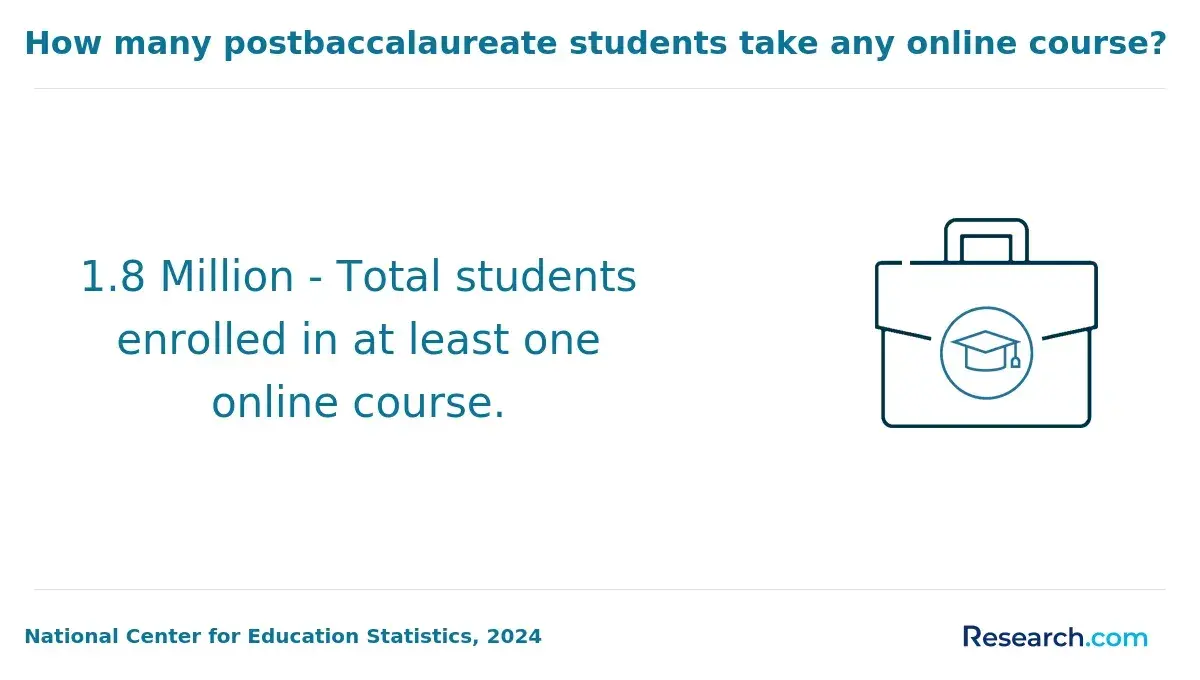
Military training and professional certifications have gained recognition as valuable prior learning but typically undergo rigorous evaluation to confirm relevance and academic rigor. Many schools limit these credits to electives or lower-division requirements to preserve program integrity and align with employer expectations. According to the 2024 National Center for Education Statistics, nearly 60% of institutions report increased credit awards for prior learning through portfolios or certifications, reflecting shifting acceptance of alternative credentials.
These evolving policies offer adult learners and military-affiliated students more flexible pathways but demand careful academic planning, as residency rules and program-specific standards often restrict how many transferred credits apply directly to degree milestones, influencing both cost and graduation timelines.
Which Alternative Credits Are Most Commonly Accepted by Information Systems Programs?
Alternative credit acceptance in Information Systems programs functions as a strategic mechanism to enhance degree access and accelerate completion for adult learners rather than merely extending transfer options. Credit for prior learning (CPL) portfolios often require detailed institutional review to align work experience with academic competencies, making them valuable but sometimes limited by course equivalency and residency policies. Military training credits, supported by the American Council on Education's recommendations, are widely acknowledged, yet their transferability hinges on program-specific acceptance and the relevance of military coursework to IS curricula. Similarly, workforce certifications like CompTIA or Cisco certifications undergo case-by-case evaluation, reflecting institutional discretion and the sporadic nature of industry credential recognition within academic frameworks. This nuanced landscape demands careful planning by transfer students to avoid expirations or credit redundancy that could delay graduation.
Approximately 70% of universities offering information systems degrees have formal policies incorporating these alternative credentials, evidencing growing but uneven adoption, as highlighted in the Council for Adult and Experiential Learning's 2024 data. Exams such as CLEP and DSST facilitate credit for foundational courses but are typically capped to protect academic rigor in upper-division requirements. Online and competency-based assessments endorsed by bodies like ACE increasingly support flexibility, yet still encounter variability in institutional limits and acceptance. For adult learners balancing affordability and speed, understanding these transfer credit for alternative credentials in information systems programs is crucial for optimizing degree pathways. Strategic use of these credits can reduce time and cost but requires alignment with program-specific rules, which remain a significant barrier. For those weighing digital and traditional routes, exploring an online cybersecurity degree can also illustrate how evolving credit policies extend practical options in related fields.
How Are Information Systems Schools Improving Transfer Pathways for Community College Students?
Improving transfer pathways has become essential for information systems programs aiming to retain working adults and military-affiliated students who rely heavily on previously earned credits to shorten time to degree. Schools have increasingly implemented formal articulation agreements and dual-admission partnerships that clearly define course equivalencies and streamline credit evaluation, addressing the 38% credit loss rate reported by the National Student Clearinghouse in 2024. However, students still face institutional variability; some programs cap transferable credits or exclude key technical courses, forcing careful pre-enrollment planning to avoid unexpected delays. The adoption of block transfer policies and prior learning assessments further reduces redundant coursework, which can substantially impact tuition costs and academic momentum for transfer students balancing life and work obligations.
Transfer advising has evolved with specialized support units that help students navigate ambiguous credit policies and optimize course selections, though the availability and quality of this advice vary widely, influencing degree completion timelines. Data analytics tools are also deployed to predict transfer outcomes, enabling proactive interventions, but these technologies are not uniformly implemented. Consequently, transfer students must assess each institution's credit acceptance practices and transfer-friendly degree maps critically. This pragmatic approach is necessary because, despite broad progress, many schools still present obstacles that complicate seamless credit articulation for community college transfers pursuing information systems degrees.
A community college transfer student recounted initially receiving conflicting information about which technical electives would count toward an information systems bachelor's degree. Unsure if their prior coursework in database management would apply, the student sought help from a dedicated transfer advisor who reviewed existing articulation agreements and facilitated a thorough transcript evaluation. Although some credits were initially flagged as non-transferable, the advisor identified alternative pathways involving block transfer rules and prior learning assessments that preserved most credits. The student described feeling cautiously optimistic after this process but noted ongoing challenges in mapping out remaining required courses to avoid extending their time to graduation.
How Can Transfer Credits Help Information Systems Students Graduate Faster?
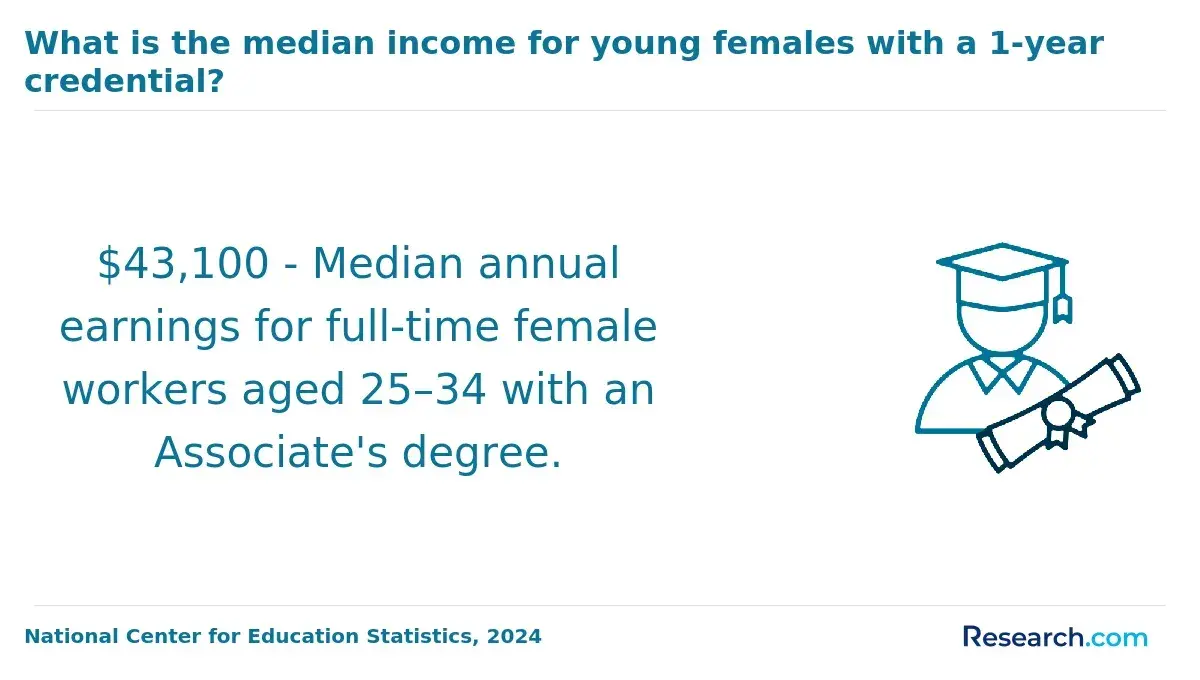
Transfer credit policies for information systems students critically shape how quickly they can complete degree requirements, but not all credits provide equal value. Acceptance often hinges on whether credits fulfill core technical courses or only count as electives, which affects the actual time saved.
Adult learners, working professionals, and military-affiliated students must carefully assess how residency requirements, sequencing of upper-division courses, and program-specific graduation mandates might limit the applicability of previously earned credits despite accelerated degree completion through transfer credits in information systems.
Institutions that adopt flexible prior learning assessment (PLA) options-recognizing competencies from military training or industry certifications-offer pathways that genuinely compress timelines when effectively integrated. However, transfer students still face credit loss risks when credits do not align with curriculum standards, potentially extending enrollment and increasing overall cost.
Strategic planning is essential, especially when interpreting articulation agreements with community colleges or workforce programs and balancing the possibility of credit acceptance against remaining degree burdens. Students seeking condensed formats can explore 5 week college courses online as part of their enrollment strategy to complement transfer credits and manage educational affordability.
How Much Money Can Students Save Through Information Systems Transfer Credit Opportunities?
Transfer credit policies in information systems programs can significantly alter the financial realities of degree completion, yet the benefits hinge on nuanced institutional rules. For example, a working professional leveraging military training and prior certifications might reduce their coursework by nearly a full academic year, directly translating into thousands of dollars saved in tuition and related expenses. However, these savings are tempered by residency requirements and credit caps-many programs limit transfer acceptance to between 60 and 90 credits, compelling students to complete a substantial portion of their bachelor's degree at the awarding institution, which can dilute cost reductions and extend time to degree.
Community college pathways often present an economically efficient route, as their credits typically cost half of those at four-year universities and can transfer up to 60 credits toward information systems degrees. Despite the apparent cost advantages, up to 40% of submitted transfer credits may be rejected or deemed non-applicable due to course equivalency restrictions, especially impacting military-affiliated and adult learners whose prior learning may not align neatly with program curricula. This loss not only reduces immediate tuition savings but can also delay workforce re-entry, highlighting the importance of careful evaluation of credit transfer policies and proactive dialogue with academic advisors to optimize educational investment and manage realistic expectations around degree planning.
How Are Information Systems Programs Supporting Military Students and Workforce Learners Through Transfer Credits?
Information Systems programs increasingly face the challenge of reconciling varied military training and workforce certifications with academic credit frameworks, revealing uneven acceptance that directly impacts degree progression. Although expanded prior learning assessments (PLA) now cover roughly 75% of institutions according to the American Council on Education (ACE), many military-affiliated students must still navigate inconsistent credit articulation processes, often requiring time-consuming advocacy to translate military occupational specialties into relevant Information Systems credits. This variability means that while some students significantly reduce redundant coursework, others face prolonged timelines and additional credit requirements despite substantial prior experience.
Workforce credentials such as CompTIA, Cisco, and cloud certifications are gaining traction as credit-eligible prior learning, reflecting industry demand for applied skills rather than purely academic knowledge. However, lack of standardized policies across programs creates practical barriers for adult learners attempting to leverage these certifications fully toward degree completion. The National Center for Education Statistics (NCES) highlights that adult learners still lose an average 15-20% of transfer credit potential, a gap that translates into extra semesters or courses that can delay entry or reentry into the workforce. Flexible degree pathways, including competency-based models and online formats, mitigate some access issues but do not eliminate the fundamental challenge of aligning real-world learning with institutional credit policies.
What Transfer Credit Innovations Are Shaping the Future of Information Systems Education?
Recent shifts in transfer credit innovations are significantly reshaping access and degree mobility for adult learners in information systems education by expanding pathways that recognize diverse prior experiences. For example, the increasing adoption of AI-assisted transcript evaluation, reported to have risen 17% in the past year, accelerates credit review processes but often struggles to fully capture interdisciplinary or military training credits. This creates a strategic tradeoff for institutions balancing speed and accuracy, leaving adult and military-affiliated students to navigate inconsistent credit acceptance that can prolong degree completion if not carefully managed. Such technology-driven credit assessment methods for adult learners demand informed planning to leverage opportunities without compromising academic quality.
Competency-based education (CBE) models and expanded credit for prior learning (CPL) policies are particularly impactful for students integrating workplace and military experience, offering more flexible routes that emphasize mastery over seat time. Yet, these options require substantial faculty involvement to ensure rigorous assessment and may not be uniformly available across programs, affecting long-term educational accessibility and workforce alignment. Concurrently, digital credentialing and blockchain initiatives promise improved credit portability across institutions but remain hampered by standardization challenges, which complicates transfer decisions. For those juggling responsibilities, understanding how such innovations operate in practice-and considering factors like credit articulation and degree requirements-can inform more efficient degree planning and avoid unnecessary delays.
Adult learners evaluating information systems programs should consider these dynamic transfer policies alongside traditional factors, including potential career outcomes and pay scales, such as how much do forensic psychologists make. While these transfer credit innovations hold promise for reducing time to degree, their uneven implementation and resource demands require students to critically assess how prior learning will be recognized and validated to support realistic educational and employment goals.
How Can Adult Learners Maximize Transfer Credits in a Information Systems Program?
Maximizing transfer credits in an information systems program demands a strategic approach that anticipates institutional policies and credit evaluation nuances. For example, an adult learner transferring from a community college should proactively obtain detailed syllabi and course descriptions to align previous coursework with program requirements, as many institutions apply stringent equivalency standards that can limit credit acceptance.
According to a 2023 National Student Clearinghouse report, around 65% of transfer students carry over at least 12 credits, yet many encounter lost applicability due to outdated syllabi or non-matching course content. Understanding these evaluation challenges helps students make informed decisions that impact time-to-degree completion and can reduce redundant coursework and overall educational costs.
Leveraging strategies like credit for prior learning (CPL), including military training, industry certifications, and professional experience, is crucial in contemporary information systems degrees. The Council for Adult and Experiential Learning's 2024 research highlights workforce credit recognition as an increasing trend, but this requires careful documentation and acceptance negotiation. Adult learners should integrate transfer credit policies for adult learners in information systems programs with deliberate degree-mapping and academic advising to optimize course sequencing and residency requirements.
Selecting flexible programs that offer alternative credentialing pathways ensures credits meaningfully contribute to employability without sacrificing academic rigor. Those seeking accelerated paths might also explore options such as EdD without dissertation, reflecting a broader shift toward adaptable degree-completion models.
References:
- How Prior Learning Can Help Students Accelerate Into the Future of Work https://www.cael.org/resouces/pathways-blog/how-prior-learning-can-help-students-accelerate-into-the-future-of-work
- Streamline Adult Learner Enrollment: Best Practices Guide - Collegis Education https://collegiseducation.com/insights/streamline-adult-learner-enrollment-best-practices-guide/
- New Lessons for Improving Community College Transfer to Independent Institutions - Ithaka S+R https://sr.ithaka.org/blog/new-lessons-for-improving-community-college-transfer-to-independent-institutions/
- College Credit for Heroes: Accelerating Degree Completion | Journal of Veterans Studies https://journal-veterans-studies.org/articles/10.21061/jvs.v8i1.264
- Adult Postsecondary Learners: Reviewing the Data and Evidence https://www.jff.org/idea/adult-learners/
- The Complete Guide to Alternative College Credit: Save Time, Save Money, Graduate Faster https://www.straighterline.com/blog/degreecompletion-the-complete-guide-to-alternative-college-credit-save-time-save-money-graduate-faster
- Frequently Asked Questions About TES https://tes-support.collegesource.com/article/349-tes-faqs-list
- 4 Ways Transfer Students Can Maximize College Credits for Prior Experience https://www.umassglobal.edu/blog-news/4-ways-transfer-students-can-maximize-college-credits-prior-experience
- Making technology work for adult learners: our 6 key research findings - European Association for the Education of Adults https://eaea.org/2025/09/04/making-technology-work-for-adult-learners-our-6-key-research-findings/
- Top Online Schools That Accept Transfer Credits https://www.edvisorly.com/student-guides/online-schools-that-accept-transfer-credits
Other Things You Should Know About Information Systems
Transfer credit policies differ significantly across institutions and can directly affect how quickly an adult learner completes an information systems degree. Programs with more restrictive credit acceptance often require students to retake foundational courses, resulting in additional semesters and higher costs. Prioritizing schools that clearly outline their credit evaluation criteria and have flexible articulation agreements may reduce redundant coursework and better align with prior learning, allowing for a more efficient path to degree completion.
Yes, accepting more transfer credits can sometimes mean sacrificing curricular consistency or the depth of core information systems competencies. Programs that are too lenient may award credits for courses with content that does not fully align with their learning outcomes, potentially leaving gaps in critical skills employers expect. Adult learners should evaluate how transfer credits fit into their program's required competencies and consider whether additional non-credit preparatory work or certification might be necessary to meet professional standards.
Military and workforce learners often have non-traditional learning backgrounds, including training and certifications that may or may not translate into information systems credit. These learners should verify whether their prior experiences align with the specific technical requirements of the target program. Additionally, because employer recognition of credentials varies, prioritizing transfer credits that match industry-recognized standards or certifications can enhance employability and reduce the need for remediation.
While maximizing transfer credits can shorten time to graduation, adult learners may miss out on up-to-date knowledge and networking opportunities offered by current coursework. Engaging with in-person or live online classes provides exposure to evolving technologies and collaborative projects that better mirror workplace environments. A recommended approach is to strategically apply transfer credits for foundational knowledge but intentionally complete advanced or specialization courses within the program to maintain rigor and practical relevance.