2027 Information Systems ROI by Institution Type: Public vs Private vs Nonprofit Online Programs

Co-Founder and Chief Data Scientist
A prospective Information Systems student compares three online programs: a public university with low tuition but modest graduation rates, a private nonprofit offering extensive career support, and a smaller nonprofit with notably higher average student debt.
A 2024 National Center for Education Statistics report reveals that graduates from private nonprofits face, on average, 23% more debt than their public counterparts, impacting their net ROI despite often stronger institutional resources. This discrepancy reflects enrollment shifts toward institutions emphasizing support rather than cost alone, underscoring that sticker price masks true value and debt risk.
This article examines ROI differences across public, private, and nonprofit online Information Systems programs to clarify these tradeoffs and guide informed choices.
Key Things to Know About Information Systems ROI by Institution Type
- Private online institutions typically have higher tuition, leading to greater debt exposure; this tradeoff demands careful assessment of accelerated program options versus long-term financial strain for cost-conscious students.
- Public online programs frequently show stronger employer recognition due to extensive accreditation networks, enhancing career advancement potential but often requiring longer completion times relative to private peers.
- Nonprofit online programs balance moderate costs with robust learner support services, improving completion rates; however, variability in regional reputation can influence job market outcomes and long-term ROI.
- What Does ROI Mean for a Information Systems Program and How Is It Measured? Understanding Information Systems Program ROI
- How Do Public, Private, and Nonprofit Online Information Systems Programs Differ in Overall Value? Value by Institution Type
- How Do Tuition Costs Affect the ROI of a Information Systems Program Across Institution Types? Tuition Costs and ROI
- How Do Graduation Rates Influence Information Systems Program ROI? Graduation Rates Impact ROI
- What Role Do Career Outcomes Play in the ROI of a Information Systems Degree? Career Outcomes and ROI
- How Does Student Debt Impact the Long-Term ROI of a Information Systems Program? Debt vs. Long-Term ROI
- How Do Flexibility and Adult Learner Support Affect Information Systems Program Value? Flexibility and Program Value
- How Do Accreditation and Institutional Reputation Influence Information Systems ROI? How Do Accreditation and Institutional Reputation Influence Information Systems ROI?
- How Does Time-to-Degree Affect the ROI of Public, Private, and Nonprofit Information Systems Programs? How Does Time-to-Degree Affect the ROI of Public, Private, and Nonprofit Information Systems Programs?
- How Can You Choose the Best Information Systems Program Based on Your ROI Goals? Choosing Programs by ROI
What Does ROI Mean for a Information Systems Program and How Is It Measured?
Return on investment for an information systems program demands a nuanced evaluation that goes well beyond comparing tuition prices or initial salary projections. Total educational costs, including fees and potential debt, must be balanced against graduation rates, time-to-degree completion, and institutional reputation, all of which influence long-term career prospects.
For example, choosing a lower-cost public program with a 57% completion rate may defer earnings and increase opportunity costs if delays extend the time before entering the workforce, while a nonprofit program boasting a 65% completion rate might justify higher upfront spending through improved graduation success and career readiness.
Incorporating such multi-dimensional ROI measurement methods helps prospective students avoid overly simplistic financial calculations that overlook critical academic and operational realities.
Decisions around calculating return on investment for information systems degrees also hinge on individual circumstances, such as a student's need for flexibility, support services, and career goals.
Private and nonprofit programs often integrate internships, certifications, or project-based learning to align with employer preferences, which increasingly value practical experience alongside academic credentials. These elements can drive stronger placement outcomes and justify higher expenses by enhancing workforce integration, especially for career changers or working professionals.
An informed assessment requires comparing these qualitative factors alongside quantitative metrics, acknowledging that lower tuition alone does not guarantee superior ROI, particularly when weighed against longer completion times or limited career supports.
Students looking for accelerated pathways may also explore colleges with accelerated psychology programs as a comparative perspective on how program pacing and curricular design affect ROI in related fields.
Ultimately, the best ROI calculation reflects a comprehensive analysis of personal conditions and market realities while emphasizing career outcomes, educational quality, and debt management rather than relying solely on cost or salary projections. Such an approach promotes informed, strategic decision-making grounded in realistic expectations and measurable program outcomes.
How Do Public, Private, and Nonprofit Online Information Systems Programs Differ in Overall Value?
Public, private, and nonprofit online Information Systems programs diverge significantly in how they shape long-term value, with factors like affordability, institutional reputation, and student outcomes deeply affecting return on investment. Public institutions generally offer lower tuition for in-state learners and tend to yield reduced student debt-graduates from these programs carry roughly 20% less debt on average-yet may provide fewer career services compared to nonprofit alternatives.
Conversely, nonprofit programs often command stronger accreditation and reputational prestige, which many employers favor, along with robust networking and counseling resources that enhance job placement, though they typically come with higher costs and potentially greater financial burden.
Private for-profit options, while often more expensive and less consistently recognized by employers, can deliver niche expertise and accelerated completion schedules, appealing primarily to career changers or professionals needing targeted skills quickly.
These differences translate into tradeoffs relevant to financial and professional priorities. A working adult balancing cost and flexibility might prioritize a public program's asynchronous design and manageable debt, accepting somewhat limited career support.
Those with stronger emphasis on marketable credentials and institutional prestige may find nonprofit offerings more suitable despite the increased investment, leveraging enhanced employer perception to justify higher tuition. Private for-profit programs can serve specific industry niches but carry unpredictable ROI risks tied to employer acceptance and student outcomes.
Decision-making thus requires careful alignment of individual goals with institutional strengths, considering not only sticker price but how completion rates, employer recognition, and debt load converge to impact both educational and career trajectories.
One prospective student wrestled with whether to enroll in a well-regarded nonprofit online Information Systems program that promised extensive career services but came with steep tuition and loan concerns. She contrasted this with a public program offering lower costs and flexible scheduling but less personalized job support.
Ultimately, prioritizing long-term financial stability and reputable accreditation, she chose the nonprofit track despite initial hesitation about the debt, reassured by the program's high graduation rates and employer respect. Her deliberation reflected the complex, situation-dependent balancing act many face when weighing educational pathways beyond simple price comparisons.
How Do Tuition Costs Affect the ROI of a Information Systems Program Across Institution Types?
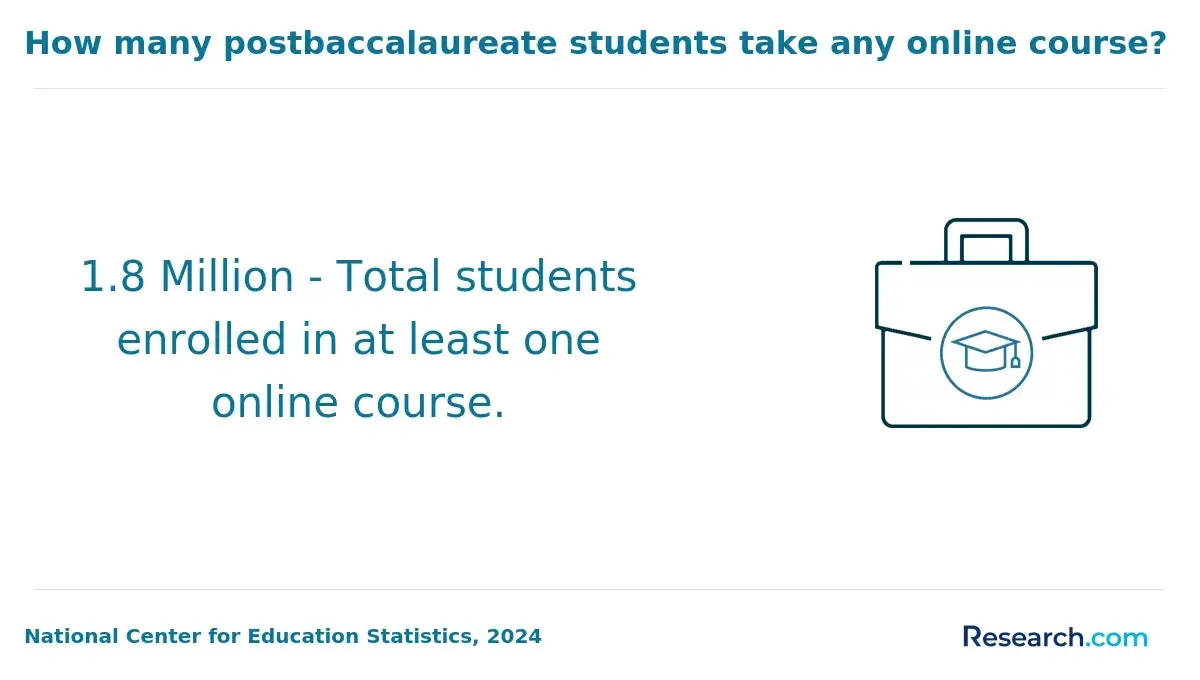
Tuition costs play a critical role in shaping the return on investment for online information systems programs, but interpreting these costs requires nuance beyond sticker prices. Public universities, particularly for in-state students, tend to offer lower net tuition-often around 40% less than private nonprofit options according to 2024 NCES data-which can ease debt burdens and improve early financial outcomes.
However, lower tuition does not guarantee superior ROI; private nonprofits frequently provide enhanced career services, smaller class sizes, and stronger alumni networks that can translate into higher starting salaries, despite a 30% higher average debt load reported by the Education Advisory Board.
For working adults or career changers, nonprofit institutions often strike a middle ground between cost and flexibility, offering tailored advising and accelerated paths that reduce time to degree and opportunity costs. These factors can be as influential as tuition in determining overall value, especially when balancing work and study commitments.
Prospective students must weigh whether upfront tuition savings at public universities offset potentially slower career progression or less individualized support, while the higher expense of private programs may be justified if the salary lift and networking advantages align with long-term professional goals.
Ultimately, evaluating ROI demands a comprehensive view that includes graduation rates, retention, and time-to-completion alongside financial metrics.
The choice between public, private, and nonprofit online information systems programs hinges on individual circumstances such as debt tolerance, career objectives, and learning preferences-not merely price alone. Recognizing these tradeoffs enables learner-investors to align educational expenditures with realistic employment outcomes and lifetime earnings trajectories rather than defaulting to a cost-minimization approach.
How Do Graduation Rates Influence Information Systems Program ROI?
Graduation rates serve as a significant but nuanced indicator when assessing the return on investment (ROI) of online information systems programs. Public institutions generally report higher completion rates-around 60% for full-time students-reflecting structured academic support and accountability that often translate to faster degree attainment and lower cumulative debt.
By contrast, private and nonprofit online programs tend to enroll more part-time and nontraditional learners, whose extended time-to-degree can dilute completion percentages but may still offer value through career-relevant skill development during enrollment. This distinction is critical for cost-conscious adult learners and career changers weighing program affordability against flexibility and support.
Comparing ROI across public, private, and nonprofit online information systems programs requires understanding these institutional differences in student populations and services. Programs with robust persistence initiatives and targeted support for working students can mitigate challenges that prolong study, helping to contain costs and debt despite slower graduation rates.
According to the National Center for Education Statistics in 2024, programs with better graduation outcomes consistently correlate with lower student debt loads and faster workforce entry, highlighting the complex relationship between completion rates and financial returns. For students navigating these tradeoffs, skills and practical experience often weigh as heavily as diploma timelines in employer evaluations.
Prospective students should also consider alternatives like the cheapest online EdD programs no GRE for insights on balancing cost and admission criteria when selecting educational pathways. Ultimately, graduation rates can offer a useful lens on institutional effectiveness but should be contextualized within broader measures of ROI that include academic flexibility, student support, financial burdens, and post-graduation career outcomes.
What Role Do Career Outcomes Play in the ROI of a Information Systems Degree?
Career outcomes are a decisive factor in assessing the ROI of online information systems degrees, as differences in employment rates, employer recognition, and job market alignment significantly impact long-term value. For example, the 2024 National Center for Education Statistics highlights that 87% of graduates from public online programs find jobs within six months, slightly outperforming private (82%) and nonprofit (85%) programs.
This discrepancy often reflects varying institutional ties to regional employers and workforce initiatives, which can accelerate placement for public program alumni. However, private programs may deliver niche specialization and stronger professional networks, offering advantages for students seeking roles in specialized sectors where targeted skills and connections outweigh broad employment rates.
Evaluating ROI also requires weighing career mobility and debt burden. Nonprofit online programs frequently aim to balance flexible scheduling with skill adaptability, appealing to career changers or working professionals unwilling to accumulate excessive debt.
The interplay between tuition costs, time-to-degree, and actual career outcomes means that even slightly lower placement rates could still result in superior overall ROI if graduates maintain stable employment with opportunities for incremental growth.
Geographic location and prior experience further influence how program type translates into job advancement. It is crucial for prospective students to consider how these factors align with their professional goals and financial constraints.
One graduate who completed an online information systems degree recounted initial doubts about the program's value, particularly whether it would facilitate meaningful career progression beyond a baseline credential. Early on, internal promotions and added responsibilities at their employer felt tenuous, but over a year the degree's relevance became clearer as supervisors increasingly recognized the coursework's applicability to emerging projects.
The graduate appreciated the ability to leverage specific skills learned online in daily tasks, underscoring that the degree's ROI extended beyond salary figures to tangible professional credibility and role expansion within their existing organization.
How Does Student Debt Impact the Long-Term ROI of a Information Systems Program?
Higher student debt levels can significantly delay the point at which graduates of online information systems programs realize a positive return on investment, particularly when comparing public, private, and nonprofit institutions. Private programs tend to carry a heavier loan burden due to elevated tuition and less access to subsidized aid, pushing graduates to allocate more early-career income toward repayment rather than savings or advancement opportunities.
For example, an individual graduating from a private online program with 30% more debt than a public counterpart may face prolonged financial pressure that restricts flexibility in career moves or further education, which weighs heavily on the long-term financial impact of student loans on information systems graduates.
Graduation timelines and institutional support also shape these outcomes; nonprofit programs often exhibit lower cohort default rates, suggesting better career support and repayment structures that help manage debt consequences more effectively.
However, lower upfront debt does not inherently ensure superior ROI if programs lack strong employer recognition or comprehensive curricula, potentially slowing salary growth and lifetime earnings. Adult learners and working professionals must, therefore, consider total borrowing against the quality of education and career relevance, balancing these factors with personal financial goals.
Prospective students unfamiliar with how debt influences ROI might explore alternatives like an office administration course to build foundational skills while minimizing debt exposure.
How Do Flexibility and Adult Learner Support Affect Information Systems Program Value?
Flexibility in scheduling and targeted support services are pivotal in shaping the practical value and ROI of online Information Systems programs, especially for working adults managing competing responsibilities. The widespread adoption of asynchronous course formats-which over 60% of students prefer according to a 2024 report by the National Center for Education Statistics-allows learners to progress without fixed class times, reducing time-to-degree and mitigating income loss during study.
However, this flexibility often comes with tradeoffs: public institutions may offer lower tuition but less personalized advising, whereas private programs, while costlier, tend to provide more robust support designed for adult learners, including proactive academic advising and accessible faculty, which can improve persistence rates significantly.
Such differentiated student services have measurable impacts; research from the Community College Research Center indicates that learners actively using advising and career counseling persist 25% more often, which can translate into higher graduation rates and better long-term outcomes.
Military-affiliated students and career changers must also weigh transfer credit policies and accommodations, where public institutions typically maintain more established frameworks, yet private and nonprofit schools often deliver specialized flexibility aimed at nontraditional students.
While these factors enhance educational access and retention, employers emphasize proven technical skills and practical internship experience, meaning that flexibility and support alone do not guarantee favorable employment or salary results. Making informed decisions about program value requires evaluating these nuanced tradeoffs in affordability, support quality, and curricular rigor within the context of individual career goals and workforce expectations.
How Do Accreditation and Institutional Reputation Influence Information Systems ROI?
Accreditation and institutional reputation substantially influence the return on investment (ROI) for online information systems programs by shaping credit transferability, licensure eligibility, and employer trust. For instance, graduates from regionally accredited programs experience a 15% higher employment rate within six months, according to data from the Council for Higher Education Accreditation in 2024.
This difference reflects not only regulatory recognition but also employer confidence in the curriculum's rigor and relevance, which private or nonprofit institutions with strong industry ties can sometimes match or exceed despite lesser brand prestige.
Decisions between public, private, and nonprofit online schools often hinge on how these factors balance against tuition costs and student debt burdens. Public institutions tend to offer wider accreditation and lower fees, benefitting cost-conscious learners, though they may lack the personalized support that enhances practical skill development and networking found at some smaller, specialized nonprofits.
Employers generally prioritize degrees recognized by reputable regional or programmatic accreditors, but institutional reputation also intersects with career services, graduation rates, and graduate outcomes, all crucial for maximizing ROI in a competitive labor market.
Prospective students should consider accreditation and institutional reputation alongside a program's capacity to support internships, career counseling, and real-world experience, which directly affect employability and salary growth over time. While reputation alone does not guarantee success, it often signals consistent academic quality and industry relevance, factors that, combined with manageable costs, fundamentally drive the long-term value of an information systems degree.
How Does Time-to-Degree Affect the ROI of Public, Private, and Nonprofit Information Systems Programs?
Time-to-degree significantly affects the return on investment for public, private, and nonprofit online information systems programs by directly influencing tuition costs, opportunity expenses, and career timing. For instance, students at public institutions often face longer timelines-sometimes exceeding six years due to part-time enrollment or interruptions-which can increase debt and delay entry into higher-paying roles.
In contrast, nonprofit programs frequently offer accelerated paths closer to three years and accept more transfer credits, reducing overall costs and shortening the time before salary increases begin. However, accelerated timelines may increase stress and dropout risks, particularly for learners balancing work and family.
Completion speed effects on ROI for public, private, and nonprofit information systems degrees extend beyond tuition and debt. Private institutions generally report higher graduation rates, improving the likelihood of timely completion and earlier workforce advancement.
Meanwhile, the flexibility of part-time study at public schools may ease personal constraints but can lengthen degree duration, increasing total expenses despite lower per-term costs. These tradeoffs require cost-conscious adult learners to weigh program rigor, transfer policies, and enrollment intensity carefully.
Employer preferences often favor candidates demonstrating timely degree completion tied to effective time management, which can influence early career progression and long-term earnings.
Students interested in evaluating these factors might consider program-specific cost and duration data, especially when comparing options for an online degree in mechanical engineering or related fields. Ultimately, the real-world balancing of flexibility, transferability, and completion speed critically shapes the ROI of an online Information Systems program and should drive informed decision-making based on individual circumstances.
How Can You Choose the Best Information Systems Program Based on Your ROI Goals?
The highest ROI in information systems programs hinges less on institution type and more on aligning choices with individual priorities such as affordability, time-to-degree, and career trajectory. Public online programs often deliver a cost advantage, reducing total expenses by up to 60% compared to private counterparts, which can significantly lower student debt-a critical factor for many working adults balancing family and job commitments.
However, this cost savings may come with tradeoffs, as private and nonprofit online programs frequently offer stronger career services, better graduation rates, and wider employer networks that can enhance long-term earning potential and professional advancement.
Evaluating information systems ROI comparison for public private nonprofit programs requires attention to accreditation and institutional reputation, which influence employability and eligibility for specialized roles. Programs with recognized accreditation such as ABET tend to meet industry standards more closely, affecting hiring outcomes and salary expectations.
Learner support, scheduling flexibility, and transfer policies also weigh heavily, helping students manage education alongside existing responsibilities and potentially accelerating degree completion. Given these variables, prospective students should consider how their financial situations, career goals, and time constraints inform the balance between upfront costs and future returns.
Students seeking a nuanced perspective may find value in exploring online MLIS programs accredited ALA, which exemplify standards that can similarly apply to information systems education paths. Ultimately, a personalized assessment of program quality, cost, support services, and expected career outcomes remains essential to choosing the best information systems program based on your ROI goals.
References
- Nonprofit vs For-Profit Universities: What's the Difference? | CSU-Global https://csuglobal.edu/blog/nonprofit-vs-profit-universities-whats-difference
- View of Evaluating University Degree Programs Regarding the Effective Use of Public and Private Funding https://www.econjournals.com/index.php/irmm/article/view/3307/pdf
- Bridging Education and Opportunity: Exploring the ROI of Higher Education and Workforce Development — HCM Strategists https://hcmstrategists.com/resources/ucmfwg7ha7zzeug6nb3dlawh3poziz
- Is College Worth it? | Return on Investment Analysis of College Degree https://educationdata.org/college-degree-roi
- Student Information System ROI Calculator for Schools and Universities - Classe365 https://www.classe365.com/blog/student-information-system-roi-calculator-for-schools-and-universities/
- Maximizing ROI with the Right Project Management Software https://es.celoxis.com/article/maximizing-roi-right-project-management-software
- Technology ROI: How to measure and maximise the value of your technology investment - Zenzero https://zenzero.co.uk/news/technology-roi-how-to-measure-and-maximise-the-value-of-your-technology-investment
- Information Technology and Systems | University of Phoenix https://www.phoenix.edu/articles/it/information-technology-and-systems-differences.html
- How to Calculate the ROI of Your College Degree - The College Funding Coach https://www.thecollegefundingcoach.org/how-to-calculate-the-roi-of-your-college-degree/
Other Things You Should Know About Information Systems
Curriculum rigor often differs substantially across public, private, and nonprofit online programs, directly influencing graduate preparedness and employability. Public institutions may emphasize foundational technical skills but sometimes lack the depth or specialization found in many private programs, which often tailor coursework toward emerging technologies or management aspects.
This variance means employers might value degrees from one sector over another depending on the role-candidates from more rigorous private programs may have an advantage for high-demand, specialized positions, while public program graduates might excel in broader IT roles. Prospective students should prioritize how well a program's academic rigor aligns with their target job market rather than just institutional type.
Private and some nonprofit institutions often offer stronger alumni networks and industry connections that can facilitate job placements and internships, enhancing ROI in ways beyond tuition savings. However, these benefits come with higher costs.
Public institutions usually have more limited networking channels but compensate with affordability and larger class sizes that may encourage peer learning, which supports skill development.
For students prioritizing career transitions into competitive tech roles, investing in a private or nonprofit program with solid networking can justify the upfront cost. Budget-focused learners targeting local or smaller markets might gain better ROI by leveraging public programs coupled with external networking efforts.
Flexibility in online information systems programs-such as asynchronous coursework, part-time options, and extended access to faculty-is crucial for working professionals balancing job demands and study commitments.
While institutional prestige can open doors, a highly rigid program may impose opportunity costs through lost income or burnout, ultimately reducing net ROI. Public and nonprofit programs often offer greater flexibility, whereas private programs may vary widely. For career changers or those advancing within their current roles, selecting a program that fits real-life schedules and learning preferences improves completion likelihood and the value of the degree in practice.
Employers increasingly prioritize candidates with hands-on, applicable information systems skills over purely theoretical understanding. Public programs tend to emphasize technical fundamentals, which align well with entry-level demands, while private and nonprofit institutions often integrate case studies, projects, or capstones that simulate real-world challenges more intensively.
This distinction impacts ROI since degrees aligning closely with market-relevant skills tend to translate faster into job offers and salary growth. Students aiming for immediate workforce impact should assess whether the program's learning outcomes emphasize applied skills and tools preferred by employers in their target industry.