2027 Difference Between Psychology and Psychiatry: Which Discipline is Better?

Co-Founder and Chief Data Scientist
Choosing between psychology and psychiatry is not just a choice between two college majors. It is a choice between two very different ways of helping people with mental, emotional, and behavioral conditions. One path is centered on psychological assessment, therapy, behavior change, and research. The other is a medical career focused on diagnosis, medication, biological factors, and psychiatric treatment.
The decision matters because the need for mental health professionals continues to exceed supply. The Health Resources & Services Administration (HRSA) published workforce projections indicating an unmet demand of more than 50,000 psychiatrists and 100,000 psychologists by 2038 (HRSA, 2025). For students asking, “What degree should I pursue?” the better question is often: Which type of work, training timeline, cost, and patient-care role fits me best?
This guide explains the difference between psychology and psychiatry, including education requirements, specializations, costs, licensure considerations, salary, job outlook, online study options, and practical decision factors. It is designed for students comparing mental health careers, career changers exploring graduate school, and professionals deciding whether psychology, psychiatry, counseling, or another behavioral health path is the right next step.
Psychology vs. Psychiatry Table of Contents
- Main Differences Between Psychology and Psychiatry
- When Should Someone See a Psychologist or Psychiatrist?
- Why Collaboration Matters in Mental Health Care
- Ethical Responsibilities in Psychology and Psychiatry
- Can You Work in Mental Health Without a Traditional Psychology or Psychiatry Degree?
- Can You Transition Between Psychology and Psychiatry?
- Are Accelerated Master’s Programs in Psychology Worth It?
- How to Evaluate Accreditation for Online Mental Health Programs
- What to Check Before Choosing an Accelerated Mental Health Degree
- Career Support and Networking for Online Mental Health Students
- Job Outlook and Salary: Psychologists vs. Psychiatrists
- How Online Programs Help Meet Mental Health Workforce Needs
- How Online Education Supports Psychology and Psychiatry Career Paths
- How Specialized Certifications Can Strengthen Career Options
- How to Choose a Mental Health Graduate Program
Quick Answer: Psychology vs. Psychiatry
Psychology is generally the better fit if you want to focus on therapy, behavioral assessment, psychological testing, research, counseling, or human behavior. Psychiatry is generally the better fit if you want to become a medical doctor who can diagnose mental disorders, prescribe medication, manage complex psychiatric conditions, and work within medical systems.
| Decision Point | Psychology | Psychiatry |
| Primary focus | Behavior, emotions, cognition, assessment, therapy, and research | Medical diagnosis, biological causes, medication, and psychiatric treatment |
| Typical terminal credential | PsyD, PhD, or EdD in psychology for many licensed psychologist roles | MD or DO followed by psychiatry residency |
| Minimum timeline stated in this guide | Minimum of eight years | At least 12 years |
| Medication authority | Generally cannot prescribe medication, except in a few states | Can prescribe psychiatric medication |
| Best for students who prefer | Therapy, testing, research, consultation, and behavioral interventions | Medicine, neuroscience, pharmacology, hospital care, and complex diagnosis |
Main Differences Between Psychology and Psychiatry
The biggest difference between psychology and psychiatry is the training model. Psychology is rooted in behavioral science, research methods, psychological assessment, and therapeutic approaches. Psychiatry is a medical specialty, which means the path includes medical school, physician training, and residency.
Time in school is one of the first trade-offs students notice. The completion time for a psychology degree is a minimum of eight years, while the psychiatry route takes at least 12 years. That difference affects tuition, debt, opportunity cost, lifestyle, and how soon you can begin practicing independently.
Psychology vs. Psychiatry at a Glance
| Factor | Psychology | Psychiatry |
| Academic foundation | Psychological theory, human development, research, assessment, psychotherapy, and behavior | Medicine, biology, pharmacology, pathophysiology, diagnosis, and psychiatric treatment |
| Common undergraduate preparation | Psychology, social work, behavioral science, or related fields | Psychology, biology, pre-medicine, nursing, physics, chemistry, or other science-heavy majors |
| Graduate or professional training | Doctoral psychology program for many licensed psychologist roles; master’s options for selected areas | Medical school, followed by psychiatry residency |
| Typical work activities | Therapy, psychological testing, diagnosis, research, program evaluation, consultation, and behavioral interventions | Diagnosis, medication management, medical evaluation, psychotherapy, hospitalization decisions, and coordination with other clinicians |
| Work settings | Clinics, schools, hospitals, private practice, universities, government agencies, corporations, research centers, and community programs | Hospitals, outpatient clinics, private practice, academic medical centers, government agencies, correctional settings, and integrated health systems |
Specializations in Psychology and Psychiatry
Both fields include many specialization options, and compensation varies by role, employer, location, credential, and experience. Students comparing earning potential can also review related information on behavioral science degree salary and career options.
Many future psychologists and psychiatrists start with an undergraduate degree in psychology before moving into a more specialized graduate or professional program. Psychology continues to attract substantial enrollment: 24,498 undergraduate students and 114,203 graduate students were enrolled in clinical, counseling, and applied psychology programs in fall 2025 (National Student Clearinghouse Research Center). Before choosing a major, however, students should check the prerequisites for the graduate program, medical school, or licensure track they intend to pursue.
Students researching the highest paying jobs with a psychology degree will find that not all psychology roles lead to the same outcomes. Industrial-organizational psychology, neuropsychology, forensic psychology, and research psychology can lead to higher-paying or more specialized positions, but each has different training expectations and employment markets.
A psychology degree prepares students to evaluate, assess, treat, and study mental, emotional, behavioral, and learning-related concerns. Training often includes evidence-based therapy approaches such as cognitive behavioral therapy, psychoanalytic therapy, humanistic therapy, and integrative or holistic therapy; the American Psychological Association provides an overview of types of evidence-based psychotherapy approaches. Psychology students also learn how to work with individuals, couples, families, and groups in settings such as schools, clinics, hospitals, and private practices.
Psychiatry focuses more heavily on the medical and biological dimensions of mental illness. Psychiatrists are trained to diagnose and treat psychiatric conditions, use psychotherapy when appropriate, prescribe medication, and coordinate care for patients whose symptoms may involve complex medical or psychiatric factors. Common psychiatry specializations include addiction psychiatry, child and adolescent psychiatry, geriatric psychiatry, and psychiatric research.
Courses to Expect in Psychology and Psychiatry Programs
Undergraduate programs in psychology, pre-medicine, biology, or related fields typically combine general education with major coursework. Graduate psychology programs usually emphasize psychological science, clinical practice, assessment, therapy, and research. Medical training for future psychiatrists includes broad physician preparation before specialized psychiatric residency training. To compare how psychology coursework can vary by state and institution, see Research.com guides to online psychology degree Michigan programs and online psychology degree Texas programs.
Course titles differ by school, degree level, and specialization, but students commonly encounter subjects such as the following:
| Psychology Degree Courses | Psychiatry-Related Medical Courses |
| Clinical Assessment | Pathophysiology |
| Cognitive Testing | Pharmacology |
| Advanced Psychopathology | Behavioral Science |
| Psychotherapy | Genetics |
| Ethical and Legal Issues | Human Development |
Core Skills Shared by Psychologists and Psychiatrists
Psychologists and psychiatrists train differently, but effective professionals in both fields need strong clinical judgment, communication skills, emotional discipline, and the ability to work with people in distress. The following skills are especially important.
- Adaptability: Mental health care rarely follows a fixed script. Patients differ in background, diagnosis, resources, symptoms, and response to treatment. Both psychologists and psychiatrists must adjust care plans as conditions change.
- Emotional intelligence: Reading tone, emotion, risk signals, defensiveness, and distress helps clinicians build trust and respond appropriately. Emotional intelligence is also valuable when working with families, schools, physicians, social workers, and other care providers.
- Clear communication: Therapy, assessment, diagnosis, medication discussions, documentation, and professional consultation all depend on precise communication. Clinicians must listen carefully, explain options clearly, and avoid jargon that patients do not understand.
- Knowledge of mental illness: Effective care requires understanding psychological, biological, social, and environmental contributors to mental health conditions. A strong clinician avoids one-size-fits-all explanations and considers how multiple factors interact.
- Treatment planning: A treatment plan organizes diagnosis, goals, interventions, progress, and follow-up. It helps providers coordinate care and helps patients understand what they are working toward.
Education and Training Pathways
Both fields require a major investment of time, money, and sustained academic performance. The best path depends on whether you want to practice as a psychologist, physician-psychiatrist, counselor, researcher, school-based practitioner, or another mental health professional.
Psychology pathway: Many psychology specializations require a doctorate for licensure as a psychologist. Common doctoral options include a PsyD, PhD, or EdD in psychology. Some roles, including certain school psychology and industrial-organizational psychology paths, may require only a master’s degree for certification in some states. Students interested in doctoral clinical training should carefully review whether traditional or online PsyD programs accredited by the appropriate bodies meet their state’s licensing requirements. The American Psychological Association also maintains information on APA-accredited doctoral degree programs.
A full-time psychology student may spend 8 to 12 years completing undergraduate study, graduate study, supervised clinical work, and licensure requirements. A bachelor’s degree in psychology, social work, or a related area usually takes four years. Graduate study can take 4 to 6 years, followed by one or two additional years for supervised clinical work and licensing steps. Some schools offer accelerated formats, transfer-credit options, or online coursework; students comparing regional options may also find Research.com’s guide to the best psychology colleges in Texas useful.
Psychiatry pathway: Psychiatry requires physician training. A typical full-time route includes four years of undergraduate study, about four years of medical school, and another four years of psychiatry residency. Students may major in psychology, but many medical school applicants choose science-heavy programs. According to the Association of American Medical Colleges (AAMC), the most common undergraduate major among the 54,699 Medical College Admission Test (MCAT) applicants for 2025-2026 was biological sciences (32,038 applicants).
Medical school applicants must take the MCAT, a 7.5-hour exam covering critical analysis, reasoning skills, biochemistry, psychology, and other topics. Students should allow serious preparation time and review official guidance on taking the MCAT exam.
Psychiatrists usually earn an MD or DO degree before completing psychiatry residency. Psychologists may hold doctoral credentials and use the title doctor after completing a PsyD, PhD, or EdD, but they are not medical doctors unless they also complete medical training. The prescribing distinction is important: psychiatrists can prescribe medication, while psychologists generally cannot, except in a few states.
Cost of Psychology vs. Psychiatry Education
Cost can be a deciding factor. Tuition, fees, living expenses, program length, location, public versus private institution, online versus campus format, residency requirements, and lost earnings during training all affect the total investment.
College Tuition Compare claims that the average yearly cost in 2025 for an in-state undergraduate psychology program is $10,262 in tuition and fees, while for out-of-state, it is $30,752. A graduate psychology program in-state costs $11,381 in tuition and fees and $24,645 out-of-state per year on average.
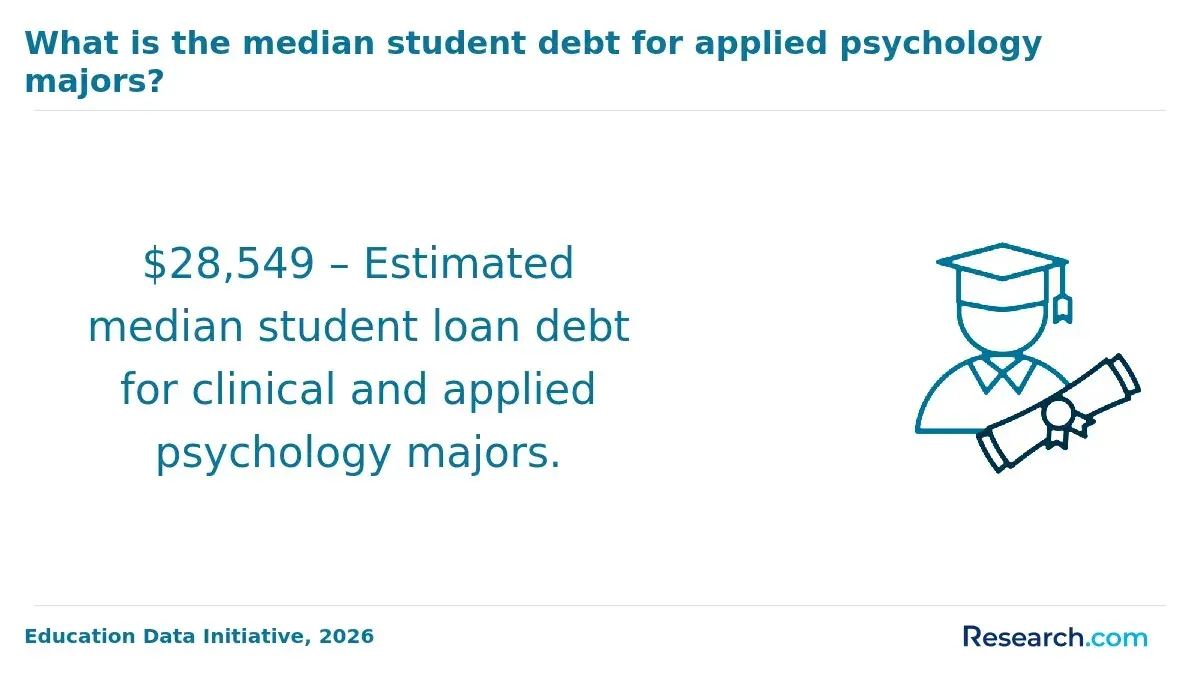
Doctoral psychology programs can also be expensive. The average cost is $103,700. A PhD costs an average of $80,210, and a PsyD costs around $115,000 or more. Medical school can cost an average of $228,959 with a yearly average cost of $59,720, according to the Education Data Initiative.
Students should compare total cost, not just tuition. Financial aid, assistantships, employer tuition support, loan forgiveness, state residency, transfer credits, and online formats may change the real cost of attendance. Psychology students can review options such as APA awards and research funding for psychology students. Students seeking a lower-cost graduate route may also compare an affordable master’s degree online, especially if their intended career does not require a medical degree or doctoral psychology license.
Work-study and teaching roles can also help reduce costs. Education Data Initiative reports that 21.7% of PhD students and 34.2% of PsyD students work as teaching assistants to help offset their education expenses.
| Cost Factor | Why It Matters | Question to Ask |
| Program length | Longer training usually means more tuition and more years before full-time professional earnings | How many years will I realistically need from enrollment to licensure? |
| Clinical placement requirements | Some programs require in-person practicum, internship, residency, or supervised hours | Will I need to relocate or reduce work hours to complete required training? |
| Accreditation and licensure fit | A cheaper program may be a poor investment if it does not meet licensing rules | Does this program meet requirements in the state where I plan to practice? |
| Debt and repayment options | High earnings are not guaranteed, and repayment burden varies by specialty | What monthly payment could I afford under different salary scenarios? |
When Should Someone See a Psychologist or Psychiatrist?
For patients, the practical difference is often about the type and severity of symptoms, whether medication may be needed, and whether medical evaluation is part of the treatment plan. Many people benefit from both types of care at different points.
When a psychologist may be appropriate: Psychologists commonly help people dealing with anxiety, depression, grief, stress, relationship difficulties, behavioral concerns, trauma-related symptoms, learning issues, and life transitions. They may provide therapy, testing, diagnosis, behavioral strategies, and support for individuals, couples, families, or groups.
When a psychiatrist may be appropriate: Psychiatrists are often involved when symptoms are severe, complex, persistent, or likely to require medication. A patient may see a psychiatrist after referral from a primary care physician, therapist, emergency department, or another provider. Psychiatrists commonly treat conditions such as schizophrenia, bipolar disorder, post-traumatic stress disorder (PTSD), severe depression, suicidal thoughts, self-harm risk, and psychiatric conditions that significantly interfere with daily life.
| Situation | Often Start With | Why |
| Stress, relationship problems, anxiety, mild to moderate depression, or coping concerns | Psychologist | Therapy, assessment, and behavioral interventions may be the primary need |
| Possible need for psychiatric medication | Psychiatrist | Psychiatrists can prescribe and monitor medication |
| Severe mood swings, hallucinations, psychosis, or major functional impairment | Psychiatrist, often with therapy support | Medical evaluation and medication management may be urgent or necessary |
| Learning, cognitive, personality, or diagnostic assessment | Psychologist | Psychologists often conduct structured psychological testing and interpretation |
How Psychology and Psychiatry Work Together
Psychologists and psychiatrists are not competing professions. In many cases, they provide complementary care. A psychologist may deliver therapy and psychological assessment while a psychiatrist manages medication and medical risk factors. A psychiatrist may also refer a patient to a psychologist for therapy, testing, or behavior-focused treatment.
This collaboration is especially important because mental health needs are widespread. The National Institute of Mental Health (NIMH) estimates that 59 million U.S. adults have a mental illness. That is one in five adults.
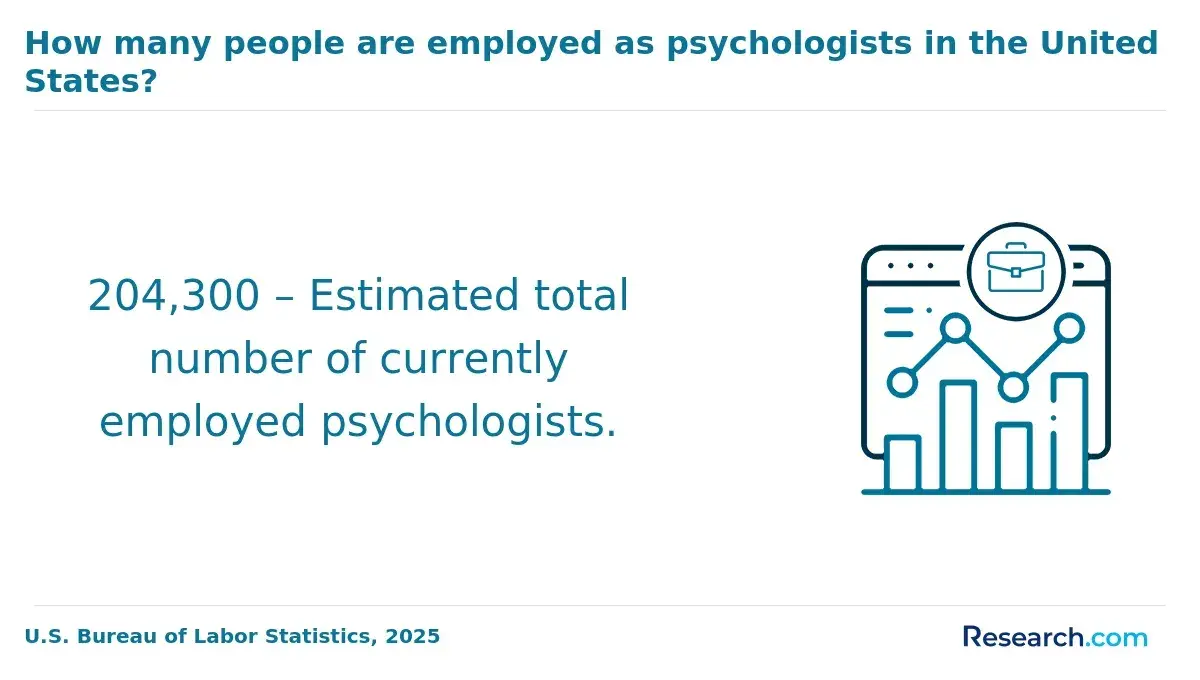
Access remains uneven. Moreover, 137 million people live in a Mental Health Professional Shortage Area. However, the American Psychiatric Association reports that there are only about 45,000 psychiatrists. Meanwhile, the U.S. Bureau of Labor Statistics gives an estimate of 27,100 employed psychiatrists and 204,300 psychologists.
Why Collaboration Matters in Mental Health Care
Mental health conditions often involve more than one cause and more than one type of intervention. A patient with severe depression, for example, may need psychotherapy, medication review, safety planning, family support, primary care coordination, and workplace or school accommodations. No single provider can always meet every need.
Interdisciplinary care brings psychologists, psychiatrists, counselors, social workers, primary care physicians, nurses, case managers, and community organizations into a coordinated plan. In a hospital or integrated health system, a psychologist might focus on cognitive-behavioral treatment while a psychiatrist manages medication for a patient with bipolar disorder or schizophrenia. In a school or community clinic, a psychologist may complete assessment while another provider handles family support or medical referral.
Technology is also changing collaboration. Telehealth can make it easier for professionals to consult across locations, particularly in underserved areas. Simulation-based training and online learning can help future clinicians practice team-based care before entering independent practice. Students interested in specialized roles should consider how their chosen field fits into broader care teams; for example, those exploring performance and athletics can review the sports psychologist job outlook as part of career planning.
Ethical Responsibilities in Psychology and Psychiatry
Ethics shape every part of mental health practice. Because clients may disclose highly personal information, experience impaired judgment, or face serious risk, psychologists and psychiatrists must follow professional standards that protect patient welfare and autonomy.
- Confidentiality: Patient information must be protected unless disclosure is legally or clinically required, such as when there is risk of harm to self or others.
- Informed consent: Patients should understand the purpose, risks, benefits, limits, and alternatives of assessment, therapy, medication, or other treatment before care begins.
- Professional boundaries: Dual relationships and conflicts of interest can harm judgment and trust, so clinicians must maintain appropriate boundaries.
- Competence: Providers should practice only within areas where they have appropriate training, supervision, and expertise. Referral is ethical when another professional is better qualified.
- Cultural responsiveness: Effective care requires respect for cultural identity, language, family context, disability, socioeconomic factors, religion, gender, and lived experience.
- Accurate documentation: Records must be timely, objective, clinically relevant, and compliant with legal and professional requirements.
Can You Work in Mental Health Without a Traditional Psychology or Psychiatry Degree?
Yes, but your role and scope of practice will be limited by education, licensure, and state regulations. Not every mental health job requires becoming a psychologist or psychiatrist. Some positions focus on peer support, case management, behavioral health support, crisis response assistance, community outreach, coaching-adjacent services, research coordination, or administrative work in behavioral health organizations.
Students should be careful with this path. Helping roles that involve diagnosis, psychotherapy, clinical counseling, or medication require regulated credentials. If you want a nontraditional entry point, research job titles, state rules, supervision requirements, and employer expectations before investing in a short course or certificate. Research.com’s guide on how to become a counselor without a degree can help clarify which options are realistic and which require formal training.
Can You Transition Between Psychology and Psychiatry?
Transitioning between the two fields is possible, but it is not a simple credential upgrade. A psychologist who wants to become a psychiatrist must complete medical prerequisites, medical school, and psychiatry residency. A psychiatrist who wants deeper psychotherapy or assessment expertise can pursue additional coursework, supervision, fellowships, or certifications, but that does not make them a licensed psychologist unless they complete the required psychology training and licensure steps.
For professionals seeking cross-disciplinary knowledge without changing professions entirely, a targeted graduate program may help. For example, an affordable online masters in clinical psychology may strengthen understanding of assessment, psychopathology, and therapeutic frameworks, depending on the program and state regulations. Always verify whether a program supports your intended license or role.
Are Accelerated Master’s Programs in Psychology Worth It?
Accelerated master’s programs can be worthwhile for students who already know their career goal, meet prerequisites, and can handle an intensive workload. They can shorten time to graduation, but they are not automatically the best option for clinical licensure, doctoral admission, or career advancement.
Programs marketed as one year psychology masters programs may be especially appealing to working adults and career changers. However, students should confirm whether the program includes research experience, practicum opportunities, faculty mentorship, and coursework that aligns with future doctoral or licensure requirements.
| Accelerated Program May Make Sense If... | Be Cautious If... |
| You need a faster credential for a non-licensed role, research role, or doctoral preparation | You assume a fast master’s degree automatically qualifies you for therapy licensure |
| You can manage compressed coursework while meeting work or family obligations | You need extensive clinical placement support and the program offers limited assistance |
| The program is accredited and recognized by employers or doctoral programs you are targeting | You have not checked state licensing rules or transferability of credits |
How to Evaluate Accreditation for Online Mental Health Programs
Accreditation is one of the most important checks for any psychology, counseling, or mental health degree. It affects credit transfer, financial aid eligibility, employer trust, doctoral admission, and licensure review. For clinical psychology doctoral paths, students should examine whether the program meets the standards expected by licensing boards and professional organizations.
When comparing doctorate in psychology online accredited programs, look beyond the word “accredited.” Verify the accrediting agency, clinical training model, internship requirements, faculty qualifications, student outcomes, licensure disclosures, and whether the program is accepted in the state where you want to work.
What to Check Before Choosing an Accelerated Mental Health Degree
Accelerated programs can reduce time in school, but speed should not come at the expense of quality. Students considering the quickest psychology programs online should compare structure, support, learning outcomes, and career fit.
- Accreditation: Confirm institutional and programmatic accreditation where applicable.
- Licensure alignment: Ask whether graduates meet education requirements in your state.
- Clinical or field experience: Determine whether the program helps secure placements or leaves that responsibility to students.
- Faculty access: Intensive programs can be difficult without responsive advising and mentorship.
- Transfer-credit policy: A generous transfer policy may save time, but only if credits apply to required courses.
- Total cost: Compare tuition, fees, technology costs, travel, residency requirements, and lost work hours.
Career Support and Networking for Online Mental Health Students
Online mental health programs vary widely in how much career support they provide. Strong programs help students build professional networks, find supervised experiences, prepare for interviews, connect with alumni, and understand licensure steps. Weak programs may provide coursework but little guidance after enrollment.
Students comparing cost-conscious doctoral options, including the cheapest online doctor of psychology degree, should ask whether affordability comes with adequate advising, practicum support, internship guidance, and faculty mentorship. A low tuition price is less valuable if students struggle to complete required training or cannot use the degree for their intended career.
Job Outlook and Salary: Psychologists vs. Psychiatrists
Many students are drawn to psychology and psychiatry because the work can be meaningful and because the labor market continues to need qualified professionals. Still, salary and employment outcomes differ significantly by role, specialization, state, employer, and credential.
Salary Comparison
Medical and behavioral health fields can lead to strong earnings, and they are often discussed alongside top-paying majors. However, psychiatry and psychology have different salary profiles. The U.S. Bureau of Labor Statistics reports a median annual wage of $95,830 for clinical and counseling psychologists, with the lowest 10% earning around $50,470 and the top 10% earning about $170,150. The median annual wage for psychiatrists was equal to or more than $239,200, with the lowest 10% earning $77,360.
Psychology earnings can rise in specialized areas. Industrial-organizational psychologists had a median annual wage of $109,840, while psychologists who worked in business, professional, labor, and political organizations had a mean annual wage of $155,170.
Job Outlook
The U.S. BLS predicts a 6% growth in overall employment for psychologists and also a 6% increase for psychiatrists through 2034. These projections point to continued demand, but they do not guarantee employment for every graduate. Location, licensure, specialization, experience, and willingness to work in shortage areas can strongly affect opportunity.
Geographic distribution is uneven. Statista reports that in North Dakota, there were only 30 psychiatrists. In contrast, California had 4,350. Some states are responding with incentives. For example, Iowa’s House Study Bill 537 will appropriate $1.5 million for loan forgiveness programs to help mental health practitioners who agree to work in Iowa for at least five years.
Industries That Hire Psychologists and Psychiatrists
Psychology and psychiatry credentials can lead to work in many settings. Students asking what you can do with a psychology degree should consider both clinical and nonclinical options. Psychologists may work in therapy, assessment, research, schools, organizational consulting, human factors, forensic settings, or program evaluation. Psychiatrists often work in hospitals, clinics, private practice, academic medical centers, correctional systems, and integrated care networks.
Employers may include government agencies, the military, law enforcement, Fortune 500 companies, tech startups, law firms, marketing agencies, K-12 schools, universities, hospitals, clinics, and private practices. The right setting depends on your credential, license, interests, and tolerance for administrative, clinical, research, or medical responsibilities.
Current practice is also being shaped by telehealth, digital tools, measurement-based care, and emerging treatment technologies. Virtual reality (VR), for example, is being studied as a therapeutic tool. A research paper titled “Virtual reality in psychiatric disorders: A systematic review of reviews,” published by Complementary Therapies in Medicine, highlights the efficacy of VR therapy in psychiatric disorders. The research concludes that “In pain perception, many authors emphasized using VR instead of traditional medication therapy, which is understandable as medication can be harmful…It could also serve as therapy for patients resistant to conventional therapies…Nevertheless, due to the continuous development of VR hardware and software, it is essential to conduct further research in the area of psychiatric disorders, especially as no review has concluded that VR does not work (Cieslik et al., 2020).”
How Online Programs Help Meet Mental Health Workforce Needs
Online psychology programs can make mental health education more accessible to students who cannot relocate, pause employment, or attend a campus-based schedule. They may be especially useful for undergraduate psychology, master’s-level study, continuing education, and some doctoral coursework. Students comparing clinical doctoral options should review whether the best online PsyD programs accredited meet internship, practicum, residency, and state licensure requirements.
Psychiatry is different because it requires medical school and residency. While some prerequisite coursework or continuing education may be available online, becoming a psychiatrist still requires in-person medical training, clinical rotations, and residency. Students should be skeptical of any program that implies psychiatry can be completed fully online without medical school and supervised physician training.
How Online Education Supports Psychology and Psychiatry Career Paths
Online education can reduce some barriers to entering mental health fields, but it does not remove licensure requirements. Used well, it can help students complete prerequisites, earn undergraduate credentials, pursue psychology graduate study, or continue working while studying.
- Flexibility: Online formats may help students balance coursework with employment, caregiving, or military service.
- Access: Students in rural areas or regions without nearby programs may have more options online.
- Specialization: Online programs may offer courses in areas such as clinical psychology, counseling psychology, forensic psychology, behavioral analysis, or research methods.
- Cost control: Some online students save on relocation, commuting, and housing, although tuition and fees still vary widely.
- Career entry: A 2-year psychology degree online can be an early step toward support roles or further study, but it is not enough for independent clinical practice.
How Specialized Certifications Can Strengthen Career Options
Specialized certifications can help mental health professionals demonstrate focused skills, but they should be chosen strategically. A certification is most useful when it is respected by employers, relevant to your client population, and compatible with your license or scope of practice.
Examples include training in cognitive-behavioral therapy, trauma-informed care, child and adolescent services, addiction treatment, psychological assessment tools, or behavior analysis. Professionals working with individuals with autism or developmental disabilities may compare BCBA online programs. Before enrolling, confirm prerequisites, supervision requirements, examination rules, renewal requirements, and whether the credential is recognized in your state or workplace.
How to Choose a Mental Health Graduate Program
The best graduate program is the one that fits your intended license, career goal, budget, learning style, and geographic constraints. Reputation matters, but it should not be the only factor. A highly ranked program that does not meet your state’s licensing requirements is a poor match.
Students comparing counseling-focused paths can review Research.com’s guide to the top mental health counseling graduate programs. Students comparing psychology pathways should also examine doctoral admission outcomes, practicum quality, internship match support, faculty research, and licensure disclosures.
Questions to Ask Before Enrolling
- Does the program meet licensure requirements in the state where I plan to work?
- Is the program properly accredited for my intended profession?
- What clinical placements, internships, practicums, or residencies are required?
- How many students complete the program, and what support is available if I fall behind?
- What is the total cost, including fees, travel, books, technology, and lost work time?
- Will credits transfer if I later apply to a doctoral or medical program?
- Does the program provide career advising, alumni networking, exam preparation, and supervised placement support?
- What roles do graduates actually obtain after completion?
Common Mistakes to Avoid
- Choosing based only on salary: Psychiatrists often earn more, but the pathway is longer, more expensive, and medically intensive.
- Ignoring accreditation: Accreditation affects financial aid, licensure, credit transfer, and employer acceptance.
- Assuming online means fully remote: Clinical programs often require in-person practicum, internship, residency, or supervised hours.
- Confusing psychology, counseling, therapy, and psychiatry: These paths overlap, but they have different credentials and scopes of practice.
- Overlooking state licensure rules: Requirements vary, and a program that works in one state may not qualify you in another.
- Focusing only on tuition: Total cost includes fees, living expenses, travel, exams, supervision, and years of delayed full-time earnings.
- Assuming a master’s degree leads to psychologist licensure: Many psychologist roles require doctoral training.
- Choosing an accelerated program without checking outcomes: A faster degree is not better if it lacks clinical depth, faculty support, or licensure alignment.
Psychology or Psychiatry: Which Path Is Better?
Neither path is universally better. Psychology is usually better for students who want to focus on therapy, assessment, research, behavior, and non-medical approaches to mental health. Psychiatry is usually better for students who want to become physicians, prescribe medication, manage severe psychiatric conditions, and work within medical systems.
If you are comparing medical school with online graduate programs in psychology, start with the work you want to do every day. Do you want most of your training to involve psychotherapy, testing, research, and behavioral science? Psychology may fit better. Do you want to study medicine, complete residency, prescribe medication, and manage psychiatric conditions from a physician’s perspective? Psychiatry may be the stronger choice.
The right decision should balance purpose and practicality. Consider training time, debt, licensure, patient population, work setting, clinical responsibilities, and long-term lifestyle. Both fields can be deeply meaningful, but both require serious commitment.
Key Insights
- The core difference is training: Psychology is a behavioral and clinical science pathway; psychiatry is a medical doctor pathway.
- Psychiatry takes longer: Psychology requires a minimum of eight years, while psychiatry requires at least 12 years.
- Medication authority is a major divider: Psychiatrists can prescribe psychiatric medication; psychologists generally cannot, except in a few states.
- Both fields are needed: HRSA projections indicate an unmet demand of more than 50,000 psychiatrists and 100,000 psychologists by 2038.
- Salary differs by profession and specialty: The U.S. Bureau of Labor Statistics reports a median annual wage of $95,830 for clinical and counseling psychologists, while the median annual wage for psychiatrists was equal to or more than $239,200.
- Cost should be evaluated carefully: Doctoral psychology and medical school pathways can both be expensive, so students should compare total cost, financial aid, loan forgiveness, and realistic career outcomes.
- Online education can help, but it has limits: Online psychology programs may improve access and flexibility, but clinical training and licensure requirements still matter. Psychiatry cannot be completed without medical school and residency.
- The best choice depends on fit: Choose psychology if therapy, assessment, research, and behavior change appeal to you. Choose psychiatry if medicine, diagnosis, pharmacology, and complex psychiatric care are your strongest interests.
References:
- American Psychiatric Association. (n.d.). What is Psychiatry? Retrieved February 2026, from https://www.psychiatry.org/patients-families/what-is-psychiatry
- Association of American Medical Colleges. (2025). Table A-17: MCAT and GPAs for Applicants and Matriculants to U.S. Medical Schools by Primary Undergraduate Major, 2025-2026. FACTS: Applicants and Matriculants Data. https://www.aamc.org/data-reports/students-residents/data/facts-applicants-and-matriculants
- Cieslik, B. et al. (August 2020). Virtual reality in psychiatric disorders: A systematic review of reviews. Complementary Therapies in Medicine. https://doi.org/10.1016/j.ctim.2020.102480
- College Tuition Compare (n.d.). Psychology Program 2025 Tuition. Retrieved February 2026, from https://www.collegetuitioncompare.com/majors/42.0101/psychology
- Hanson, M. (November 2024). Average Cost of a Doctorate Degree. Education Data Initiative. https://educationdata.org/average-cost-of-a-doctorate-degree
- Hanson, M. (September 2025). Average Cost of Medical School. Education Data Initiative. https://educationdata.org/average-cost-of-medical-school
- Hanson, M. (October 2025). Student Loan Debt by Major. Education Data Initiative. https://educationdata.org/student-loan-debt-by-major
- Health Resources & Services Administration (December 2025). State of the Behavioral Health Workforce, 2025. https://bhw.hrsa.gov/sites/default/files/bureau-health-workforce/data-research/Behavioral-Health-Workforce-Brief-2025.pdf
- National Student Clearinghouse Research Center. (January 2026). Final Fall Enrollment Trends. https://nscresearchcenter.org/final-fall-enrollment-trends
- National Institute of Mental Health (n.d.). Mental Illness. Retrieved February 2026, from https://www.nimh.nih.gov/health/statistics/mental-illness
- Statista. (November 2025). Number of psychiatrists employed by U.S. state 2024. https://www.statista.com/statistics/1303219/number-of-employed-psychiatrists-by-us-state
- U.S. Bureau of Labor Statistics. (August 2025). Occupational projections, 2024–2034, and worker characteristics, 2024. Retrieved February 2026, from https://www.bls.gov/emp/tables/occupational-projections-and-characteristics.htm
- U.S. Bureau of Labor Statistics. (August 2025). Psychologists. https://www.bls.gov/ooh/life-physical-and-social-science/psychologists.htm
Other Things You Should Know About Psychology and Psychiatry
The main differences lie in their education and treatment approaches. Psychologists focus on therapy and behavioral interventions, usually holding a PhD, PsyD, or EdD. Psychiatrists are medical doctors (MD or DO) who can prescribe medication and focus on the biological aspects of mental illnesses.
Psychiatrists generally have a higher earning potential, with a median annual salary more than $239,200. Clinical and counseling psychologists have an average annual salary of $95,830, although certain specializations can offer higher salaries.
In 2027, the impact of psychology and psychiatry on mental health care varies by approach. Psychiatry can significantly treat severe disorders through medical interventions. In contrast, psychology excels in providing therapeutic strategies and preventative measures. Both disciplines are essential, with effectiveness hinging on patient needs and specific conditions.
In 2027, psychology offers specializations like clinical, counseling, and industrial-organizational psychology, while psychiatry includes child and adolescent, geriatric, and addiction psychiatry. Both fields have unique focuses, enhancing their ability to address various mental health challenges.
The average cost for a psychology doctorate degree ranges from $80,000 to $115,000 or more, while medical school for psychiatry costs an average of $228,959. Financial aid and work-study programs can help mitigate these expenses.
Generally, psychologists cannot prescribe medication. However, some states allow psychologists with additional training and certification to prescribe certain medications.