
2027 Vermont Nursing License Requirements

Co-Founder and Chief Data Scientist
Getting a nursing license in Vermont is the step that turns nursing education into legal permission to practice. For aspiring registered nurses, licensed practical nurses, advanced practice nurses, and nurses moving from another state, the process can feel confusing because it involves education rules, exams, background checks, online applications, renewal deadlines, and, in some cases, compact licensure.
This guide explains how Vermont nursing licensure works, what credentials are available, how to apply, what costs to plan for, how renewal works, and how to avoid delays. It is designed for nursing students, out-of-state nurses, LPN candidates, RN candidates, and working nurses who want to advance into specialized or advanced practice roles in Vermont.
Quick answer: How do you get a Vermont nursing license?
To become licensed as a nurse in Vermont, you generally need to complete an accredited nursing program, pass the correct NCLEX exam for your license level, submit an online application to the Vermont Office of Professional Regulation, complete a criminal background check, provide required documentation, and pay the applicable fee. In 2023, Vermont employed 7,260 registered nurses, and RNs in the state earned an average annual salary of $88,380.
Key Things You Should Know About Vermont Nursing Licenses
- Required exam: RN candidates must pass the National Council Licensure Examination for Registered Nurses, known as the NCLEX-RN. Practical nursing candidates take the NCLEX-PN.
- Licensing authority: Nursing licenses are handled by the Vermont Secretary of State's Office through the Office of Professional Regulation, often abbreviated as OPR.
- Core requirements: Applicants typically need a nursing degree or diploma from an accredited program, a criminal background check, and English proficiency documentation when applicable.
- Application process: Candidates apply online, pay a fee of approximately $100, and submit required records such as transcripts, examination results, and identity or background-check documentation.
- Renewal cycle: Vermont nursing licenses are renewed every two years, and nurses must stay current with continuing education and pay the renewal fee.
- What is a Vermont nursing license and why do nurses need one?
- Which nursing licenses are available in Vermont?
- What are the Vermont nursing license requirements?
- What nursing education costs should Vermont students expect?
- How do you apply for a Vermont nursing license?
- What advanced nursing careers are available in Vermont?
- How can Vermont nurses use continuing education for advancement?
- Which professional organizations support nurses in Vermont?
- How can Vermont nurses move from a BSN to a DNP?
- Can Vermont nurses add complementary healthcare licenses?
- When do Vermont nurses renew their licenses?
- Do complementary certifications help Vermont nurses?
- Can online nursing programs help Vermont students compete?
- What options exist for nurse midwives in Vermont?
- How can I become an LVN in Vermont?
- Can compact nurses practice in Vermont?
- How do out-of-state nurses get licensed in Vermont?
- What are Vermont’s LPN requirements?
- Which Vermont nursing programs should aspiring nurses compare?
- How can candidates prepare for the Vermont nursing licensing exam?
What is a Vermont nursing license and why is it necessary?
A Vermont nursing license is a state-issued credential that authorizes a person to practice nursing in Vermont. It confirms that the nurse has met education, examination, background-check, and professional standards required by the state. The Office of Professional Regulation, under the Vermont Secretary of State's office, administers nursing licensure and helps enforce rules that protect patients and the public.
The license matters because nursing is a regulated healthcare profession. Nurses assess patients, administer medications, document care, communicate with providers, educate families, and make decisions that can directly affect patient safety. Vermont’s licensing process is designed to verify that only qualified applicants enter practice.
Licensed nurses in Vermont are expected to follow professional and ethical responsibilities such as:
- Protecting patient privacy and confidential health information
- Providing safe, competent, and respectful care
- Maintaining current knowledge through ongoing professional development
- Practicing within the legal scope of their license type
- Following Vermont nursing rules and employer policies
For most new RN applicants, the path includes graduating from an accredited nursing program, passing the NCLEX-RN, submitting an application through OPR, and meeting state-specific documentation requirements. Practical nurses follow a similar path but take the NCLEX-PN.
Vermont also participates in the Nurse Licensure Compact. The original licensing discussion commonly identifies Vermont’s compact participation as effective since February 2022, while the compact section of this guide notes that Vermont joined the NLC on July 1, 2020. For nurses, the practical point is straightforward: eligible compact nurses may be able to practice in Vermont without applying for a separate single-state Vermont license.
Telehealth has also made licensure more important. Nurses who deliver remote care must understand where the patient is located, which license or registration applies, and what rules govern practice. Vermont’s OPR manages telehealth registrations, reflecting the growing role of remote care in nursing practice.
If your long-term plan includes psychiatric advanced practice, salary expectations can vary by setting, specialty, and experience. Research.com’s guide to psychiatric nurse practitioner salary in private practice can help you evaluate that career path after you understand the Vermont licensure foundation.
What types of nursing licenses are available in Vermont?
Vermont nursing licenses differ by education level, scope of practice, and responsibility. Choosing the right license depends on how much time you can invest in school, how much clinical responsibility you want, and whether you plan to pursue advanced practice later.
| License type | Typical education route | Required exam | Common responsibilities | Best fit for |
| Licensed Practical Nurse (LPN) | State-approved practical nursing program, often about one year | NCLEX-PN | Basic bedside care, medication administration within scope, patient monitoring, and support for RNs and physicians | Students who want a shorter entry route into nursing practice |
| Registered Nurse (RN) | Associate degree in nursing or Bachelor of Science in Nursing from an accredited institution, usually two to four years | NCLEX-RN | Patient assessment, care planning, clinical decision-making, patient education, and more complex procedures | Students seeking broader clinical responsibility and stronger advancement options |
| Advanced Practice Registered Nurse (APRN) | Master's degree or higher in nursing plus advanced clinical preparation | Advanced certification and state APRN requirements, depending on role | Diagnosis, treatment, prescribing, specialty care, leadership, and advanced patient management | Experienced nurses who want provider-level, specialist, or leadership roles |
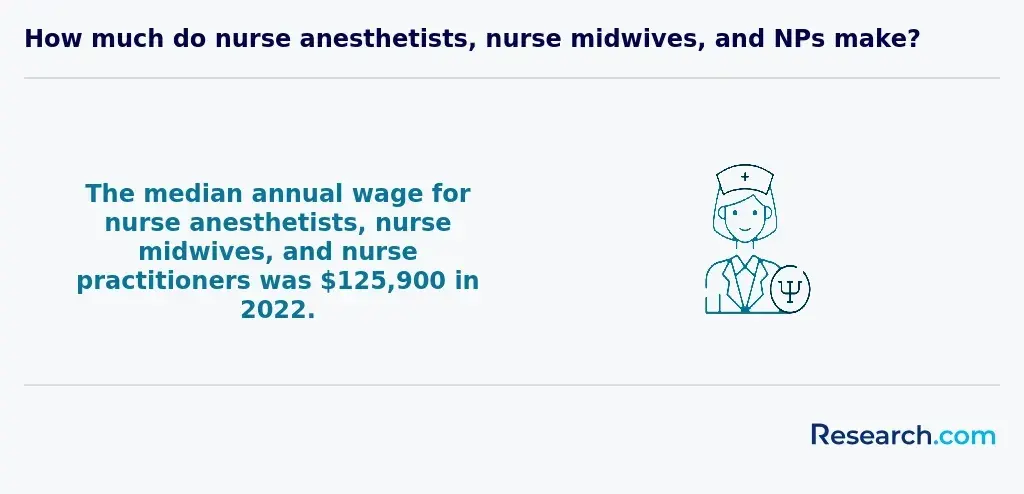
The APRN category includes nurse practitioners, clinical nurse specialists, nurse anesthetists, and nurse midwives. These roles require graduate-level education and additional clinical training beyond entry-level RN preparation.
Students deciding between nursing pathways should consider how quickly they want to enter the workforce and how far they want to advance. An LPN program may be the faster option, while an RN program generally offers a wider scope of practice. A BSN can also create a stronger foundation for graduate study, leadership roles, and APRN preparation.
If you are starting from a medical assisting background, bridge options may help you compare a faster transition into practical nursing. Research.com’s overview of online MA to LPN bridge programs can help you understand how that route differs from a traditional nursing program.
What are the requirements for Vermont nursing license?
Vermont nursing license requirements depend on the license category, but most applicants must complete approved nursing education, meet clinical training expectations, pass the appropriate NCLEX exam, complete a background check, and submit documentation through OPR.
Core requirements for new RN and LPN applicants
- Graduate from an accredited nursing program: RN candidates typically complete an ADN or BSN program. LPN candidates complete an approved practical nursing program.
- Complete required clinical training: Nursing education includes supervised clinical experience. The original Vermont licensure guidance identifies a minimum of 500 hours of supervised clinical practice.
- Pass the licensing exam: RN applicants take the NCLEX-RN, while practical nursing applicants take the NCLEX-PN.
- Submit an online application: Applicants use the Vermont Office of Professional Regulation’s online system.
- Complete a criminal background check: Vermont requires a fingerprint-supported background check for nursing licensure unless an applicant meets an exemption described by OPR.
- Provide English proficiency proof if required: Applicants educated in another country may need to submit evidence of English proficiency.
Why accreditation should be a non-negotiable factor
Accreditation affects licensure eligibility, transfer credit, graduate school admission, and employer confidence. Nursing students should verify that a program is recognized by an appropriate nursing accreditor, such as the Commission on Collegiate Nursing Education or the National League for Nursing Commission for Nursing Education Accreditation.
Cost should not be the only deciding factor. A low-cost program is only useful if it supports licensure and career goals. If you are comparing completion pathways, focus on accredited options first; for example, an affordable online RN to BSN program can be a practical choice when it meets recognized quality standards and fits your schedule.
| Requirement | Why it matters | Common mistake | Better approach |
| Accredited education | Supports eligibility for licensure, employment, and future study | Choosing a program based only on tuition | Confirm accreditation before applying |
| Clinical experience | Builds supervised patient-care competence | Assuming online coursework replaces clinical training | Ask where and how clinical placements are completed |
| NCLEX preparation | Required for entry-level licensure | Waiting until graduation to start exam review | Use practice questions throughout the program |
| Background check | Required to protect patients and meet state standards | Submitting fingerprints late | Start the background-check process early |
| Documentation | Allows OPR to verify eligibility | Uploading incomplete or unofficial records when official records are required | Follow OPR instructions carefully and track every item |
Nurses who plan to move into advanced roles should look ahead while choosing their first nursing program. For example, becoming a certified registered nurse anesthetist requires a long academic and clinical pathway. Research.com’s guide on how to get into CRNA school can help prospective advanced practice nurses understand how early decisions may shape future options.
What educational costs should aspiring nurses plan for in Vermont?
Nursing students in Vermont should budget for more than tuition. The total cost of becoming licensed may include program tuition, textbooks, lab fees, uniforms, health screenings, immunizations, testing fees, transportation to clinical sites, background checks, fingerprinting, NCLEX registration, and the initial state license application.
ADN and practical nursing programs may have a different cost structure than BSN programs at universities. However, the lowest tuition is not always the best value. A program that delays graduation, lacks strong clinical support, or does not align with licensure requirements can become more expensive over time.
| Cost category | What to ask before enrolling |
| Tuition and mandatory fees | Is the published tuition the full program cost, or are nursing-specific fees added later? |
| Books and learning platforms | Are digital testing systems, simulation tools, or NCLEX review resources included? |
| Clinical expenses | Will you need to pay for transportation, parking, uniforms, equipment, immunizations, or background checks? |
| Licensure and exam costs | What are the NCLEX, application, fingerprinting, and initial licensure expenses? |
| Time away from work | Can you keep working while completing labs, simulations, and clinical rotations? |
| Advanced practice costs | If you plan to become an APRN, what future graduate tuition, certification, and licensing costs should you expect? |
Advanced nursing pathways require additional planning. Nurse practitioner students, for example, must account for graduate tuition, clinical requirements, certification expenses, and state application costs. Research.com’s Vermont-specific guide on the cost to become a nurse practitioner in Vermont provides more detail for students considering that route.
How do you apply for a nursing license in Vermont?
Vermont nursing license applications are handled online through the Office of Professional Regulation. The online system allows applicants to submit forms, upload documents, track application status, and complete renewals later.
Step-by-step Vermont nursing license application process
- Confirm your license category. Decide whether you are applying as an LPN, RN, APRN, endorsement applicant, or another nursing category.
- Complete the required education. Make sure your nursing program meets Vermont’s expectations and can send required records.
- Register for and pass the correct NCLEX exam. RN applicants take the NCLEX-RN; practical nursing applicants take the NCLEX-PN.
- Create or access your OPR online account. Use the state licensing portal to begin the application.
- Submit the application and fee. The initial fee is described as approximately $100, though applicants should verify the current amount before submitting.
- Complete fingerprinting and the background check. Vermont requires a fingerprint-supported background check for nursing applicants, unless a prior OPR nursing check and uninterrupted licensure qualify the applicant for an exemption.
- Arrange official documentation. Transcripts, exam results, license verifications, and other records must be submitted as required.
- Monitor your application status. OPR notes a minimum processing time of five business days, but timing may vary depending on application volume and missing documents.
Provisional licenses and verification fees
Applicants who have completed all requirements except official license verification or completion of the background check may be eligible for a provisional license valid for 90 days. This can help qualified applicants begin work while final documentation is still pending.
Nurses who need verification sent to another state should note the $20 fee for licensure verification. Because fees can differ by license type and purpose, applicants should always review the OPR fee schedule before submitting payment.
Documents to organize before applying
- Government-issued identification
- Legal name-change documents, if applicable
- Official nursing school transcript or education verification
- NCLEX registration or exam result information
- Fingerprint and background-check documentation
- Current license verification, if applying by endorsement
- Credential evaluation and English proficiency documentation, if educated outside the United States
If you are still exploring healthcare careers and want a shorter non-nursing administrative path, compare nursing with options such as affordable online medical billing and coding courses. The education, licensing, and patient-care responsibilities are very different, so it is worth evaluating both before committing.
What advanced career opportunities are available for nurses in Vermont?
Vermont nurses who want more responsibility can move into advanced clinical, education, leadership, and specialty roles. Common advancement paths include nurse practitioner, clinical nurse specialist, nurse educator, nurse midwife, nurse anesthetist, charge nurse, care coordinator, case manager, and nursing administrator.
The best path depends on your current license, degree level, clinical interests, and willingness to complete graduate education. For example, nurses interested in diagnosing and treating patients should compare nurse practitioner tracks, while nurses drawn to teaching may pursue nurse educator preparation.
| Career direction | Typical next step | Who should consider it |
| Nurse practitioner | Graduate nursing program and advanced clinical preparation | RNs who want provider-level responsibilities and specialty practice |
| Nurse educator | Graduate study, teaching experience, or academic preparation | Nurses who enjoy mentoring students and training staff |
| Nursing leadership | BSN, MSN, DNP, leadership experience, or administration training | Nurses interested in systems improvement, staffing, quality, and management |
| Specialty certification | Experience in a focused clinical area plus certification exam, when applicable | Nurses who want deeper expertise without immediately pursuing a new degree |
If advanced clinical practice is your goal, start by comparing accredited nurse practitioner programs in Vermont. Look closely at clinical placement support, specialty tracks, certification preparation, and whether the program format fits your work schedule.
What are the continuing education and career advancement opportunities for Vermont nurses?
Continuing education helps Vermont nurses renew licensure, update clinical knowledge, meet employer expectations, and prepare for advancement. Nurses may complete continuing education through hospital education departments, professional associations, conferences, webinars, accredited online providers, and graduate coursework.
Career advancement does not always require a full degree immediately. Some nurses build expertise through specialty courses, preceptor roles, charge nurse responsibilities, quality-improvement projects, or committee work before applying to graduate school.
For nurses interested in adult-gerontology practice, online AGNP programs can be a useful option to compare, especially for working RNs who need flexibility while completing advanced clinical preparation.
What professional support networks and organizations are available for Vermont nurses?
Professional networks can help Vermont nurses stay informed, find mentors, identify continuing education, prepare for leadership, and understand changes in practice rules. Nurses should consider joining state nursing associations, specialty organizations, alumni networks, workplace committees, and union or advocacy groups when relevant.
Support networks are especially useful during transitions: from student to new nurse, LPN to RN, RN to BSN, RN to APRN, or staff nurse to manager. They can also help nurses understand employer expectations and locate reliable information about licensure or scope of practice.
If you are at the beginning of the process, Research.com’s guide on how to become a nurse in Vermont can help you connect licensing steps with education and career planning.
What are the opportunities for advancing from BSN to DNP in Vermont?
A BSN-to-DNP pathway can prepare Vermont nurses for advanced clinical practice, healthcare leadership, policy work, quality improvement, and evidence-based practice roles. This route is usually best for nurses who already know they want graduate-level responsibility and are ready for a significant academic and clinical commitment.
Before choosing a BSN-to-DNP program, compare specialty tracks, clinical placement policies, distance learning rules, faculty expertise, certification outcomes, and total cost. Online formats may improve access for working nurses, but they still require clinical hours and careful scheduling.
Cost-conscious nurses can begin by comparing the most affordable BSN to DNP programs online, then narrow the list to programs that meet licensure, certification, and professional goals.
Can nurses pursue dual licensure for complementary healthcare roles in Vermont?
Some nurses consider additional healthcare licenses to broaden their expertise or move into interdisciplinary roles. Dual licensure can be useful, but it is not a shortcut. Each profession has its own education, examination, application, continuing education, and scope-of-practice rules.
For example, a nurse interested in medication systems, drug therapy, and pharmacy practice would need to understand a separate pathway such as how to become a licensed pharmacist in Vermont. That type of career change requires planning beyond nursing licensure.
Before pursuing dual licensure, ask whether the added credential will lead to a specific job, higher responsibility, a career pivot, or improved patient-care capabilities. If the answer is unclear, a targeted certification or graduate nursing track may be more efficient.
How often do you need to renew your nursing license in Vermont?
Vermont nursing licenses must be renewed every two years. Renewal keeps a nurse’s authority to practice active and confirms continued compliance with state requirements.
The renewal process is usually simpler than initial licensure, but it still requires planning. Missing a renewal deadline can create a lapse in licensure, which may affect employment and the legal ability to practice.
What Vermont nurses should prepare for renewal
- Continuing education: Nurses should complete required continuing education before the renewal deadline and keep records in case documentation is requested.
- Online renewal: Renewal is completed through the Office of Professional Regulation’s Online Services System.
- Renewal fee: Fees may vary, so nurses should check OPR’s current fee schedule before the renewal period.
- Deadline tracking: Nurses should set reminders well before expiration to avoid last-minute technical, documentation, or payment issues.
| Renewal task | Why it matters | Risk if ignored |
| Track renewal date | Prevents accidental expiration | Possible lapse in legal practice authority |
| Complete continuing education early | Allows time to fix missing credits or documentation | Delayed renewal or compliance problems |
| Review OPR instructions | Ensures the correct process and fee are used | Rejected or incomplete renewal submission |
| Save completion records | Supports verification if audited or requested | Difficulty proving compliance |
Nurses using renewal as a career checkpoint may also consider graduate study. For those interested in mental health care, Research.com’s list of the most affordable psychiatric nurse practitioner programs can help compare options for future advancement.
Can complementary certifications boost your nursing career in Vermont?
Complementary certifications can strengthen a nursing resume when they match a clear career goal. A certification may help a nurse move into a specialty unit, support administrative responsibilities, improve documentation skills, or prepare for a non-bedside healthcare role.
However, certifications should be chosen carefully. A credential that does not align with your desired role may add cost without improving job prospects. Before enrolling, ask employers or mentors whether the certification is valued in your target setting.
For nurses interested in documentation, coding, reimbursement, or healthcare operations, medical billing and coding certification in Vermont may be worth exploring as a complementary skill set rather than a replacement for nursing licensure.
Can online nursing programs provide a competitive edge in Vermont?
Online nursing programs can be useful for Vermont students and working nurses, especially for didactic coursework, RN-to-BSN completion, graduate nursing education, and flexible scheduling. They can also help students in rural areas access programs that might otherwise be difficult to attend.
Online does not mean fully remote. Nursing programs still require labs, simulations, practicums, or clinical placements. Before enrolling, Vermont students should confirm how clinical experiences are arranged, whether the school is accredited, and whether the program meets Vermont licensure expectations.
| Online nursing program advantage | What to verify first |
| Flexible coursework | Are classes asynchronous, synchronous, or both? |
| Access for working adults | Can clinical hours be scheduled around employment? |
| Potentially broader school options | Is the program authorized to enroll Vermont students? |
| Career services and exam support | Does the school provide NCLEX preparation, advising, and placement support? |
| Lower relocation burden | Where are required labs and clinical placements completed? |
Students considering practical nursing can compare the top online nursing programs in Vermont while paying close attention to accreditation, hands-on training, NCLEX preparation, and state approval.
What are the opportunities for nurse midwives in Vermont?
Nurse midwives provide reproductive, prenatal, birth, postpartum, and newborn-related care within their authorized scope. This advanced practice path is best suited for nurses who want to combine graduate-level clinical expertise with patient-centered maternal and reproductive healthcare.
Prospective nurse midwives should expect rigorous graduate education, supervised clinical training, certification requirements, and ongoing professional development. Because midwifery regulations and employer expectations can be detailed, candidates should rely on current state and professional guidance before choosing a program.
Research.com’s guide to the educational requirements for a nurse midwife in Vermont can help nurses understand how this specialized path fits into Vermont’s healthcare workforce.
How can I become an LVN in Vermont?
The term Licensed Vocational Nurse, or LVN, is used in some states, while Vermont commonly refers to this level of nursing as Licensed Practical Nurse, or LPN. If you are searching for an LVN route in Vermont, you should generally review LPN requirements.
The practical nursing path usually involves completing an approved practical nursing program, finishing required clinical training, passing the NCLEX-PN, submitting a Vermont application, and meeting background-check requirements. After licensure, practical nurses must renew on schedule and complete required professional development.
For a focused explanation of this pathway, review Research.com’s guide on how to become an LVN in Vermont.
Can a Compact nurse practice in Vermont?
Yes. A nurse with a valid multistate license from a Nurse Licensure Compact state may practice in Vermont if the nurse meets compact requirements and follows the laws and rules that apply to the practice location.
The Nurse Licensure Compact is an agreement that allows eligible nurses to practice in multiple member states with one multistate license. The original licensure information notes that the NLC was enacted in 2018 and currently includes 39 states. Vermont joined the NLC on July 1, 2020.
Compact practice can reduce duplicate licensing steps and improve workforce mobility. It is especially useful for travel nurses, telehealth nurses, nurses living near state borders, and employers trying to respond to staffing needs. However, compact privilege is not the same as ignoring state rules. A nurse practicing in Vermont must follow Vermont’s nursing laws and practice standards while caring for patients in the state.
When compact licensure may not be enough
- You hold only a single-state license from a non-compact state.
- Your primary state of residence is not a compact state.
- You do not meet multistate license eligibility requirements.
- You are applying for an APRN role with separate state requirements.
- Your employer requires additional documentation before you begin work.
How can nurses licensed in other states obtain a license in Vermont?
Nurses licensed outside Vermont may apply through endorsement if they do not qualify to practice through a compact multistate license. Endorsement allows Vermont to verify that the nurse already holds a license and meets Vermont’s standards for practice.
Endorsement steps for out-of-state nurses
- Submit the Vermont endorsement application. Provide personal information, education details, license history, and employment-related information requested by OPR.
- Arrange license verification. The licensing state must verify your current or prior nursing license directly according to Vermont’s instructions.
- Complete the background check. Vermont requires fingerprint submission and a criminal background check through the appropriate process.
- Provide any additional documents. OPR may require transcripts, explanations of disciplinary history, or other supporting records.
- Monitor application status. Respond quickly if OPR requests missing or corrected documents.
Additional requirements for internationally educated nurses
Foreign-educated nurses may need extra documentation before Vermont can determine eligibility. Common requirements include credential evaluation and proof of English proficiency.
- Credential evaluation: Nursing education completed outside the United States may need evaluation by a recognized organization such as the Commission on Graduates of Foreign Nursing Schools.
- English proficiency: Applicants may need to demonstrate English ability through an accepted standardized exam such as the TOEFL.
Out-of-state applicants should avoid assuming that a current license automatically transfers. Vermont still needs to verify eligibility, review background-check results, and issue authorization before a nurse practices under a Vermont license unless compact rules apply.
What are the requirements to become an LPN in Vermont?
To become an LPN in Vermont, candidates generally need to complete an approved practical nursing program, finish required supervised clinical training, pass the NCLEX-PN, submit an application to OPR, and complete a fingerprint-supported background check. Applicants may also need to provide official records, identity documents, and other state-required materials.
LPN programs are often attractive to students who want a shorter route into nursing. However, practical nursing has a more limited scope than registered nursing, so candidates should compare long-term goals before choosing this path.
| LPN path | RN path |
| Usually shorter education route | Usually longer education route with broader clinical preparation |
| Requires NCLEX-PN | Requires NCLEX-RN |
| Focuses on practical bedside care within scope | Includes assessment, care planning, and broader clinical judgment |
| Can be a starting point for later LPN-to-RN study | Can lead to BSN, MSN, APRN, and leadership pathways |
For a detailed pathway, review Research.com’s guide: What are the requirements to become a LPN in Vermont?
What are the best nursing programs in Vermont for aspiring nurses?
The best nursing program is not the same for every student. A strong choice should be accredited, aligned with Vermont licensure requirements, financially realistic, supportive during clinical placement, and appropriate for your career goals.
When comparing nursing schools, look beyond reputation. Ask about NCLEX preparation, clinical sites, faculty availability, simulation resources, student support, transfer policies, graduation requirements, and whether online components affect clinical scheduling.
Questions to ask before choosing a Vermont nursing program
- Is the program accredited by a recognized nursing accreditor?
- Does the program meet Vermont licensure requirements for the license I want?
- Where are clinical placements located, and who arranges them?
- What support is available for NCLEX preparation?
- How much will the full program cost after fees, books, supplies, travel, and testing?
- Can credits transfer if I later pursue an RN-to-BSN, MSN, or DNP?
- Does the program format work with my job, family obligations, and commute?
- What happens if I need to repeat a course or pause enrollment?
Prospective students can start their comparison with Research.com’s overview of the best nursing schools in Vermont, then verify accreditation, state approval, cost, and clinical fit directly with each school.
What tips and resources can help you through the licensing exam in Vermont?
The NCLEX is a major milestone, but preparation should begin well before graduation. The exam evaluates whether a candidate can apply nursing knowledge safely, not just memorize facts. Successful preparation usually combines content review, practice questions, test-taking strategy, and remediation of weak areas.
Practical NCLEX preparation strategies
- Start early: Use NCLEX-style questions throughout nursing school instead of waiting until the final term.
- Review rationales: Study why the correct answer is right and why the other options are wrong.
- Use practice exams: Simulated exams can build stamina and reduce uncertainty about question style.
- Form a focused study group: Study groups work best when members follow a plan, teach each other concepts, and avoid turning sessions into general conversation.
- Use school resources: Faculty, tutoring centers, review platforms, and academic advisors can help identify weak areas.
- Track readiness: Monitor performance by topic so you can spend more time on low-scoring areas.
- Check state instructions: Use the Vermont Board of Nursing and OPR resources to confirm application steps, fees, and documentation requirements.
| Common NCLEX mistake | Why it hurts candidates | Better strategy |
| Only rereading notes | Recognition does not always translate into safe clinical decision-making | Practice application-based questions daily |
| Ignoring weak subjects | Gaps can lower confidence and performance | Use score reports or practice data to target review |
| Studying without a schedule | Important content may be missed | Create a weekly plan with content review and question blocks |
| Submitting licensure documents late | Exam or license authorization can be delayed | Track OPR, school, and testing deadlines in one checklist |
| Assuming graduation guarantees licensure | Licensure also requires exam, background check, and state approval | Complete every application requirement carefully |
Professional organizations such as the Vermont Nurses Association can also help candidates connect with mentors, continuing education, and updates on professional issues. State licensing resources remain the best place to confirm Vermont-specific rules.
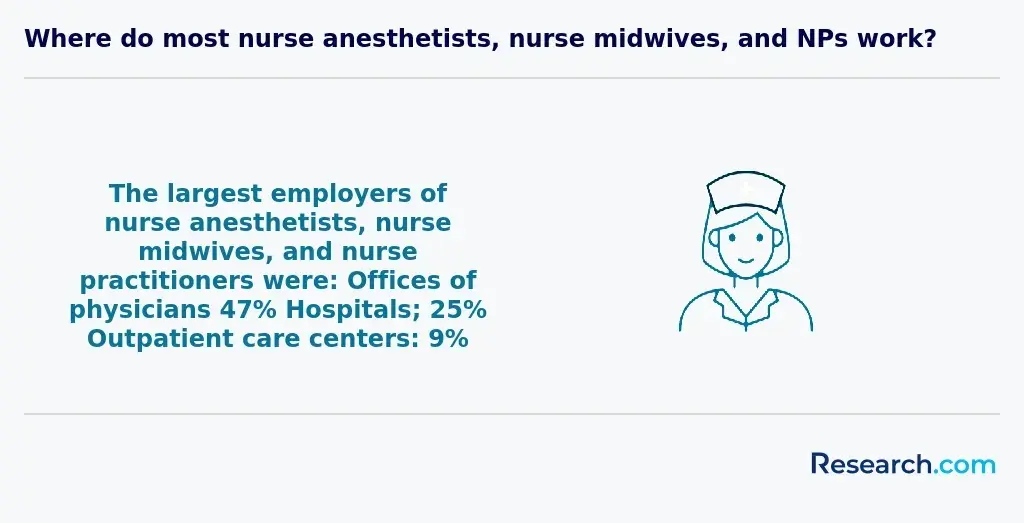
The preserved chart below provides additional labor-market context by showing top-paying industries for nurse practitioners in the U.S.
How do Vermont nursing license requirements support public health initiatives?
Vermont’s nursing license requirements support public health by setting a baseline for safe practice. Education standards, clinical training, licensing exams, background checks, and renewal expectations help reduce risk for patients and promote accountability across healthcare settings.
- Competency screening: Required education and exams help confirm that new nurses have the knowledge and judgment needed for entry-level practice.
- Patient protection: Background checks and regulatory oversight help identify issues that may affect safe care.
- Professional accountability: Licensing gives the state a mechanism to respond to unsafe, unethical, or unlawful practice.
- Continuing development: Renewal requirements encourage nurses to remain current as standards, technology, and patient needs change.
- Workforce flexibility: Compact participation can support mobility while still requiring nurses to follow practice rules where care is delivered.
Common mistakes to avoid when pursuing Vermont nursing licensure
- Choosing a school without checking accreditation: Always verify accreditation and licensure alignment before enrolling.
- Looking only at tuition: Include books, supplies, fees, clinical travel, testing, and lost work time in your cost estimate.
- Assuming online means no clinical work: Nursing programs require supervised hands-on learning even when coursework is online.
- Waiting too long to schedule fingerprinting: Background-check delays can slow the licensing process.
- Ignoring compact rules: A compact license can help, but eligibility and state practice rules still matter.
- Letting renewal sneak up: Track continuing education and renewal deadlines well before expiration.
- Assuming salary outcomes are guaranteed: Pay varies by role, employer, experience, shift, specialty, and location.
Key Insights
- Vermont nursing licensure is managed by the Office of Professional Regulation under the Vermont Secretary of State's Office.
- RN candidates must complete accredited nursing education, satisfy clinical requirements, pass the NCLEX-RN, complete a background check, and apply online.
- LPN candidates follow a practical nursing route and take the NCLEX-PN; APRNs need graduate education and advanced role-specific preparation.
- Vermont nursing licenses renew every two years, so nurses should track continuing education, fees, and renewal deadlines early.
- Vermont participates in the Nurse Licensure Compact, which can allow eligible multistate license holders to practice in the state without a separate Vermont license.
- Accreditation, clinical placement support, NCLEX preparation, and total cost are more important than rankings alone when comparing nursing programs.
- Online nursing programs can be valuable, but students must confirm accreditation, Vermont licensure alignment, and how clinical requirements are completed.
- Advanced nursing careers in Vermont may require graduate study, certification, and additional licensure steps, so early academic planning matters.
Related Articles for Nearby States
- 2027 New Hampshire Nursing License Requirements
- 2027 Massachusetts Nursing License Requirements
- 2027 New York Nursing License Requirements
- 2027 Connecticut Nursing License Requirements
- 2027 Rhode Island Nursing License Requirements
- 2027 Maine Nursing License Requirements
- 2027 New Jersey Nursing License Requirements
- 2027 Pennsylvania Nursing License Requirements
- 2027 Delaware Nursing License Requirements
- 2027 Maryland Nursing License Requirements
References:
- U.S. Bureau of Labor Statistics. (2023, September 6). Occupational Outlook Handbook: Nurse anesthetists, nurse midwives, and nurse practitioners. Retrieved February 16, 2024, from BLS.
- sos.vermont.gov (11 May 2023). Secretary of State nursing information. [sos.vermont.gov]
- Michel, A., Ryan, N., Mattheus, D., Knopf, A., Abuelezam, N., Stamp, K., Branson, S., Hekel, B., & Fontenot, H. (2021). Undergraduate nursing students’ perceptions on nursing education during the 2020 COVID-19 pandemic: A national sample. Nursing Outlook, 69, 903 - 912. https://doi.org/10.1016/j.outlook.2021.05.004
Other Things You Should Know About Becoming a Registered Nurse in Vermont
To become a licensed registered nurse in Vermont in 2027, candidates must graduate from an approved nursing program, pass the NCLEX-RN exam, and submit an application to the Vermont Board of Nursing with the necessary fees. Additionally, applicants must undergo a background check.
To renew a nursing license in Vermont in 2027, nurses must complete continuing education requirements, including 30 contact hours of approved continuing education. Additionally, renewal applicants must attest to completing the required education and pay the renewal fee by the license expiration date.


