2027 Criminal Justice Programs With Placement Support for Practicum or Clinicals

Co-Founder and Chief Data Scientist
Students entering criminal justice programs often face uncertainty about the quality and availability of practicum or clinical placement support-a critical factor for licensing readiness and successful career entry. Placement support quality can vary widely between fully online formats and hybrid or campus-based programs, influencing access to reputable agencies and experienced supervisors. Recent data shows that fewer than 60% of criminal justice programs report formal partnerships with accredited placement sites, highlighting disparities that affect graduate outcomes. This article explores these differences across program types and institution sectors, providing readers with actionable criteria to evaluate placement support and make informed decisions aligned with their professional goals.
Key Things to Know About Criminal Justice Programs With Placement Support for Practicum or Clinicals
- Placement support in criminal justice programs often includes dedicated coordinators, partnerships with local agencies, and tailored practicum opportunities ensuring meaningful hands-on experience.
- Support quality varies-traditional on-campus programs typically provide more direct access to local field sites than fully online options, which may rely on broader networks or student initiative.
- Robust placement assistance directly impacts licensing readiness and career outcomes, with graduates from programs offering structured support showing 30% higher employment rates within six months post-graduation.
What Are Criminal Justice Programs With Placement Support for Practicum or Clinicals, and Why Do They Matter?
Programs offering placement support for practicum or clinical training in criminal justice differ significantly from those expecting students to secure their own field experiences independently. The key distinction lies in institutional brokerage-programs that actively establish and maintain partnerships with vetted agencies such as law enforcement departments, social service organizations, and courts. These programs manage site relationships and provide structured clinical placement in criminal justice education, ensuring placements align with both academic and professional objectives.
Such programs often incorporate rigorous quality assurance measures-vetting placement sites, monitoring student progress, and maintaining ongoing communication-helping to meet accreditation standards and strengthen student learning outcomes. This proactive student support-including preparatory resources and troubleshooting-minimizes placement delays and failures. Data from accreditation bodies reveal that criminal justice graduate programs with practicum placement support produce graduates more likely to satisfy licensing requirements promptly, with employers favoring them as better prepared and professionally vetted candidates.
- Institutional Brokerage: Programs maintain formal agreements with agencies, securing credible, supervised environments for students.
- Quality Assurance: Ongoing site vetting and progress monitoring uphold accreditation and learning integrity.
- Student Support: Site matching, preparation, and troubleshooting reduce stress and placement risks.
- Credential Recognition: Graduates more efficiently meet licensing and certification standards, preferred by employers.
- Career Outcomes: Higher job placement rates and networking opportunities stem from structured placement support.
Choosing a criminal justice program with genuine placement support is vital for successful matriculation and career readiness-whether in online, hybrid, or traditional formats. Prospective students, including working professionals seeking career changes or place-bound learners evaluating online PhD programs, should carefully assess placement infrastructure quality.
Industries offering the highest mean and median starting salaries for graduates with structured practicum placement include:
- Federal Law Enforcement: Positions within agencies such as the FBI, DEA, and Homeland Security.
- Legal Services: Roles in prosecution offices, public defender agencies, and courts.
- Private Security and Investigations: Employment in corporate security firms and private investigative agencies.
- Social Services: Positions involving intervention, counseling, and community support.
Evaluating programs on these factors-beyond marketing claims-equips applicants to distinguish between superficial placement references and comprehensive, structured practicum placement support essential for professional success in criminal justice.
How Do Criminal Justice Programs Define Practicum or Clinical Requirements, and What Counts Toward Completion?
Accredited criminal justice programs define practicum and clinical placement requirements in varied ways-reflecting different institutional missions, accreditation mandates, and career pathways. These requirements typically include a set number of clock hours, generally ranging from 300 to 600, depending on the accrediting body and program focus. Programs often set higher benchmarks to better prepare students for licensing and employment.
- Clock Hours: Accredited programs mandate minimum clock hours essential for practicum or clinical completion, with exact figures varying based on program type and accreditor standards.
- Supervised Contact: Direct supervision by licensed clinicians, law enforcement officers, or other qualified professionals is critical. Programs emphasize structured, supervised client or site engagement, which enhances skill development and ethical practice.
- Site Types: Acceptable practicum settings include courts, correctional facilities, law enforcement agencies, advocacy organizations, or clinical treatment centers. Placement at approved sites aligned with program objectives is necessary to meet practicum requirements.
- Competency Outcomes: Students must demonstrate core skills such as assessment, intervention, documentation, and collaboration relevant to criminal justice practice. Evaluations from site supervisors and faculty often measure both technical abilities and professional conduct.
- Exclusions From Credit: Observation-only hours, unpaid volunteer work without formal supervision, and placements at non-approved sites typically do not count toward practicum completion, underscoring the need for active, supervised participation.
- Accreditation Standards: While national accreditors like CACREP, CSWE, ACEN, or CCNE govern clinical or counseling fields, criminal justice programs accredited by bodies such as the Academy of Criminal Justice Sciences (ACJS) establish their own practicum benchmarks. Many programs offering placement support exceed minimum requirements by facilitating site matching, orientation, and ongoing supervision.
- Impact on Credential Value: The rigor of practicum definitions directly shapes the marketability of the credential. Programs with comprehensive, well-supported placements produce graduates better prepared for licensing and competitive career opportunities in criminal justice.
Applicants should apply a clear analytical framework when evaluating practicum and clinical placement requirements in criminal justice programs-as well as the quality of institutional placement support. Asking specific questions during admissions about site approval, supervision, and competency assessments helps distinguish programs with genuine placement infrastructure from those that merely reference support in marketing materials. For those seeking flexibility and affordability, considering options like the cheapest online master's degree in psychology may also prove valuable for a career change or advanced training alongside criminal justice practicum requirements.
What Types of Placement Support Do Criminal Justice Programs Actually Provide, and How Extensive Is It?
Criminal justice programs provide varying levels of placement support for practicum or clinical training-ranging from basic access to passive resources like online directories of approved sites to fully managed placement services with dedicated staff facilitating the entire process. Programs with active support typically include several key components:
- Site Identification: Establishing partnerships with agencies that align with student interests and certification goals to offer tailored practicum options.
- Pre-Approval of Partner Organizations: Verifying sites meet educational standards and legal requirements before accepting students.
- Coordination of Student-Site Matching: Placement coordinators work with students to align preferences and qualifications with appropriate agencies, moving beyond self-directed searches.
- Liability Insurance Coverage: Providing or facilitating insurance to mitigate risks associated with fieldwork and ease placement barriers.
- Supervisor Credentialing: Ensuring onsite mentors have relevant licenses and experience to meet professional and accreditation criteria.
- Placement Monitoring: Conducting regular check-ins, collecting feedback, and occasionally visiting sites to maintain quality and address issues during the practicum.
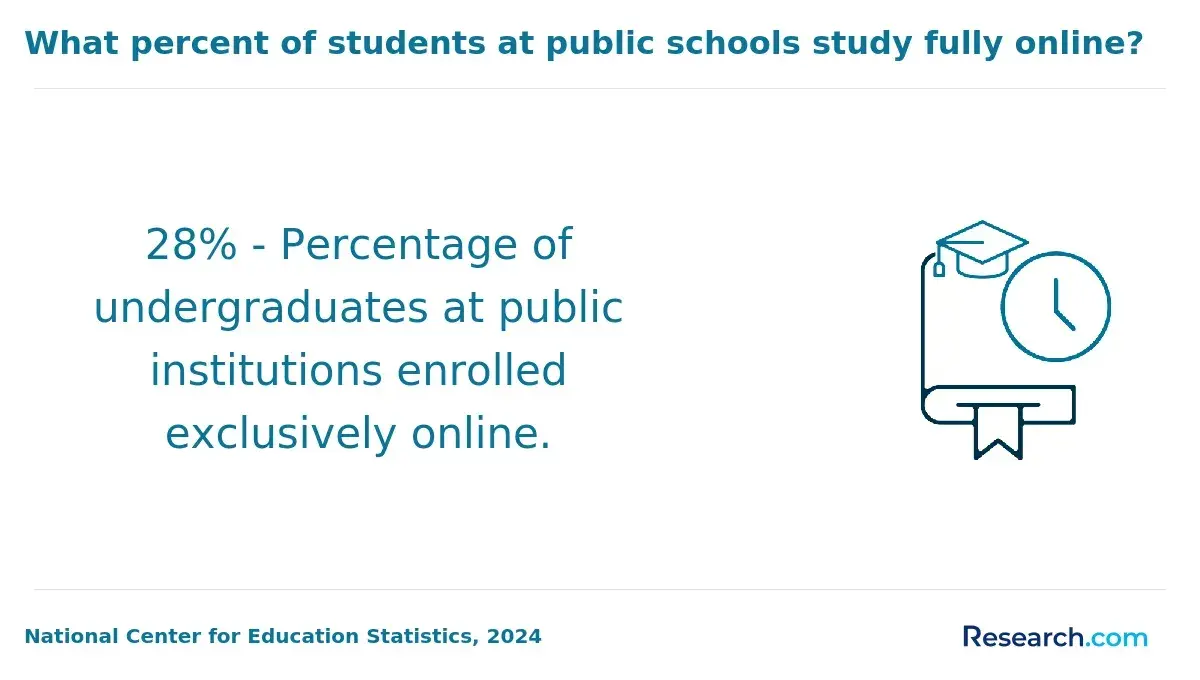
On-campus criminal justice programs often leverage local agency networks and in-person coordination, while online programs serve students across regions by relying more on virtual tools and regional partners for placement support. The scope of these services significantly affects licensing readiness and career outcomes, as more involved programs offer tangible infrastructure beyond marketing claims.
A professional who graduated from a criminal justice program shared that securing a placement initially felt overwhelming due to limited direction at his school's start. He appreciated the eventual involvement of a placement coordinator who helped identify suitable agencies and simplified paperwork. "Without that guidance, I might have spent months searching on my own," he said. He also noted the peace of mind provided by the program's liability coverage and supervisor vetting, emphasizing how these elements reduced stress and enhanced his learning during the practicum stage.
Programs offering criminal justice degrees face unique challenges in arranging practicum or clinical placements, especially when students are dispersed across multiple states or regions. On-campus programs benefit from concentrated local partnerships with law enforcement, courts, and social service agencies, simplifying placement logistics within a defined geographic area. This close proximity allows coordinators to maintain strong ties and facilitate smoother student site matches.
- Network Reach: On-campus programs tend to depend on established local or state relationships, which can limit placement options geographically. In contrast, online programs must create broader national network agreements and reciprocal arrangements to serve students scattered widely-replicating the local access that traditional programs have.
- Placement Coordination: To address geographic diversity, online criminal justice programs often use regional placement coordinators who specialize in identifying practicum sites aligned with students' home locations. This decentralized approach improves support quality for remote learners.
- Licensing and Reciprocity: State-specific licensing requirements pose notable obstacles for online students seeking clinical experience out of state-some disciplines require legal authorization to practice in the placement's jurisdiction. On-campus students typically face fewer licensing restrictions due to alignment between their program's location and practicum site.
- Support Transparency: Prospective students evaluating placement support differences in online and on-campus criminal justice programs should ask:
- Which states are included in your practicum or clinical placement network?
- Are regional coordinators designated to assist with placement within students' home areas?
- How does your program navigate state licensure limitations or reciprocity issues?
- Advantages of Online Placement: While online programs offer broader and more flexible agency options nationwide, ensuring these partnerships deliver meaningful practicum experiences requires careful review. Understanding the depth and geographic reach of available sites is crucial for practical training and career readiness.
Deciding between online and on-campus criminal justice programs can hinge on the quality of clinical and practicum placement options. Reviewing placement support infrastructure thoroughly helps prospective students differentiate between programs that genuinely facilitate career-relevant experiences and those that only advertise placement support superficially. Additional insight into program costs can be found by exploring criminal justice degree price.
Regional and national accreditation bodies impose essential standards for practicum and clinical placement within criminal justice programs to ensure quality and readiness for professional environments. These standards require programs to provide well-defined placement frameworks-including formal site agreements, qualified field supervisors, and consistent student evaluations.
- Regional Accrediting Commissions: Organizations like the Higher Learning Commission (HLC) and the Middle States Commission on Higher Education (MSCHE) oversee institutional quality broadly. They expect programs offering practicum training to maintain structured processes for site placement, supervisor qualifications, and ongoing assessment.
- National Specialized Accreditor: The Academy of Criminal Justice Sciences (ACJS) focuses specifically on criminal justice programs and sets discipline-specific practicum mandates. These often include minimum supervised hours-typically 120 to 200-and require supervisors with relevant industry experience. Placements must provide a safe, educational environment that nurtures professional growth.
- Additional Programmatic Accreditors: For interdisciplinary programs involving counseling or behavioral health, accreditors like the Council for Accreditation of Counseling and Related Educational Programs (CACREP) enforce their own often more stringent practicum hours and supervision standards.
Programs holding current active accreditation from these entities are generally equipped with dedicated placement coordinators and extensive affiliate networks, supported by quality control mechanisms that safeguard student progress and minimize placement disruptions. Confirming a program's accreditation and ensuring its practicum requirements align with state licensing or employer certification standards is vital for maximizing career and licensing opportunities.
A criminal justice graduate I spoke with reflected on her practicum experience, noting how navigating placement felt daunting initially-"There was a lot of uncertainty about site options and whether supervisors would meet accreditation standards." However, she found that the structured support from her program's placement team-who secured site agreements and facilitated regular evaluations-ultimately gave her confidence and practical skills. She emphasized that this solid foundation made the transition to her professional role smoother and felt essential to her career readiness.
Minimum undergraduate GPA requirements for admission to criminal justice graduate programs typically range from 2.75 to 3.0, varying by institution type and program rigor. Large public universities often set the baseline near 3.0, while selective private nonprofit schools may require a minimum of 3.25 or higher to maintain competitive cohorts and uphold academic quality.
Some accredited online criminal justice programs provide conditional admission options for students with GPAs below the stated minimum. These conditional admits usually must demonstrate potential through relevant work experience or strong recommendations and may face additional academic monitoring or performance benchmarks during their studies.
Programs with stricter GPA thresholds often correlate with more selective practicum or clinical placements. This reflects an admissions goal to ensure students are both academically prepared and field-ready-key factors for success in demanding, supervised environments. High standards in both coursework and applied training help maintain the integrity of licensing pipelines and career readiness.
Applicants should examine not only the minimum GPA to qualify but also the average GPA of admitted students, as competitive cohorts frequently exceed the minimum. Understanding this gap provides valuable insight into program selectivity and what it takes to access meaningful placement opportunities in criminal justice graduate education.
Across accredited Criminal Justice programs with placement support, the requirement for GRE or other standardized test scores has declined significantly-an academic trend accelerated since 2020 toward test-optional or test-free admissions, especially in social science and education-related fields. Graduate programs aim to reduce barriers for applicants from diverse backgrounds while maintaining academic integrity.
- Program Type: Research-intensive universities and highly competitive clinical Criminal Justice programs are more likely to require GRE or equivalent tests.
- These programs argue that test scores offer an additional metric to evaluate analytical skills and readiness, supplementing transcripts and professional experience.
- This selectivity reflects the emphasis on academic rigor and the complex clinical competencies necessary for successful placement.
- Admissions Strategy: Programs without strict testing requirements often demonstrate a commitment to accessibility and holistic reviews.
- They prioritize professional backgrounds, personal statements, and recommendations when evaluating candidates.
- Applicants with lower scores are encouraged to highlight relevant experience and academic achievement instead of submitting weak test results.
- Placement Support Connection: Programs that maintain GRE requirements frequently correlate these standards with robust placement infrastructures-often tied to greater resources and long-established clinical partnerships.
- Applicant Advice: Prospective students should carefully research each program's admissions policy-
- If testing is optional, submit scores only if they strengthen your application.
- If scores fall below recommended ranges, emphasize your relevant experience and academic strengths in applications.
Completion times for criminal justice programs incorporating practicum or clinical hours vary widely based on enrollment status, program format, and field experience requirements. Full-time students in traditional master's programs usually complete coursework in about two years. However, practicums-especially those demanding extensive supervised hours-often extend this timeline. For example, counseling-focused programs typically require 600+ practicum hours, while social work curricula call for 900+ clinical hours, and nursing tracks may include 500+ clinical hours. These requirements add several months beyond course completion, emphasizing the importance of understanding the duration of criminal justice practicum requirements when planning your academic timeline.
Part-time enrollment options frequently extend program length to three years or more due to a reduced course load and balancing practicum hours with personal and professional commitments. Accelerated tracks, like some found in accelerated business administration degree online programs, offer structured scheduling that allows for concurrent practicum and coursework-shortening total completion time to as little as 18 months in some cases. Such integration depends heavily on program design and fieldsite availability.
Programs with strong placement support provide structured timelines for field experience completion and actively assist students in securing practicum sites. This institutional support reduces delays often encountered in student-managed placements-an issue that can cause completion timeline slippage by a semester or more due to site mismatches or supervisor unavailability. When evaluating programs, look for documented placement success rates and active institutional partnerships; these factors heavily influence licensing readiness and career trajectories for students, ensuring smoother progression through the time to complete criminal justice program with clinical demands.
Prospective students should also assess benchmark timelines and ask specific questions about practicum scheduling, placement assistance, and support during admissions processes-ensuring realistic expectations aligned with accreditation standards and labor market realities.
Tuition for criminal justice programs with strong placement infrastructure often reflects the additional resources dedicated to practicum or clinical coordination. Institutions that employ specialized placement staff, maintain active site partnerships, and provide personalized clinical guidance may charge tuition at the higher end of the typical graduate program spectrum. These extra fees-sometimes itemized as surcharges-offset the costs of maintaining a robust placement network that supports timely practicum completion and licensing readiness.
- Tuition Range: Graduate tuition for criminal justice programs with structured placement generally ranges from moderate public university rates to premium private institution fees. Programs emphasizing placement support can be 10-20% more expensive than those without dedicated coordination, reflecting the value added in experiential training and job preparation.
- Financial Aid Options: Many students rely on federal graduate loans as a primary funding source. Additional aid often includes graduate assistantships that provide tuition remission in exchange for research or administrative work, employer tuition reimbursement programs for working professionals, and scholarships offered by discipline-specific associations, such as the Academy of Criminal Justice Sciences.
- Net Cost Evaluation: When considering tuition and financial aid for criminal justice programs with practicum placement, prospective students should analyze net cost rather than sticker price alone. Comparing total cost of attendance alongside tangible placement support is crucial-programs offering strong practicum assistance may yield quicker completion timelines and higher employment rates, reducing overall financial strain.
- Employment Outcomes Justify Investment: Programs with dedicated placement support tend to report stronger graduate employment rates and entry salaries in criminal justice fields. This alignment between training quality and job market success can justify the premium tuition as a strategic investment rather than an expense.
- Risk Reduction: Placement infrastructure acts as a safeguard against delays in clinical hours or licensing exams. Students should weigh total costs against this risk mitigation-programs with proven placement support reduce uncertainty around time-to-graduation and facilitate smoother transitions into professional roles.
Financial support options for criminal justice programs with clinical placement extend beyond traditional aid. Employer tuition benefits often empower working professionals to pursue advanced degrees without sacrificing income. Additionally, scholarships from criminal justice associations provide targeted funding that recognizes the discipline's licensure requirements and practicum demands.
For those exploring flexible or remote options, some students wonder if can you get a physics degree online highlights a similar trend in program accessibility and support that parallels evolving criminal justice program delivery formats. Understanding how placement support varies across online, hybrid, and campus-based formats is essential to selecting programs that truly prepare graduates for licensing and employment.
Graduate programs in criminal justice that provide placement support connect students with a variety of practicum and clinical settings through established institutional networks. Available sites often include community mental health centers, rehabilitation clinics, hospitals, government offices like probation and parole agencies, law enforcement units, private forensic or clinical practices, and schools or corporate wellness programs-each offering experiential opportunities tailored to different criminal justice specializations.
The extent and diversity of these placement networks play a crucial role in shaping professional growth. Students benefit most when they can select sites that align with their focus areas-such as juvenile justice, victim advocacy, or policy enforcement-enabling practical skill development and refined career direction. Exposure to multiple service environments increases adaptability and prepares students for varied populations and challenges within the field.
Well-established programs demonstrate transparency by sharing detailed site lists, publishing placement success statistics, and providing alumni outcome reports. These markers indicate a robust, mature placement framework and assist prospective students in assessing program quality beyond promotional claims.
Since placement options vary widely based on institutional size, geographic location, and program longevity, applicants are encouraged to inquire directly about the availability and types of practicum sites in their region or specialty area. Targeted questions about network scope and depth reveal whether a program can support specific career trajectories and licensing prerequisites.
- Diversity: Access to a broad array of practicum environments ensures students encounter settings that match their professional interests and population focus.
- Professional Development: Varied placements enhance skill acquisition and offer real-world experience that informs career decisions and networking prospects.
- Transparency: Programs with mature placement systems make site data, placement rates, and graduate outcomes readily available to help prospective students evaluate opportunity quality.
- Advisory: Investigate placement availability tailored to your geography and specialty during admissions to gauge how well a program supports your career goals.
Qualified clinical supervision is essential for practicum and field training in Criminal Justice programs-ensuring that students' hands-on experience meets professional and licensing standards. Programs that rigorously vet site supervisors set themselves apart by requiring credentials recognized by accreditation bodies or licensing boards, such as certifications from the American Correctional Association or state clinical licenses.
- Credential Verification: Sites must demonstrate that supervisors hold valid, relevant credentials before placement approval.
- Pre-Approval Audits: Detailed assessments of supervisors and sites confirm compliance with educational and experiential prerequisites and ethical standards.
- Ongoing Quality Monitoring: Continuous evaluation through student feedback, site visits, and performance reviews helps maintain supervisory excellence throughout the practicum.
- Risk Mitigation: Inadequate supervision risks invalidation of practicum clock hours by licensing boards-threatening student eligibility for certification.
- Support and Training: Programs often provide workshops or orientations to align supervisors with best practices and institutional expectations.
- Student Protections: Clear policies allow students to report concerns and seek alternative placements if supervisors fail to meet required standards.
- Transparency Encouragement: Prospective students should inquire specifically how supervisors are credentialed, how their oversight is evaluated, and what options exist if issues arise during clinical placements.
What Graduates Say About the Criminal Justice Programs With Placement Support for Practicum or Clinicals
- Emiliano: "The placement support in my criminal justice program was exceptional-it wasn't just about finding a practicum spot but ensuring the quality of the experience matched real-world demands. Different formats, like evening classes versus full-time, had tailored support, which really helped me balance work and study. This thoughtful approach made licensing readiness feel achievable rather than daunting, giving me a real edge as I entered the field."
- Jared: "Reflecting on my journey, the career outcomes impressed me the most-placement support actively connected students with agencies where future employment was a genuine possibility. Interestingly, small institutions offered more personalized guidance, contrasting with broader programs whose scale sometimes diluted that focus. For anyone serious about licensing and long-term success, those practicum opportunities weren't just helpful-they were critical."
- Amir: "Professionalism defines the placement support in my criminal justice degree-each practicum was aligned with licensing requirements, making the transition seamless. I noticed that online formats came with distinct challenges but institutions compensated by providing robust virtual support and local placement networks. Knowing that my fieldwork was preparing me for real cases made the entire learning experience truly relevant and confidence-building."
Other Things You Should Know About Criminal Justice Degrees
Most Criminal Justice programs have policies in place to manage placement conflicts or site failures to ensure students complete their practicum or clinical requirements on time. These often include backup site options and a dedicated placement coordinator who intervenes if issues arise. If a site cannot accommodate a student, programs typically work to reassign the student promptly to an alternative location without delaying their progress.
Students should assess how actively a program assists with securing placements rather than simply requiring them. Key factors include the availability of placement coordinators, established community partnerships, and flexibility in handling placement issues. Asking for alumni feedback on placement experiences and reviewing program accreditation standards can also reveal the depth and reliability of support offered.
Most programs require a criminal background check, drug screening, and proof of liability insurance before placement begins. Many agencies also require fingerprinting, immunization records, and a signed confidentiality agreement. Students usually submit these documents 2–4 weeks before the practicum start date, and placement can be denied if any item is missing.
- Forensic Intervention Services student placement program https://www.justice.vic.gov.au/careers/careers-in-forensic-intervention-services/forensic-intervention-services-student-placement
- Practicum - Criminal Justice Sciences Division https://wou.edu/criminal-justice/forms-resources/practicum/
- How Long Does A Criminal Justice Program Take? https://criminaljusticecareernow.com/articles/how-long-is-criminal-justice-school
- GRE Guide https://www.criminaljustice.com/resources/gre-guide/
- Section 4: Professional Practice - CACREP https://www.cacrep.org/section-4-professional-practice/
- Criminal Justice | Pikes Peak State College https://www.pikespeak.edu/programs/criminal-justice/index.php
- Building pathways to crime prevention through Community Policing and Rehabilitative Justice - IPS Innovative Prison Systems https://prisonsystems.eu/building-pathways-to-crime-prevention-through-community-policing-and-rehabilitative-justice/
- Internship & Programs | Federal Law Enforcement Training Centers https://www.fletc.gov/internship-programs
- Top 10 internships for criminal justice majors | Handshake https://joinhandshake.com/blog/students/top-criminal-justice-internships/
- How Long Does it Take to get a Degree in Criminal Justice https://criminaljusticeonlineblog.com/01/how-long-does-it-take-to-get-a-degree-in-criminal-justice/