2027 Medical Studies Skills Gap Analysis: What Employers Want vs What Degree Programs Teach

Co-Founder and Chief Data Scientist
A recent graduate with a medical studies degree faces unexpected challenges when job offers require skills beyond what was taught. Employers increasingly seek candidates proficient in emerging healthcare technologies, data interpretation, and collaborative problem-solving. Without these, graduates struggle to demonstrate their readiness for demanding roles in clinical and research settings.
Degree programs often emphasize theoretical knowledge over practical application, leaving students unprepared for workforce expectations. This disconnect can delay career progression and limit opportunities for hands-on experience. This article analyzes the skills gap between what employers want and what medical studies degree programs teach, offering insights to help students and graduates better align their competencies with job market demands.
Key Things to Know About Medical Studies Skills Gap
- Employers often find medical studies graduates lack operational skills like patient data management, requiring additional training that delays full workforce integration.
- A 2024 workforce survey shows 62% of healthcare employers expect proficiency in electronic health records alongside clinical knowledge, revealing gaps beyond typical curricula.
- Engaging in internships and simulation labs before graduation enhances critical applied competencies, improving readiness and reducing adjustment periods in demanding medical environments.
- Key Things to Know About Medical Studies Skills Gap Key Things to Know About Medical Studies Skills Gap
- What Skills Do Employers Expect From Medical Studies Graduates? Employer Expectations
- What Do Medical Studies Degree Programs Typically Teach? Program Curriculum
- Where Is the Biggest Skills Gap Between Medical Studies Programs and Employers? Biggest Skills Gap
- Which Technical Skills Are Most Important for Medical Studies Careers? Technical Skills
- Which Workplace Skills Matter Beyond Technical Knowledge? Workplace Skills
- How Do Internships and Real-World Experience Improve Career Readiness? Career Experience
- How Can Students Close the Medical Studies Skills Gap Before Graduating? Closing Skills Gap
- How Is the Medical Studies Job Market Changing Employer Skill Requirements? How Is the Medical Studies Job Market Changing Employer Skill Requirements?
- How Do Different Medical Studies Programs Compare in Career Preparation? How Do Different Medical Studies Programs Compare in Career Preparation?
- How Should Students Choose a Medical Studies Program That Builds Career-Ready Skills? Choosing a Program
What Skills Do Employers Expect From Medical Studies Graduates?
Employers hiring medical studies graduates prioritize a distinct blend of technical knowledge and workplace skills that reflect the evolving demands of healthcare environments and clinical research settings. Recent 2024 labor market reports indicate that over 70% of employers value graduates who can not only navigate complex data and health technologies but also effectively collaborate with multidisciplinary teams. For instance, a graduate managing electronic health records must ensure data accuracy while communicating findings clearly to physicians and IT specialists. Below are the key skills medical studies graduates should hone to meet employer expectations:
- Technical Proficiency: Mastery of data analysis, bioinformatics, and health information systems is fundamental. Graduates develop these competencies through hands-on coursework and internships, enabling them to support evidence-based clinical decisions and streamline patient data management.
- Effective Communication: The ability to convey complex medical information clearly, both verbally and in writing, ensures smooth collaboration with clinicians, researchers, and patients. Communication skills are refined through presentations, interdisciplinary projects, and clinical simulations.
- Collaborative Teamwork: Healthcare delivery relies on coordinated efforts among diverse professionals. Graduates who engage in group research and clinical practicums learn to navigate varying perspectives and contribute to shared goals efficiently.
- Analytical Thinking: Employers expect graduates to interpret clinical data critically and solve problems in fast-paced settings. This skill grows via case studies and data-driven research exercises that simulate real-world clinical challenges.
- Adaptability: Medical technologies and protocols evolve rapidly. Graduates who exhibit flexibility and a willingness to learn new approaches maintain their relevance and efficacy in dynamic work environments.
- Ethical Judgment: Commitment to patient privacy, legal compliance, and ethical standards is crucial amid increasing regulatory complexities. Ethical reasoning is cultivated through coursework in healthcare law and professional practice standards.
- Practical Readiness: Supplementary training, such as internships or specialized programs like online RN to BSN programs, equips graduates with applied experience employers find invaluable for immediate workforce contribution.
Recognizing that employer expectations vary across healthcare organizations and research fields, focusing on these capabilities strengthens workforce readiness and aligns closely with essential skills medical studies graduates need for sustained employability and impact.
What Do Medical Studies Degree Programs Typically Teach?
Medical studies degree programs equip students with a blend of scientific knowledge and practical skills essential for healthcare environments. The curricula reflect a core emphasis on biomedical sciences while increasingly integrating clinical reasoning and research literacy to prepare graduates for the realities of modern healthcare roles. However, a consistent challenge is balancing theoretical foundations with applied competencies like teamwork and healthcare systems navigation. Recent data from the Association of American Medical Colleges (AAMC) illustrates that over 75% of programs now incorporate competency frameworks emphasizing communication and interprofessional collaboration, underscoring the evolving priority of these skills in program design. Below are key areas typically emphasized in medical studies degree curriculum overview and core skills taught in medical studies programs.
- Foundational Biomedical Sciences: This area covers anatomy, physiology, pharmacology, pathology, and biochemistry. Students develop a thorough understanding of human body systems and disease mechanisms, which forms the bedrock for all clinical learning and supports long-term mastery in medical and biomedical fields.
- Clinical Reasoning and Decision-Making: Programs introduce students to problem-solving in patient care contexts, blending theory with case-based learning. This competency is vital for developing judgment necessary to assess medical conditions and prioritize patient needs effectively.
- Research Literacy and Evidence-Based Medicine: Incorporating training on interpreting scientific literature and applying research findings equips students to engage with advancing medical knowledge critically. According to a 2024 survey by the National Board of Medical Examiners (NBME), more than 60% of programs now integrate health informatics, reflecting a trend toward data-driven practice.
- Communication and Interprofessional Collaboration: Effective communication skills and teamwork are stressed to prepare students for collaborative healthcare settings. This competency helps bridge gaps patients often experience and fosters smoother clinical workflows.
- Healthcare Systems Navigation: While less emphasized than core sciences, understanding healthcare delivery models, insurance frameworks, and patient advocacy emerges as critical for employment readiness. Graduates often face a competency gap here, making experiential learning essential to grasp organizational dynamics.
- Ethical and Professional Standards: Ethical decision-making, patient confidentiality, and professionalism form an integral part of the curriculum, ensuring graduates uphold trusted standards expected in healthcare workplaces.
- Applied Technology and Health Informatics: Familiarity with digital health tools and electronic health records prepares students for evolving workflows. This area aligns with growing trends in telemedicine and data management within clinical settings.
Prospective students might also explore related options such as nursing programs that don't require TEAS test, which can offer alternative pathways into healthcare fields with varying emphases on practical versus theoretical skillsets.
Where Is the Biggest Skills Gap Between Medical Studies Programs and Employers?
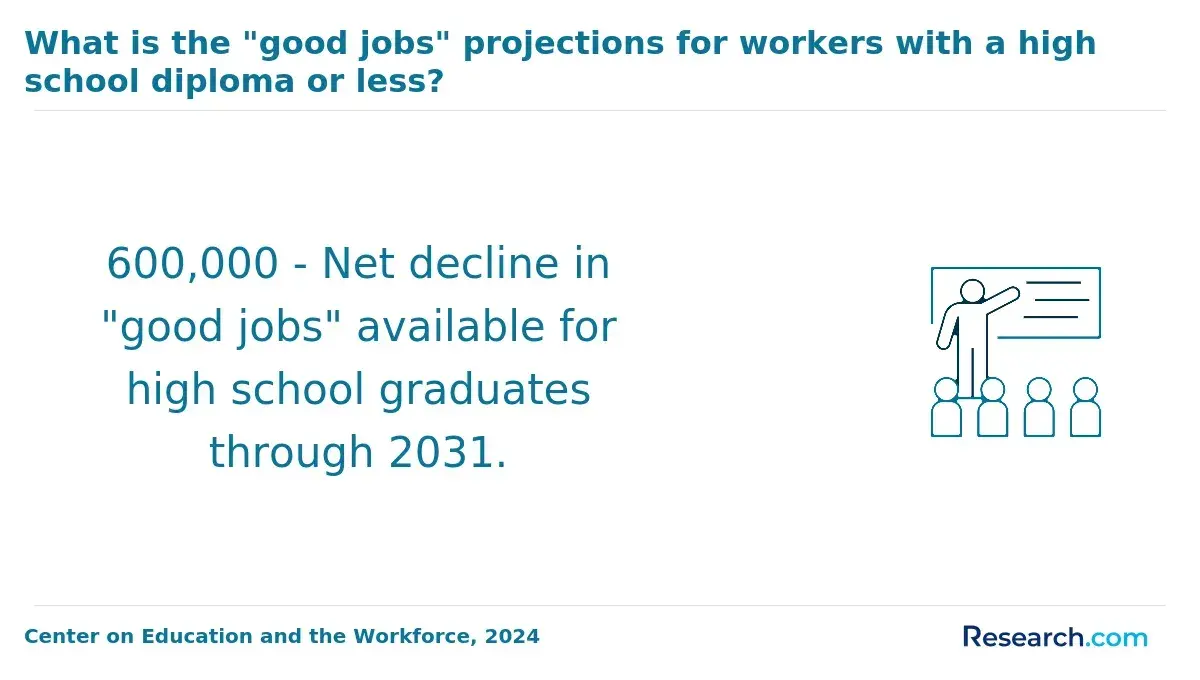
Medical studies programs equip students with strong foundational knowledge, yet employers routinely emphasize a marked gap in practical readiness once graduates enter clinical environments. This divergence often stems from program structures that prioritize biomedical theory over applied, real-world skills essential in healthcare settings. The 2024 National Workforce Competency Report by the U.S. Department of Labor, along with data from the Robert Wood Johnson Foundation, highlight persistent shortfalls in areas critical for effective job performance. Below are key skill gaps where new graduates commonly fall short and actions students can take to bridge these divides before finishing their degrees.
- Clinical Communication: Despite theoretical training, many graduates struggle with the dynamic, collaborative communication required among healthcare teams and patients. Effective interdisciplinary dialogue is vital for patient safety and coordinated care, yet degree programs often lack integrated scenarios that replicate these interactions. Engaging in internships or simulation labs focused on team-based care can help students develop these nuanced skills.
- Technological Proficiency: Graduates frequently show insufficient practical experience with electronic health records, telemedicine, and data analytics platforms. According to a 2024 Healthcare Employer Skills Survey, 68% of hiring managers rated new graduates' technological abilities as below expectations, hampering swift entry into clinical roles. Pursuing certifications in health IT systems and actively using digital tools during training can mitigate this gap.
- Adaptive Problem Solving: Medical studies often emphasize memorization and protocols rather than situational judgment. This leaves graduates underprepared for unpredictable clinical scenarios requiring swift, critical decisions. Participating in case-based learning and real-time clinical decision-making exercises can boost this competence.
- Interprofessional Collaboration: Coordinating care across disciplines is underdeveloped in many curricula. Graduates may lack practical experience working alongside nursing, allied health, and administrative staff, limiting their effectiveness in integrated healthcare teams. Structured team projects and shadowing diverse professionals offer valuable exposure.
A recent graduate recalled her first placement where she hesitated in communicating a patient's sudden vital change to the nursing team, fearing protocol breaches due to her lack of real-world experience. This moment underscored the critical need for more immersive training in clinical communication and interprofessional teamwork. Through this experience, she realized that strengthening these practical skills early would not only raise her confidence but also directly impact patient outcomes in fast-moving healthcare environments.
Which Technical Skills Are Most Important for Medical Studies Careers?
Technical skills bridge the gap between theoretical knowledge acquired in medical studies and practical application in real-world healthcare and research environments. These competencies constantly adapt as medical technologies evolve and data-driven approaches reshape clinical and laboratory workflows. Staying current with emerging tools and methodologies is crucial for graduates to meet employer expectations and avoid obsolescence in a competitive job market. For instance, professionals who can swiftly analyze complex patient datasets to inform treatment plans demonstrate an agility that many traditional curricula don't fully address. Below are key technical skills that consistently prove valuable in medical studies careers.
- Data Analysis and Biostatistics: Mastery of statistical concepts and software tools is essential for interpreting clinical trial outcomes and epidemiological research. Students usually build this competence through applied coursework and internships, enabling them to transform raw data into actionable insights, a skill that employers increasingly demand given the rise of big data in healthcare.
- Molecular Biology Techniques: Proficiency in laboratory methods such as PCR, gel electrophoresis, and microscopy underpins much experimental and diagnostic work. Hands-on lab courses develop these abilities, which remain a non-negotiable baseline for roles in both academic research and industry settings.
- Health Informatics Systems: Familiarity with electronic health records (EHR) and laboratory information management systems (LIMS) is growing in importance as clinics and labs digitize workflows. Exposure to these platforms during training prepares graduates for environments where managing patient and sample data efficiently impacts quality and compliance.
- Programming and Computational Biology: Skills in languages like Python and R complement genetic and clinical data integration, supporting precision medicine initiatives. Incorporating coding into study programs enhances adaptability for research roles that demand custom data analysis and algorithm development.
- Laboratory Information Management: Organizational and technical knowledge to manage samples, reagents, and data pipelines streamline research productivity. Developing this expertise often involves project-based learning and familiarity with software that tracks laboratory processes, which employers view as essential for minimizing errors and increasing throughput.
- Digital Literacy and Workflow Automation: As automation tools infiltrate routine laboratory tasks, understanding software-driven processes boosts efficiency and reduces manual errors. Training programs integrating automation technologies prepare students for evolving job demands that prioritize precision and scalability.
According to the 2024 Workforce Competency Report by the National Institute of Health Careers Board, 68% of employers in medical-related fields now prioritize candidates with strong data analytics skills-a significant jump reflecting the sector's increasing reliance on quantitative tools alongside biological knowledge.
Which Workplace Skills Matter Beyond Technical Knowledge?
Technical expertise forms the foundation of any Medical Studies degree, but it alone does not determine career success. Employers increasingly report a significant gap between clinical knowledge and workforce readiness, emphasizing the critical role of professional competencies. For example, a new graduate may possess extensive diagnostic skills but struggle to communicate treatment plans clearly under pressure, complicating patient care and teamwork. According to the U.S. Bureau of Labor Statistics and the National Center for Education Statistics, over 70% of healthcare employers now prioritize soft skills alongside technical mastery when hiring. The most essential workplace skills beyond technical knowledge include:
- Effective Communication: Healthcare employers want graduates who can translate complex medical terminology into accessible language for patients and colleagues. Developing this skill through patient simulations or interdisciplinary projects strengthens clarity and reduces medical errors, which is crucial for both clinical and research environments.
- Critical Thinking: Medical professionals constantly face ambiguous situations requiring rapid analysis and sound judgment. Coursework and case-study reviews can sharpen problem-solving abilities, enabling graduates to respond effectively when protocols need adaptation or when working with incomplete information.
- Emotional Intelligence: Empathy and self-awareness directly impact patient rapport and team dynamics. Training programs that include reflective practice or group discussions on ethical dilemmas help students build these competencies that healthcare employers consistently value.
- Time Management: Fast-paced clinical settings demand efficient prioritization and multi-tasking under stress. Practical experiences such as clinical rotations expose students to these pressures, helping them balance competing demands and avoid burnout over the course of their careers.
- Adaptability: Medical environments evolve with new technologies and protocols. Graduates who cultivate flexibility through varied clinical placements or leadership roles are better prepared to innovate and lead within complex systems.
- Interdisciplinary Collaboration: Being able to work productively across different specialties improves health outcomes and professional integration. Emphasizing teamwork in curricula prepares students to navigate diverse perspectives and enhance collective decision-making.
- Leadership and Resilience: Employers look for candidates who can manage challenges and motivate teams effectively. Supplemental training like workshops on emotional resilience or internships focused on leadership development complements medical expertise and supports sustainable career growth.
While medical studies programs traditionally prioritize technical content, integrating these non-technical competencies is vital to address employability mismatches. Prospective students might also explore options such as internship opportunities in healthcare settings or leadership training to build these skills. Those interested in related fields can consider a nutritionist degree, which often combines science with strong communication and interpersonal demands. Recognizing which workplace skills matter beyond technical knowledge enables graduates to better align with employer expectations and foster long-term success.
How Do Internships and Real-World Experience Improve Career Readiness?
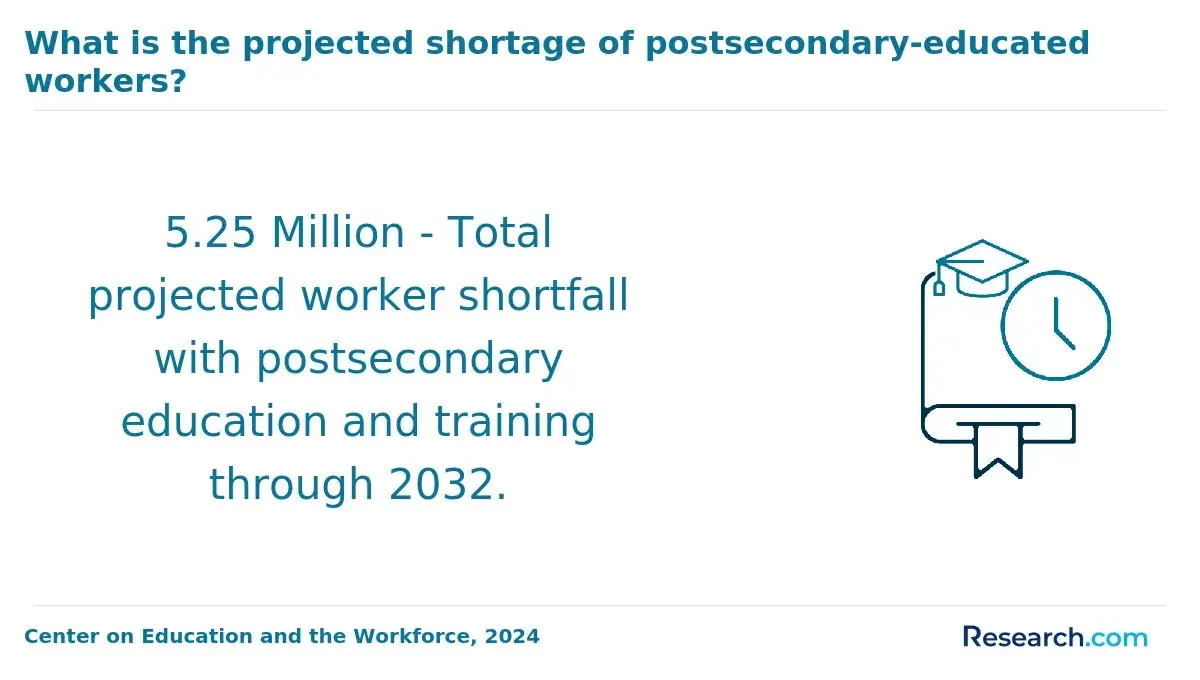
Classroom instruction often falls short of fully preparing medical studies students for professional roles because it primarily delivers theoretical frameworks without the complexity of real clinical environments. Real-world experiences such as internships enable students to translate academic knowledge into practical skills, fostering critical thinking, decision-making, and adaptability in patient care scenarios. This contextual learning not only builds confidence but also helps students internalize interpersonal and communication skills necessary for effective collaboration within healthcare teams. A 2024 report from the National Center for Education Statistics underscores this impact, showing that graduates who undertook relevant internships secured employment 32% faster within six months of graduation than those without such exposure.
Internships and clinical placements deepen technical proficiency while exposing students to workplace norms and expectations, sharpening their ability to navigate healthcare systems and multidisciplinary teams. Beyond skill-building, these experiences provide vital opportunities for professional networking and mentorship, enhancing career exploration and long-term planning. However, access to quality placements varies significantly by institution and program, and balancing these opportunities with academic demands can be challenging. For example, a student juggling demanding coursework while rotating through high-pressure hospital internships must develop strong time management to maximize learning without burnout.
To optimize the benefits of experiential learning, students should proactively seek internships early in their studies, engage fully in applied projects, and cultivate professional relationships. Reflecting critically on these experiences allows them to align practical insights with career objectives, reinforcing their employability. Importantly, internships amplify career readiness most effectively when accompanied by solid academic performance and ongoing development of competencies such as clinical judgment and patient communication. Thoughtful integration of workplace learning and academic achievement offers the strongest foundation for meeting employer expectations in today's competitive healthcare labor market.
How Can Students Close the Medical Studies Skills Gap Before Graduating?
Students pursuing a medical studies degree don't have to delay building career-ready skills until after graduation. Employers increasingly expect graduates to arrive with practical experience, strong communication, and teamwork abilities that traditional coursework alone rarely provides. Actively integrating workplace competencies alongside academic learning improves job prospects and helps new graduates adapt quickly to clinical environments and interdisciplinary teams. Bridging this gap demands focused actions during the program rather than deferring skill-building to a later stage. The following strategies offer concrete ways to align education with employer needs before completing the degree.
- Clinical Internships: Hands-on internships give students exposure to real-world healthcare settings and patient care, enhancing familiarity with protocols and teamwork under pressure. A 2024 NIH study found students completing clinical internships secured job placements 30% faster than peers without such experience, demonstrating the value employers place on practical involvement.
- Undergraduate Research: Engaging in research refines critical thinking and scientific literacy essential for evidence-based practice. Integrating clinical relevance into research projects is crucial to ensure outcomes translate into skills valued by healthcare employers.
- Project-Based Learning: Participating in case studies and capstone projects simulating medical scenarios improves problem-solving and interdisciplinary communication skills. These contextual experiences help students apply theoretical knowledge effectively, correlating with higher employer satisfaction early in careers.
- Professional Certifications: Certifications such as Basic Life Support (BLS) or Certified Medical Assistant (CMA) provide verifiable competencies beyond grades. Data from the National Healthcare Association in 2024 indicates candidates holding such credentials were 25% more likely to receive timely job offers.
- Interdisciplinary Collaboration: Actively seeking opportunities to work with peers from related health fields fosters adaptability and holistic understanding. This practice mirrors real healthcare team dynamics and sharpens interpersonal skills vital for clinical success.
- Communication Skill Development: Structured workshops or courses in patient interaction and professional communication prepare students to handle complex conversations and cultural sensitivity, an area many employers highlight as critical yet underdeveloped.
Reflecting on these approaches, a recent graduate recalled hesitating to take a capstone project focused on community health outreach, unsure if it would impact employability. Ultimately, the experience proved invaluable by exposing them to patient education challenges and interprofessional coordination. When job interviews came, referencing concrete instances from that project sparked discussions beyond academic credentials, easing nerves and differentiating the candidate. This blend of practical exposure and communication competence, gained pre-graduation, was pivotal in bridging the skills gap and securing a role in a competitive healthcare setting.
How Is the Medical Studies Job Market Changing Employer Skill Requirements?
Technological innovation and automation are reshaping employer expectations within the evolving medical studies job market skills. Beyond clinical expertise, employers now demand proficiency in digital health records, telemedicine platforms, and data analytics tools, reflecting the sector's fast integration of health IT. For example, a graduate entering a hospital setting must be comfortable navigating electronic medical systems while collaborating in interdisciplinary teams, which requires a blend of technical literacy and communication skills. The U.S. Bureau of Labor Statistics forecasts continued growth in healthcare roles, signaling that adaptability to technological change is not optional but essential.
These shifting priorities extend to professional competencies as well. Employers increasingly value critical thinking, teamwork, and leadership-attributes emphasized by the World Economic Forum's 2024 Future of Jobs report-as foundational for navigating complex healthcare environments. Consequently, successful candidates combine academic knowledge with real-world problem-solving through internships or applied research. Preparing effectively means supplementing traditional medical studies curricula with certifications, experiential learning, and networking to close the gap between theory and practice. Those seeking to expedite credential attainment might explore options like the shortest RN to BSN program to align education timelines with workforce demands.
Labor market analytics from Lightcast highlight expanding hybrid roles that fuse medical expertise with project management or policy analysis, underscoring the need for continuous upskilling. For students and career changers, success relies on a balanced approach that cultivates both scientific rigor and versatile technical skills. Understanding these employer expectations can guide decisions about dual majors or targeted certifications, ensuring long-term career resilience in a dynamic healthcare landscape.
How Do Different Medical Studies Programs Compare in Career Preparation?
Career preparation in medical studies programs depends on more than just the degree title; it hinges on how well programs embed real-world skills and adaptability into their curricula. Graduates often face a healthcare environment that rapidly evolves with new technologies and clinical practices. A program's ability to blend theoretical knowledge with practical application is critical to closing the gap between academic training and employer expectations. Recent 2024 data from leading educational research bodies confirms that programs emphasizing hands-on experience produce graduates with demonstrably higher workforce skill alignment. Consider a graduate entering a fast-paced hospital setting: their readiness to apply evidence-based protocols and collaborate across disciplines can vary widely based on the program's design. Below are key factors prospective students should evaluate to understand how programs compare in career preparation.
- Experiential Learning Opportunities: Programs differ in providing clinical rotations, simulation labs, and interdisciplinary projects. These experiences are vital for developing problem-solving and communication skills urgently needed by employers. Students should assess the scope and diversity of practical training embedded within the curriculum.
- Curriculum Integration: The alignment of foundational sciences with applied healthcare technology and soft skills creates a comprehensive learning ecosystem. Programs that intentionally integrate these components better prepare students for dynamic clinical roles. Prospective students must question how fully integrated the curriculum is rather than relying solely on course titles.
- Research Literacy and Collaboration: Employers increasingly prioritize adaptability and evidence-based decision-making. Programs emphasizing research skills and fostering cross-disciplinary teamwork can enhance graduates' capacity to navigate complex patient care scenarios and contribute to ongoing innovation.
- Skill Gap Mitigation: A persistent skills gap remains in areas like technological proficiency and applied problem-solving. Medical studies degrees offering integrated curricula that address these gaps help bridge between academic preparation and workforce demands more effectively.
While no program perfectly fits every student's career goals, those that balance rigorous scientific training with experiential and soft skill development lead to stronger long-term career outcomes. Prospective students can also explore related fields such as online PhD counselor education and supervision to complement career readiness in interdisciplinary healthcare environments.
Source Keywords: Comparative career readiness in medical studies programs, Medical degree programs workforce skill alignment
How Should Students Choose a Medical Studies Program That Builds Career-Ready Skills?
Choosing between online, hybrid, or campus formats for a medical studies program impacts long-term career readiness and professional growth in distinct ways. While each format offers unique advantages, understanding how they shape skill development and workforce transitions is crucial. The National Center for Health Workforce Analysis in 2024 highlights the importance of applied competencies alongside clinical knowledge, which vary by learning environment. Consider these key long-term factors when evaluating formats:
- Clinical Exposure: Campus programs typically provide immersive hands-on experience and access to simulation labs, essential for mastering patient communication and interdisciplinary teamwork. Hybrid models offer balanced clinical rotations combined with flexibility, whereas purely online formats may limit direct patient interaction, suitable for self-directed learners with prior practical experience.
- Technical Fluency: Online formats emphasize digital proficiency-including electronic health records and telehealth technologies-preparing students for the evolving tech-driven healthcare landscape. Campus learners develop these skills in context, often alongside hands-on tools, benefiting those aiming for clinical practice roles.
- Networking Opportunities: Campus settings naturally foster connections with mentors and peers, critical for career placement and professional guidance. Hybrid programs provide intermediate networking through periodic in-person interactions, while online students must proactively engage in virtual communities to build relationships.
- Soft Skills Development: Programs integrating empathy, adaptability, and critical thinking through experiential learning correlate with higher employment, as shown in the 2024 Health Education Outcomes Survey. Campus and hybrid options better support this than online-only paths.
- Flexibility and Accessibility: Online formats excel for those balancing work or family, enabling steady progress but requiring discipline. Hybrid programs offer moderate flexibility with structured face-to-face sessions. Campus attendance often demands full-time presence, benefiting learners who thrive on routine and direct mentorship.
- Career Path Alignment: Research-intensive campus tracks may suit those pursuing academia or clinical trials, while practical, applied learning in hybrid and online formats better aligns with employers prioritizing workforce-ready graduates.
References:
- How to Do a Skills Gap Analysis for Healthcare Recruitment https://medcerts.com/blog/how-to-do-a-skills-gap-analysis-for-healthcare-recruitment
- Skills Gap Analysis: All You Need To Know [FREE Templates] https://www.aihr.com/blog/skills-gap-analysis/
- Why Soft Skills Decide Success in Healthcare Careers | Cliniwave https://cliniwave.in/blogs/latest-article/soft-skills-in-healthcare-careers
- Bridging gaps in healthcare worker knowledge with skill assessments https://www.mgma.com/mgma-stat/bridging-gaps-in-healthcare-worker-knowledge-with-skill-assessments
- What Is the Typical Curriculum for Medical School? https://medical.rossu.edu/about/blog/typical-medical-school-curriculum
- List of Technical Skills in Healthcare 2026 | TalentGuard https://www.talentguard.com/blog/healthcare-technical-skills-performance-management-comments-examples
- How Graduate Programmes Bridge the Gap Between Education and Real-World Skills - ICDL Global https://icdl.org/how-graduate-programmes-bridge-the-gap-between-education-and-real-world-skills/
- How medical internships for high school students promote college and career readiness | Northwell Health https://www.northwell.edu/news/insights/medical-internships-for-high-school-students-promote-college-and-career-readiness
- 6-year MD Program (Medicine) https://ed.wum.edu.pl/pl/medicineprogram
- Current Trends in the Healthcare Job Market https://checkrare.com/current-trends-in-the-healthcare-job-market/
Other Things You Should Know About Medical Studies
Programs emphasizing deep theoretical knowledge often leave graduates underprepared for day-to-day clinical or administrative tasks. Students should seek curricula that integrate applied learning opportunities without sacrificing essential scientific foundations. Prioritizing programs with robust practicum components or simulated environments can help bridge this gap, enabling graduates to meet employer expectations more effectively while retaining critical analytical skills.
Accelerated programs may offer time and cost savings but often reduce exposure to hands-on learning and interdisciplinary collaboration, leading to a more significant skills gap upon graduation. Graduates might find themselves less confident in navigating complex patient interactions or emerging healthcare technologies. Those considering accelerated paths should weigh these tradeoffs carefully, as gaining workplace-ready skills might require supplementary training or experience later on.
While specialization sharpens expertise in a niche area, it can constrain flexibility across broader roles where interdisciplinary knowledge is valuable. Employers increasingly look for candidates who can pivot between various tasks and adapt to integrated healthcare teams. Students should consider how well their program fosters cross-functional skills, recommending a balance between specialization and comprehensive core competencies to enhance long-term employability.
Supplementing formal education with internships, volunteer work, or certifications is often essential given curricular limitations, especially in communication, technology use, and administrative skills. These experiences provide practical insights and demonstrate initiative to employers. Prospective students should plan to allocate time and resources toward such activities, recognizing that degree content alone rarely suffices to close all skill gaps.