2027 Best Online Associate Degrees in Digital Photography With Career Services

Co-Founder and Chief Data Scientist
Choosing an online associate degree in digital photography is really a decision about skills, portfolio quality, cost, and career support. The field is competitive, but not stagnant: the Bureau of Labor Statistics projects photographer employment to grow 4% from 2023 to 2033, roughly as fast as average. This guide is for students, career changers, military learners, and working adults comparing flexible photography programs. You will learn which accredited options to consider, what they cost, how online study works, and how career services can help turn images into paid work.
Key Things You Should Know
- Accredited online associate photography options are limited, so students should compare institutional accreditation, portfolio support, equipment requirements, transfer pathways, and documented career services before applying.
- Most associate degrees require about 60 credits; College Board's 2024 pricing data lists average public two-year in-district published tuition and fees at about $4,050 for 2024-25, before supplies, software, and camera gear.
- BLS May 2024 wage data places photographers at a median annual wage near the low-$40,000 range, while adjacent digital media roles may pay more but usually require stronger design, video, marketing, or web-content skills.
What is an online associate degree in digital photography and who is it best for?
An online associate degree in digital photography is a two-year undergraduate program that teaches camera operation, lighting, image editing, visual storytelling, studio workflow, and professional portfolio development. Most programs award an Associate of Arts, Associate of Science, Associate of Applied Science, or Associate of Occupational Studies, depending on whether the curriculum is transfer-oriented or career-focused.
This degree is best for students who want structured training without immediately committing to a four-year program. It can fit aspiring portrait photographers, product photographers, social media content creators, photo assistants, freelance visual storytellers, and working adults who need a portfolio-building credential. Students who already know they want advanced commercial, editorial, teaching, or creative director roles may want to compare bachelors in photography online programs as a longer-term pathway.
The degree may not be the best investment for everyone. If your goal is a narrow hobby skill, a short certificate or noncredit workshop may be enough. If your goal is high-end advertising, art direction, UX content, or multimedia leadership, an associate degree may be only the first step.
The table below summarizes common learner profiles and whether an online photography associate degree usually fits their goals.
| Learner goal | Program fit | Why it may or may not work |
| Build a professional photography portfolio from scratch | Strong fit | Courses usually move from fundamentals to lighting, editing, and portfolio review. |
| Start freelance portrait, event, or product work | Moderate to strong fit | The degree can help with technical skill and credibility, but business and client acquisition skills still matter. |
| Transfer later into a bachelor's program | Depends on school | Transfer-oriented degrees are better; occupational degrees may transfer fewer credits. |
| Learn photography casually | Weak fit | A full degree may cost more time and money than a certificate, workshop, or community course. |
| Move into high-paying digital strategy roles | Partial fit | Photography helps, but employers may also expect marketing analytics, design, video, or web skills. |
How do online digital photography associate programs compare to campus-based options?
Online and campus-based digital photography programs can teach the same fundamentals, but the student experience is different. The most important question is not whether online learning is "easier," but whether the format gives you enough critique, equipment access, deadlines, and portfolio guidance to improve your work.
The comparison below shows where online and campus programs tend to differ for photography students.
| Factor | Online associate program | Campus-based program |
| Schedule flexibility | Usually stronger for working adults and students with family responsibilities. | Often tied to fixed class and studio schedules. |
| Studio access | Students may need to create a home setup or rent local studio time. | Students may have access to campus lighting labs, backdrops, printers, and studios. |
| Critique format | Often uses uploaded image sets, video feedback, discussion boards, and live sessions. | Often includes in-person critiques and immediate studio demonstrations. |
| Equipment costs | May be higher if the student must supply most gear independently. | May be lower if the school loans cameras, lights, or lab equipment. |
| Networking | Depends heavily on virtual events, alumni groups, and career-service engagement. | May be easier through local shoots, campus exhibitions, and faculty introductions. |
Online study works best for disciplined students who can shoot regularly, meet critique deadlines, and solve location or lighting challenges independently. Campus study may be better for students who want frequent hands-on supervision, access to shared gear, or a local creative community.
A common mistake is choosing online study only because it appears convenient. Photography is a production-based field, so students should confirm how critiques happen, whether live feedback is available, what software is required, and whether the program helps students build a portfolio that matches real jobs.
Which accredited schools offer the best online associate degrees in digital photography?
The market for fully online associate degrees specifically in digital photography is small, so the "best" choice depends on accreditation, curriculum depth, career services, transfer options, and total cost. Students should verify each school's current program availability, accreditation status, tuition, and state authorization before enrolling because online offerings can change.
The following accredited schools are among the practical options students often compare when looking for online associate-level photography study with career or portfolio support.
| School | Online associate-level photography option | Accreditation to verify | Career and portfolio support to ask about |
| Southern New Hampshire University | Online associate-level digital photography pathway, subject to current catalog availability | New England Commission of Higher Education | Career advising, resume support, online student services, and transfer pathways into bachelor's study. |
| Academy of Art University | Online Associate of Arts in Photography | WASC Senior College and University Commission | Portfolio development, creative career resources, industry-focused assignments, and online critique structure. |
| Sessions College | Online associate degree in digital photography or related visual arts pathway, subject to catalog status | Distance Education Accrediting Commission | Portfolio preparation, creative career guidance, software-focused assignments, and student support for online learners. |
Because there are relatively few fully online associate photography degrees, students should also consider accredited community colleges with hybrid photography programs, online digital media associate degrees with photography electives, or transfer-friendly general education programs paired with a strong photography certificate. The right option is the one that supports your portfolio, not just the one with the closest title match.
What admission requirements and application materials do digital photography associate programs ask for?
Admissions for online associate degrees in digital photography are usually more accessible than admissions for competitive bachelor's fine arts programs. Many schools use open or broad-access admissions, especially at the associate level, but applicants still need to prove readiness for college-level work and online learning.
Applicants should prepare the following materials early because missing documents can delay financial aid, transfer evaluation, or course registration.
- High school diploma, GED, or equivalent documentation showing completion of secondary education.
- Official transcripts from high school and any previously attended colleges.
- Online application form and, at some institutions, a nonrefundable application fee.
- Government-issued identification and residency information for tuition and state authorization purposes.
- Placement assessment or prior test scores if the school uses them for English or math course placement.
- Portfolio sample only if required; many associate programs do not require a formal entrance portfolio but may ask for creative samples later.
- Financial aid documents, including the FAFSA for students seeking federal aid at eligible institutions.
Students with prior college credits should ask for a transfer-credit review before committing. A school that accepts previous general education credits may shorten the timeline and reduce total cost, but transfer rules vary by institution, accreditation type, course grade, and program structure.
How long do online digital photography associate degrees take, and what do they cost?
Most online associate degrees in digital photography take about two years of full-time study because they commonly require around 60 semester credits. Part-time students may need three years or more, while students with transfer credits, year-round enrollment, or accelerated terms may finish faster.
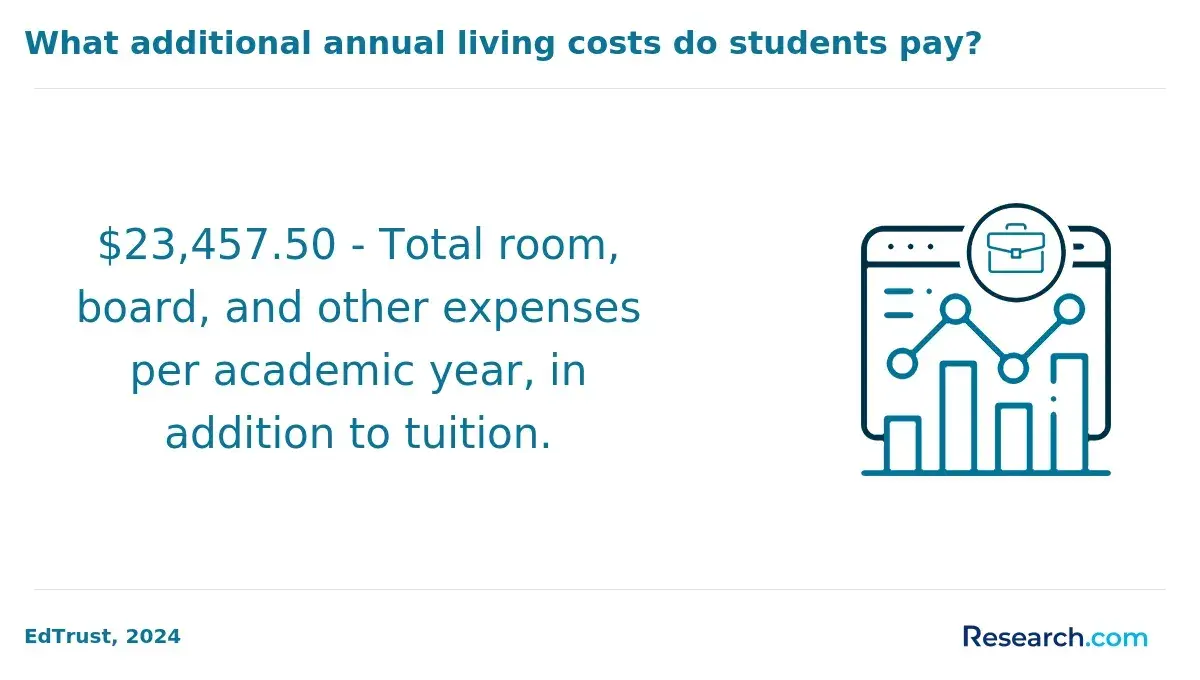
Cost varies widely because photography programs include more than tuition. College Board's 2024 Trends in College Pricing reported average published tuition and fees of about $4,050 for public two-year in-district students in 2024-25, but online private or specialized art programs can cost substantially more. That figure is useful as a baseline, not a quote for any specific school.
Students should budget for the full cost of attendance, not just the advertised per-credit tuition. The most common expenses include the following.
- Tuition and mandatory online, technology, registration, or graduation fees.
- Camera body, lenses, memory cards, tripod, storage drives, color-calibrated monitor, and lighting accessories.
- Software subscriptions for image editing, file management, layout, or portfolio presentation.
- Printing, matting, website hosting, portfolio review, or exhibition costs.
- Books, general education materials, and optional local studio rental or model fees.
To control costs, compare net price after grants and scholarships, not just tuition. Also ask whether the school offers equipment discounts, software licensing, military benefits, payment plans, employer tuition assistance processing, or transfer-credit evaluations before enrollment.
What core courses and technical skills are taught in digital photography associate programs?
Digital photography associate programs combine artistic development with technical production skills. A strong curriculum should help students move beyond taking attractive images and toward planning shoots, controlling light, editing consistently, preparing files for different uses, and explaining creative choices during critiques.
The table below shows common course areas and the practical skills students should expect to build.
| Course area | What students learn | Career relevance |
| Digital camera fundamentals | Exposure, aperture, shutter speed, ISO, file formats, lens selection, and camera handling. | Essential for assistants, freelancers, and studio support roles. |
| Lighting and studio practice | Natural light, continuous light, flash, modifiers, reflective surfaces, and controlled setups. | Important for portrait, product, food, fashion, and commercial photography. |
| Digital image editing | RAW processing, retouching, color correction, compositing basics, and export settings. | Needed for consistent client deliverables and digital media workflows. |
| Visual storytelling | Composition, sequencing, documentary approaches, narrative intent, and audience interpretation. | Useful for editorial, nonprofit, social media, and brand content. |
| Business and professional practice | Copyright basics, estimates, client communication, contracts, invoicing, and ethical image use. | Especially important for freelancers and small business owners. |
| Portfolio development | Image selection, editing for coherence, artist statements, web presentation, and critique response. | Often the deciding factor for internships, freelance inquiries, and entry-level interviews. |
Current programs should also address AI-assisted editing and content authenticity. Generative tools can speed up masking, cleanup, tagging, and concept development, but employers still value original capture skills, ethical disclosure, brand consistency, and copyright awareness. Students interested in the technical side of automation may also compare how an applied artificial intelligence bachelor differs from a creative photography pathway.
Before enrolling, ask whether assignments require original photography, whether AI-generated imagery is restricted, and how the school teaches ethical editing. These policies matter because news, commercial, and creative employers may treat image manipulation differently.
What career services and portfolio support do these online programs typically provide?
Career services are especially important in photography because entry-level hiring often depends on proof of work rather than the degree title alone. A helpful online program should support both employment readiness and portfolio presentation.
Students should look for career services that are specific enough to support creative work, not just generic resume templates. Stronger programs often provide the following supports.
- Portfolio reviews with faculty, career staff, alumni, or outside creative professionals.
- Resume, artist statement, biography, and LinkedIn profile feedback tailored to visual media roles.
- Guidance on building a photography website, image galleries, and client-facing project descriptions.
- Mock interviews or freelance pitch practice for studio assistant, content creator, and production roles.
- Job boards, internship leads, alumni networking events, or employer information sessions.
- Support for transfer planning if the student wants to continue into a bachelor's degree.
- Advice on business basics such as pricing conversations, contracts, copyright, licensing, and client communication.
A red flag is a program that advertises career support but cannot explain how online photography students receive portfolio critique or job-search help. Before applying, ask for examples of student portfolio formats, typical critique schedules, alumni outcomes when available, and whether career services remain available after graduation.
What entry-level photography and digital media jobs can graduates pursue?
Graduates may pursue entry-level work in photography, digital production, marketing content, ecommerce, and studio operations. The first job is often not "lead photographer"; many graduates begin as assistants, editors, coordinators, or content specialists while continuing to build a stronger portfolio.
The table below outlines realistic entry-level directions and what each role typically involves.
| Entry-level role | Typical responsibilities | Skills that help |
| Photography assistant | Prepare gear, set lights, manage files, assist on shoots, and support lead photographers. | Lighting, organization, camera handling, reliability, and file management. |
| Portrait or event photographer | Photograph individuals, families, school events, weddings, local events, or community sessions. | Client communication, posing, editing speed, scheduling, and business basics. |
| Product or ecommerce photographer | Create consistent images for online stores, catalogs, marketplaces, and brand pages. | Lighting control, color accuracy, retouching, attention to detail, and workflow discipline. |
| Photo editor or retoucher | Select, correct, retouch, organize, and export image files for clients or internal teams. | Editing software, color correction, masking, batch workflow, and quality control. |
| Digital content specialist | Create and manage photo assets for websites, social media, email, and campaigns. | Photography, basic design, captions, analytics awareness, and brand consistency. |
| Studio coordinator | Schedule shoots, maintain equipment, organize assets, communicate with clients, and support production. | Project coordination, file systems, vendor communication, and production etiquette. |
Students who enjoy photography but want broader marketing leadership may later add digital marketing, analytics, or content strategy training. Comparing MS in digital marketing degree cost tuition fees can be useful for graduates who eventually want to move from production into campaign strategy or management.
The smartest path is to build paid or publishable work while studying. Volunteer shoots, campus projects, small business product photos, local events, and internships can help students graduate with evidence of reliability, not just classroom assignments.
What salary ranges and job outlook can digital photography graduates expect?
Salary outcomes in photography vary widely because many workers are self-employed, part-time, freelance, regionally based, or employed in adjacent media roles. BLS May 2024 data places the median annual wage for photographers at about $42,520, which should be read as a national midpoint rather than a starting salary or income guarantee.
The table below provides salary context for photography-related and adjacent digital media occupations. These figures are national medians, so local markets, employer type, portfolio strength, and freelance volume can change actual earnings significantly.
| Occupation | Relevant pathway | Recent national salary context | What it means for associate graduates |
| Photographer | Direct photography work in portrait, event, commercial, news, or self-employment settings. | BLS May 2024 median annual wage: about $42,520. | Entry-level income may start lower, especially for freelancers building clients. |
| Graphic designer | Design-heavy roles that may use photography as part of brand, print, or digital layouts. | BLS May 2024 median annual wage: about $61,300. | Usually requires stronger design software, typography, and layout skills beyond photography alone. |
| Film and video editor or camera operator | Video production, editing, camera operation, and multimedia storytelling. | BLS May 2024 median annual wage: about $67,590. | Photography students may need video, audio, editing, and motion storytelling experience. |
| Web and digital interface designer | Visual design for websites, apps, and digital products. | BLS May 2024 median annual wage: about $98,540. | This is not a photography-only role; it usually requires UX, web, design, and technical skills. |
The job outlook is mixed but not discouraging. BLS projects photographer employment to grow 4% from 2023 to 2033, but competition remains strong because digital cameras, smartphones, AI editing tools, and freelance platforms lower the barrier to entry. Graduates can improve their odds by combining photography with ecommerce, video, social media, design, marketing, or web content skills.
How can students evaluate and choose a reputable online digital photography program?
Choosing a reputable online digital photography program requires more than scanning rankings. The best program for you should be accredited, affordable after aid, realistic about equipment costs, strong in critique and portfolio development, and aligned with the work you want to do after graduation.
Use the following steps before applying or enrolling. They will help you avoid common mistakes that can increase cost or weaken career outcomes.
- Verify institutional accreditation through the school's accreditor and the U.S. Department of Education database, and confirm that the specific program is currently offered online.
- Ask whether the degree is transfer-oriented or career-oriented, because an AA or AS may transfer differently than an AAS or occupational associate degree.
- Request a full cost estimate that includes tuition, fees, software, equipment, printing, portfolio hosting, and graduation costs.
- Review sample course assignments to confirm that students complete real photo shoots, critiques, editing projects, and portfolio work.
- Ask how online critiques happen, how often faculty provide feedback, and whether live sessions or recorded reviews are available.
- Confirm equipment requirements before the first term so you do not discover unexpected camera, lens, lighting, or computer costs after enrolling.
- Ask career services how they support photography students specifically, including portfolio reviews, freelance guidance, internships, and alumni networking.
- Check transfer policies if a bachelor's degree is possible later, and get transfer-credit estimates in writing when possible.
- Look for transparent student support, including tutoring, technical help, library access, disability services, and advising for online learners.
- Avoid programs that promise job placement, guaranteed income, instant professional status, or vague "industry connections" without documentation.
Military and veteran students should also compare credit for prior learning, tuition assistance processing, Yellow Ribbon participation when applicable, and online student support. If you are weighing creative study against a technical path, reviewing best military friendly online cybersecurity degrees can help clarify how different online programs structure veteran services and career outcomes.
The final decision should come down to fit. Choose the program that helps you produce stronger work, understand the business side of photography, graduate with manageable debt, and keep future education options open.
Other Things You Should Know About Digital Photography
While a professional camera is beneficial, many programs in 2027 start with smartphone photography and progress to DSLRs. Ensure you have a device capable of installing required photography and editing software, as access to Adobe Creative Cloud is often essential.
Some introductory assignments may allow smartphone images, especially for composition exercises, but degree programs typically require manual camera control for exposure, depth of field, file quality, and lighting assignments.
In many cases, students retain rights to their own work, but schools may request permission to display student projects. Review the school's intellectual property, portfolio-use, and promotional-use policies before submitting images.
Some programs require a digital portfolio review, while others admit students with a high school diploma or GED and no portfolio. When required, schools usually ask for 8 to 15 original images that show exposure, composition, and editing basics.
References
- Is managing career services causing more stress than success? https://www.careerservicescentral.com/
- What's the Outlook for Photographer Jobs? | All Art Schools https://www.allartschools.com/photography/outlook-photography-jobs/
- Photography https://www.matc.edu/course-catalog/creative-arts-design-media/photography.html
- How to Choose the Right Photography Program https://nossi.edu/how-to-choose-the-right-photography-program/
- Online Photography Degrees | Photography Programs & Courses https://www.onlinecolleges.net/degrees/photography/
- Computer graphic arts - digital photography https://www.starkstate.edu/academics/explore-all-programs/digital-photography-major/
- Photographers: Salary, career path, job outlook, education and more - RaiseMe https://www.raise.me/careers/media-and-communication/photographers/
- Delivering and Scaling Career Services for Online and Adult Learners: Data and Strategies - uConnect https://www.gouconnect.com/career-everywhere/delivering-and-scaling-career-services-for-online-and-adult-learners-data-and-strategies/
- Digital Photography at CWI: Let's Get Started https://cwi.edu/academics/career-technical-education/digital-photography
- Online Photography Degree | Associate Degree (AOS) https://www.sessions.edu/online-degrees/digital-photography/