2027 Art History Degree Outlook Through 2030: Enrollment, Salary, and Hiring Projections

Co-Founder and Chief Data Scientist
Deciding whether to pursue or continue a degree in art history requires weighing more than just projected job growth or enrollment numbers. Although nationwide art history enrollment increased by nearly 8% in 2023, this growth masks fierce graduate competition in saturated urban markets and limited regional hiring opportunities. Salary trends also vary widely by specialization and institution type, complicating straightforward earnings expectations. Furthermore, evolving employer demand increasingly emphasizes digital curation skills, affecting traditional career trajectories. This article analyzes art history enrollment, salary patterns, hiring projections, industry demand, geographic opportunity, and emerging workforce changes through 2030 to inform more nuanced education and career decisions.
Key Things to Know About the Art History Degree Outlook Through 2030
- Enrollment in art history programs has declined by 12% since 2020, reflecting shifting student interest toward STEM fields; this contraction signals more competitive job markets for graduates through 2030.
- Employer surveys from 2024 reveal a growing preference for candidates combining art history expertise with digital skills, indicating a workforce trend toward cross-disciplinary roles in heritage technology.
- Rising tuition and longer degree completion times emphasize financial and timing burdens, urging prospective students to weigh return-on-investment carefully before committing to intensive art history study paths.
- Key Things to Know About the Art History Degree Outlook Through 2030 Key Things to Know About the Art History Degree Outlook Through 2030
- How is Art History Degree Enrollment Expected to Change Through 2030? Enrollment Trends Through 2030
- How Many Art History Graduates Will Enter the Workforce by 2030? Graduate Workforce Entry Projections
- What Are the Hiring Projections for Art History Graduates Through 2030? Hiring Projections Through 2030
- Which Art History Careers Will Experience the Most Job Growth? Fastest-Growing Career Paths
- What Is the Salary Outlook for Art History Graduates Through 2030? Salary Outlook Through 2030
- Which Industries Will Hire the Most Art History Graduates by 2030? Top Hiring Industries
- Where Will Demand for Art History Graduates Be Strongest? Strongest Geographic Demand
- Which Art History Specializations Will Be Most in Demand by 2030? Which Art History Specializations Will Be Most in Demand by 2030?
- How Will AI and Technology Affect Art History Careers Through 2030? How Will AI and Technology Affect Art History Careers Through 2030?
- Is a Art History Degree Worth Pursuing Based on 2030 Projections? Degree Value Through 2030
How is Art History Degree Enrollment Expected to Change Through 2030?
Enrollment in art history degree programs is poised to remain largely stable through 2030, shaped by a balance of demographic shifts, institutional capacity, and evolving labor-market demands. Unlike more career-flexible fields, art history often faces enrollment pressures due to tuition cost sensitivities and limited expansion capabilities, particularly as programs compete with disciplines offering clearer professional pathways. For example, smaller institutions with constrained budgets may prioritize maintaining program quality over growth, resulting in limited class sizes and a steady supply of graduates rather than significant increases. This constrained growth can intensify admission competition in flagship programs, while less selective schools may experience enrollment plateaus or minor declines, influencing the availability of specializations and concentration tracks that align with market demands.
Projections across regions reveal nuanced effects on art history graduate enrollment by region, with urban and diverse campuses leveraging interdisciplinary and global perspectives to mitigate declines seen in more traditional settings. The demand for graduates versed in digital curation and cultural management has expanded but not yet translated into broad enrollment surges, as prospective students weigh the niche nature of the degree against broader employment opportunities. These enrollment trends suggest a cautious outlook for graduate supply, where oversaturation risks remain low but timely adaptation to shifting employer expectations is crucial. Prospective students should thus consider how well programs integrate practical skill development and curricular innovations, especially when financing concerns shape their decisions, similar to considerations evident in healthcare fields such as hospital administration course online offerings that balance cost and career outcomes.
How Many Art History Graduates Will Enter the Workforce by 2030?
The number of art history graduates entering the workforce by 2030 will not directly mirror graduation figures, as workforce absorption depends on several intersecting factors beyond degree completion. While degree conferrals in art history have shown modest growth according to the National Center for Education Statistics, actual labor market entry is influenced by graduates' decisions to pursue advanced education, employment outside core art history fields, or public sector roles with broader cultural mandates. Moreover, competition for entry-level positions often requires candidates to supplement their academic credentials with digital skills, grant writing experience, or foreign languages, adding complexity to the translation of enrollment trends into workforce opportunities.
Projections suggest roughly 12,000 to 15,000 art history graduates may start entry-level roles over the next decade, but this figure incorporates attrition and a shift toward interdisciplinary pathways that reframe traditional art history trajectories. Economic pressures and STEM-oriented student interests may keep program growth stable but limited, meaning employment outcomes will increasingly favor those who strategically leverage complementary skills alongside their degrees. The broader occupational categories these graduates enter-such as museum work, education, and archiving-also vary regionally and institutionally, underscoring that sheer graduate volume does not guarantee uniform or predictable employment experiences nationwide.
One recent graduate, finishing their bachelor's in art history amid a spike in program enrollment, found the job market notably competitive despite stable overall hiring projections. They described how many peers pursued internships and additional certifications to stand out for curatorial roles. The graduate's cautious optimism was tempered by observing the influx of interdisciplinary applicants blending art history with digital humanities skills-a trend that reshaped recruiter expectations and pushed traditional graduates to consider adjacent fields with more robust hiring pipelines.
What Are the Hiring Projections for Art History Graduates Through 2030?
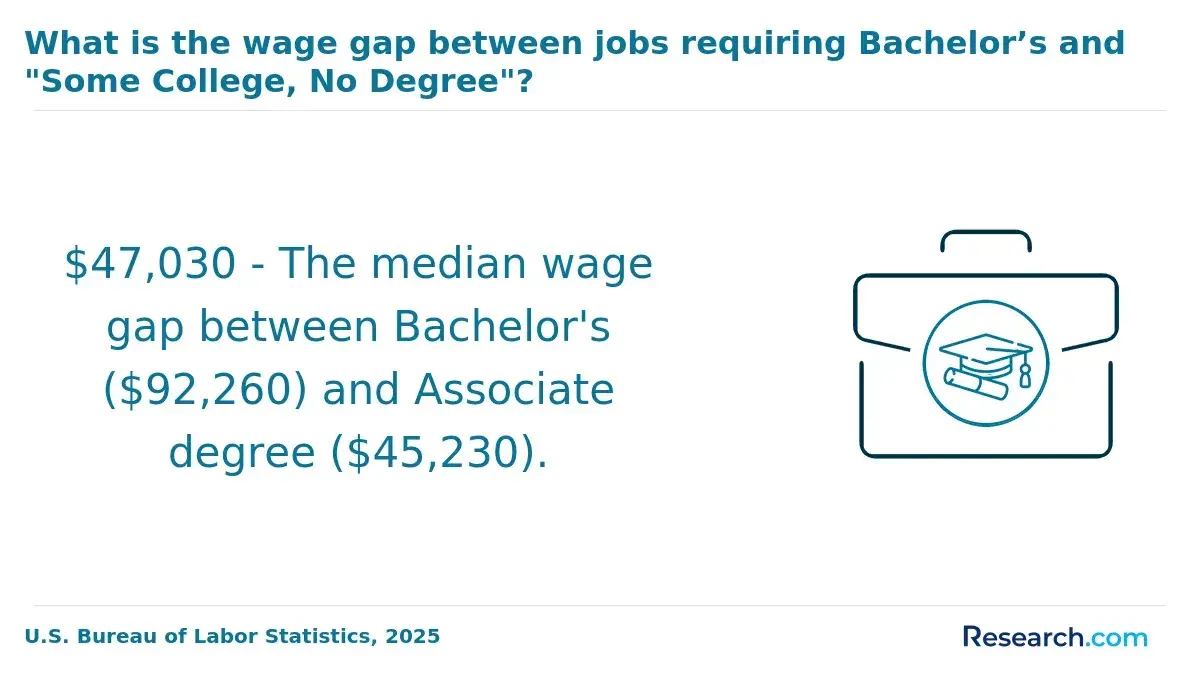
Employer demand for art history graduates through 2030 appears moderate but uneven, heavily influenced by evolving institutional priorities and funding limitations. While occupations such as museum curators and archivists are projected to grow at about 5% annually, mirroring the national average across all fields, practical hiring conditions remain competitive and geographically concentrated in major urban cultural hubs. Graduates should note that regional disparities and a shift toward contract or part-time roles, often tied to gig economy dynamics, intensify competition and complicate access to stable, full-time positions.
National forecasts indicate around 4,000 new annual openings for curators, educators, and similar roles, but this figure masks variability by specialization and degree level. For example, those combining traditional art history expertise with digital technology and public engagement skills are more likely to secure employment, reflecting museums' increasing focus on digital collections and education programs. However, the slow growth or stagnation in conventional gallery and archive jobs, coupled with restrained nonprofit budgets, often leads to underemployment or the necessity of supplementary work, particularly for entry-level professionals.
A prospective student based outside metropolitan areas should weigh these realities carefully, as local demand in smaller or rural markets may be quite limited despite the national growth rates. Unlike broader labor projections, which can suggest consistent expansion, actual career trajectories for art history graduates tend to demand adaptability, interdisciplinarity, and geographic flexibility. Therefore, relying solely on headline employment growth figures without considering these contextual factors could result in overestimating immediate job stability and earning potential in this sector.
Which Art History Careers Will Experience the Most Job Growth?
Jobs directly related to an art history degree showing the strongest growth through 2030 concentrate in museum and gallery sectors, yet opportunities remain limited by institutional budgets and the number of available positions. Museum technicians and conservators, projected to grow near 11% according to recent government and industry data, benefit from increased funding for cultural preservation and education. While curator positions grow more modestly around 6-7%, demand remains steady but competitive, favoring those who supplement their expertise with digital archiving, grant writing, or data management skills. Prospective students should weigh these realities carefully, as roles with higher growth rates often represent smaller absolute job volumes and may require specific technical competencies.
Emerging specializations in digital humanities and art data analysis represent some of the most dynamic segments within art history career growth in the United States job market, driven by the integration of technology such as AI, virtual exhibits, and blockchain provenance tracking. These interdisciplinary roles can offer more varied career paths and potentially stronger salary prospects, but they demand a blend of art historical knowledge and technical proficiency that not all graduates possess. For students deciding between traditional museum careers and these new specializations, understanding the practical value of supplemental digital skills-and sometimes additional certifications-becomes crucial. Those exploring flexible educational options might also consider programs like the cheapest online MHA, which signal broader trends in affordable, career-focused graduate education models applicable across fields.
What Is the Salary Outlook for Art History Graduates Through 2030?
Salary projections for art history graduates through 2030 must be analyzed in context, considering inflation, labor market demand, evolving credential expectations, and sector-specific shifts. Modest gains in nominal wages may not keep pace with living costs, especially given limited growth in traditional roles. Compounding this, competition for academic and museum positions remains intense, while emerging specializations and cross-disciplinary skills can create niche salary advantages. The interplay of location, experience, and additional credentials will critically shape individual outcomes. Below are key factors influencing compensation trends for art history degree holders during this period.
- Geographic Variation: Salaries tend to be higher in urban areas with robust art markets and major institutions, such as New York or San Francisco. These hubs offer more curator and gallery opportunities but come with higher living expenses, affecting real income.
- Experience Level: Entry-level roles often pay between $35,000 and $45,000, largely in nonprofit or educational settings. Mid-career professionals with specialized skills can reach $70,000 to $80,000, especially in commercial sectors like auction houses.
- Advanced Degrees: Holding a master's or PhD enhances eligibility for higher-paying academic and research positions. However, increased debt and extended study periods may delay financial gains.
- Skill Diversification: Expertise in digital curation, grant writing, or foreign languages can differentiate candidates and justify premium compensation, reflecting employers' demand for versatile skill sets.
- Sector Sensitivity: Arts-related funding is vulnerable to economic fluctuations, affecting wage growth unpredictably. Roles blending business acumen with art history tend to show more stable earning potential.
A recent graduate faced a challenging decision when offered an entry-level museum educator position in a smaller city, with a salary significantly below national median wages for comparable roles. Despite apprehension about the lower pay, the candidate accepted based on the opportunity to build a portfolio and network locally. Negotiation efforts to increase the offer yielded limited results, highlighting the importance of regional market awareness and realistic expectations early in one's career trajectory.

Which Industries Will Hire the Most Art History Graduates by 2030?
By 2030, industries expected to hire the most art history graduates will reflect complex shifts driven by cultural priorities, technological integration, and workforce renewal needs. While some sectors exhibit stable but slow growth, others are evolving rapidly due to digital transformation, requiring graduates to adapt their skills accordingly. Realistically, candidates aiming for long-term employability will need to combine their art historical expertise with competencies in technology, business, or pedagogy. Below are the key industries forecasted to offer the strongest hiring demand for art history graduates, based on labor market data and sector-specific trends.
- Museum and Heritage Sector: This remains the foundational employer, with steady demand for curators, archivists, and education coordinators. Public and private investment in cultural institutions ensures ongoing roles, although competition is high and salaries modest. Specializations in digital archiving and conservation increase hireability.
- Education: Secondary and post-secondary institutions will continue to require educators versed in art history, especially those integrating interdisciplinary and digital humanities approaches. The scarcity of full-time academic roles means many will pivot toward adjunct or blended roles involving curriculum development and online instruction.
- Commercial Art and Design: Graduates can find opportunities in art consultancy, auction houses, and market analysis, sectors experiencing growth due to globalization and digital assets like NFTs. Business acumen and familiarity with online sales platforms enhance recruitment chances.
- Technology Sector: Emerging roles include content creators for virtual reality and digital preservation projects. As metaverse-related initiatives mature, professionals who contextualize visual culture within historical narratives gain relevance. Technical skills in software and UX design are increasingly necessary.
- Nonprofit and Cultural Policy: Organizations focused on cultural advocacy and public arts programming require specialists who understand both art history and regulatory frameworks. Grant writing and community engagement skills augment employability here.
For those assessing art history careers in top hiring industries by 2030, understanding these nuanced sector dynamics is critical. The United States industries hiring art history graduates vary considerably in hiring volumes, skill expectations, and salary scales, making strategic skill-building essential. Prospective students or degree holders may find value in supplementing their backgrounds with credentials or skills aligned with digital tools or interdisciplinary learning. Given these realities, individuals might explore flexible pathways or related certifications such as those found in the best online post master's FNP program for ideas on combining disciplines and improving marketability.
Where Will Demand for Art History Graduates Be Strongest?
Demand for art history graduates will concentrate unevenly, with metropolitan hubs that host dense cultural and educational infrastructures offering the strongest opportunities. Cities such as New York, Washington D.C., and Chicago stand out due to their high concentration of museums and galleries, where roles like curators and conservators gradually expand despite competitive entry. However, the higher cost of living and intense applicant pools in these urban centers can offset nominal job growth, making local credential expectations and networking critical factors for employability and career stability.
Beyond traditional institutions, the digital heritage sector is growing rapidly, particularly in technology-driven cities like San Francisco, Seattle, and Boston, where the integration of virtual exhibitions and blockchain for art provenance creates novel roles that demand specialized digital proficiencies alongside art historical knowledge. Conversely, tenure-track positions in academia remain scarce and highly contested, driving many graduates toward adjunct teaching or digital humanities projects which offer modest growth but reflect a shift toward interdisciplinary skill sets rather than purely traditional scholarship. This diversification often proves necessary to navigate salary compression and uneven regional funding.
Government cultural agencies provide consistent but limited opportunities focused on heritage preservation and public outreach, often valuing grant writing and collaborative experience as essential competencies. For most graduates, geographic concentration of employers, coupled with the tradeoff between highly competitive urban markets and more stable but fewer regional roles, requires strategic planning. National employment projections of roughly 6% growth in museum-related fields mask these nuanced local variations, underscoring the need for candidates to weigh practical considerations like salary, cost of living, and occupational specialization when choosing where and how to apply their art history training.
Which Art History Specializations Will Be Most in Demand by 2030?
By 2030, employment opportunities for art history graduates will increasingly favor those who bridge traditional scholarship with technology and applied cultural management. Students who concentrate solely on classical academic research might encounter constrained hiring prospects, particularly within fluctuating higher education budgets and evolving institutional priorities. Deciding where to specialize involves weighing potential growth sectors against the need for technical skills and interdisciplinary adaptability. For example, a student comparing digital curation with traditional museum studies should consider not only projected job growth but also required competencies in virtual exhibition platforms, data visualization, or coding, as well as flexibility for evolving roles beyond museums.
The following specializations are projected to show relatively stronger employer demand through 2030:
- Digital Curation and Virtual Exhibitions: Demand is driven by institutions expanding virtual access and audiences, requiring expertise in digital asset management, multimedia production, and platform design.
- Cultural Heritage Management and Conservation: Roles focus on protecting artifacts and sites globally, combining scientific conservation techniques with art historical knowledge, often within nonprofit and governmental sectors.
- Arts Administration Emphasizing Diversity and Inclusion: Professionals who design programs addressing social equity attract growing institutional support, demanding skills in community engagement and culturally responsive leadership.
- Interdisciplinary Digital Humanities: Fields involving data analysis, 3D modeling, or augmented reality applications in education and preservation show rapid growth, valuing technical literacy alongside humanities insight.
- Public History and Outreach: There is increasing need for professionals who translate art history to broad audiences via media, education, and public programming, blending communication skills with scholarly expertise.
- Academic Research in Applied Contexts: While more traditional roles may face slower growth, applied research connected to technology or policy offers niche opportunities requiring advanced degrees and grant writing proficiency.
U.S. Bureau of Labor Statistics data from 2024 supports these trends by highlighting rising vacancies in digital and conservation-related roles compared to flat or declining openings in purely academic appointments, signaling a shift toward hybrid skills and diverse institutional functions.
How Will AI and Technology Affect Art History Careers Through 2030?
Automation and artificial intelligence are more likely to augment rather than fully automate common art history responsibilities by 2030, shifting the landscape toward technology-enabled research and curation. Routine tasks such as cataloging and metadata entry face higher automation risk, reducing traditional entry-level roles and emphasizing the need for internships and professional networks for career entry. For instance, an art historian adept in 3D modeling for digital exhibitions or AI-driven provenance research will align better with museum and academic demands, whereas those lacking digital literacy may encounter limited opportunities.
The technology trends shaping art history job market through 2030 suggest that employers prioritize interdisciplinary skills, blending interpretive expertise with technical proficiency in digital archives or data visualization tools. Graduates without supplementary skills in digital methodologies or data analysis may find it difficult to meet evolving hiring criteria, especially as AI increasingly supports administrative tasks but cannot replace critical human judgment in ethical oversight and historical interpretation. Prospective students should carefully evaluate curriculum offerings to include applied projects or certifications in these areas, as purely traditional programs risk misalignment with workforce expectations.
As the art history career impact of AI and automation in the United States unfolds, continuous upskilling becomes vital to maintaining employability across museums, cultural heritage institutions, and academia. Exploring related pathways-such as 5-year speech pathology programs for interdisciplinary application-is one example of broadening scope, though relevance varies by individual goals. Ultimately, adaptability to technological integration and evolving role specializations will distinguish sustainable careers from stagnation in this nuanced labor market.
Is a Art History Degree Worth Pursuing Based on 2030 Projections?
Projected employment growth in fields related to art history remains modest through 2030, with the U.S. Bureau of Labor Statistics estimating around 3% expansion in positions like museum curators and archivists, below the average for all occupations. This limited job growth, coupled with median salaries generally ranging between $45,000 and $60,000, means graduates often face a competitive job market and must consider supplemental skills or interdisciplinary expertise to stand out. For example, a candidate combining art history with digital curation or museum management may find better opportunities than one pursuing traditional roles. This dynamic highlights the need to weigh tuition costs, program length, and the practical benefits of credentialing against the realistic scope of career pathways.
When evaluating art history degree value and career outlook in the U.S. through 2030, students should recognize that outcomes vary widely depending on specialization, geographic location, and industry demand. Hiring projections suggest many graduates without additional skills risk underemployment, especially compared to those in STEM or business fields offering higher and faster salary growth. Furthermore, entry-level positions commonly require geographic flexibility and a willingness to engage in niche cultural or nonprofit sectors. Prospective students might also explore interdisciplinary programs or training similar to the substance abuse counselor degree online model, where aligned skills expand employability beyond core art history functions.
References
- The Art History Generalist: Challenges, Strategies and the Future of Teaching Art History https://arthistoryteachingresources.org/2020/05/the-art-history-generalist-challenges-strategies-and-the-future-of-teaching-art-history/
- How AI Will Make Art Worse https://time.com/article/2026/06/26/how-ai-will-make-art-worse/
- Art History: A Profile https://www.amacad.org/humanities-indicators/art-history-profile
- Art and Humanities Degree Careers and Salary in Europe - StudyinEurope.eu https://www.studyineurope.eu/ru/art-humanities/art-humanities-degree-careers-salary-europe/
- Top 8 Degrees That Will Be in High Demand by 2030 https://www.careers360.com/courses/articles/degrees-that-will-be-in-high-demand-by-2030
- Art and Design in 2030: The Future of Us | School of the Art Institute of Chicago https://www.saic.edu/magazine/fall21/art-design-2030
- The Artist’s Evolution: Navigating Current Careers and the AI Future - Art Cradling https://artcradling.com/the-artists-evolution-navigating-current-careers-and-the-ai-future/
- The Future of AI Art and Automation in Creative Industries - Jingna Zhang Fashion, Fine Art & Beauty Photography https://zhangjingna.com/blog/the-future-of-ai-art-and-automation-in-creative-industries
- Creative Industry Displacement by 2030 | Early Signals of AI Impact https://jobsdata.ai/predictions/creative-industry-displacement
- Art History grads face highest rates of unemployment in the US https://www.theartnewspaper.com/2024/07/11/art-history-grads-face-highest-rates-of-unemployment-in-the-us
Other Things You Should Know About Art History
Programs vary widely in focus, with some offering broad, interdisciplinary exposure while others emphasize specific geographic areas or methodologies. Students targeting careers in museums, galleries, or academia may benefit more from specialized tracks that deepen expertise in particular styles or eras, which align with employer expectations for subject mastery. Conversely, a broader curriculum might better serve those seeking versatility in related fields like cultural heritage or arts administration. Prioritizing programs with clear alignment between curriculum focus and intended career paths can improve job readiness and reduce time spent on unnecessary coursework.
Salary gains from pursuing advanced art history degrees are often modest and highly dependent on the career sector. While a master's or PhD may open doors to teaching or curatorial roles with higher pay, the extended time and cost investment rarely guarantee proportional salary increases outside academia. For most roles in museums or cultural organizations, relevant experience and networking often outweigh the degree level. Prospective students should carefully assess if graduate study's opportunity cost aligns with realistic salary outcomes in their targeted job market.
Employers in art history tend to prioritize candidates who demonstrate applied skills through internships, volunteer roles, or project work over purely academic credentials. Internships provide crucial opportunities to build professional networks, gain familiarity with collections management, and develop practical curatorial skills that recruiters consistently seek. Given the competitive hiring landscape, students should prioritize securing internships even at the expense of lighter coursework to enhance employability upon graduation. This hands-on experience frequently acts as a career differentiator more than GPA or coursework breadth.
An art history degree inherently aligns more with passion-driven vocations than with positions offering broad job stability or rapid growth. The discipline's job market is relatively niche, with limited openings and often contingent on securing grant funding or temporary contracts, particularly in academia and museum roles. For students focused on long-term employment certainty and financial security, prioritizing complementary skills such as digital humanities, education, or arts management within their studies can improve prospects. Therefore, balancing passion with pragmatic skill acquisition is critical in making an informed decision about pursuing art history.