2027 Best Online Master's in Health Informatics for Health System Performance Roles

Co-Founder and Chief Data Scientist
Healthcare organizations struggle to optimize system performance without professionals who can bridge clinical knowledge and data analysis. Many working adults with unrelated undergraduate degrees find it challenging to enter health informatics roles that demand both technical skills and healthcare insight. The need for flexible, accredited online master's programs grows as healthcare shifts toward data-driven decision making.
This article highlights the best online master's in health informatics designed to prepare students for health system performance careers, helping readers identify programs that offer relevant curriculum, accessibility, and reputable accreditation to support a successful career pivot.
Key Things You Should Know
- Online master's programs in health informatics are increasingly tailored to improve health system performance, focusing on data analytics, patient care optimization, and interoperability standards.
- Employment for health informatics roles in health systems is projected to grow by 20% through 2031, reflecting urgent demand for data-driven decision-makers.
- Top programs emphasize real-world application, offering coursework in EHR systems, regulatory compliance, and AI integration to prepare graduates for evolving healthcare technologies.
What is an online master's in health informatics for health system performance roles?
An online master's in health informatics for improving health system performance equips professionals with expertise in using data and technology to enhance healthcare delivery, patient outcomes, and operational efficiency. This advanced health informatics degree for healthcare system management roles focuses on data analytics, clinical decision support, health information systems, and performance measurement to maximize organizational impact.
Graduates gain skills to analyze complex datasets, implement informatics solutions, and lead projects that optimize workflows and resource allocation. For instance, they may design algorithms to improve care coordination or create dashboards monitoring key performance indicators such as readmission rates and treatment effectiveness. These abilities help professionals bridge clinical, administrative, and IT functions within interdisciplinary teams.
The curriculum typically covers:
- Health data standards and interoperability
- Clinical informatics and health IT infrastructure
- Healthcare quality improvement methodologies
- Regulatory compliance including HIPAA and data security
- Leadership and change management
These programs target professionals seeking advancement in hospitals, health networks, or government agencies focused on system-wide improvements. Emphasis is placed on adopting innovations such as electronic health records and telehealth solutions while maintaining patient safety and compliance.
In December 2024, the average annual salary for a clinical informatics manager in the U.S. was $130,440, reflecting strong earning potential in these roles focused on health system performance (Salary.com, cited by USF Health MSHI).
Prospective students can explore online health information management degree programs CAHIIM accredited to find accredited options that align with their career goals.
How do online and campus-based health informatics master's programs compare for system performance careers?
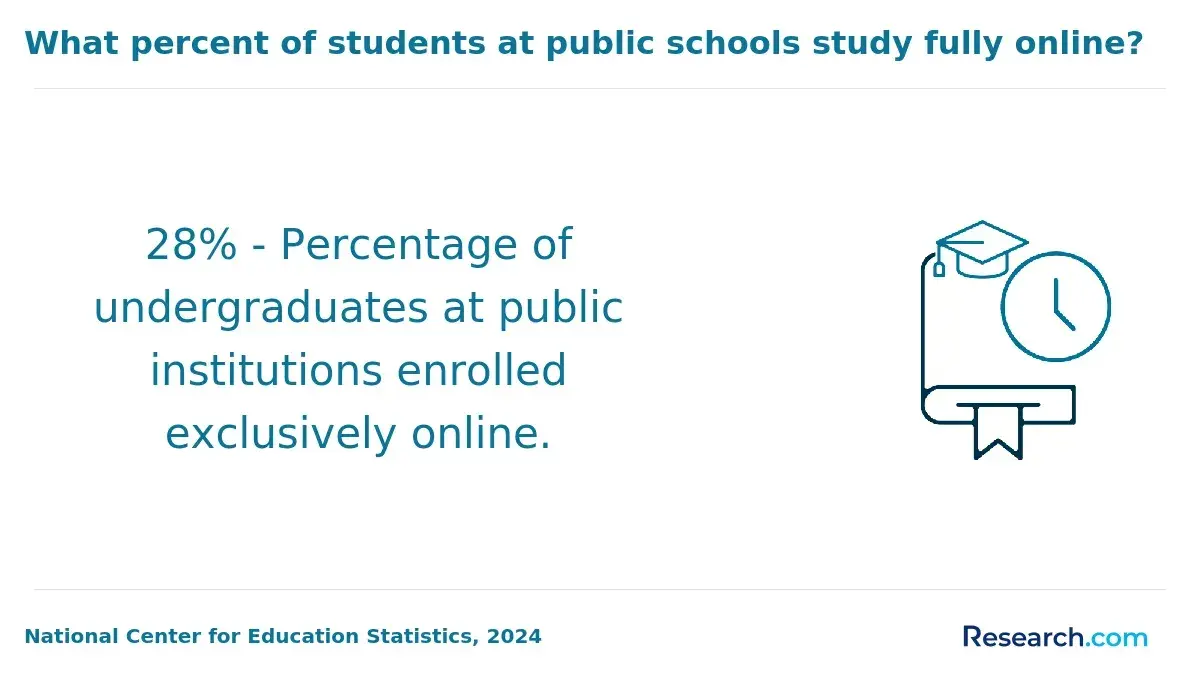
Online health informatics master's vs campus programs for system performance careers differ mainly in flexibility and hands-on experience. Campus programs offer direct in-person networking, experiential learning, and collaboration with peers and faculty, benefiting those seeking clinical or institutional exposure. However, these programs may pose challenges for students balancing work, family, or location constraints.
Comparing on-campus and online master's in health informatics for health system roles, online programs provide flexible scheduling and eliminate the need for relocation. Many incorporate synchronous sessions, virtual labs, and interactive tools that simulate real-world data analysis and healthcare projects. This format suits working professionals aiming to apply new skills immediately in their current positions.
The healthcare sector's growing demand for advanced analytic skills is reflected in a projected 35% employment growth for data scientists, including AI roles, from 2023 to 2033 according to the U.S. Bureau of Labor Statistics as summarized by Rutgers School of Health Professions.
Prospective students should evaluate program accreditation, faculty expertise, and practicum or capstone opportunities focused on system performance metrics. While campus programs often connect students with local health systems, many online programs partner with diverse healthcare organizations nationwide to provide robust practicum experiences.
Students interested in costs may find useful information on medical billing and coding certification cost as part of their broader research. Choosing the right program depends on individual circumstances, career goals, and preferred learning style.
Which accredited online health informatics master's programs best prepare graduates for health system performance roles?
Accredited online health informatics master's programs for health system performance careers focus on comprehensive training in data analytics, systems management, and clinical workflow optimization. Leading universities such as the University of Michigan, Johns Hopkins University, and the University of Utah offer curricula that blend informatics theory with practical healthcare delivery applications.
These programs emphasize competencies in:
- Data-driven decision-making to improve patient outcomes
- Health information system integration and interoperability
- Leadership skills for managing multidisciplinary teams
- Regulatory compliance and healthcare policy
Program accreditation by CAHIIM (Commission on Accreditation for Health Informatics and Information Management Education) ensures rigorous standards recognized by employers. Graduates are skilled at analyzing clinical and operational data to identify inefficiencies, design solutions, and implement performance improvement initiatives across diverse healthcare settings.
Rutgers School of Health Professions reports an average salary of $130,370 for health informatics graduates, highlighting the financial benefits of specialized training aimed at improving health system outcomes through accredited health informatics graduate programs.
Working professionals should look for programs offering experiential learning via capstone projects or practicums in real-world facilities. Flexible scheduling, healthcare analytics coursework, and strong alumni networks enhance career readiness. For those seeking a faster start, exploring the shortest medical assistant program can also be an option complementary to informatics education.
What admissions requirements and professional background are needed for these online health informatics programs?
Admissions requirements for online master's programs in health informatics typically include a bachelor's degree from an accredited institution. Many programs prefer candidates with undergraduate degrees related to health, information technology, computer science, or business. Applicants with unrelated majors may be accepted if they demonstrate relevant professional experience or complete prerequisite courses such as statistics or health sciences. A minimum GPA of around 3.0 on a 4.0 scale is commonly required.
Standardized test scores like the GRE are often requested, although some programs waive this for applicants with strong professional backgrounds or prior academic achievements. Applications are usually strengthened by letters of recommendation, personal statements, and resumes detailing relevant experience.
Professional background requirements for health informatics roles generally include experience in healthcare, IT, data analysis, or related fields. Roles in nursing, public health, clinical settings, or data management provide advantages. Most programs recommend or require one to three years of professional experience to prepare students for advanced coursework and real-world applications. Those transitioning from unrelated fields should highlight transferable skills and technical competencies.
The University of South Florida's online Master of Science in Health Informatics reported a 94% employment rate within one year of graduation in 2022-2023, showing strong job placement for graduates. Prospective students should carefully review specific program prerequisites and consider gaining certifications or practical experience.
For those exploring options, a valuable resource is online healthcare programs, which offer pathways to further specialization and career growth.
What core courses and specializations focus on health system performance and analytics?
Core courses that enhance skills in health system performance and analytics integrate data management with organizational improvements. These often include health data analytics, outcomes measurement, and health information systems, all aimed at preparing students to analyze complex datasets to improve care delivery efficiency. Training typically covers predictive analytics, quality improvement methods, and population health informatics, with practical use of statistical software and real-time performance dashboards.
Specializations focus on areas like clinical decision support, healthcare quality management, and health IT project management. These tracks equip students to design technology-driven interventions that optimize resource allocation and improve patient outcomes. Case studies often address reducing hospital readmissions, minimizing clinical errors, and streamlining patient workflows.
Programs also emphasize interoperability standards, data governance, and regulatory compliance, ensuring ethical and secure data management within health systems. Advanced coursework in machine learning or artificial intelligence is sometimes available, fostering development of predictive models to identify risk patterns across populations.
For example, the University of Central Florida's online Master of Science in Healthcare Informatics reports that 95% of alumni agree the program was a good investment in their future, highlighting strong career returns in informatics and performance improvement roles.
How long do online health informatics master's programs take and what do they cost?
Online master's programs in health informatics typically span 18 to 24 months full-time, with part-time options often extending up to 36 months to accommodate working professionals. Most programs require completion of 30 to 45 credit hours, covering essential subjects such as data management, healthcare systems, and analytics. Accelerated tracks may allow students to finish faster by taking heavier course loads or enrolling in summer sessions.
Tuition costs vary widely depending on whether the institution is public or private and the student's residency status. Public universities usually charge between $400 and $900 per credit hour for in-state students, while private institutions range from $800 to $1,500 per credit hour. Total costs often fall between $15,000 and $70,000. Additional fees for technology, course materials, or proctoring may apply, so reviewing full cost disclosures is advised.
- Financial aid, employer tuition reimbursement, and scholarships can significantly reduce expenses
- Flexibility in pacing and credit transfer options may shorten study time and lower costs
The U.S. Bureau of Labor Statistics projects up to 32% growth in healthcare informatics-related roles from 2020 to 2030, highlighting strong demand in data-driven health system positions. Completing a master's efficiently enhances opportunities in this expanding field.
What health system performance roles can graduates pursue with this degree?
Graduates with a master's in health informatics pursue various roles aimed at enhancing care quality, operational efficiency, and patient outcomes. Common positions include clinical informatics specialists who manage healthcare data to support evidence-based decisions and streamline workflows, and health informatics analysts who evaluate information systems to improve service delivery and reduce costs. These roles often involve collaboration with IT and administrative teams.
Other career paths include healthcare data scientists, who interpret complex datasets to identify trends, predict patient risks, and devise interventions. Health information managers ensure accurate patient records while maintaining regulatory compliance. Healthcare quality improvement coordinators use data to develop policies that reduce hospital readmissions and improve patient safety.
Health IT project managers lead the rollout of electronic health record (EHR) systems and digital tools to optimize hospital performance. These positions require strong analytical abilities combined with healthcare regulations and technology knowledge.
Employment sectors span hospitals, insurance companies, public health agencies, and consulting firms. Salaries vary by role and location, but demand for professionals bridging clinical care and technology continues to grow.
The University of Texas Rio Grande Valley's 100% online Master of Science in Healthcare Informatics offers an estimated total tuition of $16,000, demonstrating that regionally accredited, career-focused health informatics degrees can be affordable.
What salary ranges and advancement opportunities exist in health system performance informatics careers?
Salaries in health system performance informatics vary significantly based on experience, education, and job role. Entry-level positions typically offer between $70,000 and $90,000 annually. Mid-career professionals with a master's degree can expect salaries from $90,000 to $120,000. Senior roles like informatics directors or health system analysts often earn between $130,000 and $160,000 or more. Expertise in data analytics, quality improvement, and clinical workflow optimization tends to increase earning potential.
Career advancement may include moving from data analyst positions to management roles overseeing informatics projects or performance improvement teams. Executive leadership, such as Chief Information Officers or Chief Performance Officers, offers strategic influence and broader organizational responsibilities. Success in this field depends on continuous skill development and demonstrated improvements in clinical or operational settings using emerging technologies like artificial intelligence and predictive analytics.
Professionals must also navigate challenges like rapidly changing informatics standards and integrating diverse data systems. Ongoing education is vital; for instance, the University of Connecticut's Healthcare Informatics MS program is noted for strong student outcomes and workforce readiness.
Clear pathways and competitive salaries make health system performance informatics attractive for those seeking impactful healthcare careers.
How can students evaluate accreditation, faculty expertise, and practicum quality in online programs?
Students considering online master's in health informatics programs should verify accreditation status to ensure the degree's value. Regional accreditation from bodies like the Higher Learning Commission or specialized accreditation from CAHIIM guarantees the program meets rigorous standards, impacting credit transfers, employer recognition, and financial aid eligibility. Confirming accreditation via official websites or directly from the school is crucial.
Faculty qualifications strongly influence program quality. Prospective students should review faculty credentials such as doctoral degrees in health informatics, public health, or related areas. Look for active researchers and professionals with healthcare system experience who contribute practical insights beneficial to those pursuing analyst roles.
Practicum opportunities significantly enhance learning by connecting students with healthcare systems, insurers, or technology vendors. Important questions include the nature of practicum partnerships, mentorship availability, support in placement, and graduate success rates. For example, programs like UCF's Healthcare Informatics MS report 94% employment among graduates, reflecting effective practicum mentoring and professional networking.
Key considerations when evaluating programs:
- Is the program accredited by a recognized agency?
- Do faculty have relevant research and professional experience?
- What formal practicum partnerships support hands-on learning?
- Are placements supervised by experienced mentors?
- What are graduates' employment rates and job roles?
Assessing these factors helps ensure enrollment in programs offering credible credentials, expert instruction, and essential career-launch opportunities in health system performance.
Are professional certifications recommended for health informatics professionals in health system performance roles?
Professional certifications play a crucial role for health informatics professionals aiming to excel in health system performance roles. These credentials, such as the Certified Professional in Healthcare Information and Management Systems (CPHIMS) and the American Medical Informatics Association's Clinical Informatics Board Certification, verify expertise in managing data, optimizing clinical workflows, and enhancing patient outcomes.
Employers often require or prefer certifications for leadership and technical roles because they demonstrate skills in key areas like data analytics, health information exchange, and regulatory compliance. Certified professionals typically enjoy higher salaries and more advancement opportunities than those without credentials.
Academic Influence's 2026 ranking highlights Johns Hopkins University, University of Southern California, and University of North Carolina at Chapel Hill as the top three programs for online master's in health informatics, underscoring the competitive landscape of major research universities offering strong academic preparation. Graduates combining these degrees with recognized certifications improve their marketability significantly.
Health informatics professionals should choose certifications aligned with their career focus, such as clinical informatics for providers or data-specific credentials for analysts. Additionally, maintaining certifications through continuing education ensures staying current with evolving technologies and regulations. Pursuing professional certifications is a strategic investment for sustained career growth in health system performance.
Other Things You Should Know About Health Informatics
Successful professionals in health informatics need strong skills in data management, analytics, and familiarity with electronic health record (EHR) systems. Proficiency in database querying languages like SQL, as well as understanding health IT standards such as HL7 and FHIR, is crucial. Additionally, the ability to apply statistical software and data visualization tools enhances the capacity to interpret complex health data for system performance improvement.
Implementing health informatics solutions can be challenging due to issues like data privacy concerns, interoperability barriers, and resistance to technological change among staff. Ensuring compliance with healthcare regulations such as HIPAA adds complexity. Furthermore, integrating new systems with legacy platforms and maintaining data accuracy require ongoing effort and collaboration across departments.
Yes, internships and practical experiences are critical in health informatics education because they provide hands-on opportunities to apply theoretical knowledge. Real-world exposure allows students to navigate health IT environments, work with EHR systems, and understand workflow integration. These experiences also build professional networks and improve employment prospects in health system performance roles.
References
- Health Informatics Careers and Jobs https://www.publichealthdegrees.org/careers/health-informatics/
- Allied Health Professionals Careers https://explorehealthcareers.org/careers/allied-health-professions/
- How to Specialize in a Particular Area of Healthcare https://hrforhealth.com/blog/healthcare-specialization
- Top Healthcare Roles in 2026: Salaries & Career Paths https://www.civicrecruitment.co.uk/blog/2025/04/10-top-healthcare-roles-2025-with-salaries-and-career-paths
- Masters in Health Informatics - Opportunities and Scope — The BridgeWay Firm https://www.bridgewayfirm.com/masters-in-health-informatics
- Is a Master’s in Health Informatics Worth It? https://www.nec.edu/news/is-a-masters-in-health-informatics-worth-it
- What Is a Master’s in Health Informatics? | USF Guide https://www.usfhealthonline.com/resources/health-informatics/what-is-a-masters-degree-in-health-informatics/
- Top 30 Best Online Master’s in Healthcare Informatics Degree Programs 2020 - Healthcare Administration Degree Programs https://www.healthcare-administration-degree.net/best/online-masters-healthcare-informatics-programs/
- Quality Assurance in Distance Education: Why It Matters https://online.foundation.co.za/latest-news/quality-assurance-in-distance-education-why-it-matters
- Health Informatics (MSc) - Grad admissions - University of Victoria https://www.uvic.ca/graduate/programs/graduate-programs/credential-pages/health-information-science-cred/health-informatics-msc.php