2027 Health Informatics Concentrations for Healthcare Analytics Careers

Co-Founder and Chief Data Scientist
A mid-career professional with a background in business struggles to identify the best path into healthcare analytics due to the broad and evolving nature of health informatics concentrations. Without clear guidance, choosing a specialization that aligns with both career goals and industry demand feels overwhelming. This challenge is common among those transitioning from unrelated fields who seek flexible, accredited programs.
This article explores the most relevant health informatics concentrations tailored for healthcare analytics careers and provides clarity on how these specializations address practical workforce needs, helping readers make informed educational and career decisions.
Key Things You Should Know
- Concentrations in health informatics for 2026 increasingly emphasize data analytics, predictive modeling, and interoperability skills, reflecting 35% faster job growth compared to general IT roles.
- Healthcare analytics careers demand proficiency in EHR systems, clinical decision support, and programming languages like Python, with 70% of top employers seeking combined tech and healthcare expertise.
- Emerging trends prioritize AI integration and patient data security, where specialized informatics training boosts salary potential by up to 20% in key metropolitan U.S. healthcare hubs.
What is health informatics, and how do specialized concentrations support healthcare analytics careers?
Health informatics integrates healthcare, information technology, and data analytics to improve patient outcomes and optimize healthcare delivery. It focuses on managing and analyzing electronic health records, clinical data, and healthcare processes. Specialized health informatics pathways in healthcare analytics careers offer focused skills to address unique industry challenges and specific data environments.
Clinical informatics, a prominent concentration, applies data analytics to patient care and hospital systems. Professionals enhance electronic health record use, clinical decision support, and workflow efficiency. The U.S. Bureau of Labor Statistics reports a median annual wage of $67,310 for health information technologists and medical registrars-roles essential in clinical informatics-with employment growth projected at 15% from 2024 to 2034. This track suits those pursuing work in hospitals, clinics, or public health agencies.
Other pathways include bioinformatics, blending biology and data analytics to support genetic research and personalized medicine. Health data analytics emphasizes predictive modeling, statistical analysis, and outcome measurement, equipping professionals with skills like data mining, machine learning, and programming tailored to healthcare contexts.
Choosing health informatics concentrations for healthcare analytics helps align education with career goals and deepens understanding of healthcare data privacy and regulations. Those interested in foundational programs may explore a health information management associate degree online, which supports entry into this growing field.
Which health informatics concentrations are best for aspiring healthcare data analysts and scientists?
Concentrations in data analytics, clinical informatics, and bioinformatics offer strong advantages for healthcare data analysts and scientists. Emphasizing skills in data preprocessing, visualization, and statistical modeling aligns well with the most common job functions in health informatics. A study of a national health informatics analyst education program found that 72.2% of graduates (116/161) primarily work in areas like data preprocessing, result visualization, and report preparation using modeling techniques. This highlights the value of analytics-intensive specializations.
Top healthcare analytics specializations in health informatics include:
- Data analytics, focusing on Python, R programming, database management, and machine learning for handling large datasets and predictive modeling.
- Clinical informatics, integrating healthcare workflows and electronic health record (EHR) systems to extract actionable insights in clinical environments.
- Bioinformatics, applying statistical and computational methods to genomics and personalized medicine data.
Hands-on experience with visualization tools like Tableau or Power BI supports effective communication in multidisciplinary teams. Additionally, coursework covering healthcare regulations, data privacy, and ethical standards ensures compliance and safeguards patient information. Practical skills such as dashboard development, complex data interpretation, and reporting prepare graduates to meet employer demands.
Those interested in medical coding may also want to explore career prospects and compensation details such as the medical coding salary to understand related opportunities within health informatics concentrations for healthcare data analysts.
What degree levels and pathways prepare students for healthcare analytics-focused informatics roles?
Degree levels and educational pathways for healthcare analytics-focused informatics roles range from bachelor's to doctoral programs, each tailored to different career stages and objectives. A bachelor of science in health informatics, health information management, or a related healthcare or IT field provides foundational skills in data management, clinical terminology, and health systems, preparing graduates for entry-level roles such as data analysts or health IT support specialists. These health informatics degree programs for healthcare analytics serve as a gateway to foundational knowledge needed in the field.
Graduate education, particularly master's degrees, is the most common route for advanced analytics careers. Programs like a Master of Science in Health Informatics, Healthcare Analytics, or Public Health with an informatics focus emphasize biostatistics, predictive modeling, and population health analytics. Many include internships or practicums for practical experience handling healthcare datasets. Specializations in population health informatics are increasingly important as healthcare payment models shift.
Doctoral degrees, including PhDs, prepare students for leadership, research, and policy roles involving advanced computational methods and health systems research. Those seeking focused skill-building without committing to a full degree may consider certificate programs or professional training.
With payments linked to value-based care models covering over 48% of U.S. healthcare payments, demand grows for professionals able to extract insights from population data, highlighting pathways to healthcare analytics careers in health informatics.
For those interested in related healthcare roles, exploring the fastest medical assistant program can be a practical starting point.
How do online health informatics programs for analytics compare with on-campus options?
Online health informatics programs increasingly match the rigor of on-campus options, providing flexible scheduling and accessibility vital for those balancing work or geographic constraints. These programs often include interactive lectures, virtual labs, and hands-on practice with electronic health record (EHR) systems, enhancing real-world analytics skills. This adaptability makes them a strong choice for many students considering health informatics online programs versus on-campus alternatives.
On-campus formats offer direct face-to-face interaction with faculty and peers, benefiting learners who thrive in collaborative environments. They also provide immediate access to campus resources like health data centers, specialized software, and networking with healthcare organizations. Clinical practicums or internships, often embedded in on-campus degrees, may be less accessible online but sometimes supported through local partnerships.
A comparison of healthcare analytics degrees online and in-person reveals that both focus on critical skills such as clinical decision support optimization, data analytics, and EHR management. According to the Healthcare Information and Management Systems Society (HIMSS) nursing informatics workforce survey, over 60% of nurse informaticists engage in data-driven roles beyond basic implementation, underscoring the need for advanced analytics training across delivery modes.
Prospective students should evaluate curriculum depth, faculty expertise, technology platforms, and experiential learning opportunities. Accreditation and employer connections often outweigh delivery method for career advancement. Online learners benefit from strong virtual support and internship pipelines, while on-campus students can capitalize on direct networking and skill-building resources. For those researching options, the WGU vs Chamberlain comparison offers valuable insights.
What core courses and technical skills are taught in health informatics analytics concentrations?
Health informatics analytics programs focus on equipping students with both technical skills and healthcare domain knowledge essential for analyzing complex health data. Core coursework usually covers healthcare data management, biostatistics, and clinical decision support systems. Programming languages like Python, R, and SQL enable effective data manipulation, statistical analysis, and querying.
Students gain hands-on experience with healthcare tools such as Electronic Health Records (EHR) systems, Health Level Seven (HL7) standards, and data visualization platforms like Tableau or Power BI. They also learn machine learning algorithms and predictive modeling techniques for creating advanced analytics solutions that enhance patient outcomes.
In addition to technical expertise, programs emphasize legal and ethical considerations, including training on HIPAA regulations and data privacy laws. Understanding interoperability standards prepares graduates to integrate data across diverse healthcare systems efficiently.
Practical applications often include coursework in population health analytics and public health informatics. The Association of State and Territorial Health Officials' workforce report highlights that 76% of state and territorial health agencies recognize data analytics and informatics as critical skill gaps. This demand underscores the value of proficiency in these areas for careers in public health and beyond.
What admission requirements and prior experience are typical for analytics-focused informatics programs?
Admission to analytics-focused health informatics programs usually requires a bachelor's degree in related fields like computer science, nursing, biology, public health, or information systems. Candidates with strong quantitative skills demonstrated through coursework in statistics, mathematics, or data analysis are preferred. Many programs value 1-2 years of professional experience in health data management, clinical research, or similar healthcare analytics roles.
Standardized test scores such as the GRE might be required, though some institutions waive this based on prior academic achievements or relevant work experience. Letters of recommendation should highlight the applicant's analytical capabilities and collaboration skills. Personal statements are expected to reflect interests in healthcare analytics, touching on bioinformatics, data governance, or precision medicine.
Relevant experience examples include working with electronic health records (EHR) systems, clinical data analysis, and supporting healthcare quality improvements via data-driven insights. Proficiency in programming languages such as SQL, Python, or R and familiarity with healthcare interoperability standards like HL7 and FHIR enhance a candidate's profile.
The growing focus on genomics and biomarker-driven therapies-with spending rising at about 13% annually-underscores the importance of expertise in bioinformatics and precision medicine analytics. This trend pushes programs to require readiness for complex, high-dimensional datasets and evolving analytic methods in their admission criteria.
How long do health informatics analytics concentrations take, and what do they cost to complete?
Programs in health informatics analytics range from short certificate courses to advanced master's degrees, with duration varying by level and format. Certificate programs typically last 6 to 12 months and focus on foundational skills and specialized healthcare data tools. Associate degrees take about two years, while bachelor's degrees span approximately four years including broader academic coursework. Master's programs, popular for advanced roles in analytics, usually require 18 to 24 months of full-time study. Many institutions offer part-time or online options, enabling working professionals to balance education with employment.
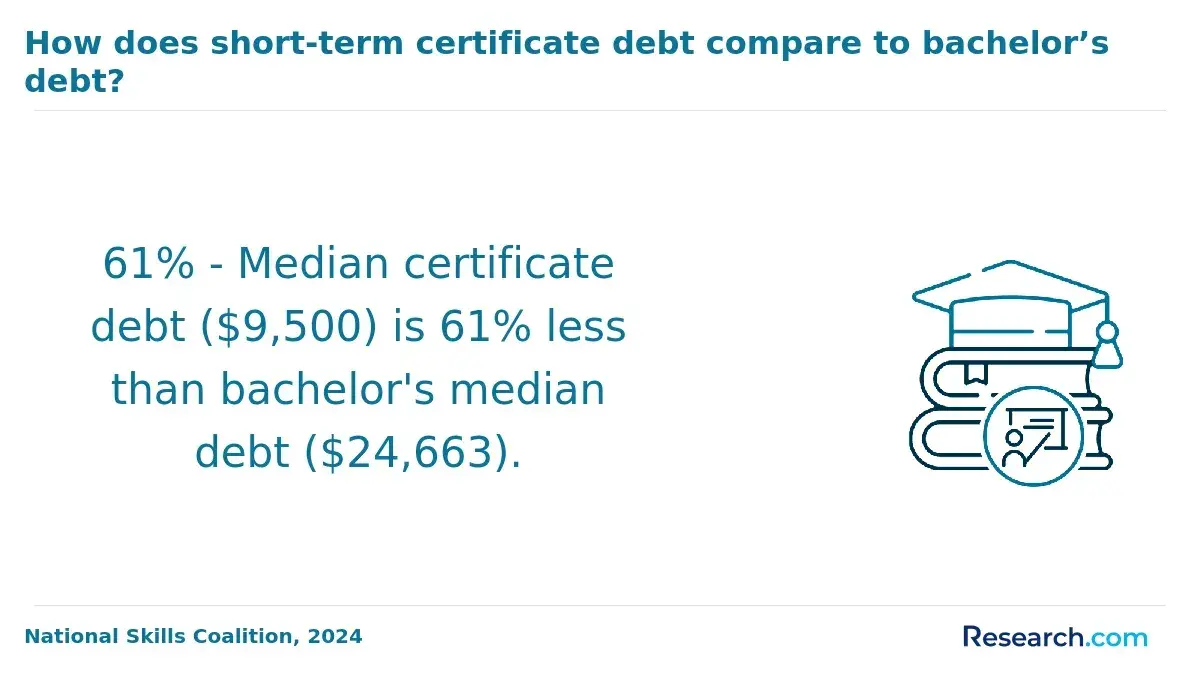
Costs for completing health informatics education vary widely: public universities often charge between $5,000 and $15,000 annually for in-state students, while private schools tend to exceed $20,000 per year. Certificate programs are more affordable, generally ranging from $3,000 to $10,000. Master's degrees typically total between $20,000 and $40,000 in tuition, influenced by residency status, institutional prestige, and delivery method. Additional fees may apply for technology or software licenses.
The rapid integration of AI and machine learning in healthcare, with more than 80% of large hospitals adopting or planning AI tools, has led to programs demanding longer study periods and higher costs due to specialized content. Prospective students should explore financial aid options and employer tuition assistance to manage expenses effectively.
How can students verify accreditation and program quality for health informatics analytics degrees?
Students seeking quality health informatics analytics degrees should verify accreditation through recognized bodies like the Commission on Accreditation for Health Informatics and Information Management Education (CAHIIM). CAHIIM accreditation confirms a program meets national standards specific to health informatics education, ensuring it is valued by employers and aligned with industry requirements.
Verification can be done on the official CAHIIM website, which maintains a comprehensive list of accredited programs. Prospective students should also consider if programs follow guidelines from the American Health Information Management Association (AHIMA), as this endorsement reflects curricula aligned with current workforce needs. In addition, regional accreditation from agencies such as the Higher Learning Commission indicates overall institutional quality but does not replace program-specific accreditation.
Strong faculty credentials are critical, including advanced degrees in health informatics, computer science, or public health, combined with real-world experience. Curriculum coverage of emerging topics like mHealth analytics is highly relevant given expanding consumer health data markets. For instance, the GSMA report notes over 1.5 billion people use mHealth apps and wearables, highlighting the importance of expertise in consumer health informatics analytics.
Evaluating programs also involves checking internship opportunities, partnerships with healthcare organizations, and available technology resources. Online forums and alumni networks can provide valuable insights into graduate outcomes and employer satisfaction, aiding informed decisions.
What healthcare analytics job roles, employers, and work settings can these concentrations lead to?
Healthcare analytics concentrations prepare graduates for varied roles in clinical, financial, and administrative settings. Common positions include clinical data analysts, revenue cycle analysts, health information managers, population health analysts, and healthcare data scientists. These roles require skills ranging from managing electronic health records to optimizing financial workflows and applying predictive modeling techniques.
Employers hiring healthcare analytics professionals include large hospital systems, insurance companies, consulting firms, and government agencies focused on public health and regulatory compliance. For instance, revenue cycle analysts often work in hospital finance departments, handling claims processing and denial reduction, while clinical data analysts focus on patient care outcomes in medical centers or research institutions.
Work environments vary widely, from traditional healthcare facilities to remote health IT companies and data-driven startups specializing in population health and predictive health modeling.
According to a 2024 Healthcare Financial Management Association survey, 68% of U.S. health systems have adopted or are adopting advanced analytics and AI tools for revenue cycle operations. These tools improve claims accuracy, denial management, and financial outcomes, creating a growing demand for specialists with expertise in these technologies.
Job seekers should consider which concentration aligns with their career goals and employers' needs. Gaining proficiency in tools like SQL, Tableau, and predictive algorithms can significantly boost employability across diverse healthcare settings.
What salaries, job outlook, and advancement opportunities exist in healthcare analytics careers?
Careers in healthcare analytics offer strong salary potential and rapid job growth, driven by the increasing digitization of medical records and a growing demand for data-driven patient care improvements. Entry-level analysts earn between $60,000 and $80,000 annually, varying by location and employer size. Mid-career professionals with expertise in data science, machine learning, or clinical informatics typically see salaries from $90,000 to $130,000. Management and strategic roles often surpass $150,000, with leadership positions such as chief medical information officers (CMIOs) commanding average base salaries above $270,000, reflecting the high value placed on informatics skills in healthcare decision-making.
Job prospects for roles in health information technology and analytics are projected to grow roughly 15% by 2030, outpacing many other fields. Individuals who combine clinical knowledge with data analytics expertise are particularly sought after. Advancement commonly follows a path from analyst to project manager, then to department leadership or strategic roles like director of informatics or CMIO. Obtaining certifications in health informatics, analytics platforms, and management can accelerate career progression. Experience with electronic health records and emerging technologies remains critical, highlighting the importance of continuous skill development.
Other Things You Should Know About Health Informatics
Coding skills, especially in languages like SQL, Python, or R, are increasingly important for healthcare analytics professionals. They enable efficient data manipulation, statistical analysis, and the development of predictive models, which are critical in transforming healthcare data into actionable insights.
Understanding healthcare privacy regulations, such as HIPAA, is essential for health informatics students. Programs emphasize data security and ethical handling of patient information to ensure compliance and protect sensitive health data throughout analytics processes.
In 2027, certifications such as Certified Health Data Analyst (CHDA), Registered Health Information Administrator (RHIA), and Certified Professional in Health Informatics (CPHI) enhance a graduate’s qualifications in healthcare analytics by demonstrating their expertise in managing and analyzing health data effectively and securely.
References
- Health Informatics: A Career Opportunity https://www.usfhealthonline.com/resources/health-informatics/health-informatics-career-opportunity/
- How to Launch a Health Informatics Career https://www.bryant.edu/graduate/blog/how-launch-health-informatics-career
- Careers https://www.publichealthdegrees.org/careers/
- Masters in Health Informatics | Informatics in Public Health | Health Informatics Career Guide https://www.publichealthonline.org/health-informatics/
- Programming Requirements for Online Master's in Data Analytics / Data Science Programs https://www.onlineeducation.com/analytics/faqs/programming-requirements-in-data-analytics-data-science-programs
- Top Healthcare Roles in 2026: Salaries & Career Paths https://www.civicrecruitment.co.uk/blog/2025/04/10-top-healthcare-roles-2025-with-salaries-and-career-paths
- Explore the Best Cybersecurity Analytics Degree Programs (2026) https://programs.com/programs/cybersecurity-analytics-degree/
- Health Informatics - CAHIIM https://www.cahiim.org/accreditation/health-informatics/
- Health Informatics: New Focus Areas! https://online.une.edu/blog/health-informatics-new-focus-areas/
- Masters in Health Informatics - Opportunities and Scope — The BridgeWay Firm https://www.bridgewayfirm.com/masters-in-health-informatics