2026 Retail Management Degree Programs With Rolling Admissions

Co-Founder and Chief Data Scientist
Traditional admission cycles often compel students to meet rigid deadlines, creating pressure that conflicts with work, shifting family commitments, or evolving career plans. In retail management programs, where practical scheduling and alignment with seasonal hiring trends matter, rolling admissions offer a way to bypass fixed windows. This flexibility benefits career changers and adult learners juggling employment while pursuing credentials.
According to the National Center for Education Statistics, 44% of undergraduate students are over age 25, highlighting the demand for adaptable scheduling. This article explores how rolling admissions in retail management degree programs influence enrollment timing, program pacing, and alignment with career objectives.
Key Benefits of Retail Management Degree Programs With Rolling Admissions
- Rolling admissions extend access beyond fixed deadlines, allowing students to align enrollment with peak industry hiring cycles but may introduce uncertainty in class availability and course sequencing.
- Continuous application periods enable timely academic planning tied to evolving retail trends, helping students enter the workforce with curriculum reflecting current employer expectations.
- Employers valuing relevant experience alongside credentials may interpret rolling admissions as indicative of adaptable candidates, though varied start times can complicate cohort networking and mentorship opportunities.
How Do Retail Management Degree Programs With Rolling Admissions Work?
Programs offering rolling admissions in retail management degree pathways are designed to meet the sector's need for agility in workforce preparation. This model shifts the timing of candidate acceptance from fixed deadlines to a continuous evaluation process, which reflects the fluctuating demands of retail employment cycles and the varied availability of students balancing work and study.
- Continuous Evaluation: Applications are reviewed as they arrive rather than after a fixed deadline. This ongoing process allows students experiencing sudden career changes or new job responsibilities to apply and enroll promptly, reducing downtime between education and employment adjustment.
- Flexible Access: Students can submit applications at multiple points within an extended admission window, enabling adjustment to personal schedules and work commitments. This flexibility is particularly valuable in retail management, where employment demands and personal time constraints vary widely.
- Resource Allocation Challenges: Institutions must navigate fluctuating enrollment figures driven by rolling admission timing. This variability complicates course availability and faculty scheduling, often requiring waitlists or prioritization strategies for high-demand classes, which may delay some students' progress.
- Tradeoff Between Openness and Capacity: While rolling admissions increase inclusivity by allowing later applications, students who apply later risk limited course options or delayed starts. The balance schools strike impacts degree completion timelines and can affect how quickly graduates reenter or advance in the retail workforce.
- Workforce Synchronization: This admissions model aligns program intake with retail's inherently variable labor cycle, where hiring surges can be seasonal or driven by economic shifts. Rolling admissions accommodate students who actively work in retail, blending education with real-world demand fluctuations.
For example, a mid-level retail manager who recently took on new responsibilities may leverage rolling admissions to enroll in leadership courses without missing critical work deadlines or waiting for the next traditional semester. This kind of timing agility directly supports rapid skill uptake and better alignment with employer expectations in fast-moving retail environments.
To understand how rolling admissions similarly affect timelines in other advanced degrees, such as doctoral studies, reviewing options among the most affordable online doctoral programs can offer comparative insights into managing flexible application and enrollment cycles across disciplines.
What Are the Admission Requirements for Rolling Admissions Retail Management Programs?
Rolling admissions in retail management programs create an adaptive selection process that aligns applicant evaluation with evolving enrollment targets and labor market demands. This ongoing review model enables timely decisions but necessitates that candidates meet consistent standards; otherwise, delayed or conditional acceptances may undermine timely program entry and workforce readiness.
For instance, candidates with relevant retail experience might leverage rolling timelines advantageously by submitting polished materials promptly, whereas others risk displacement if prerequisite gaps emerge late in the cycle. Navigating this tradeoff requires understanding precise admissions criteria embedded in rolling frameworks.
- Application Form: A completed application detailing academic background and relevant work history, often submitted electronically for continuous processing.
- GPA Requirement: Many programs expect at least a minimum high school GPA or equivalent to demonstrate foundational academic competence essential for retail management coursework.
- Transcripts: Official academic records are reviewed for consistent performance, reflecting the applicant's ability to manage quantitative and communication skills central to retail roles.
- Letters of Recommendation: Some programs request recommendations to assess interpersonal skills and professionalism, valued traits in customer-facing retail environments.
- Personal Statement: A concise essay articulating motivation and alignment with retail industry demands, helping admissions gauge applicant commitment and adaptability.
- English Proficiency: For non-native speakers, proof of language skills ensures effective communication-a non-negotiable competency in retail management positions.
These requirements underscore the balance rolling admissions programs strike between flexibility and rigor, with real-world implications for employability and career progression in retail management sectors where practical skills and timely qualification remain paramount.
When Should You Apply for Rolling Admissions Programs?
Rolling admissions in retail management programs operate on a continuous review model, assessing applications as they arrive instead of waiting for a fixed deadline. This means that submitting early often provides practical advantages, since more seats and scholarship funds are generally available at the outset. However, early submission is only beneficial if the application is complete and competitive; an underprepared early application can be less effective than a stronger one submitted later. Applicants need to balance readiness with timing, recognizing that mid-cycle submissions face increasing competition and potentially reduced financial aid but may benefit from added qualifications or updated credentials. Late applications pose significant risks, including fewer openings and scholarship scarcity, often forcing delays in enrollment that may postpone entry into the workforce and disrupt career progression.
The rolling admissions structure in retail management programs reflects real-world resource limits and workforce demands, requiring candidates to strategize based on both personal preparedness and the admissions environment. Early applicants who present a polished package can leverage the largest selection of program options and funding sources. In contrast, those applying mid-cycle must contend with intensified applicant pools and potentially selective enrollment trends for specialized cohorts, which can either hinder or help depending on their profile strength. Waiting until late-cycle can effectively close immediate enrollment doors, necessitating potential deferrals or interim work periods, which may affect eligibility for certain internships or employer sequencing. Understanding these dynamics encourages applicants to align their submission not just with ideal timing but with a clear-eyed assessment of how program logistics impact later career trajectories.
One applicant recounted hesitating to apply early because they were still finalizing key recommendation letters and professional experiences they hoped would strengthen their candidacy. By mid-cycle, they submitted a more refined application but found that fewer scholarships were available, and selective enrollment guided cohort placements. While they gained admission, they reflected that the process felt "like a race against a clock you can't fully control," where timing intersected tightly with preparedness. The delay created some anxiety over when they would start classes, underscoring how rolling admissions can create tradeoffs between rushing early and risking a weaker package or waiting and losing priority consideration both financially and enrollment-wise.
Are Rolling Admissions Common in Online Programs?
Rolling admissions are notably more prevalent in online retail management programs than in traditional campus-based counterparts due to the operational flexibility online formats afford. Institutions leveraging rolling admissions can continuously enroll students throughout the year, accommodating varying schedules and life demands typical among remote learners. This approach optimizes scalability and aids in balancing enrollment surges tied to retail market fluctuations, minimizing bottlenecks common with fixed semester starts. However, not all online retail management degrees adopt this model; some retain fixed deadlines to maintain cohort cohesion or align with employer-driven internship timelines.
From a student standpoint, the availability of online retail management degrees with flexible admissions offers distinct advantages such as accelerated enrollment decisions and the chance to begin coursework multiple times annually. Yet, this flexibility can also lead to heightened competition for popular start periods, particularly as career changers seek timely upskilling. Data from the National Center for Education Statistics indicates nearly 40% of fully online bachelor's programs employ rolling admissions, underscoring its growing role in meeting diverse learner needs.
Prospective students should weigh these benefits against the demands of navigating application timing and cohort dynamics when selecting a program. For those exploring fast, adaptable options, resources like online associate degrees further illustrate the expanding landscape of flexible admissions pathways.
Do Rolling Admissions Schools Have Higher Acceptance Rates?
Rolling admissions systems are often misunderstood as inherently easier entry points due to their continuous application review, but acceptance rates reflect program capacity, cohort size, and market demand rather than timing alone. The process simply allows schools to evaluate candidates as applications arrive rather than set deadlines, creating a dynamic enrollment flow. This can lead to the perception of higher acceptance rates, particularly early in the cycle when more seats remain open; however, admission standards typically remain consistent throughout the period. Applicants submitting later may encounter tighter competition as seats fill, which offsets any advantage seen initially.
For retail management programs, acceptance rates vary widely across institution types and credential levels, from certificates to best bachelor's degrees, influenced more by institutional mission and program demand than admission windows. Employers emphasize graduates' competencies and real-world readiness over application timing, highlighting that rolling admissions do not translate to lower professional standards. Students should weigh rolling admissions primarily as a tool for aligning application timing with individual circumstances, rather than expecting it to soften admission criteria or improve acceptance odds. This perspective better informs strategic planning amid the variability in program selectivity and workforce expectations across retail management education pathways.
How Much Do Rolling Admissions Retail Management Programs Cost?
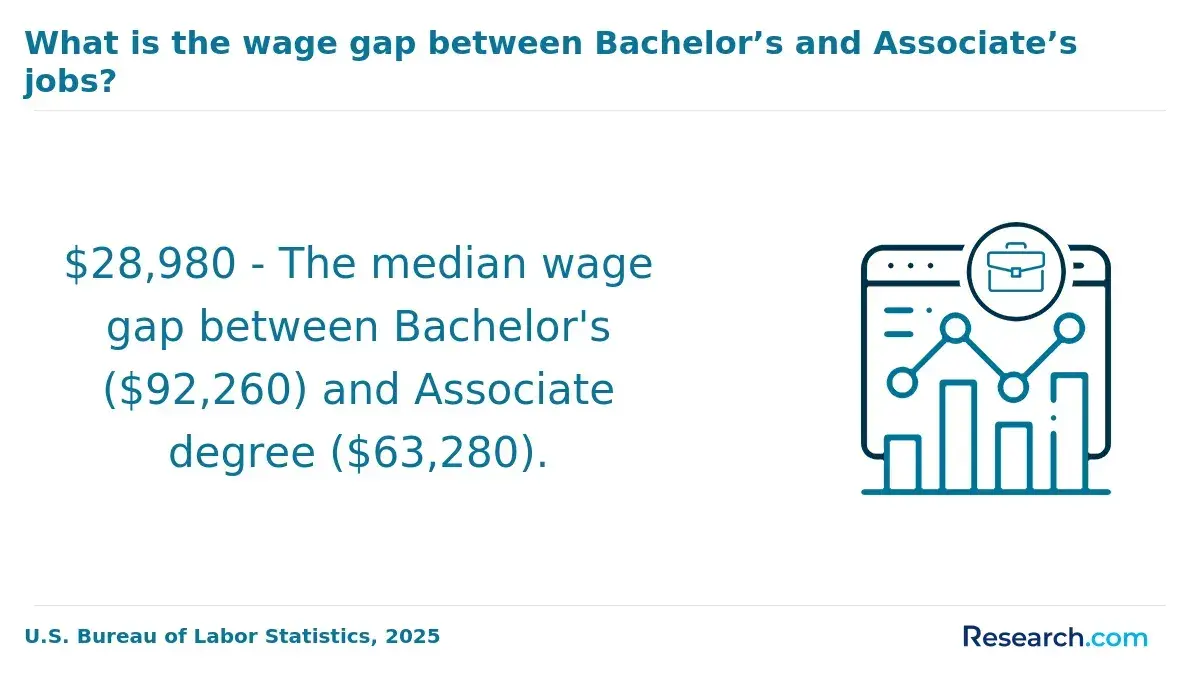
Tuition costs for rolling admissions retail management programs are typically calculated on a per credit hour basis, often ranging between $300 and $700 per credit, depending on the institution's status and location. This structure means the total price for completing an associate or bachelor's degree can span from approximately $10,000 to $35,000. While rolling admissions do not inherently alter these rates, they can significantly affect when students incur expenses, allowing for staggered financial planning aligned with personal schedules or employer reimbursement plans.
For example, a working adult enrolling mid-year could spread payments more flexibly compared to traditional term starts, potentially easing upfront financial burdens associated with tuition payment deadlines. Understanding this dynamic is essential for those assessing the practical affordability of retail management programs with rolling enrollment. In addition to tuition, students must factor in institutional fees that cover administration, technology support, and student services, which can add several hundred dollars per term.
Course materials and specialized fees occasionally apply, especially in hybrid or online formats, contributing to the total investment. Program design influences how these costs accumulate over time: accelerated tracks may demand higher short-term outlays, while cohort-based models lock tuition rates but reduce scheduling flexibility. The various delivery modes-online, hybrid, or traditional-also impact expenses through differing resource requirements, such as technology needs or campus fees.
Prospective students evaluating rolling admissions retail management program tuition fees should consider not only headline tuition but also how these layers of fees and program structures translate into long-term financial commitment. This approach clarifies practical total costs and supports informed decision-making based on individual career and financial goals, particularly when comparing options like associate's degrees with rolling deadlines such as those described on associate's degree resources.
Are Career Outcomes Different for Rolling Admissions Students?
The enrollment model of rolling admissions does not inherently influence career outcomes in retail management, as employment prospects depend more heavily on program quality, accreditation, and the specialization offered. For example, students trained in areas such as supply chain management or e-commerce innovation tend to have better alignment with evolving industry needs than those from more generalized curricula. Critical factors like internships, hands-on projects, and professional networking typically carry greater weight in hiring decisions, overshadowing the timing of admission.
Geographic variation and labor market demand also shape opportunities, with the U.S. Bureau of Labor Statistics projecting a 6% growth in retail manager jobs from 2022 to 2032, roughly average but unevenly distributed across regions and economic sectors. Rolling admissions can indirectly affect career timing by allowing earlier enrollment and potential acceleration of graduation, but this advantage relies on the student's preparedness and ability to transition quickly into the workforce. Institutional differences in career support and alumni engagement further complicate direct comparisons of outcomes between rolling admissions and fixed-deadline applicants.
While flexible application timelines offer scheduling convenience, they do not substitute for the substantive educational and experiential components that underpin employability and professional advancement within retail management. Ultimately, success in this field hinges on how well a program's design and resources match both student goals and evolving employer expectations.
One graduate recounted choosing a retail management program with rolling admissions after missing the traditional deadline due to a required employment relocation. Although initially anxious about starting late, they found the flexible schedule allowed immediate application without waiting months. Despite the off-cycle start, their proactive engagement in internships and networking proved more crucial to landing a supply chain analyst role post-graduation than when they applied. Reflecting on their journey, they emphasized that early admission did not guarantee better outcomes-preparation and opportunity exploitation were key, making rolling admissions primarily an accessibility feature rather than a career determinant.
Can Rolling Admissions Programs Lead to High-Paying Careers?
High-paying careers in retail management are influenced far more by factors such as field specialization, institutional reputation, accreditation, and hands-on experience than by the type of admissions process a program offers. While rolling admissions programs provide flexibility in application timing, this enrollment model itself does not guarantee access to higher salaries or inherently enhance career prospects. For instance, graduates from accredited programs who engage in internships and develop strong professional networks in major retail hubs tend to secure better-paying positions regardless of whether they enrolled through rolling admissions.
Geographic labor markets and industry demand remain critical factors; for example, retail managers in metropolitan areas often command significantly higher salaries than their counterparts in smaller markets. That said, rolling admissions can indirectly affect career trajectories by allowing students to start sooner and potentially enter the workforce earlier, which might accelerate salary accumulation over time. However, this timing advantage is limited and overshadowed by variability in employer expectations, individual skill growth, leadership development, and career advancement opportunities.
Labor statistics indicate retail management salaries range broadly-from entry-level roles around $35,000 annually to six-figure incomes in senior or specialized roles-underscoring that earnings depend primarily on experience and career path rather than admission timing. Prospective students should therefore focus on program quality and opportunities for experiential learning within retail management, rather than assuming rolling admissions will influence their financial outcomes.
What Are the Disadvantages of Rolling Admissions Programs?
Rolling admissions programs in retail management degrees introduce complexities that can affect student planning and post-graduation career trajectories. Unlike fixed deadlines, their open-ended application windows create unpredictable enrollment timelines, which may complicate financial, housing, and employment arrangements. This uncertainty, a notable limitation of rolling admissions in retail management degrees, places applicants in a difficult position when aligning education with workforce demands or personal commitments.
For students balancing career ambitions with flexible scheduling needs, these rolling admissions programs potential drawbacks translate into real tradeoffs rather than simple conveniences. Navigating such programs requires weighing uncertain timelines against the benefits of flexibility. Those evaluating programs may also explore related fields, such as a social media marketing major, where timeline structures and employer expectations might differ significantly in terms of application and enrollment dynamics.
How Do You Choose the Best Retail Management Program With Rolling Admissions?
Evaluating retail management degree programs with rolling admissions involves balancing flexibility with outcomes that directly affect career trajectories. Simply having extended enrollment windows does not guarantee a program's ability to deliver relevant skills or reliable pathways to employment. Candidates must weigh how each program's structure aligns with their professional needs and real-world constraints.
- Alignment with industry demands: Programs should emphasize practical competencies, including inventory control, merchandising, customer analytics, and supply chain logistics, reflecting current retail sector challenges. This relevance improves graduate productivity and marketability.
- Graduation and job placement rates: High completion and employment rates signal effective student support and curriculum rigor. For working adults managing rolling admissions, this stability is crucial amid competing responsibilities.
- Schedule flexibility and delivery format: Options such as part-time, evening, or fully online courses accommodate nontraditional students balancing career and family, influencing persistence and timely degree completion. The availability of rolling admissions combined with this flexibility can make a decisive difference.
- Transparent cost structure and financial aid: Rolling admission models may complicate tuition cycles or aid availability, so upfront clarity minimizes financial uncertainty during studies.
- Faculty expertise and industry connections: Instructors with hands-on experience and strong employer relationships enhance networking potential and insight into evolving retail market dynamics.
Choosing among the best accredited retail management programs online also means scrutinizing the curriculum's direct applicability to job functions and leadership roles within retail organizations. This approach contrasts with generic online math degrees or unrelated models, underscoring the importance of specialized content tied to retail business operations. For students seeking evidence-based decision-making, reviews of program outcomes and real-world alignment often outweigh purely flexible admission policies. For those comparing institutions, understanding these factors helps mitigate the common tradeoff between ease of entry and long-term value in workforce readiness.
What Graduates Say About Retail Management Degree Programs With Rolling Admissions
- Trace: "Balancing a full-time job while pursuing my retail management degree was a constant challenge, but the program's rolling admissions allowed me to start without delay. I chose this flexibility because I needed to advance my career without quitting my day job. Although I didn't get a traditional internship, I leveraged online projects to build a portfolio, which ultimately helped me land a position in a regional store management role."
- Sutton: "After changing careers from hospitality, I was drawn to the retail management program because of its quick entry and rolling admissions policy. I had limited savings, so this program's affordability and schedule were crucial. Despite some initial concerns about market competition, completing the degree equipped me with the practical skills and certifications that employers actually look for, helping me secure an assistant manager role within six months."
- Kim: "When I enrolled, my biggest constraint was the heavy workload I was already managing, so the program's flexible start dates were a must. I chose it because I wanted to move into retail operations but was wary of the typical emphasis on licensure elsewhere. I found that hands-on experience and internships mattered more to my employers, which made me rethink my priorities after graduation-leading me to pursue a direct entry-level operations coordinator job rather than aiming immediately for upper management."
Other Things You Should Know About Retail Management Degrees
Programs with rolling admissions often admit students throughout the year, which can lead to varied cohort sizes and class schedules. For working students, this flexibility may ease enrollment timing, but smaller or staggered classes might reduce peer interaction and networking opportunities. Prioritize programs that maintain consistent course offerings and allow part-time or evening classes to better integrate with job commitments and optimize learning outcomes.
Since rolling admissions stagger entry dates, internship placement timing can be trickier compared to traditional semesters. Programs with well-structured partnerships and continuous internship cycles better accommodate rolling admissions students, ensuring timely experiential learning. Prospective students should inquire about how career services coordinate placements year-round, as inconsistent internship availability may delay critical real-world experience.
Program pacing in retail management degrees with rolling admissions often offers flexibility, allowing students to start courses at multiple points throughout the year. This flexibility can significantly benefit students balancing work and study, as they can tailor their schedule to fit personal commitments, thereby maintaining a more manageable workload.
With continuous enrollment, advising resources may be stretched or less centralized, complicating academic planning and timely graduation. Students should prioritize programs offering robust, accessible advising and clear pathways to degree completion despite flexible start dates. A proactive approach to milestone tracking and early communication with advisors is essential to prevent delays, particularly for those balancing studies with employment demands.
References
- Top Career Opportunities in Retail Management https://nifglobalchennai.com/top-career-opportunities-in-retail-management/
- Marketing. Merchandising. Buying. Managing. https://www.ibcfortwayne.com/our-programs/retail
- Stockholm School of Economics https://www.hhs.se/en/Education/BSc/RM
- 10 Key Benefits of an Integrated Retail Management System for Business Growth https://ivend.com/blog/the-top-10-benefits-of-an-integrated-retail-management-system/
- What does "Rolling Intake/Admissions" mean? - Capital College https://www.capitalcollege.ca/what-does-rolling-intake-admissions-mean/
- Ultimate List of Colleges with Rolling Admissions in U.S. https://www.ivywise.com/blog/top-colleges-rolling-admissions-us/
- Retail Management (COC) https://lowercolumbia.edu/publications/catalog/programs/Business-COC-Retail-Management/
- Program and Admissions https://www.torontomu.ca/retail/program/
- Five Reasons Why Rolling Admission Might Be a Bad Idea | Independent School Management | Advancing School Leadership—Enriching The Student Experience https://isminc.com/advisory/publications/the-source/five-reasons-why-rolling-admission-might-be-bad-idea
- The Advantages and Disadvantages of Rolling Admissions https://www.petersons.com/blog/the-advantages-and-disadvantages-of-rolling-admissions/