2027 What to Do If College No Longer Feels Worth It

Co-Founder and Chief Data Scientist
If college feels too expensive, too slow, or disconnected from your goals, you are not alone. BLS 2024 annual averages show workers with a bachelor's degree had median weekly earnings of $1,543, compared with $930 for workers with only a high school diploma, but that gap does not make every program a smart investment.
This guide is for students, parents, and career changers weighing whether to continue, transfer, pause, or choose another path. You will learn how to compare costs, outcomes, alternatives, accreditation, and career requirements before making a decision.
Key Things You Should Know
- College can still pay off, but the value depends on program cost, completion odds, major, debt, and career goal; BLS 2024 data shows median weekly earnings of $1,543 for bachelor's degree holders and $1,099 for associate degree holders.
- Published 2024-25 College Board figures put average tuition, fees, housing, and food at about $24,920 for in-state public four-year students and $58,600 at private nonprofit four-year colleges, so net price matters more than sticker price.
- If your target job does not require a four-year degree, compare certificates, apprenticeships, associate programs, employer-paid training, military benefits, and entry-level career ladders before borrowing more.
Is college still worth it financially?
College is still financially worth it when the credential is required for your target career, the program has credible completion and employment outcomes, and your debt will be manageable relative to realistic earnings. It becomes harder to justify when you are enrolled mainly because you feel you "should" be, you are changing majors repeatedly without a plan, or the school's net price is far above comparable options.
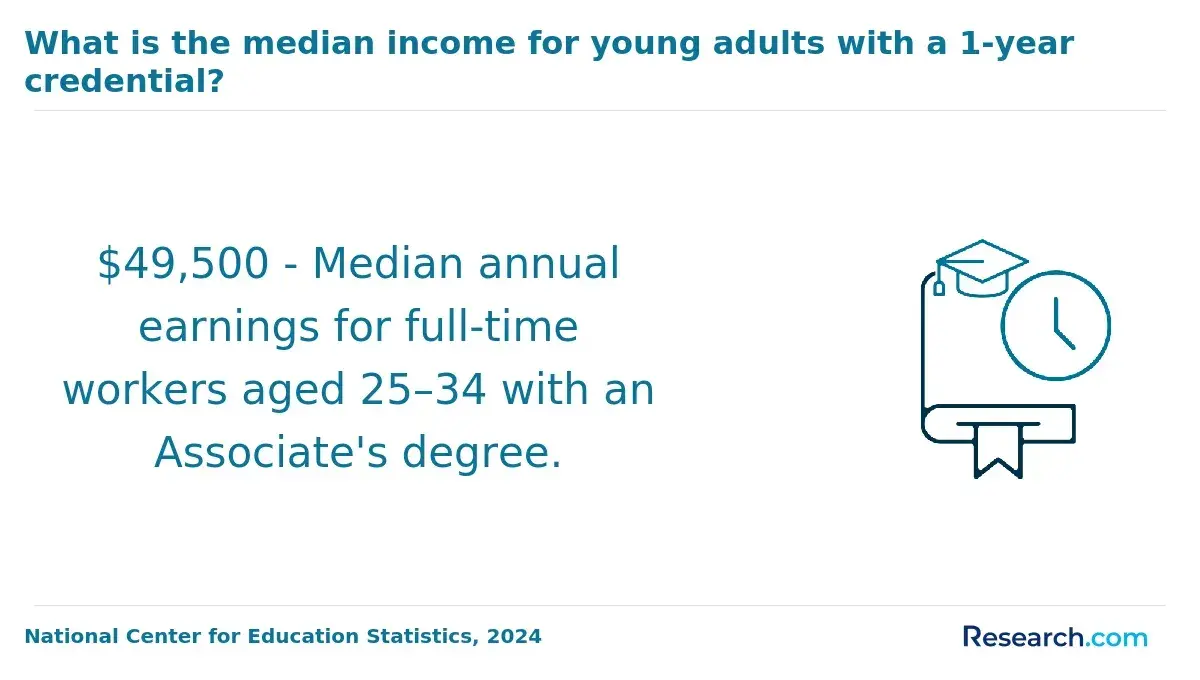
The broad wage premium is real, but it is not a personal guarantee. BLS 2024 annual averages show bachelor's degree holders had median weekly earnings of $1,543, while associate degree holders had $1,099 and high school graduates had $930. For the reader, that means education can improve earning power over time, but the return depends heavily on field, location, graduation, licensing, and debt.
The table below summarizes when staying in college, changing programs, or leaving may make the most financial sense. Use it as a decision filter rather than a one-size-fits-all answer.
| Situation | What it may mean | Best next move |
| You need a degree or license for the job | College is likely part of the required path for careers such as nursing, teaching, engineering, accounting, and many health fields. | Stay enrolled if the program is accredited, affordable, and aligned with licensure or employer requirements. |
| You are undecided and borrowing heavily | The financial risk rises because you are paying for exploration at four-year tuition rates. | Consider community college, a gap term with work experience, or a lower-cost transfer plan. |
| You are near graduation | The remaining cost may be smaller than the value of completing the credential. | Compare the cost to finish against entry-level salaries and ask about degree-completion aid. |
| Your desired job values skills more than degrees | A certificate, portfolio, apprenticeship, or employer training may be faster and cheaper. | Verify job postings and talk to people hiring for the role before leaving school. |
| Your program lacks recognized accreditation | Credits may not transfer, financial aid may be limited, and employers or licensing boards may reject the credential. | Pause enrollment until you verify institutional and programmatic accreditation. |
Before dropping out, run a practical "finish, transfer, or exit" test. The goal is not to defend college at all costs, but to avoid replacing one expensive mistake with another.
- Calculate your remaining cost to finish, including tuition, fees, housing, books, transportation, and lost income.
- Check the median salary range for your target role using BLS or state labor data, not only influencer or school marketing claims.
- Ask whether your credits transfer to a cheaper accredited program without extending your timeline.
- Compare your likely monthly loan payment with conservative entry-level earnings.
- Identify the exact job titles you could pursue with and without the degree.
A common mistake is comparing the full cost of a four-year degree with the first salary after graduation. A better comparison is the cost still required to finish versus the career options that open only after completion.
What are your best alternatives to college?
Your best alternative to college depends on what you want college to do for you: prepare you for a licensed profession, raise your income, help you change fields, or build marketable skills. If your goal can be reached without a bachelor's degree, you may have strong options that cost less and get you working sooner.
For students who still want a credential but not a four-year campus path, associates degrees online can be a bridge to entry-level work or a lower-cost transfer route. The key is to confirm that credits transfer and that the program matches real job requirements.
The table below compares common alternatives by best fit and trade-off. It is designed to help you narrow choices before talking to schools, employers, or training providers.
| Alternative | Best fit | Main trade-off |
| Community college | Students who want lower-cost general education, career training, or transfer credits. | Transfer rules can be strict, so poor course planning may delay graduation. |
| Certificate program | Learners targeting a specific skill such as medical coding, cybersecurity support, bookkeeping, HVAC, or welding. | Certificates vary widely in employer recognition and may not replace a degree for advancement. |
| Registered apprenticeship | People who want paid training in trades, manufacturing, utilities, transportation, or technical fields. | Openings can be competitive and may require physical, schedule, or location flexibility. |
| Bootcamp or short technical program | Career changers building a portfolio in software, data, UX, or IT support. | Outcomes depend heavily on prior experience, job market conditions, and the provider's employer network. |
| Employer-paid training | Workers who can start in an entry-level role and use tuition assistance or internal credentials. | Progress may be slower and tied to one employer's needs. |
| Military education benefits | Students open to service commitments in exchange for training, benefits, and later education funding. | Service obligations and role assignments should be weighed carefully. |
If college no longer feels worth it, do not choose an alternative just because it is shorter. Use a simple screening process before committing money or time.
- Find five job postings for your target role and write down the required credential, skills, tools, and experience.
- Ask whether the training provider publishes completion, job placement, licensing, and debt information.
- Confirm whether credits or credentials can stack into a higher degree later.
- Talk with at least two workers in the field about what employers actually value.
- Avoid programs that promise fast high salaries without showing verifiable employer demand.
The strongest alternative is one that gives you a recognized credential, demonstrable skills, and a realistic path into paid work. The weakest alternative is one that feels cheaper upfront but leaves you with credits, certificates, or portfolios employers do not understand.
How do you compare degree costs and salary returns?
To compare degree costs and salary returns, look beyond tuition and ask: "What will I pay, what income might this credential reasonably support, and how much risk am I taking if I do not finish?" A program with a higher sticker price can be affordable after grants, while a low-tuition program can still be a poor value if completion rates, transfer policies, or career fit are weak.
College Board's 2024 Trends in College Pricing and Student Aid reported that average published tuition, fees, housing, and food for 2024-25 were about $24,920 for in-state students at public four-year institutions and $58,600 at private nonprofit four-year institutions. Because grants and scholarships can reduce what students actually pay, your net price is the number to compare, not the advertised cost.
The table below shows the cost categories that usually determine whether a degree is affordable. Include each category when comparing schools so you do not undercount the real price of attendance.
| Cost factor | Why it matters | Question to ask |
| Net price after grants | This is closer to what you pay than published tuition. | What will I owe after grants, scholarships, and tuition discounts? |
| Fees and materials | Technology, lab, clinical, testing, and program fees can change the total cost. | Are any required fees excluded from the tuition quote? |
| Housing and transportation | Commuting, relocation, parking, and housing can outweigh tuition differences. | What is my realistic monthly living cost in this format? |
| Time to completion | Extra semesters add cost and delay earnings. | How many of my credits apply directly to the degree plan? |
| Borrowing and interest | Debt affects flexibility after graduation. | What would my estimated monthly payment be under federal repayment options? |
| Opportunity cost | Full-time study can reduce current income. | Can I work while enrolled without hurting completion? |
If you are considering graduate school, compare tuition carefully because master's programs vary widely by field, school, and format. Researching affordable online master's programs can help you see whether a lower-cost path exists before taking on additional debt.
Use this practical process to estimate return on investment. It will not predict your future perfectly, but it can reveal whether the numbers are reasonable.
- Estimate total remaining cost, including tuition, fees, living costs, transportation, books, and any unpaid time away from work.
- Use conservative salary data for the specific role and region you want, not the highest national figure.
- Subtract your current earning path from the likely earning path with the credential to estimate the incremental value.
- Compare expected monthly loan payments with an entry-level budget that includes rent, food, insurance, taxes, and savings.
- Test a backup plan by asking what jobs the credential supports if your first-choice role does not work out.
A red flag is any school or program that discusses salary outcomes without explaining completion rates, licensing pass rates, debt, and the job titles included in the calculation. A reliable ROI analysis includes both upside and risk.
Which careers do not require a four-year degree?
Many solid careers do not require a four-year degree, but "no bachelor's required" does not mean "no training required." These paths often require an associate degree, apprenticeship, certificate, state license, technical exam, portfolio, or supervised experience.
The table below lists examples of careers where a four-year degree is not always required. Median pay figures reflect BLS May 2024 national occupational wage data, so local wages may be higher or lower.
| Career | Typical entry path | Median annual wage |
| Dental hygienist | Accredited associate degree and state licensure. | $94,260 |
| Web developer | Portfolio, certificate, associate degree, or related experience depending on employer. | $95,380 |
| Electrician | Apprenticeship and state or local licensing where required. | $62,350 |
| Licensed practical or licensed vocational nurse | Approved practical nursing program and NCLEX-PN licensure. | $62,340 |
| Paralegal or legal assistant | Certificate, associate degree, bachelor's degree, or legal office experience depending on employer. | $61,010 |
| HVAC mechanic or installer | Trade school, apprenticeship, and EPA certification for refrigerants. | $59,810 |
If you prefer independent, structured, or lower-social-drain work, it may also help to compare training paths with personality fit. Some good jobs for introverts can be entered through technical credentials, portfolios, or targeted work experience rather than a traditional four-year degree.
When evaluating a non-degree career path, focus on the gatekeeping requirement. Employers may say a bachelor's is "preferred," but licensing boards, unions, apprenticeship sponsors, hospitals, and government agencies may have specific rules that matter more than preference language.
Use these questions before choosing a non-degree route. They help separate credible career paths from vague training promises.
- Is the occupation licensed in my state, and does the program meet that requirement?
- Do local employers hire entry-level candidates from this credential or apprenticeship?
- What tools, software, safety training, or exams are expected before employment?
- Can the credential stack into an associate or bachelor's degree later if I want to advance?
- What are the physical, schedule, background-check, or travel requirements of the job?
The mistake to avoid is assuming a shorter path is automatically easier. Many non-degree careers have rigorous exams, demanding work conditions, and competitive entry points, but they can be excellent options when the training is aligned with real employer demand.
How do online and campus programs compare?
Online and campus programs can both be worthwhile, but they serve different students. The best format depends on your schedule, learning style, field, need for hands-on training, access to support, and whether the program meets licensing or internship requirements in your state.
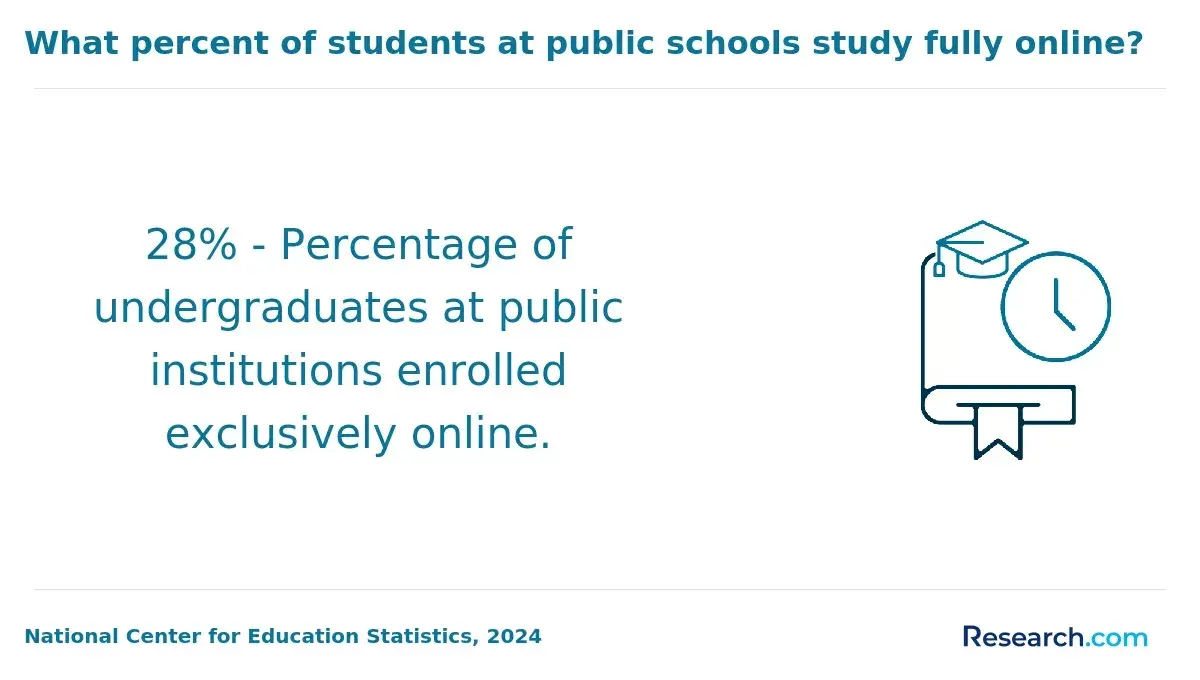
Online education has become mainstream rather than unusual. NCES data released in recent Digest reporting shows that distance education remains a major part of U.S. higher education, which means employers are increasingly familiar with online credentials from accredited institutions. Still, format matters less than accreditation, program quality, field experience, and whether you finish.
The table below compares online and campus formats across the factors that most often affect student success. Use it to identify which trade-offs matter for your situation.
| Factor | Online program | Campus program |
| Schedule flexibility | Often better for working adults, caregivers, and students who cannot relocate. | Often better for students who want fixed structure and in-person accountability. |
| Hands-on learning | May require local placements, intensives, labs, or simulations. | Often easier for lab, studio, clinical, and equipment-heavy programs. |
| Networking | Depends on virtual events, faculty access, internships, and cohort design. | Often stronger through campus organizations, labs, career fairs, and local employers. |
| Cost | May reduce relocation and commuting costs, but technology and online fees can apply. | May offer campus resources, but housing and transportation can raise total cost. |
| Self-management | Requires strong time management and comfort learning independently. | Provides more built-in routine and face-to-face contact. |
| Licensure fit | Must be checked carefully for state authorization and field placement rules. | Usually clearer for local licensure, but not automatically valid in every state. |
Accelerated online options can be useful if you already have credits, work experience, or a clear career goal. For graduate students comparing speed and workload, 12-month master's programs online may be worth reviewing alongside part-time and lower-cost options.
Before enrolling online, ask the school how exams, labs, internships, clinicals, advising, tutoring, and career services work. A flexible format is valuable only if it gives you enough structure and support to complete the credential.
Common red flags include unclear field placement support, limited faculty access, credits that do not transfer, and programs that advertise flexibility while requiring synchronous sessions you cannot attend. Always request a sample degree plan before committing.
What accreditation should a college have?
A college should have recognized institutional accreditation, and some programs also need programmatic accreditation. Institutional accreditation evaluates the school as a whole, while programmatic accreditation evaluates a specific program such as nursing, counseling, social work, engineering, education, business, or allied health.
Accreditation matters because it can affect federal financial aid, credit transfer, graduate school admission, employer recognition, and eligibility for licensure. It does not guarantee a job or a high-quality experience, but lacking the right accreditation can block your next step.
The table below explains the accreditation checks that matter most. It can help you understand what to verify before enrolling or transferring.
| Accreditation type | What it covers | Why it matters |
| Institutional accreditation | The overall college or university. | Often tied to federal financial aid, transfer credit, and general credential recognition. |
| Programmatic accreditation | A specific degree or professional program. | May be required for licensure, certification exams, clinical placements, or employer acceptance. |
| State authorization | Permission to offer education to students in a state. | Especially important for online students and programs with internships or clinical placements. |
| Licensure alignment | Whether the curriculum meets state board requirements. | Critical for regulated fields such as teaching, nursing, counseling, and many health professions. |
Use this verification process before you pay a deposit. It is especially important if you plan to work in a licensed field or transfer later.
- Search the school in the U.S. Department of Education or CHEA-recognized accreditation databases.
- Confirm the accreditor is recognized, not simply a name that sounds official.
- Check whether your specific program has required programmatic accreditation for your career.
- Contact the state licensing board where you plan to work and ask whether the program meets education requirements.
- Get transfer and licensure claims in writing from the school.
A major mistake is assuming "accredited" always means "right for my goal." A school can be institutionally accredited while a specific program still lacks the programmatic approval required for a license or employer pathway.
What admissions requirements should you check first?
Admissions requirements are worth checking early because they affect your timeline, cost, and likelihood of acceptance. A program that looks perfect may require prerequisite courses, minimum grades, work experience, test scores, background checks, or clinical documentation that you do not yet have.
The table below summarizes common admissions requirements by program level. Requirements vary by school and field, so use it as a starting checklist rather than a final rule.
| Program type | Common admissions requirements | What to check first |
| Certificate or trade program | High school diploma or GED, placement test, physical requirements, background check, or drug screening for some fields. | Whether the program prepares you for required exams, licenses, or apprenticeships. |
| Associate degree | High school diploma or GED, transcripts, placement assessment, and sometimes prerequisites for selective health programs. | Whether credits transfer into a bachelor's degree if you want that option later. |
| Bachelor's degree | High school transcripts, GPA review, essays, recommendations, test scores at some schools, or transfer credit evaluation. | How many credits apply to your major and how long graduation will realistically take. |
| Master's degree | Bachelor's degree, transcripts, statement of purpose, resume, recommendations, prerequisite coursework, and sometimes standardized tests. | Whether the degree is required for advancement, licensure, or a salary increase in your field. |
| Licensure-focused program | Prerequisites, clinical eligibility, background checks, immunizations, state-specific disclosures, and supervised hours. | Whether the program meets the rules in the state where you plan to work. |
If you are unsure whether to apply, start with the requirements that could delay or disqualify you. These items are more important than brochure language or rankings.
- Minimum GPA, prerequisite courses, and whether old credits still count.
- Transfer credit limits and whether transfer credits apply to the major or only electives.
- Program capacity, waitlists, and separate admission to the major after general admission.
- Required background checks, clinical placements, immunizations, or fieldwork hours.
- Technology, residency, or in-person requirements for online programs.
A common mistake is getting admitted to the college but not the professional program you actually need. For example, nursing, education, engineering, and health science programs may have separate competitive admissions after you complete prerequisites.
How long does college take and what does it cost?
College can take anywhere from a few months to many years, depending on the credential, transfer credits, enrollment intensity, prerequisites, and whether the program has clinical or internship requirements. The official program length is often shorter than the real timeline for part-time students or students who change majors.
The table below gives a practical overview of common timelines and cost drivers. It is meant to help you compare routes before choosing a program format.
| Path | Typical time | Major cost drivers |
| Short certificate | A few months to about one year. | Program fees, exam fees, tools, materials, and whether the credential is employer-recognized. |
| Associate degree | About two years full time; longer part time. | Tuition, books, transportation, program supplies, and transfer planning. |
| Bachelor's degree | About four years full time; longer with part-time study or major changes. | Tuition, fees, housing, food, transportation, and extra semesters. |
| Master's degree | One to three years depending on field and pace. | Graduate tuition, reduced work hours, practicum costs, and licensing preparation. |
| Professional or doctoral degree | Three or more years after a bachelor's degree in many fields. | High tuition, long opportunity cost, exams, residencies, internships, or supervised practice. |
For cost planning, start with published prices but do not stop there. College Board's 2024-25 averages show that the annual published cost for tuition, fees, housing, and food can differ by tens of thousands between in-state public and private nonprofit four-year institutions, so school choice and living arrangements can change the math dramatically.
To reduce cost without weakening your career path, focus on choices that preserve transferability and completion. These steps are especially useful if you already doubt the value of your current plan.
- Complete lower-division credits at a community college only after confirming transfer equivalency with the receiving institution.
- Ask whether prior learning, military training, professional certificates, or exams can count for credit.
- Compare full-time and part-time enrollment based on total time to completion, not just semester affordability.
- Apply for departmental scholarships, employer tuition benefits, state grants, and emergency completion grants.
- Avoid taking extra electives unless they clearly meet graduation, transfer, or career requirements.
The hidden cost many students miss is time. An extra year can mean more tuition and another year before full-time career earnings, so a cheaper program that delays graduation may not always be the better value.
What jobs can a degree lead to?
A degree can lead to jobs in business, healthcare, education, technology, public service, science, social services, and the arts, but the job outcome depends on the field of study and the experience you build while enrolled. Majors with clear occupational pathways usually offer easier career planning than broad majors without internships, portfolios, or targeted skills.
The table below connects common degree areas with possible roles and salary context. BLS May 2024 wage data reflects national medians, so use local labor market data before making a final decision.
| Degree area | Examples of roles | Median annual wage example |
| Accounting or finance | Accountant, auditor, financial analyst, budget analyst. | Accountants and auditors: $81,680 |
| Computer science or information technology | Software developer, systems analyst, cybersecurity analyst, database administrator. | Software developers: $133,080 |
| Nursing or allied health | Registered nurse, respiratory therapist, radiologic technologist, health services manager with experience. | Registered nurses: $93,600 |
| Education | Teacher, instructional coordinator, education administrator after experience and licensure. | Kindergarten and elementary school teachers: $64,490 |
| Business administration | Operations specialist, project coordinator, human resources specialist, management analyst with experience. | Human resources specialists: $72,910 |
| Social science or psychology | Case manager, research assistant, human services specialist, graduate-school pathway roles. | Social and human service assistants: $41,410 |
Graduate education can improve access to some advanced roles, but it should be tied to a clear career requirement or earnings case. If you are comparing fields, review masters degrees that make the most money alongside licensure rules, debt, and your work experience.
Technology and AI are changing what employers expect. A degree alone is less convincing when applicants cannot show practical skills, so build evidence of your ability while enrolled through internships, clinicals, labs, capstone projects, portfolios, certifications, or supervised work.
If your degree feels disconnected from work, do not wait until graduation to fix it. Take these steps while you still have time to redirect.
- Choose three target job titles and map the skills, software, credentials, and experience listed in current job postings.
- Meet with career services and ask for employer outcome data by major, not just general placement claims.
- Add an internship, practicum, research project, portfolio, or part-time job related to the field.
- Use electives strategically to build technical, writing, analytics, communication, or management skills.
- Consider changing majors, adding a minor, or transferring only after calculating time and credit loss.
A common mistake is choosing a major based only on interest or salary lists. The stronger approach is to match interests with the work activities, credential requirements, entry-level openings, and advancement path you can realistically pursue.
Which certifications or licenses may you need?
Some careers require certifications or licenses in addition to, or instead of, a degree. A license is usually a legal permission to practice in a state or jurisdiction, while a certification is often an industry or professional credential that signals competence to employers. In some fields, both matter.
The table below shows examples of credentials that may affect your path. Always confirm requirements with the relevant state board, employer, or certifying organization because rules change and vary by location.
| Field | Credential example | Why it matters |
| Nursing | NCLEX-RN or NCLEX-PN and state licensure. | Required to practice as a registered nurse or practical/vocational nurse. |
| Teaching | State teacher certification or licensure. | Required for most public school teaching roles. |
| Accounting | CPA license for many public accounting roles. | Can be important for audit, tax, advancement, and signing authority. |
| Information technology | CompTIA, Cisco, Microsoft, AWS, or cybersecurity certifications. | Often used to validate specific technical skills, especially for entry-level or career-change candidates. |
| Skilled trades | Electrical, plumbing, HVAC, or contractor licenses depending on state and locality. | May be required to work independently, supervise, or run a business. |
| Counseling and social work | State licensure after approved education and supervised hours. | Required for many clinical or independent practice roles. |
Before you enroll, trace the credential chain from school to employment. This prevents the painful discovery that your program does not qualify you for the exam or license you need.
- Identify the exact job title you want and whether it is regulated in your state.
- Find the licensing board or certifying body that controls the credential.
- Confirm required education, exams, supervised hours, background checks, and continuing education.
- Ask the school for written proof that its curriculum meets those requirements in your state.
- Check whether the credential transfers if you move to another state.
The biggest red flag is vague language such as "prepares you for careers in" without saying whether graduates are eligible for a required exam or license. If the career is regulated, eligibility is not optional.
Other Things You Should Know About
Not immediately. First compare your remaining cost to finish, transfer options, debt, target job requirements, and alternatives. If you are close to graduating, finishing may be smarter than leaving. If you are early, undecided, and borrowing heavily, transferring or pausing may reduce risk.
It can be helpful if you use the time intentionally for work, career exploration, financial planning, or mental health recovery. It becomes risky when there is no return plan, no advising, and no understanding of how a break affects financial aid, housing, loans, or program admission.
There is no single best option. Community college is often strong for transfer or associate-level careers, apprenticeships are strong for paid skilled training, and certificates can work when employers recognize them. The best choice is the one that matches your target job's real requirements.
Look at current job postings, BLS and state labor data, internship availability, licensing rules, employer partnerships, and graduate outcome data by major. A degree is more likely to support employment when it is paired with relevant experience, technical skills, and a clear job target.
References
- 25 High-Paying Jobs That Don't Require a 4-Year Degree https://www.ramseysolutions.com/career-advice/high-paying-jobs-without-a-degree
- Cost and Value https://gradsense.org/cost-and-value/
- Does College Pay Off? A Comprehensive Return On Investment Analysis - FREOPP https://freopp.org/whitepapers/does-college-pay-off-a-comprehensive-return-on-investment-analysis/
- What Do Colleges Look For in Students? https://www.collegedata.com/resources/getting-in/what-do-colleges-look-for-in-students
- About Accreditation | Council for Higher Education Accreditation https://www.chea.org/about-accreditation
- College Alternatives After High School - JTech https://www.jtech.org/college-alternatives-after-high-school/
- Does Going to College Make Financial Sense Anymore? https://www.wealthenhancement.com/blog/is-college-worth-it-financially
- Average Cost Of College 2024-2025 | Bankrate https://www.bankrate.com/loans/student-loans/average-cost-of-college/
- Is College Worth It? - Public Policy Institute of California https://www.ppic.org/publication/is-college-worth-it/
- How Long Is College in 2025? https://bold.org/blog/how-long-is-college/