2026 Best Online Retail Management Degrees for Jobs

Co-Founder and Chief Data Scientist
Choosing an online retail management degree can feel overwhelming-especially when factors like accreditation standards, curriculum rigor, cost versus return on investment, and student support vary widely. Nearly 45% of online students report difficulties verifying the career outcomes and practical experience requirements of programs before enrolling. Without clarity, working adults and career changers risk investing time and money into degrees that don't advance their professional goals. This article addresses these challenges by offering a comprehensive, data-driven evaluation of online retail management programs. Readers will gain a clear framework to identify high-quality options aligned with their unique career objectives and life circumstances.
Key Things to Know About the Best Online Retail Management Degrees for Jobs
- Accreditation standards ensure programs meet industry-recognized quality benchmarks-nationally accredited online retail management degrees improve employer trust and graduate credibility in competitive job markets.
- Curriculum rigor-top programs integrate comprehensive business fundamentals with specialized retail strategies, equipping graduates with analytical and leadership skills critical for advancing in dynamic retail sectors.
- Cost and return on investment-affordable tuition combined with higher-than-average graduate employment rates and salary growth makes certain online retail management degrees a strategic financial choice for career advancement.
What Is a Retail Management Degree, and What Can It Do for Your Career?
Retail management is an academic discipline centered on the strategies and operations necessary for successful retail businesses, encompassing both physical stores and e-commerce platforms. Accredited institutions and professional associations like the National Retail Federation emphasize expertise in core areas such as merchandising, supply chain logistics, customer relationship management, and financial analysis. This field differs from general business studies by addressing retail-specific challenges through both theoretical frameworks and practical skills.
The best online retail management degree programs blend foundational concepts with applied competencies-covering consumer behavior, inventory control, sales strategies, workforce management, and digital retail technologies. These programs prepare graduates to navigate the fast-paced retail environment while fostering leadership and decision-making capabilities. Understanding the nuances between the academic levels is key to matching education with career goals:
- Associate's Degree: Builds essential management basics, suitable for entry roles like store supervisors and assistant managers.
- Bachelor's Degree: Provides in-depth training in retail and business functions, ideal for managerial, merchandising, or operational analyst roles.
- Master's Degree: Emphasizes advanced leadership, strategic planning, and analytics-preparing students for executive paths and specialized areas such as supply chain optimization.
- Doctoral Degree: Focuses on research, innovation, and teaching-geared toward academia, consulting, or high-level strategic development.
This guide concentrates on online retail management degrees-offering data-driven evaluations to help career-focused students assess programs on accreditation, curriculum quality, affordability, career outcomes, hands-on experiences, and student services. Working adults, military veterans, and professionals seeking career advancement will find this a valuable resource to separate high-value programs from less effective options. For those interested in accelerated options, explore 2 year online degrees that pay well.
Career benefits of a retail management degree extend beyond retail stores into multiple sectors that value operational excellence, leadership, and customer insight.
How Do Online Retail Management Degree Programs Compare to Traditional Campus Programs?
Accreditation forms the foundation of quality assurance in both online and campus retail management degree programs-ensuring they meet comparable curriculum standards and institutional quality. Most accredited online offerings mirror their campus counterparts in curriculum depth and rigor, often using the same faculty and materials to guarantee academic consistency.
- Faculty Qualifications: Online courses are typically taught by instructors holding advanced degrees and relevant industry experience, matching or exceeding on-site faculty credentials. This parity helps dispel common concerns about quality differences between delivery modes.
- Student-Faculty Interaction: While traditional programs allow more face-to-face contact, advanced digital platforms now provide robust engagement through video sessions, discussion boards, and virtual office hours. Cohort models further enhance personalized attention and peer support, benefiting working adults and others balancing multiple responsibilities.
- Peer Collaboration: Online learners develop teamwork skills via group projects, chat tools, and forums. Some programs also offer on-campus residencies to facilitate networking and deeper collaboration, helping bridge gaps between remote and in-person experiences.
- Clinical or Practicum Requirements: Both online and campus pathways emphasize hands-on experience through internships or practicums. Online students often tap into local employer partnerships or virtual retail simulations, aligning practical learning with their geographic context and career goals.
- Employer Perception: Growing employer acceptance of online credentials from accredited institutions-especially when backed by graduate employment rates and career advancement data-highlights that reputation depends more on institution than format. This is useful for those exploring differences between on-campus and online retail management degrees for working adults.
- Structural Advantage: Online delivery serves learners who need flexible pacing, including working adults, caregivers, remote workers, and those distant from campuses. This flexibility makes online retail management programs a strong choice for career-focused students seeking to balance education with life demands.
Documented Limitations: Challenges such as reduced spontaneous interaction and technology barriers persist but are increasingly mitigated by enhanced platforms, cohort enrollment strategies, and hybrid models with brief on-site intensives.
For students comparing options, exploring affordable alternatives like engineering degrees online can offer insight into balancing cost, flexibility, and outcomes across various fields.
What Are the Accreditation Standards That Define a Reputable Online Retail Management Degree?
Accreditation serves as a critical benchmark in distinguishing trustworthy online retail management programs from those lacking quality assurance. In the U.S., regional accreditation remains the foremost indicator of institutional legitimacy-regional accrediting bodies such as the Higher Learning Commission (HLC), Middle States Commission on Higher Education (MSCHE), and Southern Association of Colleges and Schools Commission on Colleges (SACSCOC) evaluate entire universities to ensure academic rigor, financial health, and governance standards. Degrees from these institutions tend to hold the highest regard among employers and graduate schools.
For retail management-specific credentials, programmatic accreditors like the Accreditation Council for Business Schools and Programs (ACBSP) and the Association to Advance Collegiate Schools of Business (AACSB) offer recognition focused on business education quality. Although no sole specialized accreditor exists exclusively for retail management, these organizations confirm that key business components-such as management principles, marketing, and supply chain operations-meet nationally accepted standards.
Choosing an unaccredited or poorly accredited online retail management program risks significant drawbacks: credits may not transfer easily, employers might question degree validity, and essential professional licenses could become unattainable. To confirm a program's accreditation status, students should consult authoritative resources like the U.S. Department of Education's database (ope.ed.gov) and the Council for Higher Education Accreditation (chea.org), which maintain updated lists of recognized institutions and accreditors.
Given the impact on education value and career prospects, accreditation should be treated as a foundational prerequisite when assessing any online retail management program, irrespective of cost or scheduling flexibility.
Reflecting on his experience, a professional who completed his retail management degree shared that navigating accreditation was daunting at first. "I spent hours verifying the program's credentials to avoid wasting time on a diploma that wouldn't hold up with employers," he recalled. "Knowing the school was regionally accredited gave me confidence, but I also looked for additional business accreditation to ensure the curriculum was relevant. This due diligence helped me secure a job right after graduation and feel assured my investment was worthwhile."
Which Types of Retail Management Degrees Are Available Online-Bachelor's, Master's, or Doctoral?
Online retail management degree options span multiple levels, catering to varied student needs and career targets. An associate's degree typically suits recent high school graduates or newcomers, focusing on foundational skills over two years and preparing graduates for entry-level roles with salaries ranging from $30,000 to $45,000.
- Bachelor's Degree Completion: Designed for those holding some college credits or an associate's degree, these programs usually take about 1.5 to 2 years. They concentrate on management, marketing, and analytics, leading to roles like store manager with typical earnings of $50,000 to $70,000 annually. IPEDS data indicate about 55% timely completion rates.
- Master's Degree: Geared toward professionals seeking leadership or specialized positions, these 1- to 2-year programs integrate retail theory with strategic decision-making. Applicants generally need a bachelor's degree and sometimes experience, with graduates often starting at $70,000 and advancing into executive roles. Online formats frequently report higher completion rates.
- Doctoral Programs: These advanced programs-lasting 3 to 6 years and requiring a master's degree-prepare students for research, academia, or top-tier consultancy, focusing deeply on areas like consumer behavior or retail technology. Salaries can exceed $100,000 in senior strategy roles.
- Post-Baccalaureate Certificates: Aimed at professionals wanting focused skills without committing to a full degree, these short programs take less than a year and can stack toward master's degrees, supporting career growth.
Stackable credentials allow a progressive path-from certificates through bachelor's to master's degrees-maximizing efficiency and investment. When exploring bachelor's degree programs in online retail management or advanced master's and doctoral retail management degrees online, students should prioritize factors like accreditation, curriculum quality, and support services. Reliable guidance on these elements helps evaluate accredited online colleges, ensuring choices align with both career goals and learning preferences.
What Is the Typical Cost of an Online Retail Management Degree, and How Can You Finance It?
Tuition for online retail management degrees varies significantly by institution type. Public universities typically offer the most affordable rates for in-state residents, while out-of-state tuition is considerably higher. Private nonprofit colleges generally charge more than public schools, and for-profit institutions often have the highest tuition fees. Students should also consider additional costs such as mandatory fees, technology subscriptions for remote learning, and potential travel or brief residencies, which can increase the total expense.
Federal financial aid options play a vital role in making these programs more affordable. Pell Grants provide need-based funding that does not require repayment. Federal Direct Subsidized Loans help reduce interest accumulating while enrolled, whereas Unsubsidized Loans are available regardless of financial need but accrue interest immediately. Veterans and active service members may also qualify for GI Bill benefits, which can cover tuition, fees, and other educational expenses.
Beyond federal support, scholarships specifically targeting retail management students are available from professional associations, state workforce development agencies, and individual colleges. These awards often reward merit or align with career development goals.
Calculating the full program cost is essential-looking beyond per-credit prices to include all associated fees and expenses over the entire course duration. Using resources like the College Scorecard's net price calculator helps estimate the real out-of-pocket cost after aid, allowing prospective students to make informed comparisons and financial commitments.
A professional who completed a retail management degree shared that tackling the financial planning was initially daunting-sorting through different tuition tiers, unexpected fees, and aid eligibility felt complicated. However, leveraging scholarship opportunities and carefully using federal loans eased the burden. She emphasized that understanding the true total cost helped her avoid surprises and focus on building her retail career with confidence. "It wasn't just about finding the cheapest program," she reflected, "but about balancing cost with the quality and support I needed to succeed."
How Long Does It Take to Complete an Online Retail Management Degree Program?
Completion times for online retail management degrees vary by level and student circumstances. Typically, an associate's degree requires around two years of full-time study, though part-time learners often take three to four years. Bachelor's degrees generally span four years but may be shortened to two or three through accelerated scheduling and year-round courses. Master's programs typically take one to two years full-time, with some flexibility for part-time study extending to three years or more. Doctoral programs show the widest range-often from three to seven years-depending on dissertation progress and research demands.
- Transfer Credits and Prior Learning Assessment: Accepting transfer credits or professional experience through PLA can substantially cut down time to graduation.
- Enrollment Status: Full-time students complete programs faster, but many online options accommodate working adults balancing part-time study.
- Accelerated and Year-Round Scheduling: Programs that eliminate traditional breaks enable motivated students to finish degrees more quickly.
- Program Pace: Competency-based or self-paced models allow advancement upon mastery, rather than fixed semesters.
- Time Limits: Institutions enforce minimum durations for academic quality and maximum limits-commonly six to eight years-to maintain enrollment and financial aid eligibility.
- Financial Aid Considerations: Students extending beyond standard time frames risk losing aid due to satisfactory academic progress requirements.
Graduation timelines reported by accredited online retail management programs often exceed published minimums, reflecting real student pacing. Setting informed expectations helps learners balance their academic goals with work, finances, and personal commitments more effectively.
What Core Curriculum and Coursework Should a Quality Online Retail Management Program Include?
High-quality online retail management programs differentiate themselves through a comprehensive core curriculum aligned with standards from respected accrediting bodies such as the Accreditation Council for Business Schools and Programs (ACBSP) and the Association to Advance Collegiate Schools of Business (AACSB). These programs feature a structured sequence that integrates foundational knowledge with specialized and practical learning experiences.
Key coursework includes:
- Business Fundamentals: Accounting, marketing, finance, and organizational behavior provide a solid base for understanding retail enterprises.
- Retail Operations and Management: Focus on supply chain logistics, inventory control, sales strategy, and customer relationship management tailored specifically to retail environments.
- Data Analytics and Technology: Training in retail analytics and e-commerce platforms prepares students to leverage data and emerging technologies to optimize decision-making.
- Strategic Planning and Leadership: Development of decision-making, team leadership, and ethical management skills, essential for supervisory roles.
- Capstone or Integrative Projects: Comprehensive projects or real-world case studies synthesize learning and demonstrate practical application.
Graduates of these programs should demonstrate measurable competencies in problem-solving, critical thinking, communication, and adaptability-skills that translate directly into managing complex retail operations, responding quickly to market trends, and leading diverse teams effectively. The most reputable programs maintain ongoing curriculum reviews through industry advisory boards, ensuring that emerging methodologies-like omnichannel retailing and sustainability-and evolving regulatory requirements are promptly integrated. Prospective students are advised to request detailed course sequences, syllabi, and outcomes maps to verify the curriculum's depth and currency rather than relying on marketing materials.
Recent research shows retail jobs requiring digital proficiency are growing 15% faster than average, underscoring the critical importance of integrating technology and analytics into retail management education.
Which Online Retail Management Programs Offer the Best Return on Investment for Working Adults?
Choosing programs that deliver the best return on investment for working adults in retail management demands more than simply comparing tuition fees. Top return on investment retail management programs online often come from public universities that offer competitive in-state tuition combined with employer partnerships that facilitate strong job placement and career growth.
- Cost Efficiency: Programs at public universities typically feature lower tuition-especially for in-state students-and some extend tuition reciprocity agreements that allow learners in neighboring states to benefit from reduced rates, increasing affordability for working professionals.
- Post-Graduation Salary: Median earnings at six and ten years after enrollment provide an essential lens into a program's true value. Programs with a clear trajectory of increasing salaries reflect curricula aligned with industry demands, a key factor when evaluating the best online retail management degrees for working professionals.
- Employment Rates: Robust employer networks and practical experience opportunities consistently lead to higher job placement within retail leadership roles. Internships and embedded experiential learning foster quicker transitions into relevant careers-significantly enhancing ROI.
- Loan Default Rates: Low default rates reveal graduates' ability to manage debt alongside earnings, an important metric signaling a program's financial and career worth to adult learners.
- Employer Tuition Reimbursement: Many working adults benefit from employer-funded tuition assistance programs that greatly reduce net education costs, underscoring the value of confirming the availability of these benefits before enrolling.
- Scholarship Availability: Access to scholarships, grants, and tailored financial aid for adult learners or veterans increases the cost-effectiveness of online retail management degrees.
- Outcome Transparency: Students should emphasize program-specific data-including median graduate earnings and employment outcomes-rather than broad institutional rankings, to accurately assess long-term ROI and career impact.
Those seeking to maximize career impact and affordability can find deeper insights in comprehensive rankings of online master degree programs focused on real-world outcomes. This ensures an informed decision when investing in retail management education-balancing cost, quality, and career advancement opportunities.
What Admissions Requirements Do the Top Online Retail Management Programs Typically Require?
Admissions requirements for top online retail management degree programs vary widely-a reflection of program rigor and selectivity. Understanding these prerequisites is essential for prospective students to identify programs that fit their academic background and career ambitions.
- GPA Requirements: Competitive graduate programs typically require a minimum undergraduate GPA around 3.0 on a 4.0 scale. Some institutions offer flexibility for candidates with strong professional achievements, while open-enrollment options, including community colleges offering an associate degree online, may accept lower or no minimum GPA thresholds.
- Standardized Tests: Many research universities and professional programs have adopted test-optional policies for the GRE or GMAT-especially for online cohorts. However, some highly selective institutions still mandate these test scores, particularly those emphasizing a strong academic foundation. Applicants should verify test requirements for each recruitment cycle.
- Letters of Recommendation: Two to three letters from academic or professional references validating skills, leadership, and work ethic are commonly requested. These documents help differentiate candidates with similar academic credentials, enhancing admissions competitiveness.
- Personal Statements: Well-crafted essays outlining career goals, relevant experiences, and motivation for pursuing retail management are vital. These statements demonstrate alignment with program values and highlight unique qualifications among applicants.
- Professional Experience: Many graduate programs prefer or require at least two years of related experience in retail, sales, or management roles. This helps prepare students for the practical demands of advanced coursework and leadership positions.
- Prerequisite Coursework: Applicants lacking foundational knowledge in retail management or business may need to complete prerequisite classes in marketing, accounting, or supply chain management before full admission. This ensures success in graduate-level courses where prior knowledge is expected.Conditional admission options help bridge such educational gaps at some institutions.
Variability Across Program Tiers: Admissions standards vary greatly-from open-enrollment community colleges to selective research universities with strict academic thresholds and extensive documentation requirements. Prospective students should honestly assess their credentials to target programs where they are most competitive based on these criteria.
Because admissions policies-including test-optional status, GPA minimums, and prerequisite expectations-frequently change, applicants are strongly encouraged to contact admissions advisors directly at each institution for the most current information.
What Career Paths and Job Titles Are Available to Online Retail Management Degree Graduates?
Graduates holding an online retail management degree can pursue a wide array of career opportunities spanning various industries-reflecting the adaptable skill set the degree cultivates. Early-career roles typically focus on operational tasks and foundational knowledge, with common positions including retail sales supervisor, assistant store manager, customer service manager, and inventory control specialist. These roles emphasize day-to-day store operations, team coordination, and basic financial oversight, providing essential hands-on experience.
- Management Roles: Professionals with several years of experience-usually five to ten-often advance to positions such as store manager, district manager, or regional manager. These jobs demand leadership skills, strategic planning, and budget responsibility across diverse retail settings like department stores, specialty shops, and e-commerce platforms.
- Specialist and Research Positions: Graduates who obtain advanced degrees or certifications may specialize as retail analysts, merchandising planners, supply chain coordinators, or consumer insights researchers. These roles combine retail expertise with data analytics and market research, which are increasingly vital in today's technology-driven retail world.
- Career Transitions: The degree also serves as a gateway for individuals from fields like marketing, logistics, or customer service to transition into retail-specific careers. With focused training or certifications in areas such as digital marketing or inventory systems, lateral moves become achievable without starting over.
- Employment Sectors: Opportunities exist in big-box retailers, luxury goods, grocery stores, online marketplaces, and wholesale distribution. Leadership roles within e-commerce require proficiency in technology and analytics, while traditional retail emphasizes customer engagement and store-level management.
Common career advancement over five to ten years often moves from entry-level store and operational duties toward upper management or specialized functions-depending on individual aspirations and ongoing education. This trajectory allows graduates to tailor their professional paths while leveraging the flexibility that an online retail management degree provides.
What Is the Salary Outlook for Professionals with an Online Retail Management Degree?
- Salary Range: Median annual salaries for online retail management degree holders typically fall between $45,000 and $70,000 nationwide. Entry-level roles hover near the lower bound, while seasoned managers and specialists in high-demand segments can surpass $90,000. The Bureau of Labor Statistics notes that retail managers earn about $60,000 at the median point.
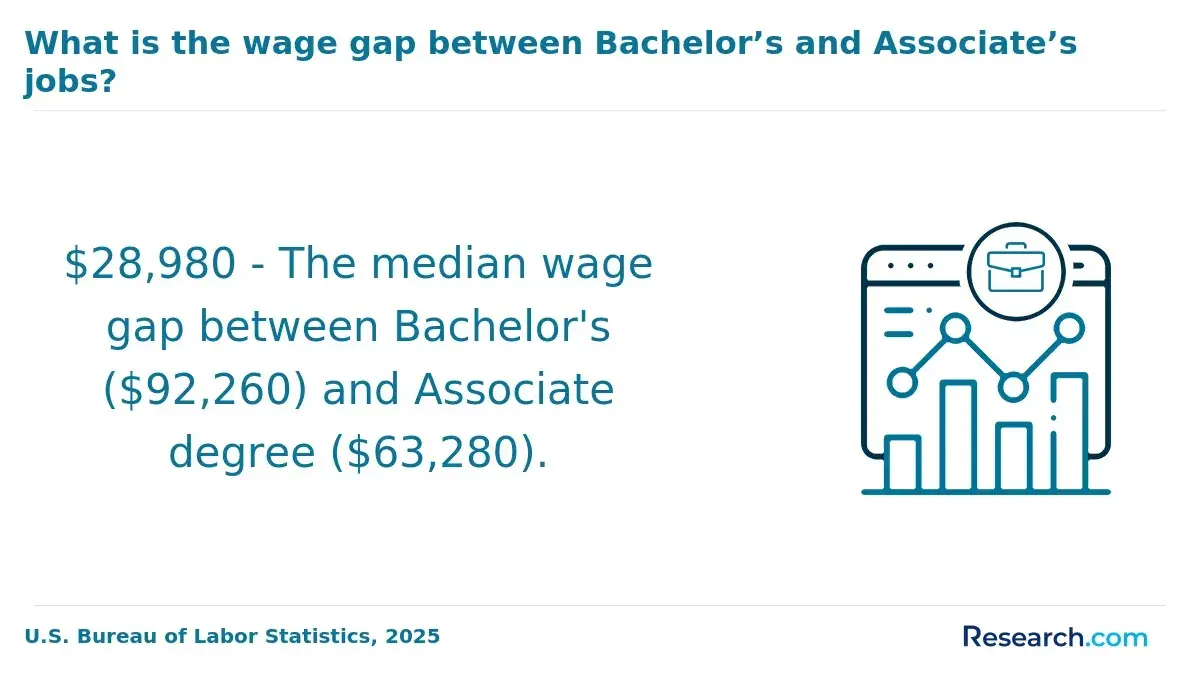
- Degree Level Impact: Educational background strongly influences earnings. Bachelor's degree holders generally start with higher salaries compared to those with associate degrees. Professionals with master's degrees or MBA concentrations in retail or supply chain management often reach six-figure incomes in major metropolitan areas.
- Experience Factor: Compensation grows substantially with time in the field. New graduates may begin near the median salary, but after five to ten years, pay often rises 25% to 40% due to gained expertise and leadership roles.
- Industry Variation: Salaries vary depending on the retail sector. Luxury goods, technology, and specialized wholesaling generally offer better wages than general merchandise stores. E-commerce and logistics sectors are expanding-presenting competitive pay tied to digital commerce growth.
- Geographic Influence: Urban markets like New York City, Los Angeles, and Chicago provide the highest salaries but balance this with higher living costs. Rural areas and smaller towns offer more modest compensation that aligns with local economies.
- Certifications and Credentials: Credentials such as Certified Retail Manager (CRM) and Certified Professional in Supply Management (CPSM) confer documented salary advantages. Employers prefer credentialed candidates-often granting faster promotion and better pay. Online students can acquire these through accredited programs and employer tuition assistance.
Projected job growth in retail management ranges from 5% to 7% over the next decade. Salary increases are expected to track inflation and sector expansion, especially as omnichannel retail strengthens. Candidates should regularly consult updated BLS and industry data to ensure accurate salary expectations.
What Graduates Say About the Best Online Retail Management Degrees for Jobs
- Trace: "The accreditation standards of the best online retail management degrees truly set them apart-knowing that my diploma held recognized value gave me confidence when applying for jobs. The curriculum rigor was another standout feature, pushing me to develop practical skills that employers seek. What amazed me most was how these programs balance affordability with a strong return on investment, making education achievable and worthwhile."
- Sutton: "Looking back, the student support infrastructure made all the difference in my online retail management journey-having responsive advisors and accessible resources helped me stay motivated throughout. I appreciated programs that emphasized career outcomes because it's one thing to learn theory but quite another to translate that into meaningful work opportunities. Also, the curriculum rigor ensured I was prepared for the real challenges in retail environments."
- Ezekiel: "The practical experience requirements convinced me that the degree I earned was worth more than just classroom learning-these hands-on components polished my skills and made interviews easier. The cost versus return on investment was transparent, which helped me plan financially without surprises. Most importantly, the accreditation standards meant employers recognized my qualification without hesitation, opening doors I hadn't anticipated."
Other Things You Should Know About Retail Management Degrees
The top online retail management programs focus on developing skills such as supply chain coordination, merchandising strategies, customer service leadership, and data-driven decision making. Graduates also learn financial analysis and inventory management, which are critical for running efficient retail operations. These programs emphasize both strategic thinking and practical problem solving to prepare students for diverse roles in retail.
In 2026, top online retail management programs offer comprehensive student support services such as virtual tutoring, career counseling, and access to industry-specific job boards. Networking opportunities often include online forums, alumni networks, and virtual industry conferences, providing students with the connections vital for career success in retail management.
Most reputable online retail management programs include mandatory practicum or internship components to provide hands-on experience in real retail environments. These placements are often arranged locally for each student, allowing flexibility and relevance to their career goals. Programs typically support students in securing opportunities and require completion of specified hours to fulfill graduation criteria.
Leading online programs offer robust support services including academic advising, career counseling, and technical assistance to enhance student success. Many also host virtual networking events, alumni groups, and mentorship programs tailored specifically to retail management. These resources help students build professional connections and access job opportunities during and after their studies.
References
- Entry Requirements | Online Business School https://www.onlinebusinessschool.com/entry-requirements/
- Study Bachelor In Retail Management (Hons) - Intake, Entry Requirement, Course fees, duration https://www.msu.edu.my/faculty-business-management-professional-studies/bachelor-retail-management.php
- Torrens Online Compare Portal https://www.torrensacademy.com/courses/online-mba/retail-management
- Retail Management Degree Online | Onlinedegrees.com https://www.onlinedegrees.com/retail-management/
- Bachelor of Business Administration (Honours) Retail Management https://study.utar.edu.my/retail-management.php
- The Standards of Accreditation - ACCSC https://www.accsc.org/seeking-accreditation/the-standards-of-accreditation/
- Salary E-Commerce Specialist - Poland https://www.pensjometr.pl/en/salaryinfo/commerce/e-commerce-specialist
- What is a Retail management Degree? | MANCOSA https://www.mancosa.co.za/blog/what-is-a-retail-management-degree-is-it-the-right-course-for-you/
- 7 Essential Skills You’ll Learn with a PG Diploma in Retail Management https://www.scdl.net/blog/pg-diploma/7-essential-skills-youll-master-with-a-pg-diploma-in-retail-management
- What are the careers of the future in retail? - INSEEC https://www.inseec.com/en/guides/career-path-guide/what-are-the-careers-of-the-future-in-retail/