2027 Surgical Tech Affordability by State: Where Students Pay the Most and Least

Co-Founder and Chief Data Scientist
Choosing between a Surgical Tech program charging $8,000 annually and one at $23,000 can define a student's financial trajectory. Adding to this dilemma, out-of-state tuition premiums frequently double in-state costs, forcing many to reconsider relocation or debt accumulation. A 2024 study from the National Center for Education Statistics reveals that in 15 states, the average cost of attendance for technical training programs has risen over 7% since 2021, intensifying the burden on low- and middle-income students.
This growing disparity reflects varied state funding policies and regional living expenses, affecting where students can realistically pursue affordable Surgical Tech education without unsustainable debt. This article will analyze Surgical Tech affordability by state, highlighting where students face the highest and lowest financial barriers, aiding smarter program and enrollment decisions.
Key Things to Know About Surgical Tech Affordability by State
- States with lower in-state tuition often have higher living costs, driving up true affordability; this tradeoff means students in "cheapest" states may face greater overall financial burden despite nominal tuition savings.
- Programs in states with strong employer networks and accreditation tend to yield better job placement, signaling that lowest-cost options might risk weaker workforce outcomes for surgical tech graduates.
- Rising out-of-state tuition premiums and limited financial aid disproportionately delay completion times, indicating that timing and cost barriers can significantly affect access to surgical tech credentials in certain regions.
- Key Things to Know About Surgical Tech Affordability by State Key Things to Know About Surgical Tech Affordability by State
- Which States Have the Most Affordable Surgical Tech Degree Programs? Most Affordable State Programs
- Which States Have the Highest Surgical Tech Degree Costs? Highest State Tuition Costs
- How Much Does a Surgical Tech Degree Cost by State? Degree Costs by State
- Why Does Surgical Tech Affordability Vary So Much Between States? State Affordability Variations
- How Do In-State and Out-of-State Tuition Rates Affect Surgical Tech Affordability? In-State vs. Out-of-State Rates
- How Does the Cost of Living Impact Overall Surgical Tech Affordability by State? Living Costs and Affordability
- Which States Offer the Best Value for a Surgical Tech Degree? Best Value State Degrees
- What Financial Aid and Scholarship Opportunities Can Reduce Surgical Tech Costs? What Financial Aid and Scholarship Opportunities Can Reduce Surgical Tech Costs?
- Are Online Surgical Tech Degree Programs More Affordable Than On-Campus Options? Are Online Surgical Tech Degree Programs More Affordable Than On-Campus Options?
- Is a Surgical Tech Degree Worth the Cost Based on Career Outcomes and ROI? Degree ROI and Outcomes
Which States Have the Most Affordable Surgical Tech Degree Programs?
State-level variations in public funding and institutional pricing significantly shape where affordable surgical tech programs emerge, with in-state tuition policies often creating sharp cost divides between residents and out-of-state learners. For example, Wyoming's community colleges leverage strong state subsidies to keep annual in-state tuition near $3,500, well below many other states, enabling local students to avoid the steep premiums faced elsewhere.
This affordability advantage can influence not only initial enrollment decisions but also completion rates, as students managing lower debt burdens may persist more effectively through practical, hands-on surgical tech curricula. However, students relocating across state lines often confront higher costs that can offset perceived savings, underscoring the importance of weighing residency rules against program reputation and clinical placement quality.
Regional cost of living differences add another layer of complexity, as housing and related expenses make a measurable impact on the total cost of attendance beyond tuition alone. States like Montana and New Mexico offer surgical tech pathways that combine lower institutional charges with modest living costs, providing a more comprehensive financial benefit than tuition numbers suggest. Additionally, some states augment affordability through targeted grants or expanded online offerings, allowing students to reduce commuting or lodging expenses.
Prospective learners should assess these nuances carefully, recognizing that the most affordable surgical tech programs by state balance public investment, residency-based pricing, and cost-of-living realities in ways that materially affect financial aid accessibility and long-term educational value. Students exploring options may also find parallels in fields such as a healthcare administration degree online California, where similar geographic and policy-driven affordability dynamics apply.
Which States Have the Highest Surgical Tech Degree Costs?
The elevated costs of surgical tech degrees in states like California and New York stem less from inherent program differences and more from broader economic and policy dynamics. High living expenses in these regions directly influence tuition as institutions balance faculty salaries and facility upkeep against local market conditions, pushing sticker prices above $15,000 annually for many in-state students.
State funding allocations also play a pivotal role; lower public support often shifts more financial burden onto students, especially out-of-state enrollees who face premium fees that can double educational expenses. This financial structure forces prospective students to weigh whether access to robust healthcare job markets justifies the upfront investment versus more affordable programs in states with stronger public appropriations and less concentrated urban cost pressures.
Enrollment patterns contribute further complexity, as limited surgical tech program availability in high-cost states reduces competitive tuition pressures, making private programs disproportionately expensive compared to states with more abundant options. Moreover, hidden costs such as clinical supplies and externship travel, which rise alongside regional living costs, affect total affordability beyond base tuition.
For budget-conscious students, these factors encourage careful evaluation of residency requirements, potential online alternatives, and available financial aid before committing. The decision to pursue a surgical tech degree in a more expensive state must balance immediate economic strain against possible long-term employment advantages afforded by proximity to dense healthcare systems in metropolitan hubs.
A surgical tech student from the Midwest recalled hesitating over enrolling in a coastal program due to the steep cost disparity and uncertainty about qualifying for in-state tuition. After researching several options, including an online alternative and a closer public college, the student realized that out-of-state fees and the cumulative expense of mandatory clinical materials made the coastal program financially unsustainable despite its appeal.
Limited financial aid offers and concerns over relocation expenses ultimately tipped the decision toward a local program with a solid reputation, demonstrating how nuanced cost factors and policy barriers shape practical student choices beyond headline tuition figures.
How Much Does a Surgical Tech Degree Cost by State?
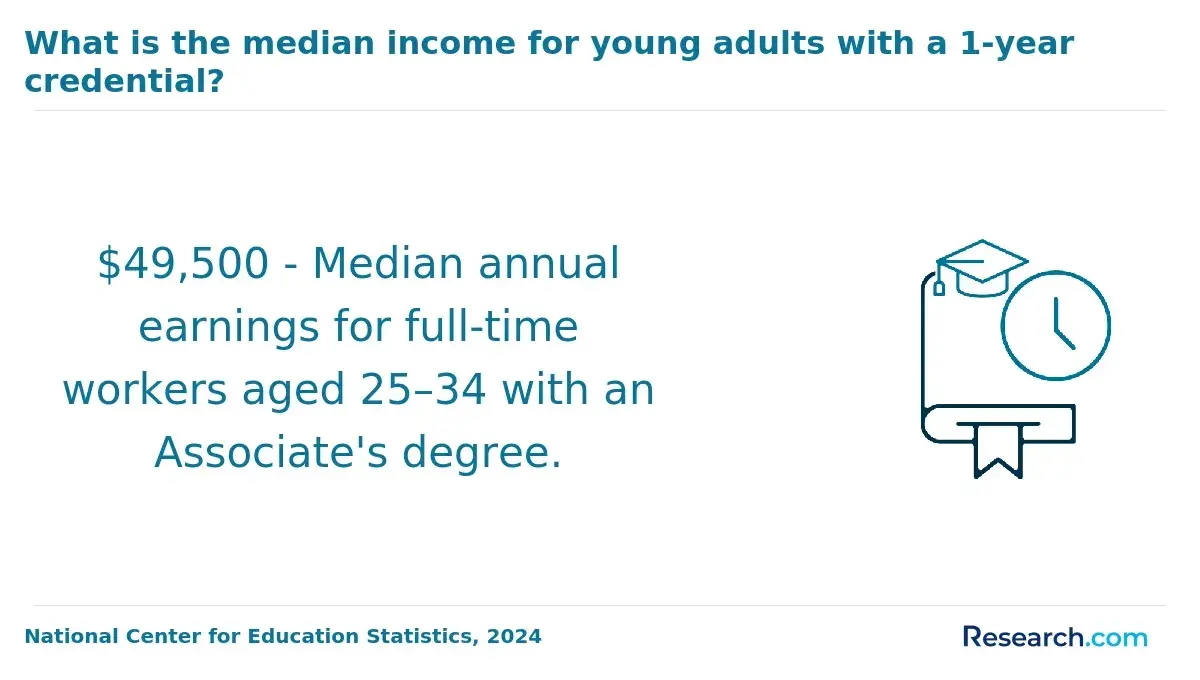
Costs for earning a surgical tech degree differ widely by state, shaped by the mix of public versus private institutions, residency status, and state-specific education funding. For example, in states like California and New York, where private and proprietary schools are more common and living expenses are high, annual tuition for in-state students at public programs can surpass $15,000.
In contrast, states with strong community college systems and robust higher education subsidies-such as Iowa or Tennessee-often keep tuition closer to $4,000, creating markedly different financial commitments that influence whether students choose to stay local or incur additional costs by relocating or enrolling as out-of-state learners. These variations have tangible implications for budgeting and long-term planning.
Out-of-state tuition rates often double in many states, a factor that can overwhelm students relying on loans or limited financial aid, which itself varies by state and program focus. This disparity is critical for students weighing clinical training quality against affordability; higher-cost programs may offer access to advanced hospitals or specialization opportunities but may also produce heavier debt burdens.
Conversely, more affordable states may reduce upfront expenditure but warrant careful consideration of local job markets and the availability of transferable clinical experiences, which ultimately affect employability and income trajectories after graduation.
Why Does Surgical Tech Affordability Vary So Much Between States?
Differences in state funding models and institutional mixes drive much of the disparity seen in surgical tech education costs. States prioritizing public investment in community colleges and technical programs often offer significantly lower resident tuition, a factor clearly reflected in 2024 National Center for Education Statistics data showing these states can have tuition rates 20-30% below less-funded regions.
In contrast, states with a larger share of private surgical tech programs rely heavily on tuition dollars, pushing prices upward. Additionally, residency policies create steep price gaps between in-state and out-of-state students, compelling many learners to weigh the trade-off between paying premium out-of-state fees and seeking flexible alternatives such as fast-track LPN programs online from more affordable states.
Cost-of-living differences further influence the real expense beyond tuition, often tipping the scales for students deciding where to enroll. High-demand states with growing health system needs may increase tuition to manage limited program capacity, affecting surgical tech education costs regionally.
These regional differences in surgical tech tuition fees impact enrollment behaviors, prompting some students to transfer or pursue online options to mitigate expenses. For budget-conscious individuals, evaluating both state-by-state surgical tech education costs and local economic realities is crucial to developing a long-term education strategy that balances affordability with practical career entry timing.
How Do In-State and Out-of-State Tuition Rates Affect Surgical Tech Affordability?
Residency-based tuition differentials exert a decisive influence on surgical tech program affordability, often determining not only where students can enroll but also how they finance their education. Public community colleges typically charge in-state students roughly half the tuition of their out-of-state counterparts-around $4,300 versus $8,500 annually, according to the National Center for Education Statistics (2024).
This gap can force prospective students near state borders to weigh whether relocating and establishing residency is financially viable or if they'll absorb significantly higher costs. Additionally, regional reciprocity agreements like the Western Undergraduate Exchange can blur these lines but often come with residency prerequisites or limit eligibility, leaving many students navigating complex state policies to optimize costs.
The interplay between tuition rates and financial aid eligibility adds another layer of complexity; in-state students commonly access state-funded grants unavailable to out-of-state enrollees, amplifying potential savings beyond sticker price. Meanwhile, growing availability of accredited online surgical tech programs with flat tuition structures challenges traditional residency-based pricing but introduces tradeoffs in clinical placement logistics and potential employer perceptions.
Ultimately, the choice between in-state and out-of-state enrollment hinges on a balance of direct costs, aid possibilities, and practical factors like program quality, clinical access, and long-term employment prospects within specific healthcare markets. A surgical tech student from a neighboring state hesitated when deciding whether to pay out-of-state tuition or establish residency in a region with multiple public program options.
Despite meeting some residency criteria, the student discovered administrative delays doubled the tuition during application processing. This unexpected cost spike forced reevaluation of financial support plans and a temporary decision to enroll out-of-state, fueling frustration over opaque residency rules and the true value of program access versus financial burden.
How Does the Cost of Living Impact Overall Surgical Tech Affordability by State?
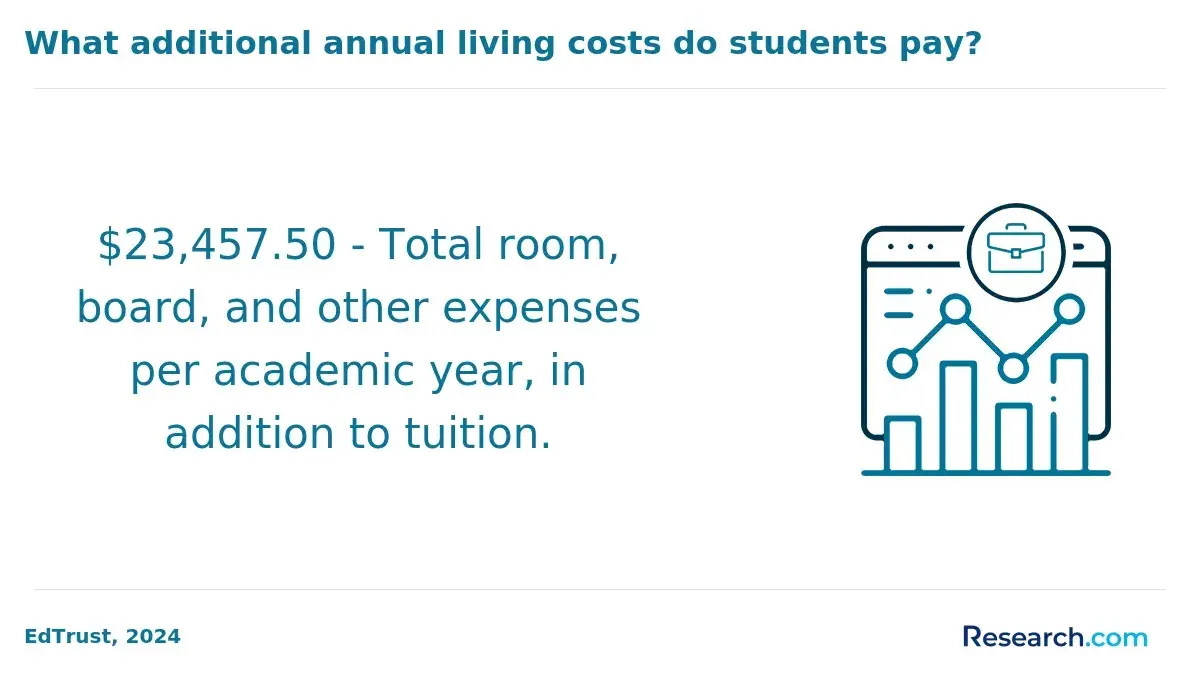
Housing, transportation, food, and healthcare costs often overshadow tuition in shaping the real expenses of pursuing a surgical tech degree, with regional disparities transforming affordability beyond sticker price. For example, students attending programs in high-cost states like California or New York face rent and utility expenses nearly double those in more affordable areas such as Arkansas or Oklahoma, forcing difficult tradeoffs between living conditions and educational investment.
These variations in cost of living and surgical tech affordability by state fundamentally affect not only monthly budgets but also the total indebtedness students may accumulate, influencing their willingness and ability to complete programs locally or consider more remote or online options. Moreover, the interplay between local wage opportunities and everyday expenses merits careful consideration; urban students often benefit from greater part-time work or clinical externship availability that can offset elevated living costs but might face higher transportation and food prices.
In contrast, rural students may save on housing and meals but encounter limited job prospects and increased commuting challenges, shaping their net financial position during training. Such regional living expenses affecting surgical tech education costs also shape financial aid strategies and degree completion timelines, making a thorough comparison of states' living costs essential for practical educational planning.
Students must evaluate how these non-tuition factors weigh against program quality and career outcomes, especially when deciding between traditional campus attendance and alternatives like an online nutritionist degree, where location-driven expenses differ markedly.
Which States Offer the Best Value for a Surgical Tech Degree?
Evaluating the value of a surgical tech degree across states requires more than comparing tuition rates; key considerations include state residency tuition policies, graduation success, and local labor market conditions that affect employability. For example, a program in Texas offering in-state tuition below $5,000 annually paired with a near 70% completion rate may provide stronger financial and professional outcomes than a higher-cost program in a state with weaker job placement.
Residents who qualify for in-state tuition often gain access to substantially lower costs, making relocation or enrollment decisions critical for maximizing return on investment, especially when weighing private versus public institution options. Moreover, affordability must be contextualized by total cost of attendance, including living expenses and the likelihood of timely degree completion, which vary notably between states like Florida and California.
Florida commonly features multiple accessible community college programs and flexible scheduling suited for working adults, enhancing educational accessibility beyond sticker price alone. Conversely, states with fewer public options may force students into costly private programs with limited financial aid, reducing value despite potential wage premiums. Labor demand also matters: areas with projected healthcare workforce growth improve employability and salary prospects, offsetting moderate tuition differences, while cheaper programs in regions with stagnant employment might delay career advancement.
What Financial Aid and Scholarship Opportunities Can Reduce Surgical Tech Costs?
Federal aid, particularly Pell Grants, remains the cornerstone of financial assistance for surgical tech students, substantially decreasing the debt burden for roughly 70% of enrollees, according to 2024 data from the U.S. Department of Education. However, the impact of such aid is uneven due to state-specific eligibility conditions and enrollment requirements that can restrict access for out-of-state or part-time students.
For example, a student in a state with tuition reciprocity may pay significantly less than peers elsewhere, yet they must navigate tight residency rules and application deadlines to qualify. Consequently, students must weigh the logistical challenges of meeting these strict conditions against potential cost savings, which can influence their choice of program location and timing.
Institutional scholarships and employer tuition benefits add layers of complexity; often, merit-based awards require ongoing GPA maintenance or service commitments that may limit work flexibility after graduation. Employer-sponsored aid can offset expenses but might bind recipients to particular healthcare organizations, restricting job mobility in a field where staffing needs and geographic preferences vary widely.
These practical tradeoffs, coupled with inconsistent state grant offerings, underscore the need for surgical tech students to conduct detailed financial planning-factoring in aid stacking policies and renewal criteria-to align funding opportunities with their career and life circumstances.
Are Online Surgical Tech Degree Programs More Affordable Than On-Campus Options?
Cost comparisons between online and on-campus surgical tech degree programs reveal complex financial tradeoffs rather than straightforward savings. While tuition for online allied health fields often runs 15-25% lower, this advantage can shrink once students factor in in-person clinical requirements, technology expenses, and variable out-of-state rates.
For instance, a student balancing work and study may find that an online program's flexible scheduling offsets commuting and housing costs typically required for on-campus enrollment, but must still budget for specialized software and limited local clinical sites, affecting total affordability. State residency policies and scholarship availability further complicate direct tuition comparisons, impacting students differently depending on their location and enrollment status.
Evaluating online surgical tech degree affordability depends heavily on individual circumstances and program design. Students in states with high living costs-such as California or Texas, where online surgical tech degree affordability comparisons show notable enrollment growth-might benefit from reduced campus fees and transportation expenses but face varying technology price burdens.
Conversely, students without reliable internet access or nearby clinical options may incur higher indirect costs or extended timelines for certification. Financial aid tends to be comparable across modalities, though some institutional aid favors on-campus attendance, making it essential to examine aid packages carefully. For those seeking comprehensive options, investigating best BCBA programs highlights how program structure and costs can diverge substantially even within allied health fields.
Is a Surgical Tech Degree Worth the Cost Based on Career Outcomes and ROI?
The affordability of surgical tech degrees by state significantly shapes the financial feasibility and career outcomes for students. For example, pursuing a surgical tech degree in lower-cost states like Texas or Florida can reduce tuition and living expenses, enabling graduates to carry less debt upon entering a field where the median annual wage is around $53,000.
Conversely, students in high-cost states such as California or New York face greater financial pressure, often balancing higher debt loads against urban wage premiums that may be offset by expensive living conditions. Evaluating program quality and completion rates becomes critical, as accelerated or hospital-affiliated programs can shorten time to employment, mitigating opportunity costs inherent in longer or less effective pathways.
Career outcomes and ROI for surgical tech graduates in the US require nuanced consideration beyond tuition alone. Moderate student debt remains a common challenge, especially given entry-level salaries, so prospective students must weigh debt repayment feasibility and geographic mobility carefully. Urban wage premiums frequently come with costly living expenses, complicating straightforward salary comparisons by state.
Program quality, clinical placement success, and state-level industry demand collectively influence employment probabilities and long-term career growth. Additionally, students interested in extending their credentials can explore pathways similar to those offered in fields like speech pathology programs online for veterans, reflecting the importance of flexible education options aligned with workforce needs.
References
- Surgical Technologist Salary: How Much Do Surgical Techs Earn Worldwide? - Surgical Teck https://surgicalteck.com/surgical-technologist-salary-worldwide-guide/
- Average Cost of College by State [2025]: Tuition + Fees https://educationdata.org/average-cost-of-college-by-state
- Surgical Tech Salary â Hourly & Annually by State https://www.stepful.com/post/surgical-tech-salary
- Associate Surgical Technology https://www.monroeu.edu/academics/undergraduate-programs/school-allied-health-professions/associate-surgical-technology
- The Effects of Rising Student Costs in Higher Education - Ithaka S+R https://sr.ithaka.org/publications/the-effects-of-rising-student-costs-in-higher-education/
- Is a BS in Surgical Technology Worth It? Salary, ROI, and Career Paths https://suit.edu.pk/blog/is-bs-surgical-technology-worth-it-salary-roi
- How to Choose the Best Surgical Tech Program | Your Guide https://www.brooklinecollege.edu/blog/how-to-choose-the-best-surgical-tech-program/
- Career Progression Guide for Surgical Technologists: What to Expect https://www.incrediblehealth.com/tech/career-progression-guide-for-surgical-technologists-what-to-expect/
- Surgical Technician Certification training online https://www.dignitycollegeofhealthcare.com/surgical-technician
- Surgical Technology Program Costs https://www.cpcc.edu/programs/surgical-technology/surgical-technology-program-costs
Other Things You Should Know About Surgical Tech
Accreditation directly influences not only program quality but also graduates' employability and certification eligibility. Cheaper programs in some states may lack accreditation or maintain lower standards, which can limit job prospects or require additional training post-graduation. Students should prioritize accredited programs even if tuition is higher, as investing in recognized credentials typically results in smoother entry into the workforce and often higher starting wages.
Yes, the quality and availability of clinical rotations differ by state and program, impacting hands-on training and readiness for surgical tech roles. In states with fewer hospital partnerships or less diverse surgical specialties, programs might be more affordable but offer limited practical experience. Students should weigh affordability against the real-world training opportunities, since stronger clinical exposure usually improves employability and reduces the need for costly additional certification or on-the-job training.
Often, yes. States with less expensive surgical tech programs frequently correlate with lower average salaries and employer expectations for experience or specialization. While cheaper education reduces initial financial burdens, students may face slower career advancement or constrained job markets. Prioritizing states where education cost aligns with competitive wages and employer demand can improve long-term return on investment.
Programs with lower tuition may compensate by requiring longer time commitments or heavier course loads, potentially increasing overall costs through lost income or extended living expenses. Conversely, more intensive programs with higher tuition might accelerate entry into the workforce. Budget-conscious students should assess total time and effort required alongside tuition fees to avoid underestimating the overall financial and personal investment needed for program completion.