2027 Surgical Tech Career Hotspots: Cities With the Best Pay, Job Openings, and Growth

Co-Founder and Chief Data Scientist
An individual stepping into the surgical tech field faces a critical question: where to launch or advance their career to maximize both earnings and opportunities. While clinical skills matter greatly, the influence of geography cannot be overstated. Certain metropolitan areas provide access to a larger number of hospitals, outpatient centers, and specialized surgical facilities, directly shaping the availability of positions and the potential for professional growth.
According to the 2024 data from the U.S. Bureau of Labor Statistics, surgical techs in top-paying cities earn as much as 30% above the national median wage, reflecting strong demand and institutional investment in these locations. Such disparities often coincide with rapid industry expansion and innovation, which benefit career advancement and job security. This article explores which cities currently lead in surgical tech pay, job openings, and long-term growth, guiding new and early-career professionals toward the most promising career hotspots.
Key Things to Know About Surgical Tech Career Hotspots
- Higher average salaries in cities like San Francisco, exceeding $62,000 annually, reflect increased living costs and demand, signaling candidates should weigh compensation against local expenses when targeting career hubs.
- Rapid employment growth of 12% in Houston's healthcare sector through 2026 indicates rising surgical tech openings, implying better job stability but competitive entry as more graduates pursue these markets.
- Urban centers with large hospital networks, such as Chicago, offer diverse specialization options, which can accelerate skill development but may require navigating complex credential and union environments for new surgical techs.
- Key Things to Know About Surgical Tech Career Hotspots Key Things to Know
- Which Cities Offer the Best Career Opportunities for Surgical Tech Graduates? Career Opportunities
- Which Cities Pay the Highest Salaries for Surgical Tech Professionals? Top-Paying Cities
- Which Cities Have the Fastest Job Growth for Surgical Tech Careers? Fastest Job Growth
- Which Industries Drive Surgical Tech Hiring in Different Cities? Hiring Industries
- How Does Cost of Living Affect Surgical Tech Career Value by City? Living Cost
- Which Skills Help Surgical Tech Graduates Compete in Top Job Markets? Skills
- How Do Remote and Hybrid Work Affect Surgical Tech Career Hotspots? Remote Work
- How Can Students Prepare for Relocating to a Surgical Tech Career Hotspot? Relocation Tips
- How Do Different Surgical Tech Career Hotspots Compare? City Comparison
- Which City Best Fits Your Surgical Tech Career Goals? Best City
Which Cities Offer the Best Career Opportunities for Surgical Tech Graduates?
Assessing the best cities for surgical tech careers requires a nuanced understanding of local healthcare ecosystems, job availability, and salary benchmarks rather than focusing solely on pay. Cities like Houston, TX, stand out due to their extensive networks of hospitals and medical research centers, which generate sustained employer demand and frequent openings for surgical techs.
The median annual wages there exceed $56,000, reflecting both the scale of the healthcare industry and regional economic factors. Meanwhile, metro areas experiencing rapid population growth such as Phoenix, AZ, combine expanding medical infrastructure with high job growth projections, positioning them as top U.S. cities for surgical tech job growth as they offer expanding opportunities that can support early-career professionals aiming to gain diverse clinical experience.
In markets like Boston, MA, higher wages-sometimes surpassing $60,000-coincide with greater living costs and the presence of specialized academic medical centers, which supports advancement into subspecialty roles. The ideal city for a surgical tech graduate may depend on professional goals; for example, someone focused on long-term career advancement might prioritize metropolitan areas offering varied healthcare settings and consistent hiring, even if starting salaries are somewhat lower.
Balancing salary data with employment growth metrics and cost of living is crucial, since a city with robust job openings but modest pay can still facilitate career progression. Graduates should also consider the broader healthcare ecosystem, such as the availability of related programs-those exploring further credentials might investigate healthcare administration degree programs to complement clinical skills.
Other noteworthy cities like Raleigh, NC, and Minneapolis, MN, demonstrate how regional economies with active healthcare sectors and steady employment growth create favorable conditions for surgical techs seeking reliable job markets. The combination of salary competitiveness, sustained demand, and career pathway options defines what makes a city a strong destination.
Ultimately, choosing a location involves weighing multiple indicators including industry concentration and local economic stability, ensuring graduates align their choice with both immediate opportunities and long-term career sustainability within surgical technology.
Which Cities Pay the Highest Salaries for Surgical Tech Professionals?
Salary levels for surgical tech professionals vary significantly across U.S. cities due to differences in local healthcare infrastructure, demand for specialized skills, and cost of living. Metropolitan regions with dense hospital networks or leading medical research institutions tend to offer higher wages to attract and retain experienced surgical techs. However, elevated salaries in these areas often correspond with higher living expenses, which can diminish real income and influence career decisions.
Geographic location not only shapes immediate earning potential but also impacts long-term career growth opportunities and job market competitiveness. Below are five top metropolitan areas recognized for offering the highest paying surgical tech jobs in U.S. cities.
- San Francisco, CA: The San Francisco metropolitan area commands some of the highest average annual salaries for surgical techs, frequently exceeding $65,000. This premium is fueled by the region's extensive hospital networks and advanced surgical centers. Yet, the Bay Area's notably high cost of living tempers the net financial benefit, requiring careful consideration of quality of life alongside pay.
- Seattle, WA: Surgical tech salaries in Seattle often range between $60,000 and $63,000, supported by a vibrant healthcare sector intertwined with cutting-edge technology-driven hospitals. While wages are substantial, rising housing costs mean that higher pay may not directly translate into greater discretionary income.
- Boston, MA: Boston offers annual salaries around $58,000 to $62,000 for surgical tech professionals, driven by its concentration of academic medical centers and research institutions. The city fosters continual professional growth, though it demands adaptability and advanced skills to meet evolving healthcare standards.
- New York, NY: New York City features competitive salaries typically ranging from $55,000 to $60,000, underpinned by its large, diverse healthcare system and specialized surgical services. Despite strong pay, the extremely high living costs require surgical techs to balance income against expenses carefully.
- Washington, DC: The capital region pays surgical techs at median rates near $57,000 annually, supported by numerous federal and private healthcare facilities. This market offers a blend of stable employment and salary growth potential, though cost of living remains a significant factor in overall compensation value.
When evaluating these top metropolitan areas for surgical tech salaries, candidates should weigh raw salary figures against real-world tradeoffs such as housing costs and professional development opportunities. For example, a surgical tech deciding between Seattle and a smaller city with lower pay but reduced living expenses might find the latter offers better overall financial stability and work-life balance.
Those interested in advancing through further education might also explore options like an online doctorate in nursing, which could open pathways beyond surgical tech roles into leadership or academic positions within healthcare systems.

Which Cities Have the Fastest Job Growth for Surgical Tech Careers?
Metropolitan areas with rapid job growth for surgical tech professionals typically share common economic and demographic traits, including expanding healthcare infrastructure and population segments driving demand for surgical services. High growth rates, particularly above 10%, often signal emerging markets where early-career surgical techs may find less saturated job opportunities, though these markets might trade off the volume and diversity of roles seen in larger metros.
Evaluating both the rate of employment increase and the total number of openings helps prospective surgical techs make informed relocation or job search decisions. Below are five U.S. cities with notable growth in surgical tech roles according to recent data from government and industry sources.
- Phoenix, Arizona:Phoenix leads with over 15% surgical tech job growth in the last year, fueled by new hospital projects and outpatient surgery centers. The area's growing elderly population contributes to sustained demand, making it a prime location for those seeking rapid entry into a booming local healthcare market.
- Dallas-Fort Worth, Texas:This metro region reports significant increases in surgical tech job openings driven by investments in healthcare innovation hubs and a diverse mix of public and private providers. Its broad economic base supports steady demand across major hospital systems and specialty clinics.
- Salt Lake City, Utah:With a job growth rate exceeding 12%, Salt Lake City combines expanding medical facilities with a relatively affordable cost of living. Early-career surgical techs benefit from this environment offering increasing roles without the intense competition found in larger coastal metros.
- Raleigh, North Carolina:While often overlooked, Raleigh has shown double-digit percentage growth in surgical tech employment. The city's focus on healthcare technology and research institutions creates specialized opportunities in surgical services expanding beyond traditional hospital settings.
- Orlando, Florida:Orlando's healthcare sector growth aligns with increased elective and emergency procedures fueled by a rising retiree population and tourist-related medical needs. Surgical tech roles here are growing at about 10%, offering a dynamic environment for professionals balancing stability and upward mobility.
Which Industries Drive Surgical Tech Hiring in Different Cities?
Job prospects for surgical techs vary widely by city, closely tied to the dominant healthcare industries within each urban area. Large metropolitan centers with dense networks of hospitals offer the most consistent openings due to their sheer scale and complexity of surgical cases. Conversely, cities with emerging outpatient care services or specialized clinics demonstrate rapid growth, creating niches for surgical tech professionals with specific skill sets.
The 2024 U.S. Bureau of Labor Statistics data highlights a steady nationwide demand spearheaded by traditional hospital systems but also underscores expanding roles in ambulatory and research-focused settings. Below are key industries shaping surgical tech employment across diverse U.S. cities.
- Hospital Networks: Major cities like New York, Los Angeles, and Chicago drive demand through extensive hospital systems handling complex surgeries and high patient volumes. These environments require surgical techs skilled in multiple specialties, offering broad exposure and steady employment opportunities.
- Outpatient Care Centers: Rapid growth in cities such as Houston and Phoenix is fueled by minimally invasive surgical techniques and patient preferences for outpatient procedures. Surgical techs here must adapt to fast-paced settings and varied case types, benefiting from a trend toward efficiency and reduced hospital stays.
- Specialty Clinics: Cities with concentrations of orthopedic, cardiovascular, or other specialty clinics-like Minneapolis and Boston-demand surgical techs with expertise in focused fields. These clinics often incorporate cutting-edge procedures, pushing surgical techs toward higher technical proficiency and specialization.
- Ambulatory Surgical Centers: These centers, prevalent in cities serving significant veteran populations including San Antonio and Washington D.C., emphasize streamlined workflows and patient throughput. Surgical techs play a critical role in maintaining efficiency while managing diverse procedural volumes.
- Government Healthcare Facilities: Cities housing major VA hospitals and federal medical centers rely on surgical techs to meet the unique needs of veteran care, often involving complex, long-term treatment plans. These roles provide stability and focus on quality patient outcomes.
- Research and Teaching Hospitals: Urban hubs known for medical education, such as Boston and Minneapolis, create opportunities for surgical techs in clinical trials and educational programs. These positions often require advanced knowledge and support innovation in surgical practices.
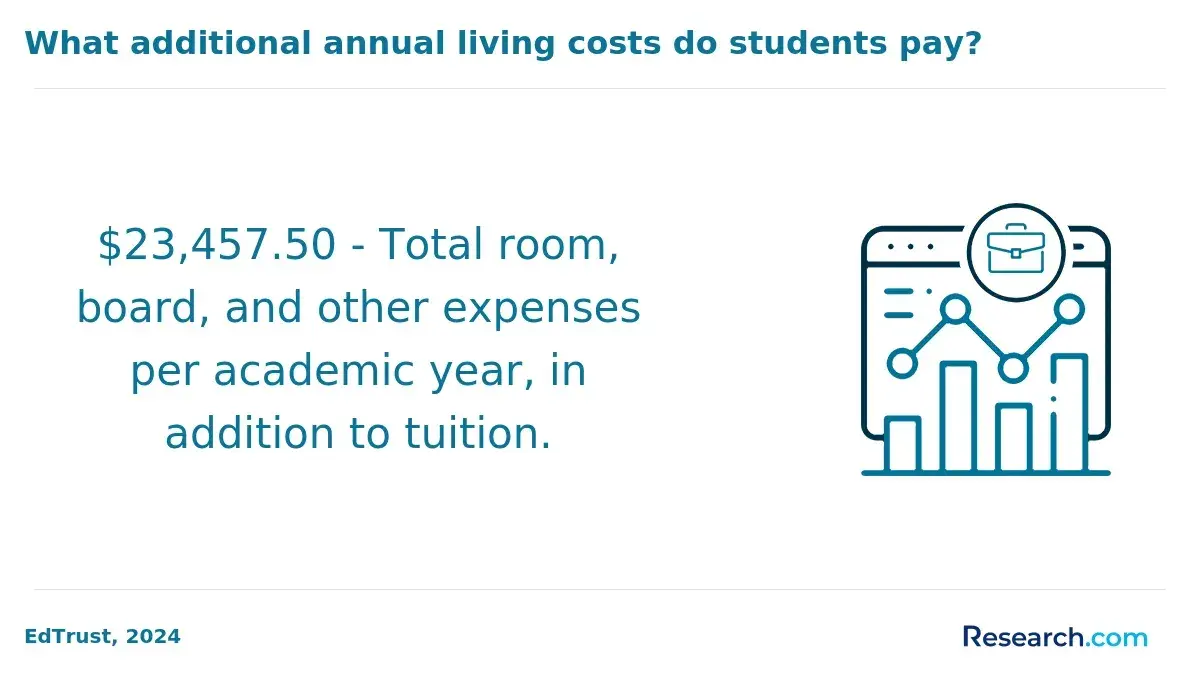
How Does Cost of Living Affect Surgical Tech Career Value by City?
The impact of cost of living on surgical tech salaries across U.S. cities underscores the importance of looking beyond nominal pay to assess true career value. For instance, although metropolitan areas like San Francisco and New York offer salaries often exceeding $65,000 annually, these figures can be misleading due to steep housing, transportation, and healthcare expenses.
A surgical tech earning six figures in one of these cities may face high local taxes and daily living costs that significantly erode disposable income and savings potential. In contrast, cities with lower salaries but reduced living expenses-such as Houston or Phoenix-allow professionals to retain more income after essentials, highlighting the critical role of purchasing power in evaluating job opportunities and financial stability.
This balance often tips in favor of moderately paid positions in regions with manageable costs, emphasizing quality of life and long-term financial security over headline salary numbers. For example, a surgical tech earning $52,000 in Phoenix might afford more reasonable housing and transportation costs than a counterpart with $65,000 in New York, resulting in less financial stress and greater ability to invest or save.
Recent data from the U.S. Bureau of Labor Statistics and cost of living indices from the Council for Community and Economic Research emphasize that early-career professionals must consider these factors carefully. Cities experiencing growth in the medical sector, like Raleigh-Durham and Denver, offer a strong mix of competitive compensation and moderate expenses, facilitating both career advancement and living standards.
For prospective students navigating choices about education and job markets, understanding these trade-offs is vital. Evaluating the cost of living impact on surgical tech salaries in US cities goes hand-in-hand with assessing job availability and career growth potential. Visiting resources such as an online ultrasound tech school program can help build relevant skills in tandem with this geographic strategy. Ultimately, a comprehensive view that integrates salary data, living costs, and local demand will provide a more accurate measure of the best US cities for surgical tech pay versus living expenses.
Which Skills Help Surgical Tech Graduates Compete in Top Job Markets?
Employers in leading surgical tech job markets increasingly seek candidates who combine deep technical skills with flexible, transferable professional abilities. Mastery of surgical instruments or protocols alone may not secure top positions, especially in fast-growing metropolitan hubs where teamwork, problem-solving, and adaptability directly impact surgical outcomes.
For example, a surgical tech working in a high-volume Houston hospital must not only execute precise instrument handling but also anticipate surgeon needs and communicate clearly under pressure to reduce delays and complications. Below are five essential skills that give surgical tech graduates an edge in these competitive environments.
- Technical Proficiency: Expertise with advanced surgical equipment, sterilization techniques, and electronic health record systems remains foundational. Employers favor candidates who can seamlessly integrate new technologies like robotic-assisted devices, as evidenced by the U.S. Bureau of Labor Statistics projecting a 12% growth in surgical tech jobs in key metro areas by 2034. Continuous technical training and hands-on internships help develop this skill.
- Critical Thinking: The ability to analyze dynamic surgical situations and respond effectively improves overall efficiency and patient safety. Surgical techs who quickly identify potential issues or adapt instrument setups can prevent procedural delays. This skill strengthens through scenario-based clinical experience and focused problem-solving exercises.
- Interprofessional Communication: Clear, concise collaboration with surgeons, nurses, and anesthesiologists is vital in complex operating rooms. Surgical techs who convey needs and observations promptly contribute to smoother procedures and fewer errors. Developing communication skills via team-based simulations and real-world clinical rotations is key.
- Specialized Certification: Credentials in areas like cardiovascular or orthopedic surgical technology correlate with higher starting salaries and job security, according to the National Healthcareer Association's 2024 data. Targeted certification reflects expertise sought in hospital networks within urban centers, making ongoing education and certification renewal important investments.
- Regulatory Compliance: Adhering strictly to infection control and safety regulations, including OSHA standards, is mandatory, particularly in high-volume hospitals where surgical complications have amplified consequences. Mastery of compliance protocols lowers institutional risks and supports career longevity. This knowledge is best gained through comprehensive coursework and updated training modules.
How Do Remote and Hybrid Work Affect Surgical Tech Career Hotspots?
The practical demands of surgical tech roles largely limit remote work possibilities, with less than 3% of duties identified as suitable for off-site performance, according to 2024 data from the U.S. Bureau of Labor Statistics and the American Society of PeriAnesthesia Nurses. This reality means that traditional career hotspots-cities with large hospital systems and robust clinical infrastructure-remain vital for hands-on work.
However, hybrid and remote models have reshaped the landscape by broadening access to roles linked to surgical techs, such as education, credentialing, and administrative positions, which can sometimes be done remotely or in a hybrid format. This expansion allows professionals to tap into employment opportunities beyond their immediate geographic area, especially in metropolitan regions with integrated healthcare networks and advanced medical training programs.
The impact of hybrid work on surgical tech careers depends on variables including the specific occupation segment, employer adoption of flexible policies, availability of networking within remote or hybrid platforms, and regional labor market characteristics such as demand and training infrastructure. Although clinical duties must be performed onsite, non-clinical functions tied to surgical techs increasingly leverage virtual environments to support career progression, recruitment, and retention.
Consequently, metropolitan areas like Houston, Boston, and New York sustain their relevance not only by clinical volume but also as centers for hybrid-enabled roles that enhance job stability and professional development. This nuanced environment means that graduates should weigh local demand alongside employer flexibility and opportunities for remote engagement when evaluating career hotspots.
How Can Students Prepare for Relocating to a Surgical Tech Career Hotspot?
Relocating to a surgical tech career hotspot involves much more than accepting a job offer; it requires proactive, strategic planning before graduation to ensure a successful transition. Students often overlook local licensure nuances, cost of living variances, and the importance of networking in their target city, all of which influence long-term career sustainability.
For example, a graduate moving to Phoenix may find different certification requirements and housing costs compared to Dallas, affecting both credential readiness and financial stability. To navigate these complexities, students should adopt a comprehensive preparation approach centered on practical steps.
Key actions to enhance relocation readiness include:
- Research Local Licensing Requirements: Understanding state-specific certifications and continuing education mandates is essential, as some regions require credentials beyond national certification. Early research prevents licensing delays that can stall employment.
- Engage in Professional Networking: Connecting with local chapters of the Association of Surgical Technologists and attending job fairs or webinars uncovers hidden job markets and offers insight into employer expectations in high-demand urban areas.
- Gain Clinical Experience Locally: Securing internships or externships within the chosen city strengthens resumes and helps build relationships with potential employers, increasing the likelihood of job offers.
- Plan Financially for Relocation: Budgeting for moving expenses, temporary housing, and licensing fees is critical. Utilizing tools from organizations like the Council for Community and Economic Research allows students to compare living costs effectively.
- Monitor Healthcare Infrastructure Growth: Targeting cities with expanding surgical departments and medical technology investments aligns career moves with future demand, promoting job security and advancement.
For students considering accelerated educational pathways that complement surgical tech training and broaden healthcare roles, exploring options like the fastest FNP program online may provide additional career flexibility and growth potential.
How Do Different Surgical Tech Career Hotspots Compare?
No single city stands out as the undisputed best destination for every surgical tech graduate because labor markets vary widely in pay, job availability, and future growth. Comparing multiple factors such as salary potential, workforce expansion, and living costs provides a nuanced view that helps early-career professionals choose locations aligned with their priorities.
For some, high salaries in expensive cities might make sense, while others will weigh reliable job openings and affordable housing more heavily. Below is a comparison of key U.S. hotspots for surgical tech professionals based on 2024 metropolitan data.
- San Francisco, CA: Offers some of the highest average surgical tech salaries, often exceeding $65,000 annually. However, the very high cost of living offsets much of this advantage, making it a better fit for those prioritizing top pay over affordability.
- Boston, MA: Similar to San Francisco, Boston provides competitive wages combined with a rich healthcare ecosystem and academic medical centers. Living expenses are steep, but skilled surgical techs may find unique career advancement opportunities.
- Houston, TX: Balances moderate salaries ranging from $50,000 to $58,000 with a rapidly growing number of job openings due to hospital expansions. The cost of living is lower than coastal metros, appealing to graduates focused on immediate employment.
- Phoenix, AZ: Combines steady wage levels with strong workforce growth driven by outpatient facility development. Phoenix's affordable living costs relative to salary offer promising prospects for sustainable financial stability.
- Charlotte, NC: Projected employment for surgical techs is growing rapidly, fueled by aging populations and increased elective surgeries. Reasonable wages paired with moderate living expenses create a balanced environment for career growth.
- Denver, CO: Experiences healthy demand increases and offers a middle ground between coastal salary highs and Sun Belt affordability. Its appeal includes a quality of life enhanced by outdoor amenities, attracting those valuing lifestyle as well as opportunities.
Prospective students willing to weigh these tradeoffs carefully can better navigate the top U.S. cities for surgical tech job growth. For those considering additional qualifications, exploring online aBSN programs for non nurses may also expand future career flexibility.
Which City Best Fits Your Surgical Tech Career Goals?
Choosing the best city for a surgical tech career hinges on more than just salary or job rankings; it requires weighing professional goals, industry concentration, lifestyle preferences, and financial priorities. According to 2024 U.S. Bureau of Labor Statistics data, while cities like San Francisco and Seattle offer some of the highest average surgical tech salaries, these often come with significantly higher costs of living that can offset net income gains.
Conversely, metropolitan areas such as Houston and Atlanta may provide more abundant job openings and expanding healthcare networks, which can be advantageous for early-career professionals seeking stability and growth. Decisions about relocation should also factor in long-term employment prospects tied to demographic trends-cities like Phoenix and Tampa with aging populations forecast growing surgical tech demand.
Additionally, the local healthcare ecosystem, networking ecosystems, and individual work-life preferences play critical roles in shaping career satisfaction. There is no universally optimal city; rather, the strongest choice aligns with one's long-term professional and personal goals, balancing salary potential, employment availability, and lifestyle considerations endorsed by trusted data sources like the U.S. Bureau of Labor Statistics.
References:
- Travel Certified Surgical Technologist Jobs - Up To $3,328/wk https://www.vivian.com/allied-health/surgical-tech/travel/
- 5% job growth through 2034 makes surgical tech one of healthcare’s hottest careers – CSTSetup https://cstsetup.com/surgical-tech-jobs-growing-faster-than-average/
- Remote & Hybrid Surgical Technologist Jobs in North Carolina | iHire https://www.ihire.com/t-surgical-technologist-s-north-carolina-remote-jobs.html
- Surgical Tech Salary by State: Top Paying States & Guide 2026 https://surgicalteck.com/surgical-tech-salary-by-state/
- Surgical Tech Travel Jobs https://www.medicalsolutions.com/allied/surgical-tech/
- What Does a Surgical Tech Make? Salary Guide - Medical Prep https://medicalprep.org/what-does-a-surgical-tech-make-salary-guide/
- Five Key Takeaways from Aya Ideas 2025 https://www.ayahealthcare.com/healthcare-jobs/allied/surgical-services/or-tech-surgical-tech/
- Surgical Technologist - Explore Healthcare Careers - Mayo Clinic College of Medicine & Science https://college.mayo.edu/academics/explore-health-care-careers/careers-a-z/surgical-technologist/
- Top Paying Cities for Surgical Techs in the U.S https://surgicaltechgeek.com/blogs/operating-room-tea/top-paying-cities-for-surgical-technologists-in-the-u-s-%F0%9F%92%B0
- Earn your degree in Surgical Technologist from Mandl School The College of Allied Health https://mandl.edu/2024/11/23/a-career-as-a-surgical-technologist-the-heroes-of-the-operating-room/
Other Things You Should Know About Surgical Tech
High-paying cities for surgical techs often come with a significant increase in workload and pace, especially in large hospital systems or specialized surgical centers. While higher salaries can be tempting, they may also reflect a more stressful environment with longer hours and less downtime, which can impact work-life balance and job satisfaction. Prioritize cities where you find a balance that suits your personal capacity and career stage rather than chasing salary alone, as burnout risk tends to grow with workload intensity in these hotspots.
Some cities have a dense pool of employers that prioritize advanced certifications or specific surgical specialties, making competition tougher for entry-level candidates without specialized credentials. If you're early in your career, it's wise to focus on cities with more flexible hiring practices or established training programs that support skill development on the job. Otherwise, relocating to a hotspot with steep certification demands could delay your employment or force you into underemployment while you upskill.
Continuing education opportunities, such as partnerships between hospitals and local colleges offering advanced certifications or specialty training, are critical in hotspots with rapid surgical innovations. They help surgical techs stay competitive and qualify for higher-paying roles. When comparing cities, prioritize those with robust education ecosystems and employer-supported training programs, as this directly affects long-term career growth and adaptability in a fast-evolving field.
Many high-growth cities face staffing shortages that initially increase job openings and leverage for surgical techs, but they also often mean chronic understaffing and excessive overtime. While this can give early career professionals greater job security and rapid experience accumulation, it may also lead to higher stress and reduced time for professional development. Carefully evaluate whether the city's growth rate is matched by investments in workforce sustainability-otherwise, job quality may deteriorate despite ample openings.