2027 Surgical Tech Skills Gap Analysis: What Employers Want vs What Degree Programs Teach

Co-Founder and Chief Data Scientist
Entering the surgical tech field often confronts students and recent graduates with unexpected challenges. Many find that the technical skills emphasized in degree programs do not fully match the practical competencies demanded by employers. This mismatch can create frustration and hinder the smooth transition from classroom to operating room, raising questions about workforce readiness and career prospects.
Employers seek candidates who combine foundational knowledge with adaptable, hands-on experience and situational judgment not always covered in standard curricula. Understanding these gaps is crucial for students aiming to improve their marketability and long-term success in healthcare settings. This article analyzes the differences between what surgical tech programs teach and what employers expect, offering insights to help align education with real-world demand.
Key Things to Know About Surgical Tech Skills Gap
- Employer surveys in 2024 reveal that surgical tech programs underemphasize sterile technique nuances, creating a gap that often delays new hires' full operating room integration.
- Graduates are expected to master intraoperative communication and emergency adaptability, skills rarely covered in depth during formal training, extending onboarding timelines.
- Proactive clinical externships and simulation labs significantly boost readiness by replicating high-pressure scenarios, a necessity given employers' rising expectations for immediate practical competence.
- Key Things to Know About Surgical Tech Skills Gap Key Things to Know About Surgical Tech Skills Gap
- What Skills Do Employers Expect From Surgical Tech Graduates? Employer Expectations
- What Do Surgical Tech Degree Programs Typically Teach? Program Curriculum
- Where Is the Biggest Skills Gap Between Surgical Tech Programs and Employers? Biggest Skills Gap
- Which Technical Skills Are Most Important for Surgical Tech Careers? Technical Skills
- Which Workplace Skills Matter Beyond Technical Knowledge? Workplace Skills
- How Do Internships and Real-World Experience Improve Career Readiness? Career Experience
- How Can Students Close the Surgical Tech Skills Gap Before Graduating? Closing Skills Gap
- How Is the Surgical Tech Job Market Changing Employer Skill Requirements? How Is the Surgical Tech Job Market Changing Employer Skill Requirements?
- How Do Different Surgical Tech Programs Compare in Career Preparation? How Do Different Surgical Tech Programs Compare in Career Preparation?
- How Should Students Choose a Surgical Tech Program That Builds Career-Ready Skills? Choosing a Program
What Skills Do Employers Expect From Surgical Tech Graduates?
Employer demand for technical and professional skills in surgical tech graduates continues to grow in 2024, with data from LinkedIn and Lightcast underscoring this trend. Hiring managers value candidates who not only master sterile technique and instrumentation but also show adaptability within fast-evolving surgical environments.
For instance, a surgical tech's ability to anticipate a surgeon's needs during an unexpected procedural change can directly affect patient outcomes and OR efficiency. Aligning educational experiences with these expectations enhances workforce readiness and long-term employability.
Key competencies employers look for include:
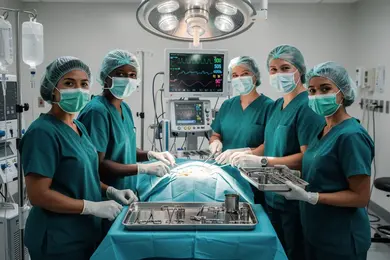
- Sterile Technique Mastery: Graduates are expected to demonstrate rigorous aseptic practice to minimize infection risks. This skill is cultivated through hands-on clinical rotations where adherence to operating room protocols is non-negotiable.
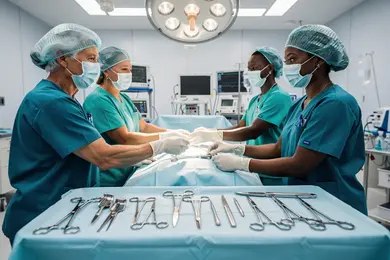
- Instrumentation Expertise: Familiarity with surgical instruments, including preparation and timely passing during procedures, is critical. Practical training typically involves direct exposure and supervision in surgical suites, which builds muscle memory and situational awareness.
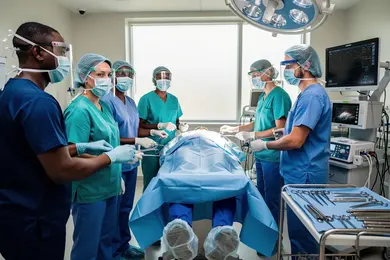
- Effective Communication: The ability to coordinate clearly with surgeons, nurses, and anesthesiologists safeguards workflow and patient safety. Communication skills often develop through teamwork-focused scenarios in simulation labs and real-world OR settings.
- Critical Thinking and Adaptability: Surgical techs must respond promptly when unexpected events occur, such as equipment failure or sudden procedural shifts. This competency is honed by experiential learning and reflective practice emphasizing problem-solving under pressure.
- Professionalism and Reliability: Punctuality, attention to detail, and strict compliance with safety standards are foundational. These habits are reinforced through professional conduct expectations embedded in most training curricula.
- Digital Literacy: Growing reliance on electronic health records (EHR) and surgical technology software requires techs to possess up-to-date digital skills. Many programs now integrate informatics modules to address this demand.
- Certification Commitment: Employers favor graduates who pursue credentials like the Certified Surgical Technologist (CST) certification, reflecting dedication to ongoing skill development and industry standards.
For students evaluating their educational path, understanding these essential surgical tech skills employers seek helps focus efforts on practical experiences and professional growth. Those interested in alternative routes might explore options such as a DNP program without clinical hours to complement their clinical expertise with expanded nursing practice competencies.
What Do Surgical Tech Degree Programs Typically Teach?
Surgical tech degree programs center on preparing students for the intricate demands of operating room environments, emphasizing hands-on proficiency aligned with national standards. Although curricula vary, most share a foundational focus on sterile techniques and procedural support. Real-world application often involves responding to unpredictable intraoperative changes, where a surgical tech's knowledge directly impacts patient safety and surgical success.
For example, anticipating instrument needs during a complex surgery requires both technical skill and experience-based judgment. The following points outline the core surgical technology curriculum content and typical skills taught in surgical tech degree programs.
- Sterile Technique and Infection Control:This foundational area trains students to maintain an aseptic field and prevent contamination during surgeries, which is critical for patient safety and surgical outcomes. Mastery here supports lifelong adherence to safety protocols in clinical settings.
- Instrumentation Knowledge:Programs emphasize identification, handling, and maintenance of surgical instruments and equipment, enabling effective support during procedures. This competence helps ensure operational efficiency and reduces risks of errors.
- Operating Room Procedures:Students learn perioperative processes including patient prep, positioning, and draping to streamline workflow in surgical suites. Familiarity with these steps fosters confidence and adaptability in high-pressure environments.
- Clinical Practicum Experience:Most curricula mandate between 300 to 600 hours of supervised practical training, which bridges classroom knowledge with actual surgical team participation. This immersion is vital to develop situational awareness and procedural fluency.
- Patient Safety Protocols:Focus on monitoring and responding to surgical team dynamics, equipment status, and patient condition during operations sharpens critical thinking abilities. Such training aligns with employer expectations for readiness under pressure.
- Emerging Technology Integration:While less consistently taught, some programs incorporate training on electronic health records and robotic surgery assistance to address evolving OR demands. Inclusion of these topics enhances digital literacy for future adaptability.
- Communication and Teamwork:Though often underemphasized, soft skills like effective interdisciplinary communication and teamwork strategies are increasingly recognized as essential for managing complex workflows and unexpected events.
Data from the National Center for Education Statistics reveals that core surgical technology curriculum content typically includes these practical areas to equip graduates with skill sets aligned with competency frameworks like those from the Association of Surgical Technologists and CAAHEP.
Prospective students should note that a program's ability to balance technical, technological, and interpersonal skill development directly influences their employability and career resilience. For those considering program formats, understanding these distinctions can inform choices that align with both completion likelihood and long-term success in the field.
For students weighing career paths, assessing whether is medical billing and coding in demand may also be relevant when thinking beyond initial surgical tech training toward complementary healthcare roles.
Where Is the Biggest Skills Gap Between Surgical Tech Programs and Employers?
New surgical tech graduates often face notable challenges adapting to the demands of modern operating rooms, where practical fluidity and soft skills shape initial employability. A 2024 report from the National Center for Health Workforce Analysis underscores that nearly 60% of employers identify gaps in graduates' readiness for unpredictable surgical environments and team communication.
Degree programs deliver essential sterile technique training but typically emphasize foundational learning over specific workplace challenges. The disparities become particularly clear in high-pressure scenarios where quick thinking and technology use matter most.
Below are key areas where newly minted surgical techs frequently fall short and how students might proactively address these gaps.
- Hands-On Specialty Experience: Most programs prioritize standard procedures but lack sufficient exposure to diverse or complex surgeries. This limits graduates' ability to respond confidently when unfamiliar cases or emergencies arise, often extending onboarding time. Engaging in varied clinical rotations or simulation labs that mimic less common cases can improve adaptability.
- Critical Thinking & Situational Awareness: Employers highlight a need for sharper real-time judgment and problem-solving skills to manage procedural variability. Since these competencies evolve slowly, students should seek opportunities to participate in scenario-based training and interdisciplinary drills that build this mindset.
- Communication Under Pressure: The fast-paced OR environment demands calm, clear, and assertive interaction within multidisciplinary teams. Despite classroom coverage, many new techs struggle with conflict resolution and stress communication. Role-playing exercises and mentorship in clinical settings can strengthen this aspect significantly.
- Technological Fluency: Rapid advances in minimally invasive instruments and digital documentation often outpace curricula updates, leaving graduates less confident with current tools. Supplementing coursework with certifications or workshops on the latest surgical technologies helps bridge this divide.
Which Technical Skills Are Most Important for Surgical Tech Careers?
Technical skills translate theoretical knowledge gained in surgical tech programs into effective, real-world performance in operating rooms. As surgical technology evolves and healthcare delivery standards increase, the set of critical competencies employers seek continues to shift. Today's surgical techs must balance foundational skills with adaptability to new tools and procedures, reflecting the rapid pace of medical innovation.
This dynamic skill demand underscores why ongoing training and hands-on experience are crucial for job readiness. Below are key technical skills that consistently align with what employers expect from surgical tech graduates in 2024.
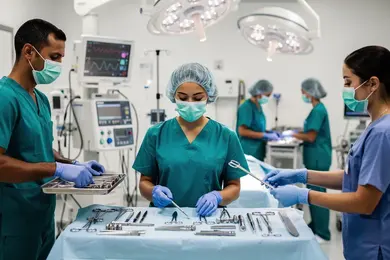
- Aseptic Technique Mastery: Employers require surgical techs to rigorously maintain sterile fields to minimize infection risks. Training typically combines classroom instruction with clinical labs, where students practice sterilization processes and proper gowning/gloving procedures. Mastery of these techniques supports patient safety and enhances trust with surgical teams.
- Instrument Handling Proficiency: Effective management and anticipation of surgical instruments during procedures are crucial. This skill develops through repeated exposure in simulation labs and during clinical rotations, enabling techs to respond quickly and minimize operative delays, a key factor valued across diverse surgical settings.
- Electronic Health Records (EHR) Competency: With healthcare digitization, familiarity with EHR systems has become indispensable. Surgical techs must accurately document procedures and manage patient data, a capability often introduced in coursework and refined on the job, facilitating operational efficiency and compliance.
- Anatomy and Physiology Understanding: Deep knowledge of human anatomy enables surgical techs to anticipate surgical needs and respond appropriately during unexpected intraoperative events. This foundational science skill is reinforced through both theoretical study and hands-on clinics, supporting clinical judgment under pressure.
- Patient Positioning and Safety: Proper positioning minimizes injury risks and improves surgical access. Surgical techs learn positioning techniques through lab practice and clinical experience, a competency that directly impacts patient outcomes and reflects professional diligence.
- Advanced Surgical Technology Familiarity: The rise of minimally invasive and robotic surgeries demands technical adaptability. Exposure to equipment setup and troubleshooting in training programs and continuing education helps surgical techs meet evolving procedural requirements while boosting their employability.
- Practical Experience Integration: Employers increasingly emphasize real-world clinical exposure, noting that graduates with hands-on experience perform better in operating room dynamics. Simulation labs and extended clinical placements bridge the gap between theory and practice, fostering confidence and competence.
According to the National Healthcare Career Association's 2024 report, over 70% of employers prioritize technical skills such as aseptic technique and instrument handling when hiring surgical techs, highlighting the growing importance of specialized competencies in securing employment.
Which Workplace Skills Matter Beyond Technical Knowledge?
Success in surgical tech roles depends on more than just technical expertise. While mastery of sterile procedures and equipment is essential, employers increasingly expect graduates to exhibit professional competencies that support dynamic, high-pressure clinical environments. A 2024 report by the U.S. Department of Labor's Employment and Training Administration highlights that over 70% of surgical tech employers prioritize durable skills like adaptability and communication as critical to workplace performance.
These abilities help graduates navigate complex team interactions and rapidly changing patient conditions. Below are key workplace skills that matter most beyond technical knowledge.
- Effective Communication: Clear and concise communication is vital for surgical tech professionals to coordinate with surgeons, nurses, and other staff. Programs that incorporate role-playing or simulation labs help students develop these skills, which contribute to avoiding errors and enhancing patient safety in the operating room.
- Teamwork and Collaboration: Operating rooms depend on tight-knit teams functioning seamlessly under pressure. Learning to work respectfully and proactively with diverse professionals prepares graduates for real-world settings where mutual support and coordinated actions reduce risks and improve outcomes.
- Critical Thinking: The ability to anticipate procedural needs or respond to unexpected challenges directly impacts patient care quality. Coursework emphasizing situational awareness and problem-solving sharpens this skill, fostering a mindset oriented toward continuous assessment and response.
- Adaptability: Surgical environments are fluid, with last-minute changes common. Graduates who demonstrate flexibility can adjust to new protocols or surgeon preferences efficiently, a trait employers cite as enhancing team resilience and minimizing disruptions.
- Emotional Resilience: Managing stress and maintaining professionalism during high-stakes surgical cases increases overall team effectiveness. Exposure to realistic clinical scenarios during training helps strengthen this enduring skill, supporting career longevity and workplace integration.
- Interpersonal Skills: Strong interpersonal communication fosters trust within multidisciplinary teams. Emphasizing emotional intelligence aids in conflict resolution and smooth integration into clinical settings, contributing to a collaborative work culture.
- Attention to Detail: Precision in handling instruments and monitoring environmental conditions reduces complications. Programs that provide hands-on experiences reinforce this competency, which is fundamental to patient safety and operative success.
Integrating communication skills for surgical tech professionals alongside these critical workplace skills for surgical tech graduates enhances both immediate employability and long-term career resilience.
Prospective students should seek programs blending technical curriculum with experiential learning such as internships and simulation labs to prepare fully for evolving employer expectations. Those interested in exploring related educational opportunities may find relevant options by reviewing radiology tech online programs, which similarly stress comprehensive workforce readiness.
How Do Internships and Real-World Experience Improve Career Readiness?
Academic study alone rarely equips surgical tech students with the comprehensive skills needed for immediate workplace success. While classroom instruction establishes foundational knowledge, it cannot replicate the complexities of operating room dynamics or the precise protocols essential for patient safety. Real-world experiences, such as internships and clinical placements, enable students to apply theoretical concepts in authentic settings, fostering practical judgment and the confidence necessary to handle unpredictable situations effectively.
According to a 2024 report from the National Center for Education Statistics, surgical tech students who complete internships are 37% more likely to secure employment within six months of graduation, highlighting the tangible impact of experiential learning on early career outcomes.
Internships and other hands-on opportunities help refine technical abilities, reinforce professional communication, and expose students to workplace cultures and expectations that academic programs alone often overlook. Engaging closely with healthcare teams improves not just manual skills like sterile technique but also critical interpersonal competencies such as situational awareness and adaptability.
However, the depth and relevance of these experiences differ significantly across programs; some offer structured rotations with clear goals, while others provide limited observational roles that deliver less measurable benefit. As a realistic example, a student who participates in a supervised operating room internship can develop the workflow fluency and teamwork skills necessary to reduce onboarding time for employers, unlike peers who only engage in classroom simulations.
To maximize the value of experiential learning, prospective surgical tech students should prioritize securing internships early, seek applied projects, and actively build professional networks during their placements. Reflecting on these experiences and linking them to personal career objectives strengthens self-awareness and strategic decision-making for future roles.
Importantly, internships complement but do not replace academic excellence and ongoing skills development; students who balance strong coursework with proactive career planning are best positioned to meet employer expectations and navigate long-term career paths successfully.
How Can Students Close the Surgical Tech Skills Gap Before Graduating?
Students can start preparing for the workforce well before graduation by integrating practical skills with their academic studies. Waiting until after completing a surgical tech program to build real-world competencies often limits employment prospects and delays career momentum. By actively pursuing applied experiences during their education, students not only deepen their technical know-how but also develop critical soft skills valuable to employers.
This proactive approach positions graduates to meet job demands more effectively and navigate the early stages of their careers with confidence. The following strategies highlight actionable steps to reduce the skills gap prior to earning a surgical tech degree.
- Internships and Clinical Externships: Engaging in supervised on-site work placements allows students to practice technical procedures and workflow management within actual surgical settings. A 2024 report from the National Center for Education Statistics found students participating in such experiential learning achieve significantly higher job placement rates within six months post-graduation, reflecting employer prioritization of hands-on experience.
- Project-Based Research: Collaborating on research or clinical improvement projects sharpens problem-solving abilities and critical thinking that standard coursework may not fully develop. These initiatives encourage innovative responses to dynamic operating room scenarios, a skill highly valued by surgical teams according to recent findings from the American Association of Colleges of Nursing.
- Certification Maintenance and Specialty Endorsements: Pursuing additional credentials beyond initial licensing, such as Certified Surgical Technologist renewal or specialty certifications, signals commitment and expertise. The National Board of Surgical Technology and Surgical Assisting noted a 20% wage premium for certified candidates in 2024, highlighting the career advantages of continued credentialing.
- Active Communication Skill Development: Prioritizing communication and teamwork drills within coursework or volunteer opportunities prepares students to collaborate in high-pressure environments. Effective interpersonal interactions improve patient safety and efficiency, traits routinely emphasized by employers in hiring decisions.
- Time Management and Planning: Balancing demanding academic requirements with extracurricular clinical experiences requires intentional scheduling and prioritization. Students who strategically integrate real-world training into their routine avoid burnout and maximize productivity, a necessity given the conflicting demands reported by many during internships.
How Is the Surgical Tech Job Market Changing Employer Skill Requirements?
The surgical tech job market is shifting rapidly as technological innovation, automation, and digital integration reshape employer priorities. According to 2024 data from the U.S. Bureau of Labor Statistics and labor analytics by Lightcast, employers now value hybrid competencies that combine foundational technical skills with proficiency in electronic health record (EHR) systems, robotic-assisted surgery tools, and effective interdisciplinary communication.
This transition mirrors broader healthcare trends emphasizing team-based coordination and patient safety, forcing surgical techs to adapt continuously to evolving procedural environments. For instance, a surgical tech might be expected not only to prepare instruments but also to troubleshoot a robotic device during surgery, highlighting the increasing complexity of the role.
These changes affect both technical and professional skill requirements by expanding the scope of what employers consider essential. The World Economic Forum highlights critical thinking and real-time problem-solving as crucial capabilities for surgical tech professionals who face dynamic challenges in operating rooms. Consequently, continuous learning and adaptability have become as important as academic preparation, with practical experience through internships or clinical rotations proving indispensable.
Students seeking to meet these elevated expectations should integrate traditional coursework with hands-on projects, certifications, and professional networking. Engaging in ongoing skill development ensures readiness for the demands seen in modern surgical settings and helps bridge the gap outlined by LinkedIn's 2024 job market insights regarding employer skill requirements for surgical technologists.
Prospective surgical tech students can prepare effectively by combining core training with applied experiences that emphasize both technology use and interdisciplinary collaboration. Supplementing formal education with real-world practice strengthens workforce readiness and aligns with emerging standards, illustrating why supplementing degree programs with experiential learning is critical.
For those interested in expanding their healthcare qualifications, exploring programs such as BSN to MSN pathways can further enhance career flexibility and adaptability within the healthcare industry.
How Do Different Surgical Tech Programs Compare in Career Preparation?
Career preparation in surgical tech degree programs extends beyond the diploma itself. Two programs may grant the same credential but differ vastly in how well they develop practical skills and workplace readiness. For example, a graduate entering a fast-paced hospital may face challenges if their training lacked hands-on instrument handling or sterile technique management under real clinical pressures.
According to the 2024 Healthcare Workforce Report by the U.S. Department of Education, programs blending theory with immersive clinical experiences see significantly higher employment rates within six months of graduation. The differences are not merely academic; they shape how quickly graduates fit into team-based surgical environments.
Below are crucial factors to weigh when assessing how surgical technology training aligns with career readiness.
- Clinical Experience Integration: Hands-on clinical hours are critical in bridging classroom knowledge with real-world surgical workflows. Programs vary in the extent and quality of their clinical partnerships, affecting exposure to actual operating rooms and interdisciplinary teams. Students should prioritize programs offering extensive, supervised clinical rotations that mirror future job settings.
- Use of Simulation and Technology: Incorporating surgical simulation and team-based scenario training enhances decision-making and adaptability. Studies from the National Board of Surgical Technology & Surgical Assisting show that graduates from programs emphasizing simulation demonstrate superior problem-solving skills required in evolving OR environments.
- Faculty Expertise and Employer Engagement: Faculty with current industry experience can offer up-to-date insights and mentorship, while strong ties to employers facilitate internships and job placements. Prospective students ought to research faculty backgrounds and the degree of employer involvement embedded in curricula.
- Balance of Theoretical and Practical Learning: Programs focusing mainly on classroom study without sufficient practical exposure risk leaving students underprepared for critical surgical tasks. Evaluating curriculum balance helps ensure readiness for day-one responsibilities in sterile technique management and instrument handling.
Surgical tech students must also consider individual learning preferences and career goals since no single program suits everyone. For those weighing other healthcare educational pathways, information such as substance abuse counselor degree online options may present alternative routes within allied health fields.
How Should Students Choose a Surgical Tech Program That Builds Career-Ready Skills?
Choosing between online, hybrid, and campus surgical tech programs shapes long-term career readiness and employability. Evidence from 2024 workforce and academic evaluations shows that graduates with extensive hands-on experience, typically gained through campus or hybrid formats, adapt faster to real-world operating room demands. However, online programs offer flexibility critical for learners balancing work or family, despite often requiring additional clinical effort to achieve equivalent practical skills.
Consider these key factors when weighing learning formats.
- Hands-on Experience: Campus and hybrid formats provide direct clinical exposure and simulation labs crucial for mastering surgical technologies. Online students may need supplementary in-person training to build comparable competencies.
- Networking Opportunities: Campus programs facilitate connections with local hospitals and employers, supporting job placement. Hybrid formats partially maintain this advantage, while online formats often require proactive networking efforts by the student.
- Flexible Scheduling: Online learning excels for students needing adaptable schedules, allowing balance with personal commitments. Hybrid models offer a moderate compromise, while campus formats demand consistent on-site attendance.
- Certification Success: Programs accredited by recognized bodies such as CAAHEP consistently yield higher pass rates on certification exams. Campus and hybrid formats generally integrate this accreditation more robustly.
- Skill Retention over Time: Students engaged in immersive, practical training retain skills and safety protocols more effectively, enhancing long-term employability. Those in fully online settings should seek supplemental clinical exposure to mitigate potential gaps.
- Adaptability to Evolving Technologies: Campus and hybrid programs update curricula to include emerging surgical innovations, preparing graduates for future healthcare trends. Online programs vary widely in curriculum currency.
References:
- Online Surgical Tech Certification Program- 60% Off Training https://deals.preppy.org/online-surgical-tech-program
- How Surgical Technologists Transform the Operating Room: Skills, Responsibilities, and Benefits https://carrington.edu/blog/or-tech-skills-needed-for-surgical-technologist-career/
- Is the Skills Gap Real? Changes in Employer Skill Requirements During the Great Recession https://econofact.org/is-the-skills-gap-real-changes-in-employer-skill-requirements-during-the-great-recession
- Surgical Technologist Skills List: Technical, Soft Skills & Career Tips 2026 https://surgicalteck.com/surgical-technologist-skills-list/
- Surg tech Intern - Baystate Health Careers https://baystatehealthjobs.com/career-openings/surg-tech-intern-r34316/
- Understanding the skills gap—and what employers can do about it | Brookings https://www.brookings.edu/articles/understanding-the-skills-gap-and-what-employers-can-do-about-it/
- Career Progression Guide for Surgical Technologists: What to Expect https://www.incrediblehealth.com/tech/career-progression-guide-for-surgical-technologists-what-to-expect/
- Surgical Technologist - Explore Healthcare Careers - Mayo Clinic College of Medicine & Science https://college.mayo.edu/academics/explore-health-care-careers/careers-a-z/surgical-technologist/
- Surgical Technologist Program | Swedish Institute | Career Training https://www.swedishinstitute.edu/surgical-technologist/
- Surgical Technologist Career: Job Outlook & Salary Insights https://www.ach.edu/blog/surgical-technician-job-outlook/
Other Things You Should Know About Surgical Tech
Programs differ widely in the depth and diversity of clinical rotations, which directly impacts how prepared graduates feel on day one of employment. Limited or overly generalized hands-on exposure often leaves new surgical techs struggling with specific procedures or hospital protocols. Employers tend to prefer candidates who have encountered a broad range of real-case scenarios during training, so students should prioritize programs with robust, varied clinical placements to better bridge the gap between theory and practice.
Yes, students should proactively develop communication, teamwork, and stress management skills outside formal curricula because most programs emphasize technical competence over these critical interpersonal skills. The practical implication is clear: surgical techs frequently work in high-pressure, multidisciplinary teams where effective communication can directly influence patient outcomes and job performance. Those who neglect soft skills risk slower integration into the workplace and fewer advancement opportunities, so balancing hands-on skills with interpersonal growth is essential.
Graduates face a tradeoff between pursuing certifications immediately versus gaining more comprehensive practical experience. While certifications can make candidates more competitive, they rarely substitute for the nuanced understanding developed through sustained clinical work. Employers often value demonstrated ability and adaptability on the job higher than credentials alone, so prioritizing structured on-the-job training before or alongside certifications generally leads to stronger long-term career outcomes.
Programs structured around accelerated completion can produce graduates who meet minimum competency but lack confidence in complex tasks or problem-solving. This focus on throughput may reduce opportunities for deep skill acquisition and critical thinking practice, which are essential in unpredictable surgical environments. Students should weigh whether the shorter timeline costs mastery and if they can supplement gaps independently; when possible, opting for programs that balance efficiency with thoroughness better prepares graduates for career challenges.