2027 Remote Work Report for Surgical Tech Graduates: Flexible Roles, Pay, and Hiring Trends

Co-Founder and Chief Data Scientist
Graduates with a Surgical Tech credential often face confusion over remote work options. Direct patient care roles rarely offer full remote flexibility, limiting opportunities compared to other healthcare fields. At the same time, administrative and training positions linked to Surgical Tech skills are growing but not always well advertised.
A recent study found that only 12% of Healthcare Technician roles allow remote work, highlighting the niche nature of these options. This gap creates challenges for those seeking flexible schedules or work-from-home arrangements. This article breaks down the types of remote roles suitable for Surgical Tech graduates, typical pay ranges, and the latest hiring patterns to help clarify career decisions.
Key Points About Working Remotely for Surgical Tech Graduates
- Remote roles available to Surgical Tech graduates focus on surgical documentation, telehealth coordination, and equipment training rather than direct surgical assistance, limiting clinical hands-on experience in flexible work settings.
- Average salaries for remote Surgical Tech-related jobs range from $50,000 to $65,000 annually, influenced by job function and experience, reflecting narrower compensation than typical in-person surgical roles.
- Graduates must build certifications and technical skills beyond clinical tasks, prioritizing documentation and communication abilities to improve hiring prospects in a field where remote opportunities remain scarce and often require specialized timelines.
- Key Points About Working Remotely for Surgical Tech Graduates Key Points About Working Remotely for Surgical Tech Graduates
- Are there remote work opportunities in the Surgical Tech industry? Remote Opportunities
- Which Surgical Tech niches offer remote roles? Which Surgical Tech niches offer remote roles?
- What entry-level Surgical Tech roles allow remote work? Entry-Level Roles
- What is the average salary of Surgical Tech graduates who are working remotely? Average Salary
- Do remote Surgical Tech jobs pay the same as on-site roles? Pay Comparison
- What benefits do remote Surgical Tech employees receive? What benefits do remote Surgical Tech employees receive?
- Where can Surgical Tech graduates look for remote jobs? Where to Find Jobs
- What do Surgical Tech employers look for in candidates? What do Surgical Tech employers look for in candidates?
- How can Surgical Tech graduates prepare for remote roles? Preparing for Remote Roles
- How can Surgical Tech graduates if remote roles are a good fit for them? How can Surgical Tech graduates if remote roles are a good fit for them?
Are there remote work opportunities in the Surgical Tech industry?
Remote work remains extremely limited in the Surgical Tech industry, with fewer than 5% of entry-level roles offering fully remote positions. Hybrid options have grown slightly to about 8%, but these typically involve administrative or training functions rather than direct surgical responsibilities. This scarcity reflects the hands-on nature of operating-room work, which demands physical presence.
Regional compliance laws and hospital protocols further restrict flexible work arrangements. For example, in states with stringent health regulations, digital workflows may support some documentation tasks remotely, but core surgical duties require on-site execution. An entry-level Surgical Tech in a large metropolitan hospital likely faces different remote work possibilities than one in a rural or smaller facility with less technology integration.
Advanced telehealth platforms assist with pre-op education and digital sterile processing, enabling limited asynchronous workflows, yet they do not substitute for in-person roles. A 2024 analysis found 92% of hiring managers expect Surgical Techs to work fully on-site, underlining the practical necessity of presence during surgeries and sterile handling.
Graduates must assess these realities carefully. While some healthcare sectors embrace remote hiring, Surgical Tech roles remain anchored to operating rooms. Choosing this career path means understanding the limited flexibility and prioritizing employability and skill development over remote convenience.
Which Surgical Tech niches offer remote roles?
Remote Surgical Tech job opportunities remain specialized due to the physical nature of surgical procedures, but certain niches offer genuine telecommuting potential. These roles leverage technical proficiency, digital tools, and clinical knowledge without requiring direct patient contact.
For example, a Surgical Tech experienced in perioperative informatics might work from home managing surgical workflow software for multiple hospitals. This flexibility attracts graduates seeking roles outside traditional operating rooms yet demands advanced skills and familiarity with health IT systems.
The following list outlines primary remote-friendly Surgical Tech niches and why they support flexible or asynchronous work:
- Perioperative Informatics: Specialists manage electronic health records (EHR) and surgical workflow platforms, ensuring data accuracy and system functionality. These tasks rely on digital interactions suited for remote work without direct clinical involvement.
- Surgical Device Training and Support: Technicians provide virtual instruction and troubleshooting for complex surgical instruments. This niche pairs clinical expertise with remote communication to assist medical staff and vendors asynchronously.
- Case Management Coordination: Remote roles involve verifying surgical procedures and supplies for billing accuracy and compliance. Detailed protocol knowledge enables off-site evaluations without being in the operating room.
- Insurance Review: Surgical Techs assess documentation related to surgeries to ensure appropriate claims and reimbursements. This audit-type work suits remote settings emphasizing attention to records over clinical activity.
- Clinical Education and Training: Professionals deliver online workshops and webinars to support ongoing Surgical Tech development. This education-focused niche allows flexible scheduling and virtual engagement with learners.
- Quality Assurance and Compliance Auditing: Roles emphasize data analysis of surgical outcomes to improve processes. Remote auditing supports hospital quality control initiatives, relying on comprehensive surgical data rather than physical presence.
Recent labor market data highlights a 17.4% increase in remote-compatible Surgical Tech roles within perioperative informatics and device support niches, reflecting growing healthcare reliance on digital systems. However, fully remote positions generally require prior hands-on experience and strong technical skills, limiting accessibility for new graduates.
Choosing between these emerging flexible remote roles and steadier hospital-based jobs involves weighing fluctuating demand against lifestyle preferences. Graduates curious about healthcare field flexibility might also explore cheapest online acute care nurse practitioner programs as parallel career paths with broader telehealth options.
What entry-level Surgical Tech roles allow remote work?
Entry-level remote Surgical Tech jobs are constrained by the discipline's inherent need for hands-on patient care, limiting fully virtual clinical roles. Still, there are peripheral positions that leverage Surgical Tech expertise while offering geographic flexibility. These roles prioritize digital deliverables rather than direct operating room responsibilities.
Below are some key flexible remote roles suitable for Surgical Tech graduates:
- Surgical Tech Educator: Requires a solid foundation in surgical procedures with the ability to create and deliver online training materials. This role typically involves supporting educational platforms remotely, making it viable for entry-level specialists familiar with e-learning tools and digital communication platforms.
- Surgical Inventory Coordinator: Focuses on managing surgical supplies and equipment through ERP software like Oracle NetSuite. Candidates need inventory management skills and proficiency with hospital supply chain systems. Remote work fits due to the data-driven and administrative nature of inventory tracking.
- Telehealth Surgical Consultant: Involves providing procedural advice and consultations to surgical teams via teleconference platforms. Requires clinical knowledge and strong communication skills. Since this role does not require physical presence, it adapts well to remote settings.
- Surgical Documentation Specialist: Responsible for ensuring accurate electronic health record (EHR) entry and surgical procedure documentation. Applicants should be adept with systems such as Cerner or Epic, making this data-centric position suitable for at-home work.
- Clinical Data Analyst (Surgical Outcomes): Entry-level analysts focus on evaluating surgical results and reporting performance metrics. Proficiency in data software and healthcare analytics is necessary. This analytic function does not require physical patient interaction, enabling effective remote engagement.
A 27% increase in remote or hybrid job postings for Surgical Tech graduates in non-clinical roles reinforces the growing demand for such positions. However, traditional operating room technician roles remain firmly on-site, reflecting employer priorities on patient safety and compliance.
Graduates should balance the benefits of remote work, including flexibility and foundational experience in digital health operations, against less clinical exposure and potentially lower salaries.
Those targeting remote roles are advised to pursue supplemental training in health IT or surgical administration. Entry-level applicants considering online college classes at your own pace may find these options essential to aligning with evolving market needs and increasing their employability in flexible remote roles for Surgical Tech graduates.
What is the average salary of Surgical Tech graduates who are working remotely?
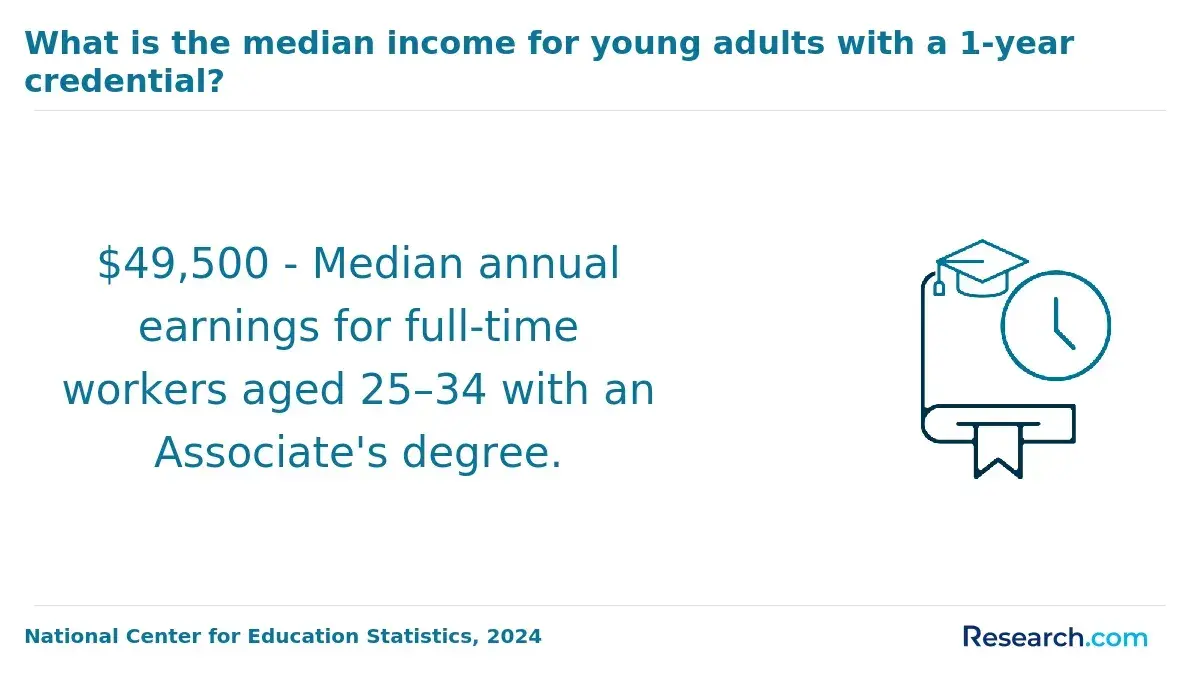
The average starting salary for Surgical Tech graduates working remotely ranges from $48,000 to $56,000 annually, reflecting entry-level compensation in line with broader healthcare support roles. Remote Surgical Tech pay trends in the US suggest that these positions often come with slightly lower base salaries compared to on-site roles, due to limited availability and employer hesitation in fully remote clinical roles.
Salary variation depends heavily on additional technical skills or certifications, as remote roles frequently involve telehealth duties or administrative support rather than direct surgical assistance. Graduates with hybrid flexibility or specialized credentials can command higher pay. However, fully remote remote Surgical Tech jobs remain rare, requiring a balance between clinical experience and remote work readiness.
Comparable allied health fields, such as medical assistants or surgical assistants, typically offer entry-level salaries between $40,000 and $50,000, positioning remote Surgical Tech pay as competitive within medical support jobs. Graduates should consider these remote salary benchmarks alongside practical work models, which tend to favor hybrid roles initially.
For those exploring advanced qualifications, programs at universities with dual degree programs may provide pathways to supervisory or education-focused roles with improved earning potential.
Do remote Surgical Tech jobs pay the same as on-site roles?
Remote Surgical Tech roles typically pay 7% to 10% less than equivalent on-site positions, reflecting a consistent wage gap shaped by geographic pay localization. Employers apply location-based pay bands, which often reduce salaries for remote workers in lower-cost areas compared to flat national rates. This results in unequal compensation despite similar job responsibilities.
Practical examples show that a Surgical Tech working remotely from a rural area may receive a lower salary than a peer on-site in an urban hospital, even when performing the same tasks. Some employers offset lower wages with benefits such as home office stipends or eliminating travel expenses. However, these perks rarely bridge the pay gap entirely.
Current workforce trends reveal 63% of healthcare providers prefer on-site Surgical Techs due to the critical need for hands-on collaboration. This preference restricts the availability of higher-paying remote roles, making remote positions more suited for those prioritizing flexibility over maximum earnings or rapid salary growth.
Understanding these compensation trade-offs helps Surgical Tech graduates align job choices with financial and career development goals. Wage differences tied to employer policies and location still favor on-site employment for peak pay and advancement despite the growing remote work trend reported by recent labor studies.
What benefits do remote Surgical Tech employees receive?
Remote Surgical Tech roles typically offer benefit packages that balance essential healthcare coverage with the unique demands of working outside clinical settings. This blend is vital since professionals must maintain both physical health safeguards and an effective at-home workspace. For example, a Surgical Tech employed remotely may find value in a certification stipend that offsets recurring credentialing costs required to remain competitive.
Additionally, the growing trend of decentralized healthcare employers providing technology allowances addresses the practical expense of home office setups. A recent industry survey observed that 58% of these organizations grant average monthly stipends around $150, reflecting an understanding that remote productivity hinges on reliable equipment and ergonomic environments.
Below are key benefits structured to support Surgical Tech remote employees in maintaining their skills and workplace efficiency:
- Health Insurance Coverage: Comprehensive medical, dental, and vision plans help protect employees from unexpected healthcare costs, ensuring they remain fit for demanding work schedules. This coverage aligns with healthcare sector norms but is critical for remote workers who may have less direct access to onsite clinical support.
- Certification Fee Reimbursement: Some employers provide financial support for renewing professional credentials, an essential feature given the field's rapidly evolving standards. Supporting ongoing education helps workers sustain employability while working remotely.
- Retirement Plan Options: Access to 401(k) plans with possible employer matching incentivizes long-term financial security, though actual offerings vary widely based on organizational size and structure.
- Technology and Home Office Allowances: Monthly stipends averaging $150 offset costs for necessary devices and workspace improvements, a growing practice in decentralized healthcare to maintain productivity outside traditional clinical environments.
One Surgical Tech shared that when switching to a remote position, the technology stipend was a deciding factor in accepting the role. The extra funds made purchasing an updated laptop and ergonomic chair feasible, which helped reduce fatigue during long shifts.
However, they hesitated initially, balancing the benefit against fewer in-person networking opportunities. Ultimately, the support eased the financial burden of remote work essentials, allowing focus on patient care coordination rather than equipment shortcomings.
Where can Surgical Tech graduates look for remote jobs?
Remote opportunities for Surgical Tech graduates are scarce on conventional job boards due to the hands-on demands of the profession. Success in finding flexible roles depends on targeting platforms that emphasize health-related, administrative, or compliance functions adjacent to surgical practice.
For example, a recent workforce analysis highlighted that 38.5% of healthcare entry-level positions were secured via professional networking or niche channels rather than general job boards, underscoring the importance of specialized resources and connections.
Below is a focused list of online platforms and professional communities that provide practical pathways for graduates seeking legitimate remote roles within Surgical Tech fields:
- Indeed and FlexJobs: These general remote job sites occasionally feature entry-level openings oriented toward surgical scheduling or telehealth assistance. Their broad reach and filtering options allow candidates to search specifically for healthcare roles with remote or hybrid formats, though direct patient care positions remain rare here.
- MedRhythms and Health eCareers: Niche healthcare job platforms that highlight clinical education, regulatory, and administrative positions supporting perioperative environments. Their sector-specific focus enhances relevance, offering Surgical Tech grads closer alignment with their training in remote capacities.
- Association of Surgical Technologists Online Community: An industry-specific network where members share non-advertised, flexible job leads including telehealth support and training roles. Engagement here provides access to hidden opportunities and peer insights unavailable on public job boards.
- LinkedIn Perioperative Groups: Professional groups on LinkedIn dedicated to perioperative professionals often circulate postings for remote or hybrid support roles. Active participation increases visibility and access to employer-sourced opportunities otherwise not posted on traditional job boards.
What do Surgical Tech employers look for in candidates?
Remote Surgical Tech employer expectations for candidate qualifications emphasize a precise blend of hands-on technical mastery and digital communication skills suited to distributed healthcare settings.
A practical example involves remote coordination during surgical procedures where accurate sterile processing and real-time electronic health record management are critical, requiring candidates to demonstrate reliability without direct oversight.
Below are key qualifications that reflect the core skills sought in remote Surgical Tech candidate qualifications:
- Certified Technical Proficiency: Employers prioritize certifications such as the Certified Surgical Technologist (CST) credential to validate mastery of surgical instruments and sterile techniques. Evaluations often include scenario-based assessments ensuring candidates can perform independently in high-stakes virtual care environments.
- Digital Fluency and EHR Management: The ability to operate electronic health record systems and virtual communication platforms effectively is essential. Proficiency in these tools is assessed through practical tests and prior experience, as this skill ensures seamless coordination in asynchronous teams.
- Procedural Compliance and Instrument Knowledge: Acute understanding of surgical protocols and instrumentation remains foundational. Remote roles require candidates to interpret strict procedural guidelines accurately, often assessed through simulations that gauge their technical accuracy and decision-making under minimal supervision.
- Remote Communication and Teamwork: Clear communication, adaptability to various technologies, and collaboration capabilities are evaluated during behavioral interviews or portfolio reviews. These soft skills are vital for integration into multi-disciplinary teams working across time zones.
Recent studies indicate that 63.4% of healthcare providers supporting remote surgical processes mandate digital tool proficiency as a hiring standard, reflecting the rising expectation for continuous digital literacy improvement among Surgical Techs.
This trend highlights the necessity for graduates to align clinical expertise with evolving remote operational demands, reinforcing Surgical Tech employer expectations for remote roles in today's job market. For more insights on pay trends and career pathways, exploring the highest paid DNP specialties can provide useful comparative context.
How can Surgical Tech graduates prepare for remote roles?
Surgical Tech graduates targeting remote roles must combine traditional clinical skills with specific digital competencies to navigate the evolving remote healthcare landscape effectively.
Practical preparation requires deliberate digital upskilling, technology acquisition, and project-based experience tailored to telehealth workflows. For example, a graduate coordinating virtual surgical support must seamlessly communicate using HIPAA-compliant platforms while managing electronic health records remotely.
Below are strategic approaches that enable graduates to meet these demands and succeed in a remote setting:
- Digital Communication Mastery: Surgical Tech graduates should focus on strengthening digital communication skills, including virtual collaboration and telehealth platform proficiency. This involves practicing video conferencing etiquette and mastering software tools used in remote healthcare environments, preparing them for seamless team coordination and patient interaction off-site.
- Specialized Healthcare Software Training: Engaging in bootcamps or certifications for electronic health records (EHR) and remote patient monitoring systems provides hands-on experience with essential tools. This training ensures technical fluency, which employers increasingly require for remote Surgical Tech roles involving data management and clinical documentation.
- Technology Infrastructure Setup: Graduates must secure reliable technology such as high-speed internet, secure VPN access, and HIPAA-compliant communication tools. Implementing these safeguards is critical to protect patient information and comply with regulatory standards, which distinguishes qualified remote candidates in hiring processes.
- Portfolio Development Through Simulations: Creating a digital portfolio with virtual case studies, telehealth patient coordination exercises, or data entry simulations offers tangible evidence of remote task proficiency. Research shows candidates showcasing such remote work simulation experience are 37% more likely to receive job offers, demonstrating the portfolio's impact on employability.
- Certification in Digital Health Fields: Obtaining credentials in areas such as medical coding and telemedicine systems demonstrates adaptability beyond hands-on surgery. For continuing education, Surgical Tech graduates might consider programs like the BCBA accelerated program, which reflects the growing emphasis on diversified healthcare expertise applicable in remote settings.
Preparing Surgical Tech graduates for remote healthcare roles requires integrating practical digital skills with regulatory knowledge and technology readiness. These combined efforts align with the rising demand for remote job skills for Surgical Tech graduates in the US, ensuring graduates remain competitive and capable in a digitally connected healthcare workforce.
How can Surgical Tech graduates if remote roles are a good fit for them?
Determining whether remote roles suit Surgical Tech graduates requires honest self-assessment about the nature of their skills, work preferences, and long-term goals. For instance, a graduate competent in hands-on clinical tasks may find remote positions focused mainly on training or administrative work less fulfilling. Identifying key evaluation areas can clarify if remote work aligns with individual strengths and career aspirations.
Below are critical criteria to consider when deciding if remote Surgical Tech roles are a proper fit:
- Technical Proficiency with Telehealth Tools: Remote Surgical Tech work demands fluency in various telehealth platforms and virtual collaboration software. Graduates should assess their comfort level and willingness to continuously update technical skills, as struggling with these tools can hinder job performance and increase frustration.
- Hands-On Clinical Exposure Needs: Many remote roles emphasize support or administrative duties rather than direct patient care. Aspiring Surgical Techs must evaluate whether limited clinical interaction meets their professional development needs or risks stagnating essential hands-on competencies.
- Communication and Autonomy Skills: Without immediate supervision, clear communication and independent problem-solving become crucial. Candidates should reflect on their self-discipline, ability to ask questions proactively, and capacity to work independently to avoid misunderstandings or errors.
- Capacity for Professional Isolation: Remote work reduces daily interpersonal interaction. Graduates who thrive in collaborative, in-person environments may struggle with the solitude and lack of real-time peer support, affecting their satisfaction and productivity.
- Compliance with Licensing and Training: Licensing rules and continuing education requirements may vary for remote roles. Potential candidates must verify employer expectations and ensure they can meet ongoing regulatory demands without direct on-site guidance.
- Flexibility for Irregular Hours: Supporting clinical activities remotely often involves varied schedules due to time zones or on-call duties. Graduates should consider their ability to maintain work-life balance when flexibility is necessary at irregular hours.
- Work-Life Boundary Management: A 2024 workforce study found that 42% of remote Surgical Tech employees experience blurred boundaries leading to increased stress, which correlates with a 17% higher turnover rate than onsite peers. This data highlights the importance of clear separation between professional and personal time to sustain well-being and retention.
One Surgical Tech graduate who transitioned to remote work reflected on the decision-making process. She recalled feeling hesitant at first, given that her training emphasized hands-on tasks, but recognized her strong aptitude for technology and autonomous workflow management.
The turning point came when she tested remote positions focused on clinical training support, which matched her skills and desire for schedule flexibility.
"The biggest relief was realizing I didn't have to sacrifice all clinical engagement; instead, I shifted to teaching others remotely, which played to my strengths," she said.
Her cautious approach to evaluating communication demands and license requirements helped her avoid pitfalls she heard about from less-prepared peers. This nuanced fit between her personality and role responsibilities proved critical for her confidence and long-term career satisfaction.
References
- SCC Research Guides: Surgical Technology - General Resources: Find Websites https://libguides.sccsc.edu/surgtech-general/websites
- Steps On How To Become A Surgical Tech | HowToBecome Guide https://www.learnhowtobecome.org/surgical-tech/
- LibGuides: Surgical Technology ToolKit: Home https://library.clevelandcc.edu/SurgicalTechnologyToolkit
- Surgical Technology https://sccc.edu/academic-program/surgical-technology/
- Surgical Technologist Prerequisites and Requirements https://www.cbd.edu/blog/surgical-technology/surgical-technologist-prerequisites/
- Surgical Technology https://www.ccac.edu/academics/programs/nursing-and-allied-health/surgical-technology.php
- 9 Steps to Becoming a Surgical Tech (+ Requirements) https://www.stepful.com/post/how-to-become-a-surgical-tech
- How Competitive is a General Surgery Residency? Updated for 2025 https://www.prospectivedoctor.com/how-competitive-is-a-general-surgery-residency/
- Neurosurgeon Reveals What Makes a Good Surg Tech https://blog.methodistcollege.edu/neurosurgeon-reveals-what-makes-a-good-surg-tech
- 7 Best Online Surgical Technologist Training Programs https://www.exploremedicalcareers.com/surgical-technologist/online-programs/
Other Things You Should Know About Surgical Tech
Remote Surgical Tech roles typically limit direct patient interaction and hands-on procedural practice, which can slow the development of essential tactile and situational skills. Graduates should weigh this drawback against the flexibility remote work offers, especially early in their careers when clinical exposure is critical. Prioritizing hybrid roles or combining remote work with onsite shifts may better support skill acquisition and long-term competence.
Success in remote Surgical Tech roles requires proficiency with telehealth technologies, electronic health records, and remote communication tools. Graduates need to prioritize gaining comfort with digital platforms that facilitate real-time coordination with surgeons and healthcare teams. Without this focus, candidates risk falling behind in efficiency and responsiveness, diminishing their appeal to employers seeking remote-capable Surgical Techs.
Remote roles in Surgical Tech can vary widely in workload consistency and intensity, often depending on the employer's infrastructure and patient volume. Graduates should assess job offers for clear information about expected hours, case numbers, and how performance is measured remotely. When possible, prioritizing employers with transparent guidelines and stable caseloads helps avoid unpredictable schedules and potential income gaps.
Choosing remote roles may limit Surgical Tech graduates' visibility to key decision-makers and reduce opportunities for mentorship and skill diversification, which are often gained in onsite environments. For those aiming to advance into specialized or leadership roles, balancing remote work with periodic onsite engagement can maintain career momentum. Graduates should intentionally plan their remote work strategy to avoid potential stagnation in their professional development.