2027 Surgical Tech ROI by Institution Type: Public vs Private vs Nonprofit Online Programs

Co-Founder and Chief Data Scientist
A prospective surgical tech student notices two online programs with nearly identical curricula but vastly different tuition fees and graduation outcomes. One program, a public institution, reports a 78% graduation rate with moderate student debt. Meanwhile, a private online school charges double tuition and reports 65% graduation but higher post-completion employment rates.
According to 2024 National Student Clearinghouse data, nonprofit programs show growing enrollment but uneven completion outcomes, highlighting tradeoffs between cost, support, and career readiness. These variables drastically shape long-term financial and professional returns beyond initial expense. This article analyzes how public, private, and nonprofit online programs compare in surgical tech ROI, guiding more nuanced investment decisions.
Key Things to Know About Surgical Tech ROI by Institution Type
- Public institutions typically offer lower tuition but may have variable graduation rates; a 2024 study found public online grads face 15% higher debt default risks, implying tighter completion support is crucial for ROI.
- Private programs often boast stronger employer connections and higher accreditation status, increasing job placement likelihood but frequently come with significant student debt tradeoffs affecting long-term financial stability.
- Nonprofit online surgical tech programs balance moderate costs with flexible scheduling for working adults, yet slower completion times can delay entry into the workforce, reducing immediate career advancement potential.
- Key Things to Know About Surgical Tech ROI by Institution Type Key Things to Know About Surgical Tech ROI by Institution Type
- What Does ROI Mean for a Surgical Tech Program and How Is It Measured? Understanding Surgical Tech Program ROI
- How Do Public, Private, and Nonprofit Online Surgical Tech Programs Differ in Overall Value? Value by Institution Type
- How Do Tuition Costs Affect the ROI of a Surgical Tech Program Across Institution Types? Tuition Costs and ROI
- How Do Graduation Rates Influence Surgical Tech Program ROI? Graduation Rates Impact ROI
- What Role Do Career Outcomes Play in the ROI of a Surgical Tech Degree? Career Outcomes and ROI
- How Does Student Debt Impact the Long-Term ROI of a Surgical Tech Program? Debt vs. Long-Term ROI
- How Do Flexibility and Adult Learner Support Affect Surgical Tech Program Value? Flexibility and Program Value
- How Do Accreditation and Institutional Reputation Influence Surgical Tech ROI? How Do Accreditation and Institutional Reputation Influence Surgical Tech ROI?
- How Does Time-to-Degree Affect the ROI of Public, Private, and Nonprofit Surgical Tech Programs? How Does Time-to-Degree Affect the ROI of Public, Private, and Nonprofit Surgical Tech Programs?
- How Can You Choose the Best Surgical Tech Program Based on Your ROI Goals? Choosing Programs by ROI
What Does ROI Mean for a Surgical Tech Program and How Is It Measured?
Evaluating return on investment metrics for surgical tech programs requires more than comparing tuition costs alone; students must weigh how total educational expenses, including student debt, interact with program completion rates and time-to-degree. For example, a public online program might offer lower tuition but produce a longer time-to-degree or have lower graduation rates, resulting in delayed entry into the workforce and extended opportunity costs. Private and nonprofit programs, although often pricier, may provide flexible scheduling and stronger learner support, increasing the likelihood of timely completion and smoother transitions to employment, which can improve long-term ROI despite higher upfront costs.
Career outcomes are a crucial component when assessing educational value across institution types. Programs with stronger accreditation, reputable faculty, and robust clinical placements tend to enhance employability and starting salaries, directly impacting overall financial returns post-graduation. Considering that students graduating from private institutions typically assume about 15% higher debt than their public counterparts, as reported by the National Center for Education Statistics, those additional costs must be balanced against potential salary premiums and job stability. Individual goals-such as working adults' need for part-time formats or accelerated pathways-shape how opportunity costs and tangible benefits influence the practical ROI of surgical tech education.
Beyond straightforward cost comparisons, prospective students should examine comprehensive performance indicators, including retention metrics and career trajectories, when comparing public, private, and nonprofit online surgical tech programs. These factors collectively define the program's capacity to deliver value over time rather than just initial affordability. For cost-conscious learners exploring alternatives like the cheap DNP option, understanding these tradeoffs is essential to making informed decisions that align with both personal circumstances and long-term workforce demands.
How Do Public, Private, and Nonprofit Online Surgical Tech Programs Differ in Overall Value?
Value in public, private, and nonprofit online surgical tech programs hinges on the balance between cost, academic quality, and career outcomes rather than tuition alone. Public programs generally offer lower in-state tuition, easing financial strain upfront, but may lack the extensive student support or flexible scheduling often found in nonprofit institutions. A 2024 report from the National Center for Education Statistics notes that nonprofit programs frequently provide stronger career services and adaptable learning models, which benefit adult learners juggling work and family, whereas private schools might carry higher prestige but often saddle students with about 20% more debt, complicating long-term financial planning.
Graduation rates and employer recognition further differentiate these options. Public programs often have higher completion rates due to standardized curricula and local employer ties, yet private institutions may foster reputations that improve access to competitive job markets, particularly if they hold specialized accreditations. The reality for many students is a tradeoff: pay less and accept limited flexibility and support, or invest more in a private or nonprofit route that promises stronger institutional backing but with greater debt risks and variable return on investment. Employers generally value accreditation highly, meaning students should weigh program reputation and outcomes over institutional type alone when projecting future earnings and career stability.
One prospective surgical tech student weighed a public university's affordable tuition against a nonprofit program's flexible online schedule and dedicated job placement services. Initially hesitant to incur higher costs, the student was concerned about taking on additional debt given their existing financial obligations. However, after reviewing graduation rates and employer feedback, they found the nonprofit's hybrid format and robust counseling aligned better with their work-life balance and long-term job prospects. This decision brought relief by prioritizing practical support and manageable debt over the uncertain prestige premium offered by private schools.
How Do Tuition Costs Affect the ROI of a Surgical Tech Program Across Institution Types?
Tuition cost differences across public, private, and nonprofit online surgical tech programs significantly shape their return on investment, but lower tuition does not guarantee greater value. Public institutions often offer tuition roughly 40% less than private schools, reducing upfront expenses and student debt, which is a critical factor for cost-conscious learners. However, private and nonprofit programs may deliver stronger employment support, flexible scheduling, and higher graduation rates that can speed credential attainment and boost early-career salaries, partially offsetting their higher price tags. For example, a working adult balancing family obligations might find a nonprofit's flexible format worth paying more despite the added debt burden.
Data from 2024 indicates surgical tech graduates from private programs carry about $6,000 more in student loans on average than those from public institutions, which influences long-term financial pressures. Yet this debt premium may be mitigated if improved career services or employer networks lead to quicker job placement or higher wages. Conversely, students at public schools benefit from lower financial risk but may face challenges if resource limitations delay completion or diminish post-graduate advantages. Ultimately, weighing these tradeoffs is essential since decisions based solely on tuition overlook crucial elements like support infrastructure and credential recognition impacting career trajectories.
The best choice depends on an individual's circumstances and priorities-whether minimizing debt load, accelerating program completion, or leveraging enhanced career services is paramount. While public programs frequently provide immediate affordability and reduced debt exposure, private and nonprofit options might justify their expense with measurable gains in employment outcomes and learner support. This nuanced balance highlights why ROI analyses must integrate tuition alongside graduation rates, financial aid availability, and institutional outcomes rather than treating cost in isolation.
How Do Graduation Rates Influence Surgical Tech Program ROI?
Graduation rates offer a meaningful snapshot of program effectiveness but provide an incomplete measure of surgical tech program ROI on their own. Public institutions typically maintain consistent graduation rates near 60-70%, reflecting stable academic support and scheduling, which often translates to quicker credential completion and lower overall costs for students.
However, private and nonprofit online programs may present wider variations in graduation outcomes due to flexible pacing options designed for working adults, which can extend time-to-degree yet better accommodate personal circumstances and still deliver strong employment prospects.
How graduation success affects surgical tech online program returns during this careful balancing of factors involving cost, completion speed, and student persistence challenges. Employers tend to emphasize certification and skill competency over institutional prestige or rapid completion, underscoring the importance of individualized academic advising and manageable debt burdens.
For many students navigating part-time enrollment and work commitments, observing graduation rates alongside program expenses and loan default statistics reveals a more nuanced value proposition than raw completion data alone. Assessing these realities alongside broader healthcare workforce demand can guide informed choices, such as comparing programs to an affordable online master's in healthcare administration that consider both educational quality and financial stress.
What Role Do Career Outcomes Play in the ROI of a Surgical Tech Degree?
The return on investment of a surgical tech degree is tightly linked to measurable career outcomes such as employment rates and job placement turnaround, which vary widely by institution type. Graduates from public programs, benefiting from integrated relationships with local healthcare employers, typically secure jobs faster, often within six months and above 85% placement rates according to 2024 workforce data.
In contrast, private institutions may provide more specialized or flexible learning paths but often face stiffer competition and slower initial placement in urban job markets, reducing short-term ROI. Nonprofit online programs emphasize skill acquisition and support services that foster steady career progression, though advancement timelines may be longer, influencing long-term value rather than immediate employment gains.
When evaluating these programs, career outcomes must be balanced against tuition costs, potential debt, and program length, as quicker employment reduces financial strain. Employer recognition of program rigor also plays a critical role, where graduates from institutions with strong clinical training are more respected, impacting job stability and mobility.
For example, a student aiming for swift entry into a local hospital may prioritize the expedited placement public programs offer, while those intending to develop specialized skills over time might accept a slower path through nonprofits despite higher upfront costs. These tradeoffs highlight that ROI extends beyond salary to include the timing of job acquisition, career trajectory flexibility, and employer perceptions of readiness.
One graduate of an online nonprofit surgical tech program described initially questioning whether the program's longer timeline and cost would yield tangible benefits. Despite early uncertainty, the graduate found that their employer valued the practical skills and perceived program credibility, leading to increased responsibilities and a well-supported transition into a supervisory role within two years. This experience underscored how career outcomes tied to program reputation and employer recognition can shift ROI perspectives from immediate financial return to sustained professional growth and opportunity.
How Does Student Debt Impact the Long-Term ROI of a Surgical Tech Program?
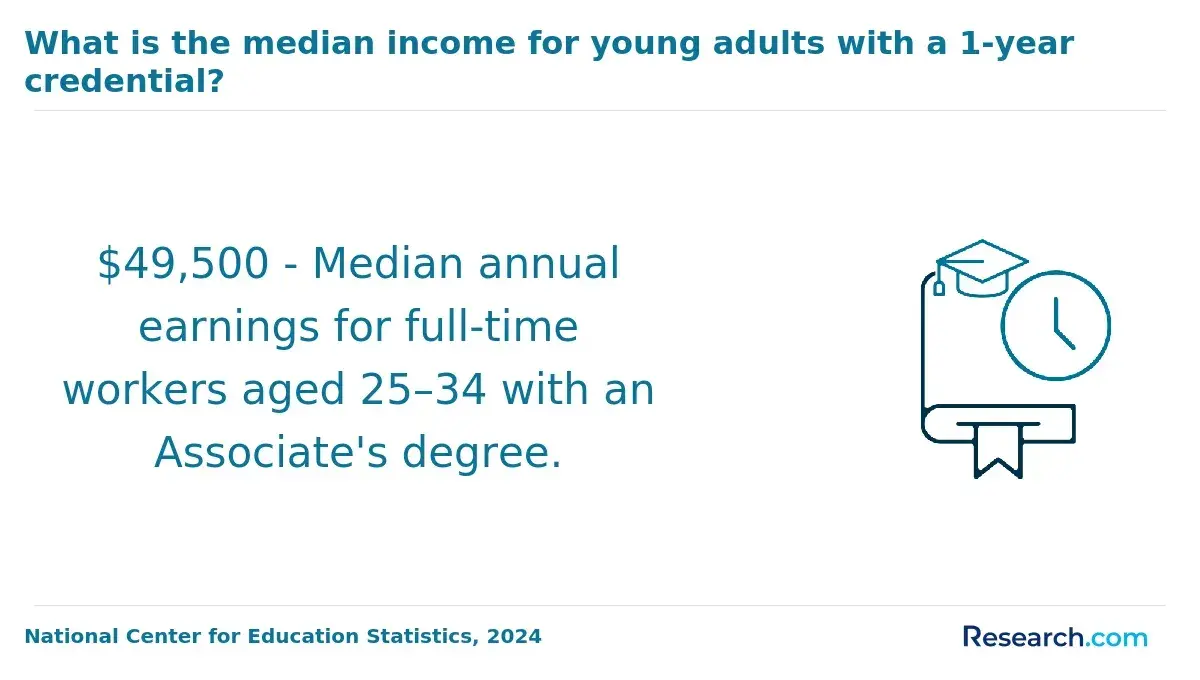
Higher debt loads linked to private and nonprofit online surgical tech programs can substantially reduce the long-term financial returns graduates see, especially given median wages near $50,000. For example, a graduate from a private program with $30,000+ in student loans may face prolonged repayment periods that strain daily finances and limit savings, compared to a peer from a public program averaging $15,000 in debt.
This disparity creates notable differences in the debt-to-income ratio, influencing not just repayment feasibility but also career choices and stability. When evaluating the student debt impact on surgical tech program ROI, it's critical to consider how borrowing decisions align with realistic wages and personal financial goals rather than assuming uniform outcomes across institutions.
Graduation and completion rates further complicate financial outcomes. Public programs often have higher completion rates and lower costs, reducing the risk of debt accumulation without credential attainment. Nonprofit online options may offer flexibility for working adults but can carry tuition costs comparable to private schools, leading to similar debt burdens without guaranteed income advantages.
To assess long-term financial outcomes of surgical tech student loans effectively, learners must weigh program quality, length, institutional support, and their own capacity for debt repayment. Cost-conscious students might also explore related fields or compare the ROI of different healthcare programs, such as those highlighted in best online registered dietitian programs, to understand alternative credentialing strategies with varying financial implications.
How Do Flexibility and Adult Learner Support Affect Surgical Tech Program Value?
Scheduling flexibility and tailored adult learner support directly affect the practical return on investment for Surgical Tech programs, particularly in online formats where balancing study, work, and family demands is critical. Programs emphasizing asynchronous courses and part-time options enhance persistence by allowing students to progress without pausing income generation, a factor especially important for working adults and parents. However, the tradeoff surfaces when private institutions, despite small class sizes and potentially closer faculty interaction, impose significantly higher tuition that can offset any advantages in personalized support, impacting overall affordability and long-term debt burden.
Robust academic advising, career counseling, and transfer credit policies play an outsized role in helping adult learners navigate complex program requirements and external commitments, directly correlating with improved graduation rates and timely degree completion. Public and nonprofit providers often standardize military accommodations and credit flexibility, which reduces administrative barriers for veterans or those with prior healthcare experience, supporting smoother transitions into the workforce. Conversely, limited career services or employer partnerships in some private settings may slow immediate employment gains despite curricular strengths, underscoring that comprehensive support infrastructure is as essential as tuition cost in assessing program value.
A 2024 analysis by the National Center for Education Statistics quantifies that adult learners in programs offering strong asynchronous options show retention improvements of up to 12%, demonstrating measurable outcomes tied to delivery methods. For students prioritizing affordable access and efficient credentialing, public and nonprofit online Surgical Tech programs frequently offer a better balance of flexibility, support, and transfer opportunities. Evaluating candidates must consider how these structural factors influence time-to-degree and workforce readiness, rather than relying solely on institutional prestige or perceived intimacy of the learning environment.
How Do Accreditation and Institutional Reputation Influence Surgical Tech ROI?
Accreditation status is often the decisive factor influencing employer trust and licensure eligibility in surgical tech programs, directly shaping graduates' ROI more than institutional prestige alone. For example, graduates from CAAHEP-accredited programs face fewer barriers to certification and licensing, which accelerates job placement and reduces costly delays in workforce entry. A 2024 employer survey by the National Health Workforce Institute revealed that 72% of hiring managers prioritize accredited credentials over institutional reputation, underscoring that demonstrated program quality outweighs brand recognition in hiring decisions within the surgical tech field.
While public institutions frequently offer lower tuition and more flexible transfer policies, their ROI advantage hinges on maintaining strong accreditation and consistent clinical support services that drive graduation and licensure pass rates. Conversely, private and nonprofit online schools may provide specialized resources or networks, yet these benefits do not necessarily translate into better employment outcomes or salary premiums, especially if associated tuition increases debt burdens without corresponding employer recognition. Students balancing affordability against career mobility must therefore scrutinize accreditation status, licensure success, and support infrastructure rather than rely on reputation or marketing claims when selecting a surgical tech program.
Academic quality indicators such as student support and clinical placement efficacy directly affect time to employment, which is critical for cost-conscious adults managing debt. Additionally, differing transfer credit policies influence long-term educational pathways, with public schools typically enabling greater upward mobility. Prioritizing a program's verifiable outcomes and accreditation over nominal prestige helps ensure practical returns in a competitive healthcare job market where measurable readiness and licensure remain paramount.
How Does Time-to-Degree Affect the ROI of Public, Private, and Nonprofit Surgical Tech Programs?
Time-to-degree differences significantly shape the return on investment for public, private, and nonprofit surgical tech online programs by influencing both direct and indirect costs. Public programs, with an average completion timeline of about 3.2 years, often accommodate part-time students and larger class sizes, extending enrollment but allowing for more flexible pacing and transfer credit acceptance. This flexibility benefits students managing work and family commitments by reducing pressure but increases total tuition exposure and opportunity costs, delaying workforce entry and wage accumulation compared to accelerated private or nonprofit options.
Private and nonprofit institutions frequently offer faster pathways, enabling completion in roughly two years or less, which can shorten debt duration and facilitate earlier career progression. However, these programs often demand higher upfront financial investment and a more intense study schedule, posing attrition risks that may offset time savings for some students. Completion rates also differ, with public programs showing slightly higher persistence in part due to academic supports, but faster private routes appeal to employers valuing timely graduation paired with hands-on skills. Adult learners weighing how time-to-degree impacts return on investment for public vs private vs nonprofit surgical tech online programs must consider these tradeoffs carefully.
Enrollment intensity, transfer credit policies, and program structure combine to affect not only when students finish but how quickly they can capitalize on career opportunities. Students who balance external responsibilities may opt for longer durations to manage costs and workload, impacting overall debt and wage growth differently than those pursuing rapid completion. For detailed data on allied workforce salaries relevant to these decisions, see sports analytics salary.
How Can You Choose the Best Surgical Tech Program Based on Your ROI Goals?
The highest ROI when choosing a surgical tech program hinges less on whether the institution is public, private, or nonprofit, and more on how well the program aligns with a student's financial situation, career goals, and time constraints. Public online programs often present the lowest tuition costs and lower average student debt, making them appealing for cost-conscious adult learners or working professionals balancing family obligations. However, nonprofit programs frequently offer stronger accreditation and slightly higher job placement rates, which can translate to faster employment despite potentially higher upfront costs.
Graduation rates and scheduling flexibility also shape ROI differently across program types, especially for working adults needing part-time or asynchronous options. Private schools may provide enhanced learner support and networking opportunities critical for some students, but faster-paced curricula can pose challenges to those juggling employment. Students must therefore consider how program duration, institutional reputation, and regional healthcare demand factor into post-graduation employment potential and long-term value, rather than relying solely on sticker price.
Evaluating surgical tech program ROI online requires careful tradeoffs-program cost versus learner support, graduation flexibility versus acceleration, and accreditation impact on employment. Prospective students balancing financial aid, work experience, and family commitments will find that the best financial and career outcomes depend on individualized priorities rather than institutional labels. For those exploring options, resources listing the easiest SLP masters to get into can also offer insight into how program accessibility may influence planning for busy professionals.
References
- How To Choose a Surgical Technology Program That Prepares You for the Operating Room https://www.berks.edu/how-to-choose-a-surgical-technology-program/
- Surgical Technology Education Incentive Program (EIP) https://www.nyuhscareers.org/EIP/SurgTechs/
- The Long-Term Effects of Student Loans | ACE Blog https://ace.edu/blog/the-long-term-effects-of-student-loans/
- How to measure ROI in healthcare (the right way) | Out-Of-Pocket https://www.outofpocket.health/p/how-to-measure-roi-in-healthcare-the-right-way
- Surgical TechnologyRequirements https://www.aims.edu/degrees-certificates/surgical-technology/requirements
- Does College Pay Off? A Comprehensive Return On Investment Analysis - FREOPP https://freopp.org/whitepapers/does-college-pay-off-a-comprehensive-return-on-investment-analysis/
- Surgical Technologist: Career Guide, Salary, Training & Skills https://surgicalteck.com/surgical-technologist-complete-career-guide/
- How Student Loan Debt Impacts Your College ROI https://www.lendkey.com/blog/student-loans/how-student-loan-debt-impacts-your-college-roi/
- Measuring the ROI of Your Training Initiatives https://www.shrm.org/labs/resources/measuring-the-roi-of-your-training-initiatives
- Is Rising Student Debt Harming the U.S. Economy? | Council on Foreign Relations https://www.cfr.org/backgrounders/us-student-loan-debt-trends-economic-impact
Other Things You Should Know About Surgical Tech
Yes, clinical placements often vary notably by institution type. Public programs, especially those affiliated with state hospitals or community health systems, may offer a higher volume of hands-on clinical hours due to established partnerships. Private and nonprofit programs sometimes rely on a network of smaller or specialized sites, which can affect the diversity and intensity of clinical experiences. For students prioritizing robust real-world practice, public institutions may better align with that need, while private/nonprofit options might require more proactive effort to secure quality clinical externships.
Employers tend to recognize public institution graduates for consistent training rigor where clinical volume and state regulation oversight are strong. Graduates from established nonprofit programs with industry ties may benefit from specialized skills or niche credentials valued by some employers. Private program graduates often face mixed employer perceptions depending on the program's accreditation and clinical reputations. Ultimately, when ROI and employability are concerns, learners should prioritize programs with transparent clinical training and proven employer connections over institution type alone.
Working students usually find private and nonprofit online programs more accommodating due to flexible scheduling and accelerated pacing, though this can sometimes come at the expense of clinical depth or local placement options. Public programs may have more structured calendars and less flexibility, which can challenge those juggling employment. Therefore, for working adults prioritizing manageable workloads alongside ROI, private or nonprofit options often offer better balance, but only if clinical training quality is not compromised.
Long-term career growth hinges on several factors beyond institution type, including network access, credential recognition, and skill specialization. Public programs generally provide broad foundational training valued by a wide range of employers, which supports stable entry-level employment but may not directly boost advancement without further education. Nonprofit programs with targeted curricula or partnerships may open doors for niche roles or certifications. Private programs vary widely; learners should assess whether the program offers continued education pathways or alumni networks, as these critically affect career trajectory and ROI over time.