2027 How to Become a School Psychologist in Missouri - School Psychology Programs and Certifications Online & Campus

Co-Founder and Chief Data Scientist
Becoming a school psychologist in Missouri is a structured licensure path, not just a general psychology career choice. You need graduate preparation in school psychology, supervised school-based experience, state certification through the Missouri Department of Elementary and Secondary Education, and ongoing professional development after you begin practicing.
This guide is for students, career changers, graduate applicants, interns, and out-of-state professionals who want to understand how Missouri school psychology licensure works. It explains the education requirements, certification steps, internship expectations, job outlook, costs, career options, ethical duties, and practical questions to ask before choosing a program or applying for certification.
Quick Answer: How do you become a school psychologist in Missouri?
To become a school psychologist in Missouri, you generally need a specialist-level school psychology credential such as an Ed.S. or equivalent graduate preparation, a supervised internship that includes 1,200 hours, passing exam scores required by Missouri, and a school psychologist certificate issued through the Missouri Department of Elementary and Secondary Education. After certification, Missouri school psychologists must complete ongoing professional development to keep their credentials current.
Key Things You Should Know About Becoming a School Psychologist in Missouri
- Licensing Body: The Missouri Department of Elementary and Secondary Education, commonly called DESE, handles school psychologist certification and sets the administrative requirements for practice in Missouri schools.
- Educational Requirements: Missouri candidates typically need a specialist-level degree, such as an Ed.S. or equivalent preparation in school psychology, from an accredited institution. This commonly includes at least 60 graduate credit hours and supervised internship experience.
- Licensing Exam: Applicants must pass the Praxis School Psychologist exam or the applicable Missouri-required assessment. Because passing scores can change, candidates should verify the current score requirement directly with DESE before applying.
- Application Process: The licensure application usually requires an online application, proof of graduate education, exam results, a fee, fingerprint background clearance, and verification of any prior out-of-state licenses when applicable.
- Continuing Education: Licensed school psychologists in Missouri must complete 30 hours of professional development every five years to maintain their license and stay aligned with current school psychology practices.
- Education requirements for Missouri school psychologists
- Missouri certification and licensing process
- Internship and supervised experience requirements
- Job market, salary range, and career outlook
- Rewards, challenges, and burnout risks
- Alternative careers with a school psychology degree
- Legal and ethical responsibilities in Missouri schools
- Financial aid, scholarships, and cost planning
- Counseling licensure options for school psychologists
- Policy changes affecting Missouri school psychology
- Mentorship and interdisciplinary networking
- School psychologist vs. prescribing psychologist
- Collaboration with special education professionals
- BCBA certification for school psychologists
- Collaboration with speech-language pathologists
- Missouri psychology licensure requirements
- Dual certification pathways in Missouri
- Managing workplace stress and preventing burnout
- Professional organizations and resources
- Related careers with added credentials
- Trends and innovations in Missouri school psychology
- Practical technology and resources for school psychologists Related trends Decision checklist
What are the educational requirements for school psychologists in Missouri?
Missouri school psychologists need graduate-level training that prepares them to evaluate students, interpret assessment data, design interventions, consult with teachers and families, support special education decisions, and respond to behavioral or mental health concerns in school settings.
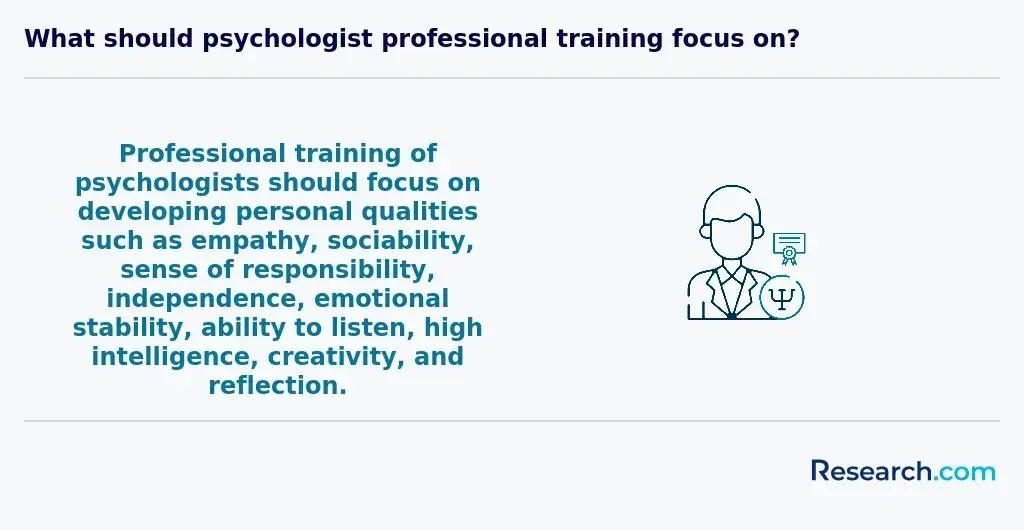
The most common route is to earn a master’s degree in school psychology or a closely related field and then complete a specialist-level program, often an Ed.S. in school psychology. Some candidates pursue a doctoral degree, such as a Ph.D. or Psy.D., but a doctorate is not the standard minimum path for many school-based roles.
| Requirement | What it means for Missouri candidates | Why it matters |
| Graduate degree | Candidates generally complete at least a master’s degree and often continue into an Ed.S. or equivalent specialist-level school psychology program. | Graduate study builds the assessment, intervention, consultation, and ethics foundation required for school-based practice. |
| Specialist-level preparation | Many Missouri candidates complete an Ed.S. or comparable credential in school psychology. | This level of training is commonly expected for school psychologist certification and internship eligibility. |
| Core coursework | Programs usually cover child development, psychoeducational assessment, intervention design, behavioral supports, research methods, consultation, and professional ethics. | These courses connect psychological science with school-based decision-making. |
| Program length | Completing the master’s and specialist-level sequence commonly takes around 3-4 years, including supervised fieldwork. | The timeline helps students plan tuition, living costs, internship placement, and employment transitions. |
| Internship | Missouri candidates must complete a 1,200-hour internship as part of their preparation. | The internship is where candidates demonstrate readiness to work with students, families, teachers, and multidisciplinary teams. |
When comparing programs, do not look only at the degree title. Ask whether the program is designed to meet Missouri school psychologist certification requirements, whether it includes school-based practicum and internship placements, and whether graduates receive the institutional recommendation needed for certification.
Students comparing psychology programs outside Missouri should be especially careful. A general psychology degree, counseling degree, or educational psychology degree may be useful for related careers, but it may not automatically meet Missouri’s school psychologist certification standards.
What is the certification and licensing process for school psychologists in Missouri?
Missouri certification requires more than finishing a degree. You must complete an approved preparation pathway, receive verification from your institution, satisfy assessment requirements, clear the background check process, and submit the correct application through DESE.
Steps to become certified in Missouri
- Complete the required graduate preparation. Earn at least the required graduate-level school psychology preparation from a program approved for Missouri certification purposes.
- Secure your institutional recommendation. After finishing the program, request the recommendation for certification from the designated official at your college or university.
- Pass the required assessment. Candidates must pass the Missouri-required school psychology assessment, commonly referenced as the Missouri Content Assessment for School Psychologists or the Praxis School Psychologist exam depending on current state requirements.
- Complete fingerprint background clearance. DESE requires a recent fingerprint background clearance before the application can be fully processed.
- Submit the Initial Student Services Certificate application. The application is completed online and routed through the educational institution, which forwards it to DESE.
- Track the application. Applicants should monitor the application portal for missing documents, delays, or additional DESE requests.
Missouri certification checklist
| Certification item | Applicant action | Common mistake to avoid |
| Graduate program | Confirm that the program is aligned with Missouri school psychologist certification. | Assuming any psychology master’s degree qualifies. |
| Institutional recommendation | Ask the university certification officer how and when the recommendation is submitted. | Waiting until after graduation to learn the recommendation process. |
| Exam scores | Verify the current exam and passing score with DESE before testing. | Relying on old score information from classmates or forums. |
| Background clearance | Complete fingerprinting early enough to avoid application delays. | Submitting the application before clearance is current. |
| License verification | Provide verification for any previous licenses held in other states if applicable. | Leaving out prior credential history. |
| Renewal | Plan for 30 hours of professional development every five years. | Waiting until the end of the renewal cycle to find approved training. |
Practicing as a school psychologist in Missouri without proper certification is not permitted. Uncredentialed practice can create legal problems, employment barriers, and ethical concerns for both the individual and the school district.
If you are still comparing psychology pathways, reviewing programs in other states can help you understand how requirements differ. For example, Research.com’s guide to psychology colleges in California can be useful for broad program comparison, but Missouri applicants should always confirm Missouri-specific certification requirements with DESE.
What are the internship and supervised experience requirements in Missouri?
The internship is one of the most important parts of becoming a school psychologist in Missouri because it moves candidates from classroom learning into supervised professional practice. Missouri requires a minimum of 1,200 hours of supervised experience in a school setting, usually completed across one academic year.
Internship placements may be arranged through university partnerships, local school districts, educational service agencies, or other approved school-based settings. Strong programs usually help students identify placements, clarify supervision expectations, and document hours correctly.
- Total internship hours: Missouri requires 1,200 hours of supervised internship experience.
- Direct service expectation: At least 600 hours must involve direct service to students.
- Supervision: Interns typically work under the guidance of a licensed or credentialed school psychologist who reviews assessments, interventions, consultation work, documentation, and ethical decision-making.
- Paid opportunities: Some internships are unpaid, but paid placements may be available, particularly in larger districts or grant-supported programs.
- Professional growth: Supervised experience may also include mentorship, case consultation, team meetings, and specialized training beyond the basic internship tasks.
How to evaluate an internship placement
| Question to ask | Why it matters |
| Will the placement meet the full 1,200-hour requirement? | You need enough documented hours to satisfy certification expectations. |
| Will at least 600 hours involve direct student services? | Missouri requires substantial direct work with students, not only observation or paperwork. |
| Who will supervise me? | Quality supervision shapes your assessment skills, ethics, confidence, and job readiness. |
| Will I work with diverse student needs? | Experience with academic, behavioral, emotional, disability-related, and crisis concerns strengthens employability. |
| Is the internship paid? | Paid placements can reduce financial stress during the final training year. |
| How are hours and competencies documented? | Incomplete records can slow down certification or graduation clearance. |
One Missouri school psychologist described the internship year as both energizing and intimidating, especially at the beginning. Her most practical advice was to use supervision actively: ask questions, bring difficult cases to consultation, and treat feedback as part of professional growth rather than as criticism.
What is the job market and career outlook for school psychologists in Missouri?
The Missouri job outlook for school psychologists is positive but not unlimited. Employment is projected to grow by 7% from 2020 to 2030, rising from 1,770 positions in 2020 to 1,890 positions by 2030. About 130 openings are expected each year, reflecting both new demand and replacement needs when professionals retire, relocate, or leave the field.
School psychologists in Missouri are hired by a range of education and behavioral health employers, including:
- Public and private K-12 schools
- Universities and colleges
- Mental health clinics
- Educational service agencies
The job market is best described as moderately competitive. Demand exists, but openings can vary by region, district budget, and applicant experience. Candidates with strong internship evaluations, assessment experience, crisis response skills, behavior intervention knowledge, and familiarity with special education processes are often better positioned.
Salary expectations in Missouri
School psychologists in Missouri commonly earn between $50,000 and $70,000 annually, depending on experience, region, employer type, contract length, and responsibilities. This range should be treated as a planning estimate, not a guaranteed outcome. Candidates should review district salary schedules, benefits, retirement contributions, and contract terms before accepting an offer.
Career growth options
Missouri school psychologists can expand their careers through advanced certifications, leadership roles, district-level consultation, crisis intervention specialization, behavior analysis training, doctoral study, or work in research and higher education. Professional association involvement can also help practitioners find mentors, continuing education, and leadership opportunities.
Professionals who want a broader foundation in learning, development, and assessment may also compare related graduate options such as a master's in educational psychology online, while remembering that not every educational psychology program leads to Missouri school psychologist certification.
What are the challenges and rewards of being a school psychologist in Missouri?
School psychology can be deeply meaningful, but it is also demanding. Missouri school psychologists may manage evaluations, student mental health concerns, special education meetings, crisis response, consultation requests, behavior plans, and administrative deadlines at the same time.
High caseloads are a frequent source of stress. Some psychologists may oversee 50 or more students, and in resource-limited districts, responsibilities can stretch far beyond formal evaluation duties. The risk is that professionals spend so much time meeting compliance deadlines that they have less time for prevention, counseling, consultation, and follow-up support.
| Challenge | Why it matters | Practical response |
| Heavy caseloads | Too many evaluations or service demands can reduce time for prevention and direct support. | Use clear scheduling systems, prioritize legally required timelines, and communicate capacity early. |
| Emotional intensity | Student trauma, crisis situations, and family stress can affect professional well-being. | Use supervision, peer consultation, and structured debriefing after difficult cases. |
| Role confusion | Staff may misunderstand the difference between school psychology, counseling, discipline, and special education administration. | Clarify your role during team meetings and explain what services you can and cannot provide. |
| Burnout risk | Long hours and constant urgency can make the work unsustainable. | Set boundaries, protect planning time, and use professional development to build efficiency. |
The rewards are substantial. School psychologists help students access services, reduce barriers to learning, manage emotional challenges, and build skills that can change their school experience. They also support teachers and families who may be struggling to understand a student’s behavior, disability, or mental health needs.
Students exploring flexible psychology education options can compare other state-specific pathways, such as accredited Texas psychology degrees online, but should verify whether any online program meets Missouri certification expectations before enrolling.
What alternative career paths are available with a school psychology degree in Missouri?
A school psychology degree is designed for school-based psychological services, but the training can also support related careers. Graduates understand assessment, child and adolescent development, learning systems, behavior, consultation, data interpretation, and intervention planning. Those skills are useful in several settings beyond the traditional school psychologist role.
| Career option | How school psychology training applies | What else may be needed |
| Educational consultant | Uses assessment, intervention, and systems knowledge to advise schools, families, or agencies. | Experience, specialization, and business or consulting skills may help. |
| Mental health services role | Applies knowledge of child behavior, crisis support, and family-school collaboration. | Additional counseling or clinical licensure may be required depending on the role. |
| Community organization specialist | Supports youth programs, disability services, prevention initiatives, or family support programs. | Program management or grant experience may strengthen candidacy. |
| Research or evaluation role | Uses data analysis, assessment, and intervention outcome skills. | Doctoral training or research experience may be preferred. |
| Corporate training or learning specialist | Transfers learning science and behavior-change knowledge to adult training environments. | Experience with instructional design or organizational development may be useful. |
The key decision is whether you want to remain in schools, move into broader mental health work, or use your psychology training in consulting, research, or program development. If you want independent clinical practice, review licensure requirements carefully before assuming a school psychology credential is enough.
What are the legal and ethical considerations for school psychologists in Missouri?
School psychologists work with sensitive student information, disability-related decisions, family concerns, mental health risks, and school legal requirements. In Missouri, ethical practice means protecting students while following state rules, federal education law, district policies, and professional standards.
Legal responsibilities
Missouri school psychologists must understand and apply several core responsibilities:
- Reporting suspected abuse or neglect: School psychologists are mandated to report suspected child abuse or neglect to the appropriate authorities under Missouri law.
- Protecting student records: Student information must be handled in accordance with confidentiality expectations, including the Family Educational Rights and Privacy Act, commonly known as FERPA.
- Using valid assessment practices: Evaluations should be appropriate for the student’s needs, language, cultural background, and referral question.
- Documenting decisions: Assessment findings, team recommendations, parent communication, and intervention plans should be documented accurately.
Confidentiality and informed consent
Confidentiality is central to trust. School psychologists should obtain informed consent when required, explain the purpose of assessments in understandable language, and share information only with people who have a legitimate educational need to know. They also need to help students understand the limits of confidentiality, especially when safety concerns arise.
Common ethical dilemmas
- Balancing a student’s need for support with parent or guardian rights.
- Managing pressure from school staff when recommendations are unpopular or resource-intensive.
- Responding when district policy conflicts with what appears to be in the student’s best interest.
- Protecting confidentiality while still participating effectively in multidisciplinary teams.
How to reduce legal risk
- Stay current with DESE regulations and district policies.
- Use National Association of School Psychologists ethical guidance as a professional reference point.
- Document decision-making, not just final recommendations.
- Consult supervisors, legal counsel, or senior colleagues when a case involves unusual risk.
- Train staff on referral procedures, confidentiality, mandated reporting, and appropriate data use.
Understanding how other states regulate psychology can provide context, but state rules differ. For comparison, Research.com’s overview of California psychology licensing steps can help readers see why Missouri-specific verification is essential.
What financial aid and scholarships are available for school psychology students in Missouri?
School psychology training can require several years of graduate study plus an intensive internship year, so cost planning should begin before enrollment. Students should compare tuition, fees, assistantships, internship funding, commuting or relocation costs, and whether the program allows part-time study.
Scholarships and aid sources
- Missouri School Psychologists Association Scholarship: The Missouri School Psychologists Association offers scholarship support for graduate students in school psychology programs.
- DESE-related scholarship opportunities: The Missouri Department of Elementary and Secondary Education provides scholarships for students who commit to working in high-need areas.
- Federal and state financial aid: Students should complete the Free Application for Federal Student Aid, or FAFSA. The application opens on October 1 each year, and early submission can improve access to available aid.
- Loan forgiveness: The Missouri Teacher Loan Forgiveness Program can forgive up to $17,500 of federal loans for those who teach in high-need schools for five consecutive years.
- Internship grants: Missouri offers grants for students in school psychology internships, including DESE funding tied to high-need districts.
Cost planning for a Missouri school psychology degree
The cost of a school psychology degree in Missouri typically ranges from $20,000 to $50,000, depending on the institution, program length, residency status, fees, and internship structure. Students should ask each program for a full cost estimate rather than relying only on advertised tuition.
| Cost question | Why to ask before enrolling |
| Is the internship paid or unpaid? | The internship year may affect your ability to work outside the program. |
| Are assistantships available? | Assistantships can reduce tuition costs and provide relevant experience. |
| Does the program support FAFSA-based aid? | Federal aid eligibility depends on institutional and program participation. |
| Are there fees beyond tuition? | Assessment materials, testing fees, fingerprinting, travel, and graduation fees can add up. |
| Does the program place students in high-need districts? | High-need placements may connect students with funding or loan forgiveness opportunities. |
Can school psychologists also pursue counseling licensure in Missouri?
Yes, some Missouri school psychologists pursue counseling licensure to broaden their clinical options, but the requirements are different from school psychology certification. Counseling licensure may involve additional coursework, supervised clinical experience, and a separate licensure process. This pathway can be useful for professionals who want to provide a wider range of mental health services or explore private practice possibilities. For a focused explanation, see Research.com’s guide on how to become a therapist in Missouri.
What recent policy changes are influencing school psychology in Missouri?
Missouri school psychology practice is shaped by changing expectations around student mental health, data privacy, evaluation procedures, school funding, and accountability. These changes affect how school psychologists document services, participate in team decisions, safeguard student information, and respond to student needs.
Practitioners should monitor DESE updates, district policy changes, professional association alerts, and legislative developments. Policy awareness is not optional; it directly affects daily work, especially in assessment, special education eligibility, crisis response, and data sharing. Broader trends across psychology careers also show how mental health roles are adapting to new service models and employer expectations.
How can mentorship and interdisciplinary networking drive career advancement for school psychologists in Missouri?
Mentorship can shorten the learning curve for new Missouri school psychologists. A strong mentor helps with assessment interpretation, difficult meetings, ethical dilemmas, workload management, and long-term career planning. Networking across related disciplines also improves student support because school psychologists rarely work alone.
Useful professional relationships include special education teachers, school counselors, social workers, speech-language pathologists, behavior analysts, administrators, community mental health providers, and family service professionals. Learning from fields such as marriage and family therapy can also broaden case conceptualization; for example, professionals can review marriage and family therapist education requirements in Missouri to understand how related helping professions are trained.
How do school psychologists differ from a prescribing psychologist?
A Missouri school psychologist primarily works in educational settings. The role focuses on psychoeducational assessment, consultation, behavioral and academic interventions, crisis response, special education support, and collaboration with families and school teams.
A prescribing psychologist has a different scope of practice and typically works in a clinical context that may involve medication-related responsibilities after additional specialized training. School psychologists do not become medication providers simply by earning a school psychology credential. The distinction matters because families, educators, and students need to know which professional is responsible for assessment, therapy, school intervention, or medical treatment.
How can school psychologists collaborate effectively with special education professionals in Missouri?
School psychologists and special education professionals work closely on evaluations, eligibility decisions, individualized support plans, intervention monitoring, and family communication. Effective collaboration requires shared language, clear timelines, high-quality data, and respect for each professional’s role.
Practical collaboration strategies include joint review of referral concerns, shared intervention planning before formal evaluation, consistent progress monitoring, and coordinated communication with families. School psychologists who understand special education practice can better align recommendations with classroom realities. Professionals interested in the instructional side can review pathways such as special education certification online Missouri.
How can obtaining a BCBA certification enhance a school psychologist's career in Missouri?
BCBA certification can strengthen a school psychologist’s ability to design, implement, and evaluate behavior interventions. This is especially useful for students with complex behavioral needs, autism-related supports, functional behavior assessments, and data-driven intervention planning.
Adding behavior analysis credentials may also support consultation with teachers, collaboration with special education teams, and leadership in multi-tiered behavior support systems. However, BCBA certification has its own requirements, so school psychologists should review the full pathway before committing. Research.com explains the process in its guide on how to become a BCBA in Missouri.
How can school psychologists collaborate with speech-language pathologists in Missouri?
School psychologists and speech-language pathologists often work with the same students, particularly when learning, communication, behavior, and social development overlap. Collaboration can improve assessment accuracy and lead to more coherent intervention plans.
Good collaboration includes joint case discussions, coordinated testing schedules, shared interpretation of communication and cognitive findings, and aligned intervention goals. Credential boundaries still matter. Understanding Missouri SLP license requirements can help school psychologists communicate more effectively with speech-language pathology colleagues and avoid role confusion.
What are the psychology licensure requirements in Missouri?
School psychology certification and general psychology licensure are not always the same pathway. Missouri school psychologists must meet requirements for school-based certification, while licensed psychologists who practice clinically may follow a different process involving doctoral preparation, supervised experience, examination, and state board requirements.
If your goal is to work beyond schools, provide clinical psychological services, or use the title psychologist in a non-school setting, review the separate standards carefully. Research.com’s guide to psychology licensure requirements in Missouri explains the broader psychology licensure pathway.
Can school psychologists expand their roles through dual certification in Missouri?
Dual certification can be valuable when it matches a clear career goal. A Missouri school psychologist who adds counseling-related credentials may qualify for roles involving more direct mental health support, expanded student services, or movement into related counseling positions. However, dual certification takes time and may require additional coursework, supervised experience, exams, and separate applications.
Before pursuing a second credential, ask whether it will change your job duties, salary schedule, eligibility for positions, or long-term career options. Those considering school counseling can compare the requirements to be a school counselor in Missouri with the school psychology pathway.
How can school psychologists manage workplace stress and prevent burnout in Missouri?
Burnout prevention should be treated as a professional skill, not an afterthought. Missouri school psychologists often handle urgent student needs, heavy documentation, emotionally difficult cases, and competing expectations from staff and families.
- Use role boundaries. Clarify which tasks are legally required, which are consultative, and which require referral to another provider.
- Schedule protected work blocks. Assessment writing, data review, and parent communication require uninterrupted time.
- Build peer consultation. Regular consultation reduces isolation and improves ethical decision-making.
- Debrief crisis work. After a crisis, structured reflection helps professionals process the event and improve future response.
- Track workload patterns. Data on referrals, evaluation timelines, meetings, and direct services can support staffing conversations.
- Consider related training intentionally. Some professionals explore counseling pathways, including the fastest way to become a counselor in Missouri, but additional credentials should support a clear career plan rather than become another source of overload.
What are the professional organizations and resources for school psychologists in Missouri?
Professional organizations help Missouri school psychologists stay current, find mentors, understand policy changes, meet continuing education expectations, and connect with colleagues who understand the realities of school-based practice.
- Missouri Association of School Psychologists: The Missouri Association of School Psychologists, also known as MASP, supports advocacy, networking, mentoring, and professional learning for school psychologists across the state.
- National Association of School Psychologists: NASP provides national ethical standards, practice guidance, publications, and professional resources that can support Missouri practitioners.
- Mentoring opportunities: New school psychologists can benefit from formal or informal mentoring relationships that provide case consultation, career guidance, and support during the first years of practice.
- Workshops and conferences: Professional development events help practitioners meet continuing education requirements and stay current in assessment, intervention, law, ethics, and mental health trends.
- Networking: Professional communities help reduce isolation, especially for practitioners in small districts or rural areas.
School psychologists who want deeper behavior-focused expertise may also consider graduate study in related areas, such as a behavioral psychology master's degree online, while checking whether the program supports their specific credentialing goals.
What other careers can school psychologists in Missouri consider with additional certifications or education?
With additional credentials, Missouri school psychologists may move into counseling, behavior analysis, administration, higher education, consulting, or family-focused therapy roles. The right choice depends on whether the professional wants to stay in schools, expand into clinical work, specialize in behavior, or serve families outside the K-12 system.
For example, professionals interested in family systems and therapy may review MFT licensing requirements in Missouri. This can help determine whether marriage and family therapy aligns with their interests, training background, and desired work setting.
What are the trends and innovations in school psychology in Missouri?
Missouri school psychology is changing as schools respond to student mental health needs, academic recovery concerns, special education demands, technology adoption, and pressure for earlier intervention. These trends affect how school psychologists spend their time and what skills employers may value.
- Greater focus on student mental health: School psychologists are increasingly involved in supports related to anxiety, depression, trauma, crisis response, and emotional regulation.
- More technology-supported services: Digital platforms are used for meetings, documentation, data tracking, consultation, and, in some cases, telepsychology services.
- Multi-tiered support systems: Schools continue to use tiered models to identify concerns earlier and match students with appropriate levels of support.
- Data-driven decision-making: Assessment results, progress monitoring, behavior data, and intervention outcomes are increasingly central to team decisions.
- Interdisciplinary collaboration: School psychologists work more closely with educators, counselors, nurses, speech-language pathologists, social workers, and community providers.
- Equity and inclusion: Practitioners are expected to consider culture, language, disability, family context, and access when evaluating and supporting students.
These trends make practical skills especially important. Future Missouri school psychologists should leave graduate school able to interpret data, consult with adults, communicate clearly with families, use technology responsibly, and design interventions that can work in real classrooms.
What practical resources and technology are empowering school psychologists in Missouri?
Technology does not replace professional judgment, but it can help Missouri school psychologists manage data, coordinate services, and deliver support more efficiently. The best tools are those that improve accuracy, confidentiality, communication, and intervention follow-through.
| Resource or tool type | Examples mentioned | How school psychologists use it |
| Assessment tools | Wechsler Intelligence Scale for Children, Behavior Assessment System for Children | Evaluate cognitive, emotional, behavioral, and learning-related needs. |
| Data management systems | Infinite Campus, PowerSchool | Track student information, coordinate with educators, and support documentation. |
| Telepsychology platforms | Zoom, TheraPlatform | Support remote consultation or service delivery when appropriate and permitted. |
| Behavior monitoring apps | ClassDojo, Edmodo | Monitor classroom behavior patterns and support communication around interventions. |
| Professional resource libraries | Missouri Association of School Psychologists resources | Access guidelines, case resources, ethical information, and professional updates. |
| Mental health integration frameworks | Multi-Tiered System of Supports, trauma-informed care frameworks | Organize prevention, early intervention, and intensive support within school systems. |
Before using any platform, school psychologists should confirm district approval, confidentiality protections, parent communication procedures, and data security expectations. Technology should support ethical practice, not create new privacy or documentation risks.
Students who want to train in Missouri can compare psychology colleges in Missouri and ask each program how it prepares candidates to use assessment systems, data tools, telepractice procedures, and school-based technology responsibly.
Common mistakes to avoid when becoming a school psychologist in Missouri
| Mistake | Why it causes problems | Better approach |
| Choosing a program without checking certification alignment | A general psychology program may not meet Missouri school psychologist requirements. | Ask the program directly whether graduates are eligible for Missouri school psychologist certification. |
| Focusing only on tuition | Fees, internship costs, testing, travel, and unpaid fieldwork can change the total cost. | Request a full cost breakdown for all years of the program. |
| Assuming online study automatically works | Online coursework may still require in-person practicum, internship, or state-specific certification steps. | Confirm field placement support and Missouri eligibility before enrolling. |
| Waiting too long to plan the internship | Placements can be competitive and must satisfy specific hour requirements. | Start discussing internship sites early with faculty advisors. |
| Ignoring renewal requirements | Professional development is required to maintain the credential. | Track continuing education throughout the five-year renewal period. |
| Assuming salary outcomes are guaranteed | Pay varies by district, contract, experience, and location. | Review current district salary schedules and benefits before accepting a role. |
Here's What Graduates Have to Say About Becoming a School Psychologists in Missouri
"Working as a Missouri school psychologist has given me the chance to see students make real progress. One student I supported struggled with intense school anxiety, and watching her gradually regain confidence reminded me why this work matters. Collaboration with teachers and families has made the role feel meaningful and connected." — Lenny
"The diversity of Missouri schools keeps the work challenging and important. I have worked with students from underserved communities, and the opportunity to advocate for fair access to support has been one of the most fulfilling parts of my career." — Claire
"My path into school psychology in Missouri taught me patience, empathy, and resilience. Supporting students through difficult academic, behavioral, and emotional challenges has shaped me both professionally and personally." — Cynthia
Related Articles for Nearby States
- 2027 How to Become a School Psychologist in Kansas - School Psychology Programs and Certifications Online & Campus
- 2027 How to Become a School Psychologist in Iowa - School Psychology Programs and Certifications Online & Campus
- 2027 How to Become a School Psychologist in Nebraska - School Psychology Programs and Certifications Online & Campus
- 2027 How to Become a School Psychologist in Arkansas - School Psychology Programs and Certifications Online & Campus
- 2027 How to Become a School Psychologist in Oklahoma - School Psychology Programs and Certifications Online & Campus
- 2027 How to Become a School Psychologist in Illinois - School Psychology Programs and Certifications Online & Campus
- 2027 How to Become a School Psychologist in Kentucky - School Psychology Programs and Certifications Online & Campus
- 2027 How to Become a School Psychologist in Tennessee - School Psychology Programs and Certifications Online & Campus
- 2027 How to Become a School Psychologist in Indiana - School Psychology Programs and Certifications Online & Campus
- 2027 How to Become a School Psychologist in South Dakota - School Psychology Programs and Certifications Online & Campus
References:
- dese.mo.gov (n.d.). Become Certified Student Services Area. Missouri Department of Elementary and Secondary Education
- onetonline.org (09 Aug 2024). Clinical and Counseling Psychologists. O*NET Online
- maosp.wildapricot.org (n.d.). The Missouri Association of School Psychologists. Missouri Association of School Psychologists
- online.nwmissouri.edu (08 Dec 2023). Innovative Trends in Education for Students With Exceptionalities. Northwest Missouri State University
Key Insights
- Missouri school psychologists need graduate-level school psychology preparation, supervised internship experience, required assessment scores, and DESE certification before practicing in schools.
- The internship is a major requirement: candidates must complete 1,200 hours, including at least 600 hours of direct service to students.
- Employment is projected to grow by 7% from 2020 to 2030, with positions increasing from 1,770 to 1,890 and around 130 openings expected each year.
- Missouri school psychologists typically earn between $50,000 and $70,000 annually, but actual pay depends on district, experience, location, contract structure, and benefits.
- Program choice matters. Before enrolling, confirm accreditation, Missouri certification alignment, internship support, total cost, exam preparation, and institutional recommendation procedures.
- Additional credentials such as counseling licensure, school counseling certification, BCBA certification, or MFT licensure can expand career options, but each has separate requirements.
- Legal and ethical practice requires careful attention to confidentiality, mandated reporting, informed consent, assessment validity, documentation, and special education procedures.
- The best candidates prepare for both the human and administrative sides of the job: student support, family collaboration, teacher consultation, data systems, crisis response, and long-term burnout prevention.
Other Things You Should Know about Becoming a School Psychologist in Missouri
To become a certified school psychologist in Missouri, individuals must complete a graduate program in school psychology, typically at least a specialist-level degree (Ed.S.). Additionally, they must pass the Praxis School Psychologist exam and apply for certification through the Missouri Department of Elementary and Secondary Education.
To become a certified school psychologist in Missouri in 2027, you must earn a specialist degree in school psychology, complete a supervised internship, and pass the Praxis School Psychologist exam. Additionally, apply for certification with the Missouri Department of Elementary and Secondary Education.
In 2027, to become a certified school psychologist in Missouri, you must earn a graduate degree in school psychology, complete a 1,200-hour internship, and pass the Praxis School Psychologist exam. Additionally, you will need to apply for certification through the Missouri Department of Elementary and Secondary Education.