2027 How to Become a Criminal Psychologist in South Dakota

Co-Founder and Chief Data Scientist

Chief Data Scientist & Ranking Editor
Becoming a criminal psychologist in South Dakota is not a quick credential path. It usually means completing advanced psychology education, building supervised clinical experience, passing licensure exams, and learning how mental health, criminal behavior, courts, corrections, and public safety systems intersect.
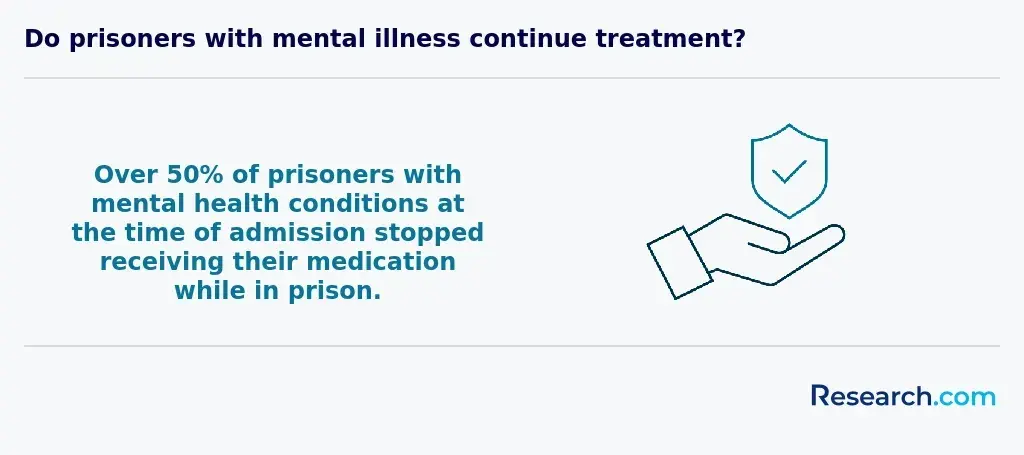
The need is significant. South Dakota recorded 99 detentions per 100,000 youths in 2021, and youth with mental health conditions are heavily represented in justice settings. The state also has more than 6,000 incarcerated residents, and 40% experience mental health challenges. For students and professionals interested in forensic assessment, rehabilitation, legal consulting, corrections, or court-related psychological work, criminal psychology offers a demanding but meaningful career direction.
This guide explains how to become a criminal psychologist in South Dakota, including degree requirements, licensure steps, internships, salary expectations, job outlook, work settings, advanced roles, and practical ways to choose the right academic and career path.
Quick answer: Becoming a criminal psychologist in South Dakota
- Most criminal psychologists need a doctoral degree in psychology, such as a PhD or PsyD, especially if they plan to become licensed psychologists and conduct clinical or forensic evaluations.
- South Dakota requires at least 1,800 hours of supervised internship experience, one year of supervised postdoctoral practice, a passing EPPP score of 500, and a background check for psychologist licensure.
- The University of South Dakota offers the only APA-accredited PhD program in the state, and most students complete the program within five to six years.
- Criminal psychologists in South Dakota earn an average annual salary ranging from $92,813 to $110,490, while clinical and counseling psychologists earn about $86,160.
- Employment growth is expected to remain positive, with clinical and counseling psychologists projected to grow 13% by 2032 and all other psychologists projected to grow 6%.
- Degree requirements for criminal psychologists in South Dakota
- Best undergraduate majors for this career path
- How to choose a criminal psychology program
- South Dakota psychologist licensure steps
- Internship and field experience options
- Job outlook for criminal psychologists
- Salary expectations in South Dakota
- Challenges in the field
- Future trends affecting criminal psychology careers
- Continuing education options
- How forensic science training can help
- Cultural factors in South Dakota practice
- Additional certifications to consider
- Collaboration with social workers
- Maintaining licensure compliance
- Addressing substance abuse in justice settings
- Why counseling training matters
- Using school psychology insights with youth populations
- Common workplaces
- Advanced career paths
- Professional resources in South Dakota
What are the academic requirements to become a criminal psychologist in South Dakota?
Criminal psychology is not typically an entry-level psychology job. In South Dakota, students should plan for a long academic pathway that starts with undergraduate preparation and usually continues through doctoral study, supervised training, and licensure. The exact route depends on whether the goal is research, corrections work, consulting, clinical assessment, expert testimony, or licensed psychological practice.
| Education or training stage | What it involves | Why it matters for criminal psychology |
| Bachelor’s degree | A psychology or related degree, often around 120 credit hours. Dakota Wesleyan University offers a bachelor's degree in psychology with a minor in forensic science. | Builds the foundation in human behavior, research, abnormal psychology, development, and social influences on crime. |
| Master’s degree | A graduate program in forensic psychology, psychology, or a related discipline. A forensic psychology master’s degree can be useful for students seeking specialized preparation. | Can strengthen knowledge of criminal behavior, assessment, legal systems, and intervention methods, although it may not be enough by itself for psychologist licensure. |
| Doctoral degree | A PhD or PsyD in psychology. The University of South Dakota offers the only APA-accredited PhD program in the state, with most students finishing within five to six years. | Typically required for licensed psychologist roles involving assessment, diagnosis, therapy, consultation, and forensic evaluations. |
| Supervised internship | At least 1,800 hours of supervised internship experience. | Gives students direct experience applying psychological knowledge in clinical, correctional, forensic, or related settings. |
| Research project | A thesis or dissertation is often required in doctoral programs. | Develops the research skills needed to evaluate evidence, study criminal behavior, and contribute to forensic psychology knowledge. |
Students should not choose a program based only on the word “criminal” or “forensic” in the title. The more important question is whether the program supports the type of work they want to do after graduation. For example, a student who wants to evaluate defendants or provide expert testimony will need a different level of clinical and assessment training than a student who wants to conduct crime-related research.
A South Dakota criminal psychologist described the academic pathway this way: “My route into criminal psychology required persistence. I started with criminology coursework that helped me understand law and public safety, but doctoral study forced me to connect theory with real cases. The most useful training came from research projects and supervised placements where I had to apply psychological concepts to complicated human situations. That experience still shapes how I think through cases today.”
What undergraduate majors are recommended for aspiring criminal psychologists in South Dakota?
The best undergraduate major for an aspiring criminal psychologist is usually psychology, but it is not the only useful option. Students should choose a major that helps them understand behavior, mental illness, research methods, law, social systems, and human development. They should also use electives, internships, and volunteer work to build exposure to courts, corrections, crisis services, victim services, or mental health care.
- Psychology: This is the most direct undergraduate path because it covers behavior, cognition, mental health, development, research methods, and assessment concepts. Courses in abnormal psychology, developmental psychology, social psychology, and statistics are especially relevant. The University of Sioux Falls and South Dakota State University both offer psychology majors.
- Criminal Justice: This major helps students understand policing, courts, corrections, criminal procedure, and public safety systems. It can be valuable for students who want to work with law enforcement, correctional agencies, or legal teams. Northern State University and Mount Mary University offer this major.
- Sociology: Sociology gives students a broader view of crime by examining inequality, family systems, rural communities, institutions, culture, and social behavior. This background can help future psychologists interpret criminal behavior within a wider social context.
Psychology remains an active academic field in South Dakota. According to the American Psychological Association, 284 bachelor's degrees, 54 master's degrees, and 16 doctorates in psychology were awarded in 2023. Students considering criminal psychology should pair coursework with practical experience whenever possible, because graduate admissions committees and future employers often value evidence of field exposure.
| Undergraduate choice | Best fit | Potential limitation |
| Psychology | Students planning to pursue graduate or doctoral psychology training. | May need electives or internships to gain justice-system exposure. |
| Criminal Justice | Students interested in law enforcement, corrections, courts, and offender rehabilitation. | May need additional psychology prerequisites for graduate psychology programs. |
| Sociology | Students who want to understand crime through community, cultural, family, and structural factors. | May require more clinical psychology coursework before advanced study. |
One South Dakota criminal psychologist reflected: “Choosing psychology as an undergraduate gave me the strongest base for later doctoral work. The advanced courses in forensic assessment and behavioral analysis were difficult, but they helped me learn how to evaluate information carefully. Internships were just as important as classes because they showed me how complex real cases can be.”
What should students look for in a criminal psychology program in South Dakota?
A strong criminal psychology pathway should prepare students for both graduate study and real-world practice. Before enrolling, students should examine accreditation, cost, clinical training, faculty expertise, research opportunities, and whether the program aligns with South Dakota licensure requirements.
- Accreditation: Students should confirm institutional accreditation through a recognized accreditor such as the Higher Learning Commission. Doctoral students should also pay close attention to APA accreditation, particularly if they intend to become licensed psychologists. Accreditation can affect licensure eligibility, internship competitiveness, financial aid access, and employer confidence.
- Tuition and total cost: In-state undergraduate tuition in South Dakota commonly falls between $9,192 and $15,000 per year. Students should compare not only tuition but also fees, commuting, housing, books, internship travel, and the availability of scholarships or assistantships.
- Relevant specialization options: Some programs offer coursework or research in forensic psychology, criminal behavior analysis, victimology, assessment, trauma, substance use, or correctional treatment. Students should look for training that fits their target role.
- Field experience: Internships, practicums, research labs, mental health clinics, correctional placements, and partnerships with justice agencies can help students move from classroom learning to applied skill development.
- Faculty background: Faculty members with experience in assessment, clinical practice, forensic work, corrections, substance use, trauma, or justice-related research can provide stronger mentorship for this career path.
The criminal psychology niche is specialized. According to the APA, 7% of psychologists hold board certification in forensic psychology, while 3% identify forensic psychology as their primary specialty. That makes program fit especially important for students who want to pursue this area rather than general psychology practice.
| Question to ask a program | Why it matters |
| Is the institution properly accredited? | Accreditation affects licensure preparation, transferability, and credibility with employers. |
| Does the program offer forensic, correctional, or justice-related coursework? | Specialized coursework helps students connect psychology training to criminal justice settings. |
| Where do students complete internships or practicums? | Placement quality can influence skill development and future job prospects. |
| Do graduates pursue licensure, doctoral study, corrections work, or research? | Graduate outcomes reveal whether the program supports the student’s intended path. |
| How much will the full pathway cost? | Students should evaluate total cost, not only annual tuition. |
A South Dakota practitioner explained her selection process this way: “I looked for an accredited program with meaningful internship options, active faculty research, and connections to professionals in the field. Hands-on training mattered because the first job after graduation requires more than theory. Students should ask where they will actually practice their skills before they commit.”
What are the steps for obtaining licensure as a criminal psychologist in South Dakota?
South Dakota does not license a separate profession called “criminal psychologist.” Instead, professionals who want to provide psychological services independently generally pursue psychologist licensure through the South Dakota Board of Examiners of Psychologists. Criminal or forensic psychology becomes a practice focus built on top of licensed psychology training.
- Complete an accredited doctoral degree: Candidates typically need a qualifying PhD or PsyD in psychology. Students should verify that their program meets South Dakota requirements before enrolling.
- Finish supervised internship training: Applicants must complete at least 1,800 hours of supervised internship experience within a two-year period. The internship must be part of an organized training program and supervised by a licensed psychologist.
- Complete postdoctoral supervision: Candidates must complete one year of supervised postdoctoral practice to continue developing applied clinical judgment and professional competence.
- Pass the EPPP: The Examination for Professional Practice in Psychology is the national licensing exam. South Dakota requires a minimum scaled score of 500.
- Complete the background check: Applicants must show they do not have felony or misdemeanor convictions involving moral turpitude.
- Maintain licensure after approval: Licensed psychologists must stay current with board requirements, ethics expectations, and continuing education obligations.
Students should treat licensure planning as part of program selection, not something to figure out after graduation. The safest approach is to compare the program curriculum, internship structure, and supervision opportunities with South Dakota’s licensing rules before committing to a degree.
Are there internship opportunities for criminal psychologists in South Dakota?
Internships are one of the most important parts of criminal psychology preparation. They help students test whether they are comfortable working with justice-involved populations, trauma histories, crisis situations, substance use, court processes, and correctional systems. In South Dakota, students may find relevant experience through universities, corrections, law enforcement, mental health providers, and nonprofit organizations.
- University of South Dakota Department of Psychology: Students may gain experience through the department’s mental health clinic and research labs, where they can develop skills related to assessment, treatment planning, research, and clinical documentation.
- South Dakota Department of Corrections: Correctional internships can expose students to offender rehabilitation, mental health screening, program development, risk concerns, and treatment planning in secure settings.
- Local law enforcement agencies: Some police departments and sheriff’s offices offer internship exposure to investigations, crisis response, victim interaction, behavioral consultation, or mental health-related calls.
- Nonprofit and community organizations: Agencies serving at-risk youth, people with mental health needs, victims, families, and justice-involved clients may offer experience in outreach, case support, crisis services, and program development.
Students who want to strengthen their interdisciplinary training may also compare graduate options such as top online master’s forensic science degrees. Forensic science training does not replace psychology licensure, but it can help students better understand evidence, investigation processes, and the language used by criminal justice professionals.
| Internship setting | What students may learn | Best for students interested in |
| University clinics and research labs | Assessment, treatment planning, research, ethics, and documentation. | Graduate study, clinical training, and research careers. |
| Correctional facilities | Rehabilitation, mental health evaluation, risk factors, and offender treatment. | Prisons, juvenile detention, and correctional mental health. |
| Law enforcement agencies | Investigative processes, crisis response, and psychological consultation. | Police consulting, profiling support, and public safety work. |
| Nonprofit organizations | Client advocacy, community resources, trauma-informed support, and prevention. | Victim services, youth support, and community intervention. |
What is the job outlook for criminal psychologists in South Dakota?
The employment outlook for psychology professionals in South Dakota is favorable, especially for those prepared to work across mental health and justice systems. By 2032, clinical and counseling psychologists are projected to see 13% growth, while all other psychologists are projected to see 6% growth. This is expected to create about nine to ten new openings each year.
Demand is shaped by several factors:
- Mental health needs in justice settings: Courts, corrections, juvenile services, and law enforcement increasingly need professionals who can evaluate and respond to mental health concerns.
- Juvenile justice concerns: Increased attention to juvenile mental health, including concerns described by Ki in 2023, supports the need for trained psychologists who can work with youth involved in the justice system.
- Rehabilitation-focused correctional work: Correctional facilities and community programs need professionals who can assess needs, support treatment planning, and help reduce behavioral risk.
Students should understand that “criminal psychologist” jobs may not always use that exact title. Relevant postings may appear under forensic psychologist, clinical psychologist, correctional psychologist, behavioral health specialist, evaluator, consultant, research analyst, or mental health clinician in justice-related settings.
One South Dakota criminal psychologist described the job market this way: “My first placement was in a juvenile detention environment, where I saw how much mental health support was needed. Over time, I moved into roles involving assessments, court-related work, and rehabilitation planning. The field is growing gradually, but the strongest opportunities tend to go to people who combine strong clinical preparation with justice-system experience.”
How much do criminal psychologists in South Dakota make?
Criminal psychologist salaries in South Dakota vary by role, employer, specialization, location, experience, and credential level. Reported average annual earnings range from $92,813 to $110,490. Clinical and counseling psychologists earn about $86,160, according to the South Dakota Department of Labor & Regulation and related salary sources.
Salary percentiles show a wide range. For all other psychologists, the 10th percentile is $26,290, the 50th percentile is $120,300, and the 90th percentile is $157,850. For clinical and counseling psychologists, earnings range from $58,820 at the 10th percentile to $117,650 at the 90th percentile, with a median of $83,470.
Location can also affect pay. Mitchell reports an average of $93,750, Sioux Falls reports $92,305, and Watertown reports about $88,397. These figures suggest that job market size, employer type, and local demand may influence compensation.
| Salary measure | South Dakota figure |
| Average annual salary for criminal psychologists | $92,813 to $110,490 |
| Clinical and counseling psychologist average | About $86,160 |
| All other psychologists, 10th percentile | $26,290 |
| All other psychologists, 50th percentile | $120,300 |
| All other psychologists, 90th percentile | $157,850 |
| Clinical and counseling psychologists, 10th percentile | $58,820 |
| Clinical and counseling psychologists, median | $83,470 |
| Clinical and counseling psychologists, 90th percentile | $117,650 |
| Mitchell average | $93,750 |
| Sioux Falls average | $92,305 |
| Watertown average | About $88,397 |
South Dakota salaries for clinical and counseling psychologists are generally below averages in states such as New Jersey and California, where averages exceed $120,000. However, salaries for all other types of psychologists meet the national average wages for the profession. Students comparing earning potential may also find it useful to review broader forensic science salary trends, especially if they are considering interdisciplinary justice careers.
This chart shows median wages for professionals employed in prisons and detention centers across the United States.
What challenges do criminal psychologists in South Dakota face?
Criminal psychology work can be emotionally and professionally demanding. In South Dakota, practitioners may deal with high-stress caseloads, limited public mental health resources, geographic barriers in rural communities, and ethical tensions between therapeutic care and legal system demands.
- Resource limitations: Public agencies may have fewer specialized services than larger systems, which can make referral and treatment planning more difficult.
- Dual-role pressure: Psychologists may be asked to balance clinical responsibilities with legal questions, risk assessment, documentation, or testimony.
- Rural access issues: Distance, transportation, staffing, and provider shortages can affect continuity of care.
- Vicarious stress: Work involving violence, trauma, abuse, incarceration, and crisis can take a psychological toll on providers.
Students should prepare for these realities by seeking strong supervision, ethics training, trauma-informed practice experience, and continuing education. Reviewing options through psychology colleges in South Dakota can help prospective students identify programs with relevant training environments.
What future trends could shape criminal psychology careers in South Dakota?
Several developments are likely to influence criminal psychology practice in South Dakota. Telepsychology can expand access to services in remote communities, while data tools may help agencies organize case information and evaluate risk more efficiently. At the same time, courts, corrections, and public health systems are paying closer attention to mental health, substance use, trauma, and rehabilitation.
Interdisciplinary training is also becoming more useful. Criminal psychologists may collaborate with counselors, social workers, substance abuse providers, family therapists, school psychologists, and forensic scientists. Professionals who want a broader mental health foundation may also compare related paths such as how to become a marriage and family therapist in South Dakota.
What continuing education opportunities are available for criminal psychologists in South Dakota?
Continuing education helps psychologists maintain licensure, strengthen ethical practice, and stay current in forensic assessment, trauma treatment, correctional mental health, legal standards, telepsychology, and evidence-based interventions. Criminal psychologists can use workshops, conferences, seminars, certification courses, university programs, and professional association events to keep skills current.
Working professionals who need flexibility may also consider online psychology programs for additional coursework or skill development. Online study can be useful, but licensed psychologists should confirm that any continuing education activity meets state board requirements before relying on it for compliance.
How does forensic science training enhance a criminal psychologist’s career in South Dakota?
Forensic science training can help criminal psychologists understand how physical evidence, investigative procedures, laboratory analysis, and case documentation interact with behavioral evidence. This does not replace psychology education or licensure, but it can make collaboration with investigators, attorneys, and forensic teams more effective.
Professionals who understand both psychological assessment and forensic evidence may be better prepared to communicate across disciplines. Those interested in this complementary skill set can review pathways related to a forensic science degree in South Dakota.
How do local cultural factors influence criminal psychology practice in South Dakota?
Criminal psychologists in South Dakota need cultural awareness, especially when working in rural areas, small communities, and indigenous communities. Cultural context can affect communication, trust, family involvement, help-seeking behavior, trauma history, and perceptions of law enforcement or courts.
Culturally responsive practice is not an optional add-on. It affects the accuracy of assessments, the strength of therapeutic relationships, and the usefulness of treatment recommendations. Students exploring this field can learn more about broader criminal psychology careers and how regional context may shape practice.
Can additional certifications enhance your practice in South Dakota?
Additional certifications can help criminal psychologists expand specific competencies, but they should be chosen strategically. A certification is most useful when it supports the psychologist’s actual practice area, such as behavioral assessment, substance use, trauma, crisis intervention, risk assessment, or work with youth.
Behavior-focused credentials may be especially relevant for professionals working with complex behavioral patterns in correctional, community, or rehabilitative settings. For example, psychologists interested in behavior analysis may explore how to become a board certified behavior analyst in South Dakota. Certifications should supplement, not substitute for, required psychologist licensure.
How can collaborating with social workers enhance criminal psychology practice in South Dakota?
Social workers often understand community resources, family systems, housing instability, benefits access, child welfare, case management, and reentry support. Criminal psychologists can strengthen treatment and rehabilitation plans by collaborating with social workers who see the broader social conditions affecting a client’s behavior.
This teamwork is especially valuable when clients have overlapping mental health, substance use, poverty, trauma, family, and legal concerns. Psychologists who want to better understand this allied profession can review social worker education requirements in South Dakota.
How can criminal psychologists ensure ongoing compliance with licensure standards in South Dakota?
Maintaining licensure requires more than passing the initial exam. Criminal psychologists should regularly review board updates, track continuing education, document supervision or training when required, follow ethical standards, and keep accurate professional records. Because forensic and criminal justice work can involve courts, custody, competency, risk, and public safety, careful compliance is essential.
Professionals and students should consult the official state requirements rather than relying only on school websites or informal advice. Research.com’s overview of South Dakota psychology license requirements can help readers understand the main regulatory issues to verify.
How can criminal psychologists address substance abuse challenges?
Substance use is often intertwined with criminal justice involvement, mental health symptoms, family instability, trauma, and reentry challenges. Criminal psychologists who understand co-occurring disorders can provide more accurate assessments and more realistic treatment recommendations.
Effective work often requires collaboration with addiction counselors, medical providers, probation teams, treatment courts, correctional programs, and community agencies. Psychologists who want deeper specialization in this area may explore how to become a substance abuse counselor in South Dakota.
How can criminal psychologists benefit from counseling training in South Dakota?
Counseling skills can improve a criminal psychologist’s ability to build rapport, manage resistance, conduct interviews, support behavior change, and work with clients who may be distrustful of systems. These skills are particularly helpful in corrections, juvenile services, court-mandated treatment, and community reentry settings.
Psychologists do not need to become counselors to benefit from counseling methods, but additional training in evidence-based intervention can strengthen practice. Professionals comparing related mental health routes can review the fastest way to become a counselor in South Dakota.
How can insights from school psychology enhance criminal psychology practice in South Dakota?
School psychology can help criminal psychologists better understand prevention, early intervention, developmental risk, learning challenges, behavioral assessment, crisis response, and youth support systems. This is especially relevant for professionals working with juveniles, diversion programs, detention centers, or young adults with school-related histories.
Early identification and coordinated support can reduce the likelihood that behavioral concerns escalate into deeper justice involvement. Criminal psychologists who want to understand youth-focused assessment and intervention may benefit from reviewing how to become a school psychologist in South Dakota.
Common mistakes to avoid when pursuing criminal psychology in South Dakota
- Assuming a bachelor’s degree is enough: Most licensed psychologist roles require doctoral education, supervised training, and licensure.
- Ignoring accreditation: Accreditation can affect licensure eligibility, internship options, financial aid, and employer confidence.
- Choosing a program only by title: A program labeled “forensic” or “criminal” may not provide the clinical, assessment, or licensure preparation a student needs.
- Underestimating supervised experience: Internships and postdoctoral practice are not formalities; they are central to developing professional judgment.
- Focusing only on salary averages: Earnings vary by employer, location, credentials, and specialization, and salary outcomes are never guaranteed.
- Overlooking emotional demands: Work involving trauma, violence, incarceration, and crisis requires strong supervision and self-care practices.
Where do criminal psychologists in South Dakota typically work?
Criminal psychologists in South Dakota may work anywhere psychological expertise is needed in relation to legal, correctional, investigative, or rehabilitation concerns. Job titles vary, so students should search broadly and consider both public and private employers.
- Law enforcement agencies: Psychologists may support police departments, sheriff’s offices, or public safety agencies with evaluations, behavioral consultation, officer training, crisis response guidance, or investigative support. The South Dakota Department of Public Safety is one relevant employer.
- Correctional facilities: Prisons, jails, and juvenile detention centers may employ psychologists to conduct mental health assessments, provide therapy, design rehabilitation plans, and support behavioral management. The South Dakota Department of Corrections is a major setting for this work.
- Private practice and consulting: Some psychologists provide independent assessments, expert testimony, legal consultation, competency-related evaluations, or case reviews for attorneys and courts. ForensisGroup connects legal professionals with qualified experts.
- Academic institutions: Colleges and universities hire psychologists for teaching, research, clinical supervision, and program development. South Dakota State University's START-SD program works to improve access to prevention, treatment, and recovery services for substance use disorders.
Students interested in this work should also explore the broader career as a forensic psychologist, since forensic psychology and criminal psychology overlap in assessment, legal consultation, correctional work, and research.
| Work setting | Typical responsibilities | Who may find it a good fit |
| Corrections | Assessment, therapy, rehabilitation planning, crisis management, and behavioral intervention. | Professionals comfortable working in secure and highly structured environments. |
| Law enforcement | Consultation, training, profiling support, crisis response guidance, and mental health education. | Professionals interested in public safety and investigative collaboration. |
| Courts and legal consulting | Evaluations, expert testimony, case consultation, and written reports. | Professionals with strong assessment, writing, and ethics skills. |
| Universities and research centers | Teaching, research, supervision, and program evaluation. | Professionals interested in scholarship and training future practitioners. |
What types of advanced roles can criminal psychologists explore in South Dakota?
With experience, advanced education, and licensure, criminal psychologists can move into specialized or leadership-oriented roles. These roles may involve courts, law enforcement, policy, research, victim services, corrections, or expert consulting.
- Forensic psychologist: Forensic psychologists evaluate people involved in legal matters, provide expert opinions, prepare reports, and may testify in court.
- Criminal profiler: Profilers analyze behavioral patterns, crime details, and investigative information to help agencies think through possible offender characteristics. The South Dakota Division of Criminal Investigation is one agency connected to investigative work.
- Research analyst: Research-focused professionals study criminal behavior, intervention outcomes, program effectiveness, and justice-related trends. They may work with universities, government agencies, or policy organizations.
- Law enforcement consultant: Consultants train officers, advise on behavioral aspects of cases, and support mental health-informed public safety practices.
- Victim advocate: Professionals in this area support crime victims as they navigate services, legal systems, trauma responses, and recovery needs.
Students who want to keep their options open should also compare related criminology degree job options, especially if they are interested in policy, law enforcement, corrections administration, or research rather than licensed clinical practice.
This chart shows the most commonly reported violent crimes across the country.
What professional resources are available to criminal psychologists in South Dakota?
Professional resources help criminal psychologists stay current, meet licensure expectations, find collaborators, and understand changes in mental health and justice systems. Students should begin building these connections before graduation, especially if they want internships, supervision, or forensic consultation opportunities.
- South Dakota Psychological Association: The SDPA supports psychologists through continuing education, advocacy, professional networking, and updates on issues affecting psychology practice in the state.
- South Dakota Department of Social Services: The DSS supports mental health, substance use, crisis, and community services across South Dakota. Criminal psychologists may interact with DSS-related programs when working with clients who need treatment, support, or reentry resources.
- South Dakota Board of Examiners of Psychologists: This board regulates psychologist licensure in the state and provides information on requirements, standards, applications, and continuing education expectations.
A South Dakota criminal psychologist summarized the value of professional networks this way: “Organizations such as the National Alliance on Mental Illness South Dakota and local university programs have helped me keep learning after licensure. The relationships I built through these groups led to useful collaborations and made my work with justice-involved clients stronger.”
What Criminal Psychologists in South Dakota Say About Their Careers
- “My work in South Dakota has taken me into both correctional and clinical settings, which has helped me understand the needs of clients from different angles. The work is challenging, but the chance to provide treatment, complete behavioral evaluations, and support the justice system makes the career deeply meaningful.” - Kathleen
- “The professional community in South Dakota has played a major role in my development. Working with colleagues who care about mental health advocacy has strengthened my practice and reminded me that this field depends on collaboration.” - Trevor
- “As a criminal psychologist in South Dakota, I have worked with law enforcement, correctional facilities, and treatment providers. The range of cases keeps the work engaging, and helping people address mental health concerns while serving the community is one of the reasons I value this profession.” - Scott
Related Articles for Nearby States
- 2027 How to Become a Criminal Psychologist in North Dakota
- 2027 How to Become a Criminal Psychologist in Nebraska
- 2027 How to Become a Criminal Psychologist in Minnesota
- 2027 How to Become a Criminal Psychologist in Wyoming
- 2027 How to Become a Criminal Psychologist in Iowa
- 2027 How to Become a Criminal Psychologist in Montana
- 2027 How to Become a Criminal Psychologist in Colorado
- 2027 How to Become a Criminal Psychologist in Kansas
- 2027 How to Become a Criminal Psychologist in Wisconsin
- 2027 How to Become a Criminal Psychologist in Missouri
Key Insights
- Criminal psychology in South Dakota is usually a doctoral-level career path for those who want to practice as licensed psychologists.
- The state’s licensure pathway includes doctoral education, at least 1,800 supervised internship hours, one year of postdoctoral supervision, the EPPP, and a background check.
- Program choice matters. Students should verify accreditation, clinical training quality, internship access, faculty expertise, and alignment with South Dakota licensure rules.
- Salary potential is solid but variable. Reported criminal psychologist averages range from $92,813 to $110,490, but pay depends on role, setting, location, and experience.
- South Dakota’s need for mental health expertise in juvenile justice, corrections, substance use treatment, and rehabilitation creates opportunities for well-trained professionals.
- The strongest candidates combine psychology training with field experience in corrections, law enforcement, courts, victim services, community mental health, or forensic research.
- Students should avoid shortcuts. A non-accredited program, weak internship access, or misunderstanding licensure requirements can delay or limit career options.
References:
- American Psychological Association. (2024). Degrees in Psychology [Interactive data tool]. Retrieved November 26, 2024, from https://www.apa.org/workforce/data-tools/degrees-psychology
- Ki, N. (2023, February 23). How mental health issues remain unsolved in South Dakota's juvenile detention system. Argus Leader. https://www.argusleader.com/story/news/2023/01/23/how-mental-health-issues-linger-in-south-dakotas-juvenile-detention-system-avera-dept-of-corrections/9730614002
- National Alliance on Mental Illness. (2021, February). Mental Health in South Dakota. https://www.nami.org/wp-content/uploads/2023/07/SouthDakotaStateFactSheet.pdf
- Page, C., Stamm, K., Assefa, M., & Khaddouma, A. (2024, March 1). Datapoint: The most and least common specialty areas for licensed psychologists. American Psychological Association. https://www.apa.org/monitor/2024/03/top-psychology-specialties
- Rovner, J. (2024, August 14). Youth Justice by the Numbers. The Sentencing Project. https://www.sentencingproject.org/policy-brief/youth-justice-by-the-numbers
- South Dakota Department of Labor & Regulation. (2023). Employment projections. Labor Market Information Center. https://dlr.sd.gov/lmic/menu_projections.aspx
- U.S. Bureau of Labor Statistics. (2024, April 3). May 2023 state occupational employment and wage estimates - South Dakota. Occupational Employment and Wage Statistics. https://www.bls.gov/oes/current/oes_sd.htm
- ZipRecruiter. (2024, November 18). Criminal Psychologist Salary in South Dakota. Retrieved November 26, 2024, from https://www.ziprecruiter.com/Salaries/Criminal-Psychologist-Salary--in-South-Dakota
Other Things to Know About Becoming a Criminal Psychologists in South Dakota
To become a criminal psychologist in South Dakota in 2027, you need a bachelor's degree in psychology or a related field, followed by a master's degree in psychology. A doctoral degree (PhD or PsyD) in psychology with a focus on criminal psychology is typically required, along with state licensure.
Yes, to become a forensic psychologist in South Dakota, you must obtain a PhD in psychology. This advanced degree is required for licensure, which is essential for professional practice in the state as per the South Dakota Board of Examiners of Psychologists.