2027 The Best Undergraduate Majors for Future Speech Pathologists

Co-Founder and Chief Data Scientist

Reviewed by Rhea Paul, PhD
SLP Education & Research Expert
Many individuals with unrelated undergraduate degrees face challenges when pursuing a career in speech pathology. Without a targeted major, they may struggle to meet prerequisite coursework or lack foundational knowledge, causing delays and added expenses.
Additionally, choosing the optimal undergraduate path can influence future licensure and certification opportunities. Selecting a major aligned with speech pathology's core requirements helps streamline graduate admission and enhances readiness for clinical practice.
This article explores the best undergraduate majors to support a successful transition into speech pathology programs and guides readers in making informed decisions that facilitate their professional goals.
Key Things You Should Know
- Popular undergraduate majors for future speech pathologists include communication sciences, psychology, and linguistics, providing foundational knowledge essential for graduate study and clinical practice.
- The U.S. Bureau of Labor Statistics projects a 17% growth in speech pathology jobs from 2025 to 2035, indicating strong career demand through 2035 and beyond.
- Accredited pre-professional programs often integrate clinical observation and research opportunities, improving graduate school acceptance rates, which exceed 75% for well-prepared applicants in 2025.
What undergraduate majors best prepare for speech pathology careers?
The most effective undergraduate majors for speech pathology careers include communication sciences and disorders, hearing and speech science, and linguistics. These programs cover language development, speech mechanisms, auditory processing, and related disorders.
A communication sciences and disorders major often features clinical practicum experiences, which are essential for graduate admissions and future licensure.
Psychology is another valuable major, offering insight into developmental and cognitive processes related to speech and language acquisition. Relevant courses include developmental psychology and neuropsychology to help understand brain functions connected to communication skills.
Biology or neuroscience majors also provide key knowledge of anatomy and neurology necessary for diagnosing and treating speech-language disorders.
Regardless of the chosen major, students should focus on coursework in phonetics, anatomy of the speech mechanism, language development, and auditory perception. Combining these studies with internships or volunteer work in educational or healthcare settings strengthens graduate school applications.
Graduate programs in speech pathology require a master's degree, so aligning an undergraduate degree accordingly ensures readiness for clinical training. Students interested in advanced opportunities might explore online speech and language pathology programs for flexibility and accessibility.
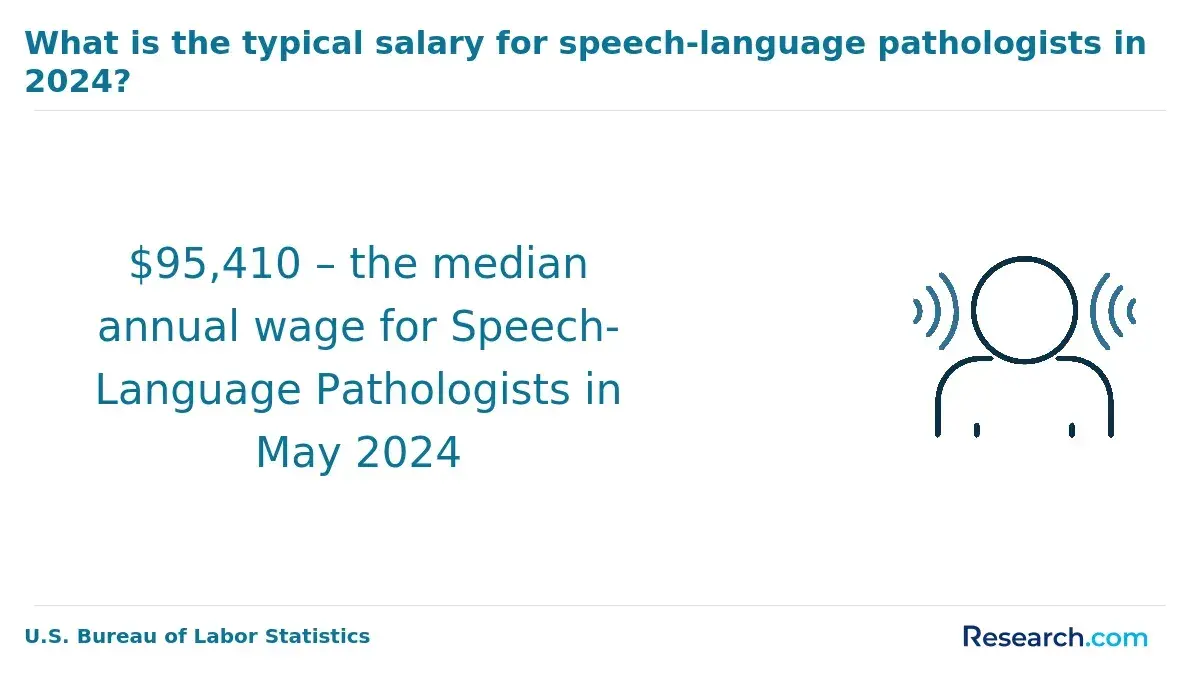
According to the U.S. Bureau of Labor Statistics, Occupational Outlook Handbook (May 2025 data), speech-language pathologists earned a median annual wage of $97,870, 48% higher than the median for all occupations.
This demonstrates strong demand and rewarding prospects in this profession. Selecting the best degrees to prepare for a speech pathology profession lays a strong foundation for entering this expanding, well-compensated field.
Why is a bachelor's in communication sciences and disorders ideal?
A bachelor's degree in communication sciences and disorders provides targeted, foundational knowledge essential for graduate study and professional practice in speech pathology. The curriculum covers anatomy, linguistics, phonetics, speech development, and auditory disorders, which are vital for understanding speech and language impairments.
This preparation directly aligns with the competencies required in master's programs and clinical training. Such a degree is often recognized as one of the best communication majors for future speech pathologists.
Students with this background experience a significant advantage in graduate admissions. According to the Council of Academic Programs in Communication Sciences and Disorders 2025 Graduate Program Admissions Report, applicants with a CSD degree have a 68% acceptance rate into speech pathology master's programs, compared to 52% for non-CSD majors.
This data illustrates how the right academic background can enhance admission prospects. Additional benefits of an undergraduate communication sciences and disorders degree include:
- Clinical observation opportunities to gain early familiarity with real-world speech disorders.
- Research skill development specific to communication disorders, supporting evidence-based practices.
- Faculty mentors specializing in speech pathology who provide strong recommendations.
- Coursework aligned with certification requirements, reducing prerequisite burdens before graduate study.
For those who delay graduate school, the degree also prepares students for roles such as speech therapy assistants or educational aides. It strengthens understanding of typical and atypical communication development and supports academic success and clinical competence.
For insights on specialized careers, consider exploring the role of a pediatric SLP.
What other majors like linguistics or psychology work for speech pathology?
Linguistics and psychology stand out as some of the best complementary degrees for speech pathology students. Linguistics majors have a measurable advantage.
The American Speech-Language-Hearing Association's 2025 Clinical Fellowship Outcomes Survey found linguistics students scored 12% higher on average in language disorder diagnostic assessments during clinical placements.
This edge stems from the major's emphasis on language structure, phonetics, syntax, and semantics, all essential for understanding speech and language disorders.
Psychology complements this by focusing on cognitive development, neuropsychology, and behavioral factors that influence communication. Psychology majors gain valuable insights into developmental delays, language acquisition issues, and emotional components of speech impairments. These are key elements in many undergraduate majors compatible with speech pathology careers.
Other relevant fields include communication sciences and disorders, which directly prepare students for speech and hearing professions, and education with a special education focus, especially in speech and language development in diverse classrooms.
Neuroscience also enhances understanding of brain mechanisms behind speech and language processing. Courses in statistics, research methods, and anatomy further strengthen clinical reasoning and diagnostic skills.
Students interested in graduate programs may explore accelerated speech language pathology programs for streamlined paths. Choosing majors that build linguistic and psychological foundations improves readiness to tackle multifaceted speech-language challenges effectively.
Speech pathology preparation programs must have accreditation from the American Speech-Language-Hearing Association's (ASHA) Council on Academic Accreditation in Audiology and Speech-Language Pathology (CAA) to maintain rigorous educational standards.
This accreditation is essential for meeting curriculum, faculty, and clinical experience requirements, which directly impact eligibility for the Certificate of Clinical Competence (CCC), a credential required for many speech-language pathology jobs in the U.S.
Programs accredited under these standards emphasize sufficient supervised clinical hours and integrate interdisciplinary elements, including psychology.
Psychological factors account for about 35% of persistent speech disorders in adults, highlighting the need for coursework that addresses these issues. Such comprehensive training is critical in speech pathology undergraduate programs to prepare practitioners thoroughly.
Prospective students should confirm a program's CAA accreditation status through official directories and consider additional state licensure needs that often align with this accreditation. Some programs may hold dual accreditations or have strong affiliations with university psychology departments, offering enhanced training opportunities.
Choosing non-accredited programs risks limited clinical experience and barriers to certification or licensure. Students can explore various speech language pathology programs to find accredited options that align with their career goals.
Campus undergraduate programs in speech pathology offer direct access to labs, in-person clinical observations, and hands-on interactions critical for mastering articulation, oral-motor therapies, and spontaneous client communication. Students benefit from immediate faculty feedback and peer collaboration, enhancing practical skill development.
Online programs provide flexibility with asynchronous coursework and virtual labs, catering to self-motivated learners managing work or family commitments. However, live client practice may be limited until later field placements, making it essential for online students to enroll in accredited programs with strong practicum components to meet licensure standards.
Both online and campus formats strongly integrate special education coursework. According to the ASHA Schools Survey 2025, 75% of school-based speech pathologists credited special education classes during their undergraduate training with improving their ability to develop Individualized Education Programs (IEPs) for students with communication impairments. This highlights the importance of thorough curriculum coverage regardless of the program format.
Prospective students should weigh learning styles, availability for hands-on experiences, and program accreditation. Key factors include early supervised clinical exposure and partnerships with local clinics or schools, especially for online learners, to ensure necessary practical training.
Foundational courses for speech pathology students often include biology, neurobiology, linguistics, anatomy, and psychology. Knowledge of biology and neurobiology is critical for understanding brain functions related to communication disorders.
According to the National Institutes of Health, Stroke Recovery Consortium Report 2025, neurobiology-trained speech pathologists achieved a 22% higher success rate in treating aphasia using neuromodulation therapies in multiple randomized trials.
Anatomy classes focus on the vocal tract, respiratory system, and auditory processes, enriching understanding of the physical structures necessary for speech production. Linguistics courses cover phonetics, syntax, and language development, helping students analyze speech patterns and disorders. Psychology is essential to grasp cognitive and behavioral aspects of communication issues across different age groups.
Additional coursework often includes communication sciences, which delve into speech and language development stages, and pathology courses that teach about speech and language disorders, assessment strategies, and therapeutic techniques.
Practical training through clinical observation or internships integrates theory with real-world experience, reinforcing diagnostic and treatment skills.
Students should consider interdisciplinary programs that blend these core subjects and offer electives in areas like special education, audiology, or cognitive neuroscience. This comprehensive approach ensures readiness for diverse clinical settings and enhances the ability to innovate treatment methods in speech pathology practice.
Admission to undergraduate programs preparing students for careers in speech pathology generally requires a strong academic record, especially in sciences and communication-related subjects. Most programs expect a minimum GPA of 3.0 on a 4.0 scale, with more competitive schools sometimes seeking higher.
Applicants may need to submit SAT or ACT scores, although some institutions have adopted test-optional policies.
Prerequisites often include coursework in biology, psychology, linguistics, and basic anatomy to build foundational knowledge. Additional requirements can include:
- Personal statements or essays outlining interest in speech pathology and career goals
- Letters of recommendation from educators or professionals who know the applicant's abilities
- Volunteer or observational hours in clinical or educational settings showcasing practical exposure
- Interviews or informational sessions to evaluate motivation and communication skills
Some universities may require placement tests or foundational coursework in the first year to ensure readiness for advanced classes. Confirming program accreditation and alignment with certification pathways, such as the Certificate of Clinical Competence in Speech-Language Pathology (CCC-SLP), is essential.
Demand for speech-language pathologists in K-12 schools increased by 18%, outpacing overall job growth by 7 percentage points, emphasizing the value of experiences working with school-aged children. Practical experience alongside strong academic credentials enhances both admission chances and future career success.
Undergraduate programs for future speech pathologists typically take about four years, leading to a bachelor's degree. Students often major in Communication Sciences and Disorders or Audiology and Hearing Sciences, which provide foundational knowledge.
These programs include important prerequisite coursework needed for graduate-level speech pathology studies. For instance, audiology classes are critical, as hearing loss causes 28% of pediatric speech delays, according to the Centers for Disease Control and Prevention.
Tuition costs vary based on whether the institution is public or private and student residency status:
- Public university in-state tuition averages $10,000 to $12,000 annually.
- Out-of-state tuition at public universities ranges from $25,000 to $35,000 per year.
- Private universities typically charge between $35,000 and $50,000 each year.
Additional fees for textbooks, lab work, and allied health courses can add $1,500 to $3,000 annually. Many students undertake summer classes to meet prerequisites or shorten program length, which can affect overall costs. Programs often include hands-on clinical experiences early on, influencing scheduling and expenses.
Financial aid, scholarships, and grants can help reduce costs, but availability varies by school. Planning for both tuition and the time needed to complete core prerequisites is crucial to progressing on schedule toward graduate speech pathology certification.
Undergraduate degrees in fields like communication sciences, linguistics, psychology, or biology often lead students to pursue a master's in speech pathology, which is essential for clinical certification and licensure.
Completing ASHA (American Speech-Language-Hearing Association) prerequisites early is linked to higher academic success. Undergraduates who finished all required coursework before grad school had a GPA average of 3.85, outperforming peers who took additional post-baccalaureate classes, per the ASHA Academic Program Survey 2025.
Typical career paths after graduate certification include:
- Clinical Speech-Language Pathologist earning a median salary around $79,000, depending on work setting and location.
- Educational Speech Therapist in schools with salaries between $55,000 and $70,000 based on district and experience.
- Healthcare Speech Pathologist working in hospitals or rehabilitation centers, making $70,000 to $85,000 annually.
- Research or academic roles following PhD completion, with salaries ranging from $60,000 at entry-level to over $100,000 for senior faculty.
Specializing in areas like pediatric speech therapy or swallowing disorders can impact both salary and job availability. Fulfilling clinical practicum hours during graduate studies is critical for licensure and influences employability and starting pay.
Selecting programs with strong pre-professional outcomes promotes higher graduate GPAs and better preparation for competitive careers in speech pathology.
What is the job outlook for aspiring speech pathologists?
The job outlook for speech pathologists is robust, with the U.S. Bureau of Labor Statistics projecting a 17% employment growth from 2025 to 2035, well above average. This demand stems from an aging population needing treatment for stroke and dementia-related communication issues, alongside increased diagnosis of speech and language impairments in children.
Opportunities span hospitals, schools, private practices, and telepractice platforms, with specialties including pediatric speech development, neurological rehabilitation, and voice therapy. Students combining neuroscience or related disciplines such as psychology, linguistics, or education with clinical training tend to gain a competitive edge.
According to the National Student Clearinghouse Research Center's Health Sciences Outcomes 2025 report, neuroscience undergraduates entering speech pathology programs showed 40% more research productivity, with 15% securing NIH-funded projects in their first fellowship year.
Building research experience, especially with NIH-supported projects or clinical trials, enhances employability in academic and hospital settings. Prospective students should ensure their training programs are accredited by the Council on Academic Accreditation in Audiology and Speech-Language Pathology (CAA).
Graduation requirements include completing a clinical fellowship and passing the Praxis exam for licensure, which is mandatory for expanding career opportunities nationwide.
Other Things You Should Know About Speech Pathology
Most graduate speech-language pathology programs expect about 25 to 30 prerequisite credits in communication sciences and disorders. Common courses include phonetics, anatomy and physiology of speech and hearing, language development, and audiology. Some programs also require a statistics or research methods course before admission.
Yes, some speech pathologists choose to specialize in areas such as pediatric speech therapy, adult neurogenic disorders, or voice therapy. While an undergraduate degree often covers a broad foundational knowledge, students interested in specific specialties may select elective courses or internships related to those fields. Graduate education usually provides more targeted training for specialization.
Licensure is required in all U.S. states for speech pathologists to practice professionally. Candidates must complete a master's degree in speech pathology, fulfill clinical experience requirements, and pass a national examination. State-specific requirements may vary, so it is important to check the regulations for the state where one plans to work.
For aspiring speech pathologists in 2027, majors such as Communication Sciences and Disorders, Psychology, and Linguistics provide foundational knowledge. These programs cover key areas like language development, speech disorders, and cognitive processes, effectively preparing students for graduate studies and eventual careers in the field.
- U.S. Bureau of Labor Statistics - Speech-Language Pathologists https://www.bls.gov/ooh/healthcare/speech-language-pathologists.htm
- ASHA EdFind - Accredited Speech-Language Pathology Programs https://find.asha.org/ed/
- ETS Praxis - Speech-Language Pathology (5331) https://praxis.ets.org/test/speech-language-pathology-5331.html
- Auburn University, Montgomery - Master of Science in Speech-Language Pathology https://www.aum.edu/degree/ms-speech-language-pathology/
- New England Institute of Technology - Master of Science in Speech Language Pathology https://www.neit.edu/academics/graduate-degrees/speech-language-pathology-ms
- New York University - Online MS, Communicative Sciences and Disorders (Speech@NYU) https://steinhardt.nyu.edu/degree/online-ms-communicative-sciences-and-disorders
- Nova Southeastern University - SLP Program - Master of Science in Speech-Language Pathology https://osteopathic.nova.edu/degrees/masters/speech-language-pathology/index.html
- West Virginia University - Speech-Language Pathology, M.S. - Online https://medicine.hsc.wvu.edu/communications-sciences-and-disorders/speech-language-pathology-ms/future-students/curriculum/online-slp-program/