2027 Cheapest Educational Psychology Degree Programs for Working Adults

Co-Founder and Chief Data Scientist
Many working adults face the challenge of balancing full-time jobs, family obligations, and college coursework while managing tight finances. For those pursuing an educational psychology degree, affordability and flexibility become critical factors.
According to the U.S. Bureau of Labor Statistics, employment for educational psychologists is projected to grow 8% through 2032, intensifying the need for accessible education paths. Finding accredited programs with reasonable tuition, generous transfer credit policies, and asynchronous online formats can ease this journey.
This article explores the cheapest educational psychology degree programs designed for working adults and highlights key considerations for evaluating cost, convenience, and long-term career impact.
Key Things to Know About the Cheapest Educational Psychology Degree Programs for Working Adults
- Cheapest educational psychology degree programs for working adults often feature low per-credit tuition, online formats, generous transfer credit policies, and flexible, part-time scheduling to balance work and family.
- Lower-cost programs offer accessibility and often accreditation but may trade off personalized support or employer prestige; accelerated options can reduce time and cost.
- Evaluate total cost, financial aid, state eligibility, accreditation, student services, and career outcomes carefully before enrolling to ensure long-term value and workforce recognition.
What Are the Cheapest Accredited Educational Psychology Degree Programs Online?
Accredited online educational psychology degree programs offer working adults affordable and flexible learning options, often influenced by tuition models, transfer credit policies, and course delivery methods. These factors help reduce costs and accommodate busy schedules, making higher education more accessible for those balancing work and family.
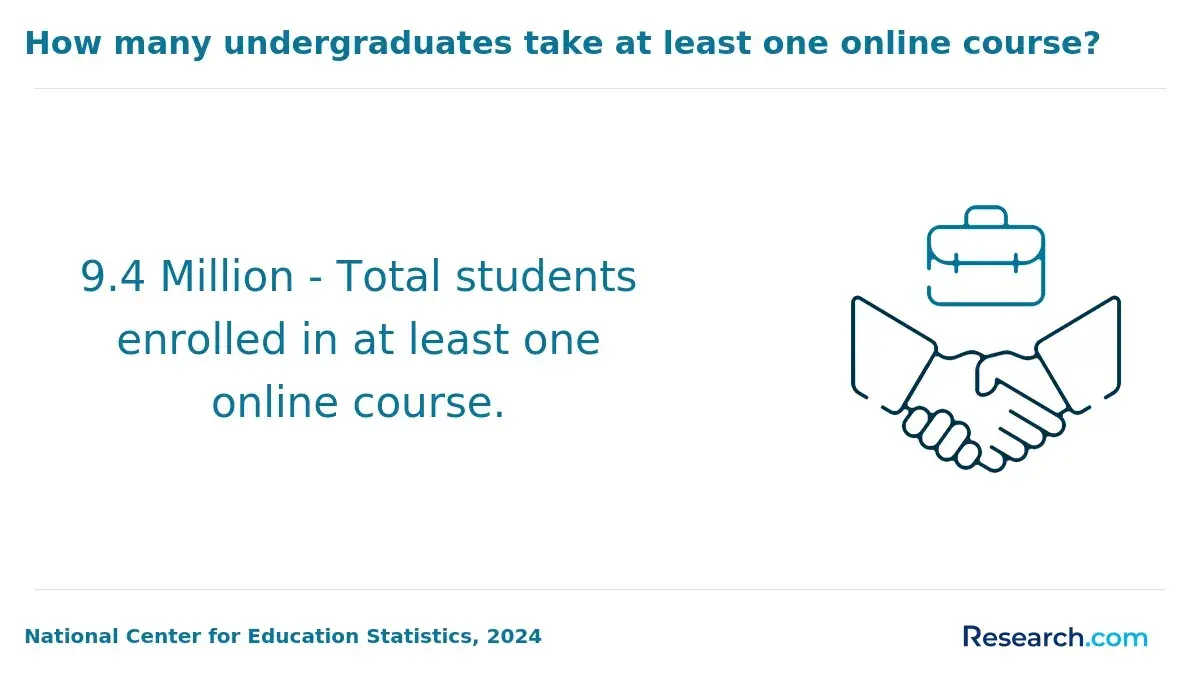
With online enrollment among adult learners steadily rising—over 40% of postsecondary students now take at least one distance education course—many seek the cheapest accredited online educational psychology degree programs to fit their needs.
The key considerations for evaluating affordable and flexible programs include the following:
- Accreditation Status: Ensures the program meets recognized academic standards and qualifies students for federal financial aid. Accredited degrees retain value for career and further education opportunities compared to unaccredited alternatives.
- Tuition and Fee Structure: Varies between flat-rate tuition and per-credit charges, affecting overall cost based on course load. Transparent fee schedules help working adults budget effectively.
- Transfer Credit Acceptance: Programs that allow transfer of previously earned credits can shorten time to degree completion and lower tuition expenses. Confirm how many credits are accepted and from what institutions.
- Scheduling Flexibility: Asynchronous courses or accelerated formats enable students to learn at their own pace, balancing professional and personal responsibilities without sacrificing program quality.
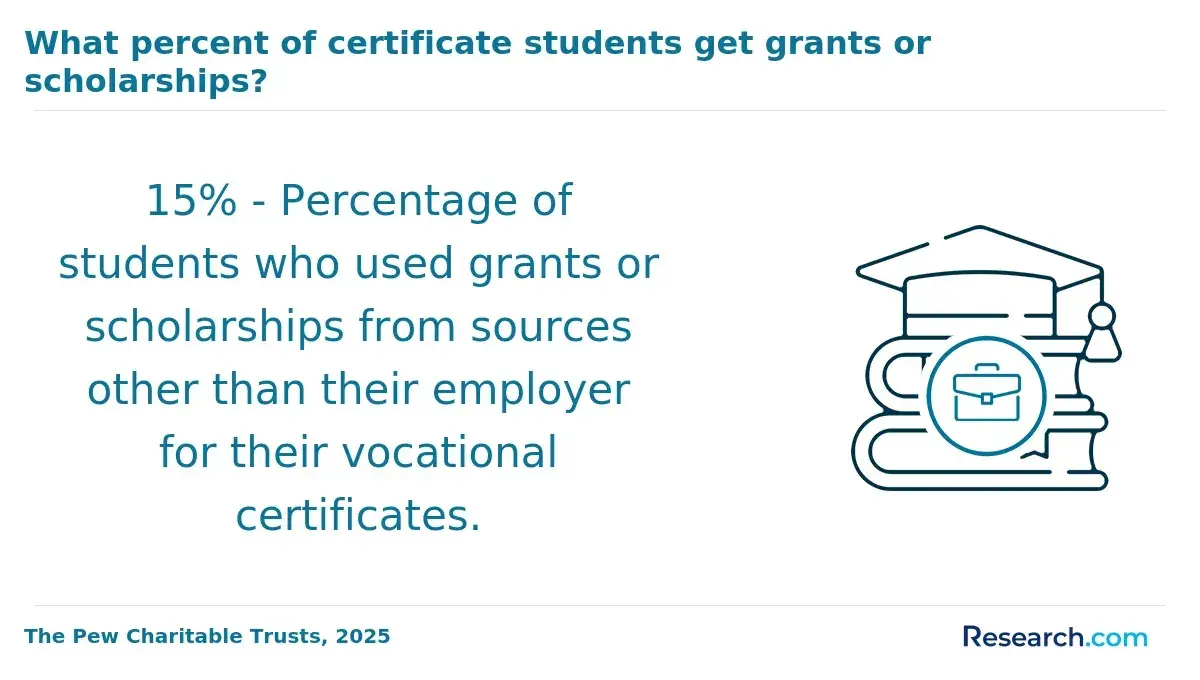
- Financial Aid Opportunities: Availability of scholarships, grants, and employer tuition reimbursement can substantially reduce out-of-pocket expenses. Investigate the financial support options before enrollment.
Working adults may find value in exploring related fields through resources like the cheapest medical billing and coding online courses as additional low-cost educational pathways.
How Much Does an Online Educational Psychology Degree Cost for Working Adults?
The cost of an online educational psychology degree for working adults varies based on factors such as tuition structure, school type, transfer credits, residency status, and program format. The key factors influencing the overall cost include:
- Tuition Models: Many online programs charge per credit hour or offer flat-rate tuition, which can affect predictability and total expenses. In-state students often benefit from discounted rates, helping to reduce costs significantly.
- Transfer Credit Acceptance: Accredited programs that accept a generous number of transfer credits allow working adults to shorten their degree completion time and avoid repeating coursework, thereby lowering tuition expenses.
- Financial Aid Opportunities: Access to scholarships, grants, federal aid, and employer tuition assistance can substantially offset out-of-pocket costs. These resources play a vital role in making affordable, accredited online educational psychology programs for adult learners accessible.
- Technology and Fees: Additional charges such as technology fees, course materials, and administrative costs are often applied per term or credit and should be factored into the total price of enrollment.
- Program Format Flexibility: Accelerated or part-time options help students balance work and study but impact the timeline and cumulative cost differently. Asynchronous courses commonly found in these programs provide essential scheduling flexibility.
Working adults exploring degree options might also consider related fields, such as health administration master programs, which sometimes share similar affordability and flexibility features.
Are Cheap Educational Psychology Degree Programs Legitimate and Respected by Employers?
Affordability alone does not dictate whether an educational psychology degree program is valued by employers. Critical factors such as accreditation, institutional standing, curriculum rigor, and alignment with workforce needs heavily shape employer attitudes toward low-cost and online degrees.
Approximately 82% of employers now trust degrees from properly accredited online programs, reflecting wider acceptance of flexible learning options suitable for working adults. The key elements that influence employer respect for inexpensive educational psychology degrees include:
- Institutional Accreditation: This confirms that the school adheres to recognized quality standards, which is essential for degree legitimacy and transfer credit acceptance.
- Program Quality: Accreditation focused on educational psychology or adherence to discipline-specific standards ensures academic rigor and relevance to current field practices.
- Faculty Credentials: Instructors with advanced degrees and professional experience help deliver a curriculum that equips students with applicable skills.
- Curriculum Relevance: Courses centered on modern theories, research methods, and practical applications prepare graduates to meet workplace demands effectively.
- Credit Transferability: Programs that recognize prior coursework increase accessibility and affordability while signaling to employers that prior learning is valued.
A graduate of an educational psychology degree program shared that the journey involved managing work alongside intensive coursework, which fostered critical skills like adaptability, communication, and problem-solving. He emphasized how group projects and real-world case studies enhanced his ability to collaborate and analyze behavioral patterns under pressure.
"These soft skills," he noted, "were as vital as the academic content because they prepared me to handle complex interactions in educational settings confidently." This practical experience, he said, helped bridge the gap between theory and employment readiness.
What Are the Best Educational Psychology Degree Programs for Working Adults?
Top educational psychology degree programs for working adults are evaluated not only by cost but also by elements such as scheduling flexibility, solid accreditation, transfer credit policies, tailored student support, and relevance to career goals.
Online and hybrid formats have broadened access to degree completion, with over 40% of postsecondary students in the US now aged 25 or older.
Important factors that make educational psychology degree programs well-suited for adult learners include:
- Flexible Scheduling: Programs offering asynchronous courses and part-time enrollment allow working adults to balance education with job and family responsibilities without compromising progress toward their degree.
- Accreditation and Credibility: Accreditation by recognized agencies ensures the curriculum meets high educational standards, which enhances the degree's value for professional advancement and transferability.
- Transfer Credit Acceptance: Allowing prior college credits to count toward degree requirements helps adults avoid redundant coursework and shortens time to completion, an important consideration for those returning to education after a break.
- Financial Support and Affordability: Competitive tuition rates, availability of financial aid, and options such as employer tuition reimbursement improve accessibility for many working adults seeking affordable online educational psychology degree programs for adult learners.
- Student Services and Career Relevance: Dedicated academic advising, tutoring, and career counseling address the unique needs of adult students, while curriculum aligned with current workforce demands ensures skills gained remain practical and applicable.
Adults interested in accelerated options may explore fast track LPN programs as examples of flexible career-oriented education models.
Which Educational Psychology Degree Programs Offer the Most Flexible Schedules?
Flexible scheduling options enable working adults to earn an educational psychology degree while managing careers, family, and personal commitments. Online and hybrid learning models have notably expanded access to adaptable academic pathways, with over 30% of graduate students recently enrolling in online programs nationwide.
Several features contribute to making educational psychology programs more accommodating for adult learners:
- Asynchronous Learning: Allowing students to complete lectures and assignments on their own time removes the need for live attendance, which accommodates varied work hours and family demands without compromising academic progress.
- Part-Time Enrollment: Programs often offer part-time tracks to reduce semester course loads, enabling students to maintain steady progress while balancing external responsibilities.
- Multiple Start Dates: Providing fall, spring, and summer admission periods helps learners begin their studies when most convenient, avoiding long waits and better aligning with changing life circumstances.
- Hybrid Course Delivery: Combining online coursework with occasional on-campus sessions offers flexibility while still facilitating direct interaction and practical experiences important for comprehensive learning.
- Transfer Credit Policies: Accepting credits from prior relevant education can shorten time to degree completion, a significant advantage for adult students leveraging previous coursework.
A professional with an educational psychology degree shared that balancing coursework with a full-time job and family life required a program that truly fit her busy schedule. She found that the ability to access classes asynchronously was vital, as it let her study late at night after work without stress.
Additionally, the option to enroll part-time provided the pacing necessary to avoid burnout. "It wasn't easy juggling everything, but knowing the program respected my time and commitments made all the difference," she reflected, highlighting how flexible scheduling empowered her to succeed both academically and personally.
What Are the Fastest and Cheapest Educational Psychology Degree Programs?
Some accredited educational psychology degree programs prioritize flexibility and affordability to help working adults earn their degrees faster. These programs often feature online delivery, credit transfer options, and accelerated coursework designed to fit the demands of busy schedules. Recent trends show a 15% increase in adult enrollment in online education over five years.
Key features commonly found in the fastest and most affordable programs include:
- Asynchronous Learning: Students can complete coursework on their own time, providing convenience for those balancing jobs and family responsibilities. This approach supports steady progress without the constraints of fixed class times.
- Accelerated Course Schedules: Shorter terms or intensive class sessions reduce the length of the typical semester, enabling students to finish requirements more quickly than in traditional formats.
- Transfer Credit Policies: Many programs accept previous college credits, certifications, or relevant professional experience, allowing learners to bypass certain courses and shorten their degree timelines while lowering tuition expenses.
- Competency-Based Education: This model permits advancement based on mastery of content rather than time spent in class, often speeding up degree completion through personalized pacing.
- Multiple Start Dates: Offering several enrollment opportunities throughout the year gives working adults the flexibility to begin their studies when it suits their personal and professional schedules best.
Which Schools Accept the Most Transfer Credits for a Educational Psychology Degree?
Transfer credit policies can help working adults pursuing an educational psychology degree save time and money by applying previously earned college credits, military training, professional certifications, or prior learning experiences toward degree requirements. Transfer flexibility varies by institution, accreditation standards, and program structure, influencing how many credits are accepted.
According to the National Center for Educational Statistics, nearly 40% of undergraduates transfer credits between institutions, reflecting growing mobility among adult learners. Several key factors affect transfer credit acceptance for educational psychology degrees:
- Accreditation Compatibility: Institutions with regional accreditation usually accept transfer credits from similarly accredited schools, ensuring transferred coursework meets academic standards. This alignment helps adult students avoid retaking comparable classes, reducing costs and time spent enrolled.
- Transfer Equivalency Evaluations: Many schools perform detailed course-by-course reviews to assess if previous credits satisfy specific degree requirements. Thorough evaluations can increase credit transfer success, allowing working adults to accelerate program completion.
- Residency Requirements: Schools often require students to complete a certain number of credit hours directly through their institution. Programs with lower residency thresholds provide more flexibility and affordability by maximizing transfer credit use.
- Articulation Agreements: Formal partnerships between community colleges and universities establish clear transfer pathways with predefined course equivalencies. These agreements help students avoid redundant coursework and maintain steady academic progress.
- Prior Learning Assessment (PLA): Some institutions grant credit for demonstrated knowledge acquired outside the classroom, such as military service, professional certifications, or relevant work experience. PLA programs can significantly reduce tuition costs and shorten time to degree completion.
What Financial Aid Options Are Available for Educational Psychology Students?
Financial aid options can significantly reduce the cost of earning an educational psychology degree for working adults, making accredited programs more accessible and affordable. While eligibility and availability vary by school, enrollment status, and accreditation, these resources help ease financial burdens that often influence adult learners returning to school.
Nearly 39% of adult learners utilize some form of financial aid to support their education expenses. The following are common financial aid options and support programs available for educational psychology students:
- Federal Grants and Loans: Pell Grants provide non-repayable funds that lower out-of-pocket expenses. Federal student loans often come with flexible repayment plans, enabling students to manage tuition costs without immediate financial strain.
- Scholarships for Adult Learners: Targeted scholarships and grants for working adults in educational psychology are offered by universities, private foundations, and professional organizations. These awards frequently consider academic merit, career goals, or personal circumstances to reduce borrowing needs.
- Employer Tuition Assistance: Many employers offer tuition reimbursement programs for courses related to employees' jobs, allowing learners to maintain income while studying. The extent of assistance varies, so early coordination with human resources is essential.
- Military and Veteran Benefits: Programs like the GI Bill cover tuition and fees for eligible service members and veterans. These benefits often allow for flexible scheduling and accommodate transfer credits, helping reduce time and costs of degree completion.
- Institutional Aid and Prior Learning Assessments: Some colleges provide payment plans and recognize professional experience or previous coursework, which can lower tuition expenses and accelerate degree progress.
For learners seeking affordable programs with financial support, exploring resources such as the medical assistant course online can provide insight into how other health-related fields integrate financial aid into flexible degree pathways.
What Jobs Can You Get With a Educational Psychology Degree?
An educational psychology degree prepares working adults for a wide range of entry-level, mid-level, or specialized career opportunities, depending on their background, professional experience, certifications, and goals. Affordable and flexible degree pathways allow adult learners to pursue career advancement or transition into new fields while balancing work and study.
The U.S. Bureau of Labor Statistics projects a 10% growth in psychology-related roles through 2030, supporting demand for professionals with this expertise. The common career paths with this degree include the following:
- Support and Administrative Roles: Positions such as academic advising or program coordination benefit from foundational knowledge in educational psychology. Professionals in these areas help students and faculty navigate academic environments and improve student outcomes.
- Technical and Specialized Positions: Roles like assessment coordinator or learning specialist involve applying psychological principles to evaluate student needs and design instructional supports, offering targeted interventions for better learning results.
- Management Opportunities: Graduates may advance into leadership roles such as school psychologist supervisors or educational program managers. These roles focus on curriculum development, staff training, and overseeing educational initiatives.
- Community-Based Work: Jobs in nonprofit organizations, community outreach, or counseling centers engage educational psychology skills to support advocacy and educational programs in diverse populations.
For those exploring health-related roles, understanding the mental health nurse practitioner salary landscape may complement educational psychology expertise in interdisciplinary settings.
What Should Working Adults Look for When Choosing a Educational Psychology Degree Program?
Working adults often assess educational psychology degree programs by balancing affordability, accreditation, flexibility, career relevance, and long-term educational benefits alongside their work and family demands.
The rise of online and hybrid formats has increased access for nontraditional students, with over 70% of adult learners taking at least one distance education course nationwide.
Considering several key elements can aid in selecting a suitable program. These include:
- Accreditation Status: Ensure the program is accredited by recognized agencies to guarantee academic quality and wider acceptance by employers and graduate schools. Accreditation may also ease credit transfers and support continued education.
- Scheduling Flexibility: Programs offering asynchronous classes, part-time options, or accelerated formats allow adults to better manage study alongside work and family. Flexibility in course delivery can significantly reduce scheduling conflicts.
- Transfer Credit Policies: Schools that accept prior college credits or relevant professional experience can shorten time to degree completion and lower overall costs, making programs more accessible for adult learners.
- Affordability and Aid: Evaluate tuition rates and available financial aid, including scholarships targeted to adult students. Balancing expenses with financial support options is vital for sustainable education.
- Workforce Preparation: Programs linking theory with practical application enhance career readiness and help meet evolving professional standards, improving long-term employment prospects.
What Do Students Say About Affordable Educational Psychology Degree Programs?
- Ryker: "As a full-time employee returning to school, I quickly realized the importance of finding an educational psychology program that balanced affordability with accreditation. It was crucial for me to ensure the degree would be respected by future employers while fitting into my tight budget. I also looked for programs that accepted my transfer credits to avoid redundant coursework and save both time and money."
- Eden: "Flexibility was everything for me when choosing my educational psychology degree. Juggling work and family commitments meant I needed classes that could adapt to my schedule, so online and evening options were a must. I also spent time researching to confirm that the programs I considered were not only affordable but also accredited, guaranteeing the legitimacy of my investment and my career prospects."
- Benjamin: "Exploring cheap educational psychology programs initially raised concerns about their credibility, so I focused on verifying accreditation and employer recognition before committing. I found that many affordable programs also offered generous credit transfer policies, which shortened my degree timeline. Ultimately, aligning the curriculum with my long-term career goals, along with flexible scheduling, helped me maintain steady progress without sacrificing my current job."
Other Things You Should Know About Educational Psychology Degrees
While some low-cost educational psychology programs are fully online, others may include limited in-person requirements such as practicum or internship experiences. These in-person components are essential for gaining practical skills and hands-on training in real-world educational settings. Prospective students should check each program's specific requirements before enrolling.
Accreditation is crucial regardless of program cost, ensuring the quality and credibility of the degree. Accredited programs meet established academic standards and make it easier to transfer credits or pursue certification later. Working adults should prioritize programs accredited by recognized agencies in the education field to ensure the degree's value in the job market.
Many affordable educational psychology programs accept transfer credits from prior college coursework, which can significantly reduce both time and expenses. Working adults with relevant completed courses should verify credit transfer policies with their chosen institutions. This allows students to focus on core educational psychology courses, accelerating degree completion.
References
- Educational Psychology via distance learning - Diploma Online https://www.bircham.edu/educational-psychology.html
- 2025's Most Affordable Online Master’s Degrees in Psychology https://www.onlinemastersdegrees.org/most-affordable/psychology-programs/
- Most Affordable Online Master's in Psychology: Find Low-Cost Programs https://www.degreesforgood.org/online-degrees/psychology-programs/masters/most-affordable/
- 22 Institutions offering Educational Psychology Courses Abroad https://www.hotcoursesabroad.com/study/training-degrees/international/educational-psychology-courses/cgory/o12-3/sin/ct/programs.html
- Interested in a career in Educational Psychology? https://www.aep.org.uk/interested-career-educational-psychology
- How to Become an Educational Psychologist - Graduate Programs for Educators https://www.graduateprogram.org/blog/how-to-become-an-educational-psychologist/
- Top 30 Most Affordable Online Master's in Educational Psychology https://www.bestcollegesonline.org/most-affordable/online-masters-educational-psychology/
- Educational Psychology https://www.fastweb.com/directory/scholarships-for-educational-psychology-majors
- Financial Aid For Psychology Students | Psychology.org https://www.psychology.org/resources/financial-aid/
- 10 Most Affordable Master’s In Educational Psychology Online - GradSchoolHub.com https://www.gradschoolhub.com/affordable/online/masters/educational/psychology/top-10/