2027 Psychology Degree Completion Rates by Format: Online, Hybrid, and Campus Programs Compared

Co-Founder and Chief Data Scientist
Choosing how to complete a psychology degree presents a complex challenge for many students. Balancing work, family, and financial constraints often shapes the decision between online, hybrid, or traditional campus programs. Each format demands different levels of self-discipline, access to resources, and time management skills, which directly impact persistence and degree completion.
Key Things to Know About Psychology Degree Completion Rates by Format
- Online psychology programs show a 15% lower completion rate than campus formats, reflecting challenges in remote engagement and self-regulation critical for mastering complex psychological theories.
- Hybrid formats offer balanced structure and flexibility, improving completion by approximately 10%, but require disciplined time management to navigate both in-person and virtual components effectively.
- Campus programs maintain the highest completion rates due to direct faculty interaction and immersive learning, which enhance skill acquisition and professional networking essential for career advancement.
- Key Things to Know About Psychology Degree Completion Rates by Format Key Things to Know About Psychology Degree Completion Rates by Format
- How Do Completion Rates Compare Across Online, Hybrid, and Campus Psychology Programs? Completion Rate Comparison
- What Factors Have the Greatest Impact on Psychology Degree Completion? Degree Completion Factors
- Which Psychology Degree Format Is Hardest to Complete? Completion Difficulty
- How Does Each Psychology Learning Format Affect Student Success? How Does Each Psychology Learning Format Affect Student Success?
- How Does Enrollment Status Affect Psychology Completion Rates? How Does Enrollment Status Affect Psychology Completion Rates?
- Can Transfer Credits Improve Psychology Degree Completion? Transfer Credits
- What Student Support Services Improve Psychology Completion Rates? Student Support Services
- How Do Psychology Completion Rates Affect Career Outcomes? Impact on Career Outcomes
- How Should Students Choose the Best Psychology Learning Format? Choosing the Best Format
- What Are the Long-Term Pros and Cons of Each Psychology Learning Format? Learning Format Pros & Cons
How Do Completion Rates Compare Across Online, Hybrid, and Campus Psychology Programs?
Completion rates in psychology degree programs often serve as proxies for student outcomes rather than direct reflections of program quality. Variations in these rates frequently mirror the diverse backgrounds and commitments of the students enrolling in each format. For example, nontraditional students who choose online classes might face greater external pressures, influencing persistence differently than their campus-based counterparts. Recognizing these differences is essential when examining psychology degree completion rates by program format to avoid oversimplified conclusions.
The discrepancies in graduation rates across online, hybrid, and campus psychology programs are largely shaped by factors such as work obligations, course load intensity, and access to academic support. Online formats provide flexibility for learners balancing jobs or family, yet this comes with challenges like reduced peer interaction and self-directed time management, which can lower completion likelihood. Hybrid programs often strike a middle ground by combining flexible scheduling with regular face-to-face engagement, helping boost persistence. Still, individual circumstances and motivation play pivotal roles in determining who succeeds in each environment within comparative graduation rates online hybrid campus psychology discussions.
Prospective students can leverage completion rate comparisons alongside personal preferences, available study time, and outside responsibilities to align their choice with realistic degree completion goals. For instance, a working professional aiming for higher earning potential might select a hybrid program to balance flexibility and support while contemplating career ambitions highlighted among highest paying college majors. Understanding these trade-offs promotes informed decision-making without presenting any single format as an unequivocal best path to a psychology degree.
What Factors Have the Greatest Impact on Psychology Degree Completion?
Degree completion in psychology hinges on more than individual motivation; it requires a nuanced interplay of personal readiness, academic capability, and the structural support embedded within the program format. Students often underestimate how institutional resources, engagement opportunities, and prior preparation collectively shape their persistence and ultimate graduation success. Recognizing that motivation alone cannot overcome systemic and skill-based challenges is essential. Below are the key factors influencing completion rates in psychology programs across different learning formats.
- Academic Preparedness and Foundation: Prior academic performance, including high school GPA and transferable college credits, strongly predicts degree completion. Students with a GPA above 3.0, for example, have about a 20% higher likelihood of finishing within six years according to National Center for Education Statistics data. Strong foundational skills ease the transition into both online and campus learning environments by reducing early course failures and the need for remedial work.
- Institutional Support Services: Access to advising, tutoring, and technology resources plays a critical role, particularly for online and hybrid students. Personalized outreach and proactive academic counseling can boost completion rates by up to 25%, helping to address common barriers like isolation or balancing coursework with other responsibilities. Students should prioritize programs with robust support designed for their specific learning format.
- Engagement and Social Integration: Active participation in faculty interactions, peer collaboration, and group learning activities correlates strongly with persistence. Campus students benefit from natural social environments, but well-implemented hybrid models with synchronous sessions also enhance engagement, closing the gap in completion rates. Students struggling with self-direction should seek programs that prioritize interactive elements to sustain motivation.
- Time Management and Life Balance: Many psychology students juggle employment, family, and caregiving duties alongside their studies. Success often depends on the ability to allocate consistent study time and manage competing demands. Online formats require particularly strong self-regulation, while campus programs may provide more structured routines. Developing practical scheduling strategies can improve retention across all formats.
- Financial Planning and Resource Availability: Economic factors influence persistence as students facing financial stress are more likely to drop out. Understanding tuition costs, aid options, and affordable credit pathways-such as those highlighted in the most affordable online counseling degrees-can mitigate dropout risk. Effective financial planning helps sustain long-term commitment to the degree.
- Program Quality and Curriculum Alignment: Students tend to persist in programs that clearly connect coursework to their career goals and provide relevant experiential learning, such as internships or applied projects. Programs that feel disconnected from professional aspirations risk higher attrition, especially in online formats where motivation can wane without visible real-world application.
- Technology Proficiency and Learning Format Fit: Comfort with digital tools and learning platforms directly affects performance in online and hybrid formats. Students less adept with technology may experience frustration or disengagement, increasing dropout risk. Assessing personal tech skills and choosing a format aligned with one's adaptability enhances completion prospects.
Which Psychology Degree Format Is Hardest to Complete?
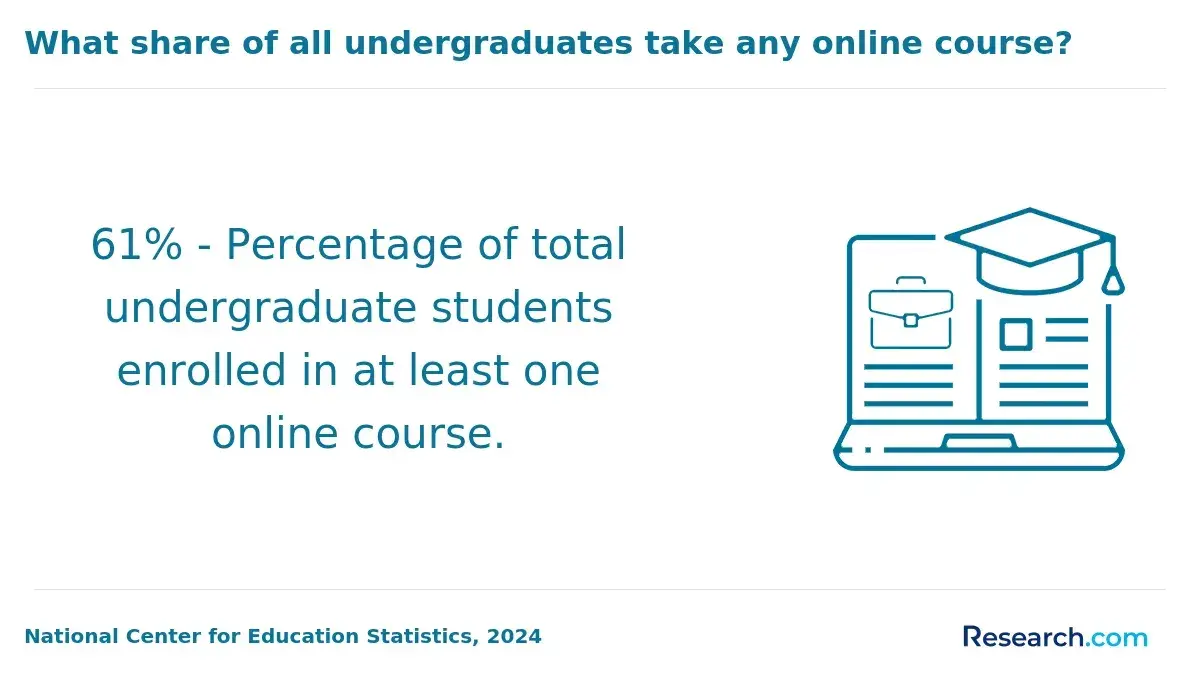
Recent data from the National Center for Education Statistics highlights a clear variation in degree completion rates across psychology program formats, with fully online students graduating at rates near 35-40%, hybrid learners around 50%, and traditional campus enrollees approaching 55-60%. These discrepancies reflect more than just scheduling flexibility; online students often confront isolation and must independently navigate complex coursework without the built-in support systems found on campus. Hybrid programs offer a middle ground by blending direct contact and adaptability, but the effectiveness of any format ultimately depends on institutional support structures and the student's self-discipline.
Beyond statistics, experiential elements like practicums and labs integral to psychology degrees tend to be more accessible and engaging in campus or hybrid settings, which can both motivate and challenge learners. For example, a student juggling full-time work and childcare might find the self-directed nature of an online program isolating, leading to diminished engagement and higher dropout risk, whereas the campus environment's immediate access to faculty and peers creates natural accountability that supports persistence and completion.
One psychology graduate recalled initially opting for an online degree due to a demanding job schedule but soon feeling disconnected from professors and classmates. When unexpected family responsibilities intensified, the lack of synchronous interaction made it difficult to stay motivated. Switching to a hybrid program midway provided structured weekly check-ins and face-to-face lab sessions, which renewed their commitment and eased balancing academic and personal demands. This experience underscored how specific format challenges can shape persistence and highlighted the importance of fit between a learner's circumstances and program design rather than format alone determining difficulty.
How Does Each Psychology Learning Format Affect Student Success?
Student success in psychology programs hinges largely on how well the chosen learning format matches a student's study habits, time constraints, and personal life demands rather than on the format itself. For instance, a working parent might excel in a hybrid setting that blends flexibility with occasional face-to-face support, whereas a recent high school graduate may thrive in the structured environment of a campus program. According to data from the National Student Clearinghouse Research Center in 2024, campus-based psychology students show higher overall persistence and graduation rates, highlighting the importance of engagement and consistent access to campus resources. Below are key ways that different learning formats influence student outcomes.
- Engagement and Accountability Drive Retention:Campus programs offer structured schedules and direct peer and instructor interaction, which fosters accountability and a community feeling that helps many students stay on track. Those who struggle with self-motivation may find fully online formats, which lack real-time engagement, especially challenging.
- Flexibility Supports Nontraditional Students:Online psychology programs provide critical flexibility for adults balancing jobs and families, though these students often face isolation and less immediate academic support. Institutions that invest in virtual advising and interactive tools can help mitigate these challenges.
- Resource Accessibility Affects Degree Completion:Campus learners benefit from instant access to libraries, counseling, and tutoring services, enhancing their academic persistence. Online learners succeed when institutions replicate these supports virtually, but gaps remain for some students in accessing timely help.
- Hybrid Models Balance Interaction and Flexibility:By combining online convenience with occasional in-person engagement, hybrid programs often match or exceed online-only completion rates. This format is ideal for students needing structured personal interaction but also demanding scheduling freedom.
- Motivation Relies on Personalized Support:Students in all formats perform better when schools offer tailored feedback, study groups, and mentoring. Those enrolled online without such supports face higher dropout risks due to feelings of disconnection and decreased motivation.
- Life Circumstances Influence Format Suitability:Students with caregiving responsibilities or full-time jobs generally fare better in flexible online or hybrid programs, while those with fewer outside commitments often benefit from the rigor and routine of campus settings.
- Program Design Impacts Outcomes:Intentional course structure in hybrid and online programs, including interactive activities and clear communication channels, can boost engagement and completion rates, narrowing the gap with campus programs.
How Does Enrollment Status Affect Psychology Completion Rates?
Enrollment status is among the most critical determinants of psychology degree completion, yet its influence extends beyond merely the number of courses taken. The impact of enrolling full-time or part-time varies significantly depending on a student's personal circumstances, including work commitments, family responsibilities, and financial considerations. Rather than assuming one enrollment pace fits all, it's essential for prospective students to assess how their individual situation aligns with the demands of full-time or part-time study. Here are key ways enrollment status shapes degree completion outcomes and what students should consider.
- Concentrated Study Time: Full-time students can dedicate consistent hours exclusively to their academics, which builds study momentum and reduces dropout risk. This advantage is especially noticeable in campus-based psychology programs where structured schedules and face-to-face interactions encourage persistence. For students able to commit, full-time status often leads to graduation rates above 65% according to data from the National Center for Education Statistics.
- Balancing External Obligations: Part-time enrollees, who frequently juggle work, family, or other responsibilities, face discontinuities in their study patterns that contribute to delays or attrition. Although flexibility is a key benefit of online and hybrid programs, part-time psychology students typically complete their degrees at rates closer to 40-50%. Students need realistic assessments of their ability to balance these demands.
- Program Format Compatibility: Hybrid programs offer a middle ground, mixing in-person engagement with flexible scheduling. This blend may enhance completion likelihood for part-time students by providing periodic structure without the full-time intensity, making it suitable for those who require flexibility but benefit from occasional campus presence.
- Employability and Time-to-Degree: Completing psychology studies full-time often shortens the time to graduation, potentially giving graduates an earlier start in the job market. This can improve employability prospects in fields where timely credentialing matters. However, the extended pathways typical of part-time study may better accommodate students needing financial or personal stability.
- Financial and Resource Access: Full-time enrollment can unlock access to certain financial aid packages and campus resources, such as counseling and research opportunities, which support academic success. Part-time students should verify what support structures are available to them if they choose slower progression.
- Psychological and Academic Momentum: Maintaining steady academic momentum is easier for full-time students immersed in their studies, as consistent coursework reinforces learning. Part-time students might benefit from setting smaller, manageable goals to sustain motivation over longer periods.
- Personal Capacity and Learning Preferences: Each student's unique capacity to manage stress, deadlines, and workload influences whether full-time or part-time enrollment fits best. For example, a working parent might find part-time online study more sustainable, especially when programs like a blockchain degree online illustrate how digital formats can enable progress despite limited availability.
Can Transfer Credits Improve Psychology Degree Completion?
Transfer credits can play a pivotal role in improving psychology degree completion rates, but the extent of their impact varies widely based on institutional policies and program structure. Data from the National Student Clearinghouse Research Center (2024) shows that students who transfer credits tend to graduate with a bachelor's degree approximately 15% faster within four years than those starting without any prior credits. This acceleration mainly stems from the ability to bypass redundant general education courses and focus earlier on advanced psychology coursework essential for professional preparation.
Consider a working adult who holds an associate degree or has completed military training with applicable credits. In an online psychology program, flexible transfer policies often allow such learners to skip foundational classes, reducing course load and enabling quicker progression. Conversely, campus-based or hybrid programs may have less flexible articulation agreements, requiring more stringent alignment of transferred courses with degree requirements, which can extend time-to-graduation if credits are only partially accepted.
Importantly, transfer credits are not a universal shortcut. Their effectiveness depends on how well credits match core curriculum needs, especially for foundational psychology courses. Students must carefully assess how many credits a program will accept and which degree milestones remain. One viable approach is requesting an official credit evaluation before enrollment, allowing learners to estimate remaining coursework and craft a realistic timeline aligned with their personal circumstances and pace.
Ultimately, transfer credits can ease financial and time pressures by eliminating duplicated coursework, thereby motivating students to persist and complete their degrees sooner. However, the decisive factor remains ensuring that these credits support comprehensive learning and competency development critical for long-term workforce success. Prospective psychology students should weigh transfer policies alongside program rigor and format flexibility to make informed decisions that align with both academic and professional objectives.
What Student Support Services Improve Psychology Completion Rates?
Student support services are essential in fostering persistence and degree completion across online, hybrid, and campus psychology programs. Each format presents distinct challenges, but targeted resources that address academic, social, and practical barriers significantly influence retention. The 2024 National Center for Education Statistics reports that proactive advising alone can boost retention by as much as 15% in online psychology students. The following support services have proven most impactful in helping students navigate the complexities of psychology degree completion.
- Proactive Academic Advising: Rather than waiting for students to initiate contact, advisors who reach out regularly help clarify academic pathways, identify potential obstacles early, and keep students engaged. This approach is especially vital for online learners managing competing demands.
- Peer Mentoring and Study Groups: Structured peer interactions combat isolation by fostering accountability and collaborative learning. Students benefit from sharing experiences and strategies, which reinforces motivation across all program formats.
- Targeted Tutoring for Psychology Content: Specialized tutoring that addresses both theoretical concepts and applied skills improves comprehension and confidence, directly impacting course completion rates.
- Access to Experiential Learning Opportunities: For hybrid and campus programs, hands-on workshops, lab sessions, and research projects provide deeper integration of learning with practice, which correlates with higher completion and preparedness for professional settings.
- Mental Health and Wellness Services: Given the emotionally demanding nature of psychology studies, accessible counseling and stress management resources reduce dropout linked to burnout or personal challenges.
- Career Counseling and Faculty Mentorship: Guidance linking academic progress to career trajectories helps students maintain focus on long-term goals, mitigating the risk of disengagement mid-program.
- Writing Support Tailored to Psychology Research: Writing labs adept at psychology-specific styles and expectations improve assignment quality and reduce frustration, a known factor in student persistence.
An online psychology graduate recalled her hesitancy early in the program when balancing a full-time job and family care. Initially overwhelmed, she found that regular check-ins from her assigned advisor helped her restructure study plans in response to unexpected work hours. Additionally, participation in an online peer mentoring group created a supportive space where experiences and coping strategies were exchanged. While she hesitated to use mental health resources at first, accessing virtual counseling during a stressful semester proved pivotal in maintaining her resolve. Her experience illustrates that the right combination of tailored support-not just academic instruction-plays a central role in overcoming the unique challenges facing psychology students across modalities.
How Do Psychology Completion Rates Affect Career Outcomes?
Completion rates for psychology degrees significantly affect career trajectories, especially regarding employment prospects, earnings, and educational advancement. Graduates who persist through to degree completion generally experience advantages that extend beyond the credential alone, as employers increasingly value demonstrated persistence and the ability to meet academic milestones. For those weighing different program formats, understanding these dynamics is crucial. Here are primary ways completing a psychology degree influences career outcomes:
- Higher job placement rates and initial earnings linked to degree completion: Graduates with completed bachelor's degrees in psychology are statistically more likely to secure employment in their field and command higher starting salaries compared to non-completers. Data from spring 2024 shows that degree completion correlates with a 20% increase in immediate job placement, reflecting the tangible advantage of the credential in competitive job markets.
- Promotion potential within the first five years after graduation: Campus-based programs, often with higher completion rates due to structured support systems, help students enter the labor market more competitively prepared. This readiness commonly translates into faster advancement compared to those who complete online degrees, where lower completion rates can delay workforce entry and earning momentum.
- Graduate school enrollment and long-term career mobility: Completing a psychology degree is a stronger predictor of acceptance into advanced study programs than the mode of study itself. Employers and admissions committees focus on the credential's attainment and persistence evidence. Students who finish on time generally find it easier to transition into graduate education, a key factor in achieving specialized roles and increased career mobility.
- Hybrid programs offer a balanced completion rate, mitigating some risks of online-only formats: By blending flexibility with occasional in-person support, hybrid psychology degrees foster a completion experience that rivals traditional campus programs. This can be critical for students balancing work or personal commitments, thus maintaining steady progress toward career goals.
- Early workforce integration leads to higher lifetime earnings and opportunity access: Finishing a degree sooner shortens the time before entering relevant jobs, which compounds earning growth and experience accumulation over time. Prospective students should weigh completion likelihood against program convenience to strategically position themselves for maximizing career success.
These factors surrounding psychology degree completion rates and career success can shape realistic expectations for students considering online, hybrid, or campus paths. For those interested in expanding their business expertise alongside psychology, exploring a master of finance online can create additional pathways into versatile career roles.
How Should Students Choose the Best Psychology Learning Format?
Selecting the best psychology degree format-online, hybrid, or campus-requires realistic alignment between individual circumstances and learning styles. Data from 2024 by the National Center for Education Statistics and the Urban Institute shows degree completion rates differ significantly by format, reflecting diverse student characteristics, work commitments, and preferences. For example, a working parent balancing a full-time job may find a fully online program more feasible, while a student seeking immersive peer interaction might thrive on campus. Below are critical factors to consider for choosing the best psychology degree format for student success.
- Structured Environment Needs: Campus programs often have higher completion rates because they provide consistent schedules, in-person faculty access, and peer support networks. Students who perform best with routine and immediate interaction may find campus settings more conducive to finishing their psychology degree.
- Flexibility for Work and Family: Online programs offer greater flexibility, allowing students to manage studies around jobs or caregiving. However, this format demands strong self-motivation and time-management skills; without these, completion rates tend to be lower.
- Balance of Engagement and Freedom: Hybrid formats blend face-to-face sessions with online learning, suiting students who value personal interaction but need some schedule adaptability. This format can foster adaptability and practical collaboration skills valued in the workforce.
- Alignment with Learning Style: Success correlates strongly with choosing a format that matches individual learning preferences. Visual and auditory learners may benefit from live campus lectures, whereas independent learners might excel online.
- Work Commitment Impact: Students working over 20 hours weekly historically face greater challenges completing campus-based programs but may succeed in hybrid or online formats that allow pacing adjustments.
- Career Preparation Considerations: Campus experiences often enhance teamwork and communication skills crucial for many psychology roles, while online credentials, when accredited, gain growing employer recognition.
- Institutional Resources Access: Immediate access to counseling services, research labs, and networking on campus can boost motivation and retention, a factor less accessible in purely online settings.
Choosing a format involves weighing flexibility, support systems, and personal motivation realistically. Prospective students might also explore fields related to technology and AI who often balance work and study through options such as an online PhD in AI, illustrating similar trade-offs in format choice.
What Are the Long-Term Pros and Cons of Each Psychology Learning Format?
Choosing between online, hybrid, and campus psychology degree formats means weighing how each option affects long-term academic completion and career readiness. Completion rates vary significantly, reflecting differences in engagement, flexibility, and support. Consider these key factors to evaluate which program best aligns with your personal situation and goals.
- Completion Rates and Accountability: Campus programs lead with over 70% completion due to structured schedules and face-to-face mentorship. Hybrid formats average around 60%, balancing flexibility with some in-person interaction. Online programs lag below 50%, often requiring stronger self-motivation to progress.
- Experiential Learning Opportunities: Hands-on practicum and research experiences are more accessible on campus, vital for clinical career paths. Hybrid students benefit moderately, while purely online learners face challenges securing equivalent real-world practice.
- Flexibility Versus Structure: Online formats excel in flexibility, suiting working adults or caretakers. Campus programs offer less adaptability but higher structure, improving focus and time management. Hybrids provide a middle ground for students needing both.
- Networking and Professional Connections: Campus environments foster robust peer and faculty networks, critical for career building. Hybrid models allow some direct connections, whereas online study limits informal interactions.
- Adaptability and Self-Discipline Demands: Online students require high self-regulation due to lack of immediate oversight. Hybrids demand switching between learning modes, which can be challenging but fosters adaptability. Campus learners benefit from constant external accountability.
- Career Readiness and Skill Development: Campus-trained students often emerge better prepared for roles demanding interpersonal skills and clinical experience. Hybrid pathways moderately develop these skills, while online routes may require supplemental training to reach similar readiness.
References
- Your Student Success Tutor: assisting students learning & motivation habits https://studentsuccesstutor.com/about-jason-hopkinson-your-student-success-tutor/
- | Knowledge Lust https://knowledgelust.com/how-to-self-learn-psychology-as-a-beginner-8-step-roadmap/
- Undergrad Application & Transfer Guide | Psychology.org https://www.psychology.org/resources/undergraduate-application-and-transfer-guide/
- 7 Reasons Introduction to Psychology Courses Provide the Best School Environment for Learning - The Effortful Educator https://theeffortfuleducator.com/2016/12/20/7-reasons-introduction-to-psychology-provides-the-best-school-environment-for-learning/
- Home https://www.psychologydegree411.com/
- Fastest Way to Finish a Psychology Degree Online https://www.collegetransitions.com/blog/fastest-way-to-finish-a-psychology-degree-online/
- What is the transfer policy? https://help.paloaltou.edu/what-is-the-transfer-policy
- Bachelor's in Psychology - Online/On Campus | Fisher College https://www.fisher.edu/academics/undergraduate-programs/psychology
- Degree Completion - Psychology - Simpson University https://simpsonu.edu/academics/degree-completion/psychology/
- Why Get a Psychology Degree Online? | University of Bridgeport https://www.bridgeport.edu/news/reasons-to-get-your-psychology-degree-online/
Other Things You Should Know About Psychology
Yes, the delivery format directly shapes pacing and workload, which are critical for completion. Online programs often offer asynchronous classes that allow flexible scheduling but require strong self-discipline to manage deadlines without regular in-person oversight. Campus programs, in contrast, follow a fixed schedule with structured class times that can help some students maintain consistent study habits. Hybrid formats blend these elements, but balancing both online and in-person requirements can add complexity, potentially impacting completion unless students are adept at managing hybrid demands.
While completion is paramount, employer bias can influence post-graduation opportunities, particularly in psychology roles where internships and networking play a heavy role. Campus degrees may offer stronger connections to internships and faculty endorsements that employers trust more readily. Online degrees increasingly gain acceptance, but students risk weaker hands-on experience and networking, which can affect career launches. Prioritizing programs with robust practicum or internship components, regardless of format, enhances both completion relevance and job prospects.
Peer interaction is a subtle but impactful factor in persistence and degree completion. Hybrid programs, while offering some face-to-face engagement, can suffer from fragmented community-building due to splitting time between formats. This fragmentation can reduce the social support and accountability that help students overcome academic obstacles. Programs that intentionally integrate cohesive peer collaboration opportunities tend to improve completion, so students should investigate how a hybrid program fosters sustained cohort engagement before committing.
For students constrained by time or other commitments, online programs often provide the most flexibility, which can improve completion odds if the student can manage independent learning effectively. However, pure online formats may compromise immersive experiences that develop practical psychology skills. Hybrid programs can offer a middle ground but demand careful scheduling coordination. Prioritizing rigor alongside flexibility means students should select programs with clear structures, accessible faculty, and integrated applied learning to avoid extended timelines or dropout risks.