2027 Psychology Degree Enrollment Trends by Age Group: Traditional Students vs Adult Learners

Co-Founder and Chief Data Scientist
Program accessibility and licensure requirements distinctly shape enrollment patterns in psychology degree programs across age groups. Traditional students typically enter undergraduate tracks aligned with direct pathways to clinical internships and licensing preparation, reflecting industry demands that project a 14% employment growth for psychologists through 2031.
In contrast, adult learners often prioritize flexibility due to workforce reentry and evolving career goals, yet face challenges meeting practicum intensity and credential inflation. These differences reveal how regulatory frameworks and labor market pressures filter participation by age, indicating a field adapting its educational models to balance rigorous credentialing with diverse workforce needs and evolving professional roles.
Key Things to Know About Psychology Degree Enrollment Trends by Age Group
- Adults enrolling in psychology programs often balance work and study, prolonging degree completion; this tradeoff affects career entry timing and may delay full workforce integration compared to younger peers.
- Employers tend to value traditional-age psychology graduates for internship experience, highlighting a potential gap for adult learners whose practical exposure may be limited by outside commitments.
- The 2024 National Center for Education Statistics reported a 12% rise in adult psychology enrollments, revealing expanding access but also increased competition for flexible, affordable program options that accommodate nontraditional schedules.
- Key Things to Know About Psychology Degree Enrollment Trends by Age Group Key Things to Know About Psychology Degree Enrollment Trends by Age Group
- Which Age Groups Represent the Largest Share of Psychology Students? Students by Age Group
- Why Do Traditional Students Choose Psychology Degree Programs? Traditional Students
- Why Do Adult Learners Return to School for a Psychology Degree? Adult Learners
- How Do Academic Goals Vary Between Younger and Older Psychology Students? Academic Goals by Age Group
- How Do Financial Concerns Differ Between Traditional Students and Adult Learners? Financial Concerns by Age Group
- What Challenges Do Adult Learners and Traditional Students Face While Earning a Psychology Degree? Student Challenges by Age Group
- How Does Age Affect Psychology Degree Student Retention? Age and Student Retention
- Which Psychology Specializations Are Most Popular Among Adult Learners? Top Specializations for Adult Learners
- How Does Age Affect Job Opportunities for Psychology Graduates? Impact of Age in Job Opportunities
- What Do Current Psychology Enrollment Trends Reveal About Future Demand? What Do Current Psychology Enrollment Trends Reveal About Future Demand?
Which Age Groups Represent the Largest Share of Psychology Students?
Psychology programs draw students from a range of age groups, yet enrollment largely clusters within specific demographics shaped by career timing, financial readiness, and access to educational pathways. The distribution of students by age mirrors systemic workforce entry patterns and structural incentives rather than purely academic preference.
Understanding these enrollment dynamics helps clarify why certain age groups dominate psychology degree enrollment by age group.
- Ages 18-24: This traditional college-age group forms the largest segment of psychology students, driven by the common trajectory of pursuing undergraduate education immediately after high school. Institutional financial aid and campus resources are often tailored to full-time engagement, facilitating immersive academic experiences and early career development. Their enrollment concentration reflects both educational structures and workforce entry timing aligned with foundational psychology training.
- Ages 25-34: Adult learners in this bracket represent a growing share, frequently enrolling in graduate or continuing education programs. Their participation often correlates with career transitions or advancement needs, balancing education with work and family obligations. Demand from this group underscores the importance of flexible learning formats such as part-time or online offerings, which accommodate shifting adult responsibilities.
- Ages 35-44: This cohort maintains a smaller yet notable presence, typically pursuing specialized credentials to elevate leadership potential or pivot professionally. Their enrollment patterns highlight practical investments based on established career insight and targeted skill enhancement rather than exploratory undergraduate study.
- Ages 45 and older: While smallest in proportion, this demographic reflects niche professional goals or personal fulfillment pursuits. They gravitate toward adaptable programs that can integrate with significant professional and family commitments. The presence of this group signals increasing recognition of lifelong learning as part of workforce evolution.
The overarching enrollment trends spotlight a clear divide in educational accessibility and workforce alignment: younger students leverage structured academic pathways supported by institutional frameworks, while older learners prioritize adaptable programs responsive to complex life demands. Employers often value the practical experience brought by adult learners but expect contemporary academic skills-a balance that informs program design and delivery.
For example, many psychology students in later age groups find that flexible programs, including those highlighted in AI degree programs, exemplify the adaptability needed for successful adult higher education.
Why Do Traditional Students Choose Psychology Degree Programs?
Traditional students often choose psychology degree programs due to a combination of intellectual curiosity and strategic early career planning. The field's integration of scientific inquiry with practical human behavior understanding offers a compelling academic challenge that also signals versatile skills to potential employers and graduate schools.
For many, psychology serves as an exploratory foundation allowing them to refine interests in mental health, social services, or organizational behavior while maintaining clear pathways toward licensure or advanced degrees. According to the 2024 National Center for Education Statistics report, psychology remains among the top five bachelor's degrees awarded to 18-24-year-olds, reflecting strong appeal among younger learners who recognize its relevance across diverse sectors.
Deeper factors influencing enrollment include university recruitment efforts emphasizing the field's employability and role in addressing societal needs, as well as guidance counselors who highlight psychology's balanced curriculum during college advising. Exposure to psychology coursework in high school or introductory college classes often shapes perceptions of the discipline's accessibility and practical value.
Additionally, traditional students may be influenced by labor market expectations that associate psychology degrees with steady demand in healthcare, education, and human resources roles. These dynamics align with documented trends showing the benefits of psychology degrees for younger learners in the US, who increasingly weigh enrollment decisions based on structured academic pathways linked to early professional outcomes, rather than solely personal interest or general major popularity.
For those exploring foundational credentials, programs offering the easiest 2-year degree to get also inform comparative considerations among students assessing optimal educational routes.
Why Do Adult Learners Return to School for a Psychology Degree?
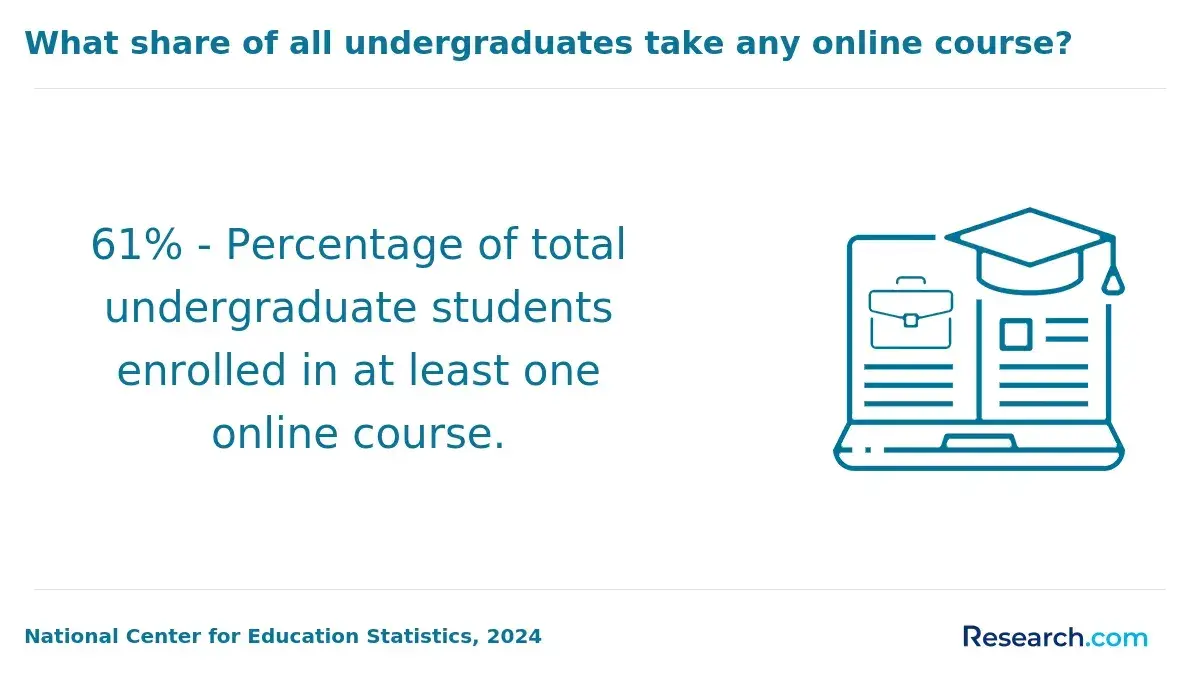
Adult learners return to school to pursue a Psychology degree primarily to navigate career transitions, seek wage growth, or fulfill advancing credential requirements within their fields. Unlike traditional students, they often have clearer occupational goals shaped by evolving labor market demands and personal economic considerations. Data from the National Center for Education Statistics in 2024 shows that approximately 38% of psychology degree candidates aged 25 and older are motivated by employability improvements or industry shifts.
This demographic frequently targets roles in counseling, human resources, or healthcare administration, where formal qualifications increasingly influence promotion eligibility and salary scales. Several factors support adult learners' return, including employer-sponsored tuition assistance and the accessibility of flexible online or part-time programs that accommodate work and family obligations.
Shifts in industry standards, such as rising expectations for graduate-level credentials in clinical or social services, further drive engagement with advanced Psychology education. These learners also need up-to-date theoretical knowledge and practical skills to remain competitive amid technological changes and the expansion of mental health services across sectors. However, extended program durations and associated costs pose challenges that require careful evaluation against long-term career benefits and licensing prerequisites.
How Do Academic Goals Vary Between Younger and Older Psychology Students?
Younger psychology students often approach their studies with an emphasis on exploring broad academic concepts and building a foundational skill set that supports entry into graduate programs or research-oriented roles. Their objectives frequently include mastering theoretical frameworks, engaging in academic internships, and participating in campus-based research to enhance credentials for advanced study.
According to a 2024 report by the National Center for Education Statistics, 68% of students aged 18 to 24 prioritize acquiring foundational knowledge to prepare for these academic and professional trajectories. This demographic typically faces fewer external obligations, allowing them to focus on comprehensive educational experiences that foster long-term career potential but may delay immediate workforce engagement.
In contrast, adult psychology learners usually have defined career priorities shaped by existing professional experience and financial responsibilities. Approximately 74% of students aged 25 and older cite practical career advancement, role changes, or credential completion as their primary motivation for pursuing psychology degrees, often seeking skills with direct workplace application such as counseling techniques or applied behavioral methods.
These learners prioritize flexible program formats and certification pathways that align with established job demands, reflecting a pragmatic approach to education that balances work, family, and study commitments. Their academic goals are therefore more targeted and outcome-driven, emphasizing immediate relevance and integration into evolving labor market requirements.
An adult learner returning to school recounted how strategic timing became a critical factor in their decision-making during a rolling admissions application process. Initially hesitant due to inconsistent work hours and uncertainty about meeting prerequisites, the learner delayed applying until confident they could commit to both the academic workload and professional obligations.
The eventual acceptance felt like a necessary validation of their careful preparation and long-term planning, highlighting how adult students often navigate complex logistical and psychological barriers distinct from the more linear progression typical of younger peers.
How Do Financial Concerns Differ Between Traditional Students and Adult Learners?
Traditional psychology students, typically aged 18 to 24, often depend heavily on family support, scholarships, and financial aid packages to cover tuition and living expenses. This cohort faces tuition costs that are commonly offset by federally backed student loans, yet their financial concerns extend well beyond immediate expenses to include the long-term burden of debt.
According to data from the 2024 Student Finance Survey, 45% of traditional psychology students graduate with debt exceeding $30,000, a level that constrains early-career choices and geographic mobility. These financial dynamics underscore the importance of understanding the financial challenges faced by traditional psychology students, who often lack sustained income streams and rely primarily on borrowing to bridge funding gaps.
Adult learners, generally 25 years and older, confront a different set of financial pressures shaped by ongoing employment, family responsibilities, and established living costs. Many finance their psychology degree through personal income rather than loans or grants, reflecting a tendency to minimize new debt when balancing complex financial obligations like mortgages or childcare.
The opportunity cost of reduced work hours or delayed income weighs heavily on these students, influencing their enrollment decisions and program pacing. Employer tuition assistance programs and a preference for flexible schedules also play critical roles in how adult learners fund their education, reflecting a nuanced calculus that incorporates both immediate financial tradeoffs and the projected long-term benefits of completing a degree.
These divergent financial realities shape enrollment patterns and program selection in meaningful ways. While traditional students may favor on-campus programs with more straightforward funding mechanisms, adult learners often prioritize part-time or online options that can accommodate work-life balance despite potentially higher per-credit costs.
Such decisions are integral to managing lifetime economic outcomes, as the practical necessity of stable income during study can outweigh the tuition savings from accelerated timelines. Students exploring accelerated psychology programs might consider how these tradeoffs affect their financial and career projections beyond academic achievement alone.
What Challenges Do Adult Learners and Traditional Students Face While Earning a Psychology Degree?
Traditional students pursuing a psychology degree primarily face challenges tied to transitioning into a structured academic environment and developing effective study habits necessary for college-level work. Many of these students juggle coursework alongside social and mental health pressures common to young adults, with about 30% reporting anxiety related to academic and social adjustment, according to the National Center for Education Statistics (2024).
Although traditional students often benefit from family support or institutional financial aid, rising tuition costs influence decisions around course loads and time to degree completion. Their relatively greater availability for full-time study contrasts with the need to quickly establish discipline-specific skills and manage increasing academic expectations.
In contrast, adult learners encounter a distinct set of obstacles shaped by their complex life responsibilities, including sustained employment and caregiving roles. Roughly 60% of adult psychology students maintain full-time jobs during their studies, significantly constraining the time available for academic engagement and consistent progress.
Financial pressures are intensified by a reliance on self-funding and limited access to traditional aid, which, combined with the need to reacclimate to academic environments, contributes to higher dropout considerations-nearly 45% report contemplating withdrawal due to inadequate institutional support tailored to their unique challenges. These external demands often hinder opportunities for hands-on experiences valued by employers, such as internships, complicating career readiness post-graduation.
Addressing these divergent needs requires institutions to adapt flexible learning models and differentiated advising that recognize the lifecycle-specific tradeoffs each group faces. Incorporating asynchronous coursework, targeted mental health resources, and employer-aligned skills development can better support psychological studies across traditional and adult student populations.
Such adaptations not only improve retention and completion rates but also align program accessibility with the evolving realities of diverse student demographics navigating the persistence and applicability of psychology credentials in today's workforce.
How Does Age Affect Psychology Degree Student Retention?
Younger psychology students often struggle with retention due to the challenge of adapting to rigorous academic expectations and an evolving sense of motivation. During freshman and sophomore years, many encounter difficulties balancing coursework with social distractions and uncertainty regarding career goals, which can disrupt persistence.
Early engagement with college-level study habits and a clear sense of professional direction tend to be underdeveloped in this group, increasing dropout risk. According to the 2024 National Center for Education Statistics, retention rates for students aged 18-24 in psychology programs hover around 62% within six years, reflecting these transitional challenges.
In contrast, adult learners typically maintain higher retention, around 72%, driven by well-defined objectives and practical perspectives shaped by life and work experience. However, their progress is often constrained by competing responsibilities such as employment and family care, making flexible scheduling and program accessibility crucial for continued enrollment.
Adult students' ability to contextualize psychological concepts through real-world applications supports sustained commitment, though balancing external demands can delay completion. Institutional accommodations like part-time options and online courses significantly influence retention outcomes for this demographic by reducing attrition risks associated with time constraints.
A recent psychology graduate recalled hesitating to accept an offer during the rolling admissions process because they needed time to assess financial aid options and work commitments, delaying enrollment by several months. This pause introduced stress about securing a spot and meeting prerequisites on time, yet ultimately allowed for better preparation and scheduling alignment.
Their experience highlights how timing, readiness, and external pressures intersect intricately with retention, particularly for non-traditional students navigating education later in life.
Which Psychology Specializations Are Most Popular Among Adult Learners?
Adult learners pursuing psychology degrees often prioritize specializations linked to immediate career mobility, practical skill application, and clearer pathways for workforce re-entry. Many return to education with existing professional experience or within mid-career shifts, driving them toward fields that offer tangible job placement and salary advancement opportunities.
These preferences reflect the need to balance upskilling with family or work commitment constraints, eliminating specializations that require extended training or less direct employment outcomes.
- Clinical Psychology: Adult learners gravitate toward clinical psychology due to its direct applicability in mental health services and counseling roles, which remain in steady demand. Work experience in healthcare or social services often complements this path, enhancing eligibility for licensure and therapy-related positions with competitive salaries.
- Counseling Psychology: This specialization appeals to those aiming for workforce sectors focused on community support and personal development. Its practical, applied framework suits returning students seeking immediate relevance to roles in rehabilitation, school counseling, or employee assistance programs.
- Industrial-Organizational Psychology: Often chosen by professionals with business or HR backgrounds, this field leverages psychological principles to address workplace challenges. Adult learners here seek enhanced leadership credentials and quantitative skills to transition into organizational development or training management.
- Forensic Psychology: Though less common due to extensive post-degree certifications, adult learners interested in legal or criminal justice intersections pursue this area for niche career roles requiring specialized expertise.
- Health Psychology: Increasingly relevant amid healthcare system expansions, this specialization attracts adults focused on improving patient outcomes and behavioral health through applied psychological methods, often aligning with public health experience.
Data from the National Center for Education Statistics highlights that nearly 60% of psychology adult learners enroll in clinical and counseling psychology subfields, reflecting a distinct preference for applied, practice-oriented disciplines aligned with stable labor market demand. Adult learners balance these specialization choices against licensure requirements, skill refresh demands, and time constraints, differentiating their enrollment patterns from traditional-age students.
Those assessing pathways may also consider related fields, such as ASHA-approved online speech pathology programs, which similarly serve adult learners aiming at workforce-relevant credentials.
How Does Age Affect Job Opportunities for Psychology Graduates?
Younger psychology graduates, typically aged 18 to 24, benefit from structured pathways into the workforce that prioritize entry-level roles and internship opportunities closely tied to academic programs. These cohorts often leverage practicum placements and campus recruitment events to gain immediate exposure to relevant employment, aligning well with employer expectations for adaptability to workplace technology and culture.
Their early positioning in the career lifecycle allows for incremental skill development in widely accessible roles, which aligns with prevailing psychology graduate job market trends by age group. However, this youth advantage is frequently coupled with a need for more intensive on-the-job training and mentorship before independence in clinical or counseling settings.
Conversely, adult psychology learners bring previous professional experience and often navigate the job market with distinct priorities such as career transitions or specialization in niche fields like geropsychology. While their mature soft skills and life experiences can be assets, employers may express concerns about their flexibility in adapting to emerging psychological methodologies or technologies, contributing to documented hiring challenges; 15% of adult learners report age-related bias according to the U.S. Bureau of Labor Statistics (2024).
Navigating these dynamics requires deliberate networking and targeted credentialing, making continuing education crucial. Those seeking more accessible entry points to pivot into psychology might also consider alternative routes such as a forensic science degree online to complement or enhance their career trajectory.
What Do Current Psychology Enrollment Trends Reveal About Future Demand?
Shifts in enrollment trends within psychology degree programs reveal evolving perceptions of the field's career value and academic relevance. A notable rise in adult learners enrolling alongside traditional college-age students indicates growing recognition of psychology's applicability beyond academia, particularly as a practical credential for workforce entry or transition.
These patterns suggest enhanced demand for flexible delivery formats, such as online and part-time options, which better accommodate non-traditional students balancing work and family. Data from the National Center for Education Statistics in 2024 highlights this demographic diversification, reflecting a broader interest in applied psychology careers tied to mental health and behavioral services.
Enrollment trends also mirror labor market signals tied to expanding healthcare needs and workforce shortages in psychology-related roles. The U.S. Bureau of Labor Statistics projects a 14% growth in psychology occupations through 2032, underscoring increasing employer demand for practitioners skilled in counseling, research, and behavioral health interventions.
This rising market pressure is likely to influence program expansions, driving specialization development and applied learning to align training with industry requirements. Consequently, current psychology program enrollments provide a forward-looking indicator of both academic demand and evolving labor market dynamics shaping the education-to-employment pipeline.
References
- Does Higher Ed’s Value Proposition Resonate with Adult Learners? - UPCEA https://upcea.edu/does-higher-eds-value-proposition-resonate-with-adult-learners/
- Best Online Psychology Degrees for Adult Learners – 2026 https://www.collegetransitions.com/blog/best-online-psychology-degrees-for-adult-learners/
- Adult students present unique challenges for two-year colleges https://www.ruffalonl.com/adult-students-present-unique-challenges-two-year-colleges/
- Why Get a Psychology Degree Online? | University of Bridgeport https://www.bridgeport.edu/news/reasons-to-get-your-psychology-degree-online/
- What Will the Future of Clinical Psychology Look Like? | The Chicago School https://www.thechicagoschool.edu/insight/psychology/future-clinical-psychology-trends/
- The Benefits of College for Adult Learners - ReUp Education https://reupeducation.com/blog/the-benefits-of-college-for-adult-learners/
- The State of Psychology Education https://www.parinc.com/learning-center/par-blog/detail/blog/2024/07/09/the-state-of-psychology-education
- Adult Postsecondary Learners: Reviewing the Data and Evidence https://www.jff.org/idea/adult-learners/
- How To Choose A Psychology Program | Psychology.org https://www.psychology.org/resources/choosing-a-program/
Other Things You Should Know About Psychology
In 2027, mature learners often favor online psychology degree programs due to their flexibility, allowing them to manage existing responsibilities like work and family. Campus-based programs may offer less flexibility but provide more direct interaction with faculty and peers, which could be beneficial for those seeking a traditional college experience.
Traditional students typically have fewer outside obligations, which can make the psychology degree workload more manageable compared to adult learners juggling jobs and family. Adult students may face greater strain balancing coursework with personal responsibilities, which could lead to longer program completion times or affect performance. Programs designed with adult learners in mind that offer part-time paths or modular courses can mitigate this, but traditional students usually benefit from immersive, full-time study structures.
Traditional students generally experience peer groups closer in age and life stage, which can foster shared cultural perspectives and streamlined collaboration but may limit exposure to diverse viewpoints. Adult learners often bring greater heterogeneity in age and background, enriching class discussions with varied real-world insights. Prospective students should decide whether they prefer an environment that reflects their own demographic for easier social integration or one that challenges them with broader perspectives valuable in applied psychology careers.
Yes, programs that embed internships or practicum components are crucial for adult learners seeking to build relevant experience despite starting later in their careers. These opportunities help bridge academic knowledge with practical skills and are highly valued by employers in psychology fields. Without structured, accessible internships, adult students may face tougher transitions into psychology roles, making program selection with clear experiential learning pathways a key factor for long-term employability.