2027 Online Computer Science Degree Master's Programs with Monthly Start Dates & Financial Aid

Co-Founder and Chief Data Scientist
Choosing an online master’s in computer science is often a timing decision as much as an academic one. If you are working full time, changing careers, or trying to move quickly into software, data, AI, cybersecurity, or systems roles, waiting several months for a fall or spring intake can slow your plans. Monthly start dates can reduce that delay, but they also require closer attention to admissions timing, course pacing, financial aid disbursement, and employer reimbursement rules.
This guide explains how online computer science master’s programs with monthly start dates work, what applicants usually need to qualify, how FAFSA and scholarships may apply, and how to compare the cost against career value. Recent data shows that 57% of online computer science master’s students prefer programs with multiple start dates because they need to balance work and education. The goal is to help you decide whether this flexible format fits your schedule, budget, and long-term career plans.
Key Benefits of Online Computer Science Degree Master's Programs with Monthly Start Dates & Financial Aid
- Monthly start dates allow students to begin master's programs without waiting for traditional semesters, reducing delays in career advancement.
- These programs offer flexible scheduling ideal for working professionals balancing jobs and family, increasing accessibility to advanced education.
- Financial aid options, including scholarships and loans, make graduate education more affordable, supporting diverse student enrollment in accredited programs.
What Are Online Computer Science Master's Programs With Monthly Start Dates?
Online computer science master’s programs with monthly start dates are graduate programs that allow admitted students to begin coursework at the start of many months during the year instead of waiting for a traditional fall, spring, or summer term. The main advantage is speed: qualified students can move from application to enrollment more quickly, which is useful when a job opportunity, employer benefit, or career transition has a tight timeline.
A recent report showed that online graduate programs with flexible enrollment options have increased by over 30% in recent years. For computer science students, this format is especially relevant because technical skills can become outdated quickly, and professionals often need a program that fits around product deadlines, certification goals, family responsibilities, or changing work schedules.
- Flexible enrollment cycles: Students may be able to start coursework almost any month, reducing the idle time between admission and the first class.
- Accelerated course formats: Some programs use shorter, intensive terms. This can help motivated students finish faster, but it may also require stronger weekly time management.
- Continuous admissions review: Applications are often reviewed as they are completed, which can lead to faster decisions than fixed-deadline programs.
- Better fit for working professionals: Monthly starts often pair with asynchronous online classes, allowing students to complete lectures, assignments, and projects around work commitments.
- Financial aid coordination: Eligible programs may still offer federal, institutional, or employer-based aid, but students need to confirm how disbursement dates align with nontraditional academic calendars. If you are comparing funding patterns across online graduate fields, resources such as an online master’s program funding guide can provide useful context, though computer science applicants should verify aid rules with their own school.
The trade-off is that flexibility does not remove planning. Students still need to meet prerequisite, transcript, financial aid, and registration deadlines before their preferred monthly start. The best candidates for this format are organized learners who want a faster entry point but can handle compressed courses and frequent administrative checkpoints.
What Are the Admission Requirements for Monthly Start Online Computer Science Master's Students?
Admission requirements for monthly start online computer science master’s programs are usually similar to those for semester-based programs. The difference is not the academic standard; it is the timing. Applicants still need to prove they can handle graduate-level work in programming, algorithms, systems, mathematics, and applied computing. About 72% of online graduate students in the U.S. utilize financial aid, so meeting admission requirements on time can also affect when funding becomes available.
- Bachelor’s degree: Most programs require a bachelor’s degree from an accredited institution. A computer science, software engineering, information systems, mathematics, or engineering background is often preferred, but some programs consider applicants from other fields.
- GPA expectations: A minimum undergraduate GPA of 3.0 to 3.2 on a 4.0 scale is often required. Applicants below that range may need stronger professional experience, prerequisite grades, or additional materials.
- Prerequisite coursework: Common prerequisites include programming, data structures, algorithms, discrete mathematics, and sometimes computer organization or calculus. Students without these courses may need to complete bridge or foundation courses before taking advanced graduate classes.
- Standardized tests: Some programs still request GRE scores, particularly for applicants with limited technical coursework. However, many monthly start computer science master’s application requirements now waive GRE scores for candidates with strong academic records or relevant professional experience.
- Supporting documents: Applicants usually submit official transcripts, a resume or CV, a statement of purpose, and letters of recommendation. Programs may also ask for a portfolio, coding experience, or evidence of technical employment.
Applicants without a computer science degree should focus on readiness, not just eligibility. A strong application explains how prior coursework, work projects, certifications, or self-directed learning prepared the student for graduate-level computing. Students who also need to confirm aid eligibility can review broader FAFSA-related school considerations through resources on online colleges that accept FAFSA, then confirm the specific computer science program’s status with the financial aid office.
Are There Application Deadlines for Monthly Start Computer Science Master's Programs?
Yes. Monthly start programs are more flexible, but they are not deadline-free. More than 60% of online graduate programs now offer rolling admissions or similarly flexible enrollment options, yet students still need to allow enough time for application review, transcript processing, financial aid packaging, orientation, and course registration.
In practice, a “monthly start” usually means the school has repeated intake points. To join a specific start date, applicants may need to complete all requirements several weeks in advance.
- Rolling admissions: Applications are often evaluated as they arrive. This can shorten the waiting period, but popular start months may still fill.
- Internal cutoff dates: Even when there is no traditional deadline, schools may set document deadlines for transcripts, recommendations, aid forms, or enrollment deposits.
- Financial aid timing: FAFSA processing, loan counseling, and aid disbursement can take time. Applying late may force a student to delay enrollment or pay out of pocket temporarily.
- Course availability: Not every course may run every month. Students should ask whether their first-term courses are guaranteed for the preferred start date.
- Orientation and advising: Many programs require new students to complete advising or onboarding before registration opens.
A professional preparing to enroll in an online computer science master’s degree with monthly start dates described the process this way: “It’s convenient not having a strict deadline, but I realized I needed to stay proactive, submitting my application early to avoid last-minute hurdles.” His experience highlights a common issue: flexibility can create a false sense of extra time. The safest approach is to work backward from the desired start month and set personal deadlines for transcripts, recommendations, FAFSA submission, and employer approval.
Are Monthly Start Online Master's Programs More Expensive Than Traditional Ones?
Monthly start online master’s programs are not automatically more expensive than traditional semester-based programs. The average tuition for such flexible start programs typically falls between $15,000 and $40,000 overall. What changes most often is how tuition is billed, when fees are due, and how quickly students complete courses.
Cost comparison should focus on total program cost, not only the advertised per-credit price. Students should also ask how technology fees, course materials, graduation fees, and repeated enrollment periods affect the final amount.
- Per-credit tuition: Many online programs charge by credit hour, similar to traditional programs. The total cost depends on the number of credits required and whether foundation courses are added.
- Administrative fees: Programs with frequent start dates may charge fees tied to enrollment processing, student services, or continuous support.
- Technology fees: Online learning platforms, remote labs, software access, and digital resources may carry separate charges.
- Acceleration potential: Students who take courses back-to-back may finish sooner, which can reduce indirect costs such as time away from higher-paying roles or delayed career mobility.
- Pacing risk: Taking fewer credits at a time can make monthly payments easier, but it may extend the program and delay the career benefits of finishing.
When comparing schools, look at tuition, required credits, fees, transfer-credit rules, and aid availability together. A guide to computer science degree cost can help you frame affordability questions before speaking with admissions or financial aid staff. Students comparing pricing structures across online degrees may also find it useful to review how costs are discussed in other fields, such as an online business degree affordability guide, while keeping the focus on computer science-specific requirements.
What Payment Options Are Available for Online Master's Degrees With Flexible Enrollment?
Online master’s degrees in computer science with flexible enrollment often give students more than one way to manage tuition. Instead of one large bill each semester, some programs allow payments by course, by month, or through installment plans. Nearly 70% of graduate students combine multiple funding sources, so most students should expect to build a payment strategy rather than rely on a single option.
- Installment payment plans: These plans divide tuition into monthly or quarterly payments. They can reduce short-term pressure but may include setup fees or strict payment dates.
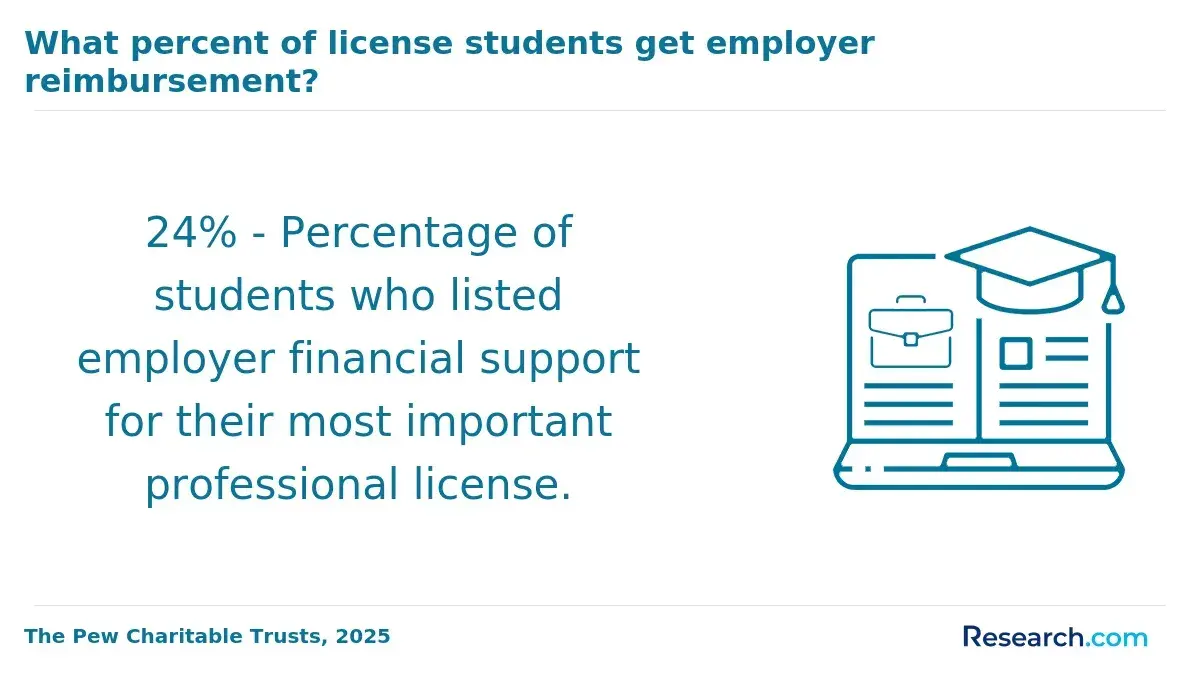
- Employer sponsorship or reimbursement: Some employers pay tuition directly, while others reimburse students after successful course completion. Prior approval is often required.
- Federal student aid: Eligible graduate students may use federal loans if the institution and enrollment status qualify.
- Institutional aid: Schools may offer scholarships, grants, tuition discounts, or partnership pricing for certain applicants.
- Personal financing: Private loans or education lines of credit can cover gaps, but students should compare interest rates, repayment terms, and borrower protections carefully.
- Pay-as-you-go tuition: Some programs let students pay only for the courses they take in a given enrollment period, which can help those who need to slow down temporarily.
A graduate of a monthly start online computer science master’s program said the payment structure reduced stress while she balanced full-time work and family responsibilities. “It wasn’t just about convenience,” she explained. “Having options meant I could focus more on learning rather than worrying about finances.” Her experience points to an important decision factor: the best payment option is not always the one with the lowest immediate bill. Students should compare total cost, timing, employer reimbursement rules, and the risk of taking on debt before enrolling.
Do Monthly Start Computer Science Master's Programs Qualify for FAFSA?
Monthly start computer science master’s programs can qualify for FAFSA-based federal financial aid, but only if the school and student meet federal eligibility rules. The start-date model itself is not the deciding factor. Nearly 41% of graduate students use federal aid to support their education, and students in flexible online programs may be eligible when the institution is properly accredited and the program participates in federal aid.
- Institutional accreditation: The school must hold accreditation from a U.S. Department of Education-recognized agency. Students should confirm this through the institution and federal aid resources before applying.
- Federal aid participation: Not every accredited school or program necessarily participates in every aid option. Students should ask the financial aid office whether the specific online computer science master’s program is eligible.
- Enrollment status: Students usually need to maintain at least half-time enrollment to qualify for many forms of federal aid. Monthly or accelerated calendars can make this calculation less obvious, so confirm how the school defines half-time status.
- Correct FAFSA year: Students must file the FAFSA for the appropriate academic year and include the institution’s federal school code.
- Loan eligibility: Graduate students may be eligible for federal loans such as Direct Unsubsidized Loans and Grad PLUS Loans, provided they meet enrollment, citizenship or eligible noncitizen, satisfactory academic progress, and other federal requirements.
- Disbursement timing: Aid may not arrive at the same time tuition is due, especially in nontraditional calendars. Students should ask when funds disburse and whether short-term payment arrangements are available.
The most important step is verification before enrollment. Ask the financial aid office three direct questions: whether the program is FAFSA-eligible, how half-time enrollment is defined for monthly starts, and when aid will be disbursed for your intended start date.
What Scholarships Are Available to Students of Online Computer Science Master's Programs With Monthly Start Dates?
Students in online computer science master’s programs with monthly start dates may qualify for many of the same scholarships available to other graduate students. About 40% of graduate students benefit from scholarships or institutional aid, making it worth searching before relying only on loans. The key is to confirm whether each award applies to online, part-time, accelerated, or nontraditional-calendar students.
- Merit-based scholarships: These awards recognize strong academic records, professional accomplishments, technical portfolios, or leadership experience.
- Departmental scholarships: Computer science departments may offer awards for students with research potential, strong technical preparation, or interest in priority areas such as cybersecurity, data science, AI, or software engineering.
- Professional association scholarships: Industry and technology organizations may fund graduate students who meet criteria related to field, membership, career goals, or community involvement.
- Diversity scholarships: These awards support students from underrepresented groups in computer science and may be offered by universities, nonprofits, employers, or professional organizations.
- Institutional awards: Universities may offer need-based aid, alumni discounts, partner-employer discounts, or scholarships designed specifically for online learners.
Because monthly start programs operate on repeated enrollment cycles, scholarship timing matters. Some awards may be reviewed only once or twice per year even if the program admits students monthly. Applicants should ask whether they need to apply for scholarships before admission, after admission, or before a specific course start date.
Does Employer Tuition Reimbursement Cover Monthly Start Online Computer Science Master's?
Employer tuition reimbursement can cover monthly start online computer science master’s programs, but coverage depends on the employer’s policy. Approximately 66% of graduate students who are employed take advantage of employer tuition benefits. For working technology professionals, this can be one of the most valuable ways to reduce out-of-pocket cost, especially when the degree supports the employee’s current role or promotion path.
- Employment status: Employers may require full-time status, minimum tenure, good standing, or continued employment for a period after reimbursement.
- Accreditation: Many policies require the institution to be accredited. Some employers also require the program to be degree-granting rather than certificate-only.
- Job relevance: Computer science coursework should connect clearly to the employee’s role, department needs, or approved career development plan.
- Annual reimbursement limits: Employers often set yearly caps. Monthly starts can help students spread courses across benefit years, but this must be planned carefully.
- Preapproval requirements: Many employers require approval before the course starts. Enrolling first and asking later can lead to denied reimbursement.
- Grade and completion rules: Reimbursement may depend on earning a minimum grade and submitting receipts, transcripts, or proof of payment.
Before enrolling, employees should request the written reimbursement policy and ask HR whether monthly or accelerated terms are treated differently from semesters. If prerequisite coursework is needed before graduate admission, lower-cost foundational options discussed in resources such as associate degree program guides may help some students plan their academic preparation, though employer reimbursement rules should still be confirmed in advance.
What Industries Hire Graduates From Online Computer Science Master's Programs?
Graduates from online computer science master’s programs can work across industries that depend on software, data, infrastructure, automation, security, and advanced computing. The field is growing rapidly, with an estimated 22% increase in employment for computer and information research scientists. Employers generally care less about whether the degree was completed online and more about whether the program is accredited, rigorous, technically current, and supported by strong project or work experience.
- Information technology: Graduates may work in software engineering, systems architecture, cloud infrastructure, DevOps, database systems, network engineering, or enterprise platforms.
- Finance and banking: Employers use computer science talent for secure transaction systems, fraud detection, quantitative tools, data pipelines, cybersecurity, and automation.
- Healthcare: Graduates contribute to health informatics, medical data systems, telemedicine platforms, privacy-focused systems, and analytics that support patient care.
- Government and defense: Roles may involve cybersecurity, secure communications, data analysis, intelligence systems, and mission-critical software.
- Telecommunications: Computer science graduates help build and maintain communication networks, mobile systems, distributed platforms, and network-management software.
Monthly start programs can be especially useful for professionals who need to upskill while staying employed in one of these sectors. The strongest candidates often pair the degree with evidence of applied ability, such as a capstone project, GitHub portfolio, research work, internships, certifications, or measurable results from technical projects at work. Students comparing technology-linked career paths may also review adjacent online options, such as a construction management degree online, when their goals involve technical leadership in infrastructure, operations, or project-based industries.
Is an Online Computer Science Master's Degree With Monthly Start Date Worth the Cost?
An online computer science master’s degree with a monthly start date can be worth the cost if it helps you reach a specific career goal faster and the total price fits your financial plan. The value is strongest for students who need advanced technical credentials for software engineering, data science, cybersecurity, AI, cloud computing, research, leadership, or specialized computing roles.
The monthly start format adds value when timing matters. If waiting for a traditional semester would delay a promotion, employer reimbursement window, job transition, or skills upgrade, a flexible start date can reduce opportunity cost. However, flexibility alone does not make a program worthwhile. Students should evaluate accreditation, curriculum depth, faculty expertise, graduate outcomes, project quality, support services, and total cost.
From a financial perspective, these programs often combine competitive tuition with scholarships, assistantships, employer reimbursement, or federal aid options. Students should compare the full cost against realistic career benefits rather than assuming a degree will automatically pay off. Key questions include: Will the program teach skills employers currently request? Can you complete it without excessive debt? Does your employer recognize the credential? Are graduates moving into roles similar to the ones you want?
Data from a 2023 study shows that 85% of graduates from online master’s programs experienced salary increases within two years. That figure supports the potential value of graduate online education, but individual outcomes vary by prior experience, specialization, location, employer demand, and how well students apply the degree to career advancement. The best decision is one based on program quality, affordability, and a clear professional plan.
What Graduates Say About Online Computer Science Degree Master's Programs with Monthly Start Dates & Financial Aid
- : "Choosing an online computer science master’s program with a monthly start date was a game changer for me because it allowed immediate enrollment without waiting for traditional semester cycles. The flexibility to align financial aid with these rolling admissions made managing tuition much smoother throughout my studies. Since graduating, I’ve seen a significant boost in my tech career, especially in roles requiring adaptive problem-solving skills. — Benny"
- : "Reflecting on my journey, the monthly start date for the online computer science program provided the perfect opportunity to commence my education without delay, fitting neatly around my work commitments. Opting for financial aid tailored to this schedule relieved much of the financial stress that often accompanies graduate studies. This strategic timing and support enabled me to pivot professionally, leading to a promotion within my company. — Greyson"
- : "Professionally, I found that enrolling in an online computer science master’s program with monthly starts offered unmatched convenience, which was essential given my unpredictable work hours. I carefully selected financial aid that synchronized with the program’s unique schedule, ensuring seamless funding. This combination not only helped me finish on time but also opened doors to advanced programming roles I previously thought were out of reach. — Cooper"
Other Things You Should Know About Computer Science Degrees
While monthly start dates allow flexible entry points throughout the year, most online computer science master's programs still follow a set academic schedule with defined course durations. Some programs offer asynchronous learning, enabling students to complete coursework according to their personal schedules within a given term. True self-paced completion varies by institution, so prospective students should verify program policies regarding pacing.
Many online computer science master's programs incorporate virtual labs, project work, or industry collaborations to fulfill practical experience requirements. Some programs may offer optional or required internships, which can often be completed remotely or locally at the student's convenience. The availability and format of experiential learning opportunities depend on the school's curriculum and partnerships.
Online computer science master's programs with monthly start dates typically offer robust career services, including resume workshops, interview preparation, and networking opportunities. These services are designed to assist graduates in securing relevant employment in the tech industry shortly after completing their degree.
References
- Scholarships for Online Computer Science Students https://www.onlinecolleges.me/financial-aid/scholarships/computer-science/
- computer science, second-cycle studies using distance learning methods and techniques - PJAIT https://pja.edu.pl/en/informatyka/studia-ii-stopnia-z-wykorzystaniem-metod-i-technik-ksztalcenia-na-odleglosc/
- Online MSc Computer Science: Admissions, workload and benefits explained https://www.hw.ac.uk/news/blog/2026/online-msc-computer-science-admissions-workload-and-benefits-explained
- Today's Top Computer Science Careers and Fields https://www.onlinemastersdegrees.org/careers/computer-science-cs/
- Remote Computer Science Jobs https://www.workingnomads.com/remote-computer-science-jobs
- 2026 Most Affordable Online Master's Degrees in Computer Science https://www.onlineu.com/most-affordable-colleges/computer-science-masters-degrees
- Computer Science Master's Degree https://www.fullsail.edu/degrees/computer-science-master
- Erasmus Mundus Computer Science Programs | 2026 Update https://applyindex.com/financial-aid/erasmus-mundus-computer-science/
- 14 Best computer science graduate jobs in remote (Hiring Now!) | Workopolis https://www.workopolis.com/search
- Start an online degree within weeks https://www.walbrook.ac.uk/degrees/studying-with-us/learning-online/flexible-start-dates/