2027 Financial Technology Degree Completion Time Report: How Long Students Actually Take to Graduate

Co-Founder and Chief Data Scientist
Degree completion timelines for financial technology students often diverge sharply from published program durations due to factors like part-time enrollment, workforce commitments, and varied prior academic credits. In 2024, the National Center for Education Statistics reported that adult learners are increasingly balancing education with professional responsibilities, which can extend time to graduate.
Transfer students face credit evaluation discrepancies that delay progression, while evolving curriculum demands in fintech fields introduce course sequencing challenges. This analysis examines these real-world dynamics affecting how long students take to graduate, highlighting trends and obstacles that shape practical completion expectations for financial technology degrees.
Key Things To Know About Financial Technology Degree Completion Time
- More accurate salary and ROI planning: Financial Technology (FinTech) completion time can vary based on internships, coding bootcamp-style coursework, or certifications (financial modeling, blockchain, data analytics) layered onto the degree — knowing the realistic timeline helps students project when they'll actually enter the workforce, since technical and finance-hybrid skills often correlate with stronger starting salaries in this fast-growing field.
- Smarter scheduling around cross-disciplinary coursework: Because FinTech programs blend finance, computer science, and data analytics requirements across departments, completion time data helps students and advisors coordinate course sequencing to avoid prerequisite bottlenecks or scheduling conflicts between technical and finance-track courses.
- Clearer career outcome tradeoffs: Comparing completion time against job placement rates and starting salaries across paths (financial software development, quantitative analysis, blockchain/crypto, digital banking) can reveal whether students who take extra time for internships or specialized coding/finance certifications land stronger job offers — helping future students weigh a faster degree against the technical depth many top-paying FinTech roles require.
- What Is the Average Graduation Time for Financial Technology Students? Average Graduation Timeline
- What Factors Have the Biggest Impact on Graduation Speed? Graduation Timeline Factors
- How Does Full-Time Versus Part-Time Enrollment Affect Graduation Timelines? Full-Time vs. Part-Time Graduation Timeline
- Do Online Financial Technology Students Graduate Faster Than Campus-Based Students? Online vs. On-Campus Graduation Time
- How Many Months or Years Can Transfer Credits Save? Transfer Credits
- Do Accelerated Financial Technology Programs Significantly Reduce Completion Time? Accelerated Program Timeline
- Which Financial Technology Program Requirements Most Often Extend Graduation Timelines? Factors Extending Graduation Timeline
- Does Taking Longer to Graduate Increase the Cost of a Financial Technology Degree? Impact on Program Cost
- Does Graduating Faster Improve Career Prospects? Impact on Career Prospects
- Which Scheduling Mistakes Commonly Delay Graduation? Mistakes to Avoid
What Is the Average Graduation Time for Financial Technology Students?
Completion times for a financial technology degree generally align with typical STEM fields, with most full-time students finishing within four to five years, according to recent data from the National Center for Education Statistics. Part-time enrollment often extends this timeline, with many students taking between six and eight years due to work commitments and other responsibilities.
This variability reflects the diversity of program formats, from traditional on-campus to hybrid and evening classes, each imposing different pacing constraints. Understanding the average time to complete a financial technology degree involves recognizing how these enrollment patterns interact with academic requirements and student life balance.
Variations in graduation timelines hinge on multiple interrelated factors such as credit load demands, the interdisciplinary nature of fintech curricula, and prerequisite coursework in finance, computer science, or data analytics. Students lacking foundational knowledge may add extra semesters to accommodate required classes, while transfer students face uncertainty based on credit acceptance policies.
Program delivery also shapes pacing; online and hybrid formats appeal to working professionals but often extend time to degree completion. Additionally, internship experiences and certifications outside of degree requirements influence how students sequence their studies. These elements contribute to the broad spectrum of typical graduation timelines for financial technology students.
Strategic academic planning must account for this inherent variability since extended durations can affect financial investments and delay workforce entry. Graduating within a standard timeframe is often linked to institutional support, course availability, and credit transfer efficiency, all of which bear on career timing.
Prospective students should weigh these structural dynamics alongside their personal and professional circumstances. For those considering flexible paths, resources outlining degrees you can get online that pay well can offer practical insights for balancing duration with career readiness.
What Factors Have the Biggest Impact on Graduation Speed?
Graduation speed in financial technology degree programs hinges on an interplay of academic planning, program design, and personal circumstances rather than any single determining factor. Understanding these influences enables students to make more strategic decisions about enrollment status, course load, and delivery format. The variability in completion times reflects how institutional policies and individual responsibilities manifest within the structural realities of financial technology curricula.
- Enrollment Status and Course Load: Enrollment status remains one of the most critical financial technology master's degree completion time factors. Full-time students generally complete their degrees in about four years, benefiting from heavier course loads per term, while part-time students often extend their timelines to six years or more as they balance studies with professional and personal obligations. The impact of enrollment status on graduation speed is especially pronounced in programs lacking flexible accelerated paths.
- Prior Academic Preparation and Transfer Credits: Students entering with relevant prior coursework or associate degrees that transfer effectively into the program can significantly reduce time to degree-often by a semester or full year. Transfer credit articulation reduces redundancy and enables faster progress, reflecting how institutional credit policies and student academic histories directly shape graduation timelines.
- Program Structure and Delivery Format: Diverse program formats-online, hybrid, accelerated cohorts-introduce tradeoffs that affect completion speed. While online programs provide flexibility critical for working adults, part-time enrollment and technological challenges may slow progression. Accelerated models require intense, focused commitment but can shorten timeframes substantially. How students engage with these formats determines their ability to meet milestone requirements promptly.
- Work and Life Responsibilities: Juggling employment and family commitments is a pervasive factor that delays graduation for many financial technology students. Surveys highlight that approximately 72% manage work alongside studies, often resulting in reduced course loads and enrollment pauses. Employer tuition assistance programs can offset some challenges but do not fully eliminate the time extension caused by external obligations.
- Academic Advising and Institutional Support: Proactive advising, clear milestone tracking, and integrated career services help mitigate barriers that extend degree timelines. Institutions that invest in these supports typically see higher graduation rates within four to five years, reflecting how student guidance and resource models influence pathway efficiency and retention in financial technology programs.
Students considering program options might also find value in exploring specialized fields linked to financial technology. For instance, those interested in mental health applications or counseling within financial contexts could review CACREP accredited counseling programs to understand complementary degree pathways that impact workload and timeline planning.
How Does Full-Time Versus Part-Time Enrollment Affect Graduation Timelines?
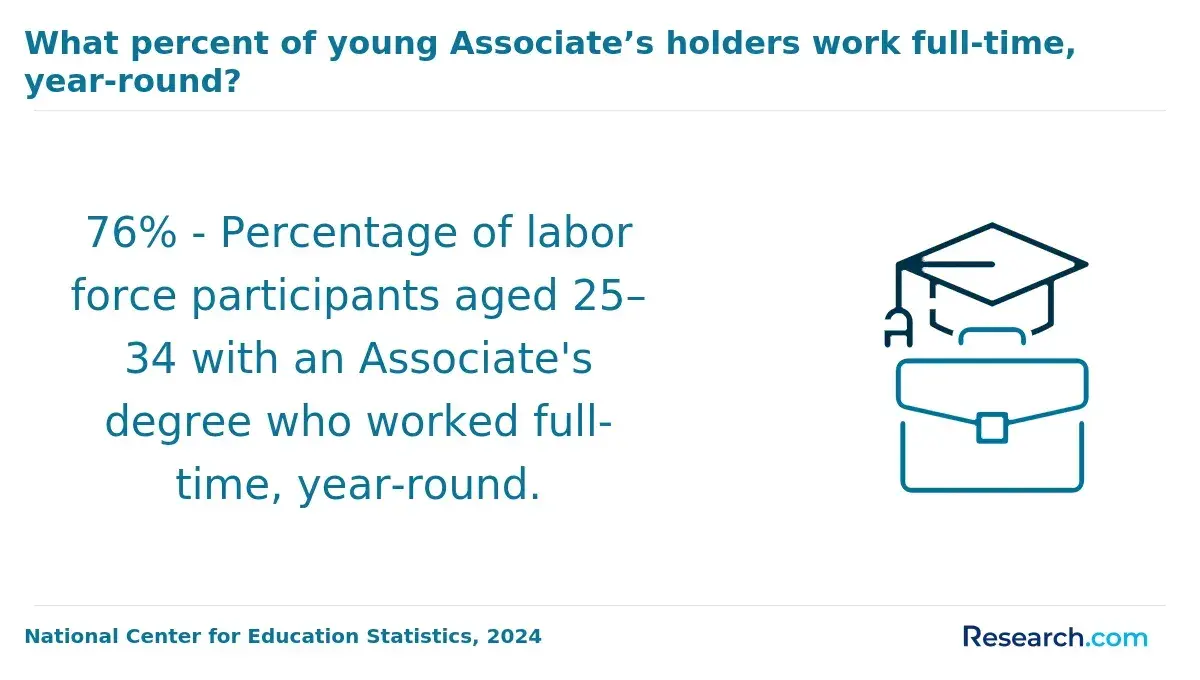
Graduation timelines for financial technology degrees vary significantly based on enrollment status, with full-time students generally completing their programs more rapidly than part-time counterparts. Data from the National Center for Education Statistics 2024 report indicates that full-time students often graduate within four to five years, while part-time students may take six years or longer. This divergence stems largely from the amount of coursework undertaken each term, where full-time enrollment entails a heavier credit load that accelerates academic progress but demands sustained focus and capacity to manage rigorous semester schedules.
Several factors shape these differing timelines beyond course load alone. Program design influences sequencing and availability of required financial technology courses, where some curricula may restrict enrollment in advanced topics until prerequisites are completed, further extending part-time students' duration. Additionally, the format of program delivery-whether in-person, hybrid, or online-affects scheduling flexibility, which part-time students often rely on to balance external roles such as employment or family care. These external commitments introduce variability in academic pacing, tend to reduce course intensity per term, and occasionally cause interruptions that full-time students less frequently experience.
The choice between full-time and part-time enrollment also has cascading impacts on long-term outcomes. Extended study periods for part-time students can increase cumulative tuition costs and postpone entry into financial technology careers, potentially delaying income growth. Conversely, part-time learners may benefit from integrating real-world work experience alongside their studies, a factor valued by employers in this evolving sector. Understanding how enrollment intensity intersects with financial planning, academic demands, and workforce timing is crucial for students making informed decisions about their educational pathways within the financial technology field.
Do Online Financial Technology Students Graduate Faster Than Campus-Based Students?
Data from the National Center for Education Statistics and the Online Learning Consortium in 2024 suggests that on average, students pursuing financial technology degrees online tend to complete their programs slightly faster than those enrolled on-campus, with typical completion times of about 3.8 years compared to 4.2 years. This difference, however, masks considerable variation depending on individual circumstances and program specifics. The perception that online students automatically graduate sooner overlooks how pacing and progression relate heavily to factors beyond delivery mode-such as enrollment intensity, course availability, and student life balance.
Graduation speed hinges on structural elements like scheduling flexibility, availability of accelerated courses, and year-round class options, which are often more prevalent in online programs. These aspects enable some online learners, particularly working adults and transfer students, to maintain continuous enrollment without breaks, a pattern more difficult to sustain in traditional campus settings due to fixed semester calendars and in-person commitments. Yet, the autonomy of self-paced or modular learning demands rigorous time management and motivation, which can be barriers for some. Meanwhile, on-campus programs may impose additional requirements like internships or cohort-based progressions that can extend time to degree but provide tangible practical experience crucial to employer expectations.
The modality choice also impacts how students navigate academic discipline and workload, influencing their capacity to speed through curricula. Online learners often juggle competing professional and personal responsibilities alongside studies, making flexible pacing appealing but potentially elongated without strong self-regulation. Conversely, campus-based students trade flexibility for immersive environments that foster networking and immediate support, sometimes resulting in steadier but longer completion paths. Understanding these nuanced tradeoffs is essential for students to realistically plan timelines, weighing faster completion against experiential depth and career preparedness.
One graduate recalled hesitating to enroll right away during the online financial technology program's rolling admissions period. She initially delayed application, uncertain how to balance work demands with full-time study, concerned that rushing into a fixed-term semester might force a slower pace. Eventually submitting her materials just before the deadline, she appreciated that the program's continuous start dates allowed her to begin during a less hectic period, enabling a steadier, more manageable progression than traditional annual intakes. This flexibility proved critical in avoiding burnout and meeting her graduation goal within four years despite a complex schedule.
How Many Months or Years Can Transfer Credits Save?
Transfer credits can shorten the time required to complete a financial technology degree by multiple months, often translating to savings of a semester or more. The average graduation timeline reduction with transfer credits varies significantly, typically ranging from 25% to 35% less time according to the National Student Clearinghouse Research Center. Depending on how many credits are accepted and their alignment with core curriculum requirements, students may reduce their degree path by anywhere from just a few months up to over a full year. This variability reflects differences in degree program structures, credit evaluation processes, and how prior coursework matches degree expectations.
The amount of time saved through transfer credits depends heavily on institutional policies, credit equivalency rules, and program residency demands. Many programs impose maximum limits on the number of transferable credits, and not all previously earned courses directly align with the financial technology curriculum or general education requirements, limiting their use in accelerating progress. Accreditation compatibility between the sending and receiving institutions also plays a critical role in whether credits will be accepted. Students often face complexities related to course content relevance, outdated electives, or conflicting degree pathways, which influence how transfer credit impact on degree completion time unfolds in practice.
Strategic academic planning becomes essential to maximize benefits from transfer credits without jeopardizing degree integrity or employability outcomes. Adjusting coursework sequencing, financial costs, and pacing relies on understanding institutional credit evaluation alongside program requisites. For working adults or transfer students, balancing these factors is crucial to avoid potential delays that arise from transfer credit mismatches or the need to complete residency requirements. Those exploring flexible routes, including real estate degrees online or similar pathways, should weigh transfer credit advantages carefully to ensure meaningful acceleration of their financial technology education.
Do Accelerated Financial Technology Programs Significantly Reduce Completion Time?
Accelerated financial technology programs aim to condense the typical graduate timeline by compressing course sequences and increasing credit loads per term, often targeting completion within 12 to 18 months instead of the standard two to three years. These programs are structured to minimize breaks and eliminate extended prerequisites by integrating core content more tightly, enabling faster credentialing for students prepared to handle intense academic pacing. The underlying design assumes steady full-time enrollment and sometimes leverages credit transfers to shorten the path while maintaining necessary subject coverage.
However, real-world time savings hinge on several critical factors beyond nominal program length. High credit density per term can raise the academic burden, challenging some students' ability to maintain continuous full-time status. Moreover, requirements like internships, capstone projects, or practicum experiences often retain durations similar to traditional formats, which limits cumulative acceleration. Institutional scheduling and limited course availability can also cause delays, and prerequisite sequencing may restrict how quickly students progress. Thus, while accelerated formats shrink classroom hours, the overall timeline may not proportionally contract for every student, especially those balancing work or family commitments.
These structural realities produce trade-offs in flexibility and learning depth. Compressed curricula and heavier term loads can strain students' capacity to engage deeply with complex financial technology concepts, potentially affecting mastery and confidence in applying advanced skills. Scheduling intensity may reduce opportunities for valuable hands-on experience or internship placements integral to employability. As a result, accelerated programs can deliver faster degrees, but this sometimes comes at a cost to student wellbeing and comprehensive competency development, factors essential for long-term career success.
One graduate recounted hesitating before enrolling because the program's rolling admissions left uncertainty about start dates. With professional responsibilities mounting, they delayed application while weighing if accelerated pacing would be manageable. When finally admitted months later, a compressed start window demanded rapid preparation, leaving little room to adjust work schedules or complete prerequisite coursework beforehand. This delayed entry ultimately offset some expected time savings, illustrating how admissions timing and personal readiness critically influence whether accelerated formats truly shorten degree completion.
Which Financial Technology Program Requirements Most Often Extend Graduation Timelines?
Extended graduation timelines in financial technology programs commonly arise not simply from total credit load but from specific embedded curriculum components designed to ensure robust professional readiness. These requirements, while critical for aligning academic outcomes with employer expectations, often impose sequencing constraints and time-intensive demands that slow student progression. Understanding how these elements shape pacing across different institutions and student circumstances offers clearer insights into why completion times vary substantially.
- Interdisciplinary Coursework Integration: Financial technology degrees combine finance, computer science, and data analytics, requiring sequential mastery of quantitative and technical skills. Students less prepared in foundational areas frequently need supplemental courses, which adds semesters and complicates course scheduling due to prerequisite chains.
- Capstone Projects and Practical Experience: Mandatory experiential components such as internships or capstone projects embed real-world application but often require full-time or intensive commitments alongside coursework. This dual load can extend timelines by limiting enrollment flexibility and forcing pauses or reduced course loads.
- Elective Specializations Outside Core Curriculum: Pursuing niche expertise in emerging domains like blockchain or AI for finance increases course requirements beyond standard tracks. While beneficial for differentiated skill sets, these electives add academic terms because they are often offered infrequently and require careful advance planning.
- Transfer Credit Limitations: Transfer students encounter administrative barriers where course equivalencies are not fully recognized, triggering repeated coursework or extra prerequisites. This institutional variability can delay graduation by up to six months on average, reflecting the critical need for early, thorough credit articulation reviews.
- Part-Time Enrollment Due to Work Commitments: Many financial technology students balance professional and academic responsibilities, opting for reduced credit loads per semester. This pragmatic choice often doubles expected degree duration, as a lighter academic workload slows steady progression through required courses and experiential elements.
According to a 2024 workforce analysis, approximately 38% of students in financial technology programs extend their studies by at least one semester due to these structured experiential and specialty requirements. Such data emphasize that graduation delay frequently reflects purposeful curriculum design aligned with evolving industry competencies, rather than mere academic inefficiency.
Does Taking Longer to Graduate Increase the Cost of a Financial Technology Degree?
Extended completion time in a financial technology degree program often leads to increased total tuition and related expenses. Students charged on a per-term or per-credit basis may face cumulative cost growth as additional semesters accumulate, sometimes raising total tuition by 20-30% or more. Moreover, prolonged enrollment can affect eligibility for certain financial aid packages or scholarships that are limited to a standard duration, thereby increasing out-of-pocket costs. The impact of these financial consequences of delayed graduation in financial technology programs also extends beyond tuition, as students incur ongoing fees and living expenses for longer periods, compounding the overall cost. This extended timeframe can indirectly reduce earning potential by postponing entry into a job market where starting salaries for fintech roles are competitive, as reported in recent labor market analyses.
However, the impact of extended graduation time on financial technology degree cost is not uniform across all students or programs. Some institutions offer flat-rate tuition models or part-time enrollment pricing structures that mitigate incremental costs despite longer academic timelines. Employer tuition assistance and flexible pacing policies in certain programs can also offset additional expenses typically associated with slower degree progress. Enrollment behavior, such as adjusting course loads or delaying semesters strategically, may influence how costs accumulate over time. Students and planners should consider these variables carefully, weighing institutional pricing models against personal circumstances. For those exploring cost-effective pathways, reviewing options like online masters history programs can offer useful comparisons in managing extended degree timelines.
Does Graduating Faster Improve Career Prospects?
Graduating faster from a financial technology degree program can offer the advantage of earlier entry into the job market, which may be particularly beneficial for working adults and transfer students seeking to minimize opportunity costs. However, employers typically do not assess graduation speed as an isolated factor. Instead, hiring decisions are influenced by a broader evaluation of a candidate's practical readiness, including relevant experience and demonstrated skills. Therefore, while expediting degree completion can improve initial job search timing, it does not guarantee improved career prospects in the absence of supporting credentials.
The impact of finishing a financial technology program ahead of the average timeline on career outcomes largely depends on factors such as internship participation, the strength of a professional portfolio, mastery of programming and financial modeling, and networking. Employers prioritize real-world project experience and industry-recognized certifications, which often require time to develop. Graduates who prioritize skill acquisition and industry engagement alongside degree completion tend to align better with labor market expectations, resulting in stronger employment competitiveness regardless of how quickly they finish their studies. This dynamic is critical in the discussion of financial technology degree completion time and career impact.
Ultimately, students should balance the desire to graduate early with the need for comprehensive experiential learning that supports long-term employability. Accelerated timelines may limit opportunities for internships, capstone projects, and networking that contribute to career readiness. A nuanced approach that assesses individual circumstances and prioritizes meaningful skill development will better prepare graduates for evolving industry demands. Those exploring options might consider reviewing resources such as the best online accelerated project management degree programs for insights into structuring efficient yet robust academic pathways.
Which Scheduling Mistakes Commonly Delay Graduation?
Graduation delays in financial technology programs often stem not from academic difficulty alone but from avoidable errors in scheduling and enrollment decisions. These issues impact students across certificate, associate, bachelor's, and graduate levels, whether attending full- or part-time. Missteps in mapping course sequences and managing credit loads disrupt steady progression, causing semester or year-long extensions in time-to-degree. Recognizing these common pitfalls is essential for aligning academic pacing with program structures designed around prerequisite chains and limited course offerings.
- Underestimating Prerequisite Sequencing: Financial technology curricula frequently have strict prerequisite chains offered only once annually. Failure to plan for these sequential requirements often forces students to wait an entire academic cycle, delaying graduation by at least a semester or longer.
- Part-Time Enrollment Pitfalls: While necessary for many working adults, taking fewer than 12 credits per term significantly elongates degree timelines. Part-time status also limits scheduling flexibility, complicating timely completion of required courses bound to academic calendars.
- Inadequate Credit Transfer Evaluation: Assuming transfer credits fully satisfy degree requirements without rigorous validation often results in unanticipated course retakes, extending enrollment and increasing costs.
- Ignoring Course Availability Patterns: Many financial technology courses are offered infrequently or only in specific formats. Overlooking these patterns during registration leads to missed opportunities for on-time progression, especially in hybrid or online program structures.
- Lack of Proactive Advising Engagement: Students who do not actively seek academic advising miss critical insights about course sequencing and enrollment windows, increasing the likelihood of scheduling bottlenecks that delay degree completion.
According to a 2024 report by the National Student Clearinghouse Research Center, about 42% of students extending graduation time attribute it to scheduling conflicts, underscoring the systemic nature of these challenges across financial technology programs. Strategic planning around these factors is crucial to maintain consistent academic momentum aligned with employer expectations and evolving industry demands.
References:
- A Descriptive Summary of Bachelor's Degree Recipients 1 Year Later, With an Analysis of Time to Degree https://nces.ed.gov/pubs2003/2003165.pdf
- Accelerated BSBA/Finance and MS in Fintech https://www.umsl.edu/business/departments/finance-and-legal-studies/finance-undergrad-programs/acceleratedfintech.html
- All Bachelor's in Fintech Degree Programs - FintechDegrees.org https://www.fintechdegrees.org/programs/bachelors/
- Degree Details | FinTech | Duke Engineering Master's Programs https://masters.pratt.duke.edu/fintech/degree/
- MS in FinTech (Online + In-Person) | Graduate Programs in Financial Technology (FinTech) https://fintech.business.uconn.edu/programs/ms-in-fintech/
- The Four-Year Myth: Make College More Affordable. Restore the Promise of Graduating on Time https://eric.ed.gov/?id=ED555824
Other Things You Should Know About Financial Technology
The integration of hands-on projects, internships, or capstone experiences often extends the time needed to graduate because these components require scheduling beyond typical class hours and may depend on external factors like employer availability. However, prioritizing programs that embed practical experiences within the curriculum-rather than as optional extras-can streamline completion without sacrificing real-world skill development. Students should evaluate whether the time invested in applied learning aligns with their career goals, since delaying graduation for substantive experience may offer stronger employment prospects in fintech roles.
Choosing a narrowly focused concentration, such as blockchain or data analytics within fintech, often means completing additional specialized courses, potentially lengthening the degree timeline. Conversely, a generalist approach might expedite graduation but could limit exposure to cutting-edge subfields that employers increasingly demand. Students must weigh whether accelerating completion at the expense of deep specialization will position them competitively in the job market or if spending extra time mastering targeted skills better serves long-term career advancement.
The 2027 Financial Technology Degree Completion Time Report shows that effective workload management significantly impacts on-time graduation rates. Students prioritizing tasks, utilizing time management tools, and seeking academic assistance when needed generally experience shorter completion times, highlighting its crucial role in successful degree attainment.
Employers increasingly expect fintech graduates to demonstrate both technical proficiency and practical problem-solving skills, which may require enrolling in additional electives or certifications beyond a standard curriculum. Attempting to fast-track graduation might lead students to missing opportunities to build these competencies, thus weakening their marketability. It is advisable for students to align their academic pacing not just with graduation deadlines but with a holistic skill set that matches industry standards, even if it means a longer path to degree completion.