2027 Financial Technology Transfer Credit Trends: How Schools Are Adapting for Adult Learners

Co-Founder and Chief Data Scientist
When Mia, a working professional returning to school in 2024, discovered that nearly 40% of her previously earned credits from an accredited institution were ineligible for transfer into her Financial Technology program, her plans faced costly delays. This scenario reflects a broader challenge: data from the National Student Clearinghouse reveals that only about 60% of adult learners transferring credits in 2023 saw full or near-full credit acceptance, complicating degree completion timelines. These restrictions often stem from shifting accreditation standards and evolving curriculum alignment requirements. Understanding these trends illuminates how institutions adjust transfer credit policies specifically for Financial Technology fields to help optimize student time and expense.
This article analyzes current credit transfer patterns, recent policy shifts, and institutional strategies shaping financial technology programs to guide prospective students in making informed, cost-effective degree completion decisions.
Key Things to Know About Financial Technology Transfer Credit Trends for Adult Learners
- Expanded acceptance of military and workforce credits in financial technology programs accelerates degree completion but often requires navigating complex, inconsistent validation processes, which can delay credit posting and increase administrative burdens.
- Institutions applying technology-enabled transcript evaluations improve transfer credit accuracy but may exclude alternative credentials, limiting recognition of nontraditional learning critical to employer-valued fintech skills.
- Credit for prior learning boosts adult learner enrollment by 15% nationally in 2024, reflecting increased access, yet some programs impose caps on transferable credits, impacting overall cost savings and time-to-degree.
- Key Things to Know About Financial Technology Transfer Credit Trends for Adult Learners Key Things to Know About Financial Technology Transfer Credit Trends for Adult Learners
- How Are Financial Technology Programs Changing Transfer Credit Policies for Adult Learners? Evolving Adult Transfer Policies
- Why Are More Financial Technology Schools Accepting Credit for Prior Learning and Work Experience? Prior Learning Credit Benefits
- How Do Financial Technology Colleges Evaluate and Award Transfer Credits Today? Transfer Credit Evaluation Process
- Which Alternative Credits Are Most Commonly Accepted by Financial Technology Programs? Accepted Alternative Credits
- How Are Financial Technology Schools Improving Transfer Pathways for Community College Students? Improved Community College Pathways
- How Can Transfer Credits Help Financial Technology Students Graduate Faster? Accelerating Degree Completion
- How Much Money Can Students Save Through Financial Technology Transfer Credit Opportunities? Cost Saving Through Transfers
- How Are Financial Technology Programs Supporting Military Students and Workforce Learners Through Transfer Credits? How Are Financial Technology Programs Supporting Military Students and Workforce Learners Through Transfer Credits?
- What Transfer Credit Innovations Are Shaping the Future of Financial Technology Education? What Transfer Credit Innovations Are Shaping the Future of Financial Technology Education?
- How Can Adult Learners Maximize Transfer Credits in a Financial Technology Program? Maximizing Your Transfer Credits
How Are Financial Technology Programs Changing Transfer Credit Policies for Adult Learners?
Financial technology programs are increasingly revising transfer credit policies to better accommodate the realities faced by adult learners, particularly working professionals and military-affiliated students. These adaptations often include broader acceptance of prior learning assessments, workforce certifications, and military training credits, reflecting a shift from traditional credit evaluations focused solely on classroom-based coursework.
For example, a military veteran transferring into a financial technology program may leverage specialized transcript evaluation technologies that expedite credit reviews and connect to national databases of alternative credit providers, significantly reducing time-to-degree and tuition costs. However, students must still navigate institutional caps on transferable credits and varying accreditation requirements that can affect credit mobility and course sequencing.
Such transfer credit pathways for adult students in financial technology programs also emphasize articulation agreements between community colleges and four-year institutions, which help minimize credit loss and clarify program-specific equivalencies. These agreements can shorten completion times by up to a semester, an important consideration for adult learners balancing education with professional and personal commitments.
Despite these advances, some programs limit eligibility for experiential learning credits or exclude certain certifications, creating decision points where students must weigh the affordability and accessibility benefits of different schools. With nearly 70% of adult learners holding some prior college credit, as reported by the National Center for Education Statistics, understanding these nuances becomes essential for those seeking to maximize their existing credits and pursue efficient pathways to graduation, especially when comparing options like affordable MSW programs online that demonstrate similar transfer credit flexibility.
Why Are More Financial Technology Schools Accepting Credit for Prior Learning and Work Experience?
The expanding acceptance of credit for prior learning and work experience in financial technology programs reflects strategic institutional responses to shifting student demographics and labor market needs rather than simply relaxed transfer policies. With over 40% of college students nationally aged 25 or older, according to the National Student Clearinghouse Research Center's 2024 data, schools are adjusting to serve adult learners seeking timely degree completion.
These programs increasingly evaluate military training, industry certifications, employer-led training, and competency-based assessments to recognize relevant skills, aiming to shorten time to credential and reduce redundant coursework while preserving academic rigor. However, the tradeoff lies in balancing flexible credit policies with the need for thorough validation processes, which often differ across institutions and can complicate transfer or accelerated completion plans for learners.
For working professionals and military-affiliated students, the value of such policies hinges on how effectively schools translate experiential learning into transferable credit that corresponds with workforce competencies rather than traditional course hours. Institutions view CPL and PLA mechanisms as tools to boost enrollment stability and completion rates, aligning educational offerings with fintech industry's demand for demonstrated practical skills.
Yet, inconsistencies in documentation and assessment requirements introduce uncertainty, influencing students' decisions about when and where to apply credits. This creates important strategic considerations for those navigating degree pathways, as misalignments can extend time-to-degree despite policy intentions to expedite progress.
One adult learner who transitioned from military finance operations to a fintech bachelor's program found the credit review process challenging but ultimately affirming. Initially skeptical about whether her logistics and security clearance training would translate into academic credit, she carefully compiled certifications and detailed work portfolios.
The institution required multiple evaluations and practical assessments before granting credit, causing a delay she hadn't anticipated. However, this thorough vetting increased her confidence that her prior experience held genuine academic and professional value, illustrating both the potential benefits and procedural hurdles embedded in current CPL acceptance practices.
How Do Financial Technology Colleges Evaluate and Award Transfer Credits Today?
Transfer credit evaluation in financial technology colleges has evolved into a strategic function that balances enrollment objectives with student success rather than serving as a mere administrative hurdle. Institutions now emphasize precise course equivalency assessments, scrutinizing learning outcomes and accreditation status to determine credit validity, with particular attention to residency and upper-division requirements.
For example, a military-affiliated student may find that recognized training and certifications offset traditional coursework, but limitations arise when credits come from non-accredited institutions or fail to meet core program competencies, potentially extending time to degree completion despite initial credit acceptance.
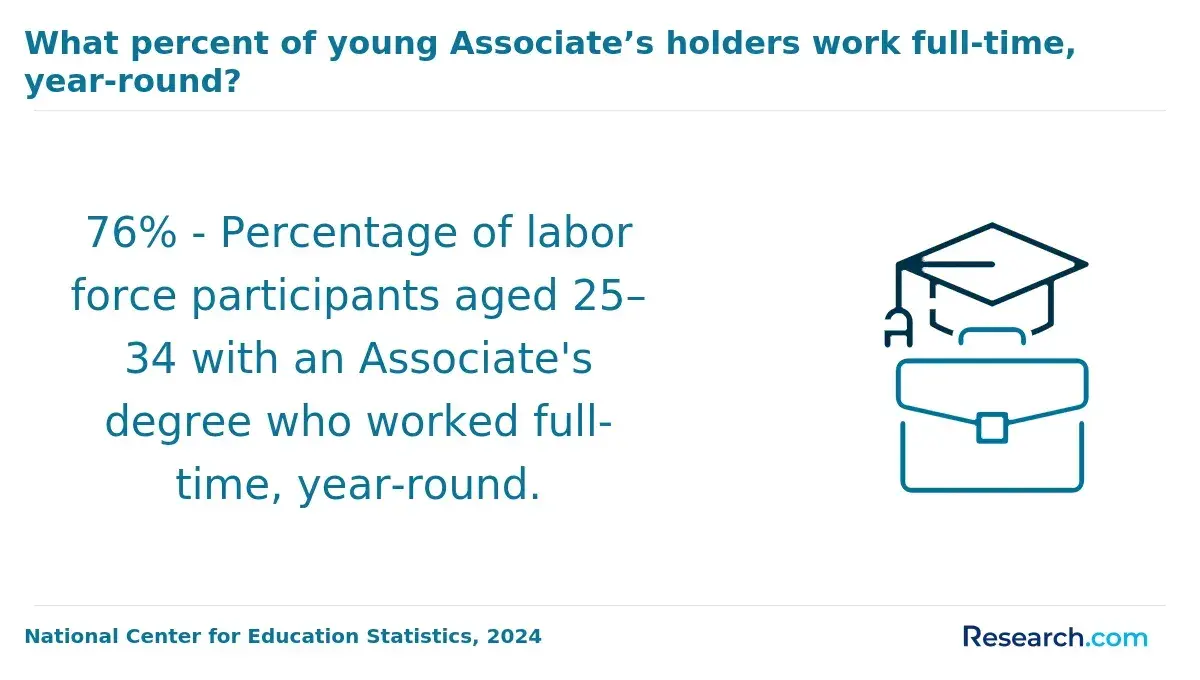
Contemporary evaluation processes increasingly integrate alternative credentials and prior experiential learning, reflecting a broader trend where 62% of colleges offer credit for such experiences according to a 2024 National Center for Educational Statistics report. However, the impact on degree progression is nuanced; credits applied only to general education may accelerate overall completion but might compel students to take additional specialized courses to meet job market expectations.
Transfer articulation agreements remain critical in this balance, as they enhance predictability and can reduce degree timelines by up to 25%, especially for transfers from community colleges or partner institutions. Navigating these policies requires adult learners and working professionals to weigh the tradeoffs between accelerated graduation and ensuring their education aligns with employer demands and program rigor.
Which Alternative Credits Are Most Commonly Accepted by Financial Technology Programs?
Alternative credit acceptance has evolved into a strategic mechanism for enhancing degree accessibility and completion rates among adult learners in financial technology programs, rather than merely a transfer policy adjustment. Programs routinely assess credit for prior learning (CPL) and military training, which align professional experience with academic outcomes, though acceptance hinges on detailed course equivalency reviews and adherence to residency and upper-division credit limits.
For example, a military-affiliated student may shorten degree timelines significantly through recognized training credits, but variability in institutional policies means not all credits easily transfer, requiring careful planning to avoid redundant coursework and unexpected financial costs.
Common alternative credit sources also include standardized exams like CLEP and DSST, which support quicker progression by validating foundational knowledge without extended classroom time. According to the 2024 Council for Adult and Experiential Learning report, more than 70% of schools offering FinTech degrees incorporate CPL, reflecting increasing demand across adult-focused programs.
Workforce certifications endorsed by bodies such as the American Council on Education offer additional pathways to academic credit, particularly in cybersecurity and blockchain, though program-specific policies influence their applicability. Students weighing transfer credit acceptance for financial technology programs should consider how these alternative credits affect affordability and flexibility, especially when combined with competency-based assessments or online platforms.
Those seeking options for faster degree completion can explore community college coursework or employer-sponsored learning, but must evaluate each institution's unique credit transfer standards carefully to align academic progress with professional objectives and to maintain educational quality within their transfer strategies, as seen in MSW online program analyses.
How Are Financial Technology Schools Improving Transfer Pathways for Community College Students?
Financial technology programs increasingly prioritize streamlined transfer pathways as a strategic response to reduce credit loss and accelerate degree completion for community college students. By developing clear articulation agreements and credit evaluation protocols, these programs aim to minimize ambiguity around which credits fulfill core requirements, a crucial factor given the 2024 National Student Clearinghouse Research Center report showing up to a 20% reduction in credit loss where such frameworks exist. This approach directly impacts students' academic momentum and cost-efficiency by limiting redundant coursework and advising bottlenecks, though students must still navigate institutional variations in course equivalencies and elective acceptance that can complicate transfer outcomes.
Institutions are also integrating prior learning assessments and targeted transfer advising that reflect the professional experience of adult learners and military-affiliated students, offering flexible credit recognition beyond traditional coursework. These pathways, combined with transfer-friendly degree maps and statewide compacts, enhance educational accessibility but require students to engage in proactive planning to align transcripts and elective choices with the receiving school's curriculum. The tradeoff lies in balancing the agility of credit mobility with the risk of unanticipated credit rejections, underscoring the importance of detailed program analysis and ongoing advisor communication to avoid extending time to degree.
One community college transfer student described uncertainty over whether a fintech certificate earned through a prior employer-sponsored program would be accepted by the target institution. After multiple consultations with dedicated transfer advisors and a thorough course equivalency review, the student found relief in a formal articulation agreement that accepted most credits, enabling a focused course schedule that preserved previously gained knowledge. However, the process highlighted challenges in aligning disparate curricula and the importance of early engagement with transfer specialists to clarify credit applicability and manage expectations effectively.
How Can Transfer Credits Help Financial Technology Students Graduate Faster?
Transfer credit acceptance policies deeply influence whether adult learners in financial technology programs can realistically shorten their time to degree completion. While some institutions allow up to a full academic year's worth of credits from community colleges or prior professional certifications, others impose restrictive residency requirements and limit credit applicability to lower-division courses.
This means that students must strategically evaluate how their previously earned credits align with degree sequences, especially when upper-division or specialized fintech courses have no direct equivalents. Such constraints often necessitate additional coursework, diminishing the expected acceleration effect despite accumulating transfer credits.
Evolving credit transfer agreements between community colleges and universities have improved transparency and credit mobility, benefiting students navigating complex articulation policies. Still, the practical impact on enrollment timelines and affordability varies based on institutional rigor and the acceptability of experiential learning or military training credits.
Adult learners, working professionals, and military-affiliated students should actively engage with academic advisors and utilize degree audit tools early to confirm credit transferability, as unrecognized credits can lead to redundant courses and extended study duration. Considering these factors alongside employer expectations ensures that accelerated pathways do not sacrifice essential competencies, maintaining both educational quality and workforce readiness.
For students outside traditional finance or computer science backgrounds, the nuances of transfer credit policies intersect with their ability to leverage diverse learning experiences effectively in financial technology programs. Those interested in integrating their prior education with flexible degree options can also explore related resources such as LCSW online programs to assess alternative credentialing frameworks and cross-disciplinary credit opportunities. Awareness of transfer credit policies for financial technology adult learners remains critical to making informed decisions that balance cost, time, and career trajectory.
How Much Money Can Students Save Through Financial Technology Transfer Credit Opportunities?
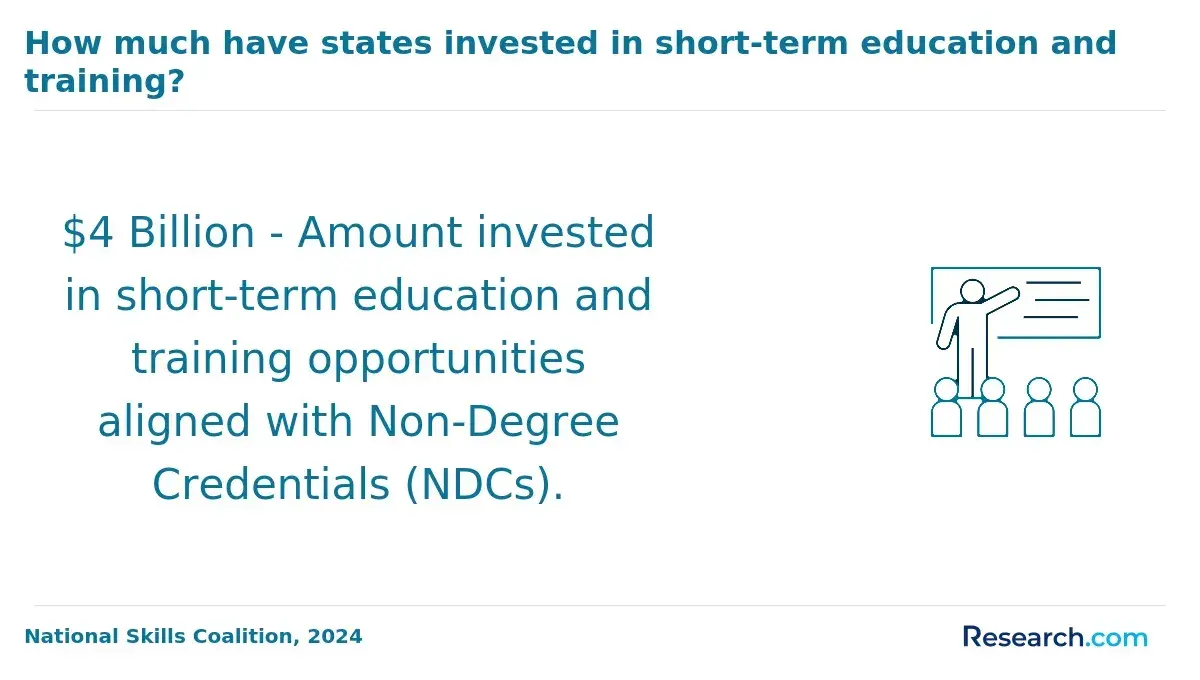
Transfer credit acceptance in financial technology programs can substantially affect the total cost and duration of a degree, though practical outcomes vary widely. While transfer students, working adults, and military-affiliated learners often bring prior coursework or training that institutions may recognize, most programs impose limits on credit acceptance-typically capping transfers at 50% to 75% of the required credits-and require a residency minimum that forces completion of a significant portion of coursework onsite. These institutional policies, coupled with the dynamic and specialized nature of fintech curricula, frequently constrain direct equivalencies for transferred credits, resulting in potential credit loss or duplication that can undercut anticipated savings.
A realistic appraisal shows that assessments for prior learning, including military experience, commonly reduce required credits by about a semester's worth, which for per-credit costs between $300 and $600 translates into savings ranging from roughly $3,600 to $9,000. According to recent data from the National Center for Education Statistics, students who strategically maximize credit transfers can shorten degree timelines by 8 to 12 months, further lowering educational expenses by 20% to 30%. Still, this acceleration depends on careful alignment of prior credits with program requirements; without close equivalency, students may face extended course loads or redundant classes, diminishing financial benefits and prolonging time to degree.
For adult learners and degree completers, transfer credit strategies require detailed evaluation of institutional credit acceptance rules and fintech curriculum changes, especially as evolving regulations and technology topics shift program content. While transfer opportunities offer notable cost reductions and improved time-to-completion for many, the variability in credit policies and course matchability means students must weigh credit mobility potential against degree progress demands and enrollment decisions. In this context, transfer credits influence not just upfront cost savings but also long-term educational planning and effective navigation of degree requirements within the financial technology field.
How Are Financial Technology Programs Supporting Military Students and Workforce Learners Through Transfer Credits?
Financial Technology programs increasingly rely on detailed assessments of military training, professional certifications, and workforce experience to determine credit eligibility, yet inconsistencies in transfer credit policies significantly influence degree-completion outcomes. For example, a veteran with extensive cybersecurity credentials may find that some institutions accept those credits toward fintech core requirements via ACE-recommended articulation agreements, while others require supplemental coursework due to differing program standards.
This variability affects not only time-to-degree but also academic planning, forcing adult learners and military-affiliated students to carefully evaluate how effectively their prior learning translates into substantive credit toward fintech degrees.
A growing number of schools use prior learning assessments (PLAs) and competency-based evaluations to acknowledge apprenticeships and industry certifications, aligning educational pathways more closely with practical skills relevant in the fintech workforce. However, about 30% of military-affiliated learners still report challenges related to non-standardized credit transfer, according to the National Center for Education Statistics (NCES).
This gap underscores a critical tradeoff: while streamlined recognition of prior learning can reduce redundancy and speed credential attainment, inadequate alignment between institutional policies and employer expectations may necessitate additional training to maintain competitive employability in an evolving fintech landscape.
Consequently, financial technology students with military or workforce backgrounds must navigate complex transfer policies that impact educational accessibility and cost-efficiency. The presence of flexible degree-completion options blending online instruction with recognized prior learning offers some relief but does not fully mitigate the need for vigilant academic advising and strategic credit evaluation.
Practical understanding of how programs implement ACE guidelines and PLA mechanisms informs realistic decisions about whether previously earned credits will robustly advance progression or if further investment in coursework is necessary.
What Transfer Credit Innovations Are Shaping the Future of Financial Technology Education?
Innovations in transfer credit policies are materially shifting access and degree mobility for adult learners in financial technology education, though not without tradeoffs. The integration of artificial intelligence in transcript evaluation accelerates credit assessment timelines-institutions report up to a 30% decrease in review time-but this efficiency may amplify inconsistencies if institutions rely too heavily on automated interpretations over nuanced academic judgments.
Credit for prior learning expansions, especially military and workforce training articulation, offer significant advantages for professionals with diverse experiential backgrounds but challenge standardization and academic rigor, requiring students to carefully vet transfer acceptance before committing to degree plans.
Technology-driven credit evaluation methods for adult learners, including competency-based education models, enable progression through skill demonstration rather than seat time, appealing to working professionals balancing multiple responsibilities. However, scalability issues and varied institutional adoption mean students must strategize over credit portability and potential policy variability.
Additionally, digital credentialing and blockchain initiatives promise enhanced transparency in verifying alternative credentials, such as MOOCs and vendor certifications, though widespread adoption remains uneven. These developments necessitate realistic planning to avoid unexpected credit loss or delays, demonstrating that while transfer innovations can streamline pathways, they also introduce complexity in aligning credits with long-term employment and academic outcomes.
Adult learners seeking efficient routes to degree completion in financial technology should recognize the nuanced landscape shaped by innovative transfer credit policies in financial technology education. Strategies that facilitate recognition of prior learning and streamline transcript review can shorten time to graduation but require vigilance regarding institutional acceptance criteria and credit applicability.
Exploring specialized offerings like DBA programs can complement these pathways by providing tailored degree options that integrate experience and transfer credits effectively. Ultimately, understanding these operational realities equips learners to make informed decisions fitting their career goals and life commitments.
How Can Adult Learners Maximize Transfer Credits in a Financial Technology Program?
Maximizing transfer credits in a financial technology program requires navigating institutional policies that often cap accepted credits between 50% and 75%, forcing adult learners to strategically select courses that preserve core fintech competencies. For example, a student transferring from a community college with relevant certifications must carefully evaluate how articulation agreements and credit for prior learning (CPL) policies at their target institution align with their existing portfolio to avoid redundant coursework and extended time to degree.
A critical challenge lies in thorough transcript evaluations, which according to the National Student Clearinghouse Research Center reveal that nearly 85% of adult transfer students could benefit substantially, though incomplete documentation often leads to missed opportunities.
The expanding role of CPL, including military training and workforce certifications, offers viable pathways to reduce educational costs and accelerate degree completion by effectively substituting foundational fintech courses. Yet, these alternatives require meticulous portfolio preparation and transparent institutional CPL policies to ensure acceptance. Degree-mapping tools further assist by visualizing credit applicability and sequencing, helping students balance transfer limitations against program residency requirements.
Adult learners should also consider how employer recognition of transferred credits versus institution-specific credentials might impact long-term career trajectories, especially in a field where practical fintech skills are paramount. For those exploring diverse educational options, reviewing related areas such as a forensic science online degree program illustrates the complexity of transfer credit maximization across specialized disciplines.
Ultimately, adult learners benefit most from strategic academic planning that prioritizes transferable general education alongside targeted fintech coursework. This approach supports both workforce readiness and academic progress by minimizing the risk of credit loss and redundant study. Understanding the nuanced balance between institutional transfer evaluations, prior learning assessments, and degree-completion pathways enables informed decisions that respect program constraints and optimize employability within financial technology.
References
- Want Affordable College Credit? Here’s How to Maximize Savings Without Sacrificing Quality https://www.straighterline.com/blog/affordable-college-credit-maximize-savings
- 10 fintech trends that define the industry's future | Plaid https://plaid.com/resources/fintech/fintech-trends/
- How Prior Learning Can Help Students Accelerate Into the Future of Work https://www.cael.org/resouces/pathways-blog/how-prior-learning-can-help-students-accelerate-into-the-future-of-work
- NEFL FinTech Initiative https://www.fscj.edu/academics/workforce-education/grant-programs/fintech-grant
- 10 Key Fintech Trends Youâll Want To Know https://corporate.visa.com/en/products/visa-direct/blog/10-key-fintech-trends-youll-want-to-know.html
- Credit For Prior Learning https://www.broward.edu/admissions/credit-for-prior-learning/
- Credit for Prior Learning: Why All the Controversy? https://www.higheredtoday.org/2014/06/17/credit-for-prior-learning-whyallthecontroversy/
- Banking, Finance and Financial Technology (FinTech) – THEMATIC UNITS » HOU https://www.eap.gr/en/banking/topics/
- Changes in Education Policy and What They Mean for Adult Learners - ReUp Education https://reupeducation.com/blog/changes-in-education-policy-and-what-they-mean-for-you/
- 4 Ways Transfer Students Can Maximize College Credits for Prior Experience https://www.umassglobal.edu/blog-news/4-ways-transfer-students-can-maximize-college-credits-prior-experience
Other Things You Should Know About Financial Technology
Transfer credit policies differ widely between fintech programs, which can lead to inconsistent academic rigor and skill preparation. A degree earned by heavily leveraging transfer credits from less specialized or outdated courses may not provide the same depth of technical competence expected by employers compared to those who complete more core fintech coursework on campus. Adult learners should scrutinize how much of their transferred credit fulfills critical fintech core requirements versus general education, as over-reliance on transfer credits might dilute mastery of emerging technologies and regulatory knowledge essential for industry readiness.
While transfer credits can shorten degree timelines, many programs cap the maximum number of credits that can be transferred, particularly for upper-level or specialized fintech courses. Working professionals must weigh the immediate benefit of saving time against potential gaps in advanced subject matter if core fintech classes are not taken directly within their degree program. Prioritizing transfer credits for foundational courses rather than advanced topics can maintain educational integrity while accommodating work schedules.
Employers tend to assess fintech graduates based on demonstrable skills and up-to-date knowledge rather than credit accumulation alone. Programs relying extensively on transfer credits may lack currency in fast-evolving areas like blockchain or algorithmic trading, which could impact graduate employability. Adult learners should prioritize fintech programs that integrate transferred credits strategically, ensuring substantial engagement with contemporary, hands-on fintech coursework that aligns with employer expectations for technical proficiency.
Military-affiliated students often benefit from programs recognizing diverse prior learning, but not all fintech institutions equally value military training or experience as transfer credit. While flexible transfer policies accelerate degree completion and reduce costs, these credits may not cover the latest fintech innovations or regulatory frameworks needed for career advancement. Military learners should seek programs that balance generous transfer credit acceptance with robust fintech core curricula to avoid gaps that could hinder long-term career progression in the financial technology sector.