2027 Financial Technology Career Outcomes by Degree Level Report: Pay, Employment, and Advancement Patterns

Co-Founder and Chief Data Scientist
Choosing the right degree level in financial technology can be daunting when employers weigh candidates differently based on credential depth and experience. Many working professionals and transfer students struggle to predict how a bachelor's versus a master's degree affects job placement and long-term career growth.
A 2024 report from the National Association of Colleges and Employers highlights that advanced degrees in financial technology correlate with faster promotion rates, yet not all roles require such qualifications, complicating cost-benefit decisions. This article analyzes pay, employment rates, and advancement patterns by degree level to help readers make informed education and career choices.
Key Things to Know About Financial Technology Career Outcomes by Degree Level
- Associate degrees lead to quicker labor-market entry but often limit advancement, reflecting employers' preference for bachelor's credentials in mid-level fintech roles; this tradeoff influences candidates balancing time and opportunity cost.
- Employers increasingly value master's degrees for specialized fintech roles involving AI and blockchain, signaling a shift in credential expectations that affects hiring patterns and narrows access for certificate-only holders.
- Data from 2024 shows doctoral candidates face longer credential accumulation times, which delays earnings growth and practical return on investment, a critical timing consideration for career switchers eyeing fintech leadership.
- Key Things to Know About Financial Technology Career Outcomes by Degree Level Key Things to Know About Financial Technology Career Outcomes by Degree Level
- What Career Outcomes Can Students Expect From Each Financial Technology Degree Level? Career Outcomes by Degree
- How Much Do Financial Technology Graduates Earn by Degree Level? Salary by Degree Level
- Which Financial Technology Degree Level Offers the Strongest Employment Prospects? Best Degrees for Employment
- What Entry-Level Jobs Can You Get With a Financial Technology Degree? Entry-Level Career Opportunities
- How Do Financial Technology Degree Levels Affect Career Advancement and Promotion Opportunities? Career Growth by Degree
- Is a Financial Technology Degree Worth It Based on Salary, Employment, and ROI? Salary, ROI, and Value
- How Do Associate, Bachelor's, Master's, and Doctoral Financial Technology Degrees Compare? Comparing Degree Levels
- Which Industries and Employers Hire Financial Technology Graduates by Degree Level? Which Industries and Employers Hire Financial Technology Graduates by Degree Level?
- What Skills, Credentials, and Experience Improve Financial Technology Career Outcomes? What Skills, Credentials, and Experience Improve Financial Technology Career Outcomes?
- Which Financial Technology Degree Level Is Best for Your Career Goals? Choosing the Right Degree
What Career Outcomes Can Students Expect From Each Financial Technology Degree Level?
Deciding between certificate, associate, bachelor's, master's, or doctoral levels in financial technology carries significant consequences for employment access, specialization, and advancement potential. Certificate programs often serve as quick entry points but usually constrain students to technical support or narrow tool-specific roles, requiring ongoing certification renewal to remain competitive. In contrast, associate degrees expand role readiness into junior development or analysis positions, offering higher initial employment rates but with earlier caps on leadership opportunities unless supplemented by further education or certifications. For working adults and military-affiliated students, leveraging transfer credits and flexible scheduling in associate programs can facilitate incremental skill building without career interruption, though employers increasingly expect bachelor's degrees for more client-facing and compliance roles.
Bachelor's graduates typically navigate a broader labor market within fintech, reconciling programming, finance, and regulatory knowledge to qualify for roles such as product management or risk analysis, with data from the National Center for Education Statistics underscoring their greater career mobility compared to lower credentials. Progression beyond mid-level positions often hinges on pursuing master's degrees, where specialization in blockchain or financial data science enhances leadership readiness and job stability, reflecting labor market trends emphasizing expertise in these emergent areas. Doctoral credentials focus largely on policy influence, research, and academic careers, suited to those willing to invest longer training time for strategic innovation capacities rather than immediate industry application. This layered credentialing landscape shapes practical decision-making, especially for transfer students or working professionals weighing the tradeoffs between time investment and advancement potential in financial technology career salary and employment by degree level.
Across these pathways, employer expectations blend credentialing with specialized certifications, like Certified FinTech Professional (CFP), and practical experience to determine advancement and pay trajectories. Choosing the appropriate degree level also involves understanding flexible program formats that accommodate ongoing employment, notably for adult learners seeking to avoid career disruptions while enhancing qualifications. Many prospective students research colleges online that accept FAFSA to identify manageable financial options that align with their goals for advancement opportunities for financial technology graduates by credential, a critical factor given the sector's evolving demands and regional labor market variations.
How Much Do Financial Technology Graduates Earn by Degree Level?
Earnings for financial technology graduates fluctuate considerably based on credential level, influencing job roles and advancement prospects in ways that warrant careful consideration beyond surface salary figures. Entry-level certificate or associate degree holders generally earn between $50,000 and $60,000 annually in roles emphasizing technical support or data entry, but this quick workforce entry often comes with limited upward mobility and greater vulnerability during economic downturns. Bachelor's degrees open access to more complex roles like fintech software development or compliance, typically yielding median salaries from $70,000 to $90,000, with location and employer size driving significant wage variation. However, advancing from associate to bachelor's requires balancing additional time, financial investment, and credit transfer complexities against the tangible improvements in role responsibility and pay.
Master's degrees or specialized graduate credentials can push earnings above $100,000, especially when paired with skills in algorithmic trading or cybersecurity, yet the return on such investment depends heavily on one's existing experience and the specific program's market reputation. Job stability and leadership potential also improve at these levels, counterbalancing cost and time commitments required to complete advanced studies. Employers often factor in professional licensure and certifications alongside formal degrees, especially in risk management or compliance, which can affect both salary and career sustainability. For working professionals, these trade-offs emphasize the importance of targeted education aligned with local labor market demands and realistic timelines for career progression rather than assuming universal financial payoff from higher credentials.
One financial technology student faced a dilemma after completing a certificate; although initial offers were adequate for entry, she hesitated on pursuing a bachelor's degree due to the significant time and cost involved. Conversations with local fintech employers revealed a strong preference for bachelor's credentials in analyst roles and indicated modest salary increases might require years of additional experience post-degree. Weighing this, she opted to acquire relevant certifications and gain practical experience first, planning to return for a degree later if regional demand and personal circumstances suggested better compensation outcomes. This approach reflected her cautious optimism about balancing immediate income needs with longer-term educational investments.
Which Financial Technology Degree Level Offers the Strongest Employment Prospects?
Employment outcomes in financial technology vary notably by degree level, with bachelor's degrees often providing the most reliable access to entry-level roles due to employer preferences for comprehensive technical and analytical training. For example, many fintech analyst and developer positions set a bachelor's as the minimum credential, reflecting labor market expectations that combine foundational coursework with practical internships or work experience. While associate degrees and certificates may enable faster workforce entry, they typically limit advancement opportunities and wage growth because such credentials rarely cover the depth of knowledge or specialization employers seek for evolving fintech responsibilities.
Master's degrees generally enhance prospects for specialized roles, leadership tracks, or positions requiring expertise in areas like blockchain or cybersecurity, which increasingly demand both advanced study and relevant work experience. Labor statistics from 2024 show employment rates among master's graduates exceed 85%, along with higher median salaries that suggest stronger bargaining power, though the premium over bachelor's degrees is sometimes offset by credential inflation and longer study times. Doctoral and professional fintech qualifications, while considerably rarer, open doors to research, policy, and academic roles but may not suit those prioritizing broad employment access or quicker returns on educational investment.
Choosing between faster labor market entry or extended study involves weighing specific career goals and regional employer standards, where some candidates may benefit from stacking credentials-starting with certificates or associate degrees and progressing to bachelor's or master's programs. Ultimately, students must consider how degree level interacts with experiential learning integration, employer licensing expectations, and role requirements, recognizing that employment accessibility and potential for advancement do not always align and that strategic planning is essential to maximize both immediate job placement and long-term career flexibility.
What Entry-Level Jobs Can You Get With a Financial Technology Degree?
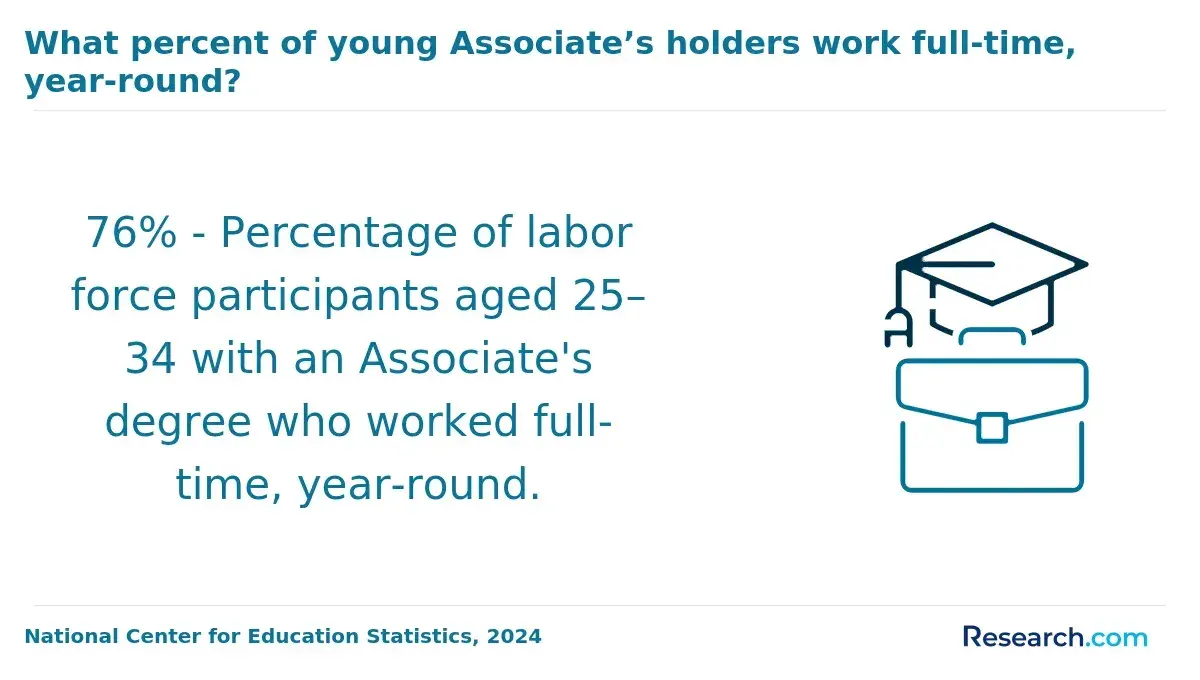
Entry-level opportunities for financial technology graduates diverge significantly based on degree level and prior experience, with bachelor's holders typically accessing roles that demand programming, financial modeling, and data analytics skills. Associate degree graduates often encounter positions concentrated in operational support or client-facing functions unless bolstered by internships or certifications. A 2024 U.S. Bureau of Labor Statistics report underscores that 65% of fintech-related entry-level listings prioritize candidates with practical project experience or internships, reflecting employers' preference for immediate technical contribution rather than solely academic credentials.
Licensure and certifications, such as Certified Financial Technology Professional or CompTIA Security+, may enhance candidacy but rarely dictate entry-level eligibility except in compliance or cybersecurity niches. Job seekers should weigh these factors alongside transferable skills like problem-solving and communication, which can offset technical skill gaps temporarily. Students aiming for stable employment and skill development that promote long-term mobility must recognize that associate degrees typically lead to foundational roles with slower advancement, while bachelor's or higher degrees may open pathways into analytic and development positions with greater salary growth and industry visibility.
Those considering advanced credentials or graduate study should interpret entry-level fintech job prospects as stepping stones, balancing immediate employability against long-term career trajectory. For more general insights, individuals exploring flexible learning options might also study psychology online to complement fintech-related expertise with behavioral analytics, enhancing interdisciplinary appeal within evolving financial services.
How Do Financial Technology Degree Levels Affect Career Advancement and Promotion Opportunities?
Advancement timelines and eligibility for leadership roles in financial technology distinctly correlate with degree level, where employers often see bachelor's degrees as the minimum for supervisory positions and master's degrees as gateways to strategic roles requiring nuanced expertise. Practical workplace data from 2024 highlights that associate degree holders typically experience promotion intervals averaging 5-7 years, whereas those with bachelor's or master's credentials progress within 3-5 years, reflecting both employer expectations and the depth of skills gained through advanced study. Licensing and industry certifications increasingly underpin mid-career advancement, and higher degree programs tend to integrate pathways that better align academic preparation with these professional standards, reducing barriers to promotion in practice. For working adults, weighing the immediate entry benefits of lower credentials against the longer-term advantage of higher degrees remains crucial, especially for roles demanding cross-functional leadership, regulatory insight, and fintech innovation management.
Experienced professionals often find that prior work experience can compensate somewhat for credential gaps, but degree level continues to serve as a key signal in internal promotion decisions and competitive hiring pools. Transfer students and military-affiliated candidates benefit from strategic credential planning that balances credit transferability with the real-world applicability of degree content toward advanced responsibilities. Choosing to pursue graduate study after gaining industry exposure may fast-track readiness for leadership, though the payoff is contingent on the employer's emphasis on formal qualifications versus experiential learning. The nuanced tradeoff between faster but limited mobility with associate credentials and slower but broader career pathways with higher degrees shapes long-term financial technology workforce trajectories.
One student working full-time in fintech hesitated before enrolling in a bachelor's program, worried the investment might not lead to faster promotion given substantial on-the-job skills already acquired. After consulting with supervisors and reviewing company policies, the student realized many upper-level roles explicitly required a bachelor's credential regardless of experience. This clarity prompted cautious optimism; while the path would delay immediate advancement, it also opened doors to strategic project leadership and certification eligibility, roles that previously felt out of reach despite solid performance. The decision reflected an informed balancing of short-term opportunity cost against meaningful long-term career positioning within a competitive and credential-conscious industry.
Is a Financial Technology Degree Worth It Based on Salary, Employment, and ROI?
Financial technology degree salary and employment outcomes vary significantly depending on the level of education and contextual career factors. Bachelor's degree holders typically access entry-level roles with solid pay and steady job growth, yet advancing into higher-responsibility positions-particularly in specialized areas like blockchain, cybersecurity, or algorithmic trading-often necessitates a master's degree, which tends to correlate with enhanced salary prospects and leadership opportunities. Working professionals and transfer students must weigh the opportunity cost of program length and potential disruption against these longer-term rewards, especially when regional labor markets or employer preferences for practical experience weigh heavily in hiring decisions.
When evaluating return on investment for financial technology degrees, cost considerations include not just tuition and related fees but also time-to-completion and potential debt, which generally align with national averages. For many, combining part-time enrollment with ongoing employment mitigates financial strain but may extend program duration and delay access to mid-to-senior level roles. Credentialing beyond the degree-such as certifications recognized in the sector or hands-on proficiency valued by employers-frequently bolsters career mobility. Those weighing advanced study should also explore options like a blockchain school to complement degree pathways with niche expertise.
Ultimately, prospective students must consider how salary potential, employment stability, and advancement pathways interact with their unique educational timelines and market conditions. For military-affiliated students or adult learners balancing family and jobs, the incremental wage gains at higher degree levels might justify the additional investment, but for others, targeted certifications and selective skill-building may provide more efficient routes to improved financial and employment outcomes. Recognizing these dynamics is essential for realistic financial technology degree career planning and maximizing long-term value.
How Do Associate, Bachelor's, Master's, and Doctoral Financial Technology Degrees Compare?
Employment data from the National Center for Education Statistics in 2024 shows that bachelor's degree holders in financial technology have a clear advantage over associate degree graduates, with 78% securing jobs within six months compared to 62%. This gap reflects employer preferences that position bachelor's credentials as the minimum for roles involving financial analysis, compliance, or project leadership, while associate programs tend to funnel graduates into technical or support positions. For those starting with an associate degree, credit transferability to bachelor's programs is a vital consideration for long-term advancement, as upward mobility often stalls without further education or credentials that align with evolving industry demands.
Master's degrees in financial technology generally cultivate strategic, analytical, and innovation-focused competencies, facilitating access to leadership and specialized roles that yield faster salary growth over a decade compared to bachelor's holders. However, prospective students must weigh this against the increased tuition burden and extended time commitment, especially when considering return on investment amid rising student debt concerns. Doctoral programs, though rare and best suited for those targeting research, policy influence, or academic leadership, demand acceptance of narrow career paths and longer timelines, offering advantages mainly in shaping fintech standards and regulation rather than improving immediate employability or salary outcomes.
Ultimately, financial technology students must balance affordability, time-to-completion, and the concrete career returns each degree level offers. Integrated work experience, particularly through hybrid or online learning modes, enhances employability across the spectrum but does not fully bridge gaps in credential requirements or leadership preparation. Choosing to stop at an associate degree may expedite workforce entry but limit flexibility, whereas pursuing graduate education opens specialized and managerial opportunities at the cost of time and financial investment, making informed planning essential to align educational choices with realistic career trajectories.
Which Industries and Employers Hire Financial Technology Graduates by Degree Level?
Employer hiring patterns in financial technology distinctly segment by degree level, with associate degrees typically funneling graduates into operational roles within banks, payment processors, and credit unions where practical technical skills and hands-on troubleshooting matter more than advanced credentials. In contrast, bachelor's degree holders often access a broader array of positions such as data analysis, software development, or mid-level management across financial services, insurance, and fintech startups, balancing solid technical foundations with growing responsibility. This differentiation reflects tangible trade-offs: associate degree graduates can enter the workforce sooner but may encounter ceiling limits in role complexity and salary growth compared to bachelor's graduates who benefit from clearer advancement pathways but must invest more time and resources in education.
Master's graduates, by comparison, predominantly fill strategic and analytical roles requiring both deep quantitative expertise and leadership skills, particularly within investment banking, hedge funds, and large tech firms with significant fintech innovation initiatives. According to LinkedIn's 2024 job-posting trends, 36% of fintech-related advanced roles mandate a master's degree, underscoring its value in securing positions that influence risk management, product strategy, or regulatory compliance. Doctoral qualifications, though rarely required for routine fintech jobs, align with research institutions and policy-driven ventures developing novel financial models or blockchain frameworks, appealing to candidates targeting specialized scholarship or innovation leadership. Meanwhile, certificates and professional credentials supplement other degrees especially in compliance and cybersecurity roles, where employers emphasize specific technical competencies over formal academic breadth, illustrating the nuanced employer screening practices across this diverse sector.
What Skills, Credentials, and Experience Improve Financial Technology Career Outcomes?
Technical skills anchored in programming languages such as Python and SQL, coupled with financial domain expertise, consistently differentiate candidates in fintech roles, particularly among bachelor's degree holders where employers view these competencies as baseline requirements. The strategic addition of specialized credentials-like Certified Financial Technician (CFTe), Certified Treasury Professional (CTP), or cybersecurity certifications-provides a tangible edge in accessing management-track roles, especially for graduates at the master's level. However, pursuing licensure has a narrower return, typically benefiting those targeting highly regulated financial services sectors. Candidates should weigh the tradeoff between time invested in stacking credentials versus focusing on applied experience, as employers increasingly expect demonstrated project work and internship experience that aligns with role demands.
Internships and hands-on learning opportunities remain critical predictors of near-term employment success; data shows those with at least one paid internship increase their likelihood of securing a position within six months by nearly 30%. This experiential evidence grows in importance with advanced degree levels, reinforcing promotion readiness and mid-career mobility. Soft skills such as communication and leadership exposure during academic or professional settings further impact employer decisions, often accelerating career progression in leadership-intensive paths. For adult learners and transfer students balancing prior credits or military experience, choosing degrees and certificates that integrate experiential and credentialing components is essential to optimize financial technology certifications and credentials for career advancement.
While associate degrees may suffice for entry-level support roles, bachelor's and master's degree holders enjoy tangible benefits in pay and upward mobility when they combine technical proficiency with applied experience and credential stacking. This practical approach positions professionals for specialization and competitive advantage in the field. For those evaluating program options, including nontraditional paths such as the easiest MBA program to get into, understanding how each credential aligns with market expectations and long-term goals is crucial for making informed decisions in financial technology careers.
Which Financial Technology Degree Level Is Best for Your Career Goals?
Choosing a financial technology degree level significantly shapes workforce entry points and long-term mobility, especially when comparing employment outcomes by financial technology degree level. Bachelor's degrees remain the most prevalent qualification, offering roughly an 86% employment rate within six months and access to roles like data analyst or compliance officer. For working adults or military-affiliated students seeking balance, part-time or accelerated bachelor's options that accept transfer credits can reduce time to completion and opportunity cost, providing practical pathways to moderate-technical roles without prolonged educational interruption, as reflected in programs like the accelerated online project management degree.
Associates degrees facilitate quicker entry into foundational fintech functions such as payment processing or customer service, but they often limit advancement unless supplemented with certifications or experience. In contrast, master's degrees cater to those targeting specialized, leadership, or innovation-driven positions by combining advanced technical knowledge and managerial expertise. Nonetheless, about 40% of fintech leadership positions expect or prefer graduate education plus certifications, underscoring the importance of advanced credentials to navigate increasing specialization and regulatory demands. The elevated student debt typical of master's programs also factors into cost-benefit analyses for those weighing immediate employment against longer-term advancement.
For prospective students and career changers, weighing pay, employment rates, and advancement potential by degree level informs how far to invest educationally. Graduate degrees unlock research, teaching, and high-impact innovation roles but require significant upfront commitment and often additional credentials. Those focused primarily on quicker workforce entry or lateral moves may consider accelerated bachelor's options to optimize credit transfer and affordability. Matching the degree pathway to realistic employer expectations and individual career goals is essential to maximizing both economic return and professional growth.
References
- 4 Types of Finance Degrees: A Complete Guide for Aspiring Professionals https://www.applash.ai/four-types-of-financial-degrees
- What is a Finance and Technology Degree | University of Phoenix https://www.phoenix.edu/articles/finance/what-is-a-finance-and-technology-degree.html
- Is College Worth it? | Return on Investment Analysis of College Degree https://educationdata.org/college-degree-roi
- Verifying that you are not a robot... https://courses.cfte.education/fintech-job-report/
- Fintech Career Path: Roles, Salaries & Progression https://300hours.com/fintech-career-path/
- Build Your Fintech Career - FFX Nova https://workinffxnova.com/build-your-fintech-career/
- [2026] What Can You Do with a Degree in Financial Technology? Salary and Career Opportunities https://eaut.edu.vn/en/news/what-can-you-do-with-a-degree-in-financial-technology-salary-and-career-opportunities/
- What is fintech? A guide to graduate careers in financial technology https://targetjobs.co.uk/careers-advice/accountancy-banking-and-finance/what-fintech-guide-graduate-careers-financial-technology
- Program Spotlight: FinTech, Everything You Ever Wanted to Know https://www.encoura.org/resources/wake-up-call/program-spotlight-fintech-everything-you-ever-wanted-to-know/
- Masters in Financial Technology in Ireland | MSc Financial Technology in Ireland | GoIreland https://www.goireland.in/financial-technology
Other Things You Should Know About Financial Technology
Advanced fintech degrees like master's or doctorates often demand a significant time commitment that can delay entry into or progression within the workforce. For working professionals, this tradeoff means weighing the opportunity costs of lost income and experience against the potential for higher long-term earnings or specialized roles. Given that many employers in fintech value practical skills and certifications alongside degrees, those prioritizing swift career advancement might benefit more from targeted training or shorter programs rather than committing to lengthy academic paths.
Financial technology degree programs vary in their balance between theoretical foundations and applied learning. Programs with heavier emphases on internships, projects, and hands-on technology skills tend to better prepare graduates for adaptable fintech roles, especially in fast-evolving sectors like blockchain or digital payments. Students should prioritize programs that integrate experiential learning, as rigid or overly academic curricula might limit adaptability in frontline fintech job functions, potentially slowing career progression in dynamic environments.
Employers across fintech are increasingly seeking candidates who demonstrate not only formal education but also verifiable skills, problem-solving abilities, and relevant project experience. Bachelor's degrees remain a baseline, but higher-level degrees often signal capacity for strategic thinking and leadership-yet these are only valued if paired with demonstrable fintech competencies. Candidates should consider how their chosen degree level aligns with employer demand for both educational credentials and practical aptitude to maximize employability.
For individuals aiming to pivot quickly into fintech roles or update existing skills, shorter programs or certifications can offer targeted expertise without the delays inherent in degree completion. This approach is especially practical if the goal is to enter niche fintech areas where specific technologies or regulatory knowledge dominate. However, those seeking management or high-level technical positions may find full degrees necessary; hence, prioritizing certifications should depend on immediate career goals and existing experience rather than a default path.