2027 Financial Technology Degree Oversupply or Undersupply? Student Volume vs Employer Demand

Co-Founder and Chief Data Scientist
Choosing to pursue a financial technology degree requires weighing whether graduate output aligns with job market demand. In 2024, the U. S. saw over 18,000 fintech-related degrees awarded, yet LinkedIn data reports only a 12% annual increase in fintech job openings regionally concentrated in major financial hubs. This disparity hints at potential oversupply outside these areas, intensifying competition and underemployment risk for new graduates. Employers increasingly demand hybrid skills beyond core fintech knowledge, complicating credential relevance. Such imbalances influence degree value and career trajectories. This article compares student volume with employer demand, job growth, industry needs, regional trends, and skill gaps to assess if fintech offers sustainable opportunities or rising competition.
Key Things to Know About Financial Technology Graduate Supply and Employer Demand
- Graduates in financial technology programs grew 25% faster than employer openings between 2022 and 2024, signaling increased competition that pressures candidates to acquire niche skills beyond general fintech knowledge.
- Demand concentrates heavily in urban fintech hubs, creating geographic mismatches where many regional employers report difficulty finding specialized graduates, which guides career-focused professionals toward location-driven strategy.
- Employers emphasize expertise in blockchain and cybersecurity, reflecting skill gaps in many curricula; this trend forces students and educators to prioritize costly, specialized training to remain competitive in evolving job markets.
- Key Things to Know About Financial Technology Graduate Supply and Employer Demand Key Things to Know About Financial Technology Graduate Supply and Employer Demand
- Is There an Oversupply or Undersupply of Financial Technology Graduates? Graduate Oversupply or Shortage
- How is Financial Technology Degree Enrollment Changing? Degree Enrollment Trends
- How Many Financial Technology Graduates Enter the Workforce Each Year? Annual Graduate Workforce Entry
- Does Job Growth Support the Rising Supply of Financial Technology Graduates? Job Growth Versus Supply
- How Competitive is the Entry-Level Market for Financial Technology Graduates? Entry-Level Market Competition
- Which Industries Have the Greatest Demand for Financial Technology Graduates? Top Hiring Industries
- Where are Financial Technology Graduates Most in Demand? Top Geographic Demand
- Which Financial Technology Specializations and Degree Levels Face the Strongest Demand? Which Financial Technology Specializations and Degree Levels Face the Strongest Demand?
- Are Employer Skill Gaps Affecting Demand for Financial Technology Graduates? Are Employer Skill Gaps Affecting Demand for Financial Technology Graduates?
- What is the Future Supply-and-Demand Outlook for Financial Technology Graduates? Future Supply-Demand Outlook
Is There an Oversupply or Undersupply of Financial Technology Graduates?
Financial technology graduate supply and employer demand analysis reveals a nuanced labor market where student volume generally aligns with overall job openings but diverges significantly by specialization and region. Nationally, the 12% increase in degree completions from 2022 to 2024 has not resulted in an across-the-board oversupply. Instead, many urban financial hubs exhibit robust hiring growth approaching 18% annually, maintaining strong demand for niche skills like applied machine learning and cybersecurity within fintech. This dynamic means graduates equipped with targeted expertise and geographic flexibility tend to face better prospects, while generalist bachelor's holders in less tech-intensive areas may encounter intensified competition for limited entry-level roles.
Regional financial technology hiring growth and graduate competition create localized imbalances that distort simple graduate-to-job ratios. In markets such as New York and San Francisco, employer demand for fintech innovation and regulatory compliance outpaces graduate numbers, contributing to tight labor conditions and premium pay for advanced credentials. Conversely, smaller cities or less centralized regions may see modest oversupply, largely due to credential mismatches and employer preference for candidates with proven experience or specialized business-technology combinations. Prospective students considering advanced degrees or exploring online PhD programs should weigh these factors, as the interplay between enrollment growth, employer needs, and shifting occupational demand can significantly affect long-term workforce alignment.
How is Financial Technology Degree Enrollment Changing?
Rising enrollment in financial technology degree programs, especially at the bachelor's and master's levels, suggests a growing pipeline of graduates poised to meet employer demand for skills in blockchain, cybersecurity, and data analytics. However, the uneven growth across credential types and delivery modes complicates supply forecasts. While online program expansion has boosted access for working adults, it may not fully address employer preferences for applied experience, which could temper hiring expectations for some graduate subsets. Relying solely on national enrollment increases-such as the 15% rise reported by the National Center for Education Statistics for 2024-risks overlooking regional labor market saturations or gaps in specialized skill areas that influence actual job competition and opportunity.
Associate and certificate program enrollments are trending flat or declining, signaling potential gaps in entry-level credential availability despite employer interest in foundational fintech skills. Meanwhile, the demographic shifts that include more female and minority students point toward gradually improved diversity but also underscore ongoing retention challenges affecting workforce diversity. A growing number of master's enrollees reflects the sector's demand for advanced competencies, but this could also intensify competition among candidates with similar specialized backgrounds. Ultimately, interpreting fintech enrollment changes requires attention to program quality, delivery format rigor, and alignment with dynamic employer needs rather than assuming linearly proportional labor market impacts.
One recent student in a mid-sized urban program observed a noticeable increase in cohort size over their two years of study, particularly in online classes designed for professionals balancing work and education. They noted, "It's encouraging to see more people interested in fintech, but sometimes it feels like the bigger class sizes limit hands-on project opportunities and personalized feedback." This student expressed cautious optimism about job prospects but remained aware that rising enrollment might mean more competition for roles requiring practical experience, reinforcing the importance of strategic skill-building alongside academic credentials.
How Many Financial Technology Graduates Enter the Workforce Each Year?
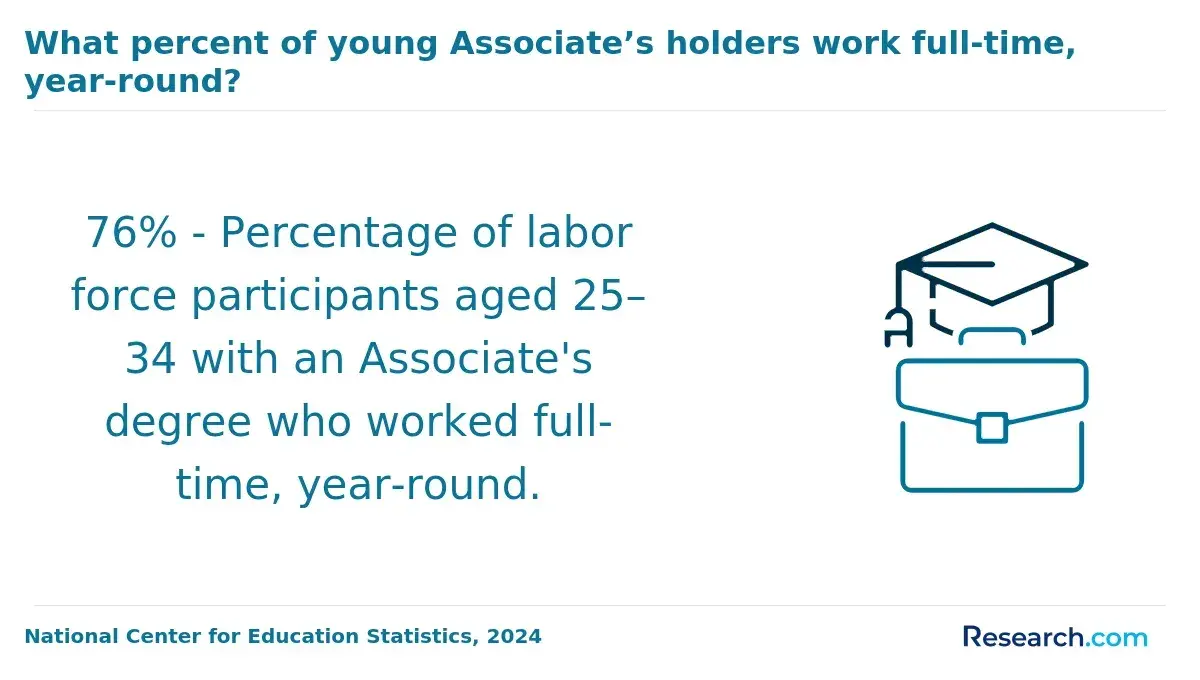
The volume of financial technology graduates entering the workforce annually does not by itself indicate whether the field experiences oversupply or undersupply. Data from sources like the National Center for Education Statistics and the Integrated Postsecondary Education Data System show that related programs-often embedded within broader finance or computer science degrees-produce approximately 8,000 to 12,000 graduates yearly at the bachelor's and master's levels in the U.S. However, these numbers include students from diverse specializations and delivery modes, such as online enrollments, and not all graduates seek fintech-specific roles immediately, complicating direct workforce alignment assessments.
Employers' hiring patterns further nuance this picture. Roughly 60-70% of these graduates secure positions closely linked to fintech within a year, reflecting a competitive landscape shaped by adjacent fields like traditional finance and software development drawing from the same talent pool. Regional labor market variations and employer demand for candidates combining technical expertise with practical fintech experience impose additional constraints on how supply translates into job placements. Without accounting for role-specific demands, replacement hiring, and the timing of labor market entry, graduate volume data alone can mislead stakeholders about actual employer needs and workforce gaps.
For example, a surge in graduates without corresponding increases in internships or applied learning opportunities risks creating underemployed or mismatched candidates, affecting sector growth and individual career trajectories. Educators and policymakers benefit from integrating granular labor data with educational outcomes to better match graduate preparation to evolving employer expectations. This approach prevents overestimating supply sufficiency based solely on degree counts, emphasizing that meaningful workforce analysis requires examining skill relevance, market absorption rates, and regional ecosystem dynamics rather than headline graduate numbers alone.
Does Job Growth Support the Rising Supply of Financial Technology Graduates?
Projected job growth for financial technology occupations is positive but does not fully accommodate the rapid increase in graduates from related programs. According to the U.S. Bureau of Labor Statistics (2024), fintech roles are expected to grow by about 12%, which is faster than average but reflects steady rather than explosive expansion. Many entry-level positions require more than just a fintech degree; employers increasingly look for candidates with combined technical, regulatory, and analytical skills, creating a gap between graduate qualifications and job market needs. Graduates lacking these complementary competencies may face underemployment or difficulty breaking into specialized roles despite growing graduate volumes.
Employer demand trends for entry-level financial technology professionals vary significantly by region and sector, with some areas having nearly doubled graduate output without a matching rise in openings. Replacement demand contributes openings but often intensifies competition, especially in markets where many candidates hold overlapping fintech and technology credentials. For example, a recent regional survey highlighted challenges in filling senior positions while newer graduates compete intensely for fewer accessible roles. This dynamic underscores the importance of strategic upskilling and realistic career planning to avoid misreading the labor market, as apparent strong job growth does not always translate to sufficient opportunities for new degree holders.
Students weighing financial technology degrees should consider the practical balance of supply and demand, including localized employer needs. Those interested in maximizing employability might explore programs with interdisciplinary content or certifications that address evolving regulatory and technical requirements. For prospective students seeking cost-effective pathways aligned with real workforce trends, researching options such as the cheapest online business management degree can provide alternate, pragmatic routes to competitive skill sets. Awareness of these nuances is essential to align educational investments with viable employment prospects.
How Competitive is the Entry-Level Market for Financial Technology Graduates?
Entry-level markets for financial technology graduates in 2024 are shaped by a complex interplay of factors that limit straightforward conclusions about oversupply or undersupply. While job postings in fintech have increased, this has been matched by a rising number of graduates, creating intense competition that is not evenly distributed across geographies or specializations. Employers now emphasize a hybrid profile combining technical skillsets with domain knowledge and practical experience, often screening out candidates lacking internship or project exposure. These dynamics suggest that competition reflects both constrained job creation and skill mismatches rather than a simple glut of graduates. The following points highlight key influences on hiring conditions.
- Applicant Volume Concentration: Major financial hubs see extremely high applicant-to-opening ratios, sometimes exceeding 10:1, which sharply narrows chances for candidates without standout qualifications. Graduates in less saturated regions may encounter fewer direct openings but also less intense competition.
- Experience Expectations: Many entry-level roles require substantive hands-on experience, often through internships or capstone projects, raising entry barriers. Candidates should assess programs and work opportunities offering practical exposure to better align with market demands.
- Industry Demand Variability: Demand varies widely among sectors; for instance, digital payments and blockchain niches show growth while traditional finance roles remain more conservative in hiring. This unevenness influences strategic job search and skill development priorities.
- Skillset Specialization: Employers increasingly prefer graduates with combined technical proficiency (coding, data analysis) plus financial domain expertise. Purely technical or purely non-technical profiles face limited openings and must consider cross-disciplinary upskilling.
- Geographic Disparities: Urban centers concentrate demand but also attract more candidates, whereas smaller markets offer fewer roles but might enable less competitive entry points. Graduates need to weigh relocation costs against opportunity availability.
- Remote Work Competition: The expansion of remote roles has broadened applicant pools regionally, introducing competition from out-of-area candidates and requiring stronger digital communication skills.
- Demonstrated Competencies: Verified proficiency in relevant programming languages and real-world fintech tools enhances employability. Recruiters heavily rely on such credentials to filter applicants.
A recent financial technology graduate reported applying to over 50 positions in metropolitan areas known for fintech innovation but faced repetitive rejection due to an emphasis on prior internship experience and dual skill sets. After narrowing the search to regional financial services firms and emerging sectors like insurtech, the graduate found more receptiveness despite somewhat lower salaries and slower growth trajectories. This experience reflects the importance of selective targeting and realistic expectations in navigating the nuanced supply-demand balance in fintech's entry-level market.
Which Industries Have the Greatest Demand for Financial Technology Graduates?
Demand for financial technology graduates is strongest within industries where finance intersects with rapid digital transformation and regulatory complexity. These sectors prioritize candidates who combine technical programming skills with a working understanding of financial markets, risk management, and compliance. The concentration of hiring in traditional finance hubs reflects persistent employer preferences for graduates with both practical toolsets-like Python coding and data analytics-and contextual knowledge that adapts to evolving regulatory frameworks. For example, a recent graduate weighing opportunities might find more job openings within banking but higher competition, while fintech startups could offer accelerated roles requiring broader agility but with less job stability. The volume of openings is a key consideration but so are the distinct skills demanded and the likelihood of advancement, which vary markedly by sector. Below are the industries generating the strongest demand for financial technology graduates:
- Banking: Banks lead demand due to ongoing investments in digital payments, blockchain tech, and cybersecurity. Entry-level roles emphasize automation and data integration, while advanced positions require innovation to maintain competitive edge within highly regulated environments.
- Investment Firms: Asset management companies rely increasingly on algorithmic trading and risk analytics, valuing fintech graduates skilled in programming languages and regulatory compliance for developing robust, data-driven investment strategies.
- Fintech Startups: Startups focusing on payment platforms and lending technologies seek graduates with agile development and product management capabilities, often favoring cross-disciplinary experience to drive rapid growth and iteration.
- Regulatory Agencies: Smaller in scale but specialized, these organizations hire for roles in compliance technology, fraud detection, and audit automation, demanding hybrid legal-fintech expertise to enforce industry standards.
- Consultancies: Firms advising financial institutions on technology adoption and risk mitigation increasingly require graduates with both technical fluency and strategic insight into financial sector challenges.
- Non-Financial Sectors: Emerging demand in retail and insurance reflects efforts to integrate fintech solutions with customer analytics and supply chain management, although these roles often require additional cross-functional skills beyond core financial technology.
Geographic concentration and employer size affect hiring intensity, with metropolitan financial centers offering a denser set of opportunities but also tougher competition. Prospective graduates should consider how their specific skillsets align with these demands and assess regional labor market dynamics to optimize their job prospects in the competitive landscape of top US industries hiring financial technology graduates. For example, comparing roles in a major bank versus a fintech startup involves weighing factors such as stability, innovation exposure, and career trajectory.
Those evaluating educational programs or career shifts related to fintech should also be mindful that practical, hands-on training and regulatory knowledge often outweigh purely theoretical credentials. In this context, some may find value in exploring related areas like ABA-approved paralegal programs to strengthen compliance and legal understanding, enhancing employability within fintech-regulated roles.
Where are Financial Technology Graduates Most in Demand?
National figures on demand for financial technology graduates often obscure significant regional disparities shaped by local industry ecosystems and education pipelines. For instance, established financial centers with dense fintech and traditional finance sectors-such as New York City or San Francisco-feature the highest concentration of job openings but also the stiffest competition, which can depress starting salaries and elevate hiring standards. A graduate relocating to these metros may face saturation from numerous qualified applicants despite abundant postings, making geographic flexibility and specialization in areas like blockchain or cybersecurity essential for standing out.
Conversely, emerging fintech hubs in cities like Charlotte or Atlanta combine solid employer demand with less crowded talent pools, offering potentially stronger leverage for early-career candidates. However, these markets often come with tradeoffs including fewer total job listings and the need to adapt to narrower local industry focuses like regional banking or insurance technology. Remote work partially mitigates geographic constraints but does not fully equalize the uneven distribution of opportunities or the premium placed on practical skills linked to local regulatory environments and vendor networks.
Supply-demand mismatches also vary because growing educational programs in some areas produce more graduates than existing employers can absorb, leading to heightened competition and potential underemployment. According to 2024 data from the U.S. Bureau of Labor Statistics and Lightcast, demand remains strongest where financial innovation accelerates and firms adopt digital transformation strategies, but market entrants must weigh location-based cost of living and realistic employer expectations alongside headline job volumes. In this context, careful alignment of career goals with regional labor dynamics-not just raw job counts-determines the practical value of pursuing a financial technology degree in various U.S. locales.
Which Financial Technology Specializations and Degree Levels Face the Strongest Demand?
Employer demand within financial technology (fintech) is distinctly uneven, concentrating heavily on specialized skills and advanced credentials rather than dispersing evenly across all degree holders. Data from the U.S. Bureau of Labor Statistics and LinkedIn Workforce Insights in 2024 confirm that candidates with technical depth and regulatory knowledge stand out in a crowded job market. For example, a graduate with a master's in financial technology focusing on blockchain applications and risk analytics will encounter significantly stronger hiring prospects compared to a bachelor's graduate from a generalized fintech program. This illustrates the persistent advantage of higher-tier qualifications paired with niche expertise in addressing employer needs for complex problem-solving roles.
Demand centers on several targeted areas where student supply has not kept pace. These include experts with interdisciplinary capabilities spanning programming, data science, and financial regulation-a combination difficult to acquire without specialized graduate training. Meanwhile, oversaturation at the bachelor's level is intensifying competition, pushing many entry-level applicants to seek further credentialing or distinct specializations to remain competitive.
Key areas of employer demand include:
- Blockchain and Distributed Ledger Experts: Advanced degrees focusing on smart contracts and decentralized finance address a growing need in digital asset management and regulatory compliance, requiring strong technical proficiency and often graduate-level education.
- Data Analytics Specialists: Professionals trained in financial datasets and machine learning drive risk management and fraud detection initiatives, benefiting from both domain-specific data science skills and industry certification.
- Cybersecurity Professionals with Regtech Knowledge: Specialists understanding compliance frameworks such as KYC and AML are in short supply, opening opportunities for candidates with fintech-focused cybersecurity credentials.
- Master's Degree Holders in Fintech or Related Fields: Employers favor candidates with advanced interdisciplinary training combining computer science, finance, and statistics for roles demanding complex quantitative analysis and programming.
- Quantitative Finance and Financial Engineering Graduates: These graduates meet needs for algorithmic trading, risk modeling, and structured finance, reflecting the high technical demands in fintech roles.
- Regulatory Technology (Regtech) Practitioners: Growing demand exists for professionals who can navigate evolving regulatory landscapes, integrating technology with compliance functions across financial services.
- Specialists in Fraud Detection Systems: Given rising cybersecurity threats, there is employer preference for candidates with hands-on experience with fraud monitoring technologies tailored to financial contexts.
Are Employer Skill Gaps Affecting Demand for Financial Technology Graduates?
Demand for financial technology graduates is primarily constrained not by overall supply but by a pronounced shortage of candidates possessing the technical, regulatory, and applied competencies employers require. For example, a finance firm struggling to fill roles tied to anti-money laundering compliance or blockchain analytics may have many applicants but few who demonstrate proficiency in Python or machine learning tailored to financial data. This disconnect means that vacancies remain unfilled despite high graduate volume, creating a misleading perception of oversupply. Employers weigh practical experience-such as internships or project work-alongside formal credentials, often prioritizing hybrid skill sets that combine digital savvy with regulatory fluency and effective communication in hybrid work settings.
These dynamics reflect a nuanced impact of employer-required credentials on financial technology hiring decisions, particularly in competitive metropolitan markets where labor pools are deep but skill mismatches are frequent. Graduates entering the workforce without familiarity with industry tools, frameworks like AML and KYC, or the ability to deploy risk detection technologies often face longer job searches and sharper competition. Distinguishing between genuine degree undersupply versus experiential gaps is critical for students and educators aiming to enhance employability. Aligning programs with real-world workflows and emphasizing targeted skill development through internships or applied coursework can mitigate these gaps effectively.
Prospective students should consider how program design influences alignment with employer expectations in North America and beyond, especially when evaluating options like fastest online masters that may accelerate credential attainment but require careful scrutiny of practical outcomes. Understanding the interplay between graduate volume and demand through the lens of financial technology graduate skill gap analysis in North America offers practical insight for managing competition and career trajectory risks in this evolving labor market.
What is the Future Supply-and-Demand Outlook for Financial Technology Graduates?
Targeted job searches almost always outperform high-volume, unfocused applications because aligning skills and experiences with specific employer needs increases interview conversion rates. For example, a graduate focusing on entry-level fintech compliance analyst roles in regions showing sustained employer demand avoids competing in oversaturated cities with abundant software developer applicants. Prioritizing industries such as regulatory technology or blockchain startups where openings are more frequent, and tailoring resumes to mirror job descriptions, demonstrate a stronger fit than generic submissions. This strategic approach directly addresses the regional employment outlook for financial technology degree holders and avoids wasted effort on poorly matched roles, which often leads to prolonged job search periods and missed opportunities.
Graduates improve outcomes by showcasing relevant competencies through verified projects, internships, or certifications emphasizing coding, data analytics, and domain knowledge. Researching labor market data ahead of time-including timing applications to coincide with hiring surges-and networking within fintech hubs further amplify chances of success. Rather than dispersing applications broadly, directing efforts toward roles where qualifications closely match requirements yields more interviews and better labor market entry. Market oversupply in some urban areas contrasts with localized shortages elsewhere, so willingness to relocate or specialize can be a crucial differentiator in navigating future supply and demand trends for financial technology graduates.
While some may be tempted to pursue the easiest degree to get route, fintech programs demand continual upskilling and practical experience to meet complex employer expectations. Graduates ignoring these realities risk being lost in a fragmented hiring environment dominated by those who combine technical mastery with practical insights, leaving behind behind those relying on credentials alone.
References:
- FinTech Market Overview with Size, Share, Value | Growth [2034] https://www.fortunebusinessinsights.com/fintech-market-108641
- Fintech and your career https://gradireland.com/careers-advice/fintech-and-your-career
- 5 Fake Facts About Studying FinTech - Vilniaus verslo kolegija https://www.kolegija.lt/en/5-fake-facts-about-studying-fintech/
- Good news for graduates as financial sector hiring ... https://www.fintechfutures.com/job-cuts-new-hires/good-news-for-graduates-as-financial-sector-hiring-continues-to-grow
- The Great Canadian Fintech Talent Shortage: Why Your Next Hire Just Got 25% More Expensive https://blog.fundmore.ai/great-canadian-fintech-talent-shortage-next-hire-just-got-more-expensive
- Bridging the skills gap for the finance function https://myfuture.cimaglobal.com/career-insights/bridging-the-skills-gap-in-finance/
- Why are UK students shunning fintech careers? Investment Monitor https://www.investmentmonitor.ai/news/students-are-not-pursuing-lucrative-careers-fintech/
- Verifying that you are not a robot... https://courses.cfte.education/fintech-job-report/
- What is fintech? A guide to graduate careers in financial technology https://targetjobs.co.uk/careers-advice/accountancy-banking-and-finance/what-fintech-guide-graduate-careers-financial-technology
- What are the most in-demand jobs for Master’s in Finance graduates? https://mentr-me.com/question/what-are-the-most-in-demand-jobs-for-masters-in-finance-g
Other Things You Should Know About Financial Technology
The rigor and practical focus of a fintech program directly influence graduate employability. Programs emphasizing hands-on experience with blockchain, data analytics, and regulatory technologies better align with employer needs than those centered mostly on theory. Prospective students should prioritize programs integrating real-world projects, internships, or industry collaborations to avoid graduating with skills that don't translate into workplace productivity.
While a broad fintech education offers versatility, it may dilute proficiency in high-demand technical skills like machine learning or secure coding. Employers increasingly seek candidates with strong specialization in niche areas combined with domain knowledge. Students must weigh whether to pursue broader fintech degrees for flexibility or sharper technical tracks to meet immediate labor market demands, keeping in mind specialized credentials often command higher starting salaries but may limit lateral mobility.
Rising complexity and workload in fintech curricula may lead to higher dropout rates or superficial learning if programs do not provide adequate support. Overly intensive programs risk producing students who struggle to balance mastery of critical tools with timely graduation, impacting market entry speed. Prospective students should evaluate program designs for balanced pacing, support structures, and realistic workload expectations, as these factors strongly influence the quality of skill acquisition and, subsequently, job readiness.
Graduates should prioritize continuous upskilling beyond the degree, especially in emerging technologies and regulatory trends. The fintech field evolves rapidly, so staying current with certifications or practical experience in areas like AI-driven finance tools or cybersecurity is crucial. Early-career professionals often benefit more from targeted technical proficiency paired with strategic networking than solely relying on their degree. Prioritizing adaptability and lifelong learning enhances career resilience amid shifting employer demands.