
2027 Best Nursing Schools in Nebraska – Accredited ADN, BSN, MSN Programs

Co-Founder and Chief Data Scientist
Nebraska nursing students are choosing programs at a time when the state’s healthcare workforce is unevenly distributed, especially outside major metro areas. As of 2024, 78 of Nebraska’s 93 counties had a registered nurse (RN) to patient ratio below the national average, according to the Nebraska Hospital Association, and eleven counties had no RN stationed at all. For future nurses, that creates both opportunity and responsibility: jobs may be available, but the best path depends on the license level, school quality, clinical placement access, cost, and where you plan to work after graduation.
This guide explains how to compare the best nursing schools in Nebraska, what each nursing pathway requires, how long programs usually take, what tuition ranges to expect, and how licensure works. It also addresses practical questions such as whether nursing is a strong career choice in Nebraska and what nursing school may cost so you can make a more informed decision before applying.
Best Nursing Schools in Nebraska: Guide Navigation
- Is nursing a good job in Nebraska?
- What are the steps to becoming a nurse in Nebraska?
- Nursing Program Length in Nebraska
- Tuition and Costs of the Best Nursing Schools in Nebraska
- Best Nursing Schools in Nebraska for 2027
- What to Look For in Nursing Programs in Nebraska
- What are the pathways to advanced practice nursing roles in Nebraska?
- What are the career advancement opportunities and salary trends for nurses in Nebraska?
- How Do Out-of-State Nurses Transfer Their Credentials to Nebraska?
- What Are Effective Strategies for Nurse Retention in Nebraska?
- How Can Interdisciplinary Collaboration Expand Nursing Roles in Nebraska?
- Which Professional Organizations Can Support Your Nursing Career in Nebraska?
- How Can Targeted Certifications Boost Your Nursing Career in Nebraska?
- What are the advantages of pursuing an online LPN program in Nebraska?
- What non‑clinical career opportunities can nurses pursue in Nebraska?
- What are the nurse midwife career prospects in Nebraska?
- Licensing Requirements and Continuing Education for Nurses in Nebraska
- What are the unique challenges and opportunities for rural nurses in Nebraska?
- Work-Life Balance for Nurses in Nebraska
- What Online Learning Options Are Available for Nursing Students in Nebraska?
Quick Answer: How Should You Choose a Nursing School in Nebraska?
The best nursing school in Nebraska is the accredited program that matches your target license, budget, schedule, clinical placement needs, and long-term career plan. Students seeking the fastest route into nursing may consider an LPN diploma or ADN program, while those who want broader hospital, leadership, public health, or graduate-school options often choose a BSN. Working nurses may benefit from RN-to-BSN, RN-to-MSN, MSN, or DNP pathways, especially if they want advanced practice, education, administration, or specialized clinical roles.
| Decision Factor | Why It Matters | What to Verify Before Applying |
| Accreditation | Accreditation affects licensure eligibility, transfer credit, graduate study, and employer recognition. | Confirm ACEN or CCNE nursing accreditation and institutional accreditation. |
| Clinical placements | Nursing cannot be learned fully online; students need supervised patient-care experience. | Ask where clinicals occur, how placements are assigned, and whether travel is required. |
| NCLEX performance | Pass rates can indicate how well a program prepares graduates for licensure exams. | Review recent NCLEX-PN or NCLEX-RN outcomes, not just one strong year. |
| Total cost | Tuition is only part of the price of attendance. | Include fees, books, uniforms, background checks, transportation, exam costs, and lost work time. |
| Program format | Full-time, part-time, campus, hybrid, and online formats fit different students. | Check whether online coursework still requires in-person labs, simulations, or clinical rotations. |
Is nursing a good job in Nebraska?
Nursing can be a strong career choice in Nebraska, but the answer depends heavily on location, specialty, and career stage. The state’s workforce picture is not simple. A reported nursing workforce imbalance in Nebraska shows that some roles may appear oversupplied statewide while many counties still lack enough nurses to meet local healthcare needs.
As of 2027, Health Workforce Research Center data cited for 2024 reported an oversupply of Registered Nurses by 110%, Nurse Practitioners by 135%, and Licensed Practical Nurses by 98%. At the same time, the Nebraska Hospital Association reported that 73 of the state’s 93 counties had RN-to-patient ratios below the national average. The same workforce discussion noted that seven counties had no registered nurses and that 66 counties were medically underserved. In practical terms, nursing opportunity in Nebraska is shaped less by statewide averages and more by where nurses are available, which facilities are hiring, and which specialties are difficult to staff.
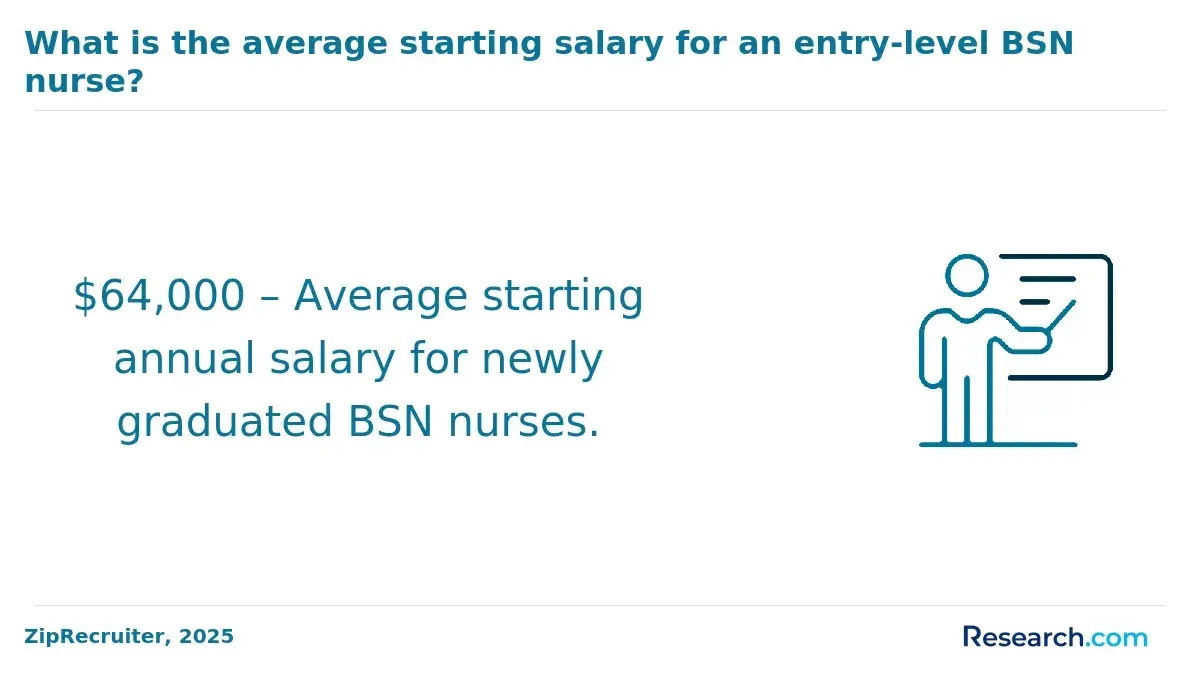
Pay is another factor to weigh carefully. Registered nurses in Nebraska earned an annual mean salary of $82,910 on average, which was 6% below the national average, according to U.S. Bureau of Labor Statistics data cited for 2024. For some students, that salary can still support a strong return on investment, particularly if they choose an affordable program, reduce debt, use employer tuition assistance, or work in high-need settings. For others, especially those comparing offers across states, salary differences may matter.
Nebraska also faces educational capacity challenges. A shortage of nursing instructors has affected some nursing programs in the state; four out of 18 Nebraska nursing school programs had to adjust clinical schedules because of shortages, and two reported reduced admissions. This means applicants should not assume every program can expand seats quickly, even when healthcare employers need nurses.
The bottom line: nursing in Nebraska is promising for students who choose an accredited program, prepare for licensure, understand local labor-market conditions, and are open to rural, underserved, specialty, or advancement opportunities. It is less ideal for students who choose a school based only on name recognition or who ignore cost, clinical access, and licensure outcomes.
What are the steps to becoming a nurse in Nebraska?
Becoming a nurse in Nebraska requires completing the right approved nursing education program, passing the appropriate national licensure exam, and meeting Nebraska Board of Nursing requirements. The exact pathway depends on whether you want to become an LPN, RN, APRN, or CRNA.
| Nursing Role | Typical Education Path | Required Exam or Credential | Best For |
| Licensed Practical Nurse (LPN) | State-approved practical nursing program | NCLEX-PN | Students who want a shorter route into bedside care under RN or provider supervision. |
| Registered Nurse (RN) | ADN or BSN program | NCLEX-RN | Students seeking broader clinical responsibility and wider employer options. |
| Advanced Practice Registered Nurse (APRN) | MSN or DNP in a specialization | National specialty certification and state licensure | Experienced RNs who want advanced clinical, diagnostic, leadership, or specialty roles. |
| Certified Registered Nurse Anesthetist (CRNA) | Graduate nurse anesthesia education | National Certification Examination for Nurse Anesthetists | RNs seeking highly specialized anesthesia practice. |
Licensed Practical Nurse (LPN)
- Complete approved practical nursing education: Enroll in a state-approved LPN program, commonly designed to be completed in 12 to 18 months. Coursework and labs build essential nursing, medication, patient-care, and safety skills.
- Pass the practical nursing licensure exam: Take and pass the NCLEX-PN to qualify for LPN licensure in Nebraska.
Registered Nurse (RN)
- Select an ADN or BSN route: An Associate Degree in Nursing generally takes about two years, while a Bachelor of Science in Nursing is commonly structured as a four-year degree. Both can prepare graduates for RN licensure, but the BSN may provide broader preparation in leadership, community health, evidence-based practice, and future graduate study.
- Pass the RN licensure exam: Graduates must pass the NCLEX-RN exam to become licensed. Some ADN-prepared RNs later use affordable online RN-to-BSN options to strengthen credentials while continuing to work.
Advanced Practice Registered Nurse (APRN)
- Choose an advanced role: Decide whether your goal is Nurse Practitioner, Clinical Nurse Specialist, Nurse Anesthetist, or Nurse Midwife practice.
- Earn graduate nursing education: Complete an MSN or DNP aligned with your specialty. Working nurses may compare online master’s in nursing programs when flexibility and cost are major concerns.
- Secure specialty certification: Pass the certification exam required for your advanced practice area.
- Apply for Nebraska APRN authorization: Submit the required documentation for state recognition and scope of practice.
Certified Registered Nurse Anesthetist (CRNA)
- Complete nurse anesthesia education: Earn a master’s or doctoral degree in nurse anesthesia, typically involving 24 to 36 months of specialized study and clinical preparation.
- Pass the certification exam: Complete the National Certification Examination for Nurse Anesthetists.
- Obtain Nebraska licensure: Meet state requirements to practice as a CRNA in Nebraska.
Nursing Program Length in Nebraska
Students often ask how long nursing school takes, but the answer depends on the credential. A short practical nursing program can move students into the workforce faster, while BSN, MSN, DNP, and PhD programs require more time because they prepare nurses for broader responsibility, advanced clinical practice, leadership, or research.
Licensed Practical Nurse (LPN) Diploma
LPN diploma programs in Nebraska commonly run from one year to about 16 months. These programs focus on practical nursing fundamentals and prepare graduates for the NCLEX-PN. This route can make sense for students who want to enter healthcare sooner, gain paid experience, and possibly return later for RN education.
Undergraduate Programs
- Associate Degree in Nursing (ADN): ADN programs in Nebraska generally require about two to three years. This route is often appealing to students who want an RN pathway with a shorter academic timeline than a traditional BSN.
- Bachelor of Science in Nursing (BSN): A traditional BSN usually takes four years and includes broader preparation in clinical reasoning, leadership, public health, research, and care coordination. Some accelerated nursing programs in Nebraska serve working RNs with ADN credentials and may take about one to two years. Students who want a flexible bridge option can also compare programs such as the best online RN-to-MSN programs.
Graduate Programs
- Master of Science in Nursing (MSN): MSN programs usually take two to three years and are designed for nurses pursuing advanced clinical practice, administration, education, informatics, or other specialized roles. Some Nebraska graduate nursing options include online coursework for working nurses.
- Doctor of Nursing Practice (DNP): DNP programs commonly take about three to four years and emphasize advanced practice, systems leadership, evidence-based care, and quality improvement. Nurses considering advanced clinical roles may also compare online nurse practitioner programs.
- Doctor of Philosophy in Nursing (PhD): PhD programs usually require about three to five years and are designed for nurses interested in research, scholarship, academic careers, and knowledge development in the nursing field.
| Program Type | Typical Timeframe | Main Outcome | Good Fit For |
| LPN diploma | One year to around 16 months | NCLEX-PN preparation | Fastest practical nursing entry route. |
| ADN | About two to three years | RN licensure eligibility | Students seeking a shorter RN pathway. |
| BSN | Four years | RN licensure eligibility with broader preparation | Students targeting hospitals, leadership, graduate study, or wider mobility. |
| MSN | Two to three years | Advanced or specialized nursing preparation | RNs pursuing education, leadership, specialty, or APRN pathways. |
| DNP | Three to four years | Practice doctorate | Nurses seeking advanced practice or executive-level clinical leadership. |
| PhD in Nursing | Three to five years | Research doctorate | Nurses pursuing research, academic, or scholarly careers. |
When comparing timelines, look beyond the number of semesters. Clinical scheduling, prerequisites, part-time enrollment, transfer credits, failed course repeat policies, and waitlists can all affect how long it takes to graduate and become licensed.
Tuition and Costs of the Best Nursing Schools in Nebraska
Nursing school costs in Nebraska vary by credential level, school type, residency status, course load, and whether the program is campus-based, hybrid, or online. Tuition is only one part of the total cost; students should also budget for lab fees, uniforms, immunizations, background checks, drug screening, simulation fees, transportation to clinical sites, licensing exams, and reduced work hours.
| Program Level | Reported Tuition Range | Cost Planning Note |
| LPN program | $7,500 to $22,500 | Often the lowest-cost route, but graduates may return later for RN education. |
| RN program | $9,000 to $32,500 | Compare ADN and other RN pathways by total cost, not only tuition per credit. |
| BSN program | $16,000 to $45,000 | Usually longer than ADN programs but may support broader career and graduate-school options. |
| MSN program | Approximately $22,000 to $53,000 | Best evaluated against specialization, employer tuition support, and career goals. |
| DNP program | $32,500 to $63,000 | Consider whether the degree is required or strongly preferred for your target role. |
| PhD in Nursing program | $38,000 to $72,500 | Research funding, assistantships, and academic career plans can significantly affect ROI. |
These ranges are approximate and can differ by institution and program. Before applying, request a full cost-of-attendance estimate and ask whether clinical placements require travel, overnight stays, or additional insurance. A lower tuition program may not be cheaper if it has limited scheduling flexibility or requires major commuting expenses.
Financial Aid and Scholarships for Nebraska Nursing Students
Financial aid can make a major difference in whether a nursing program is affordable. Start with the FAFSA, then review institutional grants, nursing-specific scholarships, work-study, employer tuition reimbursement, military or veteran benefits, and loan forgiveness options tied to underserved communities or rural service.
Do not wait until admission to investigate funding. Some scholarships require separate applications, early deadlines, proof of Nebraska residency, veteran affiliation, financial need, or enrollment in a specific type of nursing program. Ask each school whether scholarships are renewable, whether they require full-time enrollment, and whether clinical performance or GPA affects continued eligibility.
Two Nebraska-related funding examples include:
- University of Nebraska Medical Center (UNMC): UNMC lists several financial aid opportunities, including scholarships, grants, federal work-study, and education loans. Scholarship applicants need a UNMC ID and must apply through MyRecords by April 1st, while FAFSA completion is considered for grant aid and federal work-study.
- Nebraska Legion Auxiliary Licensed Practical Nursing Scholarships: This scholarship program provides $500 awards for veterans and family members pursuing nursing. The listed scholarship requirements include Nebraska residency, veteran affiliation, acceptance into a practical nursing school, and financial need, with deadlines in March.
Best Nursing Schools in Nebraska for 2027
The schools below were selected to help prospective students compare Nebraska nursing options across program availability, accreditation, NCLEX performance, continuing education, and academic pathways. Use this list as a starting point, not a final decision. The best school for you should also fit your budget, commute, clinical schedule, transfer-credit situation, and target license.
1. University of Nebraska Medical Center
The College of Nursing at the University of Nebraska Medical Center offers BSN, MSN, DNP, Ph.D., and continuing education options. Its programs prepare students for roles in clinical practice, research, education, administration, health policy, and leadership. UNMC is also a major option for students seeking accelerated nursing programs in Omaha. Its baccalaureate, master’s, Doctor of Nursing Practice, and post-graduate APRN certificate programs are accredited by the Commission on Collegiate Nursing Education (CCNE).
- Available Degrees: BSN, MSN, DNP, Ph.D.
- NCLEX Passing Rate: 94.36%
- Accreditation: CCNE
- Continuing Education: Yes
2. Creighton University
Creighton University offers traditional and accelerated BSN pathways, along with graduate nursing options. Its BSN students receive more clinical experience hours than students in other Nebraska BSN programs, according to the information cited. Creighton’s nursing programs are accredited by CCNE and may appeal to students who want a private university setting with extensive clinical preparation.
- Available Degrees: Traditional & Accelerated BSN, MSN, DNP
- NCLEX Passing Rate: 92%
- Accreditation: CCNE
- Continuing Education: Yes
3. Clarkson College
Clarkson College in Omaha offers several nursing pathways, including BSN, MSN, post-graduate certificates, and DNP programs. The college has maintained continuous accreditation through the Higher Learning Commission since 1984. Its Bachelor of Science in Nursing, Master of Science in Nursing, and Doctor of Nursing Practice programs are accredited by the Accreditation Commission for Education in Nursing (ACEN).
- Available Degrees: LPN to BSN, BSN, RN to BSN, RN to MSN, MSN, BSN to DNP
- NCLEX Passing Rate: 98%
- Accreditation: ACEN
- Continuing Education: Yes
4. Union College-Nebraska
Union College-Nebraska provides nursing pathways for students entering the profession and for nurses advancing their education. Options include the traditional BSN, RN-BSN completion, and LPN-BSN route. The college emphasizes broad nursing preparation and practical skills for healthcare careers. Its nursing programs are described as accredited by CCNE, supporting alignment with recognized nursing education standards.
- Available Degrees: LPN to BSN, BSN, RN to BSN, RN to MSN, MSN, BSN to DNP
- NCLEX Passing Rate: 98%
- Accreditation: ACEN
- Continuing Education: Yes
5. Nebraska Methodist College
Nebraska Methodist College offers nursing programs for students at multiple academic levels, including BSN, RN-BSN, MSN, and DNP pathways. The college combines classroom learning with practical training designed to prepare graduates for healthcare settings. It may be a fit for students who want a nursing-focused institution with undergraduate and graduate progression options.
- Available Degrees: BSN, MSN, DNP
- NCLEX Passing Rate: 98.61%
- Accreditation: CCNE
- Continuing Education: Yes
What to Look For in Nursing Programs in Nebraska
A nursing program should be evaluated like a professional investment. The school’s reputation matters, but accreditation, licensure outcomes, clinical access, cost, and support services matter more. Use the checklist below before committing to a program.
- Accreditation: Confirm that the nursing program is accredited by a recognized nursing accreditor such as ACEN or the Commission on Collegiate Nursing Education (CCNE). Accreditation can affect licensure, credit transfer, graduate admission, and employer acceptance.
- Degree fit: Match the program to your career goal. ADN and BSN pathways can lead to RN licensure, while MSN and DNP programs support advanced practice, leadership, education, and specialty roles.
- Clinical placement quality: Ask where students complete clinicals, whether the school guarantees placements, how far students travel, and whether rural or specialty placements are available.
- Faculty capacity: Faculty shortages can affect course availability, clinical scheduling, and admissions. Ask about student-to-faculty ratios, advisor access, and instructor credentials.
- Simulation and lab resources: Modern labs and simulation experiences help students practice safely before direct patient care. They should support—not replace—quality clinical training.
- NCLEX preparation: Review pass rates, remediation support, exit exam policies, tutoring, and how the program helps students who struggle academically.
- Flexibility: Online or part-time formats can help working adults, but nursing programs still require in-person labs and clinical work. Confirm the exact on-campus and clinical requirements.
- Career support: Strong programs maintain employer relationships, offer resume and interview support, and connect students with hospitals, clinics, rural health providers, and alumni networks.
| Question to Ask | Why It Matters |
| Is the program approved for Nebraska licensure? | Approval is essential for NCLEX eligibility and state licensure. |
| What were recent NCLEX pass rates? | Consistent performance is more meaningful than one good year. |
| How are clinical placements assigned? | Placement uncertainty can delay graduation or increase travel costs. |
| Can I transfer prior credits? | Transfer policy can shorten or lengthen your program timeline. |
| What happens if I fail a course or clinical? | Repeat policies can affect cost, graduation date, and financial aid. |
| What is the total program cost? | Fees and clinical expenses can change the real price substantially. |
What are the pathways to advanced practice nursing roles in Nebraska?
Advanced practice nursing in Nebraska begins with RN preparation, clinical experience, graduate education, national certification, and state authorization. Nurses who want more autonomy or a specialized scope of practice can pursue roles such as Nurse Practitioner, Clinical Nurse Specialist, Nurse Anesthetist, or Nurse Midwife. Students comparing advanced clinical pathways can start by reviewing nurse practitioner programs in Nebraska, especially if their goal is diagnosis, treatment planning, prescribing authority, or primary and specialty care leadership.
Before choosing an MSN or DNP, confirm the admission requirements, required RN experience, clinical-hour expectations, certification exam alignment, and whether the program supports Nebraska licensure. Advanced nursing programs are demanding, so the right choice should match your intended patient population, such as family practice, adult-gerontology, pediatrics, psychiatric-mental health, women’s health, anesthesia, or midwifery.
What are the career advancement opportunities and salary trends for nurses in Nebraska?
Nurses in Nebraska can move from entry-level bedside roles into charge nursing, specialty practice, care coordination, case management, informatics, education, quality improvement, administration, and advanced practice. Salary growth is usually tied to experience, specialty, shift differentials, geographic location, employer type, and additional credentials. The annual mean salary for RNs in Nebraska was reported as $82,910 on average, 6% below the national average, but individual outcomes vary.
Career advancement is strongest when education and credentials are targeted. For example, an RN who wants advanced practice may compare 1 year nurse practitioner programs, while a nurse interested in leadership may prioritize management experience, preceptor roles, quality projects, and graduate education. No program can guarantee a salary increase, so nurses should compare expected tuition costs with realistic local job opportunities.
How Do Out-of-State Nurses Transfer Their Credentials to Nebraska?
Out-of-state nurses should begin by checking Nebraska Board of Nursing requirements for endorsement, license verification, education documentation, exam history, disciplinary background, and continuing education compliance. The process may differ depending on whether the nurse is an LPN, RN, or APRN and whether the current license is active and in good standing.
Applicants should gather official transcripts, proof of licensure, employment history, and any required test or certification records before applying. For a more detailed walkthrough, review Research.com’s guide to the nursing license in Nebraska.
What Are Effective Strategies for Nurse Retention in Nebraska?
Retention is one of Nebraska’s most important nursing workforce issues. Recruiting new nurses helps, but employers also need to keep experienced nurses from leaving. Effective retention strategies include safer staffing practices, competitive benefits, predictable scheduling, mentoring for new graduates, tuition support, leadership training, clinical ladder programs, and meaningful input from bedside nurses.
Education partnerships can also help. Hospitals and colleges can support career progression through bridge programs, certification preparation, and flexible options such as accelerated RN nursing degree programs online. For individual nurses, the practical lesson is to evaluate employers as carefully as schools: ask about orientation length, preceptor support, overtime expectations, workplace culture, and advancement pathways.
How Can Interdisciplinary Collaboration Expand Nursing Roles in Nebraska?
Nebraska nurses increasingly work across teams that include physicians, pharmacists, rehabilitation professionals, social workers, behavioral health specialists, public health staff, and care coordinators. Strong interdisciplinary practice can improve medication safety, discharge planning, chronic disease management, and patient education—especially in rural settings where providers may cover wider responsibilities.
Collaboration also helps nurses understand adjacent healthcare careers and operational roles. For example, nurses who work closely with pharmacy teams may better understand medication management and the training involved in becoming a pharmacist in Nebraska. This broader perspective can support leadership, informatics, quality improvement, and care coordination roles.
Which Professional Organizations Can Support Your Nursing Career in Nebraska?
Professional organizations can help Nebraska nurses stay informed, build networks, access continuing education, and track policy or licensure changes. Membership can be especially useful for students, new graduates, rural nurses, and nurses moving into advanced practice or leadership.
Look for organizations that match your license level and specialty. For example, practical nursing students should understand state expectations early and may benefit from resources related to LPN requirements in Nebraska. RNs and APRNs may seek organizations that offer advocacy, specialty education, conferences, mentorship, and certification support.
How Can Targeted Certifications Boost Your Nursing Career in Nebraska?
Specialty certifications can show competence beyond basic licensure and may help nurses qualify for specific units, leadership roles, or advanced responsibilities. Common certification areas include critical care, emergency nursing, oncology, pediatrics, geriatrics, informatics, case management, nursing education, and quality improvement.
Certifications are most valuable when they align with your current role or next career move. A nurse who wants advanced clinical autonomy should consider the education, certification, and licensing steps involved in becoming a nurse practitioner in Nebraska. A nurse who wants leadership may instead prioritize charge nurse experience, preceptor work, project leadership, and management training.
What are the advantages of pursuing an online LPN program in Nebraska?
Online LPN programs can offer flexibility for students who cannot attend traditional classes every day, but they are not fully remote. Practical nursing requires hands-on labs, skills validation, and supervised clinical experience. A legitimate online or hybrid LPN program should clearly explain where in-person requirements occur and how clinical placements are arranged.
The main advantages are scheduling flexibility, reduced commuting for didactic coursework, and improved access for students in rural or underserved areas. The risks are just as important: students must verify state approval, clinical availability, NCLEX-PN preparation, faculty support, and technology requirements. Students comparing options can review online LPN programs in Nebraska as a starting point.
What non‑clinical career opportunities can nurses pursue in Nebraska?
Nurses who want to move away from bedside care can pursue non-clinical or less-clinical roles in healthcare administration, quality improvement, insurance review, case management, informatics, patient education, utilization review, compliance, public health, medical writing, academic advising, and clinical documentation. These roles can be a good fit for nurses who enjoy systems thinking, communication, data, operations, or education.
Some nurses also build skills in revenue cycle, coding, billing, or health information. Those interested in administrative healthcare pathways may explore how to become a medical biller and coder in Nebraska. Nurses making this shift should identify which roles require bedside experience, certifications, software skills, or additional coursework.
What are the nurse midwife career prospects in Nebraska?
Nurse midwives can play an important role in maternal and reproductive healthcare, particularly in communities with limited access to providers. In Nebraska, nurse midwives may work in hospitals, clinics, birth centers, community health programs, and rural care settings, depending on employer needs and state practice rules.
Prospective nurse midwives should prepare for rigorous graduate education, national certification, and Nebraska licensure requirements. Because the role involves high responsibility for maternal and newborn care, students should evaluate programs by clinical placement quality, preceptor availability, board preparation, and patient population exposure. For a focused explanation, review the guide to nurse midwife education requirements in Nebraska.
Licensing Requirements and Continuing Education for Nurses in Nebraska
Licensure is the legal foundation for nursing practice in Nebraska. Students must complete an approved nursing program, pass the correct NCLEX exam, and satisfy Nebraska Board of Nursing requirements before practicing. LPN candidates take the NCLEX-PN, while RN candidates take the NCLEX-RN.
Future RNs should start by selecting an approved LPN, ADN, BSN, or other eligible pathway and confirming that the program leads to Nebraska licensure. After graduation, candidates apply for licensure and complete the required exam process. For a full step-by-step overview, see Research.com’s guide on how to become an RN in Nebraska.
Nebraska nurses must renew their licenses every two years. Renewal includes continuing education requirements intended to keep nurses current with patient safety, ethics, infection control, substance abuse, and other practice-related topics. Nurses must complete 20 contact hours of Continuing Education Units (CEUs) during each two-year renewal cycle.
APRNs and other specialized nurses may also need to maintain national certification, which can carry its own continuing education, practice-hour, or renewal rules. Because requirements can change, nurses should verify details directly with the Nebraska Board of Nursing and their certifying organization before each renewal period.
What are the unique challenges and opportunities for rural nurses in Nebraska?
Rural nursing in Nebraska can be demanding, but it can also offer broader responsibility and deeper community impact. Nurses in medically underserved areas often work with limited resources, fewer specialists, and patients who may travel long distances for care. At the same time, rural nurses may develop wide-ranging skills faster because they see diverse cases and often work closely with interdisciplinary teams.
Common challenges for rural nurses
- Resource limits: Rural facilities may have smaller teams, constrained budgets, fewer specialty services, and less access to advanced equipment.
- Staffing pressure: Short staffing can increase workloads, overtime, and emotional fatigue.
- Distance and transportation barriers: Patients may struggle to reach appointments, follow-up visits, specialty care, or emergency services.
- Broad clinical expectations: Rural nurses may need to care for many patient types because specialists are not always immediately available.
Opportunities for rural nurses
- Visible community impact: Nurses often become trusted local healthcare resources and patient advocates.
- Earlier leadership exposure: Smaller teams may give nurses more responsibility in care coordination, education, triage, and quality improvement.
- Financial support possibilities: Programs such as the Nebraska Rural Health Systems Incentive Program are designed to encourage work in underserved areas by helping reduce student debt.
- Stronger generalist skills: Rural practice can build confidence in assessment, prioritization, communication, and independent judgment.
Nursing Career Paths and Specializations in Nebraska
Nebraska nurses can grow beyond entry-level roles through specialty practice, advanced degrees, leadership responsibilities, and certifications. Clinical specialties include pediatrics, oncology, cardiovascular nursing, geriatrics, mental health nursing, emergency care, maternal health, and critical care. Non-clinical advancement may include education, informatics, case management, administration, compliance, and quality improvement.
Advanced practice roles include Nurse Practitioner, Clinical Nurse Specialist, Nurse Anesthetist, and Certified Nurse Midwife. These roles usually require graduate education such as an MSN or DNP, national certification, and Nebraska licensure or authorization. Nurses considering family practice advancement may compare online BSN-to-FNP programs if they need a flexible route from baccalaureate preparation to family nurse practitioner training.
Work-Life Balance for Nurses in Nebraska
Nursing work-life balance in Nebraska depends on setting, shift type, staffing, commute, specialty, and employer culture. Hospitals may offer higher-acuity experience and shift differentials but can involve nights, weekends, holidays, and overtime. Clinics, schools, public health agencies, and some community settings may offer more predictable schedules, though pay and advancement structures can differ.
Rural settings can offer closer patient relationships and broader autonomy, but they may also place more responsibility on fewer staff members. Before accepting a role, ask about staffing ratios, mandatory overtime, call requirements, schedule self-selection, orientation support, and how managers respond to burnout concerns.
For nurses returning to school, flexible online options can help protect work-life balance. Programs such as the most affordable online accelerated nursing programs with high graduation rates may help working adults compare cost and flexibility, but students should still verify clinical and in-person requirements before enrolling.
What Online Learning Options Are Available for Nursing Students in Nebraska?
Nebraska nursing students may find online or hybrid options at several levels, especially RN-to-BSN, MSN, DNP, and continuing education programs. Entry-level nursing programs may place some theory courses online, but labs, simulations, and clinical rotations still require in-person participation.
Students comparing online nursing programs in Nebraska should confirm state approval, accreditation, clinical placement support, campus visit requirements, technology expectations, and whether the program fits Nebraska licensure rules. Online convenience should never replace due diligence.
Why Enroll in One of the Best Nursing Schools in Nebraska?
A strong Nebraska nursing school can help students build the clinical judgment, technical skills, communication habits, and licensure readiness needed for safe practice. The best choice is not necessarily the most famous school; it is the program that helps you graduate, pass the required exam, manage costs, and move into the nursing role you actually want.
Top Nebraska programs may offer multiple pathways, including BSN, MSN, DNP, bridge programs, and online nursing degree programs for students who need flexibility. Faculty experience, simulation labs, clinical partnerships, and academic support can all affect how prepared students feel when they enter patient care.
Strong programs also connect students with local healthcare employers, alumni, clinical preceptors, and professional mentors. Those relationships can be especially valuable in Nebraska, where workforce needs differ between Omaha, Lincoln, regional hospitals, community clinics, and rural facilities.
Before enrolling, compare at least three programs side by side. Review accreditation, NCLEX outcomes, clinical sites, tuition, fees, transfer policies, graduation support, financial aid, and job placement resources. A careful comparison now can prevent costly delays later.
Common Mistakes to Avoid When Choosing a Nebraska Nursing Program
- Choosing a program without verifying accreditation: Always confirm nursing accreditation and state approval before applying.
- Looking only at tuition: Fees, supplies, commuting, clinical travel, and lost wages can change the total cost.
- Assuming online means fully remote: Nursing programs require in-person clinical learning, even when coursework is online.
- Ignoring NCLEX support: Ask about pass rates, tutoring, remediation, and exam preparation resources.
- Overlooking clinical placement logistics: Long travel distances or limited placements can affect your schedule and graduation timeline.
- Relying only on rankings: Rankings are useful, but your best-fit program depends on your goals, budget, location, and support needs.
- Assuming salary outcomes are guaranteed: Pay varies by role, employer, shift, specialty, location, and experience.
Key Insights
- Nebraska needs nurses, but the shortage is uneven: Reports cited in this guide show county-level gaps, including 73 out of 93 counties with RN-to-patient ratios below the national average, as well as other figures noting 78 counties and counties with no RN presence.
- Location matters: Rural and medically underserved areas may offer meaningful opportunities, but nurses should evaluate staffing, support, autonomy, and workload before choosing a job.
- Accreditation is non-negotiable: Look for recognized nursing accreditation such as ACEN or CCNE and confirm that the program supports Nebraska licensure.
- Program length varies widely: LPN programs may take one year to around 16 months, ADN programs about two to three years, BSN programs four years, MSN programs two to three years, DNP programs three to four years, and PhD programs three to five years.
- Costs require full-budget planning: Reported tuition ranges run from $7,500 to $72,500 depending on program level, before considering supplies, fees, transportation, and clinical expenses.
- Salary should be weighed against debt: Nebraska RN salary figures cited include an annual mean salary of $82,910 and a separate cited figure of $73,510, both noted as 6% below the national average in their respective contexts.
- Online nursing options can help working adults: Online and hybrid formats are useful, but students must verify clinical placement requirements and state licensure alignment.
- The best school is the one that fits your goal: Choose based on license pathway, clinical access, NCLEX preparation, affordability, schedule, faculty support, and realistic career outcomes.
Related Articles for Nearby States
- 2027 Best Nursing Schools in Kansas – Accredited ADN, BSN, MSN Programs
- 2027 Best Nursing Schools in South Dakota – Accredited ADN, BSN, MSN Programs
- 2027 Best Nursing Schools in Iowa – Accredited ADN, BSN & MSN Programs
- 2027 Best Nursing Schools in Colorado – Accredited ADN, BSN, MSN Programs
- 2027 Best Nursing Schools in Missouri – Accredited ADN, BSN, MSN Programs
- 2027 Best Nursing Schools in Wyoming – Accredited ADN, BSN, MSN Programs
- 2027 Best Nursing Schools in Minnesota – Accredited ADN, BSN, MSN Programs
- 2027 Best Nursing Schools in Oklahoma – Accredited ADN, BSN, MSN Programs
- 2027 Best Nursing Schools in North Dakota – Accredited ADN, BSN, MSN Programs
- 2027 Best Nursing Schools in Illinois – Accredited ADN, BSN, MSN Programs
References:
- AACN. (2025). 2024-2025 Enrollment and Graduations in Baccalaureate and Graduate Programs in Nursing. https://www.aacnnursing.org/news-data/all-news/schools-of-nursing-enrollment-increases
- College Ave. (2025). BSN Nurse Salary: What Graduates Can Expect to Earn. https://www.collegeave.com
- Health Workforce Research Center. (2024). The 2024 National Nursing Workforce Survey. https://www.healthworkforcerc.org/2024-nursing-workforce-survey
- Nebraska Hospital Association. (2024). Nebraska nursing workforce report 2024. https://www.nebraskahospitals.org/images/NHA_Nursing_Workforce_Report_2024.pdf
- Nebraska Hospital Association. (2024). Nebraska’s rural healthcare workforce crisis: 2024 update. https://www.nebraskahospitals.org/workforce/workforce-reports.html
- U.S. Bureau of Labor Statistics. (2025). Occupational Outlook Handbook: Registered Nurses. https://www.bls.gov/ooh/healthcare/registered-nurses.htm
- U.S. Bureau of Labor Statistics. (2025). Occupational Employment and Wages: Nurse Practitioners. https://www.bls.gov/oes/current/oes291071.htm
Other Things You Should Know About The Best Nursing Schools in Nebraska
In 2027, some of the top nursing schools in Nebraska offering accredited ADN, BSN, and MSN programs include the University of Nebraska Medical Center, Creighton University, and Nebraska Wesleyan University. These schools are known for their comprehensive curricula, experienced faculty, and high NCLEX pass rates.
Nebraska offers a range of nursing programs including ADN (Associate Degree in Nursing), BSN (Bachelor of Science in Nursing), and MSN (Master of Science in Nursing). These programs provide various educational paths, accommodating individuals who are at different stages of their careers, from entry-level to advanced practice roles.
Prerequisites for nursing programs in Nebraska typically include a high school diploma or equivalent, completion of specific coursework in sciences like biology or chemistry, and standardized test scores if required. Some programs may require prior healthcare experience or a minimum GPA. Always check with the specific school for their exact requirements.
In 2027, attending a nursing program in Nebraska can cost between $6,500 and $30,000 annually, depending on the institution and program level. Community colleges generally offer more affordable ADN programs, while universities providing BSN or MSN programs tend to be on the higher end of the cost spectrum.
Yes, there are various financial aid options available, including scholarships, grants, and loans. Institutions and external organizations provide these to help students manage their educational expenses.
Key factors to consider include accreditation, program length, clinical experience opportunities, faculty expertise, resources and facilities, job placement rates, and flexibility of the program.
Certification is required to work as an LPN, RN, or APRN in Nebraska. Additionally, advanced practice roles require further certification specific to the specialty.


