2027 Online Clinical Psychology Degrees for Students With Prior Psychology Coursework

Co-Founder and Chief Data Scientist
If you already have psychology credits, the main question is whether an online clinical psychology path can move you toward licensure without wasting time or money. Demand is part of the appeal: the U. S. Bureau of Labor Statistics projects psychologist employment to grow 7% from 2024 to 2034. This guide explains degree levels, accreditation, admissions, clinical training, costs, timelines, salaries, and career settings so you can choose a program that fits your background, state requirements, and long-term practice goals.
Key Things You Should Know
- Prior psychology coursework can shorten a bachelor's completion route or strengthen graduate admission, but becoming a licensed clinical psychologist typically still requires a doctoral degree, supervised experience, and state licensure.
- APA accreditation matters most at the doctoral level; the APA Commission on Accreditation accredits doctoral programs, internships, and postdoctoral residencies, not bachelor's or master's programs.
- BLS May 2024 data lists the median annual wage for clinical and counseling psychologists at $96,100, while outcomes vary by state, setting, specialty, licensure status, and experience.
What is an online clinical psychology degree for students with prior psychology coursework?
An online clinical psychology degree for students with prior psychology coursework is usually one of three paths: a bachelor's completion program, a master's program with clinical or counseling coursework, or a doctoral program that prepares students for psychologist licensure. The phrase can be confusing because "clinical psychology" is both an academic field and a regulated professional role. In most states, the title "psychologist" requires a doctorate, supervised clinical hours, a licensing exam, and approval from a state psychology board.
Prior psychology coursework can help in different ways depending on the degree level. At the undergraduate level, credits in general psychology, statistics, research methods, developmental psychology, and abnormal psychology may transfer into a bachelor's program. At the graduate level, those courses may satisfy prerequisites or show readiness for advanced study, but they usually do not replace core graduate clinical training.
The table below shows how common online psychology pathways differ for students who already have psychology credits. Use it to avoid the common mistake of enrolling in a degree that sounds clinical but does not match the license or career you want.
| Pathway | Best fit | How prior coursework helps | Typical outcome |
| Bachelor's completion in psychology | Students with transfer credits who need a completed undergraduate degree | May reduce remaining credits if courses transfer | Preparation for graduate study or entry-level human services roles |
| Master's in psychology | Students seeking advanced behavioral science training, research preparation, or a bridge to doctoral study | May strengthen admission and reduce prerequisite gaps | Possible research, support, or applied roles; licensure depends on program design and state rules |
| Doctoral degree in clinical psychology | Students seeking psychologist licensure and independent clinical practice | May improve competitiveness but rarely shortens doctoral clinical requirements substantially | Eligibility pathway for psychologist licensure after exams and supervised experience |
| Counseling-focused master's degree | Students who want to provide therapy but do not need the psychologist title | Psychology coursework can support admission and readiness | Potential LPC, LMHC, or related counseling licensure if the program meets state requirements |
If your immediate goal is to finish an undergraduate credential quickly before applying to graduate school, an online accelerated psychology degree may be more practical than jumping directly into a clinically focused graduate route. If your goal is independent diagnosis, assessment, and psychotherapy as a psychologist, focus on doctoral pathways and state licensure rules from the beginning.
How do online clinical psychology programs compare with campus-based options for preparation and flexibility?
Online clinical psychology programs can offer strong academic preparation, but they are not simply campus programs placed on a screen. The biggest differences are flexibility, access to faculty, local clinical placement logistics, and the amount of in-person training required. Many reputable programs use hybrid models because clinical assessment, supervision, residencies, practica, and internships often require face-to-face components.
The table below compares online and campus-based formats on the factors that matter most for students with prior psychology coursework. The right choice usually depends less on convenience alone and more on whether the format can support required clinical experiences.
| Factor | Online or hybrid program | Campus-based program | Decision point |
| Schedule flexibility | Often better for working adults and caregivers | Usually follows fixed class and lab schedules | Online formats help if you need to keep working, but synchronous sessions may still be required |
| Clinical training | May require local practica, campus residencies, or approved internship sites | Often has established local training relationships | Ask who secures placements and what happens if no site is available nearby |
| Faculty access | Depends on advising model, cohort size, and virtual supervision | May offer easier informal access to labs and supervisors | Research-oriented doctoral applicants should examine faculty mentorship closely |
| Peer learning | Can be cohort-based but may require more initiative | Often includes frequent in-person interaction | Students who learn best through live discussion may prefer hybrid or campus-heavy formats |
| Relocation needs | May reduce relocation for coursework but not always for internship | Often requires living near campus | Do not assume online means fully remote from start to finish |
Online learning works best for self-directed students who can manage deadlines, participate actively in virtual supervision, and travel when required. Campus programs may be better for students who want intensive research lab involvement, prefer in-person mentoring, or are applying to highly competitive doctoral programs where faculty fit and assistantship funding are central.
A major current trend is the normalization of hybrid behavioral health training after the rapid expansion of telehealth. Still, licensure boards and accrediting bodies continue to emphasize supervised competence, ethics, assessment skills, and client safety. For that reason, a flexible program is valuable only if it also provides credible, verifiable clinical preparation.
What accreditation and state licensure requirements apply to online clinical psychology degrees?
Accreditation and licensure are the highest-stakes issues in clinical psychology education. Institutional accreditation tells you the college or university meets recognized higher education standards. Programmatic accreditation tells you whether a specific professional program meets standards for a field. For future clinical psychologists, the most important programmatic accreditor is the American Psychological Association Commission on Accreditation at the doctoral, internship, and postdoctoral levels.
Students often confuse psychology, counseling, and social work accreditation. These pathways can all lead to mental health careers, but they are governed by different boards and credentials. If you are comparing therapy-focused alternatives, CACREP accredited online counseling programs are relevant to counseling licensure, not psychologist licensure.
Before enrolling, verify the following requirements directly with the school, accreditor, and state board. This is especially important if you live in one state, enroll in another state's online program, and plan to complete clinical training locally.
- Institutional accreditation: Confirm the college is accredited by an agency recognized by the U.S. Department of Education or the Council for Higher Education Accreditation.
- APA doctoral accreditation: If your goal is psychologist licensure, check whether the doctoral program, internship, or postdoctoral residency is APA-accredited or otherwise accepted by your state board.
- State licensure alignment: Review required degree type, coursework, practicum hours, internship expectations, postdoctoral supervised experience, exam requirements, and background checks.
- Online and residency rules: Ask whether your state limits distance education, requires in-person assessment training, or has specific rules for telesupervision.
- Portability: If you may move, compare requirements in more than one state and ask about PSYPACT participation for future telepsychology practice.
A practical rule: never rely only on an admissions representative's verbal assurance. Save written documentation showing how the program meets your intended state's requirements. Licensure rules can change, and the applicant is ultimately responsible for meeting them.
What admission requirements do online clinical psychology programs set for applicants with psychology backgrounds?
Applicants with prior psychology coursework may have an advantage because they can show academic readiness, but admission requirements vary by degree level. Bachelor's completion programs usually focus on transfer credits and GPA. Master's and doctoral programs evaluate academic performance, research fit, professional maturity, writing ability, recommendation letters, and readiness for supervised client-facing work.
For students considering a graduate step before a doctorate or a clinically adjacent career, an online masters in psychology can strengthen research and behavioral science preparation. However, students should confirm whether the degree leads to licensure, doctoral preparation, or non-licensed roles because master's programs with similar names can have very different outcomes.
Most programs review a mix of academic and professional evidence. The details below show what applicants with psychology backgrounds should be ready to document.
- Completed prerequisites: Common courses include introductory psychology, statistics, research methods, abnormal psychology, developmental psychology, and sometimes biological psychology or personality theory.
- Minimum GPA: Schools may set overall and psychology-major GPA thresholds, with doctoral programs generally expecting stronger academic records.
- Official transcripts: Prior coursework must come from accredited institutions to be most useful for transfer or prerequisite review.
- Statement of purpose: Strong essays explain why clinical psychology fits your goals, what populations interest you, and how the program's faculty or training model matches your plans.
- Letters of recommendation: Academic and clinical supervisors can speak to research ability, ethics, reliability, empathy, and readiness for graduate-level work.
- Experience: Research assistant work, crisis line volunteering, behavioral health employment, case management, or supervised helping roles can strengthen an application.
- Interview: Graduate programs may assess communication style, ethical judgment, resilience, cultural humility, and fit with the cohort.
One common mistake is assuming that more psychology credits automatically mean admission to a clinical doctoral program. Competitive programs often care as much about research alignment, clinical maturity, and faculty availability as they do about completed coursework.
What core curriculum and clinical training are included in online clinical psychology programs?
Online clinical psychology coursework usually blends psychological science, assessment, intervention, ethics, research, and supervised practice. Prior coursework can help you enter with stronger foundations, but clinical competence is built through repeated feedback, supervised contact, documentation, and professional reflection.
The curriculum depends on degree level and training model. PsyD programs often emphasize practitioner training, while PhD programs usually place heavier emphasis on research alongside clinical preparation. Both can lead to licensure when they meet state and accreditation requirements.
The table below summarizes common curriculum areas and why they matter. It can help you read a degree plan more critically instead of judging a program only by course titles.
| Curriculum area | What students study | Why it matters |
| Psychopathology and diagnosis | Mental disorders, differential diagnosis, case formulation, and diagnostic systems | Supports accurate assessment and treatment planning |
| Psychological assessment | Cognitive, personality, behavioral, and clinical assessment methods | Clinical psychologists often perform testing that other mental health professionals may not be trained to provide |
| Evidence-based intervention | Therapy models such as cognitive behavioral, psychodynamic, family, trauma-informed, and culturally responsive approaches | Prepares students to select interventions based on client needs and evidence |
| Research methods and statistics | Study design, data analysis, program evaluation, and interpretation of clinical research | Helps clinicians evaluate evidence rather than relying only on intuition |
| Ethics and law | Confidentiality, informed consent, mandated reporting, boundaries, documentation, and professional standards | Protects clients and prepares students for regulated practice |
| Practicum and internship | Supervised clinical work in approved settings | Turns academic knowledge into observed, evaluated professional competence |
Students should pay close attention to how clinical placement works. Programs may use university-arranged sites, student-secured placements approved by the school, or a combination. A strong program should clearly explain supervisor qualifications, hour tracking, evaluation methods, liability insurance, and what support is available if a placement falls through.
Technology is also changing training. Students may learn telehealth etiquette, digital recordkeeping, online risk assessment, and ethical use of measurement tools. AI can support administrative tasks and literature searches, but it does not replace clinical judgment, supervision, or the legal responsibility of a licensed professional.
How long do online clinical psychology degrees take and what do they typically cost?
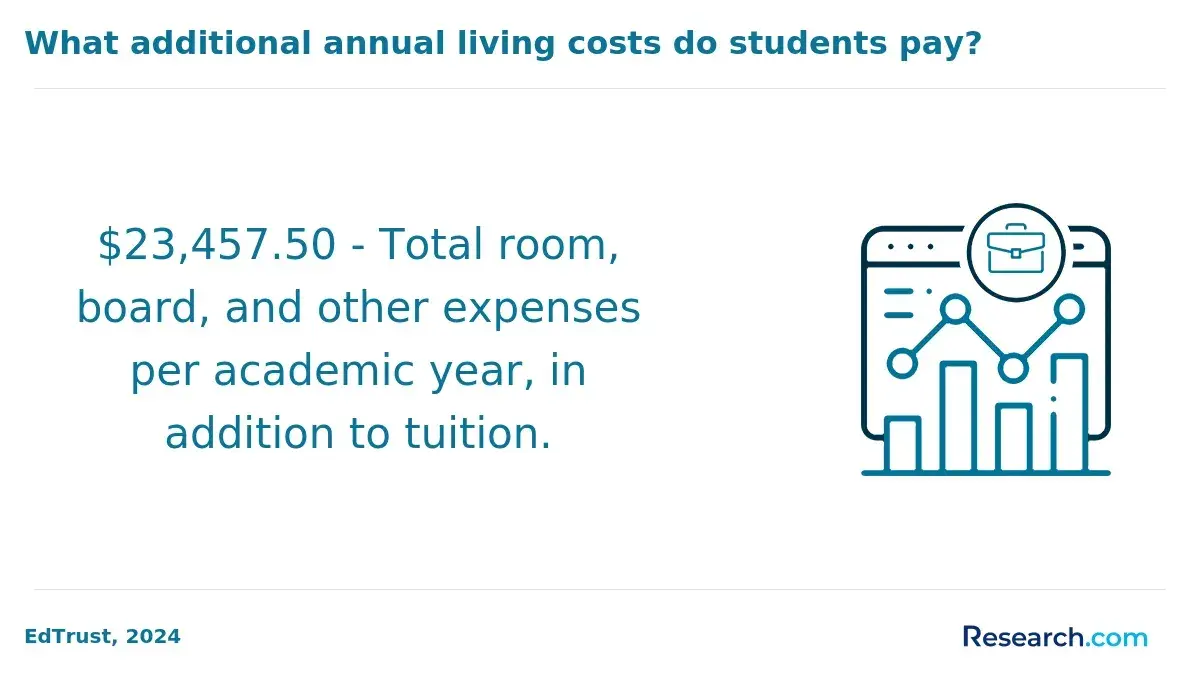
Program length and cost depend on your starting point, transfer credits, enrollment pace, degree level, residency requirements, and whether the program is public, private nonprofit, or private for-profit. NCES data published in 2024 reports average graduate tuition and required fees of $12,596 at public institutions and $29,931 at private nonprofit institutions for the 2022-23 academic year. Those averages are useful for context, but clinical psychology students should also budget for travel, background checks, testing materials, liability insurance, exam fees, and possible internship relocation.
The table below gives realistic timeline and cost considerations by pathway. It is not a price quote, but it shows where students with prior coursework may save time and where they usually cannot.
| Pathway | Typical time to complete | Where prior coursework may help | Cost considerations |
| Bachelor's completion | About 1 to 3 years depending on transfer credits and course load | Can reduce remaining general education or psychology major credits | Tuition per credit, transfer-credit limits, technology fees, and whether upper-division credits are still required |
| Master's in psychology | About 1.5 to 3 years | May satisfy prerequisites but usually does not replace graduate core courses | Tuition, practicum fees if applicable, books, and whether the degree supports licensure or doctoral admission |
| Doctoral clinical psychology program | Often 5 to 7 years including dissertation and internship | May improve readiness but rarely eliminates doctoral practica, internship, or dissertation requirements | Tuition, funding availability, assistantships, internship travel, assessment materials, and opportunity cost |
| Postdoctoral supervised experience | Varies by state and position | Prior coursework generally does not shorten state-supervised experience requirements | Licensing fees, exam preparation, supervision arrangements, and income level during early career stages |
To compare affordability accurately, calculate total cost instead of tuition alone. A lower tuition program can become more expensive if it requires frequent travel, extended enrollment, unpaid placements, or extra courses because credits do not transfer.
Use the following steps to estimate your real cost before applying. This process is especially useful for adult learners balancing work, family, and clinical training obligations.
- Request a written transfer-credit evaluation before committing to a bachelor's completion program.
- Ask for the full program cost, including fees, residencies, clinical placement costs, exam preparation, and graduation fees.
- Compare full-time and part-time plans because part-time study may preserve income but extend fee payments and delay licensure.
- Ask whether assistantships, employer tuition benefits, scholarships, or federal aid are available for online students.
- Estimate opportunity cost, including reduced work hours during practicum, internship, dissertation, or residency periods.
What clinical psychology careers can graduates pursue and in which practice settings?
Graduates of clinical psychology pathways can work in many behavioral health, medical, educational, government, and research settings, but job titles depend heavily on degree level and licensure. A doctoral-level licensed psychologist may diagnose disorders, provide psychotherapy, conduct psychological testing, supervise trainees, consult with healthcare teams, and conduct research. A master's graduate may work in research, program coordination, case management, behavioral health support, or counseling roles if the degree meets the relevant licensure requirements.
The table below connects common practice settings with the type of work clinical psychology graduates may perform. This can help you decide whether you need psychologist licensure or whether a related mental health pathway may be enough for your career goals.
| Setting | Common responsibilities | Credential usually expected |
| Hospitals and medical centers | Assessment, consultation, health psychology services, crisis work, and integrated care | Often licensed psychologist for independent roles |
| Community mental health agencies | Therapy, assessment, treatment planning, supervision, and care coordination | Licensed psychologist or licensed master's-level clinician depending on role |
| Private practice | Psychotherapy, psychological testing, documentation, referrals, and business operations | State license required for independent clinical practice |
| Schools and universities | Assessment, counseling, disability services, teaching, research, and student support | Varies by role; psychologist, school psychologist, counselor, or faculty credential may be required |
| Correctional and forensic settings | Risk assessment, competency-related work, treatment, crisis evaluation, and consultation | Often licensed psychologist for advanced forensic responsibilities |
| Research and policy organizations | Study design, data analysis, program evaluation, and behavioral health policy work | Master's or doctorate depending on seniority and independence |
Students interested in substance use treatment may also consider an addiction counseling degree online counseling pathway, which can be more directly aligned with counseling credentials than a research-oriented psychology degree. This can be a better fit for students who want to enter the treatment workforce sooner and do not need doctoral psychologist licensure.
The best-fit career path depends on the work you want to do every week. If you are drawn to psychological testing, complex diagnosis, supervision, and independent clinical authority, a doctoral route may be worth the longer timeline. If you primarily want to provide therapy, a counseling, social work, or marriage and family therapy master's route may be faster and more cost-effective, provided it meets your state's licensure rules.
What salary ranges and earning potential can clinical psychologists expect over time?
Clinical psychology salaries vary by role, employer, location, specialty, licensure, and years of experience. The best national benchmark is BLS May 2024 wage data, which lists the median annual wage for clinical and counseling psychologists at $96,100. This figure is not a guarantee for any graduate, but it helps students compare the long training timeline with potential professional earnings.
The table below shows how earning potential can differ across career stages and settings. It uses qualitative ranges rather than promises because compensation is shaped by local labor markets, insurance reimbursement, institutional budgets, and private-practice business performance.
| Career stage | Typical position type | Earning factors to consider |
| Graduate trainee | Practicum student, intern, research assistant, or doctoral trainee | Some roles are unpaid or modestly paid; funding depends on program structure and placement type |
| Pre-licensure professional | Postdoctoral resident, supervised clinician, assessment fellow, or research staff member | Income may be lower than licensed roles while supervised hours and exams are completed |
| Licensed early-career psychologist | Staff psychologist, testing clinician, outpatient therapist, or integrated care provider | Pay is influenced by state, employer type, specialty training, and demand for assessment or therapy services |
| Experienced psychologist | Supervisor, director, private practitioner, consultant, professor, or specialist | Higher earnings may come from leadership, testing expertise, niche specialties, private practice, or multiple income streams |
Students should evaluate salary in relation to debt and time. A funded doctoral program can change the return-on-investment picture significantly, while an expensive unfunded program may require careful planning. Likewise, a lower-paying public service role may offer mission fit, training quality, or loan repayment opportunities that matter more than headline salary alone.
Specialization can affect earning potential. Neuropsychological assessment, forensic evaluation, health psychology, geropsychology, child assessment, and integrated medical care may command different pay depending on region and employer demand. However, students should avoid choosing a specialty only because it appears lucrative; training opportunities, competence, ethics, and long-term interest matter.
What is the job outlook and demand for clinical psychologists in the United States?
The job outlook for clinical psychologists is supported by several forces: broader awareness of mental health needs, integrated behavioral health in medical settings, telehealth adoption, school and youth mental health concerns, and demand for psychological assessment. BLS projects employment of psychologists overall to grow 7% from 2024 to 2034, which suggests continued national demand but does not remove competition for preferred locations, internships, or specialty roles.
Demand is not evenly distributed. Rural communities, correctional systems, hospitals, community agencies, and underserved urban areas may have more acute shortages than saturated private-practice markets. Students who are geographically flexible or willing to work with high-need populations may find more options than those limiting themselves to one narrow setting.
Current workforce trends also affect program choice. Telepsychology has expanded access, but licensing still occurs at the state level unless a portability mechanism applies. Employers increasingly expect clinicians to understand electronic health records, measurement-based care, interdisciplinary teamwork, crisis protocols, and culturally responsive practice. These expectations should influence how you evaluate curriculum and clinical placements.
AI and automation are unlikely to replace licensed clinical psychologists in the near term because diagnosis, risk assessment, therapeutic judgment, ethics, and accountability require professional oversight. However, technology may change documentation workflows, screening, scheduling, outcome tracking, and research review. A strong program should teach students how to use technology responsibly without weakening confidentiality, informed consent, or clinical reasoning.
How can students evaluate and choose a reputable online clinical psychology program?
Choosing a reputable online clinical psychology program requires more than scanning rankings or picking the fastest option. The best program is the one that fits your prior coursework, licensure state, clinical interests, learning style, finances, and career timeline. Start with the end goal: psychologist licensure, master's-level counseling licensure, doctoral preparation, research work, or bachelor's completion.
Use the following steps as a decision checklist before you apply. Each step is designed to reduce the risk of enrolling in a program that is convenient but misaligned with your professional goal.
- Identify the exact credential you want, such as licensed psychologist, licensed professional counselor, research coordinator, or bachelor's-prepared human services worker.
- Check your state board's requirements before comparing program brochures, especially for doctoral accreditation, practicum, internship, exams, and supervised experience.
- Request written confirmation of transfer credits, prerequisite gaps, and whether prior coursework changes your timeline.
- Ask how clinical placements are secured, who approves supervisors, and what support exists for online students outside the school's home region.
- Review faculty qualifications, research interests, student support, cohort size, dissertation support, and licensure outcome disclosures where available.
- Compare total cost, not just tuition, including residencies, travel, unpaid clinical hours, technology fees, assessment materials, and exam preparation.
- Speak with current students or alumni if possible, especially those who live in your state or followed your intended licensure path.
Red flags deserve serious attention. Be cautious if a school implies that an online master's automatically makes you a clinical psychologist, refuses to document licensure alignment, lacks transparent placement policies, advertises unrealistic completion times, or cannot clearly explain accreditation. Also be wary of programs that pressure you to enroll before you receive a transfer evaluation or financial aid estimate.
A good final test is to ask, "If I finish this program exactly as designed, what license or job will I be eligible to pursue next?" If the answer is vague, keep researching. The right program should make your next step clearer, not harder to verify.
Other Things You Should Know About Clinical Psychology
In 2027, practicum and internship placements for online clinical psychology degrees are typically not paid. These placements are crucial for gaining practical experience and meeting program requirements, but they usually focus on educational and professional development rather than financial compensation.
Yes, but it usually requires more initiative. Look for programs with small cohorts, regular advising, virtual research meetings, faculty office hours, and opportunities to assist with publications, presentations, or program evaluation projects.
Strong students are reflective, ethical, organized, emotionally steady, open to supervision, culturally humble, and comfortable with feedback. Academic ability matters, but clinical training also tests professionalism, empathy, boundaries, and judgment.
References
- pioneer-healthcare.com: Verifying that you are not a robot... https://pioneer-healthcare.com/blog/psychologist-job-outlook-trends-and-opportunities-in-healthcare/
- Best Online Graduate Programs In Clinical Psychology https://www.psychology.org/rankings/best-graduate-programs-in-clinical-psychology/
- Clinical Psychology PhD Program Admissions https://www.pacificu.edu/clinical-psychology-phd/admissions
- How Much Do Clinical Psychologists Make? https://www.pacificcoastpsychology.com/post/how-much-do-clinical-psychologists-make
- Online Master’s in Clinical Psychology https://onlinecounselingprograms.com/online-counseling-degrees/online-masters-in-psychology/clinical-psychology/
- Online Master’s Degrees in Clinical Psychology: Find Your School https://www.onlinemastersdegrees.org/best-programs/psychology/clinical-psychology/
- Most Popular Online Psychology Degrees 2025 https://www.onlineu.com/degrees/psychology
- Applying to Graduate Programs in Clinical Psychology: A Guide for Prospective Students, Advisors, and Faculty Part II https://nobaproject.com/blog/2019-09-12-applying-to-graduate-programs-in-clinical-psychology-nbsp-a-guide-for-prospective-students-advisors-and-faculty-part-ii
- Professional Licensure https://www.fielding.edu/school-of-psychology/phd-in-clinical-psychology/professional-licensure/
- Clinical Psychology Ph.D. Program Curriculum https://www.bcm.edu/education/school-of-health-professions/clinical-psychology-ph-d-program/curriculum