2027 Health Informatics Career Outcomes by Degree Level Report: Pay, Employment, and Advancement Patterns

Co-Founder and Chief Data Scientist
Choosing the right degree level in health informatics can pose a significant challenge for students balancing immediate employment needs against long-term career progression. For example, a working professional contemplating whether to pursue a bachelor's or master's degree must weigh how each influences earning potential and job stability.
A 2024 study from the Bureau of Labor Statistics highlights that advanced degrees correlate with faster promotion rates in health informatics, reflecting employer preferences for specialized skills. These nuances affect access to leadership roles and influence workforce mobility. This article examines pay, employment prospects, and advancement patterns by degree level to help readers make informed decisions about their educational investments.
Key Things to Know About Health Informatics Career Outcomes by Degree Level
- Master's degrees in health informatics often yield faster advancement into management roles, reflecting employer preference for deeper analytic skills, but they also demand higher upfront tuition costs that delay economic return.
- Associate-level credentials facilitate quicker labor-market entry, yet data from 2024 shows limited access to specialized health informatics roles, indicating tradeoffs between early employment and long-term credential value.
- Certificate holders show strong employer recognition for niche skills, tied to workforce demands for specific technologies, but this pathway offers fewer leadership opportunities compared to degree holders with broader educational backgrounds.
- Key Things to Know About Health Informatics Career Outcomes by Degree Level Key Things to Know About Health Informatics Career Outcomes by Degree Level
- What Career Outcomes Can Students Expect From Each Health Informatics Degree Level? Career Outcomes by Degree
- How Much Do Health Informatics Graduates Earn by Degree Level? Salary by Degree Level
- Which Health Informatics Degree Level Offers the Strongest Employment Prospects? Best Degrees for Employment
- What Entry-Level Jobs Can You Get With a Health Informatics Degree? Entry-Level Career Opportunities
- How Do Health Informatics Degree Levels Affect Career Advancement and Promotion Opportunities? Career Growth by Degree
- Is a Health Informatics Degree Worth It Based on Salary, Employment, and ROI? Salary, ROI, and Value
- How Do Associate, Bachelor's, Master's, and Doctoral Health Informatics Degrees Compare? Comparing Degree Levels
- Which Industries and Employers Hire Health Informatics Graduates by Degree Level? Which Industries and Employers Hire Health Informatics Graduates by Degree Level?
- What Skills, Credentials, and Experience Improve Health Informatics Career Outcomes? What Skills, Credentials, and Experience Improve Health Informatics Career Outcomes?
- Which Health Informatics Degree Level Is Best for Your Career Goals? Choosing the Right Degree
What Career Outcomes Can Students Expect From Each Health Informatics Degree Level?
Choosing the appropriate credential level in health informatics significantly shapes employability and long-term career mobility, with clear tradeoffs between entry speed and advancement potential. For instance, associate degrees and certificates often enable quicker entry into roles like health information technicians, but these positions may require additional certifications over time to remain competitive amid evolving industry standards. Employers frequently view bachelor's degrees as the baseline for more substantive positions such as clinical informatics specialists or health data analysts, where broader job stability and practical experience through internships translate to enhanced workforce readiness. Understanding these dynamics is critical, especially for working adults or military-affiliated students managing credit transfers and prioritizing programs with stackable credentials to avoid redundant coursework.
Advancement and specialization prospects increasingly favor master's and doctoral degree holders, reflecting employer expectations for deeper technical expertise and leadership capabilities. Master's graduates tend to fill managerial or project lead roles, benefiting from curricula that combine technical skills with administrative competencies, and a growing share of positions require graduate-level education for certifications like the Certified Health Informatics Systems Professional. Doctoral degrees, meanwhile, prepare professionals for strategic or academic roles but come with a narrower labor market and longer time investment, making them more suitable for those prioritizing specialization over broad employment access. Prospective students should weigh the immediate value of quicker workforce entry against the potential for accelerated promotion and earnings growth documented by the National Center for Education Statistics, ideally aligning choices with their career timelines and industry demand, as highlighted in current Health informatics career outcomes by degree level research.
Regional labor markets and program structure also play pivotal roles in success after graduation, especially for adult learners balancing job demands. Programs offering flexible scheduling and clear transfer pathways enhance ability to build qualifications incrementally, which can be critical for sustaining employment while advancing educationally. For professionals considering doctoral pathways, options like the easiest DNP program can provide a pragmatic entry into doctorate-level study without excessive delay. Ultimately, those evaluating health informatics degrees must blend realistic assessments of employer requirements, credential stacking potential, and timing to navigate career transitions effectively in this rapidly evolving field.
How Much Do Health Informatics Graduates Earn by Degree Level?
Salary outcomes for health informatics graduates vary widely not just by degree level but also by role specificity, geographic region, and employer expectations. For instance, while bachelor's degree holders often start near $52,000 annually in entry-level health information or medical records positions, those with master's degrees frequently report jumps beyond $80,000, reflecting eligibility for supervisory or specialized analyst roles that demand certifications like RHIA. However, the additional time and cost investment required for a master's degree can pose significant tradeoffs for working professionals, especially when advancement may also depend heavily on accumulated experience and local IT infrastructure maturity. This layered pay dynamic means adult learners and transfer students must weigh potential earnings gains against longer completion timelines and the comparative ease of stacking certificates or associate credentials to enter the workforce more quickly.
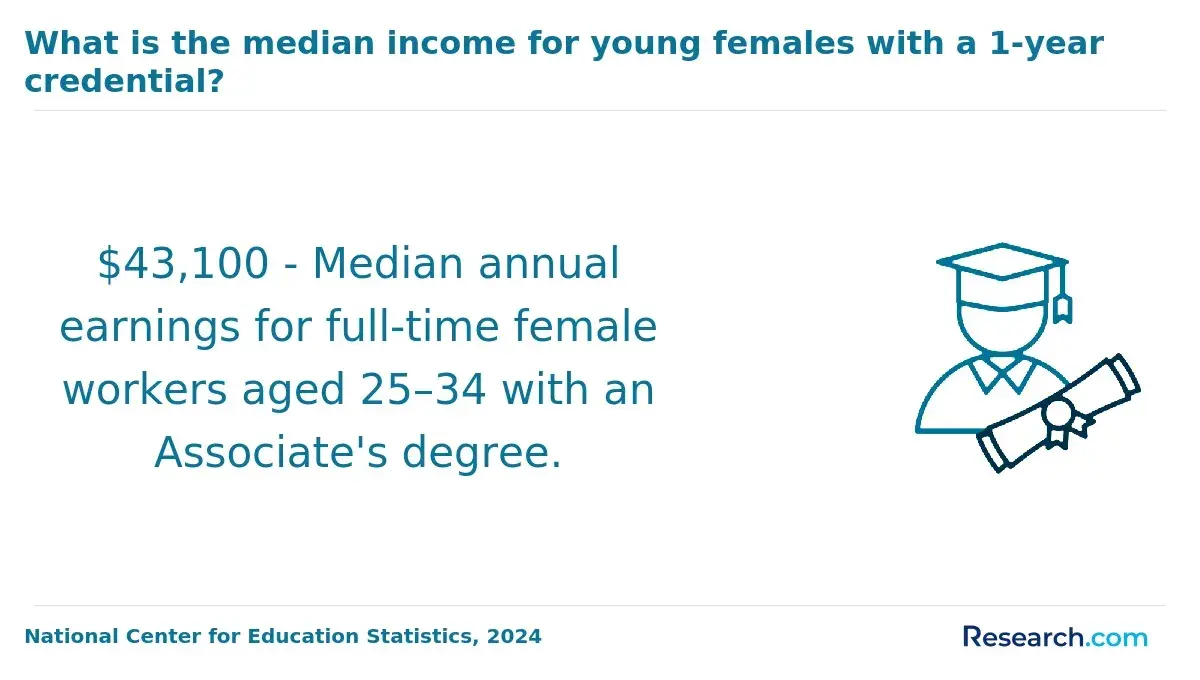
Certificates and associate degrees typically funnel graduates into technician-level jobs with median wages around $40,000 but limited upward mobility unless supplemented by work experience or additional credentials. On the other end of the spectrum, doctoral-level informatics professionals often break $100,000, advancing into research, executive, or policy roles that justify the extended educational commitment. Yet, these paths can lengthen time-to-employment and may not suit those prioritizing immediate income stability. In practical terms, interpreting median wage data must go beyond headline figures to consider how transfer credits, employer credential preferences, and regional labor market conditions shape each graduate's realistic career trajectory and financial return on educational investment.
A recent health informatics graduate recalled debating whether to pursue a master's immediately after earning a bachelor's or first gain workplace experience. After reviewing job postings, she noticed many managerial roles in her region required both advanced degrees and professional certification. This prompted her to delay graduate study while stacking relevant certificates and accumulating hands-on experience, aiming to balance earning potential with financial and scheduling constraints. Her approach reflects a growing recognition in the field: that jumping straight to higher degrees is not always the optimal path and that pragmatic credential layering combined with market research can improve both employability and salary outcomes over time.
Which Health Informatics Degree Level Offers the Strongest Employment Prospects?
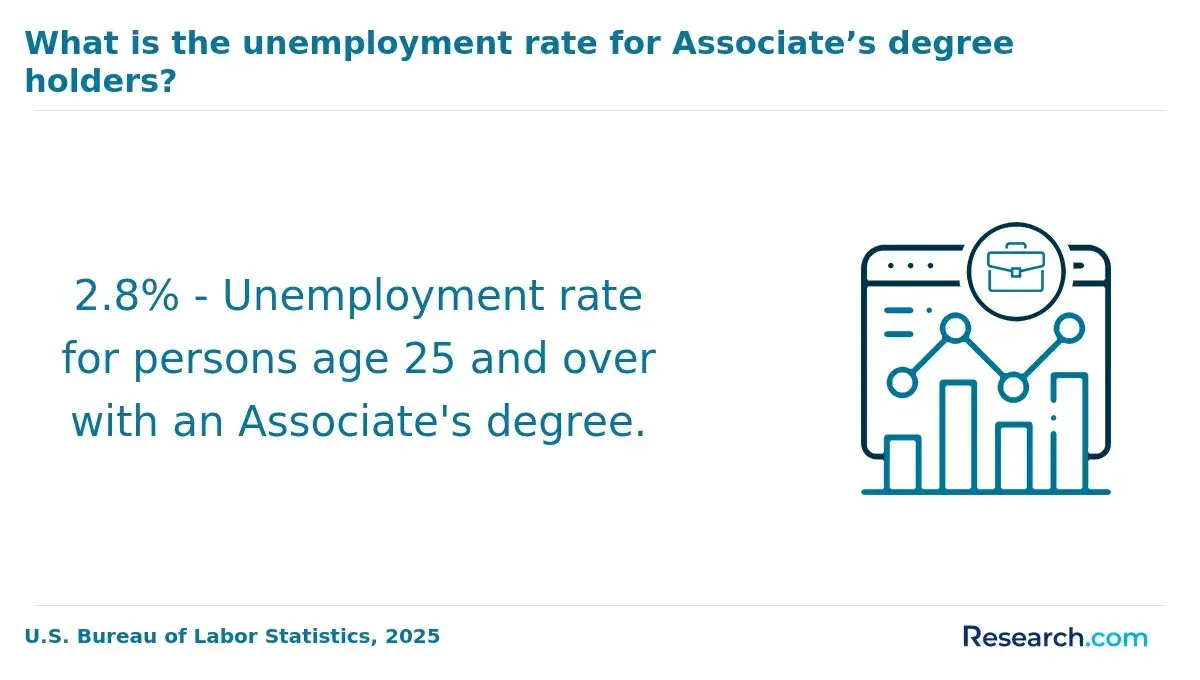
Bachelor's degrees in Health Informatics generally provide the broadest and most accessible entry into the labor market, as they meet the baseline credential many employers require for entry-level roles. These programs usually incorporate practical internships, enhancing readiness and reducing employer risk during hiring. While certificates and associate qualifications offer quicker and less costly entry points, they tend to restrict access to higher-paying or expansive occupational roles, often seen as supplementary rather than standalone credentials. For instance, a candidate with an associate degree might secure a frontline technician role but face challenges moving into analytical or managerial positions without further education.
Advancement prospects increasingly favor master's degree holders, who demonstrate specialized skills valued in data analytics, project oversight, and strategic leadership within healthcare systems. This reflects not only in role eligibility but also in employment stability; for example, master's graduates exhibit a lower unemployment rate of about 3.5%, outperforming bachelor's degree holders, according to 2024 National Center for Education Statistics data. Doctoral degrees occupy a more niche segment focused on research, academic leadership, and executive functions, which, while lucrative, entail longer time commitments and less direct alignment with standard practitioner roles. Thus, individuals weighing immediate workforce entry against long-term career growth must consider that lower-level credentials prioritize speed to employment, whereas advanced degrees better position candidates for specialized and leadership responsibilities amid evolving regulatory and technical demands.
What Entry-Level Jobs Can You Get With a Health Informatics Degree?
Entry-level jobs available to graduates with a health informatics degree differ markedly depending on degree level, certifications, and prior experience, shaping realistic career entry and progression. For example, associate degree holders often find roles as coding specialists or medical records clerks, which emphasize administrative and data processing skills and typically require certifications like RHIT or CCA. These positions serve as operational footholds but generally offer limited upward mobility without additional credentials. In contrast, bachelor's degree graduates are more likely to compete for roles involving data analysis, electronic health record management, or health IT support, where employers value technical proficiency and familiarity with clinical workflows. Implementing internships or practicum experience is pivotal, as recent data from the National Center for Education Statistics shows about 60% of entry-level health informatics job postings prefer candidates with such practical exposure.
Health informatics entry-level career options also vary by geographic region, with urban centers providing more hybrid and remote opportunities, while rural areas may limit openings but reward transferable skills from IT or administrative backgrounds. Career choices at this stage often pivot on whether the role is viewed as a gateway to advanced study or a terminal entry point. Students aiming for graduate education or leadership roles should weigh the initial job's capacity to build analytical skills versus its stability or immediate earning potential. Prospective learners should also consider how their decisions align with growing trends in healthcare data management and whether integrative credentials or graduate programs-such as those highlighted in nursing PhD programs-might enhance long-term mobility beyond baseline employment.
How Do Health Informatics Degree Levels Affect Career Advancement and Promotion Opportunities?
Advancement in health informatics often hinges on credential level, with many employers prioritizing master's or higher degrees for supervisory and specialized roles. These advanced credentials not only align with expectations for leadership, regulatory compliance, and data governance but also serve as common prerequisites for mid-career positions involving project management and strategic oversight. While associate or bachelor's degrees may suffice for entry-level or technician jobs, data from the National Center for Education Statistics reveal that professionals with graduate degrees typically accelerate promotion timelines by 18 to 24 months, illustrating the practical career timing benefits of higher education in this field. Decision-making for working professionals must balance the immediate accessibility of lower credentials against the longer-term eligibility and mobility afforded by graduate study, especially given the increasing credential scrutiny by healthcare employers.
Return adults and transfer students face notable tradeoffs as well: programs that offer flexible credit transfer and specialized coursework can facilitate advancing into leadership without significant career interruption. However, the necessity of advanced degrees is further reinforced by concurrent certification demands and licensure criteria that often accompany supervisory roles in health informatics departments. Professionals from clinical or administrative backgrounds considering informatics leadership should weigh the added value of a master's or doctoral degree not just in knowledge but as a tangible credential influencing employer screening and internal promotion practices within evolving healthcare organizations.
One health informatics graduate reflected on choosing between completing an associate degree quickly or investing more time in a master's with the hope of faster promotion. Initially hesitant about the longer commitment, they found that while an associate credential enabled entry-level employment, their employer routinely required a master's degree for team lead roles. The decision to pursue graduate study was driven by the recognition that without the advanced credential, opportunities for leadership and meaningful internal mobility remained limited despite solid work experience and certifications. This learner described the process as challenging but ultimately clarifying, as the credential aligned clearly with employer expectations and unlocked career confidence.
Is a Health Informatics Degree Worth It Based on Salary, Employment, and ROI?
The value of a health informatics degree in terms of salary prospects depends heavily on the chosen degree level and individual circumstances. Bachelor's degree holders can access roles with solid entry-level wages but often face slower advancement compared to those with master's degrees, which open doors to senior management, analytics leadership, and specialized consulting positions. For working professionals balancing employment and study, the additional one to two years required for a master's can represent a significant opportunity cost, but the boost in median income and career mobility often justifies this investment, particularly in urban markets with large healthcare sectors where wage premiums are common.
Employment stability for health informatics graduates is relatively strong, supported by digitization trends in healthcare and regulatory demands. The 12% projected job growth for medical and health services management outpaces many occupational fields, reducing unemployment risk for degree completers. However, ROI calculations should include total educational expenses, which vary widely by program type, and potential debt burden. Incorporation of credentials like RHIA or CHDA may enhance job prospects and compensation over time. Students weighing options should consider whether part-time study or employer tuition assistance could mitigate financial strain and completion disruption, as these factors influence the actual economic return. dietetics programs provide a useful comparison in terms of educational investment versus workforce outcomes, demonstrating the nuanced decisions involved in health informatics degree planning.
How Do Associate, Bachelor's, Master's, and Doctoral Health Informatics Degrees Compare?
Entry-level positions tied to associate degrees in health informatics typically funnel graduates into technical support roles with relatively low barriers but limited room for vertical movement or specialization. This pathway suits those prioritizing affordability and rapid workforce entry but less so individuals seeking managerial or specialized clinical informatics roles later. Meanwhile, bachelor's degree holders access a broader array of analyst and coordinator jobs, with transfer credit policies often easing progression from associate credentials, making this a pragmatic choice for working adults balancing continued education with career growth. Employment rates exceeding 75% reflect stable demand, yet advancement beyond mid-tier positions frequently hinges on further credentialing or graduate studies.
The master's degree level unlocks markedly increased prospects for leadership and niche expertise, including system architecture or clinical informatics specialization, with employment exceeding 85% as per 2024 IPEDS data. Yet this requires a substantial time and financial investment and is often paired with expectations for relevant certifications like the CHDA to secure competitive roles. Doctoral programs, geared toward research, policy influence, and high-level executive functions, present a tradeoff between extended education timelines and potential for top-tier industry impact, typically demanding significant prior professional achievements. Prospective students face critical decisions about stacking credentials or pausing their education, balancing immediate labor market entry against the long-term value of advanced degrees for stability, role flexibility, and leadership preparation.
Which Industries and Employers Hire Health Informatics Graduates by Degree Level?
Employment opportunities in health informatics are closely tied to degree level, with significant implications for the kinds of employers and roles accessible to graduates. Associate degrees typically lead to entry-level technical jobs in settings such as hospitals, outpatient centers, and insurance companies, where responsibilities center on data management and basic record handling. In contrast, bachelor's degrees open doors to broader analyst and coordinator roles across ambulatory care, health IT firms, and government agencies, with employers increasingly favoring candidates who combine technical skills with communication and compliance knowledge.
Advancing to a master's degree is often necessary for managerial positions or specialized clinical informatics roles within large hospital systems, consulting firms, and federal health agencies. These positions demand advanced analytical abilities and leadership potential, shaping health policy or clinical workflow redesign. Doctoral degree holders, though fewer in number, are typically recruited for research and high-level policy work in academic institutions or federal agencies, often influencing national health informatics standards. Certificates often supplement existing clinical or IT backgrounds, targeting professionals seeking rapid skill enhancement without broad occupational shifts. According to 2024 data from the U.S. Bureau of Labor Statistics and HIMSS, about 65% of employers in this sector prioritize candidates with at least a bachelor's degree, reflecting growing credential expectations tied directly to role complexity and advancement potential.
What Skills, Credentials, and Experience Improve Health Informatics Career Outcomes?
Career outcomes in health informatics hinge less on degree alone and more on the strategic combination of applied skills, credentials, and relevant work experience. Employers expect candidates to demonstrate proficiency in electronic health record (EHR) systems, data analytics, and health information management software, which remain foundational across entry, mid, and senior levels. For example, candidates holding a bachelor's degree complemented by a Registered Health Information Administrator (RHIA) credential and documented leadership roles in interdisciplinary projects often secure higher-level positions faster, reflecting the premium placed on both certification and practical portfolio evidence. This dynamic creates a tradeoff for working professionals deciding whether to pursue advanced degrees or specialized certifications, as the latter paired with internships or military healthcare experience can sometimes accelerate promotion readiness more effectively than degree progression alone.
Health informatics certification programs for career advancement serve as pivotal benchmarks recognized by employers for skill validation, especially the Certified Health Data Analyst (CHDA) credential for data-focused roles. These certifications, combined with experiential learning through internships and apprenticeships, significantly improve employment access and upward mobility by illustrating applied competencies and soft skills like communication and problem-solving. Transfer students and adult learners must weigh how prior credits and military or IT industry experience integrate with new credentials to optimize outcomes. For those exploring related careers, understanding how long does it take to become a pharmacist can offer useful comparative insight into credential timelines and workforce entry strategies within healthcare fields.
Which Health Informatics Degree Level Is Best for Your Career Goals?
Choosing an appropriate health informatics degree level critically shapes employment access, advancement opportunities, and specialization pathways. Entry-level roles such as health data analysts typically require at least a bachelor's degree, which provides necessary healthcare and data foundations; graduates from these programs see about a 75% employment rate within six months, per the U.S. Department of Education's 2024 College Scorecard data. However, working professionals aiming to move into leadership or specialized roles often find that a master's degree not only opens doors to advanced certifications but is also associated with a 20% higher promotion rate within five years, according to the National Center for Education Statistics. For adults considering flexible learning paths or career pivots, options like graduate certificates or targeted master's pathways may offer quicker reentry to the workforce without the full commitment of a traditional degree, similar to the expediency offered by 12-month accelerated nursing programs online for non nurses.
Doctoral degrees are generally reserved for those pursuing academic, research, or consultancy leadership trajectories, given their low completion rates under 10% and substantial time and financial investments required. Degree-level choice impacts credit transfer strategies and opportunity cost, influencing how students-especially transfer or military-affiliated learners-balance education with ongoing commitments. Employers expect that certain senior or niche positions will require graduate-level education plus credentialing, making bachelor's degrees often insufficient for upward mobility in specialized Health Informatics degree level career outcomes. Understanding these workforce tradeoffs enables learners to align educational investments with practical advancement timelines and evolving role expectations in healthcare systems.
References
- Health Informatics Careers and Jobs https://www.publichealthdegrees.org/careers/health-informatics/
- 11 Health Informatics Careers for Master’s Graduates to Consider https://www.nec.edu/news/health-informatics-careers
- Health Informatics Jobs Outlook and Education Requirements https://www.usfhealthonline.com/resources/health-informatics/health-informatics-career-outlook/
- Master of Health Informatics Career and Salary https://teach.com/online-ed/healthcare-degrees/online-masters-health-informatics/career-and-salary/
- Careers in Health Informatics | University of Phoenix https://www.phoenix.edu/articles/healthcare/careers-in-health-informatics.html
- Is a Masterâs in Health Informatics Worth It? https://potomac.edu/is-a-masters-in-health-informatics-worth-it/
- Schools with Health Informatics Degree Programs https://www.medicaltechnologyschools.com/health-informatics
Other Things You Should Know About Health Informatics
The report shows that while advanced degrees such as master's or doctoral programs can lead to higher pay and leadership roles, the time commitment and workload can be significant, especially for those balancing full-time jobs. Working professionals need to realistically assess whether the incremental benefits in salary or advancement justify putting other priorities on hold. For many, a targeted master's program with practical, employer-relevant skills offers a better return than more research-focused doctoral degrees, which may delay workforce reentry and limit immediate applicability.
The data suggests that extended delays between completing a health informatics degree and entering the workforce correlate with weaker employment prospects and slower career progression. This is especially notable for bachelor's and master's graduates, where up-to-date technical skills and recent practical experience strongly influence hiring decisions. Prospective students should plan a timely transition to employment or internships to maintain competitive relevance; otherwise, they risk needing additional training or certifications to bridge skill gaps.
Employers tend to favor candidates with clinical experience alongside their health informatics education, particularly at bachelor's and master's levels, where practical domain knowledge directly affects job readiness. Graduates without this background may face steeper learning curves or less competitive positioning unless their programs integrate cross-disciplinary training. For students without clinical exposure, prioritizing degrees that emphasize applied informatics skills or certifications aligned with specific industry needs can mitigate these limitations.
The report highlights that while higher degree levels can open doors to leadership, program specialization and experiential learning often matter more in practice. Leadership roles frequently demand skills in data strategy, project management, and interdisciplinary collaboration, which vary substantially between programs. Students targeting leadership should prioritize programs with robust real-world projects, employer partnerships, and soft-skill development over merely pursuing the highest degree level available.