2027 Health Informatics Degree Enrollment Trends by Age Group: Traditional Students vs Adult Learners

Co-Founder and Chief Data Scientist
Health informatics degree programs reveal distinct enrollment divergences driven by the profession's evolving technical demands and regulatory landscape. Traditional students, typically aged 18 to 24, often face challenges balancing foundational clinical exposure and rigorous practicum requirements, which can limit immediate workforce entry. Conversely, adult learners leverage prior healthcare experience but encounter credential inflation, requiring updated informatics skills to meet employer expectations.
Notably, the Bureau of Labor Statistics projects a 17% growth in health informatics roles through 2030, indicating robust employer demand shaping both cohorts' enrollment decisions. This age distribution signals a field balancing foundational education with mid-career professional development amid continuous technological shifts.
Key Things to Know About Health Informatics Degree Enrollment Trends by Age Group
- Traditional-age students dominate enrollment, but slower program completion rates indicate tradeoffs between early career entry and evolving job requirements in a rapidly digitizing healthcare environment.
- Employers increasingly favor adult learners with prior healthcare experience who leverage health informatics degrees to bridge clinical and technical roles, reflecting workforce demands for hybrid expertise.
- Adult enrollment growth highlights timing and cost barriers; delayed education often entails higher opportunity costs but facilitates deeper contextual learning, affecting long-term career trajectories.
- Key Things to Know About Health Informatics Degree Enrollment Trends by Age Group Key Things to Know About Health Informatics Degree Enrollment Trends by Age Group
- Which Age Groups Represent the Largest Share of Health Informatics Students? Students by Age Group
- Why Do Traditional Students Choose Health Informatics Degree Programs? Traditional Students
- Why Do Adult Learners Return to School for a Health Informatics Degree? Adult Learners
- How Do Academic Goals Vary Between Younger and Older Health Informatics Students? Academic Goals by Age Group
- How Do Financial Concerns Differ Between Traditional Students and Adult Learners? Financial Concerns by Age Group
- What Challenges Do Adult Learners and Traditional Students Face While Earning a Health Informatics Degree? Student Challenges by Age Group
- How Does Age Affect Health Informatics Degree Student Retention? Age and Student Retention
- Which Health Informatics Specializations Are Most Popular Among Adult Learners? Top Specializations for Adult Learners
- How Does Age Affect Job Opportunities for Health Informatics Graduates? Impact of Age in Job Opportunities
- What Do Current Health Informatics Enrollment Trends Reveal About Future Demand? What Do Current Health Informatics Enrollment Trends Reveal About Future Demand?
Which Age Groups Represent the Largest Share of Health Informatics Students?
Health informatics programs attract learners across diverse life stages, yet enrollment disproportionately concentrates within distinct age brackets shaped by career timing, financial capacity, and educational route considerations. These enrollment patterns are less about academic preference and more reflective of broader labor force participation and higher education dynamics. Understanding this distribution reveals how pathway accessibility and workforce demands converge differently for each age cohort.
- Ages 25-44: This adult learner group holds the largest share of health informatics enrollment, driven largely by mid-career professionals transitioning from clinical, administrative, or IT roles. Their focus is often pragmatic, prioritizing credentialing and flexible study formats to balance work and family responsibilities while meeting employer demands for interoperability, data privacy, and compliance expertise.
- Ages 18-24: Traditional college-age students represent a substantial portion of enrollments due to their early entry into healthcare or technology fields and pursuit of foundational degrees. Their educational paths tend to follow a more linear trajectory toward bachelor's or integrated graduate programs, aligned with entry-level roles emphasizing foundational knowledge and long-term advancement potential.
- Ages 45 and older: Individuals in this segment comprise a smaller share but provide valuable experiential diversity to the health informatics workforce. Challenges with technology adoption and balancing education alongside entrenched career or personal commitments partially constrain their representation, despite the growing demand for seasoned healthcare insights in informatics roles.
These enrollment trends align closely with workforce realignment, where younger students typically pursue health informatics programs as early investment in digital health careers, while adults seek program outcomes tied directly to job security and salary progression. The need for flexible learning has particularly expanded options for those balancing external responsibilities.
Prospective students evaluating programs should consider how age-related motivations and external factors influence accessibility and outcomes. For example, those balancing work and study may find online formats more viable, especially given the broad market for part-time or certificate pathways addressing mid-career shifts. Cost remains a factor intersecting with age: understanding the average cost of DNP program can inform financial planning within this context of varied enrollment drivers and educational choices.
Why Do Traditional Students Choose Health Informatics Degree Programs?
Traditional college students often choose health informatics degree programs driven by the intersection of academic curiosity and early career strategizing. Many are attracted to the field's blend of technology, healthcare, and data analysis, which aligns well with STEM interests while avoiding extensive clinical training. The degree serves as a clear signal to employers valuing interdisciplinary skills, facilitating access to growing job markets in healthcare IT. Early exposure to health informatics concepts helps students view the program as a structured pathway for skill acquisition and professional credentialing that supports entry into administrative and technical roles.
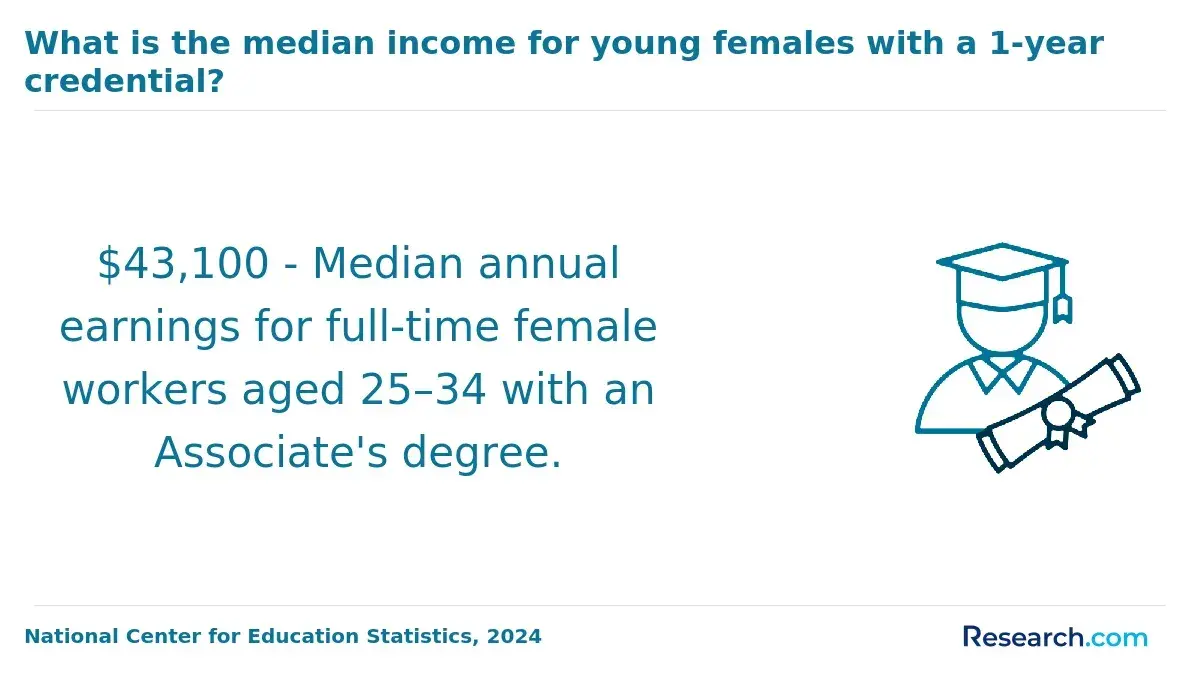
Enrollment patterns also reflect structural factors such as university recruitment strategies and guidance counseling that emphasize health informatics as a stable and evolving career option. Traditional students benefit from formalized pathways including dual enrollment or introductory coursework in high school or early college, which demystify the field and enhance perceived accessibility. Labor market data, such as the U.S. Bureau of Labor Statistics projection of 28% employment growth for related roles through 2032, further reinforces program appeal by highlighting long-term demand. Additionally, many programs offer 1 year degree programs that accommodate early career planning, making health informatics a practical choice immediately after high school. This combination of institutional influence and labor market signals guides traditional students toward programs promising clear education-to-career transitions.
Why Do Adult Learners Return to School for a Health Informatics Degree?
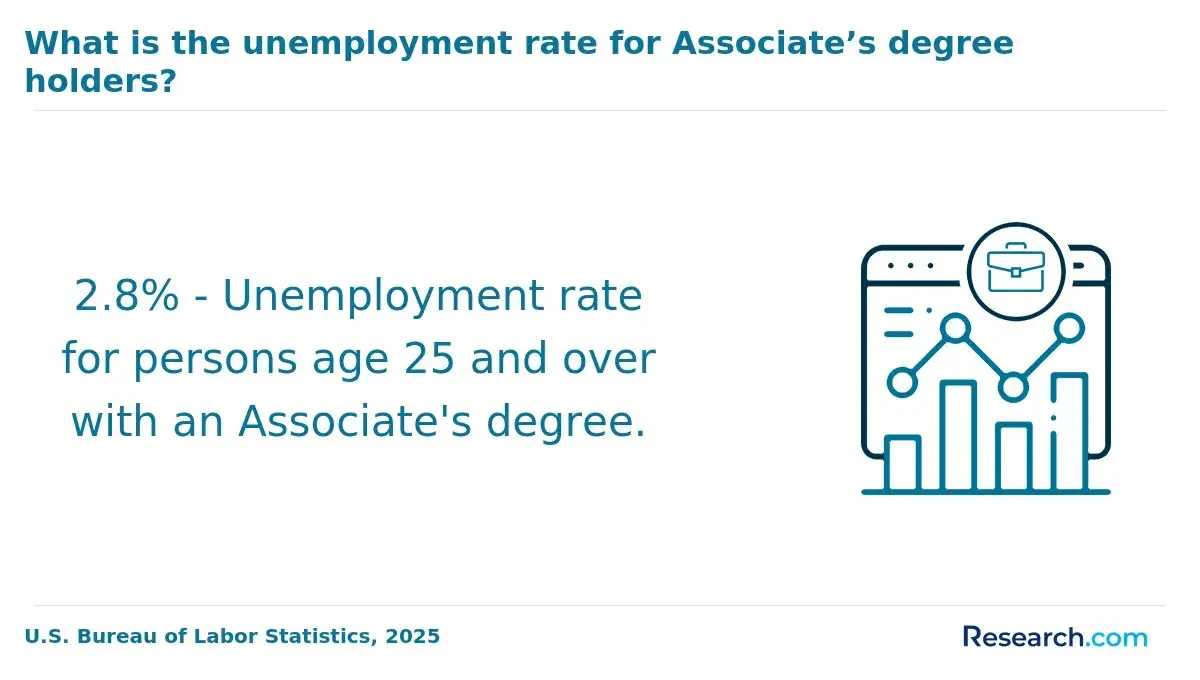
Adult learners returning to school for a health informatics degree typically do so to navigate career transitions, enhance earning potential, or meet evolving credential demands within healthcare technology roles. Unlike traditional students entering the workforce for the first time, these individuals often seek specific skill sets that enable upward mobility or a shift into growing sectors like electronic health records management and data analytics. Evidence from the U.S. Bureau of Labor Statistics projects a 21% growth in health informatics employment from 2022 to 2032, reinforcing the strategic value of this credential for mid-career professionals aiming to remain competitive amid industry digitization and heightened regulatory compliance.
Several systemic factors support adult enrollment in health informatics programs, including employer-sponsored tuition assistance and the increased availability of flexible online options that accommodate work-life balance. The intensifying need for current technical competencies and data management capabilities drives many adults back to formal education to keep pace with accelerating innovation and standards in healthcare delivery. These dynamics contribute to credential inflation, where continual upskilling is necessary not only to access new opportunities but to maintain employability within multidisciplinary healthcare environments.
How Do Academic Goals Vary Between Younger and Older Health Informatics Students?
Students entering health informatics programs at a traditional college age typically prioritize foundational knowledge and exploratory learning to prepare for entry-level positions or advanced study. Their academic goals often center on rapidly completing degree requirements and securing certifications that facilitate early immersion into the workforce. This cohort generally values campus-based experiences, access to faculty mentorship, and the opportunity to build professional networks, which serve as springboards for initial career development. According to the 2024 National Center for Education Statistics report, students aged 18-24 increasingly favor programs with clear progression paths that align with licensure or credentialing essential for fast-tracked employment.
In contrast, adult learners in health informatics degree programs focus on acquiring specific, applicable skills tied to immediate workplace impact, such as advancing within their current roles or shifting career trajectories. The complexity of balancing education with existing professional and familial responsibilities often leads them to prefer flexible scheduling options like online or hybrid formats. A 2024 American Health Informatics Association survey found that nearly 70% of adult students pursue their degrees to enhance job competencies or qualify for leadership positions, reflecting a pragmatic approach oriented around credential completion for measurable career outcomes rather than exploration. Their academic objectives are closely linked to workforce reentry or progression, making program accessibility and relevance critical factors in their sustained engagement.
One adult learner shared how rolling admissions created a tense period of uncertainty while deciding whether to delay enrollment or adjust work commitments. Initially hesitant to apply, they weighed the timing of prerequisites and the risk of arriving unprepared against the urgent need to reskill for a mid-career pivot. The flexibility of part-time, hybrid courses ultimately alleviated concerns, but the delay underscored how strategic planning around admissions cycles and program structure can heavily influence older students' ability to balance life demands with academic achievement.
How Do Financial Concerns Differ Between Traditional Students and Adult Learners?
Traditional students enrolled in health informatics degree programs often depend heavily on family support, financial aid packages, federal loans, and scholarships to manage tuition costs and living expenses. Their financial concerns typically revolve around managing upfront costs and the long-term burden of student debt, as many lack substantial work experience to offset repayment obligations. A 2024 report from the National Center for Education Statistics indicates that about 70% of these students carry some form of student loan debt, influencing their educational decisions toward shorter or less costly programs. This dynamic underscores the importance of understanding health informatics degree financial aid differences when evaluating program accessibility for younger learners.
In contrast, adult learners face financial pressures shaped by balancing education with ongoing family responsibilities, mortgages, and employment. The opportunity cost of reduced hours at work or temporary income loss often outweighs direct tuition expenses, while employer tuition assistance varies widely across healthcare sectors and roles. Many adult students also encounter limited eligibility for traditional financial aid, increasing reliance on personal savings or higher-interest private loans. A 2024 Lumina Foundation study found that 65% of adult learners prioritize maintaining income streams while studying, which directs them toward part-time or online formats despite longer completion times and potentially higher total costs in health informatics programs.
These financial distinctions shape enrollment patterns and program choices significantly. Traditional students may gravitate toward on-campus formats for networking and campus resources, while adult learners frequently select flexible online options to accommodate work-life demands, such as those offered by an online doctor of pharmacy program model in related health fields. Ultimately, assessing the overall return on investment requires integrating opportunity costs, debt tolerance, and lifecycle financial planning, emphasizing how practical financial behavior diverges between traditional and adult students in health informatics education.
What Challenges Do Adult Learners and Traditional Students Face While Earning a Health Informatics Degree?
Traditional students pursuing a Health Informatics degree often face challenges rooted in their transition to rigorous academic environments and accelerated mastery of interdisciplinary content. Many must rapidly develop technical competencies and analytical capabilities while juggling course loads that assume substantial time for study and class attendance. Financial pressures compound these challenges, as a significant portion rely on loans or part-time employment, which can disrupt academic focus and heighten stress. According to a 2024 report from the National Center for Education Statistics, nearly 70% of traditional students contend with such financial instability, which influences both retention and performance outcomes.
In contrast, adult learners navigating Health Informatics programs encounter distinct difficulties driven largely by competing external responsibilities. Balancing full-time employment with degree requirements constrains their availability for synchronous learning and group collaboration, often requiring flexible scheduling or asynchronous coursework. Many adult students also face the challenge of refreshing foundational IT and health knowledge essential for advanced study, while managing family and financial obligations that differ from those of younger peers. The same 2024 data highlights that around 60% of adult learners maintain full-time employment during enrollment, emphasizing the complex time management demands unique to this group.
Institutions adapting to these diverse needs increasingly implement targeted support systems such as tailored advising, modular curriculum designs, and hybrid learning models to accommodate varying schedules and preparedness levels. These adjustments aim to mitigate the time stress and skill gaps experienced by adult learners without diminishing the structured academic integration vital for traditional students. Understanding these differentiated challenges is critical for prospective students to assess how program formats and institutional resources align with their personal circumstances and career objectives within the evolving health informatics landscape.
How Does Age Affect Health Informatics Degree Student Retention?
Younger health informatics students, generally between 18 and 24 years old, often face retention challenges tied to acclimating to the demands of higher education. Many in this group are navigating academic expectations for the first time while balancing social distractions and uncertainty about their long-term commitment to the field. Their retention tends to depend heavily on how well institutions deliver foundational support, such as tutoring and peer networks, during the early stages of the program. Data from the National Center for Education Statistics (2024) shows these students have a retention rate near 74%, reflecting a relatively stable but not guaranteed persistence that hinges on successful adjustment to college-level rigor and motivation consistency.
In contrast, adult learners-those 25 and older-display a different retention profile largely shaped by external obligations and clearer career intent. While their intrinsic motivation to complete a health informatics degree is often stronger, competing demands like full-time employment and family care impose significant constraints on time and energy for study. This group benefits from program flexibility and applied learning that directly connects coursework to workplace skills, making persistence more feasible despite a slightly lower retention rate of about 68%. Institutional accommodations that prioritize scheduling adaptability and relevant support are key to mitigating the unique obstacles adult learners encounter during their academic pursuit.
One graduate shared that during the rolling admissions cycle, she hesitated to submit her application immediately due to uncertainty about balancing work commitments and potential course loads. She waited for clarification on evening and weekend class availability before committing, which delayed her start but ultimately helped her avoid early burnout. This strategic decision to align enrollment timing with personal circumstances highlights how older students often approach retention more cautiously and pragmatically, weighing external pressures alongside academic goals to sustain long-term engagement.
Which Health Informatics Specializations Are Most Popular Among Adult Learners?
Adult learners consistently favor health informatics specializations that offer clear pathways to career advancement, salary growth, and practical skill application. Unlike traditional students focused on broad-based education, many adult learners seek targeted expertise that leverages their existing work experience or enables transitions to in-demand roles. This practical orientation is reflected in the specializations that attract the highest enrollment among mid-career and returning students, who often prioritize programs aligning closely with current labor market demands and workforce needs.
- Clinical Informatics: Adult learners with backgrounds in nursing, allied health, or healthcare administration gravitate toward this specialization because it directly enhances their capacity to integrate IT systems with patient care workflows. The specialization supports career mobility by enabling professionals to influence clinical outcomes and operations, often leading to supervisory or hybrid tech-clinical roles with improved compensation.
- Healthcare Data Analytics: This track appeals to those aiming to leverage data for evidence-based decision-making and policy development. Professionals attracted to analytics often seek to reposition themselves within organizations by updating their skillsets to meet growing demand for expertise in big data, predictive modeling, and value-based care metrics.
- Health Information Management: Because of increasing regulatory scrutiny and data security concerns, adult learners choose this area to deepen their knowledge of data governance, compliance, and electronic record management. This specialization often suits individuals with administrative experience targeting leadership roles focused on institutional policy adherence and risk mitigation.
- Health IT Project Management: Though less dominant, this specialization attracts those who already manage healthcare technology implementations and want to formalize their project leadership skills. It offers a viable route for transitioning into strategic roles overseeing digital transformations, which are expanding across health systems.
According to the 2024 report from the National Consortium for Health Informatics Education, roughly 58% of adult learners select either clinical informatics or healthcare data analytics as their primary track, underscoring their focus on specializations that align with workplace relevance and skill updating needs. This trend illustrates the preference for applied fields offering resilience to industry shifts and tangible benefits in job stability and salary growth within health informatics.
These enrollment patterns reflect how adult learners weigh their educational investments against immediate professional returns, balancing the need for upskilling with practical relevance. Given these priorities, programs emphasizing workforce-aligned competencies tend to attract returning students most effectively.
For those comparing health informatics career paths among returning students, understanding these dynamics is vital when assessing pathway accessibility and employability. Additionally, learners considering accelerated options may explore 1 year NP programs as complementary or alternative routes fitting intensive timelines.
How Does Age Affect Job Opportunities for Health Informatics Graduates?
Health informatics graduates under 30 typically benefit from stronger alignment with entry-level hiring trends, where employers prioritize candidates with recent academic exposure to current technologies and methodologies. This cohort often leverages internship experiences and institutional networks more effectively, facilitating quicker transitions into relevant roles within healthcare technology environments. According to a 2024 Bureau of Labor Statistics report, workers under 30 in health-related tech fields show a 15% higher initial employment rate compared to older cohorts, illustrating the labor market's preference for younger candidates perceived as adaptable and amenable to long-term skill development. For those evaluating health informatics graduate job prospects by age, understanding these early-career dynamics can be critical when selecting educational pathways and optimizing job search strategies.
Conversely, older health informatics graduates frequently enter the labor market with substantial prior work experience and interdisciplinary skills that may open mid-career or specialized opportunities, particularly in compliance, management, or integrated healthcare operations. However, these advantages can be tempered by employer concerns about salary expectations or cultural fit, which sometimes limit access to entry-level roles or require strategic positioning to highlight transferable competencies. The impact of age on health informatics career opportunities thus hinges on how candidates frame their background relative to evolving labor demand and organizational structures. In this context, prospective students might also explore related educational options, including programs that address practical career transitions, such as choices regarding which nurse practitioner program is easiest to integrate with health informatics knowledge and expand interdisciplinary potential.
What Do Current Health Informatics Enrollment Trends Reveal About Future Demand?
Enrollment trends in Health Informatics degree programs reveal shifts in student demographics and interest that reflect changing perceptions of career value and accessibility. Traditional college-age students maintain steady participation, driven by growing awareness of digital health roles, while adult learners show the fastest enrollment growth, increasing nearly 18% in recent years per the U.S. Department of Education. This divergence underscores distinct motivations: mid-career professionals pursue upskilling and career transitions, often necessitating flexible program formats that accommodate work and family obligations. Rising online and hybrid program availability further responds to these diverse needs, signaling that Health Informatics education is evolving beyond the conventional campus model to capture a wider, experience-varied student base.
These enrollment patterns provide early indicators of labor market dynamics where employer demand increasingly emphasizes practical experience paired with formal credentials, especially in areas like data analytics, telehealth, and electronic health records management. The faster uptake among adult learners suggests workforce shortages and technological expansion are fueling demand for adaptable, competency-driven education. As healthcare systems integrate more digital solutions, programs that align curricula with real-world competencies and flexible delivery may see renewed growth and specialization development. These trends imply the Health Informatics field will continue responding to evolving employer expectations and technological advancements, shaping future program offerings to meet long-term workforce and industry needs.
References
- 5 Key Courses in a Health Informatics Degree Program - Healthcare Management Degree Guide https://www.healthcare-management-degree.net/list-articles/5-key-courses-in-a-health-informatics-degree-program/
- Traditional Vs. Non-Traditional Students in Higher Education https://moderncampus.com/blog/traditional-vs-non-traditional-students-in-higher-education.html
- How Higher Education Institutions Can Address the Needs of Adult Learners https://www.higheredtoday.org/2022/04/18/how-higher-education-institutions-can-address-the-needs-of-adult-learners/
- Massive Open Online Course for Health Informatics Education https://www.e-hir.org/journal/view.php
- What is Health Informatics? | ACE Blog https://ace.edu/blog/what-is-health-informatics/
- Adult Postsecondary Learners: Reviewing the Data and Evidence https://www.jff.org/idea/adult-learners/
- Career Benefits of a Master's in Health Informatics https://www.usfhealthonline.com/resources/health-informatics/online-health-informatics-training-benefits/
- 8 Reasons to Go Back to School as an Adult https://chartercollege.edu/news-hub/reasons-go-back-school-even-adult/
- JMIR Medical Informatics - Incorporating Generative AI Into a Health Informatics Curriculum to Build 21st Century Competencies: Multisite Pre-Post Study https://medinform.jmir.org/2025/1/e76507
- Health Informatics Careers and Jobs https://www.publichealthdegrees.org/careers/health-informatics/
Other Things You Should Know About Health Informatics
Adult learners in health informatics programs often juggle full-time jobs and family responsibilities, making intense, rigid coursework less feasible. Programs with flexible schedules, part-time options, or asynchronous learning better accommodate adult learners but may extend time to completion, potentially affecting career momentum. Traditional students typically pursue full-time study, allowing faster degree completion but with less flexibility for outside obligations. Choosing a program requires weighing the tradeoff between pace and life circumstances, with adult learners generally benefiting from programs specifically designed for flexibility without compromising academic rigor.
In 2027, employer expectations in health informatics focus on skills over age, influencing both traditional and adult learners alike. Traditional students benefit from integrated technology skills, while adult learners leverage experience. These dynamics affect enrollment as students seek programs that best balance these demands with their lifestyle.
Adult learners often enter health informatics with clearer career objectives and may leverage their degree to accelerate advancement within their current sectors. However, starting later can limit the cumulative time spent in the field, potentially affecting progression to senior roles compared to traditional students who start earlier. For those prioritizing leadership positions, early enrollment combined with ongoing professional development can be advantageous. For others, the depth of prior industry experience combined with targeted education may offer equivalent or even superior career outcomes despite a delayed start.
Traditional students benefit significantly from on-campus resources like academic advising, peer study groups, and career fairs, which facilitate integration into the professional community and access to internships. Adult learners often require more tailored support such as career counseling focused on mid-career transitions, technical assistance for online learning, and flexible deadlines. Prospective health informatics students should prioritize programs that offer support aligned with their specific needs-the more mature student will likely gain more from targeted career services and flexible academic support, while younger students may lean on immersive campus engagement to establish their professional foundation.