
2027 Health Science vs. Public Health: Explaining the Difference

Co-Founder and Chief Data Scientist
Choosing between health science and public health is really a choice between two ways of improving health. Health science usually prepares students to work closer to patients, clinical systems, medical technology, laboratories, or healthcare operations. Public health focuses on populations: preventing disease, improving access, analyzing health trends, shaping policy, and designing programs that protect communities.
The two fields overlap, but they lead to different coursework, skill sets, work environments, and long-term career options. This guide explains what each program typically covers, where the degrees are similar, how they differ, what skills students build, how difficulty and cost compare, and how to decide which path fits your goals.
Key Points About Pursuing a Health Science vs. Public Health
- Health Science programs focus on clinical skills and patient care, often leading to careers in healthcare delivery, with average tuition around $20,000 and program lengths of 2-4 years.
- Public Health programs emphasize community health, policy, and research, preparing graduates for roles in epidemiology or health administration, with tuition typically $15,000-$25,000 and programs lasting 4 years or more.
- Health Science graduates report 10% higher median starting salaries, while Public Health offers broader public sector opportunities and growth in preventive health roles nationwide.
What are Health Science Programs?
Health science programs are interdisciplinary healthcare degrees that give students a broad foundation in the biological, clinical, technical, and administrative sides of health. They are often a good fit for students who want to work in healthcare settings, prepare for allied health roles, or build a foundation for graduate or professional study.
A typical health science curriculum includes biology, chemistry, anatomy, physiology, microbiology, medical terminology, health informatics, epidemiology, healthcare management, ethics, and the U.S. healthcare system. Depending on the school, students may also complete lab work, clinical observation, volunteer hours, internships, or preparation for standardized exams.
A bachelor's degree in this field typically requires about 120 credit hours and spans four years of full-time study. Some programs are designed as general healthcare preparation degrees, while others offer concentrations in areas such as health administration, pre-professional studies, public health, health informatics, or clinical support fields.
Admissions requirements vary by institution. Many programs expect applicants to have completed high school science courses, especially biology and chemistry. Competitive applicants may strengthen their applications through healthcare volunteering, shadowing, community service, or work experience in patient-facing environments.
What are Public Health Programs?
Public health programs train students to understand and improve health at the population level. Instead of focusing mainly on one patient at a time, public health students learn how disease patterns, health behaviors, environment, policy, economics, and social conditions affect entire communities.
Common areas of study include epidemiology, biostatistics, environmental health, health policy, health systems, community health, program planning, program evaluation, health communication, and the social factors that influence well-being. Students learn how to interpret health data, identify risks, design prevention strategies, and evaluate whether interventions are working.
The typical duration of a Master of Public Health (MPH) ranges from one to two years, requiring the completion of 40 to 56 credit units. Many MPH programs are built for students who already hold a bachelor's degree and want to move into public health practice, research, leadership, policy, or program management.
Practicum or field placement requirements are central to many public health programs. These experiences allow students to apply classroom learning in settings such as public health departments, nonprofit organizations, hospitals, research centers, community clinics, advocacy groups, or global health organizations.
What are the similarities between Health Science Programs and Public Health Programs?
Health science and public health programs both prepare students to improve health outcomes, but they approach that goal from different angles. Health science is often more connected to clinical care and healthcare delivery, while public health is more focused on prevention, systems, and communities. Still, the two fields share important academic foundations.
- Science-based learning: Both programs rely on scientific reasoning and evidence-based practice. Students may study biology, epidemiology, research methods, health systems, and the factors that contribute to disease and wellness.
- Data and research skills: Students in both fields learn to evaluate information, interpret findings, and use evidence to support decisions. Public health usually places more emphasis on population-level data, while health science may apply research more directly to clinical or healthcare settings.
- Ethics and social responsibility: Both fields require students to consider privacy, equity, access, informed decision-making, and the responsible use of health information.
- Interdisciplinary coursework: Neither field is limited to one subject. Students often study science, communication, policy, technology, management, and human behavior.
- Applied learning: Labs, internships, fieldwork, practicums, volunteer experiences, or clinical exposure may be part of either path, depending on the degree level and program design.
- Career flexibility: Graduates may work in healthcare organizations, government agencies, nonprofits, research settings, education, health technology, or administration. Many also continue into graduate or professional programs.
These overlaps are one reason students sometimes compare the two majors closely before choosing. If you are still exploring broad academic options, reviewing what are the best college majors for the future can help you place health-related degrees in a wider career context.
The main difference is the level at which each field works. Health science usually concentrates on individuals, healthcare delivery, clinical systems, and medical knowledge. Public health concentrates on groups, communities, prevention, policy, and population-level outcomes.
- Primary focus: Health science emphasizes anatomy, physiology, medical terminology, clinical processes, healthcare technology, and healthcare operations. Public health emphasizes epidemiology, biostatistics, prevention, environmental health, policy, and community health.
- Health approach: Health science is often connected to diagnosis, treatment, rehabilitation, patient support, or health services delivery. Public health focuses on preventing illness, reducing risk, improving access, and addressing conditions that affect groups of people.
- Typical questions: Health science asks, “How do we support this patient or improve this healthcare process?” Public health asks, “Why is this health problem affecting this population, and what can reduce it?”
- Work settings: Health science graduates may work in hospitals, clinics, laboratories, imaging departments, rehabilitation settings, health technology companies, or healthcare administration. Public health graduates may work in health departments, nonprofits, research organizations, schools, policy organizations, community programs, or global health agencies.
- Training style: Health science programs may include labs, simulations, clinical exposure, and technical training. Public health programs typically include data analysis, program planning, policy review, community assessment, and field placements.
- Career preparation: Health science can be useful for students pursuing allied health, healthcare administration, clinical research, or professional programs. Public health is often better aligned with disease prevention, health education, epidemiology, policy, environmental health, and program management.
A useful way to decide is to picture the work you want to do. If you want to be close to patients, medical systems, or clinical technology, health science may fit better. If you want to improve health through prevention, policy, education, and data-driven community programs, public health may be the stronger match.
Health science and public health programs both build communication, critical thinking, research literacy, and problem-solving skills. The difference is in how those skills are used. Health science skills are usually applied to patients, healthcare teams, labs, technology, or care systems. Public health skills are usually applied to communities, datasets, programs, policies, and prevention strategies.
Skill Outcomes for Health Science Programs
- Clinical and healthcare literacy: Students learn core medical vocabulary, body systems, disease processes, and the structure of healthcare delivery.
- Technical laboratory skills: Some programs train students in biological sample handling, laboratory procedures, quality control, and the use of diagnostic equipment.
- Clinical assessment foundations: Students may study patient evaluation concepts, documentation, safety procedures, and care coordination, depending on the program and concentration.
- Medical technology usage: Graduates may learn how healthcare tools, electronic health records, diagnostic systems, or clinical data support patient care.
- Healthcare teamwork: Health science students often practice communication with patients, providers, administrators, and interdisciplinary care teams.
These skills are especially useful for students interested in allied health careers, healthcare administration, clinical research support, health informatics, or preparation for graduate clinical programs. Students should check whether a specific role requires licensure, certification, supervised clinical hours, or a separate professional degree, because a general health science degree alone may not qualify graduates for every clinical position.
Skill Outcomes for Public Health Programs
- Epidemiology and biostatistics: Students learn how to analyze disease patterns, interpret health data, and apply statistical methods to population health questions.
- Program planning and evaluation: Public health training often includes designing, implementing, measuring, and improving community health interventions.
- Health policy analysis: Students learn how laws, regulations, funding, institutions, and political decisions shape health outcomes.
- Community engagement: Public health programs emphasize communication with diverse populations, stakeholder collaboration, and culturally responsive outreach.
- Systems thinking: Graduates learn to examine how housing, environment, education, income, access to care, and social conditions affect health.
Public health skills are well suited to roles in government, nonprofits, research institutions, healthcare systems, advocacy organizations, and community-based programs. For learners comparing flexible education options, information about top degrees for older adults online may also be useful.
Neither field is automatically harder for every student. Health science and public health are difficult in different ways, so the better question is which type of challenge matches your strengths.
Health science programs are often demanding for students who struggle with natural sciences. Coursework may include biology, chemistry, anatomy, physiology, microbiology, medical terminology, and healthcare technology. Students may also face lab work, clinical expectations, practical exams, or high-volume memorization. The workload can feel especially intense for students preparing for competitive graduate or clinical programs.
Public health programs can be challenging for different reasons. Students must work across statistics, epidemiology, sociology, policy, communication, ethics, and program evaluation. Assignments may involve data analysis, literature reviews, research papers, policy briefs, group projects, and applied fieldwork. Students who dislike quantitative reasoning or writing-heavy coursework may find public health more difficult than expected.
Assessment methods also differ. Health science courses may use lab practicals, science exams, demonstrations, and applied clinical scenarios. Public health courses often use statistical analysis, community assessments, program plans, research projects, presentations, and policy analysis.
If you are deciding based on difficulty, avoid choosing only the path that appears easier. Instead, ask which workload you are more likely to sustain. Students strong in biology, anatomy, and hands-on technical learning may prefer health science. Students strong in statistics, writing, systems analysis, and communication may prefer public health. Reviewing the highest paying bachelors degrees can provide additional context, but salary potential should not be the only factor.
Health science and public health can both lead to meaningful healthcare careers, but they usually point toward different job families. Health science graduates often work inside healthcare delivery systems or use medical knowledge in technical, administrative, or patient-support roles. Public health graduates often work on prevention, education, policy, research, and program management for populations.
Career Outcomes for Health Science Programs
Students earning a health science degree typically enter roles within the healthcare system, often in clinical, allied health, administrative, or technical settings. The demand for healthcare workers is robust, with about 1.9 million new jobs projected from 2024 to 2034. Income potential varies widely, with advanced clinical roles offering median salaries exceeding $100,000 annually.
- Medical Assistant: Supports healthcare teams by helping with patient care, documentation, basic clinical tasks, and office procedures.
- Phlebotomy Technician: Draws blood for tests, transfusions, donations, or medical procedures.
- Paramedic: Provides emergency medical services in pre-hospital settings and responds to urgent care situations.
Health science can also serve as a pathway to additional certifications, licensure-based roles, or graduate education. Many students use the degree as preparation for fields such as physician assistant studies, physical therapy, occupational therapy, healthcare administration, nursing pathways, or clinical research. Requirements vary by profession, so students should verify prerequisites, accreditation, supervised experience, exams, and licensure rules before assuming a degree will qualify them for a specific role.
Career Outcomes for Public Health Programs
Public health degree job prospects are centered on population health, prevention, education, policy, and program leadership. Graduates may work in government, nonprofits, healthcare organizations, research institutions, advocacy groups, or community agencies. Job growth is strong, with some areas expecting 12-36% increases. Salaries vary by role, location, employer, experience, and degree level, and many specialized or leadership positions prefer an MPH or related graduate degree.
- Community Health Worker: Connects individuals and communities with health education, services, resources, and support programs.
- Health Policy Analyst: Reviews health policies, evaluates evidence, and helps shape recommendations that affect public health outcomes.
- Environmental Health Specialist: Assesses environmental risks that may affect community health, such as workplace hazards, sanitation, pollution, or food safety concerns.
Public health graduates often benefit from transferable skills in data analysis, communication, grant writing, evaluation, and project coordination. These skills can support careers in disease prevention, maternal and child health, emergency preparedness, global health, health equity, epidemiology, and health communication. Students comparing flexible study formats may want to research programs at non profit accredited online universities.
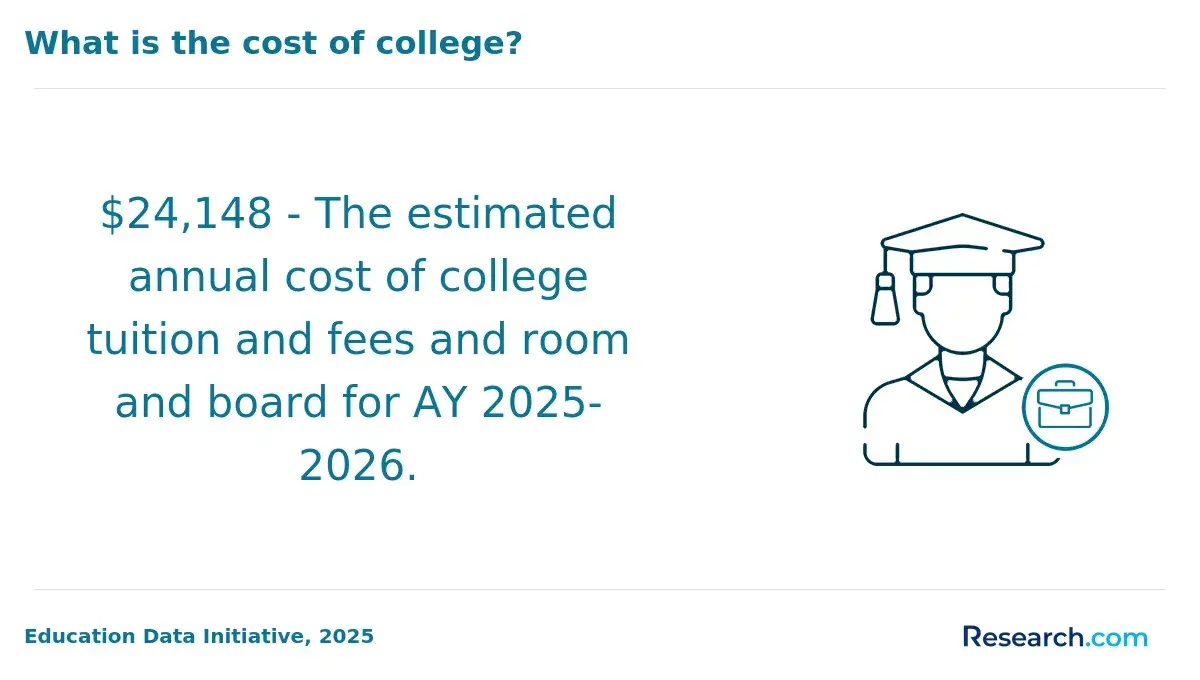
The cost of health science and public health programs depends on degree level, institution type, residency status, delivery format, fees, and whether the program requires clinical placements, labs, equipment, travel, or fieldwork. Students should compare total program cost rather than tuition alone.
Health science program costs often follow the pricing structure of the institution. Public universities generally charge less for in-state students than for out-of-state students, while private institutions usually have higher listed tuition. Students may also need to budget for lab fees, background checks, immunizations, uniforms, equipment, certification exams, transportation to clinical sites, or graduate school applications, depending on the program.
Master of Public Health (MPH) degrees are the most prevalent credentials in the public health field. Online MPH programs average around $12,780 for tuition and fees, with a net cost of approximately $9,293 after factoring in financial aid. In contrast, on-campus MPH programs command higher tuition, averaging $21,911 with a net price near $18,208. Public institutions charge between $16,000 and $33,000 overall for in-state students, while out-of-state attendees and private school enrollees often pay twice as much. Private MPH programs are notably costly, with two-year degrees ranging from $30,000 to $80,000 in total tuition. The significant gap between public and private tuition, sometimes exceeding $20,000 annually, underscores the importance of thorough cost consideration. Online learning options provide additional savings by reducing commuting and enabling students to work during studies.
Before enrolling, compare financial aid packages, scholarship eligibility, employer tuition support, assistantships, practicum requirements, and whether the program is accredited or recognized by employers in your target field. A lower-cost program is not always the best value if it lacks the required preparation for your career goal, but a higher-priced program should have clear benefits that justify the expense.
Choose health science if you want a degree closer to healthcare delivery, clinical systems, patient services, medical technology, or preparation for allied health and professional programs. Choose public health if you want to work on prevention, policy, epidemiology, community programs, environmental health, health education, or population-level research.
- Start with your career target: If your goal involves hospitals, clinics, labs, rehabilitation, diagnostic services, or healthcare operations, health science may align better. If your goal involves health departments, nonprofits, policy organizations, community programs, or prevention campaigns, public health may be the better fit.
- Check required credentials: Some healthcare roles require licensure, certification, clinical hours, or a specific accredited program. Public health roles may prefer or require an MPH, especially for epidemiology, policy, or leadership positions.
- Compare coursework honestly: Health science is stronger in anatomy, physiology, medical terminology, biology, and healthcare systems. Public health is stronger in epidemiology, biostatistics, policy, program evaluation, and social determinants of health.
- Think about your preferred work environment: Health science graduates often work in patient care settings, labs, healthcare offices, or clinical organizations. Public health graduates often work with communities, agencies, policymakers, researchers, and program teams.
- Evaluate your strengths: Students who enjoy biology, technical systems, and clinical applications may prefer health science. Students who enjoy statistics, writing, communication, policy, and systems-level problem-solving may prefer public health.
- Review experiential learning: Look for internships, clinical exposure, practicum placements, research opportunities, community partnerships, or capstone projects that match your goals.
- Consider flexibility: Some students benefit from programs that allow electives or concentrations across both areas, especially if they are interested in healthcare administration, health informatics, community health, or policy.
If you remain undecided, compare actual degree plans side by side instead of relying only on program titles. Course requirements, field placements, accreditation, faculty expertise, and graduate outcomes often reveal which program is the better match. Exploring which colleges offer dual degree programs may also help if your goals span both health science and public health.
What Graduates Say About Their Degrees in Health Science Programs and Public Health Programs
- Aries: "Enrolling in the Health Science Program was a challenging yet rewarding experience that pushed me to develop strong analytical skills. The hands-on training and internships provided valuable real-world exposure, significantly enhancing my confidence to excel in clinical research roles. The program's rigorous curriculum truly prepared me for the competitive healthcare industry."
- Massimo: "Reflecting on my time in the Public Health Program, I appreciate the comprehensive overview it gave me of community health initiatives and epidemiology. The opportunity to collaborate on local health projects allowed me to apply classroom knowledge practically, which deepened my understanding of public health challenges. This experience has paved the way for a fulfilling career in health policy advocacy."
- Angel: "The Health Science Program equipped me with both advanced technical knowledge and critical thinking skills necessary to thrive in a dynamic healthcare environment. The diverse coursework and access to cutting-edge research resources enabled me to transition smoothly into a well-paid role within hospital administration. It was a strategic investment in my professional future."
Other Things You Should Know About Health Science Programs & Public Health Programs
Health Science typically offers more direct patient interaction, focusing on individual patient care and medical treatment. Conversely, Public Health tends to prioritize community health and preventative measures, often involving policy development and education rather than individual patient care.
Yes, transitioning from Health Science to Public Health is feasible. Many foundational skills, such as data analysis and understanding of health systems, overlap. However, additional education or training in epidemiology, health policy, or community health may be necessary to align fully with Public Health roles.
Public Health is the stronger match because the Certified in Public Health exam is designed around accredited public health competencies. Candidates usually need a graduate degree from a CEPH-accredited program, or a bachelor’s degree plus relevant experience, before sitting for the exam in 2027.
- Health Science vs. Public Health: Which Path is Right for You? | American Public University https://www.apu.apus.edu/area-of-study/nursing-and-health-sciences/resources/health-science-vs-public-health/
- Ten Simple Rules for Making a Career Transition from Basic Science to Public Health Research - PMC https://pmc.ncbi.nlm.nih.gov/articles/PMC11855890/
- What is Health Science? Exploring Health Science Training & Careers - Texarkana College https://www.texarkanacollege.edu/what-is-health-science/
- Health Science vs. Public Health: What's the Difference? https://www.wgu.edu/blog/health-science-vs-public-health-whats-the-difference2407.html
- What is public health https://www.apha.org/what-is-public-health
- Challenges Facing the Health System and Implications for Educational Reform - Health Professions Education: A Bridge to Quality - NCBI Bookshelf https://www.ncbi.nlm.nih.gov/books/NBK221522/
- Health Science - University of New England (UNE) https://www.une.edu.au/study/health/health-science
- Health Science vs Public Health: Key Differences Explained | American Military University (AMU) https://www.amu.apus.edu/area-of-study/health-sciences/resources/health-science-vs-public-health-key-differences/
- Health Science vs. Public Health | Goodwin University https://www.goodwin.edu/enews/health-science-vs-public-health-2/
- Public Health Programs | Missouri Office of Administration https://pers.oa.mo.gov/careers/public-health-services/public-health-programs


