2027 How to Become a Medical Director: Education, Salary, and Job Outlook

Co-Founder and Chief Data Scientist
Becoming a medical director is not an entry-level medical career move. It is a leadership path for physicians who want to shape how care is delivered, how clinical teams operate, and how organizations meet quality, safety, financial, and regulatory expectations. The role can exist in hospitals, clinics, long-term care, telehealth, public health, pharmaceuticals, and other healthcare settings, but the core expectation is the same: combine medical judgment with operational leadership.
This guide explains what it takes to move into medical directorship, including the credentials, skills, experience, workplace options, salary considerations, and career trade-offs involved. It is designed for physicians planning a leadership transition, medical students thinking long term, and healthcare professionals comparing clinical and administrative career paths.
What are the benefits of becoming a medical director?
- The medical director role offers a robust job outlook with a projected growth rate of 15% through 2025, reflecting rising healthcare management demands.
- Average annual salary ranges from $190,000 to $270,000, varying by location and experience, highlighting strong financial incentives.
- Career benefits include leadership opportunities, influence on clinical policies, and the ability to improve healthcare quality on a systemic level.
What credentials do you need to become a medical director?
Most medical director roles require a physician background, substantial clinical experience, and proof that you can lead within a regulated healthcare environment. Requirements vary by employer and setting, but clinical medical director positions generally expect an MD or DO degree, residency training, board certification, and an active medical license.
- Doctor of Medicine (MD) or Doctor of Osteopathic Medicine (DO): A medical director is typically a licensed physician who has completed an MD or DO degree from an accredited medical school. Most candidates first complete an undergraduate degree in a science-related or pre-medical field before entering medical school.
- Residency program: After medical school, candidates complete an accredited residency in a specialty such as internal medicine, emergency medicine, or family medicine. Residency builds the clinical judgment needed to supervise care standards, evaluate protocols, and guide other clinicians.
- Board certification: Employers commonly prefer or require board certification in the physician’s specialty. Board certification signals that the physician has met recognized professional standards and can apply specialty knowledge at a high level.
- Medical license: Clinical roles usually require a current, unrestricted medical license. State requirements vary, and physicians must meet continuing medical education (CME) obligations set by state medical boards.
- Advanced degrees: An MHA, MBA, or MPH is not always required, but these degrees can strengthen a candidate’s preparation for budgeting, operations, population health, compliance, and executive decision-making.
- Leadership certifications: Optional credentials such as Certified Medical Director (CMD) or Certified Physician Executive (CPE) can help demonstrate formal preparation for medical management. Some employers may prefer or require these credentials for specific settings.
- Non-clinical exceptions: Some medical director jobs, especially in pharmaceuticals or medical affairs, may place less emphasis on an active clinical license and more emphasis on scientific strategy, regulatory knowledge, and leadership experience.
The strongest candidates usually combine clinical credibility with measurable leadership experience. If you are already practicing and want to add management training without leaving work, flexible options such as 1 year online masters programs may help you build healthcare administration skills while continuing your career.
What skills do you need to have as a medical director?
A medical director must be more than an excellent clinician. The job requires the ability to translate medical standards into workable systems, align providers around shared goals, and make decisions that affect patients, staff, budgets, and compliance.
- Clinical expertise: Medical directors need enough specialty knowledge and practical experience to evaluate care quality, review protocols, support difficult clinical decisions, and earn the trust of physicians, nurses, and administrators.
- Leadership and strategic planning: The role involves setting priorities, defining performance expectations, leading change, and connecting daily clinical operations to broader organizational goals.
- Communication skills: Medical directors regularly speak with clinicians, executives, patients, regulators, and community partners. They must explain complex clinical issues clearly and adjust their message for different audiences.
- Emotional intelligence: Conflict, burnout, patient safety issues, and resource constraints are common in healthcare leadership. Emotional intelligence helps medical directors listen well, de-escalate tension, and build trust across teams.
- Regulatory knowledge: Directors must understand the laws, standards, documentation expectations, and quality requirements that apply to their setting. Compliance is not separate from patient care; it is part of safe and sustainable operations.
- Administrative ability: The job often includes staffing, budgeting, quality improvement, policy development, performance review, and project oversight. Strong organization prevents clinical priorities from getting lost in operational complexity.
- Data-informed decision-making: Medical directors are expected to use quality measures, utilization data, patient outcomes, safety reports, and workflow information to identify problems and improve care delivery.
The most effective medical directors can move comfortably between bedside realities and executive-level decisions. They understand how a policy will affect clinicians, patients, documentation, reimbursement, and compliance before it is implemented.
What is the typical career progression for a medical director?
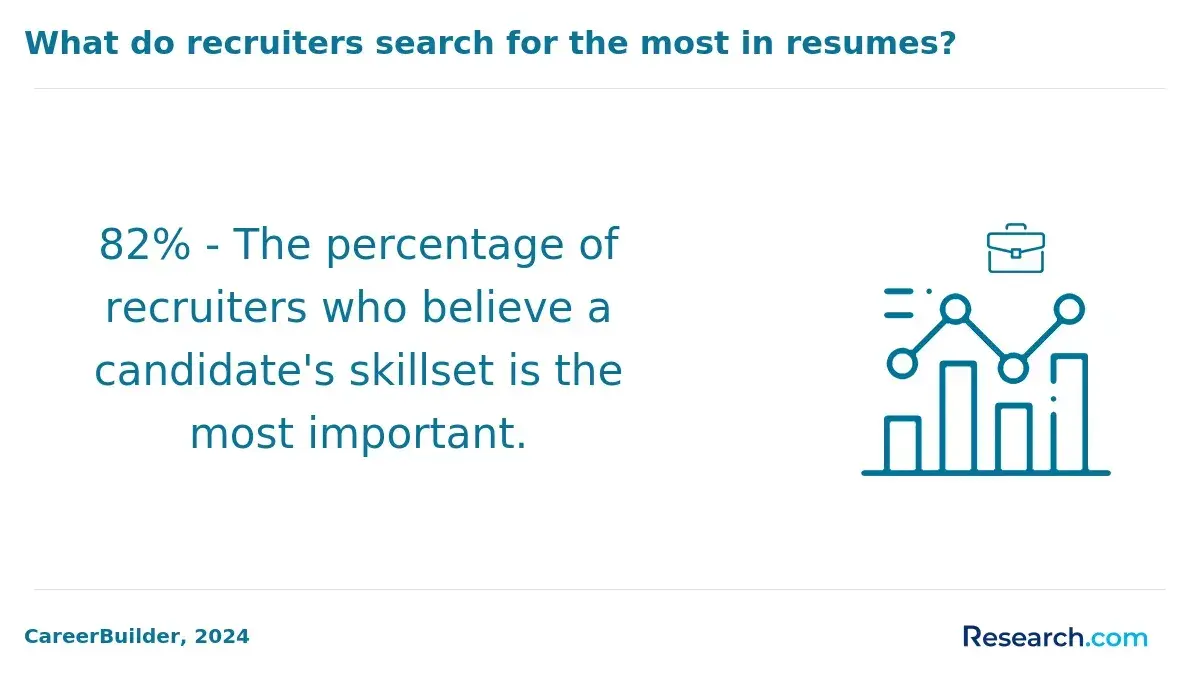
The path to medical director usually begins with years of clinical practice, then expands into committee work, department leadership, quality improvement, operations, or executive management. Employers want evidence that a candidate can lead people and systems, not only provide excellent care.
- Many physicians first build 5 to 10 years of clinical practice after residency and board certification. This period establishes the clinical credibility needed to supervise standards of care and advise other providers.
- Early leadership roles may include Assistant Medical Director, Department Head, Section Chief, quality committee chair, residency program leader, or service line lead.
- As responsibilities grow, physicians may manage schedules, protocols, budgets, peer review, patient safety projects, or interdisciplinary care teams.
- Additional education, such as an MBA or MHA, is often pursued by physicians who want stronger preparation in finance, operations, strategy, and organizational leadership.
- Certification in medical management can support the transition from direct clinical work to broader oversight, especially when competing for roles in large systems or specialized facilities.
- In larger health systems, physicians often spend 3 to 5 years in assistant or associate director positions before moving into a full medical director role.
- Specializations such as clinical research, regulatory affairs, quality improvement, or medical affairs can shape the type of medical director role a physician pursues.
- Lateral moves into healthcare consulting, public health, or academic leadership can also strengthen administrative experience and expand long-term options.
- Ongoing professional development and active networking within medical organizations remain important because many senior leadership opportunities are relationship-driven as well as credential-driven.
A practical way to prepare is to document leadership results early. Examples include reduced readmissions, improved protocol adherence, better patient satisfaction, successful accreditation preparation, stronger provider retention, or improved care coordination. These outcomes show that you can lead change, not just hold a title.
How much can you earn as a medical director?
Medical director compensation reflects the role’s clinical responsibility, leadership demands, specialty area, employer type, and location. The salary can be attractive, but it should be evaluated alongside workload, administrative burden, call expectations, and whether the position includes continued clinical practice.
The medical director salary in the United States typically ranges from approximately $220,502 to over $368,725 annually. Pay may differ based on specialty, years of experience, organization size, region, and whether the role is full-time, part-time, clinical, administrative, or industry-based. Physicians with advanced leadership training or specialized expertise may have stronger earning potential than candidates with a more general background.
Location can also affect compensation. The average medical director salary in California often exceeds national figures because of market demand and higher living costs. However, a higher salary does not always mean a better financial outcome if housing, taxes, commuting, malpractice considerations, or workload expectations are also higher.
When comparing offers, look beyond base salary. Review bonus structure, benefits, administrative support, protected leadership time, clinical duties, CME support, relocation assistance, malpractice coverage, and whether performance goals are realistic. For those still building their foundation for healthcare leadership, exploring easy bachelor degrees that pay well can be one early step toward long-term advancement in the field.
What internships can you apply for to gain experience as a medical director?
There are few internships that directly train someone to become a medical director, because the role usually requires physician licensure and years of clinical experience. However, internships in healthcare administration, public health, hospital operations, medical innovation, pharmaceuticals, and clinical research can help students and early-career professionals understand the systems medical directors eventually lead.
Healthcare administration internship programs 2025 can be especially useful if they expose participants to quality improvement, care coordination, compliance, patient safety, budgeting, provider operations, or executive decision-making. Students interested in medical director internships in California and similar opportunities elsewhere may consider programs such as the following:
- Medical Intelligence and Innovation Institute (Mi4) Summer Internship Program at CHOC: This program introduces students to hospital-based innovation, personalized medicine, robotics, healthcare delivery systems, mentorship, public speaking, and research presentation. These experiences can help future healthcare leaders understand how innovation moves from idea to clinical use.
- Gilead Internship Program: This opportunity within a major pharmaceutical company can provide exposure to healthcare operations, regulatory affairs, medical strategy, and the business side of medicine, all of which may be relevant for future medical affairs or industry medical director roles.
- Centers for Disease Control and Prevention (CDC): CDC internships can help students build experience in public health policy, epidemiology, health administration, and population-level decision-making.
- Overlook Summer Internship Program: This hospital-based internship offers clinical department rotations, shadowing, and direct observation of healthcare operations, giving participants a clearer view of how patient care and organizational management connect.
When evaluating internships, prioritize opportunities that let you observe leaders, work on real operational problems, and present findings. A title alone is less valuable than experience with data, teams, clinical workflows, policy, or quality improvement. Students seeking a quicker academic route into entry-level healthcare experience may also explore a fast associate degree as one possible starting point.
How can you advance your career as a medical director?
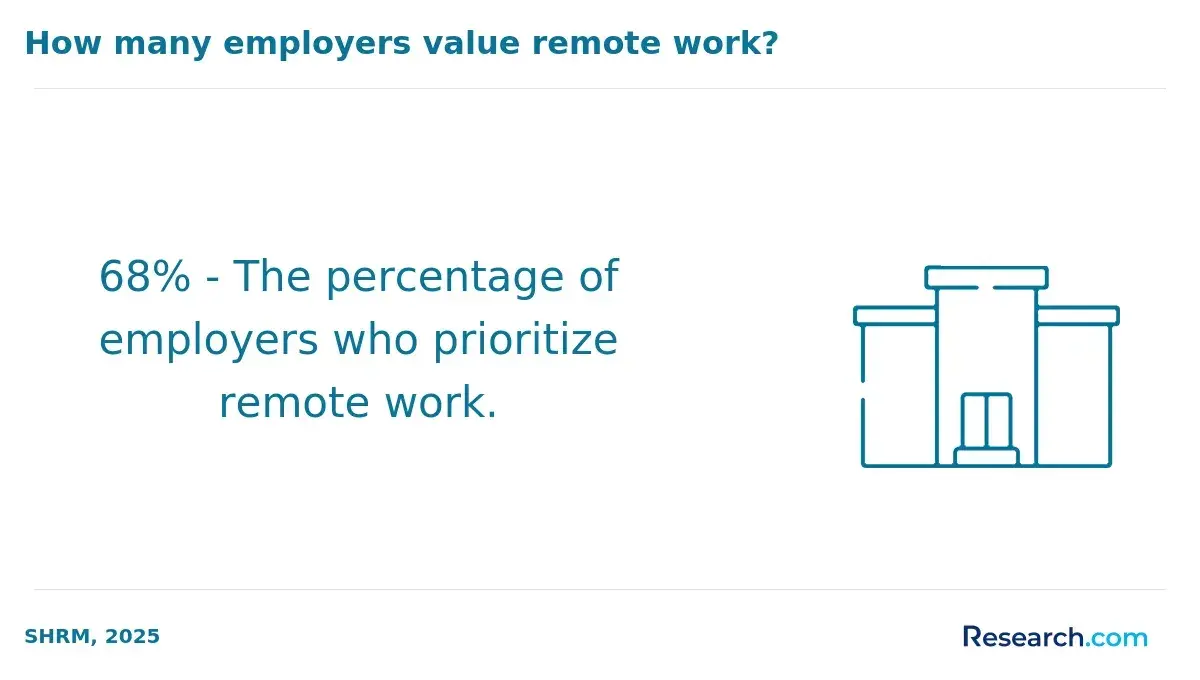
Career advancement for medical directors depends on more than tenure. To move into larger departments, system-wide leadership, Chief Medical Officer roles, or specialized executive positions, you need evidence that your leadership improves care quality, compliance, efficiency, staff performance, or patient outcomes.
- Advanced education: Graduate study in business, healthcare administration, public health, or related fields can help medical directors make stronger decisions about finance, operations, strategy, risk, and organizational change.
- Professional certifications: Credentials from organizations such as the American Board of Medical Management can support credibility in physician leadership and help distinguish candidates who have formal management preparation.
- Continuous learning: Medical directors must stay current with clinical guidelines, regulatory changes, payment models, quality expectations, digital health tools, and artificial intelligence developments that affect care delivery.
- Networking and industry engagement: Participation in professional societies, conferences, committees, and cross-system initiatives can increase visibility and expose directors to new models of care.
- Mentorship relationships: Learning from senior executives can help medical directors understand board-level priorities, politics, negotiation, and crisis leadership. Mentoring others also strengthens leadership influence.
- Organizational and ecosystem connections: Strong relationships with administrators, nursing leaders, compliance officers, finance teams, community partners, and technology leaders can position a medical director for broader roles such as Chief Medical Officer or specialized work in digital therapeutics and regulatory affairs.
- Documented outcomes: Keep a record of measurable improvements you have led, such as quality initiatives, workflow redesigns, staff development, compliance readiness, or patient safety projects. Advancement often depends on proof of impact.
A common mistake is waiting for a promotion before acting like a senior leader. Medical directors who advance usually take ownership of complex problems, communicate across departments, and show that they can balance patient care, workforce realities, and business constraints.
Where can you work as a medical director?
Medical directors work wherever clinical care, medical policy, quality oversight, or healthcare strategy needs physician leadership. The best setting depends on your specialty, tolerance for administrative work, interest in direct patient care, and preferred population.
- Hospitals and health systems: Organizations such as Mayo Clinic, Cleveland Clinic, and Kaiser Permanente employ medical directors to oversee departments, service lines, quality programs, clinical operations, and physician teams.
- Skilled nursing facilities and long-term care: Companies such as Genesis HealthCare and Brookdale Senior Living rely on medical directors to guide care protocols, quality standards, staff training, and clinical oversight for elderly and chronically ill populations.
- Outpatient clinics and specialty practices: Medical directors may lead general clinics, urgent care centers, or specialty practices in areas such as dermatology, cardiology, and psychiatry. Organizations such as MedExpress and DaVita use medical leadership to maintain standards and coordinate care.
- Telehealth companies: Virtual care organizations, including Teladoc Health and Amwell, employ medical directors to oversee remote provider teams, clinical protocols, digital workflows, and quality of care in online settings.
- Rehabilitation centers and hospice organizations: Facilities such as Encompass Health and VITAS Healthcare use medical directors to guide multidisciplinary teams, treatment planning, symptom management, and compliance with care standards.
- Government agencies and nonprofits: Public health departments, the Department of Veterans Affairs, and nonprofits such as Planned Parenthood employ medical directors to oversee clinical programs, policy implementation, compliance, and community health initiatives.
For professionals searching for medical director jobs in North Carolina or medical director positions in Raleigh NC, the same major categories generally apply, though the strongest opportunities will depend on regional health systems, public health needs, specialty demand, and employer growth. Candidates who are still building their academic credentials may consider fast degrees that pay well as one way to move more quickly toward healthcare-related roles.
What challenges will you encounter as a medical director?
Medical directors operate at the intersection of patient care, workforce management, regulation, and business pressure. The role can be highly rewarding, but it also requires resilience and the ability to make decisions when priorities conflict.
- Workforce shortages: Staffing gaps, retention problems, and burnout can make it difficult to maintain quality and morale. Medical directors may need to redesign workflows, support recruitment, and protect team capacity while still meeting care standards.
- Regulatory complexity: Healthcare rules, documentation standards, survey expectations, and executive mandates can change quickly. Directors must help organizations remain compliant without creating processes that overwhelm clinicians.
- Emotional demands: The job can involve adverse events, patient complaints, staff conflict, ethical dilemmas, and high-stakes operational decisions. Medical directors must support others while managing their own stress.
- Technological transformation: Digital health tools, data analytics, and new care platforms can improve access and efficiency, but they also require training, workflow redesign, privacy awareness, and careful implementation.
- Competitive environment: Leadership roles are in demand, but they are also competitive. Directors need to keep developing their clinical knowledge, management skills, hiring judgment, and strategic thinking.
- Balancing clinical and administrative identity: Some physicians find it difficult to spend less time in direct patient care. A successful transition requires accepting that improving systems can be another form of patient advocacy.
What tips do you need to know to excel as a medical director?
To excel as a medical director, focus on credibility, consistency, communication, and measurable improvement. The best leaders do not simply issue policies; they build systems that clinicians can follow and patients can benefit from.
- Stay clinically current: Continue reviewing medical research, attending relevant conferences, and maintaining specialty knowledge so your decisions remain grounded in current practice.
- Build formal leadership experience: Volunteer for committees, quality projects, department initiatives, or operational improvement work before seeking a full director role.
- Learn the business of healthcare: Understand budgets, staffing models, compliance risk, reimbursement pressures, and performance metrics. Medical judgment is essential, but executive credibility also depends on operational fluency.
- Use mentors strategically: Seek guidance from experienced medical directors, Chief Medical Officers, and administrative leaders who can explain the realities of executive decision-making.
- Communicate with precision: Translate clinical concerns for non-clinical executives and explain administrative requirements to clinicians. Clear writing, public speaking, and meeting leadership are practical career skills.
- Develop emotional intelligence: Practice empathy, self-awareness, and conflict management. Teams are more likely to follow leaders who are fair, calm, and consistent under pressure.
- Strengthen administrative discipline: Use structured project plans, timelines, dashboards, and follow-up systems so quality improvement efforts do not stall after the first meeting.
- Stay active in professional organizations: Professional societies and relevant certifications can help you stay visible, informed, and connected to leadership opportunities.
- Measure and communicate impact: Track outcomes from initiatives you lead. Advancement becomes easier when you can point to improvements in quality, safety, access, efficiency, or staff performance.
How do you know if becoming a medical director is the right career choice for you?
A medical director role may be a strong fit if you want to influence care beyond individual patient encounters and are comfortable taking responsibility for systems, teams, policies, and outcomes. It may be a poor fit if you strongly prefer full-time clinical practice and have little interest in administration, meetings, compliance, or organizational politics.
Use the following factors to decide whether the medical director path matches your strengths and goals:
- Leadership skills: You should be willing to make decisions, set expectations, hold people accountable, and guide teams through difficult changes.
- Collaboration ability: The role requires daily coordination with physicians, nurses, administrators, compliance teams, finance leaders, and other stakeholders.
- Commitment to compliance: You need to value documentation, quality standards, patient safety systems, and regulatory requirements, even when they are time-consuming.
- Experience level: Many candidates are strongest after 5-10 years of clinical experience combined with a record of medical leadership or quality improvement work.
- Preference for administrative work: Medical directors often spend substantial time on policy, operations, meetings, staffing, performance review, and mentorship. You should find meaning in that work.
- Professional development: Board certification, leadership training, management education, and continuing education may be necessary to stay competitive and effective.
- Motivation: The role is best suited to physicians who want to improve systems of care, not only advance into a higher-status title.
If you are interested in the role but need more management preparation, flexible and affordable education can help you test the transition before committing to a major career shift. Options such as cheap online universities for working adults may support skill development while you continue working.
What Professionals Who Work as a Medical Director Say About Their Careers
- Iker: "Becoming a medical director has provided me with incredible job stability in an ever-evolving healthcare landscape. The balance between clinical expertise and administrative leadership offers a rewarding salary potential while allowing me to influence patient care on a larger scale. It's a career that truly blends passion with practicality."
- Chaim: "The role of a medical director presents unique challenges, especially when navigating regulatory changes and implementing innovative healthcare solutions. I find the dynamic environment stimulating and appreciate the opportunities to lead multidisciplinary teams toward improved clinical outcomes. This position constantly pushes me to grow both professionally and personally."
- Cole: "What draws me most to the medical director career path is the emphasis on professional development and continuous learning. Access to specialized training programs and exposure to broader strategic initiatives have expanded my skill set beyond clinical duties. It's fulfilling to see how this role can open doors for long-term career advancement."
Other Things You Should Know About Becoming a Medical Director
To become a medical director in 2027, a solid educational foundation with an MD or DO degree and board certification is essential. Staying updated involves continuous education and attending relevant medical seminars to stay abreast of industry standards. --- 1. **Question** Do medical directors need to keep up with continuing education? **Answer** Yes, medical directors must engage in continuing education to maintain their licenses, stay updated with medical advances, and improve management skills, ensuring they provide the best care and leadership in healthcare environments. 2. **Question** What are the job responsibilities of a medical director in 2027? **Answer** In 2027, a medical director's responsibilities include overseeing clinical operations, ensuring compliance with healthcare regulations, guiding clinical staff, shaping medical policies, and serving as a liaison between the medical staff and administration.
In 2027, the expected salary range for medical directors varies widely, influenced by factors such as location, experience, and facility type. Generally, salaries can range from $150,000 to $300,000 annually, with top positions in prestigious hospitals offering even higher compensation.
To become a medical director in 2027, board certification in a medical specialty is essential. Additionally, certifications in healthcare management or administration, such as a Certified Physician Executive (CPE) credential, can enhance career prospects and are often preferred by healthcare organizations.
References
- ApolloMD. (n.d.). How to become a medical director.
- D-H Workforce Readiness Institute. (n.d.). Internship programs.
- First Docs. (n.d.). Medical director vs. attending physician: Roles explained.
- SCP Health. (n.d.). 4 skills medical directors need to become an asset.
- Spotterful. (n.d.). Main responsibilities and required skills for medical director.
- Weill Department of Medicine. (n.d.). General internal medicine internship programs.