2027 Psychology to BCBA: Degree Pathways Explained

Co-Founder and Chief Data Scientist
If you have a psychology degree and want to become a board certified behavior analyst, the main question is not whether your background is useful—it is how to turn that background into an eligible BCBA pathway without wasting time or tuition. Psychology graduates often already understand learning, development, research methods, and human behavior, but BCBA certification requires specific graduate coursework, supervised fieldwork, and exam preparation tied to behavior analysis standards.
This guide explains how a psychology bachelor’s or graduate background can lead to BCBA certification, what education and fieldwork are typically required, how online and in-person programs compare, what admissions teams look for, and how to evaluate cost, timeline, job outlook, and salary potential. It is designed for students, career changers, teachers, therapists, and working professionals who want a practical route into applied behavior analysis.
Key Things You Should Know
- Becoming a board certified behavior analyst (BCBA) requires a minimum of a master's degree in psychology or a related field with coursework in applied behavior analysis aligned with BACB standards.
- As of 2025, roughly 60% of BCBA candidates hold psychology degrees, highlighting the field's interdisciplinary nature and demand for strong behavior analytic foundations.
- Practical supervised experience totaling 1,500 hours is mandatory post-degree, ensuring competency before certification exams administered by the Behavior Analyst Certification Board.
What is a BCBA and psychology degree pathway?
A BCBA, or Board Certified Behavior Analyst, is a professional credential for practitioners who use behavior analysis principles to assess behavior, design interventions, measure outcomes, and improve socially significant skills. BCBAs often support people with autism, developmental disabilities, learning challenges, and behavioral needs, but the credential can also apply in schools, healthcare organizations, private practices, community programs, and workplace performance settings.
For students with psychology degrees, the pathway usually starts with a strong behavioral science foundation and then adds the specific applied behavior analysis training required for certification. A psychology degree can be helpful because it often includes coursework in learning, development, assessment, statistics, research design, and abnormal psychology. However, psychology alone is not the same as ABA preparation. BCBA eligibility depends on completing the right graduate-level coursework, supervised experience, and exam requirements.
Most students begin with a bachelor’s degree in psychology or a related discipline and then move into a graduate program focused on applied behavior analysis, psychology with an ABA concentration, education, or another approved route. Coursework commonly covers ethics, behavioral assessment, intervention design, measurement, supervision, and evidence-based behavior change procedures. Candidates also complete supervised practical experience, usually between 1,500 and 2,000 hours.
After meeting education and supervised fieldwork requirements, candidates must pass the BCBA exam. The exam is meant to confirm that candidates can apply behavior analytic concepts safely, ethically, and effectively in professional settings.
Job prospects remain a major reason students pursue this pathway. The BACB Lightcast 2026 Report projects a 15% growth in U.S. employment demand for behavior analysts through 2025, driven by expanding autism and education services. Students who need flexible study options may want to compare BCBA certification online programs, especially if they are balancing work, family, and supervised fieldwork.
What education is required to become a BCBA?
BCBA education requirements typically center on graduate-level study. In the United States, candidates generally need a master’s degree in applied behavior analysis, education, psychology, or a related field, along with behavior-analytic coursework that meets BACB expectations. The required coursework usually addresses concepts and principles, ethics, measurement, assessment, intervention, research methods, and supervision.
For psychology graduates, the key issue is not whether the bachelor’s degree “counts” by itself. It does not complete the BCBA pathway on its own. Instead, it can serve as a strong entry point into a master’s program that includes the behavior analysis coursework and fieldwork needed for certification.
The educational pathways for becoming a BCBA in the US also allow an alternate route for those holding a bachelor’s degree in psychology. Such individuals can pursue any-field master’s degree provided they complete the necessary graduate-level behavior-analytic coursework with the required BACB hours. This flexibility can help students avoid repeating an entire undergraduate sequence, but it also requires careful program verification before enrolling.
Supervised fieldwork totaling 1,500 hours is also required, beginning only after coursework is approved, to ensure competency in behavior-analytic assessment and intervention. A doctoral degree is not mandatory for BCBA certification, but some professionals pursue one for research, university teaching, advanced clinical leadership, or policy-focused roles.
What to verify before choosing a program
- Whether the program’s coursework satisfies current BACB requirements for your intended exam timeline.
- Whether fieldwork supervision is built into the program or must be arranged separately.
- Whether the program publishes BCBA exam pass rates and student outcomes.
- Whether the degree title aligns with your state’s licensure or employment expectations.
- Whether faculty include experienced behavior analysts with relevant practice backgrounds.
Because program content and supervision models vary, prospective students should confirm requirements directly with the program and the credentialing body before committing tuition. For a broader comparison of degree options, the BCBA degree page can help students evaluate available pathways.
How does psychology bachelor's lead to BCBA certification?
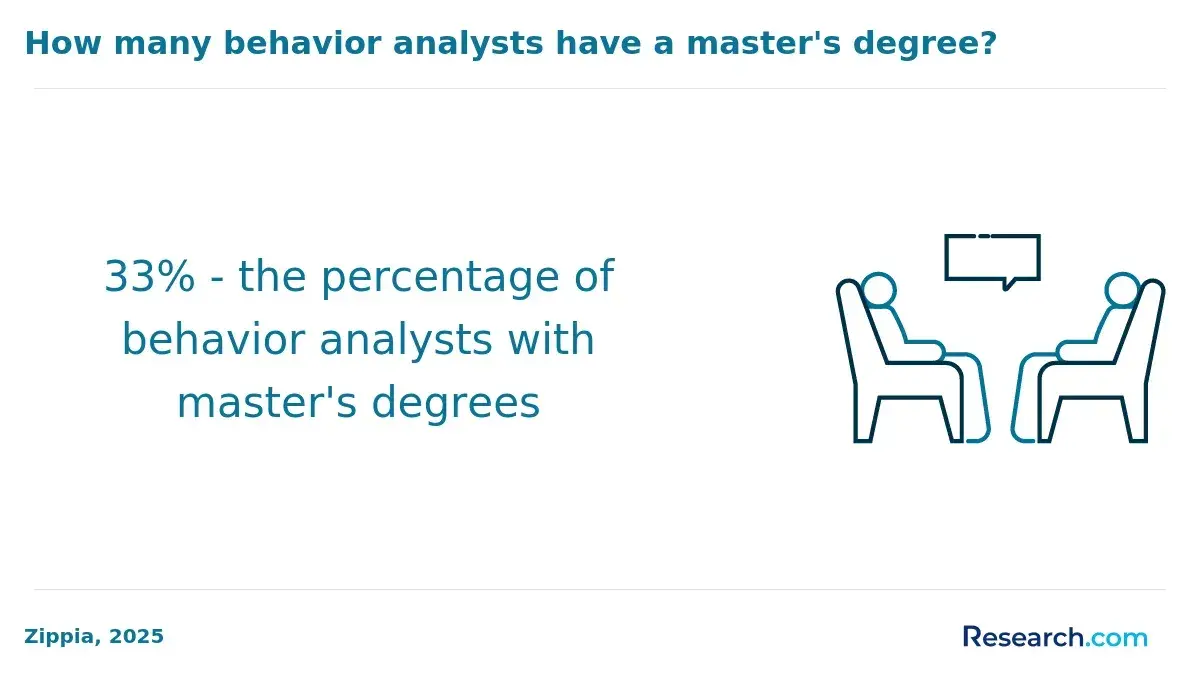
A psychology bachelor’s degree can lead to BCBA certification by giving students a behavioral science foundation and positioning them for graduate-level ABA training. It is not, by itself, enough to become a BCBA. The typical next step is a master’s program that includes approved behavior analysis coursework, supervised fieldwork, and preparation for the BCBA exam.
Psychology majors often bring useful preparation in learning theory, cognition, development, research methods, statistics, and behavioral assessment. The transition point is learning to apply those concepts through the specific framework of applied behavior analysis. ABA training is more specialized: students learn to define behavior objectively, collect and interpret data, conduct functional behavior assessments, design interventions, evaluate treatment effects, and practice under ethical standards.
Updates to BACB guidelines specify that as of 2026, eligibility demands a master's degree in ABA rather than alternative degrees supplemented by Verified Course Sequences (VCS). Beginning in 2027, BCBA pathways consolidate to only two routes, both requiring a master's in ABA. Because timing matters, psychology graduates should confirm which rules apply to their expected graduation, fieldwork completion, and exam application dates.
Psychology degree pathways to BCBA certification involve enrolling in a BACB-verified ABA master’s program, which includes coursework such as behavior assessment, intervention design, and ethics, along with practical fieldwork components. Candidates must also complete 1,500 to 2,000 supervised hours during or after graduate study under a qualified BCBA supervisor.
Typical steps from psychology bachelor’s to BCBA
- Finish a bachelor’s degree in psychology or a related behavioral science field.
- Identify the BCBA eligibility rules that apply to your certification timeline.
- Enroll in a qualifying graduate ABA program or approved graduate pathway.
- Complete required behavior-analytic coursework.
- Accumulate supervised fieldwork hours with appropriate documentation.
- Apply for and pass the BCBA exam.
- Meet any state-specific licensure or practice requirements, if applicable.
The most common mistake is enrolling in a master’s program that sounds relevant but does not meet certification requirements. Before choosing a school, ask for written confirmation of how the program supports BCBA eligibility. Students seeking a shorter route may compare options such as the fastest BCBA program, but speed should never outweigh accreditation status, supervision quality, and exam preparation.
BACB standards are designed to make sure BCBA candidates receive consistent preparation in behavior analysis, ethics, assessment, intervention, measurement, and supervision. For students, the practical takeaway is simple: do not assume that every psychology, counseling, education, or ABA-labeled graduate program leads to BCBA eligibility. You must verify the program’s current status and confirm that its coursework and fieldwork structure match your certification plan.
The Behavior Analyst Certification Board (BACB) sets rigorous accreditation criteria for Applied Behavior Analysis degrees to maintain quality and consistency. Graduate-level programs must deliver at least 270 hours of coursework aligned with the BACB's Fourth Edition Task List, covering ethics, behavior assessment, experimental design, and behavior change procedures. Clinical experience requires supervised fieldwork, providing a minimum of 1,500 hours under qualified BCBA oversight, following strict BACB protocols for supervision frequency and documentation.
Online Verified Course Sequences (VCS) must meet the same curricular and supervision requirements as traditional programs. Recent data shows that online VCS programs average 13 candidates annually, highlighting steady competition for certification spots. Smaller cohorts may offer closer faculty access and more individualized advising, but they can also mean fewer peer networks or limited supervision placement options.
Questions to ask before enrolling
- Is the program currently approved or recognized for the BCBA pathway I plan to use?
- Which task list or certification standards does the curriculum follow?
- Does the school help students locate qualified supervisors?
- How are fieldwork hours tracked and audited?
- What is the program’s recent BCBA exam pass rate?
- Are online students held to the same academic and fieldwork standards as campus students?
Prospective students should confirm that their program holds current BACB VCS approval since only approved programs qualify candidates for certification exams. Variations in programs exist across counseling, psychology, and education departments, but all must align with applicable BACB standards for the candidate’s route. Students comparing distance options can review ABAi accredited online programs that are structured around these expectations.
Verifying program status before enrollment protects students from paying for coursework that may not support exam eligibility. It also helps avoid a common delay: finishing a degree and then discovering that additional classes or supervised hours are still required.
A BCBA curriculum is built to move students from theory to ethical, data-based practice. The goal is not only to understand behavior analysis concepts, but to apply them with real clients, document decisions, evaluate progress, and adjust interventions based on evidence.
Core coursework usually covers behavioral assessment, measurement, intervention planning, ethics, research design, and supervision. Students learn to conduct functional behavior assessments, identify environmental variables that influence behavior, create behavior support plans, teach replacement skills, and evaluate whether an intervention is working.
Programs also emphasize single-subject research design, data collection, and statistical methods used to evaluate treatment outcomes. Additional topics often include verbal behavior, developmental disabilities, behavioral skills training, caregiver consultation, and professional decision-making across diverse populations.
Many programs integrate supervised fieldwork or practicum experiences so students can apply coursework in clinical, educational, or community settings. For example, California State University Northridge's hybrid ABA program, recognized for a 100% BCBA exam pass rate per the ABA Resource Center best programs list, blends practical training with academic instruction.
Program formats vary. Online options may offer flexible scheduling and local fieldwork, while hybrid and campus programs may provide more structured in-person supervision, peer practice, and faculty observation. Prospective students should confirm their program meets BACB® certification requirements, including the 270 classroom hours covering all content specified by the BACB® Task List.
Common BCBA curriculum areas
| Curriculum area | What students learn |
| Behavioral assessment | How to identify behavior patterns, conduct functional assessments, and define measurable goals. |
| Measurement and data analysis | How to collect data, graph results, interpret trends, and make treatment decisions. |
| Intervention design | How to create and revise behavior change plans using evidence-based procedures. |
| Ethics and professional standards | How to protect clients, avoid conflicts of interest, document services, and practice within competence. |
| Research methods | How to use single-subject experimental designs and evaluate intervention effectiveness. |
| Supervision and consultation | How to train staff, collaborate with families, and support consistent implementation. |
Key curriculum elements often include:
- Behavioral assessment and measurement techniques
- Intervention design and implementation
- Single-subject experimental designs
- Ethical considerations and professional standards
- Verbal behavior and behavior change strategies
When comparing programs, look beyond course titles. A strong curriculum should connect assignments to fieldwork, require frequent data-based decision-making, and prepare students for both the BCBA exam and day-to-day professional judgment.
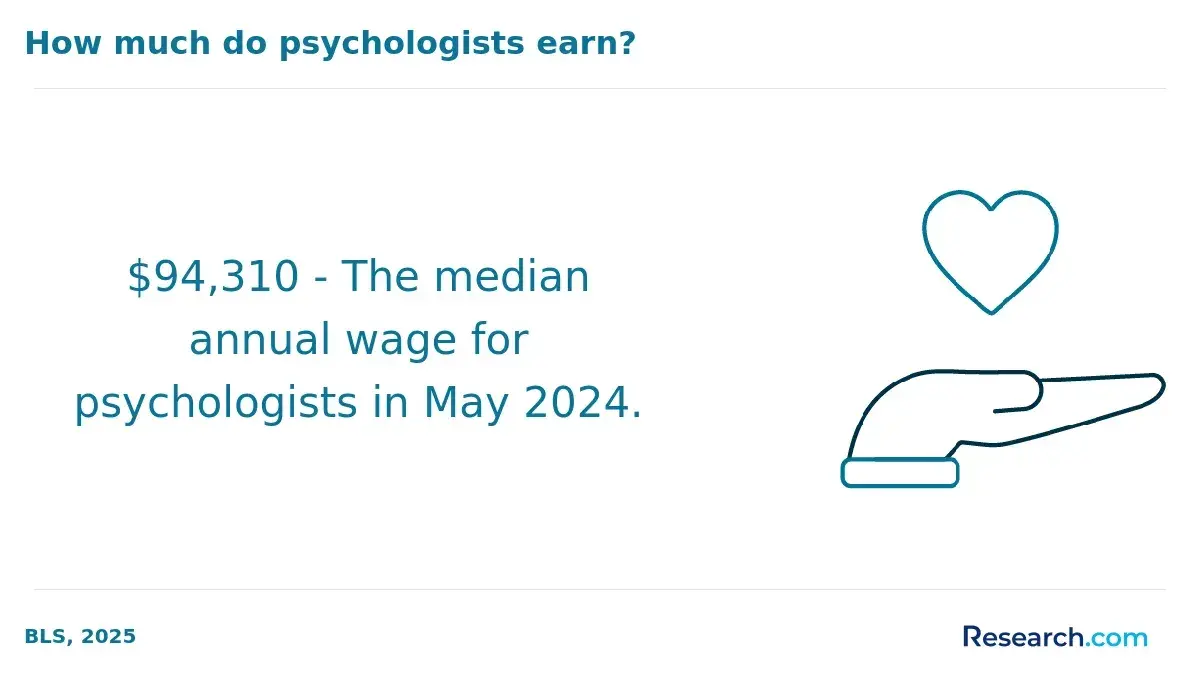
Yes, BCBA certification can be completed through online programs if the program meets applicable BACB standards and the student completes required supervised fieldwork. The coursework may be online, but the practice component still requires real supervised experience with clients, schools, clinics, agencies, or other approved settings.
Online programs are especially useful for working professionals, rural students, parents, military-connected learners, and students who cannot relocate for graduate school. The trade-off is that online students often must be more proactive about arranging fieldwork, communicating with supervisors, and staying on schedule.
Most online BCBA pathways use one of several formats: asynchronous courses that students complete on their own schedule, synchronous live classes, or hybrid models that combine online coursework with in-person intensives or local practicum requirements. Before enrolling, students should ask how the program supports supervision and whether they must find their own placement.
| Program format | Best fit | Main caution |
| Fully online coursework | Students who need maximum scheduling flexibility. | Fieldwork may require independent local arrangements. |
| Live online classes | Students who want structure and direct faculty interaction. | Scheduled meeting times may conflict with work or supervision hours. |
| Hybrid program | Students who want flexibility plus some in-person training. | Travel or campus visits may add cost and time. |
| Campus program | Students who prefer face-to-face advising, peer practice, and local placements. | Less flexible for working professionals or students outside the area. |
For instance, Baylor University's on-campus ABA program reports an 88% BCBA exam pass rate and average salaries exceeding $80,000 in key states. While this illustrates the potential strength of face-to-face instruction, a well-designed online program can still be a strong option when it provides rigorous coursework, qualified supervision, clear documentation systems, and exam preparation support.
Before choosing an online program, verify that the content aligns with the latest BACB task list, that supervisors are properly credentialed, and that the program explains any state-specific requirements that may affect licensure or practice. Online study can be efficient, but only if the program’s fieldwork structure is realistic for your location and schedule.
BCBA program admissions requirements vary by school, but most programs look for evidence that applicants can handle graduate-level behavioral science coursework and are serious about ethical practice in applied behavior analysis. A psychology background is often relevant, but it does not guarantee admission.
Admission to BCBA programs generally requires a bachelor’s degree from an accredited institution, typically in psychology, education, or a related area. Some programs accept applicants with a master’s degree, especially when it aligns with behavior analysis. Applicants who lack prerequisites in research methods, statistics, learning theory, or behavior analysis may be asked to complete additional coursework before or during the program.
Most programs require official transcripts showing a GPA usually around 3.0 or higher. Some may place extra weight on grades in psychology, education, statistics, research methods, or other relevant courses. Letters of recommendation are commonly requested from faculty, supervisors, or professionals who can speak to the applicant’s academic readiness, communication skills, ethics, and ability to work with clients.
Programs may also request a personal statement or essay. This is not just a formality. A strong statement explains why the applicant wants to become a BCBA, what populations or settings they hope to serve, and how they understand the responsibilities of behavior analytic work. Practical experience, such as working as a behavior technician, paraprofessional, teacher, case manager, or volunteer in an ABA-related setting, can strengthen an application even when it is not required.
Common application materials
- Completed graduate application
- Official transcripts from prior colleges or universities
- Minimum GPA, often around 3.0 or higher
- Letters of recommendation
- Personal statement or goals essay
- Resume or curriculum vitae
- Prerequisite coursework, if required
- Interview, for some programs
For example, the online MA in Applied Behavioral Science from the University of Kansas achieved a 93% exam pass rate, demonstrating how integrating coursework with hands-on experience can support strong outcomes. Applicants should look for programs that evaluate readiness honestly and provide the academic and fieldwork support needed to progress toward certification.
BCBA degree pathways generally take two to five years, depending on a student’s prior education, enrollment pace, program format, and fieldwork timeline. A student who already has a bachelor’s degree in psychology or a related field typically spends two to three years completing a master’s degree with an applied behavior analysis curriculum. Part-time students, career changers, and those who need extra time to complete supervised fieldwork may take longer.
The timeline is shaped by two overlapping requirements: graduate coursework and supervised fieldwork. Some students complete fieldwork while taking classes, which can shorten the overall path. Others finish most coursework first and then focus on accumulating hours, which may be more manageable but can extend the timeline.
Costs vary significantly, ranging from $15,000 to over $60,000, influenced by public versus private institutions and online versus in-person formats. Many online master's in applied behavior analysis programs charge between $20,000 and $40,000 in tuition. Students should also budget for textbooks, technology fees, supervision fees for fieldwork, exam costs, background checks, travel, and potential lost income if they reduce work hours to complete classes or fieldwork.
| Cost or time factor | Why it matters |
| Full-time vs. part-time enrollment | Full-time study may finish faster, while part-time study may be easier for working professionals. |
| Online vs. campus format | Online programs can reduce relocation and commuting costs, but supervision may require separate planning. |
| Public vs. private institution | Tuition can differ widely by school type and residency status. |
| Fieldwork supervision | Some programs include support; others require students to locate and pay for supervision separately. |
| Exam preparation | Programs with stronger preparation may reduce the risk of delays from retesting. |
Program quality is as important as cost and duration. For instance, the University of Dayton's online MABA program showed a low 29% pass rate on the BCBA exam, highlighting the risk of choosing a program based only on convenience, speed, or price. A lower-cost program can become more expensive if students need additional coursework, supervision, or exam attempts.
Prospective students should compare accreditation status, exam pass rates, fieldwork support, faculty experience, student advising, and total out-of-pocket cost. The best value is not always the cheapest option; it is the program most likely to help you become eligible, prepared, and employable without unnecessary delays.
BCBA certification can lead to roles in clinical services, schools, autism programs, early intervention, developmental disability services, behavioral health, private consulting, and organizational behavior management. Many BCBAs begin in direct clinical or educational roles and later move into supervision, program management, training, consulting, or independent practice.
Common job titles include behavior analyst, clinical supervisor, ABA program manager, school behavior consultant, autism services coordinator, early intervention specialist, parent training consultant, and organizational behavior management consultant. The right career path depends on the population you want to serve, your tolerance for travel or caseload intensity, and whether you prefer direct service, supervision, leadership, or systems-level work.
Salaries vary widely by setting, experience, credentials, caseload, employer type, and location. Entry-level BCBAs generally earn between $55,000 and $70,000 annually, while experienced professionals in specialized or supervisory roles can make $90,000 to $120,000. Leadership roles such as program directors or independent consultants often command salaries exceeding $130,000. Regions with higher demand and urban areas, like California and New York, typically offer higher compensation.
| Career direction | Typical work focus |
| Autism and developmental disability services | Assessment, intervention planning, caregiver training, and staff supervision. |
| School-based behavior consulting | Behavior intervention plans, teacher support, student assessment, and IEP-related collaboration. |
| Clinical supervision | Managing behavior technicians, reviewing data, training staff, and ensuring treatment quality. |
| Private practice or consulting | Direct client services, family consultation, agency support, or specialized behavior programs. |
| Organizational behavior management | Improving workplace performance, training systems, safety practices, and employee behavior. |
Certification requirements include completing a verified concentration in behavior analysis and supervised fieldwork. Programs like the University of South Wales MSc in Behaviour Analysis and Therapy achieved a 100% BCBA exam pass rate for its on-campus cohort, reflecting thorough preparation that may support employability and salary potential.
Some BCBAs pursue advanced degrees to qualify for research, university teaching, policy development, or senior leadership roles. Others build specialized expertise in pediatrics, severe behavior, feeding, school consultation, or organizational behavior management. Salary growth usually depends on a combination of certification, experience, supervision responsibilities, location, and demonstrated outcomes.
What is BCBA job outlook and demand?
The BCBA job outlook is strong because demand for behavior analytic services continues across healthcare, education, autism services, developmental disability programs, community agencies, and private practice. Employers need professionals who can assess behavior, design evidence-based interventions, supervise implementation, and use data to measure progress.
Employment for behavior analysts is projected to increase by about 25% from 2022 to 2032, a rate much faster than the average for all occupations. This growth is driven by rising needs among individuals with autism spectrum disorder (ASD), developmental disabilities, and mental health challenges.
Opportunities span clinical environments, school systems applying behavior intervention plans, early intervention programs, and private practices focused on workplace behavior and safety. The versatility of BCBA skills supports job mobility because behavior analysts can work with individuals, families, educators, employers, and interdisciplinary care teams.
Program quality still matters. Passing the certification exam and entering the field prepared requires more than completing credits. Pass rates can help students evaluate whether a program provides strong academic preparation and fieldwork support. Notably, Bay Path University's aba program achieved a 79% pass rate in 2024, ranking it among the top programs according to AppliedBehaviorAnalysisEdu.org.
Certification can open doors to competitive salaries and advancement, especially for professionals with specialized experience in pediatrics, organizational behavior management, autism intervention, or supervision. To remain competitive, BCBAs should keep up with continuing education, state licensure rules where applicable, ethical standards, payer requirements, and changes in best practices. The strongest candidates combine certification with clear documentation skills, collaboration ability, cultural responsiveness, and measurable client outcomes.
Other Things You Should Know About Applied Behavior Analysis
The Behavior Analyst Certification Board (BACB) sets the BCBA certification standards in 2027. Applicants must meet BACB coursework, supervised fieldwork, and examination requirements, then apply through the BACB portal before taking the BCBA exam.
Candidates must pass the BCBA exam to achieve certification. This exam, governed by the Behavior Analyst Certification Board (BACB), tests knowledge in behavior analysis and typically takes place after fulfilling coursework and supervised experience requirements from an accredited program.
Psychology graduates must complete coursework through a Verified Course Sequence (VCS) approved by the Association for Behavior Analysis International (ABAI), which includes topics such as ethics, intervention strategies, and behavior assessment, to qualify for BCBA certification in 2027.
- 11 Best BCBA Programs & Schools (In-Person & Online) https://www.crossrivertherapy.com/behavioral-analysts/best-bcba-programs
- Can You Be a BCBA with a Bachelor's Degree? | Blossom ABA https://blossomabatherapy.com/blog/bcba-with-a-bachelors-degree
- BCBA Job Outlook 2026 | Demand, Growth & Career Data https://certifyndaba.com/blog/career-development/bcba-job-outlook-2026
- BCBA Career Path to Take https://www.besteveraba.com/blog/bcba-career-path-to-take
- BCBA Job Outlook in 2026 Explained | Divine Steps ABA https://www.divinestepstherapy.com/blog/bcba-job-outlook
- How to Become a Behavior Analyst https://onlinecounselingprograms.com/mental-health-careers/how-to-become-behavior-analyst-bcba/
- Strategies for Increasing BCBA Salary | Level Ahead ABA https://www.levelaheadaba.com/bcba-salary
- Behavior Analyst Salary: Your Guide to Negotiation https://americanbss.com/behavior-analyst-salary-your-guide-to-negotiation-certification-and-career-growth/
- Accreditation FAQs https://www.apbahome.net/accreditation-faqs
- WhatsApp Web https://web.whatsapp.com/