2027 Must-Have Skills to Succeed as a BCBA

Co-Founder and Chief Data Scientist
Becoming a Board Certified Behavior Analyst (BCBA) is not just a credentialing goal; it is a clinical and professional decision that requires strong preparation in assessment, ethics, communication, data use, and team leadership. Demand is also a major reason students are considering this path. National data show a 58% increase in job postings for BCBA-certified professionals between 2023 and 2024, signaling broad growth in behavior-analysis roles across schools, clinics, homes, healthcare settings, and community programs.
This guide explains the core skills aspiring BCBAs should begin developing before and during graduate training. It is designed for incoming college students, career changers, and early-stage ABA students who want to understand what effective BCBA practice actually requires beyond coursework. You will learn which skills matter most, how they affect client outcomes, and what to look for when evaluating training pathways, supervised experience, and long-term professional development.
Key things you should know about must-have skills to succeed as a BCBA
- Developing analytical and data-driven skills allows BCBAs to make informed decisions, supporting precise and effective intervention planning.
- Strong communication and interpersonal abilities help BCBAs collaborate with families and interdisciplinary teams, ensuring consistent implementation and client engagement.
- Ethical decision-making underpins professional practice, guiding BCBAs to maintain client safety, trust, and adherence to industry standards.
What core skills are essential for success as a BCBA?
Successful BCBA practice depends on a combination of technical knowledge, clinical judgment, ethical discipline, and the ability to work well with people. Certification prepares professionals for the role, but strong performance comes from repeatedly applying behavior-analytic principles in real settings and adjusting interventions based on evidence.
Students comparing BCBA courses online should look for programs that connect theory to supervised practice, not just exam preparation. The best preparation helps students learn how to assess behavior, design intervention plans, train others, document decisions, and evaluate outcomes responsibly.
The following skills form the foundation of effective BCBA work:
- Behavior-analysis conceptualization: BCBAs must understand reinforcement, extinction, stimulus control, motivating operations, and other core principles well enough to apply them to individual cases rather than using generic strategies.
- Assessment planning: Strong assessment skills help practitioners identify the function of behavior, select appropriate measurement systems, and avoid interventions that are based on assumptions instead of evidence.
- Intervention design: Effective BCBAs create plans that reduce challenging behavior, teach replacement skills, and fit the client’s environment, abilities, and support system.
- Implementation fidelity: A plan is only as strong as its execution. BCBAs must ensure that staff, caregivers, and team members apply procedures consistently and correctly.
- Supervision readiness: Many BCBAs supervise technicians or other staff, so they need to provide clear instructions, performance feedback, modeling, and accountability.
- Professional documentation: Accurate notes, behavior plans, data summaries, and progress reports support continuity of care, ethical practice, and compliance with organizational or payer requirements.
- Reflective practice: BCBAs must be willing to review data, question their own assumptions, consult when needed, and revise treatment when outcomes do not support the current approach.
How do analytical skills impact a BCBA’s effectiveness?
Analytical skills are central to BCBA effectiveness because behavior analysis is a data-based profession. A BCBA must be able to look at behavior patterns, compare intervention effects, identify possible causes, and decide whether a plan should continue, change, or stop. Without strong analysis, treatment decisions can become subjective or inconsistent.
For students, this means math confidence is helpful, but it is not the whole skill set. The larger goal is learning how to ask better clinical questions: What changed? When did it change? What environmental variables may be influencing the behavior? Is the intervention working for the client, or only looking good on paper?
Analytical competencies show up in several practical ways:
- Data trend recognition: BCBAs need to detect increases, decreases, variability, and stable patterns so they can make timely treatment decisions.
- Variable control analysis: Evaluating antecedents, consequences, setting events, and environmental changes helps clarify why a behavior occurs.
- Graph interpretation: Line graphs, scatterplots, and other visual displays help BCBAs evaluate client progress and communicate results to families and teams.
- Cost-benefit evaluation: Interventions must be effective, but they also need to be practical given staff time, caregiver capacity, setting constraints, and available resources.
- Risk-benefit judgment: BCBAs must weigh potential benefits against possible risks, including emotional distress, safety concerns, feasibility, and client dignity.
- Program efficacy auditing: Reviewing outcomes across cases helps identify which procedures are producing reliable results and which may need retraining or redesign.
- Outcome forecasting: Interpreting current patterns allows BCBAs to anticipate likely next steps, prevent regression, and plan for generalization or maintenance.
Why is ethical decision-making critical for Board Certified Behavior Analysts?
Ethical decision-making is critical because BCBAs often work with clients who rely on others to advocate for their safety, rights, and quality of life. Behavior-change programs can affect daily routines, communication, learning, independence, and family systems, so decisions must be made with care, transparency, and professional accountability.
The BACB Ethical Code establishes expectations for responsible practice, but ethical skill goes beyond memorizing rules. BCBAs must recognize conflicts of interest, obtain meaningful consent, avoid practicing outside their competence, protect client privacy, and respond appropriately when a treatment plan is not working or is no longer appropriate.
Important ethical competencies include:
- Client dignity protection: Interventions should respect the client as a person, not reduce them to a behavior target or data point.
- Confidentiality maintenance: BCBAs must protect private information in documentation, team discussions, telehealth, data systems, and caregiver communication.
- Informed consent processes: Clients, parents, guardians, or authorized decision-makers should understand the purpose, risks, benefits, and alternatives of recommended interventions.
- Professional boundaries: Avoiding dual relationships and unclear roles helps preserve objectivity and trust.
- Data integrity assurance: Ethical practice requires accurate data collection, honest reporting, and clear communication about progress or lack of progress.
- Competence recognition: BCBAs should accept cases and procedures only when they have the training, supervision, or consultation needed to practice safely.
- Cultural responsiveness: Treatment goals and procedures should consider the client’s language, culture, family priorities, and lived context.
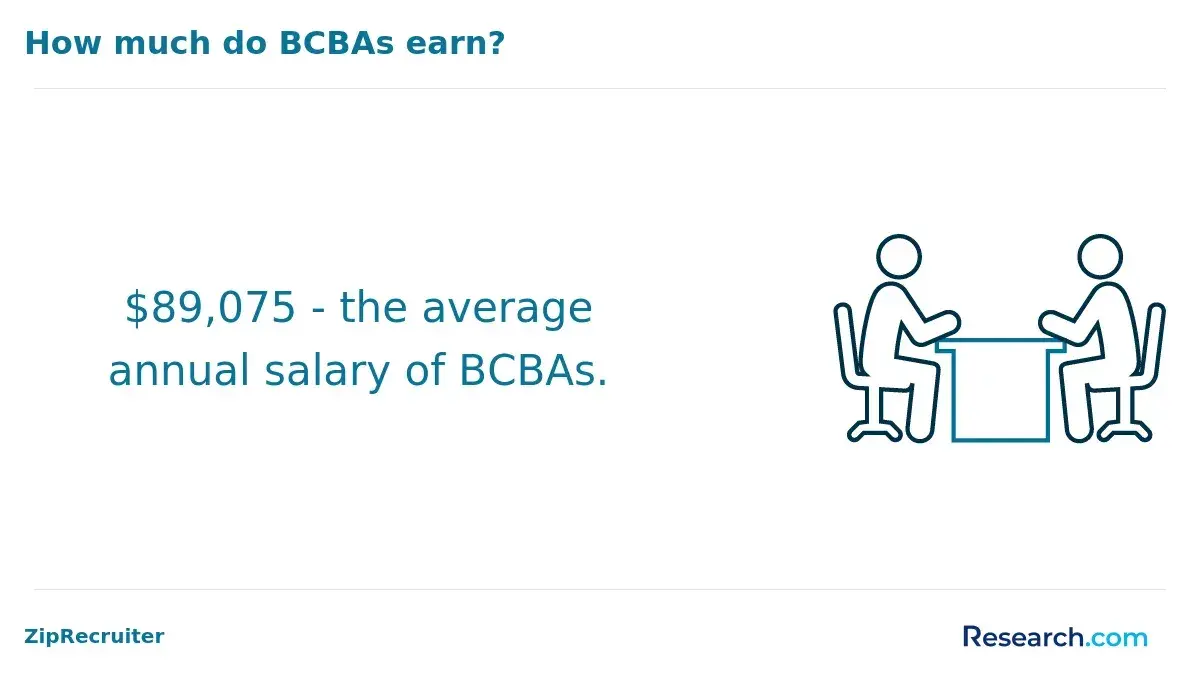
BCBAs need communication skills that make technical information understandable, actionable, and respectful. Families and clients should not need advanced training in behavior analysis to understand what a plan is trying to accomplish, how it works, and what their role will be.
Strong communication also improves treatment consistency. When caregivers, teachers, technicians, and other professionals understand the same goals and procedures, interventions are more likely to be implemented correctly across settings.
Key communication skills include:
- Active listening: BCBAs should listen carefully to family concerns, client preferences, staff observations, and environmental barriers before recommending a plan.
- Plain-language explanation: Technical terms should be translated into clear, everyday language without oversimplifying important clinical details.
- Collaborative goal-setting: Goals are more likely to succeed when they reflect both clinical need and stakeholder priorities.
- Feedback delivery: BCBAs must give staff and caregivers specific, respectful, behavior-based feedback that helps improve implementation.
- Motivational dialogue: Encouragement, problem-solving, and realistic expectations help caregivers stay engaged when behavior change takes time.
- Crisis communication: During escalations, BCBAs need to communicate calmly, briefly, and clearly to protect safety and preserve trust.
- Interdisciplinary coordination: Collaboration with educators, speech-language pathologists, occupational therapists, physicians, mental health providers, and other professionals helps align support around the client.
A common mistake is assuming that a written plan is enough. In practice, BCBAs often need to model procedures, check understanding, invite questions, and revise instructions so that the plan can be followed in real-life conditions.
Data collection and analysis improve BCBA interventions by showing whether behavior is changing, whether the change is meaningful, and whether the current plan deserves continued use. Data help remove guesswork from clinical decision-making and provide a record of progress over time.
Students reviewing top BCBA programs should pay close attention to how programs teach measurement, graphing, single-case design, interpretation, and applied decision-making. Data literacy is not an optional technical skill; it is one of the main tools BCBAs use to protect treatment quality.
Data-driven practice includes the following skills:
- Baseline measurement: Establishing starting levels of behavior helps determine whether later changes are likely related to the intervention.
- Frequent measurement systems: BCBAs must choose measurement methods that match the behavior, setting, available observers, and clinical question.
- Graphing behavior over time: Visual displays make patterns easier to evaluate and easier to explain to families, staff, and other decision-makers.
- Trend-line detection: Recognizing direction, level, variability, and immediacy of change supports timely treatment adjustments.
- Conditional probability calculation: Estimating the likelihood of behavior after specific antecedents can help refine prevention and teaching strategies.
- Decision-making rules application: Predetermined criteria reduce bias and help teams know when to continue, revise, intensify, or fade an intervention.
- Social validity measurement: Feedback from clients, caregivers, and implementers helps determine whether the intervention is acceptable, practical, and meaningful.
Good data systems should be accurate enough to support decisions but realistic enough for the setting. Overly complicated measurement can reduce consistency, while overly vague data can weaken clinical judgment.
BCBAs often lead treatment teams that may include behavior technicians, teachers, caregivers, case managers, and other professionals. Leadership matters because even a well-designed intervention can fail if the team is unclear, unsupported, or inconsistently trained.
Effective BCBA leadership is practical rather than hierarchical. It involves setting expectations, training people to competence, monitoring performance, solving barriers, and maintaining a culture of ethical, client-centered service.
The key leadership abilities for BCBAs include:
- Team-motivation skills: BCBAs help staff stay engaged by connecting daily tasks to client outcomes and recognizing high-quality implementation.
- Role-clarity communication: Clear responsibilities reduce confusion about who collects data, implements procedures, communicates with caregivers, and reports concerns.
- Staff training design: Strong training includes explanation, modeling, rehearsal, observation, and feedback rather than relying only on written instructions.
- Performance monitoring: Regular observation and feedback help maintain treatment fidelity and identify retraining needs early.
- Conflict resolution: BCBAs must address disagreements professionally, especially when staff, caregivers, or team members have different priorities or interpretations.
- Strategic planning: Program goals should account for current needs, future transitions, staffing realities, and long-term client independence.
- Budget and resource oversight: Efficient use of time, materials, staffing, and service hours helps maximize the quality and reach of care.
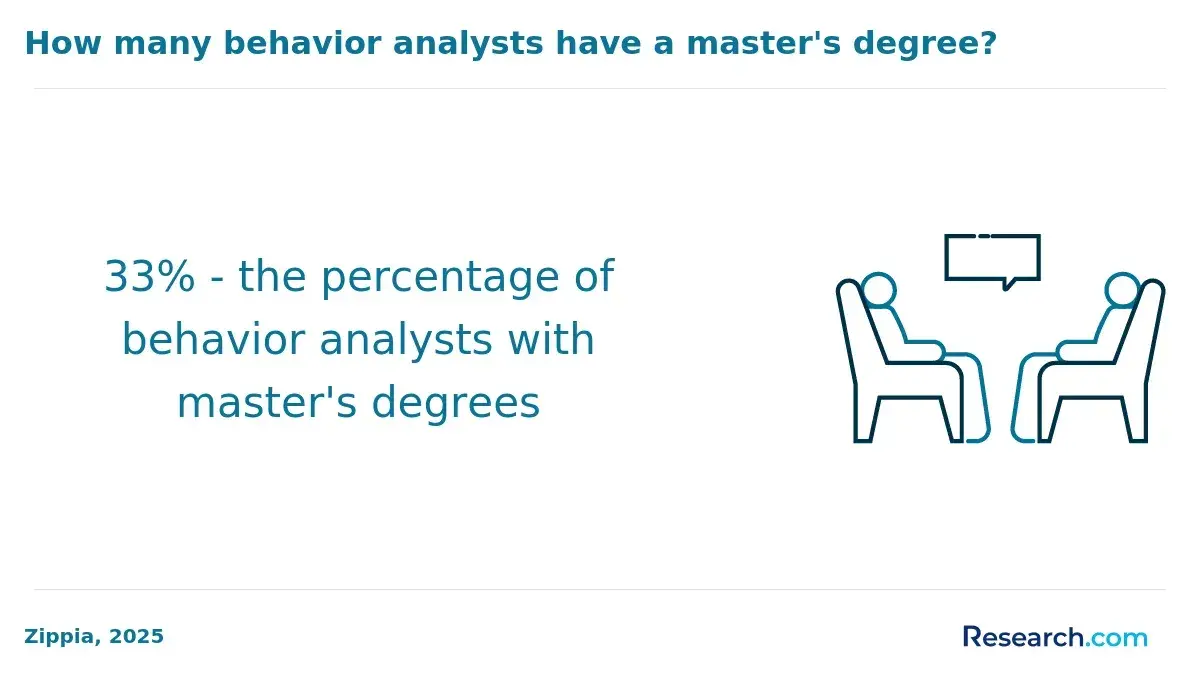
Problem-solving skills shape every stage of BCBA treatment planning. Clients rarely present with simple, isolated concerns, and intervention barriers may come from the environment, staffing, family routines, communication limitations, health variables, or competing priorities. A BCBA must be able to identify the problem accurately before selecting a solution.
Pursuing an ABA master degree can help students build systematic problem-solving habits through coursework, supervised practice, case analysis, and applied research. The goal is not to memorize a single solution, but to learn how to evaluate evidence and adapt responsibly.
Problem-solving skills influence treatment planning in the following ways:
- Hypothesis generation: BCBAs develop testable explanations for behavior based on assessment results, observation, and stakeholder input.
- Intervention adjustment: When data show limited progress, BCBAs revise procedures rather than continuing a plan out of habit.
- Barrier identification: Recognizing obstacles such as inconsistent implementation, unclear instructions, limited caregiver time, or environmental triggers improves the chance of success.
- Creative strategy development: Some cases require flexible solutions that remain evidence-based while fitting the client’s real environment.
- Stakeholder alignment: Treatment works best when caregivers, staff, and other professionals understand the rationale and agree on the plan’s practical steps.
- Outcome evaluation loops: Ongoing review helps determine whether an intervention is producing meaningful, durable change.
- Contingency analysis: BCBAs must look for unintended consequences that may be strengthening the very behavior the team is trying to reduce.
Strong problem-solving also protects against a common error: choosing an intervention because it is familiar rather than because it matches the assessed function and context of the behavior.
Time-management skills help BCBAs protect clinical quality while managing competing responsibilities. A typical workload may include assessments, direct observation, data review, caregiver meetings, staff supervision, documentation, treatment planning, and crisis response. Without structure, urgent tasks can crowd out the activities that most improve outcomes.
Good time management is also a burnout-prevention skill. BCBAs who consistently reserve time for analysis, documentation, supervision, and follow-up are better positioned to make sound decisions and maintain professional boundaries.
Useful time-management strategies include:
- Caseload scheduling: Organizing sessions, meetings, travel, and documentation time reduces gaps, rushed work, and missed follow-ups.
- Protected data-review blocks: Dedicated analysis time helps BCBAs make decisions based on evidence rather than memory or impressions.
- Regular supervision meetings: Consistent check-ins help staff maintain treatment fidelity and give BCBAs early warning about implementation problems.
- Buffer time allocation: Building in time for cancellations, urgent calls, documentation delays, and unexpected behavior events keeps the schedule realistic.
- Priority categorization: Separating urgent tasks from high-impact clinical tasks helps prevent reactive work patterns.
- Delegate non-clinical tasks: When appropriate, administrative work should be assigned or streamlined so the BCBA can focus on clinical responsibilities.
- Continuous calendar review: Reviewing upcoming assessments, deadlines, authorizations, meetings, and renewal requirements reduces avoidable errors.
What ongoing professional development skills should BCBAs pursue to stay current?
BCBAs need ongoing professional development because behavior-analysis research, ethical expectations, service models, technology, and client needs continue to evolve. Staying current is part of competent practice, not just a credential-maintenance task.
Students exploring online ABA programs should consider how each program encourages lifelong learning, research literacy, ethical reflection, and supervised skill growth. A strong educational foundation should prepare graduates to keep improving after certification.
Critical professional development skills include:
- Research literacy: BCBAs should be able to read peer-reviewed studies, evaluate the strength of evidence, and apply findings carefully to individual cases.
- Technology integration: Data-collection platforms, telehealth tools, and digital documentation systems can improve efficiency when used ethically and securely.
- Specialization pursuit: Developing expertise in specific populations, settings, or intervention areas can expand career options and improve service quality.
- Ethical updates: BCBAs must stay informed about changes in professional expectations and apply them in daily practice.
- Peer-network engagement: Consultation, mentoring, professional associations, and peer discussion help reduce isolation and improve judgment.
- Credential renewal readiness: Tracking CEUs and supervision hours helps prevent last-minute compliance problems and supports continuous growth.
- Leadership evolution: As BCBAs advance, they may need stronger skills in supervision, program development, quality assurance, and clinical administration.
The strongest BCBAs treat professional development as a career-long habit. They seek feedback, update their methods, remain transparent about limitations, and continue building the skills needed to deliver ethical, effective behavior-analytic services.
Other things you should know about must-have skills to succeed as a BCBA
Trainees must complete supervised fieldwork under a qualified supervisor and document their hours to meet BACB requirements before the exam. In 2027, candidates must also finish an approved graduate sequence and pass the BCBA certification exam, which is administered by the Behavior Analyst Certification Board.
In 2027, cultural competence is crucial for BCBAs as they interact with diverse communities and multiple cultural backgrounds. It ensures respectful and effective communication, enhancing therapeutic outcomes. BCBAs need to consider cultural factors in behavior analysis to provide equitable and personalized support to individuals from varied cultural contexts.
- BACB. (2024). Professional and ethical compliance code for behavior analysts. Behavior Analyst Certification Board. https://www.bacb.com/ethics
- Indeed. (2025). BCBA job outlook and salary data. https://www.indeed.com/career/bcba/salaries
- Salary.com. (2024). Board Certified Behavior Analyst salary data. https://www.salary.com/research/salary/benchmark/bcba-salary
- U.S. Bureau of Labor Statistics. (2025). Occupational outlook for behavioral health specialists. https://www.bls.gov/ooh/healthcare/behavioral-health-technicians.htm
- Zippia. (2025). BCBA career growth statistics. https://www.zippia.com/bcba-jobs/trends/