2027 BCBA Salary by Industry: Education, Healthcare, Nonprofit & More

Co-Founder and Chief Data Scientist
Choosing a BCBA career path is not only about finding an applied behavior analysis role. It is also a compensation decision shaped by setting, funding model, client population, supervision responsibilities, contract length, and geography. A school-based BCBA, a hospital-based BCBA, a private practitioner, and a nonprofit program leader may all hold the same credential, but their pay structure and day-to-day work can look very different.
This guide explains how BCBA salary varies by industry and what those differences mean for career planning. It covers average pay ranges by sector, the highest-paying settings, the factors that influence compensation, certification requirements, common job duties, state-level salary considerations, comparisons with related careers, and long-term career paths. Use it to compare opportunities more realistically—not just by salary, but by workload, stability, benefits, growth potential, and fit with your professional goals.
Key Things You Should Know
- BCBA salaries in 2026 vary by industry, with healthcare roles typically offering median annual earnings around $70,000, while education and nonprofit sectors often pay slightly less, averaging $60,000 to $65,000.
- Experience and location heavily influence BCBA compensation, with entry-level positions near $50,000 and experienced professionals in urban areas exceeding $80,000 annually.
- Demand for BCBAs is rising fastest in healthcare and special education, reflecting increased emphasis on evidence-based behavioral interventions and expanded funding options.
What is the average BCBA salary by industry?
The average BCBA salary depends heavily on the industry because each setting uses different funding sources, staffing models, caseload expectations, and contract structures. School districts often pay differently from hospitals, private clinics, nonprofits, or consulting practices, even when the role requires the same BCBA credential.
In school-based settings, median salaries range from $65,000 to $80,000 for a typical 10-month contract. These roles may offer predictable schedules and strong alignment with academic calendars, but compensation is often tied to district budgets, union structures, and local education funding.
Healthcare settings generally pay more because BCBAs may handle clinically complex cases, work with multidisciplinary teams, manage insurance documentation, and provide intensive intervention services. Salaries in hospitals, private clinics, and home health care often range from $80,000 to $100,000 annually.
Nonprofit organizations usually pay less, with salaries between $55,000 and $70,000. However, some professionals choose this sector for mission-driven work, community-based programs, schedule flexibility, or opportunities to serve underserved populations. Pay can vary widely based on grant funding, donor support, program size, and reimbursement stability.
Private practice and corporate consulting can be more variable. Private practitioners may earn more when they build a strong caseload, add supervision services, or offer consulting, but they also take on business risk, marketing, billing, and administrative responsibilities. Corporate roles involving organizational behavior management can exceed $90,000, especially when the BCBA’s work is tied to workforce performance, safety, or leadership development.
| Industry or setting | Typical salary range stated | What affects pay most |
| School-based roles | $65,000 to $80,000 for a typical 10-month contract | District budget, contract length, location, special education staffing needs |
| Hospitals, private clinics, and home health care | $80,000 to $100,000 annually | Clinical intensity, insurance billing, caseload complexity, supervision duties |
| Nonprofit organizations | $55,000 to $70,000 | Funding stability, grant support, program size, community service mission |
| Corporate consulting | Can exceed $90,000 | Organizational behavior expertise, business impact, consulting scope |
When comparing offers, look beyond the headline salary. A school role with a 10-month contract, strong benefits, and lower evening demands may be preferable for some candidates, while a healthcare or private practice role may offer stronger earning potential but heavier documentation, productivity, and scheduling requirements. Prospective students who want to strengthen their qualifications can compare affordable online ABA master's programs as part of a longer-term salary strategy.
Which industry pays BCBAs the highest salary?
Hospital settings are among the highest-paying industries for BCBAs, with annual pay ranging from $80,000 to $100,000, according to the practicetestgeeks.com BCBA Salary 2026 guide. These roles often involve clients with severe behavioral health needs, neurodevelopmental disorders, medical complexity, or acute support needs. The higher compensation reflects the clinical judgment, documentation accuracy, collaboration, and resilience required in these environments.
Hospital-based BCBAs may work with physicians, psychologists, nurses, therapists, social workers, and family members. The role can be rewarding, but it is not always the easiest path. Candidates should expect higher clinical intensity, more complex ethical decision-making, and the need to communicate behavior-analytic recommendations to professionals outside the ABA field.
Education and nonprofit settings tend to offer lower salaries, often between $50,000 and $70,000 annually, because they are typically constrained by public budgets, grant funding, or program allocations. That does not make them less valuable career paths. Education roles can provide stable schedules and long-term developmental impact, while nonprofits may offer community-focused work and broader program experience.
Outpatient clinics and private practices often fall between these salary ranges, depending on caseload size, location, reimbursement rates, and whether the BCBA supervises staff or manages programs. Some private roles may pay well, but candidates should examine billable-hour expectations, cancellation policies, administrative workload, and benefits before assuming the highest base salary is the best offer.
For candidates trying to maximize compensation, the strongest options often combine clinical expertise, supervisory responsibility, and a setting with stable reimbursement or institutional funding. Completing accredited BCBA masters programs can help candidates prepare for these more competitive roles.
- Hospital settings provide top-tier salaries but often require advanced clinical judgment, strong documentation skills, and tolerance for high-acuity cases.
- Education roles may pay less but can offer predictable calendars, collaborative school teams, and meaningful long-term student support.
- Nonprofit roles may offer lower compensation but can provide valuable experience in program development, community services, and staff training.
- Private practice and outpatient roles can be financially attractive, but candidates should evaluate billable requirements, benefits, and income stability.
For professionals focused primarily on the highest paying industries in the United States for behavior analysis careers, hospital roles are often the most financially rewarding. For professionals balancing pay with schedule, population served, and career development, the best choice may be different.
What factors influence BCBA salary levels?
BCBA salary levels are shaped by more than certification alone. The biggest influences are industry, geographic region, experience, specialization, employer funding, and the amount of responsibility attached to the role. Two BCBAs with similar credentials can receive different offers if one works in a privately funded clinical setting and the other works for a public school or nonprofit program.
Industry is one of the clearest salary drivers. BCBAs working for non-profit or government organizations earn between $60,000 and $80,000 annually, which is often lower than private-sector compensation because public and nonprofit employers may operate under tighter funding limits. Healthcare employers, especially private therapy or clinical practices, usually offer competitive wages because of reimbursement structures, demand for services, and clinical staffing needs.
Location also matters. Metropolitan areas often offer higher salaries to reflect higher living costs and stronger demand, but higher pay does not always mean better purchasing power. A strong offer in a high-cost city may be less advantageous than a lower offer in a more affordable region. Candidates should compare salary with rent, commuting costs, licensing or certification expenses, benefits, and expected workload.
Experience affects pay because employers value BCBAs who can manage complex cases, supervise teams, train staff, communicate with families, and maintain compliant documentation. Entry-level BCBAs in education settings generally start with more modest salaries, while experienced clinicians, supervisors, program directors, and specialists may command higher pay.
Specialization can also raise earning potential. BCBAs who work with niche populations, take on administrative leadership, supervise Registered Behavior Technicians, support quality assurance, or build expertise in organizational behavior management may qualify for roles with broader responsibility and stronger compensation.
- Industry: Healthcare and private-sector roles often pay more than nonprofit or government roles.
- Region: Higher salaries may appear in expensive metropolitan areas, but cost of living changes the real value of pay.
- Experience: Senior clinicians, supervisors, and program leaders typically have stronger negotiating power.
- Specialization: Expertise with complex cases, staff supervision, or organizational behavior can improve compensation.
- Employer funding: Reimbursement rates, grants, district budgets, and institutional resources shape salary ceilings.
Candidates considering career advancement may compare an accelerated BCBA program online if they want to complete qualifying education efficiently. However, speed should not be the only consideration. Supervision quality, BACB-aligned coursework, faculty expertise, and fieldwork support can affect both certification readiness and long-term earning potential.
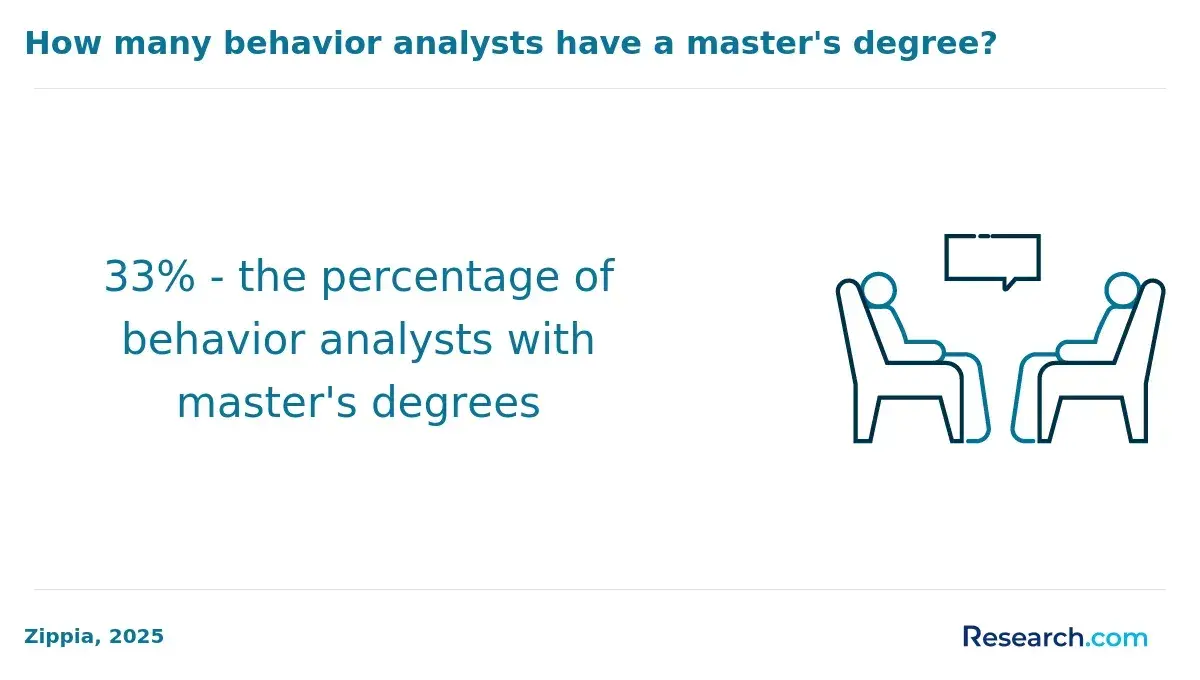
To become a Board Certified Behavior Analyst, candidates must meet education, coursework, supervised fieldwork, and examination requirements set by the Behavior Analyst Certification Board. In general, candidates need a master's degree in behavior analysis, education, psychology, or a related field from an accredited institution, along with coursework that meets BACB expectations.
The graduate curriculum should cover core behavior-analytic areas such as ethics, experimental design, behavior assessment, measurement, behavior-change procedures, supervision, and professional practice. Because certification rules are specific, students should not assume that any psychology, education, or counseling degree will qualify. Before enrolling, they should verify that the program’s coursework is designed to support BCBA eligibility.
Candidates also need supervised applied experience. To meet BCBA education requirements in the United States, candidates need to complete at least 1,500 hours of supervised independent fieldwork in Applied Behavior Analysis settings under a qualified BCBA. Fieldwork may take place in schools, clinics, homes, residential programs, hospitals, or other approved service environments. The quality of supervision matters because it shapes practical skills, ethical decision-making, data-based treatment planning, and readiness for independent practice.
After completing the required degree, coursework, and fieldwork, candidates must pass the BCBA certification exam. Maintaining certification also requires continuing education so practitioners stay current with ethical standards, research, and best practices.
Education can also affect income over time. Private practice BCBAs typically earn between $85,000 and $200,000+, with additional income sources such as supervision and consulting roles. Those outcomes are not guaranteed, but they show how advanced training, business development, supervision credentials, and specialized expertise can expand earning potential. Prospective students can compare applied behavior analysis masters programs that are designed to support certification eligibility and professional development.
BCBA certification is earned through a structured process: complete the required graduate education, finish supervised fieldwork that meets BACB standards, and pass the BCBA certification exam. The process requires planning because coursework, fieldwork documentation, supervision arrangements, and exam eligibility must align with certification rules.
The first step is earning a graduate degree in behavior analysis, psychology, education, or a related field with BACB-approved coursework. Students should confirm eligibility requirements before enrolling, especially if they are considering a general psychology or education program rather than a dedicated ABA program.
The next step is supervised practical experience. Candidates must accumulate supervised applied experience, ranging from 1,500 to 2,000 hours depending on the supervision model. This work is completed under a qualified BCBA supervisor and typically takes one to two years. During this period, candidates should develop competence in assessment, data collection, intervention design, caregiver training, staff supervision, documentation, and ethical practice.
After the education and fieldwork requirements are complete, candidates apply for exam eligibility and sit for the BCBA certification exam. The exam tests behavior-analytic principles, assessment, intervention, ethics, supervision, measurement, and professional judgment. Focused study, practice questions, and review of weak content areas can improve readiness.
- Earn a graduate degree with approved BACB coursework.
- Complete 1,500-2,000 hours of supervised applied experience.
- Submit documentation and meet eligibility requirements.
- Pass the BCBA certification exam.
- Maintain certification through continuing education and ethical practice.
Certification can open access to higher-paying and higher-responsibility roles. For example, clinic-based ABA BCBAs typically earn between $75,000 and $95,000 annually. Candidates should still evaluate each position carefully, including supervision expectations, billable-hour requirements, caseload size, benefits, and opportunities for advancement.
BCBAs use behavior analysis to assess behavior, design intervention plans, train caregivers and staff, supervise service delivery, and monitor progress through data. The exact duties vary by setting, but most roles require strong clinical judgment, ethical decision-making, communication, documentation, and collaboration with families or interdisciplinary teams.
In education, BCBAs support students with developmental disabilities, autism, or behavioral challenges. They may conduct functional behavior assessments, develop behavior intervention plans, contribute to Individualized Education Programs, train teachers and paraprofessionals, and review data to determine whether interventions are working.
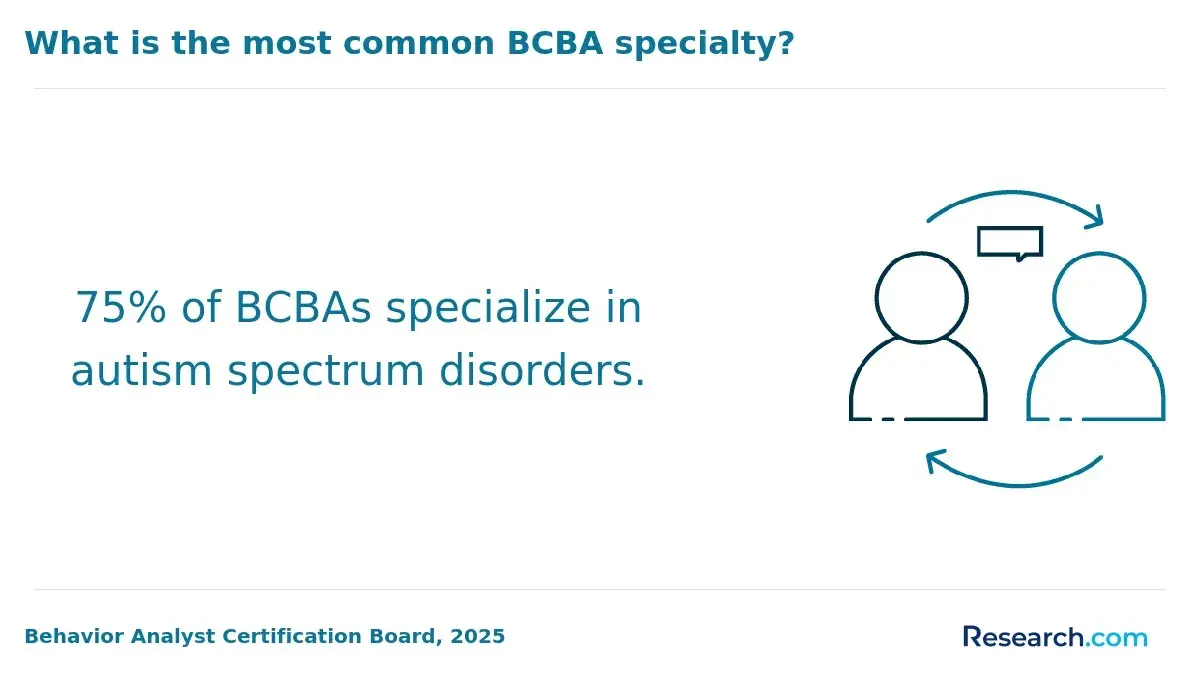
In healthcare and clinical settings, BCBAs often provide services for individuals with autism spectrum disorder or other developmental conditions. Their work may include assessment, treatment planning, parent training, skill acquisition programming, behavior reduction strategies, staff supervision, and coordination with other providers.
In-home service BCBAs deliver or oversee treatment in the client’s natural environment. This setting can make interventions more practical because caregivers learn strategies where daily routines actually happen. It can also involve travel, variable schedules, and coordination across family members. In-home BCBAs earn between $70,000 and $88,000 annually, plus mileage reimbursement, reflecting the travel demands of this role.
Nonprofit BCBAs may focus on program design, staff development, community outreach, service access, grant-supported initiatives, and supervision of Registered Behavior Technicians. These positions can involve broader systems work, especially when programs serve families with limited access to behavioral health services.
| Setting | Common BCBA duties | Key trade-off |
| Schools | Behavior plans, IEP support, teacher consultation, student data review | More predictable schedule, but often constrained by district budgets |
| Clinics and healthcare | Assessment, treatment planning, caregiver training, staff supervision | Higher clinical intensity and documentation demands |
| In-home services | Natural-environment intervention, family coaching, travel-based service delivery | Flexible and practical setting, but travel and scheduling can be demanding |
| Nonprofits | Program development, community outreach, staff training, service coordination | Mission-driven work, but funding may limit salary growth |
The job outlook for BCBAs remains strong because applied behavior analysis services are used across healthcare, education, government, nonprofit, and community-based programs. Demand is especially visible in services for individuals with autism spectrum disorder and other developmental disabilities, but BCBA skills are also relevant in schools, residential programs, early intervention, organizational behavior management, and behavioral health settings.
Healthcare continues to be a major employment area as behavioral intervention services expand and organizations need certified professionals who can design treatment plans, supervise staff, and meet documentation standards. According to the practicetestgeeks.com BCBA Salary 2026 guide, salaries in government and state agencies range from $78,000 to $95,000 annually.
Education settings also provide consistent opportunities. Public schools, special education programs, and district-level support teams need BCBAs who can conduct assessments, create behavior intervention plans, train school staff, and support students with complex behavioral needs. Nonprofit organizations add another pathway, particularly for professionals interested in community services, outreach, and access for underserved populations.
Several forces support continued demand:
- Increased insurance coverage for behavioral services under Medicaid and private health plans
- Expansion of early intervention programs at state and local levels
- Broader recognition of BCBA expertise beyond autism, such as in organizational behavior management and mental health
Job seekers should still compare local markets carefully. Urban areas may offer higher salaries but also more competition and a higher cost of living. Rural or underserved areas may have fewer employers but stronger demand for qualified clinicians. Continuing education, ethical practice, supervision skills, and specialization can help BCBAs remain competitive as the field grows.
BCBA salaries are often strongest in states with high demand for healthcare, special education, research, and behavioral health services. Top-paying states for BCBA salaries include California, New York, Massachusetts, and New Jersey. These states often have large healthcare systems, dense school networks, university programs, and greater demand for specialized behavioral services.
California, especially in urban areas with established healthcare and university programs, offers salaries well above the national average. New York and Massachusetts benefit from many academic institutions employing BCBAs in research and teaching roles, where earnings generally range from $65,000 to $95,000, as detailed in the practicetestgeeks.com BCBA Salary 2026 guide.
State-level salary comparisons should be interpreted carefully. A higher salary in California or New York may be offset by housing, taxes, commuting costs, or childcare expenses. A lower salary in another state may provide stronger real purchasing power if the cost of living is substantially lower. Candidates should compare total compensation, not salary alone.
- University-employed BCBAs often earn between $65,000 and $95,000, depending on research and teaching duties.
- States with expanded healthcare and special education services frequently offer higher starting pay to attract skilled professionals.
- The high cost of living in California and New York can impact the relative value of salaries.
- States like Colorado and Washington show promising salary growth as healthcare sectors expand.
- Some southern and midwestern states may offer lower salaries due to limited public education and nonprofit funding.
BCBAs considering relocation should evaluate salary alongside licensure or certification expectations, employer type, clinical supervision opportunities, professional networks, commute, and long-term advancement. Those aiming for academic roles should prioritize states with major research universities because these positions can offer competitive compensation within the field.
What career paths exist for BCBAs?
BCBAs can build careers in education, healthcare, nonprofit services, private practice, corporate consulting, research, and academia. The right path depends on whether a professional wants direct clinical work, leadership, business ownership, systems change, teaching, or research.
In education, BCBAs support students with developmental disabilities, autism, and behavioral challenges. They may work directly in schools, consult across districts, train teachers and paraprofessionals, and help create behavior intervention systems that improve student support.
In healthcare, BCBAs work in hospitals, clinics, residential treatment centers, and home-based service programs. These roles may involve direct therapy oversight, supervision of treatment teams, parent training, clinical documentation, and collaboration with multidisciplinary providers. Some BCBAs specialize in pediatrics, geriatrics, or mental health.
Nonprofit careers may involve program development, advocacy, staff training, grant writing, community outreach, and policy-related work. These roles can be especially appealing to BCBAs who want to improve service access or build programs for underserved communities.
Corporate roles typically focus on organizational behavior management. BCBAs in this area may work on employee performance, workplace safety, training systems, productivity, and leadership practices. This path may appeal to professionals who want to apply behavior analysis outside traditional clinical or school settings.
Academic and research careers include faculty roles, training positions, research appointments, and program leadership in higher education. These roles may suit BCBAs who want to teach future practitioners, publish research, or contribute to the development of the field.
Experience has a major effect on career mobility and earning potential. Senior BCBAs in key states like California can earn $90,000 to $115,000 annually, reflecting their expertise in managing complex cases and leading teams. Professionals who want to move into higher-paying or specialized roles should build skills in supervision, leadership, documentation, staff training, ethics, and advanced assessment—not just direct service delivery.
- Clinical specialist: Focuses on complex cases, treatment design, and high-quality intervention.
- Supervisor or clinical director: Leads teams, monitors quality, trains staff, and manages service delivery.
- School consultant: Supports districts, teachers, IEP teams, and behavior systems.
- Private practitioner: Builds an independent caseload and may add supervision or consulting services.
- Organizational behavior consultant: Applies behavior analysis to workplace performance and safety.
- Researcher or faculty member: Teaches, studies behavior analysis, and trains future professionals.
The strongest career path is the one that matches a BCBA’s preferred population, work environment, income goals, risk tolerance, and desired level of leadership. Salary matters, but long-term fit also depends on workload, supervision quality, professional growth, and the type of impact the BCBA wants to make.
Other Things You Should Know About Applied Behavior Analysis
BCBAs often work in a variety of settings beyond traditional schools and clinical environments. These include residential treatment facilities, home-based programs, corporate wellness, and organizational behavior management roles. Each setting allows BCBAs to apply behavioral principles in unique ways suited to different populations and goals.
Telehealth has expanded access to applied behavior analysis services, especially in rural or underserved areas. It allows BCBAs to conduct assessments, provide caregiver training, and oversee intervention remotely. This approach enhances service delivery flexibility but requires adherence to privacy and ethical standards.
Yes, maintaining BCBA certification requires ongoing continuing education to ensure professionals stay current with best practices. The Behavior Analyst Certification Board mandates completing a specific number of continuing education units (CEUs) every two years. This includes topics relevant to ethical practice, assessment, intervention, and supervision.
Healthcare usually pays BCBAs the highest salaries in 2027, often above education and nonprofit roles. Hospital, rehabilitation, and outpatient settings commonly offer stronger pay because they require specialized clinical services, broader caseloads, and more direct patient-care responsibilities than many school or mission-based positions.
- BCBA Salaries: How Much Do Board Certified Behavior Analysts Make? https://www.abaresourcecenter.com/post/bcba-salaries-how-much-do-board-certified-behavior-analysts-make
- ABA Certification Explained: RBT, BCaBA, BCBA, BCBA-D https://onlinecounselingprograms.com/mental-health-careers/how-to-become-behavior-analyst-bcba/aba-certification-explained/
- Unlocking the Earning Potential of Behavior Analysts in the U.S. - apricott ABA https://www.apricott.com/resources/average-bcba-salaries
- Highest Paying States for BCBAs | Divine Steps ABA https://www.divinestepstherapy.com/blog/highest-paying-states-for-bcba
- Entry Level Jobs for Behavior Analysts - Online ABA Programs https://onlineabaprograms.org/jobs-for-behavior-analysts/
- The Rate of Job Growth for BCBAs (In 2023) https://www.crossrivertherapy.com/behavioral-analysts/job-growth
- Unraveling the Numbers: BCBA Average Salary Revealed | Brighter Strides ABA https://www.brighterstridesaba.com/blog/bcba-average-salary/
- Average BCBA Salaries https://www.astroaba.com/blog/average-bcba-salaries
- Board-Certified Behavior Analyst (BCBA) Salary Guide â Trusted Health https://www.trustedhealth.com/allied-career-guide/behavior-analyst/salary-guide
- What Qualifications Are Required to Become a BCBA? https://bluegemsaba.com/bcba-qualifications-requirements/