2027 Health Systems Management Student Debt Report: Borrowing, Monthly Payments, and Repayment Risk

Co-Founder and Chief Data Scientist
Health systems management programs demand a nuanced understanding of professional and financial commitments, shaped by extended coursework, mandatory internships, and often stringent accreditation requirements. These elements contribute to distinctive borrowing patterns compared to other fields. Graduates frequently enter labor markets with variable salary trajectories influenced by geographic and institutional factors, complicating repayment dynamics. Recent data from the National Center for Education Statistics (2024) show that graduate enrollment in health-related management fields skews toward older students balancing work and study, affecting borrowing volumes and repayment timelines.
This demographic trend signals evolving workforce needs and highlights the intersection of educational accessibility with long-term career planning in health systems management.
Key Things to Know About Health Systems Management Student Debt
- Health systems management programs often require substantial borrowing early, creating a timing tradeoff where delaying enrollment might reduce debt but postpone critical workforce entry, impacting long-term career earnings.
- Monthly repayment burdens can fluctuate significantly based on program length and credit load, necessitating careful budgeting to avoid default risk that employers may interpret as financial instability.
- A 2024 study found 35% of health management graduates face repayment stress within five years, highlighting persistent debt's impact on career mobility and cautioning students about overleveraging education costs.
- Key Things to Know About Health Systems Management Student Debt Key Things to Know About Health Systems Management Student Debt
- How Much Student Loan Debt Do Health Systems Management Graduates Typically Have at Graduation? Average Studen Loan Debt
- What Factors Have the Biggest Impact on Health Systems Management Student Loan Debt? Student Debt Key Factors
- What Is the Average Monthly Student Loan Payment for Health Systems Management Graduates? Average Monthly Payment
- How Do Repayment Rates Compare Between Public and Private Institutions? Public vs. Private Institution Repayment Rates
- Do Online Health Systems Management Graduates Have Different Repayment Outcomes Than Campus-Based Students? Online vs. On-Campus Student Loan Repayment
- Which Industries Provide the Best Financial Return Relative to Borrowing Costs? Which Industries Provide the Best Financial Return Relative to Borrowing Costs?
- Does Student Debt Affect Which Jobs Health Systems Management Graduates Accept? Does Student Debt Affect Which Jobs Health Systems Management Graduates Accept?
- What Factors Increase Student Loan Repayment Risk for Health Systems Management Graduates? Loan Repayment Risk Factors
- How Can Health Systems Management Students Reduce Student Loan Debt While Earning Their Degree? Tips to Reduce Student Debt
- How Should Prospective Students Evaluate Borrowing Risk Before Enrolling? Evaluating Student Debt Risk
How Much Student Loan Debt Do Health Systems Management Graduates Typically Have at Graduation?
Graduates of health systems management programs typically carry student loan debt that ranges from roughly $30,000 to $50,000 at graduation, according to data aligned with sources such as the National Center for Education Statistics and the College Scorecard. This median borrowing level tends to increase for those completing advanced degrees, with master's recipients often facing debt amounts nearing or exceeding $60,000. These figures reflect the cumulative impact of program costs, including tuition and fees, as well as living expenses incurred during multi-year studies. Understanding typical health systems management graduate student loan debt averages helps frame the financial realities students face upon entering the workforce.
Variations in borrowing across health systems management degrees arise from multiple factors, including the nature of the institution attended-public versus private-and residency status impacting tuition rates. Full-time enrollees generally accumulate debt more rapidly than part-time students, although longer enrollment periods for part-time learners can offset some cost differences. Scholarship availability, grants, and employer tuition assistance also significantly influence total indebtedness. Regional differences in cost of living and program length further affect borrowing behavior, making the typical student borrowing amounts for health systems management degrees highly variable across different educational and demographic profiles.
These debt levels carry important implications beyond mere numbers. Higher debt burdens can intensify repayment stress, prompting reliance on income-driven repayment plans or public service loan forgiveness options when available. Graduates often weigh these financial obligations against salary prospects that vary regionally and by employer within the healthcare administration sector. Moreover, choices around employment opportunities may be influenced as borrowers prioritize roles offering stronger compensation or benefits to manage loan repayment efficiently. Those seeking to minimize financial strain might explore funding alternatives including programs such as the shortest post master's DNP program, which aims to reduce time in school and thus loan accumulation.
What Factors Have the Biggest Impact on Health Systems Management Student Loan Debt?
Student loan debt levels for health systems management degree programs reflect a complex interplay between institutional pricing structures, enrollment decisions, and individual financial behavior. These factors combine to create substantial variation in borrowing requirements, rather than one singular cause driving debt accumulation. Understanding these drivers requires evaluating not only sticker tuition but also how aid availability, program length, and cost of living impact total debt. This approach helps clarify why some students graduate with significantly higher borrowing compared to peers in similar programs.
- Institution Type and Pricing Model: Private nonprofit universities frequently command higher tuition and fees than public institutions, directly pushing up borrowing needs. The National Center for Education Statistics reports average debt exceeding $40,000 from private schools versus about $25,000 for public ones. This pricing disparity is intensified or mitigated by the availability of institutional financial aid, which varies widely and often favors public or community-based programs.
- Program Length and Credential Level: Health systems management programs range from bachelor's through doctoral degrees, with longer and more advanced programs requiring extended enrollment. Graduate-level students tend to carry about 20% more debt than undergraduates, partly because of fewer grant opportunities and the elevated costs of advanced courses. Lengthier programs mean prolonged tuition payments and living expenses, increasing cumulative borrowing.
- Geographic Location and Living Expenses: Tuition increases are only part of the equation-regional living costs substantially affect debt totals. Programs based in urban areas with higher housing and transportation expenses, such as New York or San Francisco, impose greater financial burdens. This geographic variability in cost of living directly influences student borrowing decisions, particularly when paired with local financial aid and job market conditions.
- Enrollment Modality and Borrowing Behavior: The growing prominence of online versus campus programs affects debt accumulation patterns. While some online options offer lower fees and eliminate relocation costs, they may also limit access to certain scholarships or employer tuition benefits. Borrower behavior, including scholarship-seeking and prudent borrowing, plays a significant role in managing overall loan size and repayment feasibility.
- Employability Expectations and Return on Investment: Awareness of salary prospects shapes borrowing limits and debt tolerance. Health systems management roles have a median annual wage near $80,000, suggesting that students considering substantial debt should weigh realistic post-graduate income against their borrowing amount. Clear industry demand and strong career pathways can justify higher loans, whereas uncertain employment outcomes increase the risk associated with large debt loads.
Broadly, these factors collectively influence the financial dynamics within health systems management student loan borrowing patterns by institution type. Prospective students must critically assess how institutional pricing aligns with personal circumstances and long-term earning potential to navigate these intertwined debt formation drivers effectively. For those interested in exploring viable career options post-graduation, resources outlining 20 careers in biology provide illustrative examples of how major selection relates to labor market returns and income stability.
What Is the Average Monthly Student Loan Payment for Health Systems Management Graduates?
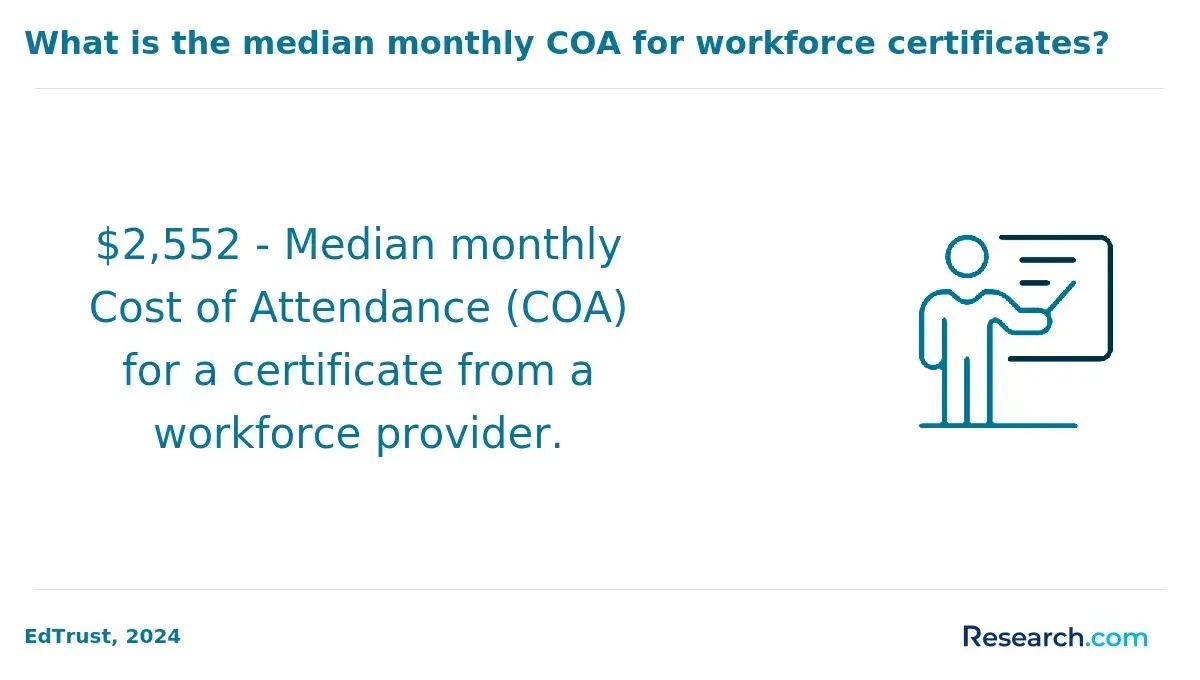
Data from the U.S. Department of Education and recent financial research indicate that monthly student loan payments for health systems management graduates typically range between $300 and $450. This average reflects median debt levels tied to both bachelor's and master's degree holders in the field. Variations arise from factors such as the institution type, residency, and program length, with graduate-level education generally increasing borrowing and pushing payments toward the higher end of that spectrum. These figures underscore a repayment burden that correlates closely with the diversity of student finances and degree formats prevalent in health systems management.
Differences in monthly payments largely hinge on total loan balances, choice of repayment plans, and post-graduation income. Graduates who select standard repayment plans face higher fixed monthly payments but benefit from shorter loan terms and less accumulated interest, whereas income-driven plans reduce initial payments but often extend repayment duration and overall interest costs. Salary disparities across geographic regions and healthcare employers also critically influence borrowers' ability to manage these payments, with entry-level positions in smaller or rural systems frequently offering lower compensation that can strain affordability. Understanding these nuanced dynamics is essential for aligning borrowing decisions with realistic financial capacity and career prospects.
One graduate recalled navigating the admissions cycle under rolling deadlines, hesitating to submit applications while waiting for final transcripts and recommendations. They felt torn between the urgency of securing a spot and the uncertainty of completing prerequisites on time. Ultimately, a late application accepted them conditionally, highlighting the stress of balancing careful preparation with the often unpredictable nature of program enrollment timelines in health systems management education.
How Do Repayment Rates Compare Between Public and Private Institutions?
Recent data from the U.S. Department of Education's College Scorecard (2024) reveal that graduates of health systems management programs at public institutions tend to have higher loan repayment rates within three to five years after graduation compared to those from private colleges. Approximately 62% of borrowers from public schools are on track with or have fully repaid their student loans within three years, whereas the similar cohort from private institutions sees a repayment rate closer to 54%. This discrepancy persists despite comparable enrollment numbers, suggesting systemic differences in financial outcomes tied to the type of institution attended.
Several interrelated factors contribute to these repayment disparities. Graduates from private health systems management programs generally incur higher average debt due to tuition rates that are 15-20% greater than public counterparts, increasing repayment burdens. Post-graduation earnings also differ; public institution alumni often secure employment with higher immediate income, a critical factor for managing loan obligations. Additionally, the accessibility and utilization of income-driven repayment plans and forgiveness options tend to favor public school graduates, partially reflecting demographic profiles and institutional support mechanisms that influence financial resilience and debt management strategies.
These differences in repayment performance underscore broader implications for long-term financial stability and perceptions of institutional value among prospective students. Higher debt-to-income ratios observed in private school graduates can prolong financial stress and delay wealth accumulation, affecting career flexibility and economic mobility. Consequently, repayment trends serve as a meaningful indicator of how effectively health systems management programs prepare students for practical financial realities, informing institutional accountability and guiding student decision-making beyond mere educational content or prestige.
Do Online Health Systems Management Graduates Have Different Repayment Outcomes Than Campus-Based Students?
Repayment rates for graduates of public institutions in health systems management programs generally surpass those of private institution alumni, a trend borne out in recent data from authoritative sources like the National Center for Education Statistics. Approximately 68% of graduates from public universities remain current on their student loans three years after graduation, compared to about 55% from private universities.
This discrepancy reflects distinct financial realities tied to institutional sector rather than the education mode alone and is visible across both campus-based and online health systems management graduate repayment differences. Such data underscores the need for prospective students to closely examine the nuanced outcomes behind repayment statistics, particularly within this field where borrowing patterns and employment trajectories vary widely.
Several structural factors drive this divergence. Public institutions often have lower tuition rates, leading to reduced average debt burdens that improve borrowers' ability to keep pace with loan payments. Additionally, public universities tend to enroll a more socioeconomically diverse student body, which introduces variability in borrowing but also aligns with financial aid distribution favoring need-based assistance. In contrast, private institutions frequently charge higher tuition and fees, resulting in greater debt loads that may not be offset by earnings growth post-graduation, especially if program prestige or employment placement does not markedly increase salary prospects.
Consequently, repayment performance among private graduates can be more sensitive to income volatility and debt-to-income dynamics, factors critical for evaluating real-world financial stress within health systems management student loan repayment outcomes.
These repayment rate differences have broader implications for long-term financial mobility and institutional accountability in health systems management education. Graduates facing higher repayment burdens may experience prolonged repayment stress, which can dampen their economic advancement and influence perceptions of program value in increasingly competitive healthcare labor markets. Understanding these repayment patterns is essential for students choosing between program delivery modes and institutional types, especially as options like the best PMHNP programs highlight evolving educational pathways that intersect with borrowing and employability considerations.
Which Industries Provide the Best Financial Return Relative to Borrowing Costs?
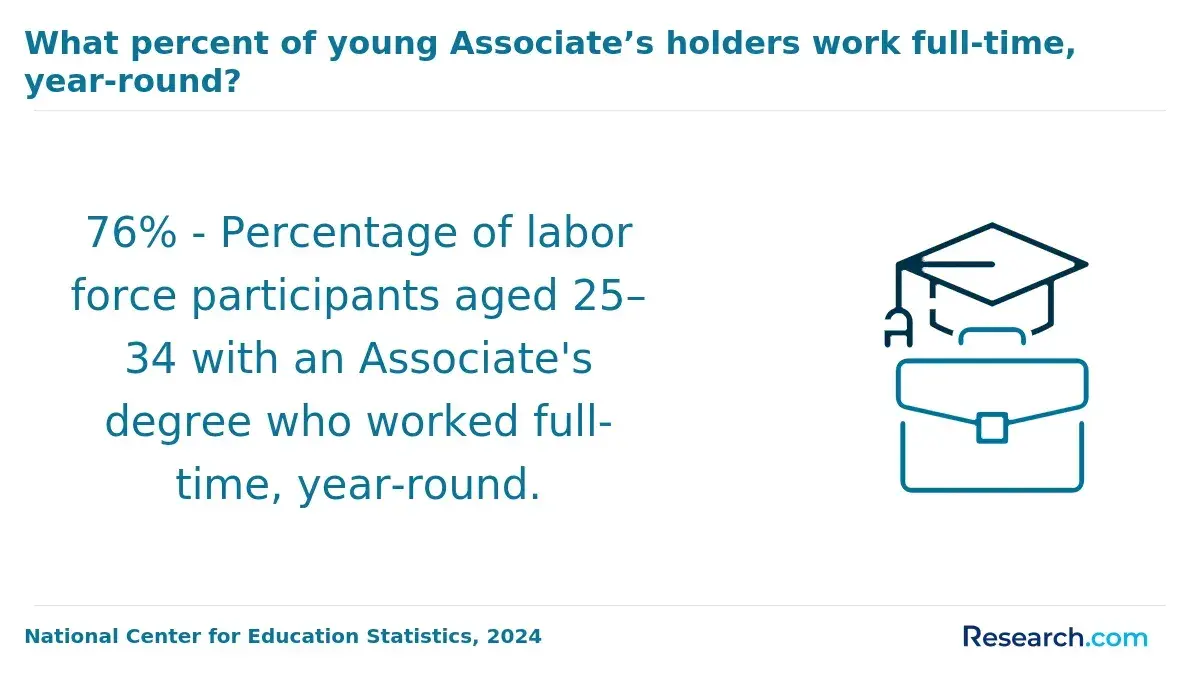
Financial returns for graduates with health systems management degrees differ markedly across industries, reflecting more than just base salaries. The key to evaluating return on investment lies in balancing earning potential with the debt usually incurred during the program. Industries with stronger hiring demand, quicker advancement, and higher starting incomes improve the likelihood of managing student loan repayments without undue financial stress.
- Hospital Administration: This sector generally offers robust entry salaries often near $100,000 annually, which supports manageable monthly loan payments usually well under 15% of gross income-a ratio commonly endorsed for sustainable debt servicing. Its steady demand and structured promotion pathways make it one of the more reliable industries for offsetting borrowing costs effectively.
- Health Insurance Management: Known for competitive starting wages coupled with rapid growth, this industry enhances repayment capacity for graduates by boosting both initial income and future salary increases. Strong workforce demand here helps accelerate career progression, translating into a favorable debt-to-income balance over time.
- Pharmaceutical Management: While base salaries are solid, this field benefits significantly from industry bonuses and incentives, which supplement earnings and ease loan repayment burdens. Despite fluctuations in market dynamics, employers in this sector often offer compensation packages that strengthen financial return relative to educational debt.
- Non-Profit Health Organizations: Typically feature lower salaries-about 20-30% less compared to hospital roles-leading to a less favorable debt repayment outlook. Slower salary growth and tighter budgets can increase the relative burden of loans, elevating repayment risk for graduates entering this area.
- Outpatient Care Centers: Smaller facilities often have constrained salary structures, which may not sufficiently cover debt obligations without added financial strain. The slower pace of wage growth combined with less predictable job stability raises long-term repayment risks for new graduates in this segment.
A 2024 analysis by the U.S. Bureau of Labor Statistics and Georgetown University Center on Education and the Workforce underscores these differences, showing that industries with higher starting salaries and faster career growth notably reduce student loan repayment challenges for health systems management graduates. This highlights the importance of weighing sector-specific earnings alongside borrowing levels when forecasting financial outcomes post-graduation.
Does Student Debt Affect Which Jobs Health Systems Management Graduates Accept?
High levels of student debt substantially shape the early employment decisions of health systems management graduates by imposing immediate financial pressures that often prioritize compensation over other job attributes. According to a 2024 report by the U.S. Department of Education, about 68% of these graduates identify student loan repayment as a chief factor influencing their first job choice. This debt burden frequently directs graduates toward larger healthcare systems or private employers where salaries and signing bonuses provide necessary liquidity to meet monthly obligations.
As a result, roles that might offer slower financial growth but greater alignment with long-term interests or organizational mission-such as positions in non-profit or public health sectors-are less accessible. Debt-to-income ratios thus act as a critical filter, limiting acceptance to offers that ensure manageable repayment plans, often sidelining entry-level jobs requiring additional certification or geographic relocation without immediate financial incentives.
Beyond initial salary considerations, student debt constraints also create structural behaviors differentiating graduates by borrowing levels and career flexibility. Higher-debt individuals commonly exhibit reduced geographic mobility when weighing job locations, favoring markets with stronger pay scales to sustain loan servicing. Conversely, graduates with minimal or no debt demonstrate greater latitude in selecting roles focused on professional development without immediate fiscal pressures, allowing earlier pursuit of leadership or specialized tracks that may yield longer-term gains.
Employers who recognize these dynamics often adjust compensation packages and signing bonuses to attract candidates burdened by loans, influencing labor market flows within health systems management. The interplay between debt load, repayment schedules, and industry salary disparities thus subtly but decisively shapes not only who gets hired but also the evolving contours of their career trajectories and institutional affiliations.
One graduate recounted the uncertainty faced during the admissions process, noting that delays in finalizing financial aid packages created a strategic pressure to apply selectively and early. "She wasn't sure how much she could borrow or if the offers would cover her costs, so she hesitated to commit until the last possible moment," a peer recalled. This waiting game introduced stress and forced rapid decision-making once acceptance arrived, underlying how financial preparation and timing in admissions directly impact the candidate's readiness to engage with career opportunities shaped by debt load from day one.
What Factors Increase Student Loan Repayment Risk for Health Systems Management Graduates?
Student loan repayment risk for health systems management graduates arises from a combination of factors that extend beyond individual borrowing choices. This risk is shaped by the interplay between high debt accumulation during education and the stability of post-graduation income. Variations in employer budgets, geographic salary differences, and economic shifts influence the consistency and adequacy of earnings needed for loan repayment. Additionally, institutional cost structures and loan conditions each contribute to repayment vulnerability, particularly when coupled with labor market uncertainties specific to this field.
When examining the impact of online versus campus-based education on repayment risk in health systems management, it is also important to note that program costs and financial aid availability differ between delivery modes, affecting total debt loads and subsequent financial pressure on graduates.
- Elevated Educational Debt: Many health systems management graduates incur debt levels exceeding $50,000, according to a 2024 report from the National Center for Education Statistics. This elevated borrowing creates a significant monthly payment burden, which can disproportionately strain graduates entering the workforce at entry-level salaries that do not align with debt obligations.
- Income Variability Across Markets: Salaries for health systems management roles vary widely by geographic region and employer type. Graduates working in lower-paying or less economically robust areas face challenges maintaining steady repayment due to smaller salaries and less predictable growth trajectories, increasing default risk.
- Employment Stability and Sector Dynamics: Positions in nonprofit or government healthcare systems are subject to budget constraints, restructuring, or layoffs, which can disrupt steady income streams and amplify repayment difficulties, particularly when experience-based salary growth is delayed.
- Limited Access to Repayment Flexibility: A lack of awareness or insufficient availability of income-driven repayment plans and forgiveness programs specific to health administration professionals reduces graduates' ability to manage their debt effectively under fluctuating financial circumstances.
Addressing these challenges requires that prospective and current students carefully assess how factors related to borrowing, post-graduation income, and employment context combine to influence their long-term financial stability. For those considering different program formats or costs, exploring options like the cheapest MSN online programs can be part of a strategic approach to managing repayment risk.
How Can Health Systems Management Students Reduce Student Loan Debt While Earning Their Degree?
Reducing student loan debt while pursuing a health systems management degree requires deliberate planning and strategic choices throughout the academic journey. Effective debt management hinges on financial awareness, maximizing institutional resources, and academic efficiency to limit borrowing needs. Understanding how to leverage enrollment options and aid opportunities can significantly mitigate total loan exposure in these programs.
- Enroll Part-Time or Online: Choosing part-time or online study formats enables students to maintain employment during their coursework, offsetting living costs and reducing dependence on loans. This approach fits well with many working professionals already in healthcare roles, providing steady income while progressing academically.
- Utilize Employer Tuition Assistance: Many healthcare organizations offer tuition reimbursement programs to invest in workforce development. Accessing these benefits can directly reduce out-of-pocket costs and loan amounts, although eligibility often requires employment within specific healthcare sectors.
- Select Lower-Cost or In-State Public Institutions: Attending geographically local public universities may offer significantly lower tuition rates, minimizing borrowing compared to private or out-of-state schools. Financial aid packages can be more transparent and predictable in these contexts, aiding better budgeting.
- Apply Early and Strategically for Scholarships and Grants: Scholarships tailored to health systems management can provide non-repayable funding that substantially reduces loan reliance. Given competitive demand, consistent and early applications improve the likelihood of securing aid crucial for debt reduction.
- Accelerate Coursework When Feasible: Completing degree requirements faster reduces time-related expenses like housing and food, and limits interest buildup on borrowed funds. However, this option requires careful assessment of workload capacity to avoid academic setbacks.
- Practice Informed Borrowing and Budgeting: Borrow only for essential expenses, emphasizing a clear financial plan aligned with realistic post-graduation earnings in administrative healthcare roles. Prudent borrowing mitigates excessive debt accumulation and eases repayment challenges.
According to the National Center for Education Statistics (2024), almost 60% of graduate students in health-related programs carry an average debt exceeding $50,000, underscoring the urgency for effective debt minimization strategies. Students focused on health systems management student debt reduction strategies should also consider alternative credentials that may complement or accelerate career entry, such as an accredited fast medical billing and coding certificate online, which can provide early workforce access and income streams.
How Should Prospective Students Evaluate Borrowing Risk Before Enrolling?
Evaluating borrowing risk before enrolling in a health systems management degree is vital for grasping the long-term financial consequences of student debt. This assessment hinges on balancing total anticipated debt against projected earnings after graduation, helping students make informed decisions about the affordability and sustainability of their investment. Careful analysis reduces the likelihood of undue financial strain and supports realistic repayment planning.
- Total Cost of Attendance: Accurately estimate all expenses-including tuition, fees, and living costs-to determine the full financial commitment. Underestimating this figure risks accumulating debt levels that may exceed reasonable repayment ability.
- Projected Entry-Level Salary: Compare expected earnings in health systems management roles to outstanding loan amounts. According to the National Center for Education Statistics 2024 data, the median starting salary is about $58,000, setting a benchmark for evaluating achievable debt service.
- Debt-to-Income Ratio: Calculate potential monthly payments as a percentage of gross income, aiming to keep loan obligations within 10-15% of expected earnings to protect financial stability.
- Program Outcomes and Employment Rates: Review graduation and job placement metrics to assess whether the program's track record supports timely employment, which influences repayment success.
- Alternative Financing and Study Options: Investigate scholarships, part-time enrollment, or employer tuition assistance as mechanisms to reduce borrowing and mitigate risk.
By integrating these factors into a comprehensive evaluation, prospective students can better gauge whether a health systems management program aligns with realistic financial capabilities and long-term career objectives, minimizing the likelihood of excessive debt burdens.
References
- Healthcare Under Pressure: Financial Risk Factors and Steps for Mitigating Them https://www.bdo.com/insights/industries/healthcare/healthcare-under-pressure-financial-risk-factors-and-steps-for-mitigating-them
- What is the Average Medical Student Debt? | KeyBank https://doctors.key.com/healthcare-banking/what-is-the-average-medical-student-debt/
- Health Professions Loan for Graduate Students https://www.salliemae.com/student-loans/graduate-student-loans/health-professions-graduate-loan/
- Debt Management https://www.downstate.edu/education-training/student-services/financial-aid/debt-management/index.html
- What is the typical debt load for graduates of four-year public universities - APLU https://www.aplu.org/our-work/4-policy-and-advocacy/publicuvalues/student-debt/
- Top Tips for Managing Medical School Debt | ELFI https://www.elfi.com/best-tips-for-paying-off-medical-school-debt/
- How Student Loans Affect Healthcare Professionals https://luvohealthcare.com/how-student-loans-affect-healthcare-professionals/
- Ways Healthcare Professionals Can Manage Student Loan Debt https://vitalsolution.com/ways-to-deal-with-student-loan-debt-even-when-youre-a-healthcare-professional/
- 5 Tips for Students to Protect Financial Health | MNP LTD https://mnpdebt.ca/en/resources/mnp-debt-blog/5-tips-for-students-to-protect-financial-health
- The Long-Term Effects of Student Loans | ACE Blog https://ace.edu/blog/the-long-term-effects-of-student-loans/
Other Things You Should Know About Health Systems Management
Health systems management programs vary widely in duration and curriculum intensity, which directly influences borrowing amounts and repayment schedules. Longer programs with intensive practicum or residency requirements may increase tuition and related expenses but could also enhance employability and salary potential. Students should weigh whether shorter, less costly programs that potentially limit hands-on experience justify the debt burden compared to longer formats that might support quicker or more stable repayment through improved career outcomes.
Employer tuition assistance can reduce immediate borrowing but often comes with tradeoffs like service commitments or limited program choices. While such benefits may lower upfront debt, students must evaluate if contractual obligations restrict mobility or long-term career flexibility. Prioritizing employers known for robust educational support could mitigate repayment risk but requires strategic alignment between educational goals and employment to avoid unexpected repayment pressure.
Substantial monthly debt payments may constrain graduates' willingness to accept roles in lower-paying but strategically valuable positions, such as nonprofit health organizations or leadership development tracks. This financial pressure can skew early career choices toward higher salaries at the expense of long-term growth or mission alignment. Graduates should carefully forecast cash flow demands to avoid short-term financial stress influencing career paths, which could undercut their professional development and satisfaction.
Job market strength varies significantly by region, impacting graduates' ability to secure positions with salaries adequate for loan repayment. Students considering programs in rural or economically weaker areas must recognize that even modest debt can become a heavier burden if local employment is scarce or low-paying. A practical approach involves researching regional employment trends and prioritizing programs with strong local industry connections or flexibility to relocate, thereby minimizing long-term repayment uncertainty.