2027 Health Systems Management Affordability by State: Where Students Pay the Most and Least

Co-Founder and Chief Data Scientist
Choosing between a $15,000 annual in-state program and a $35,000 out-of-state alternative can define a student's debt trajectory and career flexibility in the health systems management field. While some students assume in-state tuition limits costs, rising living expenses and hidden fees often negate expected savings, especially in high-cost states.
A 2024 study found that the average total cost of attendance varies by over 60% among states, reflecting disparate subsidy policies and healthcare market demands that shape program pricing. These financial dynamics crucially influence where future health systems management professionals can sustainably earn their degrees. This article examines state-by-state affordability, helping students pinpoint where pursuing a health systems management degree presents the lowest and highest financial barriers, enabling more informed enrollment decisions.
Key Things to Know About Health Systems Management Affordability by State
- States with lower published tuition often require higher out-of-state fees that can double costs, shifting affordability debates toward residency qualification strategies rather than sticker price alone.
- Employers in states with large urban health hubs prioritize locally credentialed graduates, limiting remote or out-of-state program value and influencing the utility of online versus campus-based options.
- Recent 2024 data shows that total cost of attendance, including living expenses in high-cost states, often outweighs tuition savings, meaning cheapest state options may delay degree completion or increase borrowing.
- Key Things to Know About Health Systems Management Affordability by State Key Things to Know About Health Systems Management Affordability by State
- Which States Have the Most Affordable Health Systems Management Degree Programs? Most Affordable State Programs
- Which States Have the Highest Health Systems Management Degree Costs? Highest State Tuition Costs
- How Much Does a Health Systems Management Degree Cost by State? Degree Costs by State
- Why Does Health Systems Management Affordability Vary So Much Between States? State Affordability Variations
- How Do In-State and Out-of-State Tuition Rates Affect Health Systems Management Affordability? In-State vs. Out-of-State Rates
- How Does the Cost of Living Impact Overall Health Systems Management Affordability by State? Living Costs and Affordability
- Which States Offer the Best Value for a Health Systems Management Degree? Best Value State Degrees
- What Financial Aid and Scholarship Opportunities Can Reduce Health Systems Management Costs? What Financial Aid and Scholarship Opportunities Can Reduce Health Systems Management Costs?
- Are Online Health Systems Management Degree Programs More Affordable Than On-Campus Options? Are Online Health Systems Management Degree Programs More Affordable Than On-Campus Options?
- Is a Health Systems Management Degree Worth the Cost Based on Career Outcomes and ROI? Degree ROI and Outcomes
Which States Have the Most Affordable Health Systems Management Degree Programs?
State-level variations in tuition and public funding significantly shape where students find the most affordable health systems management degree programs. For example, states like Wyoming leverage unique revenue streams such as mineral royalties to subsidize tuition, directly lowering costs for residents and reducing reliance on student debt. This contrasts with states where public investment in higher education has declined, pushing institutions to raise tuition and fees.
Decisions about enrollment often hinge on these financial realities, as lower in-state tuition coupled with robust state financial aid creates a more predictable cost trajectory for students, a vital consideration when balancing work and study or planning degree completion timelines. Moreover, the diversity in educational infrastructure influences affordability beyond mere sticker price, with states offering flexible online health systems management programs expanding access and reducing indirect costs like relocation or commuting.
This approach aligns with trends in online nursing programs for working adults, catering to budget-conscious learners where program delivery cost matters as much as tuition. Regional cost-of-living differences and residency policies, including in-state tuition eligibility for neighboring states, further complicate affordability assessments. Prospective students must weigh these factors pragmatically, as selecting programs solely on nominal tuition without accounting for these nuances may result in higher total educational expenses or prolonged time to degree.
Which States Have the Highest Health Systems Management Degree Costs?
Higher costs for health systems management degrees in states like California and Massachusetts are driven primarily by diminished public funding and the concentration of prestigious institutions, which shifts more expenses onto students. Reduced state appropriations mean that public universities rely increasingly on tuition to cover operational costs, pushing in-state rates above $15,000 annually in some cases.
Additionally, elevated living expenses in urban centers amplify overall enrollment costs, disproportionately affecting out-of-state and international students who lack residency discounts and face housing and transportation premiums. These financial realities create a complex tradeoff where attending in a high-cost state may offer superior networking opportunities but significantly higher debt burdens or living expenses.
The scarcity of public programs in certain regions forces many students toward pricier private colleges, limiting affordable options and altering enrollment decisions. Geographic disparities also influence how students approach online versus on-campus attendance, with some prioritizing less expensive distant-learning alternatives to avoid costly relocations. This dynamic complicates the evaluation of value, since programs with stronger local industry connections often come with steep price tags yet offer advantages in job placement-a nuance prospective students must weigh carefully.
Data from the 2024 Integrated Postsecondary Education Data System highlights that competition for qualified faculty and healthcare partnerships in these states further contributes to rising tuition trends. One recent graduate recalled spending months comparing tuition rates between their home state's public university and a prestigious out-of-state program. Residency status loomed large in their calculations, as shifting to a high-cost state without in-state tuition benefits would nearly double educational expenses.
They also factored in limited financial aid and additional living costs unique to metropolitan campuses, which made the decision emotionally and financially taxing. Ultimately, the student opted for an online program affiliated with a lower-cost state institution, balancing affordability against perceived program quality, while remaining uncertain if the tradeoff in networking access would affect long-term career prospects.
How Much Does a Health Systems Management Degree Cost by State?
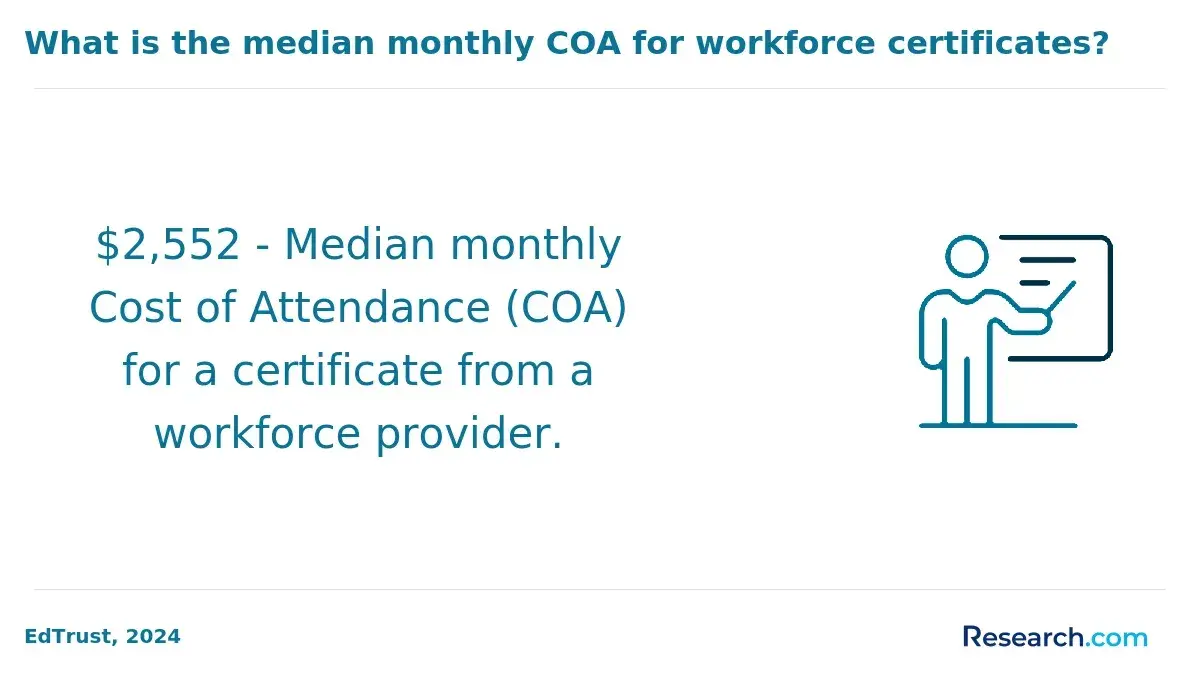
State-level variations in the cost of earning a health systems management degree often hinge on the balance between public and private institutions, as well as residency status. In states with robust public university networks, like Texas and Florida, in-state tuition can be less than half of private school rates, making on-campus enrollment more accessible for local students. Conversely, in states such as New York and California, where private institutions dominate, or public funding is limited, tuition can exceed $30,000 annually, presenting a significant financial burden unless offset by scholarships or strong employer-supported tuition assistance.
Additionally, cost-of-living differences compound these disparities-attending school in a low-cost state like Wyoming reduces overall expenses beyond tuition, while living in higher-cost metropolitan areas increases financial pressure regardless of tuition costs. These cost distinctions influence decisions beyond sticker price, including whether students consider relocating, enrolling as out-of-state learners, or opting for online alternatives to manage expenses.
For example, a prospective student weighing a public program in New Mexico with around $6,000 annual tuition might find it a strategically viable choice over a costly private option in a major urban center, especially when factoring in housing and transportation costs. Financial aid availability and state-specific grants further shift net prices, but variability in these supports necessitates careful research and contingency planning.
When borrowing to cover expenses, students must assess not only short-term debt loads but long-term employment prospects in regional health industries, which differ considerably and can offset upfront costs with stronger salary potential in states like California and Texas.
Why Does Health Systems Management Affordability Vary So Much Between States?
Variations in affordability for health systems management degree programs largely stem from divergent state funding policies and regional economic conditions. States like Wyoming and New Mexico, which allocate substantial appropriations per student to public higher education, tend to have more manageable tuition rates for residents, supporting enrollment stability and enabling students to focus on practical skills demanded by employers.
In contrast, states with limited or stagnant public funding, such as Illinois and New Hampshire, face higher costs that often compel students to weigh in-state financial aid availability against potential debt or out-of-state transfer options, affecting long-term educational planning and career entry timelines. According to 2024 data from the National Center for Education Statistics, these funding disparities reflect a direct correlation between public investment and in-state tuition affordability, shaping program accessibility across regions.
Cost-of-living differences and institutional composition further complicate pricing structures across states. Urban centers with steep housing and operational expenses, including California and Massachusetts, typically exhibit higher tuition, whereas more affordable states like Tennessee or Oklahoma offer relatively lower total costs. Additionally, programs with a higher proportion of private or out-of-state enrollees often set elevated sticker prices, reflecting distinct market strategies and subsidy policies.
For budget-conscious students prioritizing alignment between tuition cost and workforce demand, evaluating these factors alongside online and in-state options is essential, as financial aid distribution unevenness and residency restrictions in many health systems management degree programs can determine enrollment decisions and ultimately influence employability outcomes. Prospective students might also consider alternatives such as nursing schools that don't require TEAS or HESI as part of broader health education pathways.
How Do In-State and Out-of-State Tuition Rates Affect Health Systems Management Affordability?
Tuition differences between in-state and out-of-state students materially affect the cost calculation for health systems management degrees, often shaping where prospective students ultimately enroll. Public universities generally charge nearly twice as much for non-residents, with recent figures from the National Center for Education Statistics showing average annual out-of-state tuition around $29,000 compared to $15,000 for residents.
This gap can heavily influence students who weigh the benefits of attending a specialized or prestigious program out-of-state against the steep upfront financial commitment and potential barriers to residency reclassification, which is often a lengthy and uncertain process. Regional reciprocity agreements, such as those in the Midwest and New England, can lower these out-of-state rates somewhat but are not uniformly available, creating uneven affordability landscapes across the country.
Online program offerings add complexity by sometimes offering flat tuition rates regardless of residency, an option that appeals to budget-conscious learners who cannot relocate cost-effectively. Yet, private institutions commonly maintain consistent tuition for all students, eroding public universities' traditional cost advantage for residents.
Beyond tuition, eligibility for state-funded financial aid often favors in-state students, which can significantly offset overall expenses and should factor into comprehensive financial planning. For students prioritizing immediate affordability, in-state public programs provide a pragmatic path, whereas out-of-state enrollees might seek non-tuition benefits like specialized curriculum or stronger employer connections to justify higher costs.
A recent graduate from a Midwestern state shared a nuanced perspective after relocating for a health systems management master's program. Although initially drawn by the program's reputation, the student faced unexpected financial pressure due to out-of-state tuition fees that nearly doubled their education budget.
Attempts to establish residency fell short within the academic timeline, limiting access to in-state tuition and local aid. While the graduate appreciated the program's networking opportunities, they reflected that a thorough analysis of tuition policies and residency requirements beforehand would have eased financial strain and informed a more confident decision about committing to out-of-state enrollment.
How Does the Cost of Living Impact Overall Health Systems Management Affordability by State?
Housing and regional living expenses fundamentally shape the real cost of earning a health systems management degree across states, often overshadowing differences in tuition alone. For instance, students in states like California and New York face housing costs that can be more than double those in lower-cost states such as Oklahoma or Mississippi, which drastically impacts monthly budgets.
These disparities influence not only where students can afford to live but also how they approach financial aid, debt, and housing-key components when evaluating the cost of living for health systems management by state. Deciding between in-state enrollment and online options often hinges on these non-tuition factors, as high living costs may push students toward remote learning despite potential drawbacks in access to local networks.
Transportation, food, and healthcare expenses further compound these state-by-state differences, affecting both daily budgets and longer-term financial resilience. Urban students in expensive metro areas may encounter high commuting costs through transit fares and parking, while those in rural settings balance fuel and vehicle maintenance against lower housing expenses.
Regional inflation rates additionally influence grocery and healthcare costs, which are particularly relevant for health systems management affordability given the field's focus on healthcare environments. This variation can alter students' capacity to sustain themselves through the degree and shape practical choices about employment during study. Variations in utilities and climate-related costs create further financial tradeoffs that prospective and current students must assess when planning their educational pathway.
Cold northern states often bring higher heating bills, whereas southern states may incur steep cooling expenses, challenging students to balance comfort and cost. When comparing programs, budget-conscious learners should consider these living expenses alongside tuition and seek programs that integrate these realities, such as best online medical assistant programs, which may offer flexibility to mitigate some of these cost pressures.
Which States Offer the Best Value for a Health Systems Management Degree?
Evaluating the value of a health systems management degree by state requires more than comparing tuition figures alone; students must consider residency-based tuition policies, state financial aid availability, and degree completion rates. For example, Texas offers low in-state tuition under $10,000 annually at many public institutions, but its true cost advantage also hinges on the state's active healthcare sector that facilitates internships and job placements.
Conversely, states like California and Massachusetts may have steep tuition and living costs, yet their extensive healthcare markets provide a delayed but meaningful return through higher wages and employment density, which can justify the upfront expenses for students able to absorb initial financial burdens. Beyond sticker price, the accessibility of public versus private institutions and the scope of available financial aid significantly shape affordability and value.
North Carolina stands out for deploying substantial state funding and financial aid programs that reduce net costs, enhancing degree completion rates and post-graduate employment linked to regional health systems. Meanwhile, Florida's moderately priced programs combined with regional industry growth enable graduates to benefit from a balance of cost control and steady earnings, with graduation rates above the national average reinforcing program reliability.
Students weighing relocation, online study, or residency qualification should scrutinize how state policies on tuition and aid impact total cost of attendance and not just annual tuition, recognizing that the cheapest options may lack critical post-degree benefits that influence long-term economic outcomes.
What Financial Aid and Scholarship Opportunities Can Reduce Health Systems Management Costs?
Federal grants like the Pell Grant play a pivotal role in reducing the net cost of a health systems management degree, especially for students from lower-income backgrounds. According to data from the National Center for Education Statistics in 2024, about 30% of undergraduates in health fields benefit from such federal aid, which can significantly limit reliance on loans but often requires strict adherence to application deadlines and renewal criteria.
State grant programs further influence affordability, yet they tend to favor in-state residents, creating markedly different cost burdens depending on where a student enrolls. For example, a student in California may receive more substantial state aid than a peer attending an out-of-state program, underscoring the importance of geographic considerations when comparing total expenses.
Institutional scholarships and merit-based aid add complexity, as these are frequently competitive and may skew toward students with higher academic records or specialized qualifications that not all health systems management applicants possess. Employer tuition benefits offer a practical funding source for working professionals but often come tied to employment commitments that can limit post-graduation mobility.
Additionally, tuition reciprocity agreements can ease costs for geographically proximate students, though they rarely extend to graduate-level health systems management programs, reducing their overall relevance for many learners. Navigating these various funding streams requires careful planning around eligibility, residency status, and aid stacking policies to optimize affordability and manage long-term financial risk in health systems management programs.
Are Online Health Systems Management Degree Programs More Affordable Than On-Campus Options?
Online health systems management degree affordability comparison reveals that the presumed cost advantage of online programs depends heavily on tuition policies, residency rules, and ancillary expenses. Public online programs often have tuition rates 15-25% lower than on-campus options, but this gap narrows or reverses when institutions charge out-of-state tuition to online learners regardless of their residency.
For example, states such as California and New York impose high room and board costs on campus students-sometimes exceeding $12,000 yearly-that online students avoid; however, online learners may face technology fees and necessary equipment costs that add to their financial burden. Tradeoffs in cost must also consider opportunity costs tied to program design and student circumstances. Online delivery offers flexibility that allows working professionals to maintain employment, thereby reducing lost wages and improving affordability beyond simple tuition comparisons.
Yet financial aid patterns complicate these decisions. Some institutions allocate fewer scholarships to online students, and state-based aid can be inconsistent depending on residency, which impacts net prices. Students planning where to enroll must weigh these variable factors carefully, as cost differences between online and on-campus health systems management programs are not uniform across states or schools.
Enrollment trends indicate growing acceptance of online health systems management degrees in the labor market, reflecting practical value despite complex affordability dynamics. Prospective students seeking the cheapest Psych NP programs or similar cost-conscious options should analyze both direct and indirect expenses, state tuition policies, and institutional financial aid rigorously. Understanding these dimensions is essential for making an informed investment in a degree that aligns with both career goals and personal financial realities.
Is a Health Systems Management Degree Worth the Cost Based on Career Outcomes and ROI?
Wide variation in tuition costs across states greatly influences the financial accessibility of a health systems management degree and thus its career viability. For example, students in California or New York may face tuition and fees approximately 35% higher than those in midwestern states like Missouri, which can significantly affect borrowing levels and debt burden upon graduation.
In the context of health systems management degree return on investment in the United States, this disparity requires prospective students to weigh immediate educational costs alongside potential salary gains in their intended geographic or employment market. These decisions gain complexity when accounting for opportunity costs and program completion rates-accelerated or online formats may reduce time-to-degree and overall expenses, a critical factor for budget-conscious learners.
Career outcomes and salary potential for health systems management graduates by state reveal uneven returns that compound these cost differences. States such as Massachusetts and Washington offer median salaries exceeding $110,000, reflecting higher local demand and healthcare infrastructure investment, while lower-cost states average closer to $75,000, altering the long-term payoff of the degree depending on mobility or job placement.
Beyond salary, factors like internship networks and licensure preparation influence practical value and workforce entry speed. Students must also consider alternative pathways, including accredited online bachelor's in sociology, which can impact career direction or supplement a health systems management background in evolving healthcare environments.
References
- Health Care Costs and Affordability | KFF https://www.kff.org/health-costs/health-policy-101-health-care-costs-and-affordability/
- Affordability of Health Care in the United States — Old Problems Awaiting a New Administration | New England Journal of Medicine https://www.nejm.org/doi/full/10.1056/NEJMp2410638
- 10 Health Care Management / Health Studies Scholarships available https://www.hotcoursesabroad.com/study/international-scholarships/all/qn/health-care-management-health-studies/cid/qid/pa./scholarship.html
- United States | Commonwealth Fund https://www.commonwealthfund.org/international-health-policy-center/countries/united-states
- How to Pay for Medical, Nursing, or Health Care Training Programs - Osmosis Blog https://www.osmosis.org/blog/how-to-pay-for-medical-nursing-or-health-care-training-programs
- How Does the U.S. Healthcare System Compare to Other Countries? https://www.pgpf.org/article/how-does-the-us-healthcare-system-compare-to-other-countries/
- Online Healthcare Management Degree | Rasmussen University https://www.rasmussen.edu/degrees/business/healthcare-management/
- Six Ways to Reduce the Cost of a Healthcare Education https://blog.methodistcollege.edu/six-ways-to-reduce-the-cost-of-a-healthcare-education
- 2025 Most Affordable Healthcare Administration Degrees Online https://www.onlineu.com/most-affordable-colleges/healthcare-administration-degrees
- IE University - Healthcare Management Leadership Scholarship https://www.european-funding-guide.eu/scholarship/6311-healthcare-management-leadership-scholarship
Other Things You Should Know About Health Systems Management
While a lower tuition state might seem financially appealing, students must evaluate if that state's healthcare industry offers adequate job opportunities aligned with their career goals. A less expensive program in a state with limited health systems management employers can lead to relocation costs or underemployment after graduation, reducing overall affordability. Prioritizing states where affordable education pairs with a robust healthcare job market often yields better long-term economic value.
Some states' programs may require more credit hours or extended duration to graduate, increasing total tuition and living expenses even if per-credit costs appear low. Students should examine program structures carefully-not just sticker price-as longer or more intensive programs elevate opportunity costs and debt. Opting for programs with streamlined curricula that align efficiently with industry certification or licensure expectations can enhance affordability by shortening time to workforce entry.
States with programs integrated with local healthcare providers generally provide better experiential learning and networking pathways, increasing employability and potentially offsetting tuition expenses through higher starting salaries. Conversely, programs lacking such connections may hinder practical skill development and slow labor market entry, diminishing the return on investment. Applicants should prioritize programs known for strong employer ties even if costs are moderately higher, to maximize career-ready outcomes.
Higher tuition in states boasting prestigious health systems management programs might lead to better brand recognition on a résumé, potentially opening doors in competitive job markets, but it also risks increasing debt burden. Less costly programs in other states may offer comparable core training but might require additional effort to build a professional network or prove competency. Budget-conscious students should critically assess whether the incremental benefits of a top-tier program justify the extra cost based on their career ambitions and local industry needs.