2027 Health Systems Management Salary Trends Report: Are Wages Keeping Up With Tuition and Inflation?

Co-Founder and Chief Data Scientist
Consider a prospective health systems management student weighing the decision to pursue a degree amid escalating tuition fees and economic uncertainty. This individual seeks to understand whether the potential salary gains after graduation can offset the rising costs of education and inflation.
With wages, tuition, and inflation moving at different rates, a straightforward comparison of salaries alone offers an incomplete picture. Evaluating the financial return requires examining how these factors interact over time to impact purchasing power and debt repayment.
Salary growth often lags behind the pace of tuition increases and inflation, which can erode the long-term value of a degree if not carefully considered. Prospective and recent graduates must look beyond initial salary figures to assess affordability and return on investment.
This article examines salary trends for health systems management graduates alongside tuition costs and inflation data. It explores the complex factors influencing the financial value of the degree in today's economic climate.
Key Things to Know About Health Systems Management Salary Trends
- Graduate wages in health systems management grew by 4.2% in 2023, slightly below inflation, implying new graduates face real purchasing power declines that temper salary growth expectations.
- Rising tuition outpaces starting salaries by 15% on average, increasing early-career debt burdens and necessitating strategic program selection to optimize return on investment.
- Long-term earning potential correlates strongly with leadership roles in integrated care systems, highlighting the importance of advanced skills beyond initial degree completion for salary escalation.
- Key Things to Know About Health Systems Management Salary Trends Key Things to Know About Health Systems Management Salary Trends
- What Is the Current Salary Outlook for Health Systems Management Graduates? Salary Outlook
- Are Health Systems Management Salaries Keeping Up With Inflation? Inflation Impact
- How Do Tuition Costs Compare With Health Systems Management Salary Growth? Tuition vs Salary
- Does a Health Systems Management Degree Deliver a Positive Return on Investment? Degree ROI
- Which Industries Offer the Highest Salaries for Health Systems Management Graduates? Which Industries Offer the Highest Salaries for Health Systems Management Graduates?
- Which States and Cities Offer the Highest Pay for Health Systems Management Professionals? Which States and Cities Offer the Highest Pay for Health Systems Management Professionals?
- How Do Health Systems Management Salaries Grow Throughout a Career? Career Growth
- How Do Health Systems Management Salaries Compare With Similar Degrees? Salary Comparison
- How Is Employer Demand Affecting Health Systems Management Salary Trends? Employer Demand
- How Can Students Maximize Their Lifetime Earnings With a Health Systems Management Degree? Maximizing Earnings
What Is the Current Salary Outlook for Health Systems Management Graduates?
Current salary trends for health systems management graduates reveal a nuanced outlook that balances modest initial wages against strong long-term potential. Data from the U.S. Bureau of Labor Statistics in 2024 indicates that healthcare management roles have a median annual salary around $104,000, reflecting steady growth despite inflationary pressures near 4-5% annually.
However, entry-level salaries typically range between $65,000 and $75,000, which can feel constraining when weighed against rising tuition costs that increase about 6% per year nationwide.
These figures illustrate why two graduates with identical degrees might experience different earnings: one starting at a smaller regional hospital may face slower salary growth, while another pursuing advanced certifications or working in a large metropolitan medical center could see earnings escalate markedly over time.
Considering job demand and career advancement is essential when interpreting these salary figures. With a projected 28% growth in health systems management positions over the next decade, driven by an aging population and healthcare innovation, professionals who pursue further education such as a Master of Health Administration or specialized credentials often realize substantially better returns.
The path forward involves balancing early financial challenges with strategic upskilling to capitalize on higher-paying roles that become available. Those researching their options might explore online DNP programs as an example of continuing education pathways that support this progression, highlighting how the salary outlook should factor in career longevity, adaptability, and geographic variance rather than focus narrowly on entry salary.
Are Health Systems Management Salaries Keeping Up With Inflation?
Nominal wage increases in health systems management often give an impression of financial progress, but when compared to inflation, the reality is less optimistic. The U.S. Bureau of Labor Statistics reports a 4.5% rise in median wages for medical and health services managers from 2022 to 2023, yet inflation outpaced this at approximately 5.2%.
This divergence means that despite earning more dollars, the actual purchasing power of these salaries has decreased, a nuance frequently overlooked by prospective students evaluating the long-term benefits of a health systems management degree.
Consider a mid-career manager at a regional hospital whose annual salary increased by 4.5% last year; if their cost of living rose in line with inflation, their effective income-what they can spend on housing, transportation, and daily expenses-was effectively reduced.
This scenario is compounded by the impact of tuition inflation, which has risen faster than overall inflation, eroding returns on educational investment. As a result, students must recognize that health systems management salary growth compared to inflation is not uniform, and economic gains may be muted, especially in smaller institutions or rural settings.
Factors such as geographic location, employment sector, and institutional scale heavily influence whether salaries keep pace with inflation, generating disparities across the field.
Additionally, rising operational costs in healthcare systems put upward pressure on expenses that do not always translate into increased wages. For students weighing the decision to pursue this degree, exploring options like an online masters degree in nutrition may offer alternative pathways with different economic considerations amid these financial tensions.
How Do Tuition Costs Compare With Health Systems Management Salary Growth?
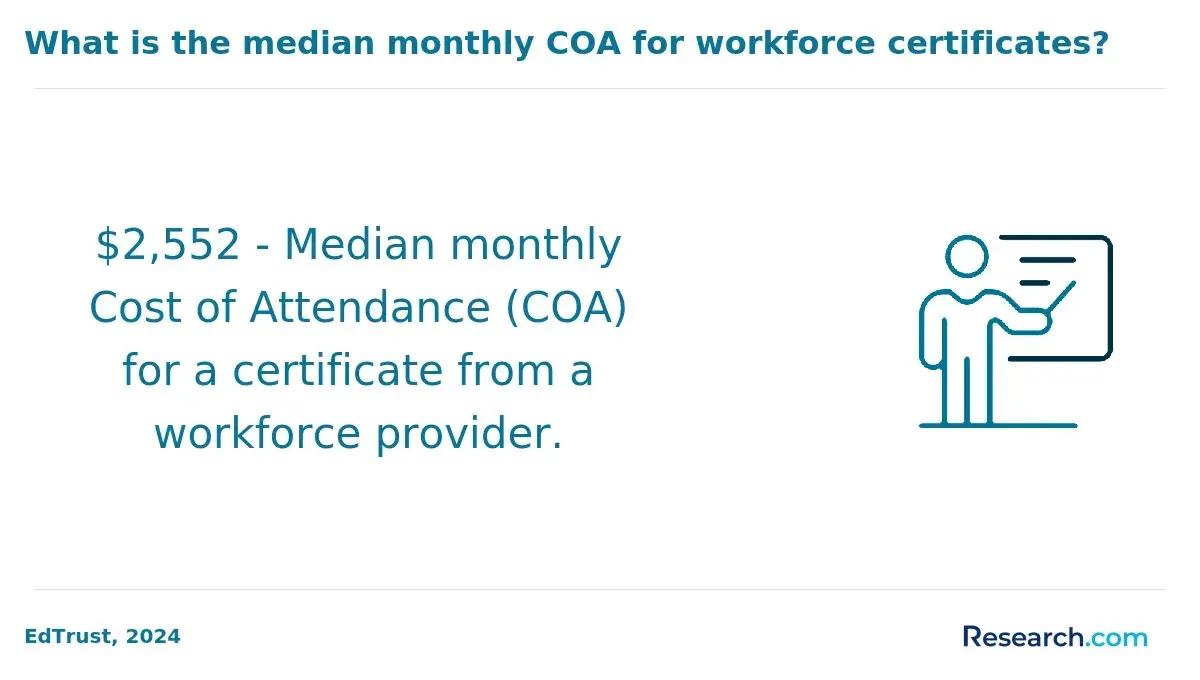
Evaluating tuition costs alongside salary growth offers a clearer lens into the real financial value of a health systems management degree than considering either factor alone. Tuition for graduate programs in this field has surged by roughly 40% over the past decade, outstripping general inflation, while early-career salaries have only increased by about 15% to 20%, effectively stagnating after inflation adjustment, according to 2024 data from the National Center for Education Statistics and the Bureau of Labor Statistics.
Mid-career salary gains appear more promising, climbing to an average range of $90,000 to $110,000, yet they still struggle to offset mounting tuition debt and rising living expenses. This widening gap underscores the importance of assessing how tuition inflation can erode the prospective financial benefits even where salaries grow nominally.
Consider two students pursuing this degree: one attending an affordable state school with access to scholarships, and another enrolling at a private institution with high tuition paid primarily via loans. The first may face manageable debt and see a steady path to positive returns as salary growth accumulates, while the second might spend years simply covering debt repayments before noticing meaningful financial improvement.
Factors such as institutional cost, scholarship availability, regional salary differences, and personal debt tolerance critically shape whether the degree's investment payoff justifies its upfront costs. Recognizing these nuances helps potential students tailor their decisions to their individual financial situations and career goals rather than relying on aggregate salary data alone.
One recent graduate recounted feeling torn between enrolling at a well-ranked but expensive private university and a lower-cost public program closer to home. Faced with the certainty of $60,000 in loans from the private program, they hesitated, knowing entry-level salaries hovered near $65,000 to $70,000 locally.
Ultimately, they chose the public option to minimize debt, reasoning that even a slower salary growth trajectory would become more sustainable without the heavy burden of steep monthly loan payments. This pragmatic choice reflected a nuanced understanding of how tuition dynamics interact with salary gains in the real world-balancing ambition with financial prudence to avoid being overwhelmed by education costs early in their career.
Does a Health Systems Management Degree Deliver a Positive Return on Investment?
Return on investment for a Health Systems Management degree extends beyond initial salary figures, focusing instead on the broader financial and professional advantages gained over time relative to educational expenses. This involves weighing the rising tuition costs- which have increased by nearly 25% since 2019-with the consistent growth in median earnings seen among graduates.
For example, a student who pays a premium tuition today may offset that initial cost within several years by advancing into leadership roles where salaries commonly exceed early-career wages by a significant margin, reflecting an ongoing demand for expertise in complex healthcare administration.
According to recent data from the U.S. Bureau of Labor Statistics and reports from the Healthcare Financial Management Association, median salaries for health systems management professionals in 2024 are roughly 15 to 20 percent higher than salaries from five years ago, after adjusting for inflation. This suggests that career trajectories in this field often result in a lifetime earnings premium that can surpass initial educational investments, particularly when factoring in job stability and benefits.
Yet, the variability in tuition, individual career progression, and shifting economic conditions means that the financial return is not uniform, requiring prospective students to carefully assess their anticipated role and growth potential within healthcare organizations such as hospitals, insurers, or government agencies.
Ultimately, determining if a Health Systems Management degree delivers positive ROI demands a nuanced evaluation of each candidate's circumstances, considering not only their upfront financial outlay but also their capacity to leverage the credential for sustained career growth.
While tuition inflation poses a challenge, the strong market demand for skilled professionals in health administration indicates that, when combined with strategic career planning, the degree can offer robust long-term financial rewards and professional advancement opportunities in an evolving healthcare landscape.
Which Industries Offer the Highest Salaries for Health Systems Management Graduates?
Health systems management graduates face a dynamic job market where understanding which industries offer the highest salaries can significantly impact long-term career decisions. Salary data from the U.S. Bureau of Labor Statistics and recent 2024 industry salary reports reveal distinct sectors where compensation outpaces the average.
These industries not only provide competitive wages but also require advanced management skills that can add complexity and value to the roles. For prospective students seeking a strong return on their educational investment, recognizing these high-paying industries alongside job demand is crucial.
The following industries typically offer the strongest earning potential for health systems management graduates:
- Specialty Hospitals: Specialty and general medical hospitals are leading employers with median salaries exceeding $110,000. The critical need for coordinating multidisciplinary teams and managing patient services in high-acuity environments drives demand for skilled managers capable of navigating complex healthcare delivery systems.
- Pharmaceutical and Biotechnology: These sectors offer some of the highest salary packages, often above $120,000 annually, due to their reliance on innovative research and regulatory expertise. Professionals who oversee operational leadership, product commercialization, and compliance tend to command premium compensation.
- Health Insurance Carriers: Insurance companies and managed care organizations provide salaries typically in the $100,000 to $115,000 range. Roles focus heavily on cost containment strategies, policy design, and optimizing provider networks, requiring a blend of analytical and strategic planning skills.
- Digital Health and Technology Firms: Fast-growing telehealth and health data analytics companies offer competitive pay supplemented by bonuses and equity. Graduates with technology integration skills and innovation management experience are increasingly valuable in these dynamic environments.
- Large Integrated Health Systems: These organizations combine clinical services and insurance functions, creating complex administrative challenges. Managers in these systems often earn above-average wages by effectively coordinating across multiple service lines and leveraging business intelligence tools.
- Government Health Agencies: Though generally offering moderate salaries compared to private sectors, certain advanced managerial roles in federal and state agencies provide competitive compensation and job security, especially for professionals managing large-scale public health programs.
For example, a graduate working in a pharmaceutical company may leverage knowledge in healthcare regulations and supply chain logistics to manage product launches, translating technical expertise into salary premiums unseen in many traditional healthcare settings.
Similarly, understanding the nuances of managed care policies can set candidates apart in insurance organizations. Those evaluating career paths should weigh the tradeoffs between salary, job stability, and growth potential in these top healthcare sectors for health systems management salaries.
Students interested in expanding their credentials or exploring specialized roles may also consider supplemental education options, such as pursuing the fastest PMHNP program, which can complement management expertise within clinical environments.
Which States and Cities Offer the Highest Pay for Health Systems Management Professionals?
Compensation for health systems management professionals varies widely by location, shaped by the density of healthcare institutions, regional economic conditions, and broader cost-of-living factors. While some metro areas boast significantly higher salaries linked to prestigious hospitals and integrated medical research, these often coincide with steep living expenses and tuition growth that may erode net financial gains.
Students and recent graduates need to carefully examine the interplay between starting pay, career progression potential, and local market costs before committing to costly education paths. The following outlines some of the top-paying states and cities for health systems management roles with attention to practical tradeoffs:
- California: Metropolitan areas such as San Francisco and San Jose lead with median salaries exceeding $140,000, fueled by a concentration of biotech firms, advanced hospital systems, and healthcare technology innovation. However, local living costs and housing prices rank among the highest nationally, which can offset salary advantages for early-career professionals managing student debt.
- Massachusetts: The Boston area offers salaries ranging from $130,000 to $145,000, benefiting from its cluster of renowned academic medical centers and a strong market for healthcare administration. While tuition and living expenses are high, the presence of leading health institutions often provides paths for long-term advancement that can improve returns on investment.
- New York City: With salaries sometimes surpassing $135,000, New York combines a many-hospital environment with diverse employer demand. This setting challenges graduates to balance high urban living costs against substantial starting compensation, making strategic financial planning essential.
- Seattle, Washington: Known for a robust healthcare and tech community, Seattle offers competitive salaries that, paired with moderately lower living costs than coastal California, may present a better net outcome for those entering the field.
- Minneapolis, Minnesota: This city provides solid remuneration within a strong regional healthcare sector but features a more affordable cost of living. Early-career professionals might find better opportunity to amortize education debt here compared to more expensive hubs.
How Do Health Systems Management Salaries Grow Throughout a Career?
Salary growth in health systems management often reflects a combination of experience accumulation and skill specialization rather than linear increases. Entry-level roles, typically requiring a bachelor's degree and some practical exposure, tend to start between $75,000 and $90,000 annually, according to 2024 data from the U.S. Bureau of Labor Statistics.
Professionals who develop expertise in areas like financial management or health informatics usually see salaries rise to around $100,000-$130,000 by mid-career, approximately five to ten years in. However, advanced certifications such as the Certified Healthcare Financial Professional can meaningfully differentiate earnings, as can the choice to pursue graduate education like an MBA or MHA, which often correlate with accelerated income growth at senior levels.
Two graduates from the same health systems management program may quickly diverge in their salary trajectories based on career decisions. For example, one might focus on operational leadership roles, pushing toward executive management and eventually exceeding $150,000, especially after acquiring advanced degrees and certifications.
Meanwhile, another may remain in technical specialist roles or smaller regional systems where inflation-adjusted wage gains are more modest despite similar tenure. The American College of Healthcare Executives' 2024 survey reinforces that long-term salary progression heavily depends on the combination of role elevation, credentialing, and geographic setting, underscoring that personal investment in professional development often outpaces baseline experience alone.
Reflecting on the realities of salary growth, one graduate recalled hesitating to pursue a costly master's degree amid rising tuition but ultimately choosing to enroll after recognizing stagnant wages at the mid-senior level. This decision, paired with earning a certified financial credential, opened doors to leadership roles and salary increments above $160,000 within a few years.
The graduate noted the initial financial strain was outweighed by clearer career advancement opportunities and better compensation, though the timing required careful budgeting and an understanding that wage increases would not be immediate but steadily gained over time.
How Do Health Systems Management Salaries Compare With Similar Degrees?
Health systems management salaries remain competitive within a cluster of related fields, but understanding the nuances behind these figures clarifies their real-world implications. Recent data from the U.S. Bureau of Labor Statistics and the National Association of Colleges and Employers shows that median salaries for health systems management graduates typically lie between $70,000 and $90,000 annually.
This range reflects regional differences, experience levels, and distinct leadership roles that often demand advanced managerial skills. The salary comparison with similar programs reveals important distinctions grounded in career trajectory and job function.
Here are key comparisons to consider:
- Healthcare Administration: Salaries closely mirror those in health systems management, generally also ranging from $70,000 to $90,000. Both prepare graduates for operational leadership in healthcare settings, but healthcare administration may emphasize broader organization-wide policies versus the strategic management focus in health systems management.
- Public Health: Median earnings for public health graduates generally fall slightly lower, roughly between $60,000 and $80,000. This is due in part to a higher concentration of roles in nonprofit, policy, and community health sectors where budgets-and thus salaries-can be more constrained.
- Business Administration with Healthcare Focus: Starting salaries overlap with health systems management graduates but tend to accelerate faster outside healthcare-specific roles. Those who pivot into general business sectors often see a wider salary growth curve, whereas salary growth within healthcare remains steadier but more specialized.
- Clinical and Social Services Degrees: These typically command lower salaries than health systems management due to more limited operational responsibilities. Roles such as social workers or clinical staff emphasize direct care over administration, which generally translates into less lucrative compensation packages.
One practical scenario: a graduate with a health systems management degree might earn near the upper median range working as a hospital operations manager, leveraging leadership skills to navigate complex regulatory environments and efficiencies.
Conversely, a public health graduate might pursue community health project management-an impactful career with modest pay that reflects nonprofit funding realities. Recognizing these tradeoffs alongside evolving tuition and inflation costs is essential. Students must consider whether the potential salary and job stability justify the investment in a health systems management degree.
For those exploring alternative healthcare roles, understanding differences in salary landscapes can be critical. For instance, even an autopsy technician role offers a distinct, specialized career path with different compensation dynamics outside administration-focused degrees.
How Is Employer Demand Affecting Health Systems Management Salary Trends?
Employer demand significantly influences health systems management salary trends by creating competitive labor markets where organizations vie for qualified candidates. As demand rises-in part due to factors like an aging population and expanding healthcare services-employers respond by increasing hiring activity and adjusting compensation strategies to attract and retain skilled professionals.
For example, a health system in a large urban area with rapidly growing patient volumes may offer higher salaries and signing bonuses compared to rural counterparts, reflecting heightened competition and budget priorities. This dynamic underscores how geographic location and organizational size can shape earning potential, illustrating the broader impact of employer demand on salaries.
Data from the U.S. Bureau of Labor Statistics (2024) indicate that employment growth in healthcare management is projected to outpace many other occupations, supporting steady wage increases. However, salaries are also affected by experience, specialization, and economic conditions, which means that strong employer demand alone does not guarantee uniform wage growth across the sector.
Tuition costs and inflation pose additional challenges, especially for recent graduates weighing the return on investment of advanced degrees. Prospective students and career changers should carefully consider these factors alongside current salary trends and market demand when evaluating educational paths, including options like online marriage and family therapy graduate programs that might align with their career goals in healthcare administration.
Understanding employer demand impact on health systems management salaries requires recognizing the interplay of supply constraints, evolving healthcare needs, and organizational capacity.
High-demand urban markets and large health systems often show the most competitive salary growth, while rural or smaller employers may be constrained by budget and labor pool limitations. Such nuanced market forces mean that salary trajectories can vary widely, reinforcing the importance of targeted career and educational decisions informed by regional and industry-specific labor insights.
How Can Students Maximize Their Lifetime Earnings With a Health Systems Management Degree?
Maximizing lifetime earnings with a health systems management degree demands targeted strategies beyond simply completing coursework. Data from the U.S. Bureau of Labor Statistics (2024) and the Georgetown University Center on Education and the Workforce highlights that specializing in niche sectors and supplementing education can raise earning potential by up to 25%.
Consider a graduate who combines healthcare administration with data analytics credentials; this blend often opens doors to higher managerial roles earning well above average.
The following strategies reflect evidence-based approaches that align with proven industry trends:
- Sector Specialization: Focus on high-demand areas such as hospital administration, outpatient care, or health informatics. These fields exhibit steady growth and higher salaries, making targeted expertise a direct path to enhanced compensation.
- Complementary Skills: Acquire additional competencies like data analytics or finance during or after your degree. Employers value these hybrids as they improve operational and financial decision-making, accelerating promotion opportunities.
- Professional Certifications: Pursue certifications such as Certified Healthcare Administrative Professional (cHAP) or Lean Six Sigma. Certifications validate your skills and often correspond with noticeable salary premiums in competitive job markets.
- Hands-On Experience: Engage in internships with reputable healthcare organizations. Early exposure to practical challenges builds networks and boosts early-career salary offers.
- Advanced Education: Consider graduate degrees or continuous professional development. Research shows a 15-25% increase in lifetime earnings linked to advanced qualifications.
- Geographic Mobility: Target metropolitan regions with large health systems. Salaries there tend to be significantly higher due to demand and scale.
- Leadership Focus: Aim for roles influencing operations or policy changes. Long-term growth in healthcare rewards those driving efficiency and innovation.
References
- Is A Master’s Degree in Healthcare Management A Good Investment? - Healthcare Management Degree Guide https://www.healthcare-management-degree.net/faq/is-a-masters-degree-in-healthcare-management-a-good-investment/
- Healthcare Administrator ROI Guide https://www.healthadministrationdegrees.com/articles/healthcare-administrator-roi-guide/
- Healthcare Administration Job Outlook: 2025 Trends | IntuitionLabs https://intuitionlabs.ai/articles/healthcare-admin-job-market-2025
- How Statutory Management of Healthcare Inflation Impacts Providers | Avalere Health Advisory https://advisory.avalerehealth.com/insights/how-statutory-management-of-healthcare-inflation-impacts-providers
- Highest Paid Public Health Careers https://www.publichealthdegrees.org/careers/highest-paid-public-health-jobs/
- Medical and Health Services Managers: Salary, career path, job outlook, education and more - RaiseMe https://www.raise.me/careers/management/medical-and-health-services-managers/
- Healthcare Management Salary and Career Information | MSU Online https://www.michiganstateuniversityonline.com/resources/healthcare-management/reasons-to-choose-a-career-in-healthcare-management/
- Is a Degree in Healthcare Management Worth It? | University of Phoenix https://www.phoenix.edu/articles/healthcare/is-a-degree-in-healthcare-management-worth-it.html
- Managing benefit plans in an era of soaring inflation https://www.corporate.marsh.com/insights/publications/2022/october/managing-benefit-plans-in-an-era-of-soaring-inflation.html
- Career Options and Salaries https://www.stonehill.edu/programs/healthcare-management/career-options-and-salaries-vont/
Other Things You Should Know About Health Systems Management
Programs with strong experiential components such as internships or practicums often translate into higher starting salaries because employers value demonstrated applied skills. Graduates of programs that emphasize data analytics and financial management within healthcare tend to command better pay, reflecting increasing demand for these competencies. Prospective students should prioritize programs with robust employer partnerships and real-world exposure to not only enhance job readiness but also to improve wage outcomes early in their careers.
Accelerated programs may reduce tuition and minimize exposure to inflation-driven cost increases, but the intensified workload risks less comprehensive learning and weaker network building. In health systems management, where strategic thinking and leadership are critical, a deeper understanding often fosters long-term earning growth. Students should carefully weigh whether compressing their education timeline compromises their mastery of key skills that underpin future wage gains.
Employers increasingly expect fluency in healthcare information systems and data analytics, which can create disparities in starting salaries between graduates who develop these skills and those who do not. Those without relevant technical strengths may face stagnant wages or slower growth despite degree completion. Investing time in acquiring these proficiencies while enrolled can have immediate salary implications and strengthen long-term career trajectories.
Choosing roles with higher initial pay but limited leadership or strategic responsibilities can stall future salary growth, whereas positions offering more responsibility and visibility may start lower but yield faster advancement and higher lifetime earnings. Graduates should prioritize roles that provide complex problem-solving experiences and exposure to organizational decision-making to maximize their wage trajectory despite possibly lower entry-level compensation.