2027 Health Systems Management ROI by Institution Type: Public vs Private vs Nonprofit Online Programs

Co-Founder and Chief Data Scientist
A prospective student comparing online health systems management programs may find two options with similar curricula but vastly different tuition and graduation rates. For example, a 2024 National Center for Education Statistics report highlights that private nonprofit programs often show higher median student debt than public institutions, despite comparable graduation outcomes. This discrepancy signals potential long-term financial strain for some graduates and underscores the importance of evaluating not just sticker price, but actual student debt burden and career advancement support.
Choosing the wrong institution type can increase debt without corresponding ROI gains, affecting career flexibility and earning potential over time. This article analyzes ROI differences across public, private, and nonprofit online health systems management programs, guiding readers through data on costs, outcomes, institutional support, and post-graduate value to make a well-informed decision.
Key Things to Know About Health Systems Management ROI by Institution Type
- Public programs average lower tuition but often result in longer time-to-completion, increasing indirect costs; this tradeoff challenges working adults balancing affordability with timely credentialing.
- Private institution graduates benefit from stronger alumni networks, correlating with a 12% higher postgraduation employment rate in healthcare leadership roles, emphasizing employer preference for reputation-linked outcomes.
- Nonprofit online programs show improved learner support, reducing dropout rates by 15% as of 2024 data, enhancing access and mitigating debt exposure, crucial for cost-conscious career changers.
- Key Things to Know About Health Systems Management ROI by Institution Type Key Things to Know About Health Systems Management ROI by Institution Type
- What Does ROI Mean for a Health Systems Management Program and How Is It Measured? Understanding Health Systems Management Program ROI
- How Do Public, Private, and Nonprofit Online Health Systems Management Programs Differ in Overall Value? Value by Institution Type
- How Do Tuition Costs Affect the ROI of a Health Systems Management Program Across Institution Types? Tuition Costs and ROI
- How Do Graduation Rates Influence Health Systems Management Program ROI? Graduation Rates Impact ROI
- What Role Do Career Outcomes Play in the ROI of a Health Systems Management Degree? Career Outcomes and ROI
- How Does Student Debt Impact the Long-Term ROI of a Health Systems Management Program? Debt vs. Long-Term ROI
- How Do Flexibility and Adult Learner Support Affect Health Systems Management Program Value? Flexibility and Program Value
- How Do Accreditation and Institutional Reputation Influence Health Systems Management ROI? How Do Accreditation and Institutional Reputation Influence Health Systems Management ROI?
- How Does Time-to-Degree Affect the ROI of Public, Private, and Nonprofit Health Systems Management Programs? How Does Time-to-Degree Affect the ROI of Public, Private, and Nonprofit Health Systems Management Programs?
- How Can You Choose the Best Health Systems Management Program Based on Your ROI Goals? Choosing Programs by ROI
What Does ROI Mean for a Health Systems Management Program and How Is It Measured?
Return on investment for a health systems management program extends beyond simple tuition comparisons to incorporate the full scope of educational expenses, time-to-degree, and subsequent career impact. For example, while public online programs often present lower tuition and higher graduation rates-as documented by the National Center for Education Statistics in 2024-students must weigh whether a faster completion timeline and reduced debt burden offer sufficient value compared to private or nonprofit programs that may cost more upfront but deliver stronger networking or specialized curriculum benefits.
These tradeoffs affect not only immediate debt levels but long-term positioning within healthcare organizations, where employer expectations increasingly favor proven program relevance and faculty expertise over institutional prestige alone. Evaluating health systems management program return on investment measurement demands a nuanced understanding of how individual goals and circumstances shape value.
A working professional seeking rapid credential completion with minimal disruption to income might prioritize programs with flexible pacing and affordability, while a career changer could benefit from programs that emphasize experiential learning and robust career services despite higher cost. Opportunity costs tied to time away from work or reduced hours factor heavily into the equation, especially given rising tuition rates and loan burdens across sectors.
Prospective students should also assess publicly available data on graduation rates and job placement to avoid programs that prolong time-to-degree, as prolonged enrollment increases total costs and delays earning potential crucial to offsetting student loans. ROI gains are not guaranteed by lower sticker prices alone, as institutions vary significantly in their ability to secure meaningful career outcomes and salaries aligned with health systems management demands. Long-term financial value hinges on aligning program strengths with evolving industry standards, and making enrollment decisions informed by comprehensive institutional data.
For prospective students interested in less conventional or more accessible pathways, consulting rankings focused on program ease of completion, such as those highlighting easiest DNP programs, may offer insights into managing time-to-degree without sacrificing educational quality. Ultimately, building an ROI-conscious plan integrates upfront costs, debt considerations, completion efficiency, and career advancement opportunities all in relation to personal and professional priorities.
How Do Public, Private, and Nonprofit Online Health Systems Management Programs Differ in Overall Value?
Overall value differences between public, private, and nonprofit online health systems management programs hinge on how affordability, institutional support, and career outcomes intersect with student priorities. Public programs stand out for their lower tuition and broader accessibility, appealing especially to learners balancing work and financial constraints.
However, these cost savings can come with larger class sizes and less personalized advising, which may contribute to average graduation rates near 55%, according to recent data from the National Center for Education Statistics. Conversely, private and nonprofit programs often deliver smaller cohorts and stronger career services, correlating with higher completion rates and a reported 15% better employment likelihood for nonprofit graduates in healthcare management within six months, but typically require higher upfront investment and may result in greater student debt burdens.
Choosing between these institution types requires weighing tradeoffs in debt, credential reputation, and flexibility. Private schools tend to emphasize innovative curricula and robust alumni networks, which can accelerate professional development but often at the cost of 30% higher average debt than public counterparts, according to 2024 Education Data Initiative findings.
Nonprofits offer mission-driven training linked to employer preferences but may command higher total costs, posing challenges for cost-conscious students despite potential long-term advantages in job placement. Ultimately, the best fit depends on a student's tolerance for debt, need for support structures, and urgency in entering or advancing within the healthcare management workforce.
One student faced uncertainty deciding among these options while working full-time and managing family obligations. The nonprofit program's strong reputation and tailored career support seemed appealing, but the higher tuition and anticipated debt raised concerns about financial strain. Public programs offered affordability and regional accreditation, but the larger class sizes and slower graduation rates cast doubt on timely completion.
The private institution's innovative curriculum promised valuable networking but added complexity due to less flexible scheduling. After detailed comparison and financial modeling, the student chose a regionally accredited public program that balanced cost, support services, and scheduling flexibility, ultimately prioritizing manageable debt and steady progress over perceived prestige.
How Do Tuition Costs Affect the ROI of a Health Systems Management Program Across Institution Types?
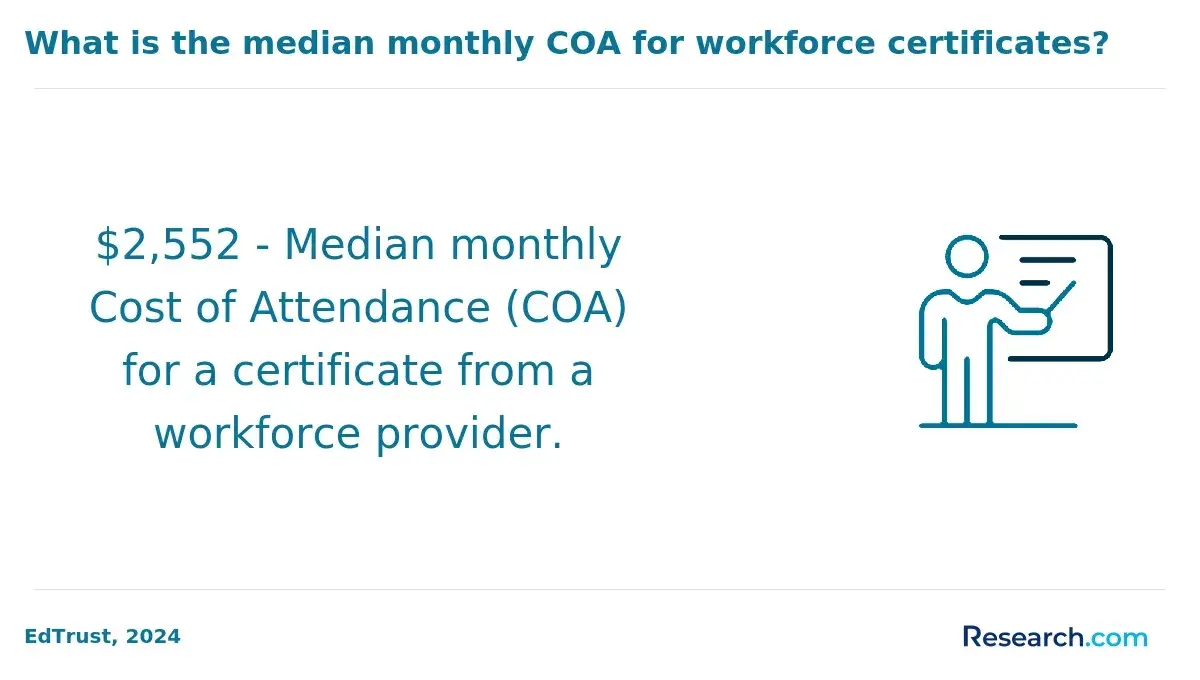
Lower tuition rates at public institutions often result in reduced debt levels for health systems management graduates, shortening the time needed to recoup educational expenses. However, this financial advantage does not guarantee superior return on investment, as private and nonprofit programs frequently offer enhanced career services and stronger connections within healthcare networks that can improve job placement and salary trajectories.
For example, data from the National Center for Education Statistics in 2024 show public online graduate programs in health fields typically cost about 40% less than comparable private programs after financial aid, yet graduates from accredited nonprofit programs earn starting salaries roughly 15% higher on average, illustrating a nuanced tradeoff between upfront cost and earnings potential.
Students borrowing less at public schools may face fewer financial burdens but often encounter more limited alumni networks and support resources, which could influence career advancement over time. Conversely, those accepting higher tuition and debt at private or nonprofit institutions might benefit from accelerated program options and flexible scheduling, factors that facilitate quicker workforce reentry and better alignment with employer expectations in a competitive sector.
The decision thus hinges on individual career goals and financial tolerance; tuition alone does not capture differences in program quality, completion rates, or overall graduate outcomes that critically shape long-term ROI in health systems management.
How Do Graduation Rates Influence Health Systems Management Program ROI?
Graduation rates offer insight into institutional effectiveness but should not be viewed as the sole gauge of return on investment in health systems management programs. Public online programs report median graduation rates around 45-50%, whereas private nonprofit institutions average closer to 55-60%, according to the National Center for Education Statistics' 2024 data. These differences reflect varied student populations, academic flexibility, and support services, which significantly impact persistence and time to degree-especially for working adults balancing part-time study.
For example, a public program's lower completion rate might still deliver a strong ROI if affordable tuition and employer recognition offset longer timelines and attrition risks. For cost-conscious students comparing health systems management online program graduation outcomes, graduation rates must be balanced with factors like tuition, academic advising, and career services.
Nonprofit providers often reinvest in student support, which can improve persistence despite moderate costs and variable graduation metrics. Given many programs now emphasize flexible scheduling and practical experience, learners should consider how institutional fit and support infrastructure influence completion outcomes, employability, and long-term debt. Seeking an online college no application fee can also reduce upfront costs, further affecting overall investment value beyond graduation statistics alone.
What Role Do Career Outcomes Play in the ROI of a Health Systems Management Degree?
The true impact of career outcomes on the ROI of health systems management degrees lies in how effectively programs translate educational investment into measurable employment advantages. Public institutions often deliver stronger immediate job placement, with a reported 10-15% higher employment rate compared to private and nonprofit programs, a crucial factor for cost-conscious learners balancing time and debt.
Meanwhile, nonprofit online programs frequently align their curricula with emerging healthcare trends, enhancing long-term career resilience, whereas private programs may provide more tailored career services but at increased financial cost, potentially offsetting gains through higher post-graduate debt. These disparities underscore the importance of scrutinizing not just tuition but how well a program's employer networks, skill relevance, and career support match one's personal and financial circumstances.
Employer demand for competencies in data analytics, regulatory compliance, and leadership increasingly dictates graduate success, rendering curriculum applicability a key ROI driver. Although 68% of online health systems management graduates express satisfaction with their career preparation, this number varies with program rigor and real-world applicability. Adult learners and career changers must also weigh flexibility and professional networking differently.
For some, shorter time-to-degree with lower debt may trump specialized content, while others may prioritize credentials that industry recognizes for upward mobility. Ultimately, evaluating ROI involves balancing tuition cost, debt, skill alignment, and tangible career outcomes rather than relying on generalized reputations or abstract promises of advancement.
One graduate recounted enrolling with uncertainty about whether the degree would justify its cost, especially given the competing online program options. Early post-graduation, internal promotions were slow and the return felt intangible, prompting doubts about its value beyond a formal credential.
Over time, however, expanded responsibilities linked directly to skills acquired-and recognition from supervisors familiar with the program's curriculum-began to translate into concrete career opportunities. This cautious progression highlighted how assessing ROI through immediate financial metrics alone can be misleading without considering the nuanced interplay between employer perception, skill utility, and evolving role expectations.
How Does Student Debt Impact the Long-Term ROI of a Health Systems Management Program?
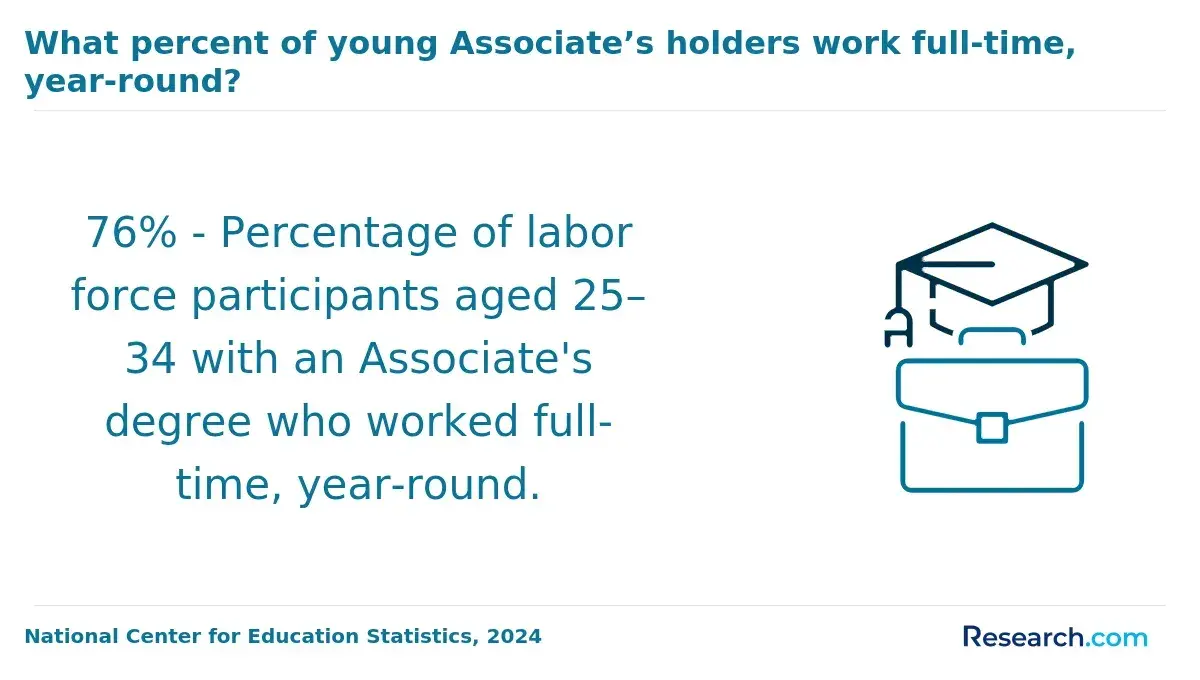
Borrowing strategies and debt levels play a significant role in shaping the long-term ROI of a health systems management program, especially when students weigh the upfront cost against future earnings potential. Graduates from public online institutions generally face lower debt burdens-often 20% to 30% less than those at private or nonprofit online schools-because reduced tuition costs limit borrowing needs.
This difference can translate into greater financial flexibility post-graduation, as smaller monthly payments lower the risk of default and allow more income to be allocated toward investments or career development. However, these advantages must be balanced against potentially fewer networking opportunities or specialized resources that some private or nonprofit programs may provide.
In evaluating the impact of graduate debt on career earnings in health systems management, it is important to consider not only institutional type but also completion rates and repayment terms. Private nonprofit programs often carry average debts nearly $15,000 higher than public options, which can extend the payback period and reduce long-term economic mobility, particularly for those in entry-level administrative roles.
Yet, some graduates of such programs may benefit from stronger employer connections or specialized curricula that boost salary growth over time. Prospective students who understand these financial tradeoffs alongside realistic post-degree income scenarios are better positioned to select programs aligned with their career goals and loan repayment capacity. For an informed comparison of program quality and affordability, examining resources like those for the best exercise science degree online can offer useful insights into how different educational pathways translate into measurable value.
How Do Flexibility and Adult Learner Support Affect Health Systems Management Program Value?
Program flexibility and comprehensive adult learner support critically shape the return on investment in online Health systems management degrees, directly affecting persistence and career readiness. Asynchronous coursework and part-time enrollment options accommodate professionals balancing work and family, reducing dropout risk and accelerating completion for those who might otherwise pause or quit their studies.
According to a 2024 National Center for Education Statistics report, programs with asynchronous schedules yield up to 22% higher retention for adult learners, underscoring the value of adaptable formats in sustaining educational momentum amid competing obligations. However, institutional differences in advising and student services create tangible tradeoffs affecting overall value beyond just tuition costs.
Public institutions typically lower sticker prices but offer less individualized support due to scale, which can slow progression or limit navigation of military benefits, credit transfer, and career placement. Private schools may invest heavily in technology and faculty access but require higher fees that may not be recouped without strong post-graduation earnings.
Nonprofit programs often provide robust support structures linked to a 15-18% boost in employment outcomes within six months, according to EduCause, yet sometimes impose restrictions on transfer credits that extend degree timelines. Adult learners must weigh these factors against their own needs and financial limits, as quality advising, flexible scheduling, and targeted accommodations often distinguish programs that deliver practical ROI from those that increase costs and opportunity losses without commensurate workforce payoff.
How Do Accreditation and Institutional Reputation Influence Health Systems Management ROI?
Accreditation plays a critical role in determining the ROI of health systems management programs by ensuring academic quality, enabling licensure eligibility, and facilitating credit transfer and graduate school access. For example, graduates from regionally accredited online programs are statistically more likely to secure employment within six months-by about 15%, according to a National Center for Education Statistics report-reflecting employer trust in accredited credentials.
While institutional reputation influences perceptions, its impact on hiring decisions is often secondary to accreditation and the demonstrated relevance of coursework, as 2024 employer surveys show healthcare organizations prioritize accredited degrees over prestige in candidate evaluation. Tradeoffs between tuition cost, debt burden, and institutional prestige are particularly evident when comparing public, private, and nonprofit providers of health systems management education.
Public institutions usually offer more affordable tuition, enhancing early-career financial flexibility and potentially improving ROI despite sometimes less recognized brand names. Conversely, certain private and nonprofit colleges may leverage specialized programmatic accreditation, such as CAHME in healthcare management, to boost employability and align more closely with industry needs, though often with higher cost and variable reputational effects.
How Does Time-to-Degree Affect the ROI of Public, Private, and Nonprofit Health Systems Management Programs?
Time-to-degree significantly shapes the return on investment in health systems management programs, particularly when comparing public, private, and nonprofit online institutions. A compressed timeline reduces tuition and opportunity costs by enabling quicker workforce reentry but often demands full-time enrollment, which can be impractical for working adults managing family or job responsibilities.
Public programs typically allow part-time pacing, extending completion but increasing total costs and delaying credential-related earnings. This balance between accelerated completion and flexibility is a critical tradeoff for cost-conscious adult learners assessing how program duration aligns with their career timing and financial stability. Comparing program duration and financial returns in nonprofit health systems management online degrees reveals another key factor: transfer credit policies.
Public institutions tend to accept more transfer credits, facilitating earlier graduation and lowered expenses, while private programs usually impose tighter restrictions, prolonging time-to-degree and increasing debt burden. Graduation rates also intersect with completion timelines; programs with higher persistence-more common in public institutions offering adaptable pacing and robust support-increase likelihood of credential attainment and thus long-term value. In contrast, some private online programs' accelerated models may result in higher attrition, undermining ROI despite faster pathways.
Students balancing professional and personal obligations should carefully weigh these factors alongside academic quality and price. For those seeking expedited options without compromising employability, examples like the 6-month RN-to-BSN program online illustrate how carefully structured accelerated tracks can provide both speed and recognized credentialing. Ultimately, understanding how time-to-degree impacts ROI in public versus private health systems management programs informs decisions that affect debt levels, credential timing, and career trajectory in real-world workforce settings.
How Can You Choose the Best Health Systems Management Program Based on Your ROI Goals?
Determining the best health systems management program for ROI hinges on individual priorities more than institution type alone. Public programs generally offer lower tuition rates that reduce initial debt but may lack specialized learner support or networking benefits often found in private or nonprofit schools, which can enhance long-term employment outcomes.
Graduation rates and program length also heavily influence ROI, as faster completion reduces costs and accelerates entry into a competitive job market where employers value regionally accredited institutions with relevant health administration credentials. Financial aid availability varies considerably: nonprofit online programs frequently provide more grant support, lowering net costs despite higher sticker prices, while debt burdens tend to be lighter on average for public institution attendees.
Flexibility in online formats plays a crucial role for working adults and family caregivers balancing commitments; however, private and nonprofit programs may emphasize accelerated options or curricula tailored to emerging health technologies that align with evolving employer demands. Considering these tradeoffs is vital when choosing the best online health systems management program for career return in a field marked by increasing demand and specialized skill requirements.
Ultimately, prospective students must weigh tuition costs, financial aid, institutional reputation, and time-to-degree against personal circumstances and career goals rather than defaulting to a single institution type as best. Those interested in related interdisciplinary health professions might explore offerings like an environmental health and safety bachelor degree online to complement traditional health systems management skill sets. ROI calculations should reflect the realities of employment status, family obligations, and strategic career planning to maximize the practical value of their educational investment.
References
- High School Graduation https://odphp.health.gov/healthypeople/priority-areas/social-determinants-health/literature-summaries/high-school-graduation
- Do private operators really provide better value in public health services? https://dobetter.esade.edu/en/public-versus-private-health-services
- Healthcare Investment ROI: How to Evaluate Digital Health ROI https://smarthealthasia.com/blog/healthcare-investment-roi-digital-health/
- ‘MBAs for the Public Good’? https://www.vitalcitynyc.org/mbas-for-the-public-good-does-getting-a-masters-degree-make-sense-for-nonprofit-professionals/
- Essential Stewardship Priorities for Academic Health Systems - NAM https://nam.edu/perspectives/essential-stewardship-priorities-for-academic-health-systems/
- What Is Healthcare Management? Degree, Skills & Career Paths https://online.ewu.edu/degrees/business/mba/healthcare-administration/salary-job-outlook-career-paths/
- International Accreditation: Elevating Healthcare Quality to Global Standards https://hospitalsmagazine.com/iinternational-accreditation-elevating-healthcare-quality-to-global-standards/
- How a Healthcare Management Degree Can Boost Your Career https://www.straighterline.com/blog/how-a-healthcare-management-degree-can-boost-your-career-prospects
- How to Measure ROI in Healthcare with Connected Care Solutions https://www.baxter.com/perspectives/healthcare-insights/connected-care/roi-in-healthcare
- The Long-Term Effects of Student Loans | ACE Blog https://ace.edu/blog/the-long-term-effects-of-student-loans/
Other Things You Should Know About Health Systems Management
Employers often weigh the reputation of the institution behind an online health systems management degree, with private institutions sometimes commanding a perception of greater rigor due to smaller cohort sizes and more selective admissions. However, public and nonprofit programs frequently emphasize affordability and accessibility, which can matter more in healthcare settings seeking diverse or locally-oriented talent.
For professionals targeting leadership roles in large hospital systems, private program credentials may carry a slight advantage, but in many regional or community health organizations, public and nonprofit degrees are equally valued. Candidates should prioritize alignment with employers known to respect the specific institution type rather than assuming one universally outperforms others.
Yes, program structure can vary substantially by institution type. Private online health systems management programs often feature more accelerated pacing and intensive coursework, reflecting a focus on executive-style education tailored for working professionals. Public programs sometimes offer more flexible pacing options or part-time pathways but can include larger class sizes and less personalized support. Nonprofit programs vary widely but generally balance flexibility with rigorous curricula. Prospective students should assess workload demands carefully against their current work and life commitments to avoid burnout and optimize job-study balance.
From a pure ROI standpoint, public and nonprofit programs generally provide a better financial balance due to lower tuition and fees combined with respectable career outcomes. Public programs, in particular, tend to have stable state funding that keeps costs down while maintaining employer recognition. Nonprofits may offer scholarship opportunities or reduced rates that further enhance affordability. Working professionals facing budget constraints or those unwilling to incur substantial debt should prioritize these institution types, assuming the program content and career support meet their professional goals.
Preparation quality hinges more on curriculum design and practicum opportunities than simply institution type, but differences do arise. Private institutions often incorporate case-based learning, leadership projects, and direct industry linkage, which can accelerate readiness for complex administrative roles. Public programs focus heavily on policy, population health, and systems thinking, benefiting those interested in public sector or community health leadership.
Nonprofit programs may blend both approaches but sometimes lack the extensive networking or capstone experiences of private competitors. Candidates should select programs based on how well the offerings match their intended career trajectory and learning preferences rather than institutional category alone.