2027 Health Systems Management Transfer Credit Trends: How Schools Are Adapting for Adult Learners

Co-Founder and Chief Data Scientist
When a military veteran returning to civilian life seeks to transfer credits earned during prior coursework, discovering that a significant portion won't apply to a health systems management degree can upend plans. This often results in added tuition, delayed graduation, and difficult choices between paying more or retracing educational steps. According to the 2024 National Student Clearinghouse report, only 65% of transferred credits are accepted at target institutions, highlighting persistent barriers despite growing demand for flexible pathways. This shortfall reflects complex institutional policies and uneven credit evaluation standards that disproportionately affect adult and transfer students.
This article examines current transfer credit trends within health systems management programs, exploring how schools adapt policies, expand credit recognition, and design degree pathways that help learners graduate efficiently and affordably.
Key Things to Know About Health Systems Management Transfer Credit Trends for Adult Learners
- Institutions increasingly accept military and workforce training credits, improving credit mobility but often requiring complex evaluations, which can delay enrollment decisions for adult learners balancing career demands.
- Expanded prior learning assessments reflect employers' growing preference for verified skills, emphasizing practical knowledge over traditional coursework, which may limit credit applicability depending on program rigor.
- Technology-enabled transcript reviews streamline transfer processing, reducing administrative barriers and shortening degree completion time, yet disparities persist in access, affecting low-income or community college pathways disproportionately.
- Key Things to Know About Health Systems Management Transfer Credit Trends for Adult Learners Key Things to Know About Health Systems Management Transfer Credit Trends for Adult Learners
- How Are Health Systems Management Programs Changing Transfer Credit Policies for Adult Learners? Evolving Adult Transfer Policies
- Why Are More Health Systems Management Schools Accepting Credit for Prior Learning and Work Experience? Prior Learning Credit Benefits
- How Do Health Systems Management Colleges Evaluate and Award Transfer Credits Today? Transfer Credit Evaluation Process
- Which Alternative Credits Are Most Commonly Accepted by Health Systems Management Programs? Accepted Alternative Credits
- How Are Health Systems Management Schools Improving Transfer Pathways for Community College Students? Improved Community College Pathways
- How Can Transfer Credits Help Health Systems Management Students Graduate Faster? Accelerating Degree Completion
- How Much Money Can Students Save Through Health Systems Management Transfer Credit Opportunities? Cost Saving Through Transfers
- How Are Health Systems Management Programs Supporting Military Students and Workforce Learners Through Transfer Credits? How Are Health Systems Management Programs Supporting Military Students and Workforce Learners Through Transfer Credits?
- What Transfer Credit Innovations Are Shaping the Future of Health Systems Management Education? What Transfer Credit Innovations Are Shaping the Future of Health Systems Management Education?
- How Can Adult Learners Maximize Transfer Credits in a Health Systems Management Program? Maximizing Your Transfer Credits
How Are Health Systems Management Programs Changing Transfer Credit Policies for Adult Learners?
Health systems management programs are responding to the persistent challenge of credit loss among adult learners by broadening transfer credit acceptance and prioritizing prior learning recognition. Nearly 60% of adult learners face extended degree timelines due to unaccepted credits, prompting many institutions to enhance policies that validate military training, community college coursework, and workforce experience. This shift is especially consequential for working professionals who must carefully compare program-specific credit transfer standards and plan course sequences to avoid repeating content or incurring additional costs. For example, a military-affiliated student transferring from a community college may find that a school with robust credit articulation agreements and credit-for-prior-learning options shortens their time to degree by a semester or more, directly impacting affordability and career timelines.
The evolving transfer credit environment in health systems management also reflects a growing emphasis on integrating alternative learning pathways, such as certifications and Massive Open Online Courses (MOOCs), through improved transcript evaluation technologies. These innovations help institutions assess a wider array of competencies aligned with industry needs, thus expanding educational access and credit mobility for transfer students. However, variability persists in how institutions apply these credits, requiring prospective students-particularly those seeking a healthcare administration degree or equivalent-to navigate nuances in policy and program eligibility carefully. Ultimately, while expanded credit acceptance can facilitate faster degree completion, it demands proactive advising and strategic academic planning to balance institutional standards with practical credit maximization.
Why Are More Health Systems Management Schools Accepting Credit for Prior Learning and Work Experience?
The increasing willingness of health systems management schools to award credit for prior learning and professional experience goes beyond mere policy leniency; it reflects institutional responses to complex pressures such as enrollment challenges, retention goals, and the evolving nature of workforce readiness. Many programs now scrutinize military training, industry certifications, and documented workplace competencies to ensure alignment with academic standards and employer expectations. This nuanced approach recognizes that credit acceptance is not automatic but contingent on rigorous evaluation to maintain academic integrity while accommodating diverse learning pathways. For example, a veteran with extensive healthcare operational leadership might gain credit for leadership courses but still need to complete core managerial theory classes, highlighting the tradeoff between accelerated progress and comprehensive curriculum coverage.
From a strategic standpoint, these expanded credit policies can substantially shorten time to degree completion, as supported by a 2024 report from the Council for Adult and Experiential Learning showing a typical 20% reduction in time for adult learners receiving prior learning credit. This acceleration can ease financial burdens and improve persistence, yet students must navigate institutional limits on credit transfers, especially concerning core requirements vital to credential credibility in the competitive healthcare management job market. Schools balancing flexibility with rigor also respond to workforce demand for verified competencies, making credit acceptance a critical factor for working adults and military affiliates aiming to translate real-world skills into recognized academic credentials.
One learner who transitioned from a military medic to health systems management candidly described the process of submitting transcripts, military training records, and certification portfolios to their institution. While initially skeptical about how much experience would count toward their degree, they found the institution's prior learning assessment policies evolving during their enrollment. The student faced occasional delays and administrative requests for supplementary documentation but ultimately appreciated that the recognition of both formal training and on-the-job problem-solving reduced redundant coursework, allowing a more focused academic path. This blend of cautious optimism and institutional variability underscores the complexity adult learners must navigate when leveraging prior experience in health systems management programs.
How Do Health Systems Management Colleges Evaluate and Award Transfer Credits Today?
Transfer credit evaluation in health systems management programs has evolved into a strategic endeavor integral to enrollment management and student success rather than a mere administrative checkpoint. Institutions weigh course equivalency with careful scrutiny, emphasizing accreditation status and learning outcomes alignment while balancing residency and upper-division credit requisites. For example, a student transferring credits from a community college or military training might see general education courses accepted readily, but core health systems management classes often undergo thorough content review, forcing students to plan for potential gaps or extended timelines in degree completion.
Policies increasingly account for prior learning assessments, military service, and professional certifications to harness experiential knowledge, reflecting data from the Council for Adult and Experiential Learning showing over 60% of colleges now offer credit-for-prior-learning options. However, stricter transfer restrictions on advanced or specialized coursework affect educational costs and prolong academic pathways, challenging working adults balancing career and study demands. Consequently, articulation agreements between institutions and technology-driven evaluation systems help reduce redundant credits and clarify credit applicability, yet students must remain proactive in consulting advisors to navigate complex transfer rules impacting credit mobility and employability outcomes in a dynamic healthcare environment.
Which Alternative Credits Are Most Commonly Accepted by Health Systems Management Programs?
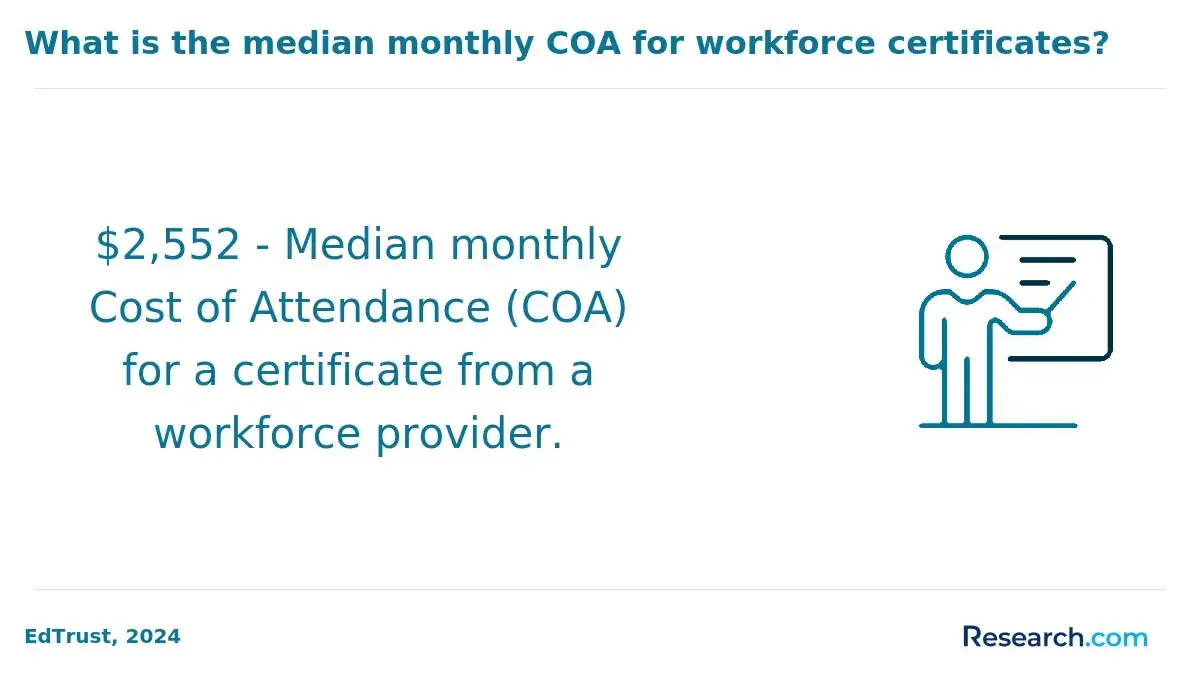
Acceptance of alternative credits in health systems management programs functions as a strategic lever to enhance degree accessibility and accelerate completion for adult learners, especially those balancing work and prior commitments. Credit for prior learning (CPL) remains a cornerstone, with over 70% of programs recognizing experiential knowledge, though practical limits often arise due to residency rules and upper-division course requirements. Military training credits, backed by the American Council on Education (ACE), are another prevalent source, enabling service members to translate leadership competencies into academic credit, but acceptance varies depending on how closely credits align with program learning outcomes and accreditation standards.
Other frequently evaluated sources include CLEP and DSST exam credits, workforce certifications, and competency-based assessments, each subject to detailed course equivalency reviews and program-specific policies that influence transfer credit acceptance in health systems management programs. These factors directly affect affordability, timeline reduction, and the flexibility adult students have when planning their degree pathways. For example, while some programs accept ACE-endorsed modular learning through platforms like Sophia Learning, many require strict curricular relevance, illustrating the tradeoff between credit transfer convenience and curricular integrity. As adult learners assess their options, engaging academic advising early becomes vital to navigate these variables effectively and optimize credit recognition.
Given these complexities, students aiming to leverage prior credits should consider the differentiated policies across programs, particularly since transfer credit acceptance in health systems management programs does not guarantee uniform credit application or advancement pace. Those looking for flexible pacing and accelerated paths may also explore a self paced bachelor's degree to align their work experience and testing credits with degree requirements. Aligning alternative credits with institutional demands remains a nuanced process requiring informed decision-making to balance educational rigor with practical outcomes in the evolving health systems management landscape.
How Are Health Systems Management Schools Improving Transfer Pathways for Community College Students?
Health systems management programs have increasingly prioritized streamlining transfer pathways to address credit loss and prolonged graduation timelines, recognizing these as significant barriers for community college students. Institutions are investing in clearer articulation agreements and transfer-friendly degree maps that explicitly align two-year coursework with bachelor's degree requirements, reducing uncertainty and course redundancy. However, variations in program accreditation and curriculum focus mean that not all credits transfer uniformly, which makes proactive advising and individualized credit evaluation essential. According to a 2024 report from the National Center for Education Statistics, schools with strong articulation agreements enjoy approximately 15% higher transfer retention rates, underscoring the practical impact of these adaptations on student persistence and momentum.
This shift toward flexible credit evaluation frameworks, including recognition of prior learning for military and adult learners, reflects a broader effort to convert diverse experiences into academic progress. Such policies can shorten time to degree but require students to navigate complex institutional criteria and differing acceptance of certifications or workforce experience. Technology tools that offer transparent transfer credit databases and degree audit functionalities are increasingly vital for enabling informed course selection and reducing unforeseen credit rejections. While these improvements expand educational access, students must remain vigilant about potentially limited credit applicability and weigh tradeoffs between immediate course offerings and long-term degree alignment to make the most of their transfer journey.
One community college transfer student pursuing health systems management shared that initial transcript evaluations produced conflicting information between the community college and the receiving university's departments. After multiple consultations with transfer advisors and accessing the institution's degree mapping platform, the student gained clarity on which credits met core curriculum requirements and which would count as electives. Although some credits were ultimately not accepted due to course content differences, the student appreciated the detailed articulation agreement and advising support, which turned an uncertain transfer decision into a manageable, stepwise pathway toward degree completion.
How Can Transfer Credits Help Health Systems Management Students Graduate Faster?
Transfer credit benefits for health systems management students are often contingent on institutional acceptance policies and how well prior coursework aligns with the program's curriculum. Students who have completed general education or foundational courses at community colleges may find these credits accepted, but upper-division requirements frequently demand coursework taken within the degree-granting institution, limiting the actual time saved. Additionally, institutions impose residency requirements and may restrict the number of transfer credits that count toward core health systems management courses, which means students must strategically plan transfers to maximize applicability and avoid redundant classes that can extend their enrollment.
Accelerated degree completion through transfer credits in health systems management is further influenced by the availability and recognition of prior learning assessments (PLAs), including military experience or workplace training. While PLAs can effectively reduce degree time-sometimes by up to one semester-students must proactively engage with advisors to confirm credit evaluation and sequencing within degree plans. Despite expanding articulation agreements and statewide transfer frameworks improving credit mobility, practical challenges remain as acceptance rates for transfer credits typically range between 60-85%, underscoring the importance of scrutinizing how each credit fits program requirements and impacts graduation timelines. For professionals balancing work and study, understanding these nuances is vital for managing educational costs and workforce entry timing efficiently.
Adult learners exploring cross-disciplinary moves, such as supplementing their health systems management degree with credentials in fields like nutrition, might consider pathways tied to a nutritionist degree for complementary skill sets. Ensuring that transferred credits contribute meaningfully to both immediate degree completion and long-term career goals requires deliberate assessment of institutional policies and realistic expectations about credit transferability, especially when combining courses from various institutions or training sources.
How Much Money Can Students Save Through Health Systems Management Transfer Credit Opportunities?
Transfer credit policies in health systems management programs offer tangible cost reductions by shortening degree timelines, but realizing these savings requires navigating institutional constraints such as residency requirements and credit transfer limits. For example, while a 2024 National Center for Education Statistics report highlights a 20-30% tuition reduction for students transferring at least 30 credits, many schools cap transferable credits between 60 and 90, and some limit the type of courses accepted toward core program requirements. This means adult learners and working professionals must strategically assess how prior community college credits, certifications, or professional training align with target program curricula to avoid losing credits to elective status or outright rejection, which can dilute expected financial benefits.
Military-affiliated students often face a unique opportunity as several programs recognize military training for credit, sometimes reducing tuition costs by up to 40%, yet these advantages hinge on institution-specific evaluation practices and proper early consultation to avoid duplicated coursework. Despite the potential for accelerated completion, transfer and prior learning credits rarely eliminate fees, textbooks, or opportunity costs altogether. Consequently, degree planning in health systems management becomes a balance between leveraging accepted credits and managing institutional policies that affect total educational investment, emphasizing the necessity for students to understand how credit transfer impacts not only direct tuition savings but also time to degree and alignment with employer expectations in healthcare settings.
How Are Health Systems Management Programs Supporting Military Students and Workforce Learners Through Transfer Credits?
Health systems management programs increasingly rely on nuanced transfer credit evaluations to translate military training, workforce credentials, and apprenticeships into academic progress. While over 75% of institutions now have formal pathways aligning credits from military professional certifications and occupational specialties with degree requirements, this does not guarantee a proportional reduction in remaining coursework. For example, a service member transitioning into civilian healthcare administration might see some military training recognized, yet still face significant course loads in core management subjects due to variable institutional policies and the complexity of aligning nontraditional learning with academic standards.
This variability impacts degree completion timelines and requires careful academic planning, especially for those balancing professional responsibilities. Despite institutional efforts, approximately 35% of military students experience inconsistent credit transfer outcomes, leading to extended enrollment periods and unexpected course commitments. Additionally, workforce learners without formal certifications face challenges in securing credit for experiential skills, reflecting ongoing limitations in standardized assessment frameworks. Some programs address these gaps by offering flexible pathways combining online coursework with credit for experiential learning, enhancing accessibility without compromising competency expectations demanded by employers in healthcare systems management roles.
What Transfer Credit Innovations Are Shaping the Future of Health Systems Management Education?
Transfer credit innovations in health systems management education are reshaping degree mobility and accessibility, particularly for adult learners balancing work and life commitments. The integration of AI-assisted transcript evaluations is accelerating credit determination timelines, exemplified by institutional reports showing a 30% boost in timely decisions, which reduces redundancy and shortens pathways to graduation. However, variability in how institutions adopt these technologies and credit recognition policies means students must strategize carefully to avoid surprises in credit acceptance and potential delays when transferring between schools or programs.
Expanded credit for prior learning, including recognition of professional experience and military training, is becoming a key feature in technology-driven transfer credit assessment for adult learners. Competency-based education models allow for skill mastery demonstration rather than seat-time reliance, offering flexibility but raising questions about employer recognition and consistency across institutions. Digital credentialing through blockchain and cross-institutional transfer agreements further enhance portability but require students to navigate complex articulation policies that may differ in scope and rigor. Prospective students, especially those with military backgrounds or seeking to understand how to become an autopsy technician, should prioritize transparent institutional policies and workforce alignment to maximize credit applicability and degree completion prospects.
How Can Adult Learners Maximize Transfer Credits in a Health Systems Management Program?
Maximizing transfer credits in a health systems management program requires deliberate navigation of institutional policies and credit evaluation challenges that directly affect a student's time-to-degree and educational costs. For instance, an adult learner transferring from a community college with healthcare-related coursework and professional certifications may encounter partial credit loss if course equivalencies are not clearly defined or if residency requirements limit credit applicability. The National Center for Education Statistics reported in 2024 that nearly 62% of transfer students lose some credits due to misalignment, highlighting the necessity of securing comprehensive transcript evaluations before enrollment and carefully aligning prior learning credits with program requirements.
Incorporating credit for prior learning, such as military training or workplace learning assessments, is increasingly recognized in many health systems management programs, yet the scope and acceptance vary widely by institution. Adult learners must weigh the benefits of articulation agreements and alternative credit pathways like CLEP or DSST exams against potential tradeoffs in degree map flexibility and course sequencing. Engaging academic advisors to integrate transferred credits effectively while anticipating potential credit rejection can prevent unexpected delays. Navigating these complexities with a focus on realistic transfer limits and degree completion strategies is essential in leveraging transfer credits to reduce both time and cost while maintaining alignment with career objectives. For those considering broader educational options, exploring the best online bachelors in sociology programs can provide comparative insights into credit policies and flexibility in allied fields.
References
- Mobility Isn’t a Choice: How Higher Education Can Better Serve Military Learners https://www.higheredtoday.org/2025/05/27/mobility-isnt-a-choice/
- Healthcare Management Trends & Innovations | MANCOSA https://www.mancosa.co.za/blog/innovations-in-health-care-management-trends/
- Offering prior learning credits helps increase earning power - SmartBrief https://www.smartbrief.com/original/prior-learning-college-credits
- Working Professionals | UMass Global https://www.umassglobal.edu/admissions/transfer-center/working-professionals
- The Missing Link: Adult Learners and the Transfer Process https://www.cael.org/resouces/pathways-blog/the-missing-link-adult-learners-and-the-transfer-process
- Improving the Experience for Community College Transfer Students https://changinghighered.com/improving-the-experience-for-community-college-transfer-students/
- Top 20 Health Administration and Healthcare Management Degree Programs Based on Overall Quality Measures - Healthcare Management Degree Guide https://www.healthcare-management-degree.net/best/programs-based-on-overall-quality-measures/
- Military Bridge | Admissions | Northwest Technical College https://www.ntcmn.edu/admissions/military-bridge/
- Blog https://www.straighterline.com/blog/
- Transfer Guide https://coursetransfer.northcarolina.edu/guide/2026-2027/308
Other Things You Should Know About Health Systems Management
Accepting transfer credits often speeds degree completion but can create gaps in curriculum continuity. Students who transfer many credits may miss out on foundational courses structured to build progressively advanced skills, potentially weakening their preparedness for complex topics like healthcare policy integration or management strategy. When evaluating programs, prioritize those that balance credit acceptance with required core coursework to ensure critical competencies are covered rather than simply accelerating course counts.
Yes. While general education credits are easier to transfer, they contribute less directly to professional competence in health systems management. Overemphasizing such credits can reduce time in specialized healthcare management coursework, which employers value for practical knowledge and skill application. Students should focus on transferring credits that align closely with the discipline to maintain relevance and enhance both academic and career outcomes.
Transfer credits can acknowledge prior academic work but rarely substitute hands-on experiences critical for health systems management roles. Practical exposure-through internships, capstones, or case studies-is often non-transferable but vital for understanding real-world healthcare environments. Professionals should therefore view transfer credits as a time-saver for theory while ensuring the program offers robust applied learning components to build applicable skills.
Employers increasingly scrutinize degree credibility and comprehensiveness, especially in fields like health systems management. Degrees earned with significant transfer credits may be questioned if key subject mastery appears lacking or inconsistent. It is advisable for students to seek programs with transparent credit evaluation and strong core requirements, as this better aligns education with employer expectations and reduces risks of underqualification.